Action
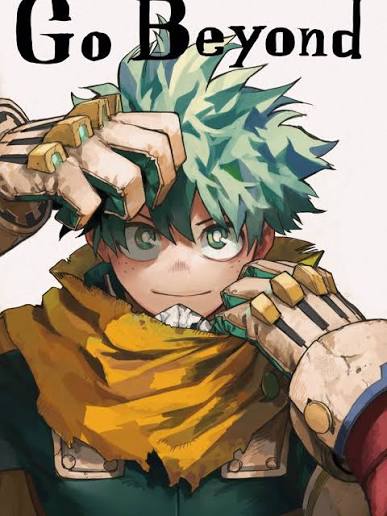
Battles, rivals, powers and big dramatic moments.
Deep Dive • Japan • Animation
From hand-drawn television and cinema to global fandom, games and character design — explore how Japanese animation became a worldwide cultural force.
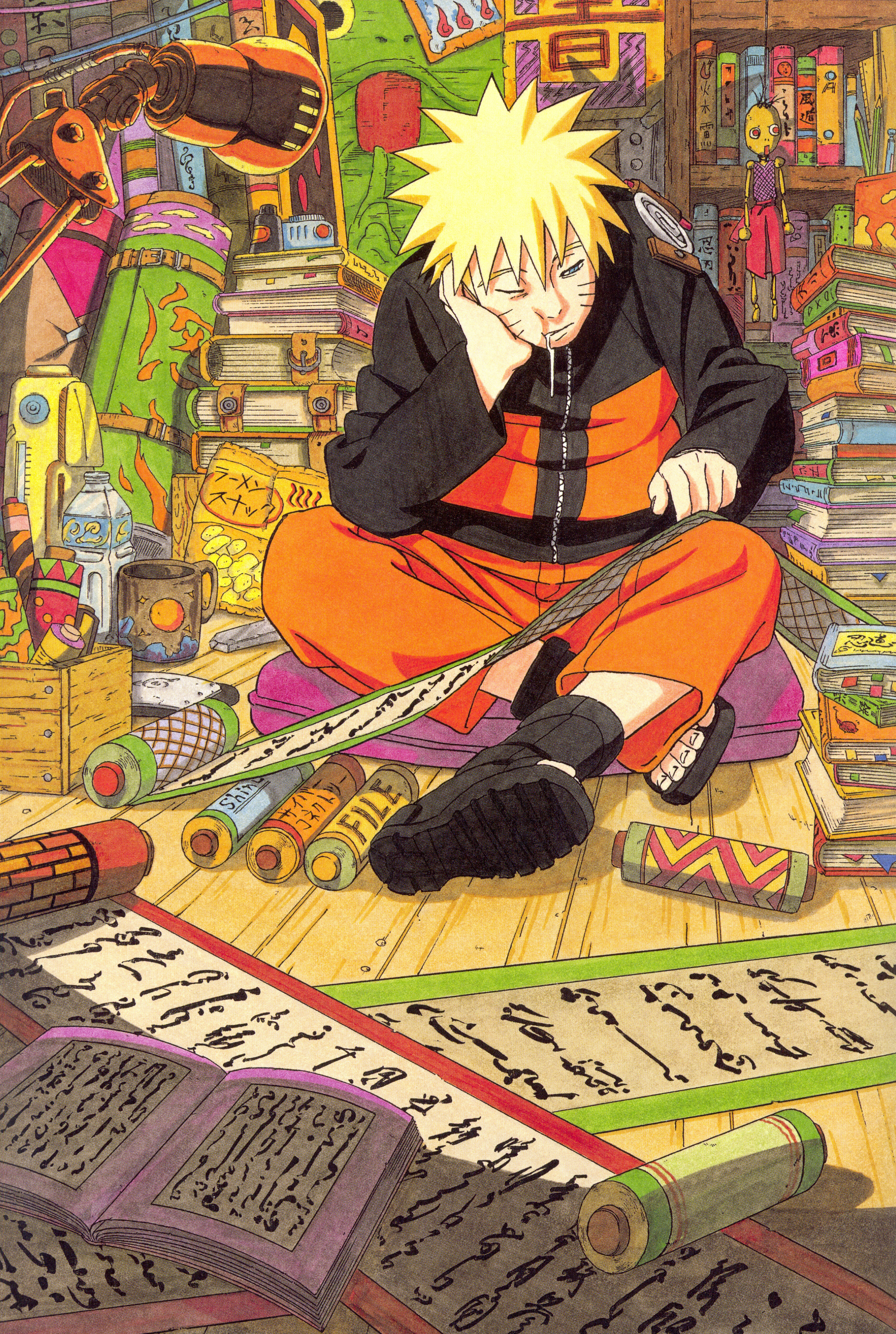
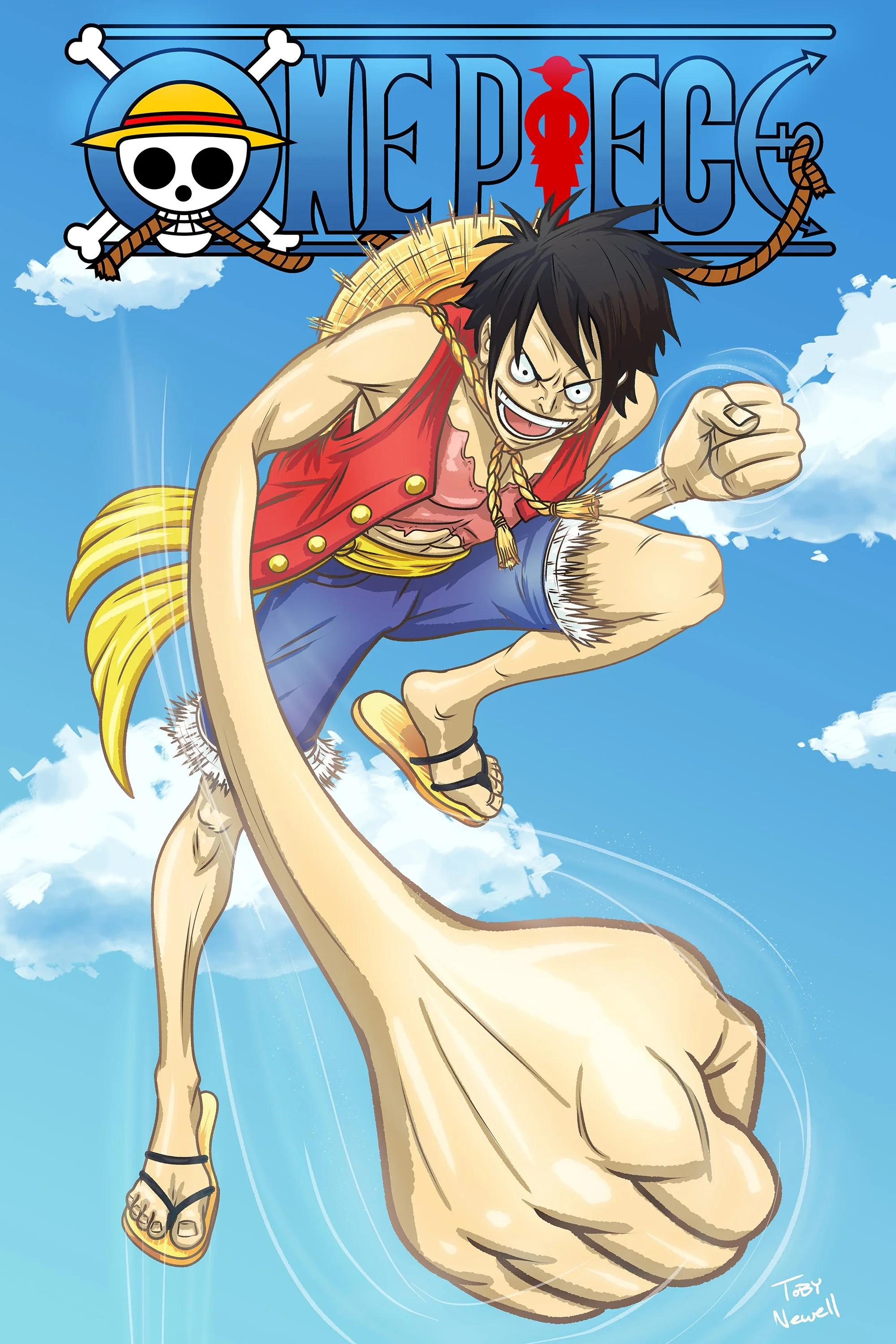
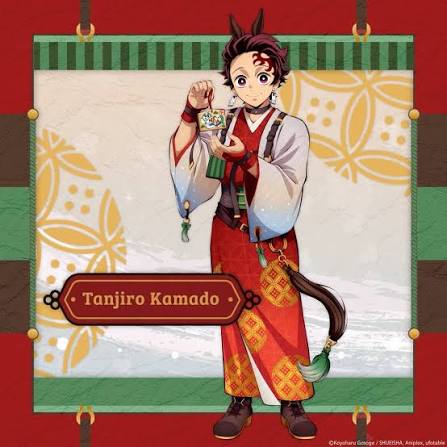
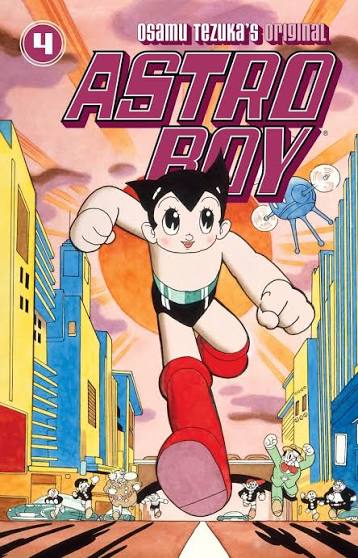
Start here
Anime is the word commonly used outside Japan for animation from Japan. It is not one single genre or one single drawing style.
Anime can be funny, frightening, romantic, sporty, historical, futuristic or completely fantastical. Some stories are made for children; others are made for teenagers or adults.
That variety is important. Saying all anime looks the same would be a bit like saying every live-action film looks the same.
Pick your world
Battles, rivals, powers and big dramatic moments.
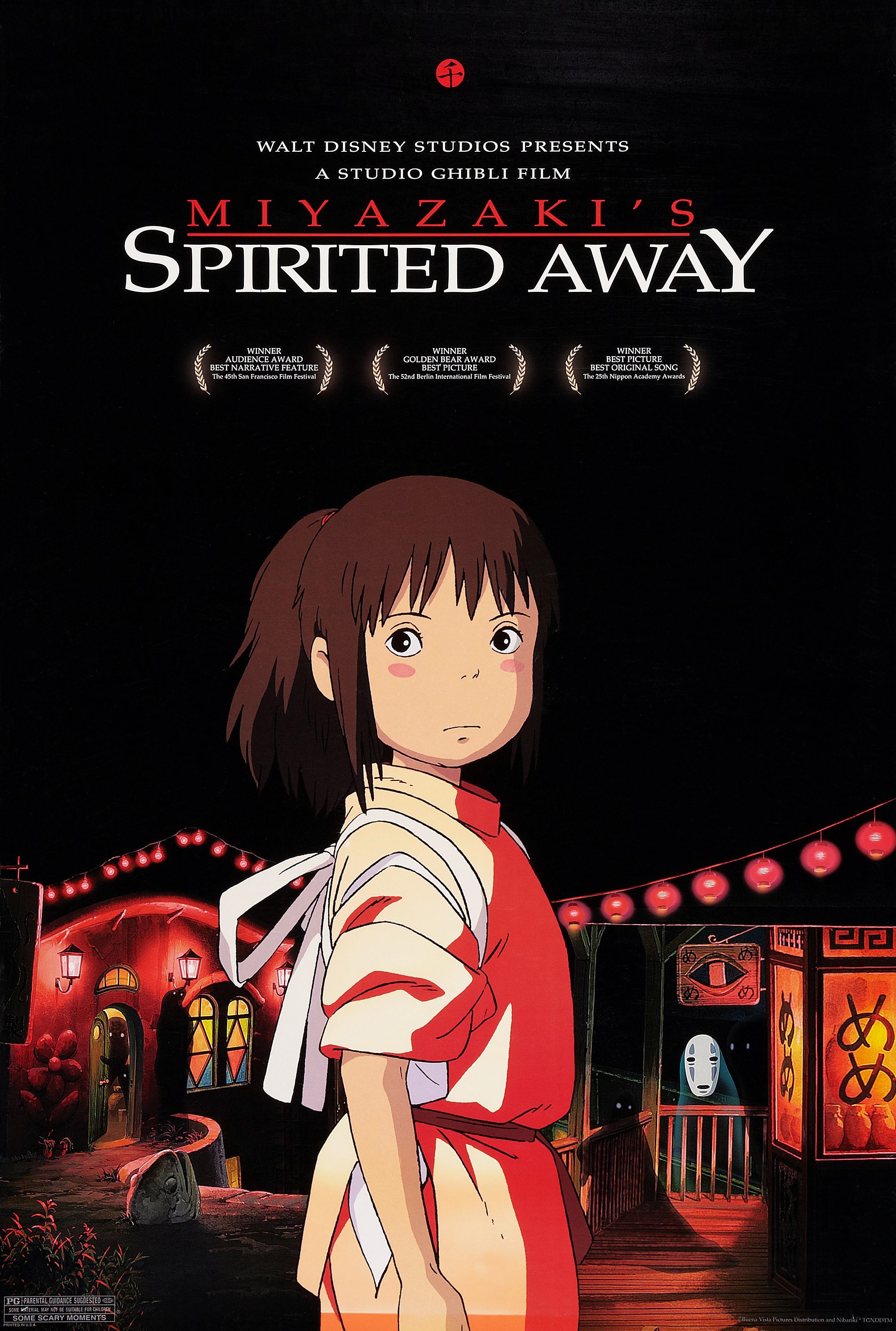
Spirits, magic, strange worlds and impossible creatures.
Competition, teamwork, training and trying to improve.
Friendship, school, family, food and quieter stories.
Picture wall
Tap a poster for a quick intro.
Look again
Compare character shapes, colours, backgrounds, movement and expressions. What makes one series instantly feel different from another?
Fast-forward
This is a quick route through a much bigger history — just enough to see how anime kept changing.
Japanese artists experiment with short animated films.
Television becomes an increasingly important home for Japanese animation.
Television, home video and films help more styles and stories reach viewers.
Series including Dragon Ball, Sailor Moon and Pokémon gain huge audiences outside Japan.
Hayao Miyazaki and Studio Ghibli's fantasy film becomes an international landmark.
Streaming, games, conventions, fan art and online communities make anime easier to discover around the world.
Look closer
Tap the ideas. These are storytelling tools — not rules that every anime has to follow.
Moving close to a face or eye can make a reaction feel intense and pull our attention towards emotion.
Lines, blurred backgrounds, camera movement and changing poses can make action feel faster than a still drawing.
Animators can push facial expressions and body language to make fear, excitement, embarrassment or anger immediately readable.
Music, silence, voices and impact sounds work with the pictures to change how a scene feels.
Your turn
You do not need to be an expert artist. Start rough and build it up.
Who are they and what do they want?
Try loose shapes before worrying about detail.
Can we tell how they feel just by looking?
Use the whole body to show personality.
Choose the lines you want to keep.
Put your character into a tiny moment of story.
Jump out
Follow a step-by-step Naruto drawing tutorial and have a go yourself.

Drawing tutorial
Learn to draw Naruto
Final challenge
Pick three ingredients. There is no correct combination — this is your story.
Your turn
Got an anime recommendation or made some anime-inspired artwork? Send it in. Keep it quick.
Made by you
Your drawings. Your recommendations. Your corner of the Anime Deep Dive.
Credits