History
The Mongol Empire
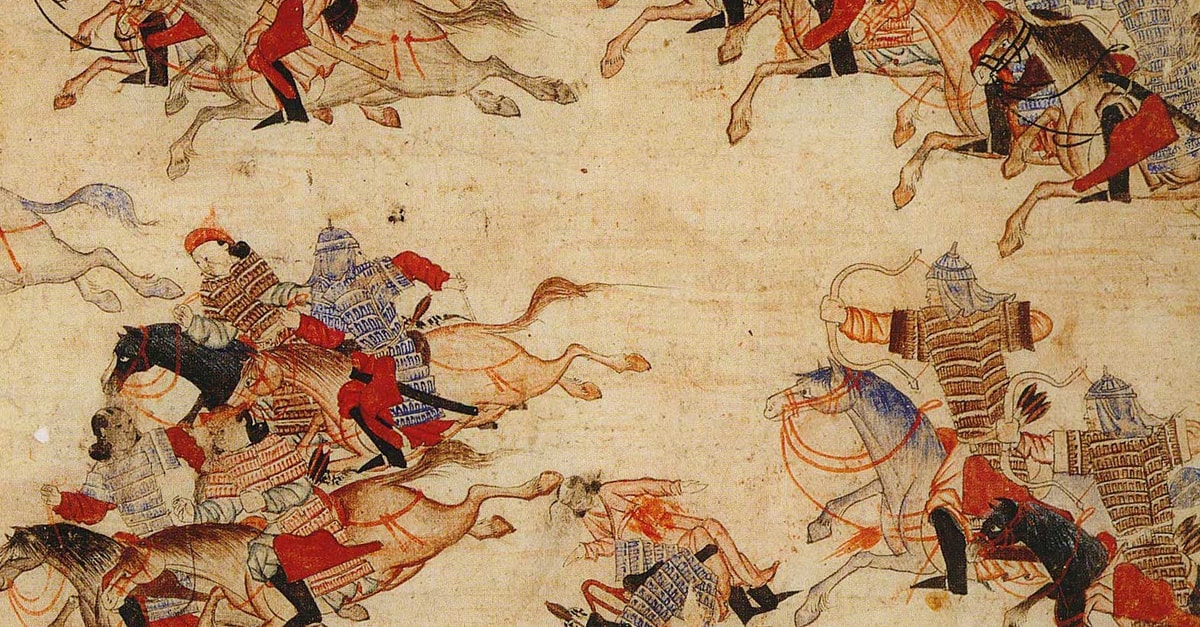
During the 13th century, Mongol armies created the largest contiguous land empire in history. At its height, Mongol-controlled territories stretched across huge areas of Asia and Europe.
History
East Asia
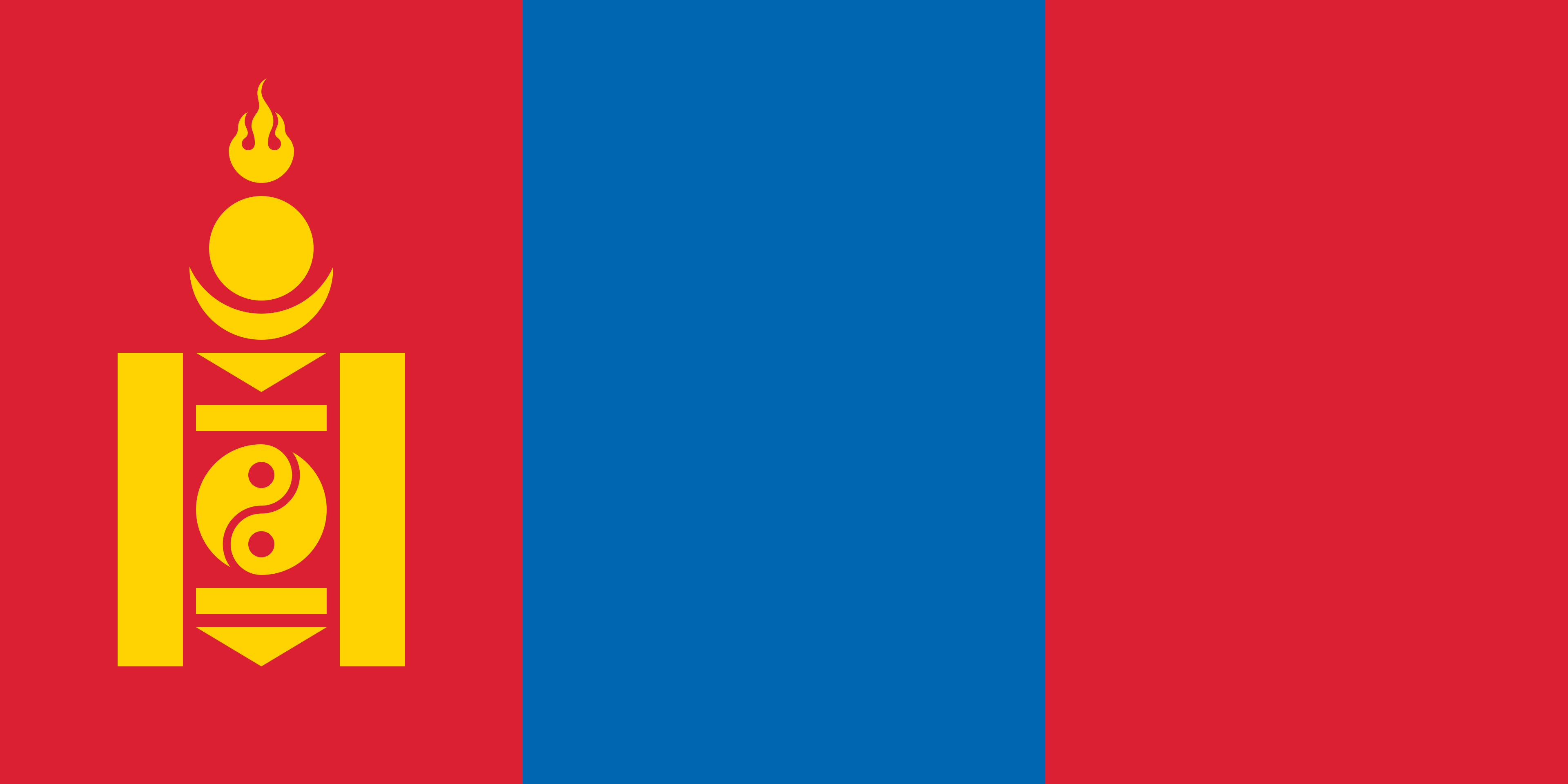
Mongolia is a vast landlocked country of grasslands, mountains and desert, famous for its nomadic traditions and its extraordinary place in world history.
Capital
Ulaanbaatar
Population
About 3.5 million
Languages
Mongolian
Currency
Mongolian Tögrög
Cultural Overview
Located between Russia and China, Mongolia is one of the least densely populated countries in the world. Its history is closely connected with the great nomadic societies of the Eurasian steppe and the rise of the Mongol Empire under Genghis Khan. Today, Mongolia combines ancient traditions such as herding, horse riding and life in gers with modern cities, democracy, mining and a growing contemporary cultural scene.
Capital City
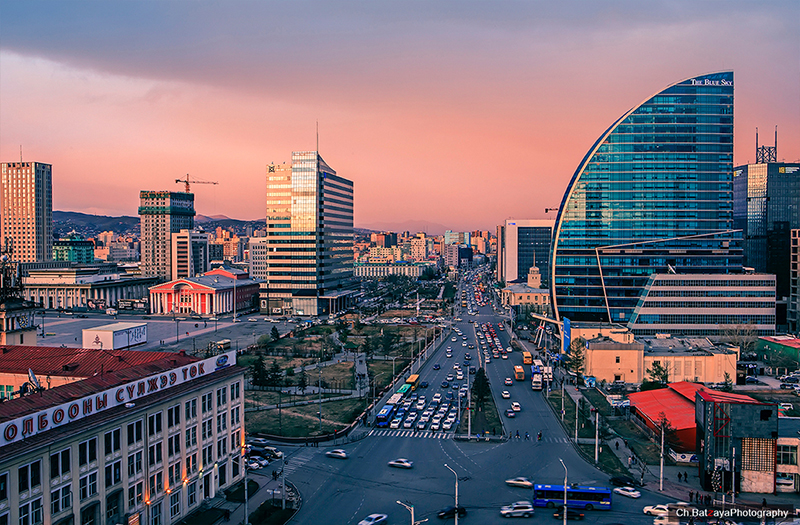
Ulaanbaatar is Mongolia's capital and largest city. A large proportion of the country's population lives there, making it the centre of Mongolian government, business, education and modern culture.
Fact File
Explore the history, food, wildlife and culture of Mongolia through images and short fact-file summaries.
During the 13th century, Mongol armies created the largest contiguous land empire in history. At its height, Mongol-controlled territories stretched across huge areas of Asia and Europe.
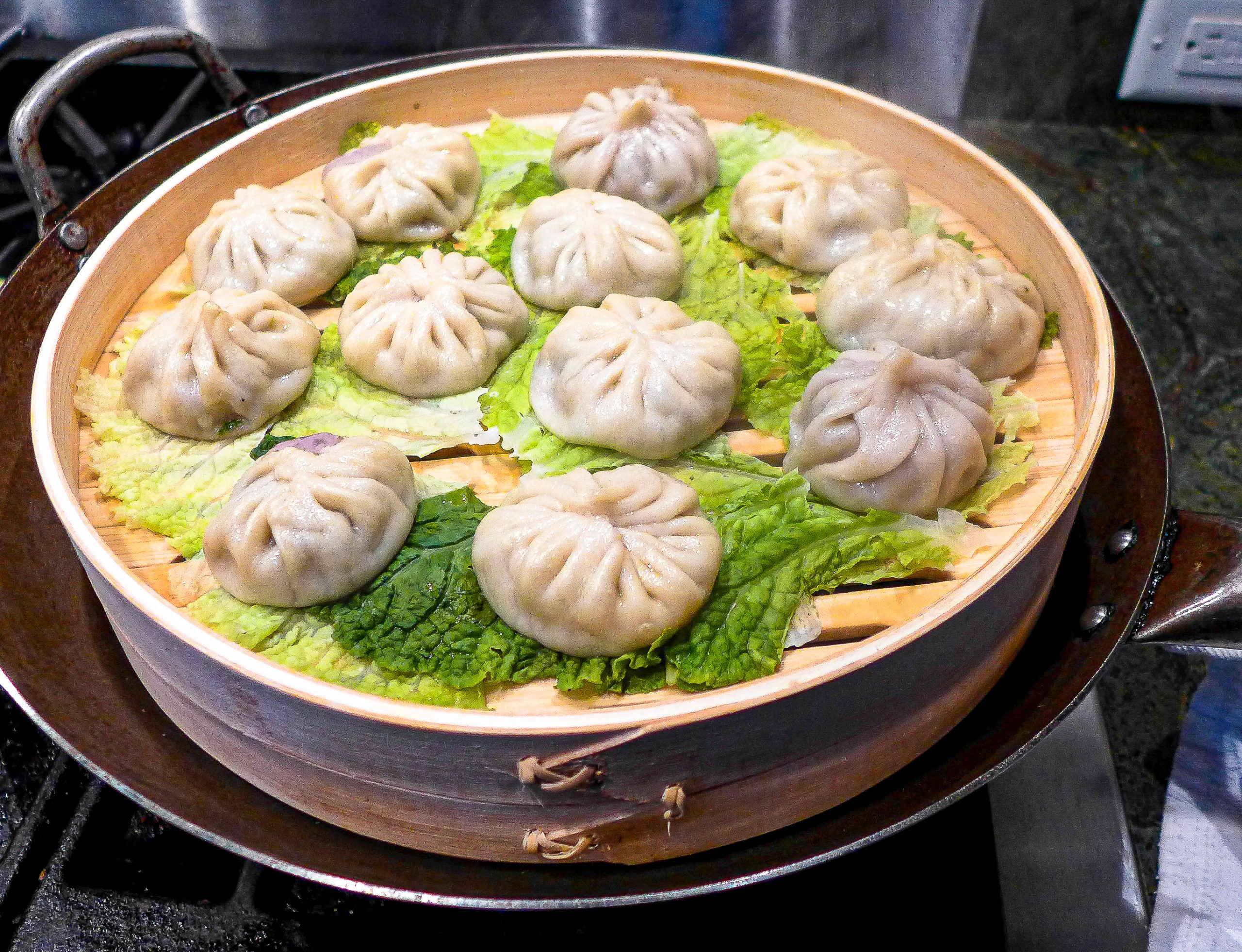
Buuz are steamed dumplings traditionally filled with seasoned meat. They are eaten throughout Mongolia and are especially associated with Tsagaan Sar, the Mongolian Lunar New Year.
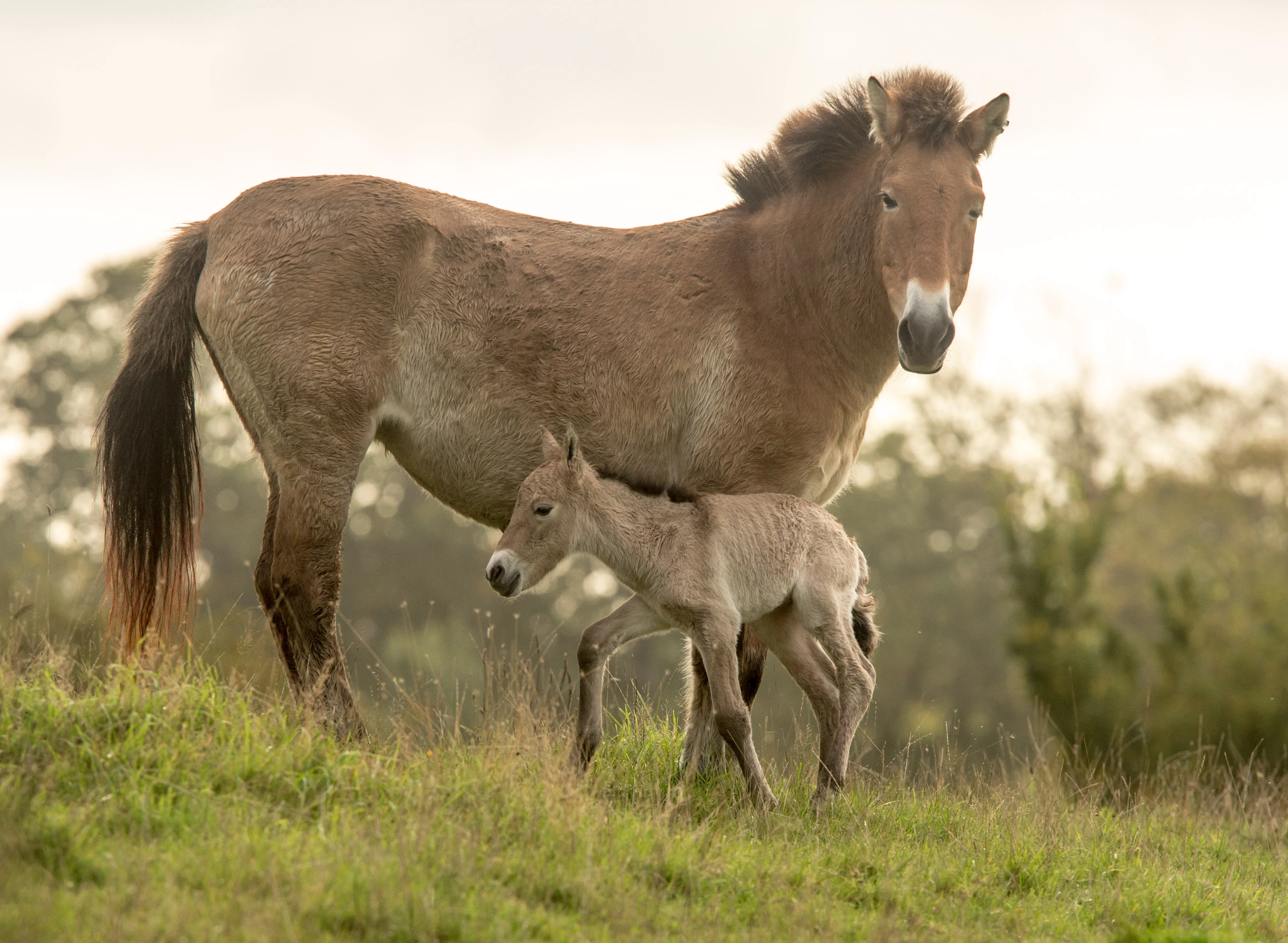
Przewalski's horse, known in Mongolia as takhi, is a rare wild horse native to Central Asia. After disappearing from the wild, conservation programmes successfully reintroduced the species to Mongolia.
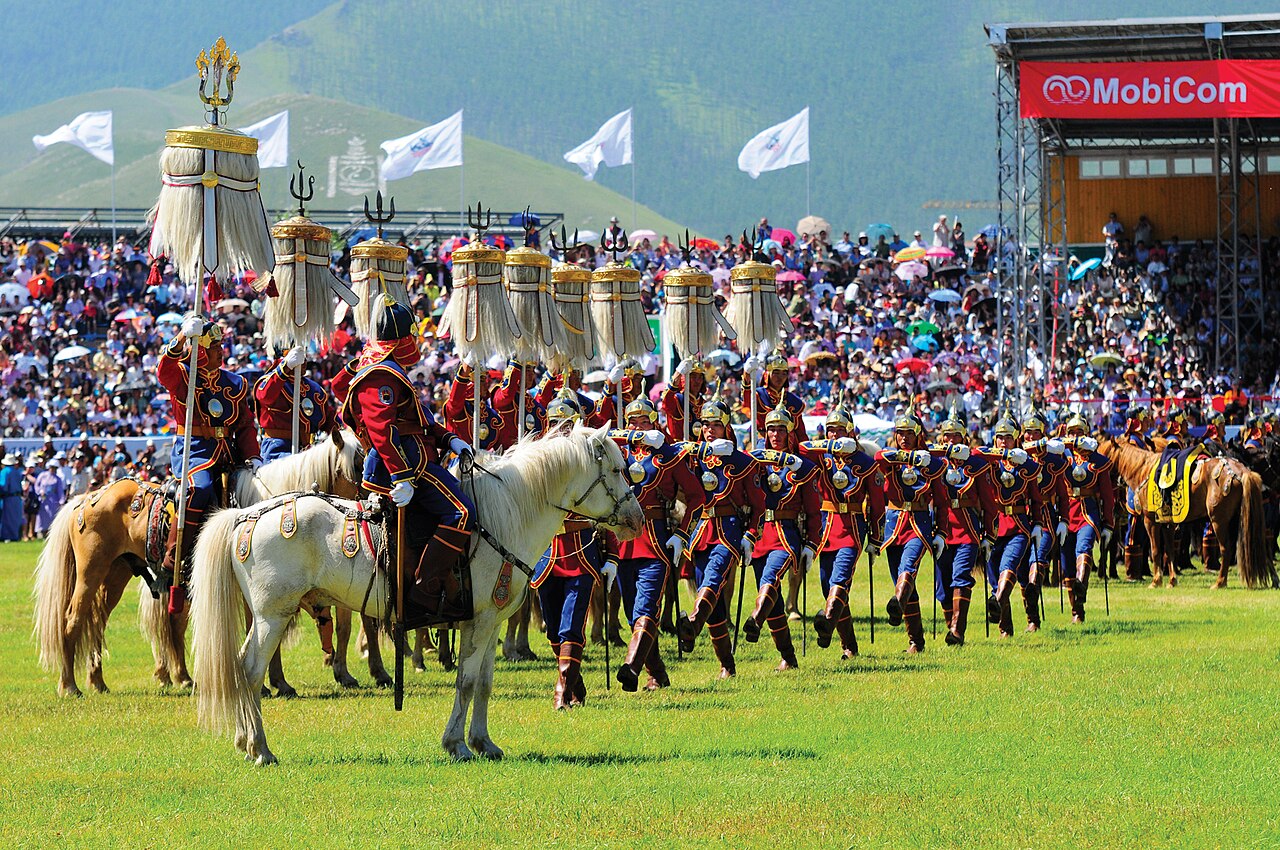
Naadam is Mongolia's famous national festival centred around three traditional sports: wrestling, horse racing and archery. The celebrations are closely connected with Mongolian history and identity.
Historical Timeline
Explore some of the events and periods that have helped shape the history of Mongolia.
Influential Figures
Explore influential people who helped shape the country through music, leadership, sport, activism, and culture.
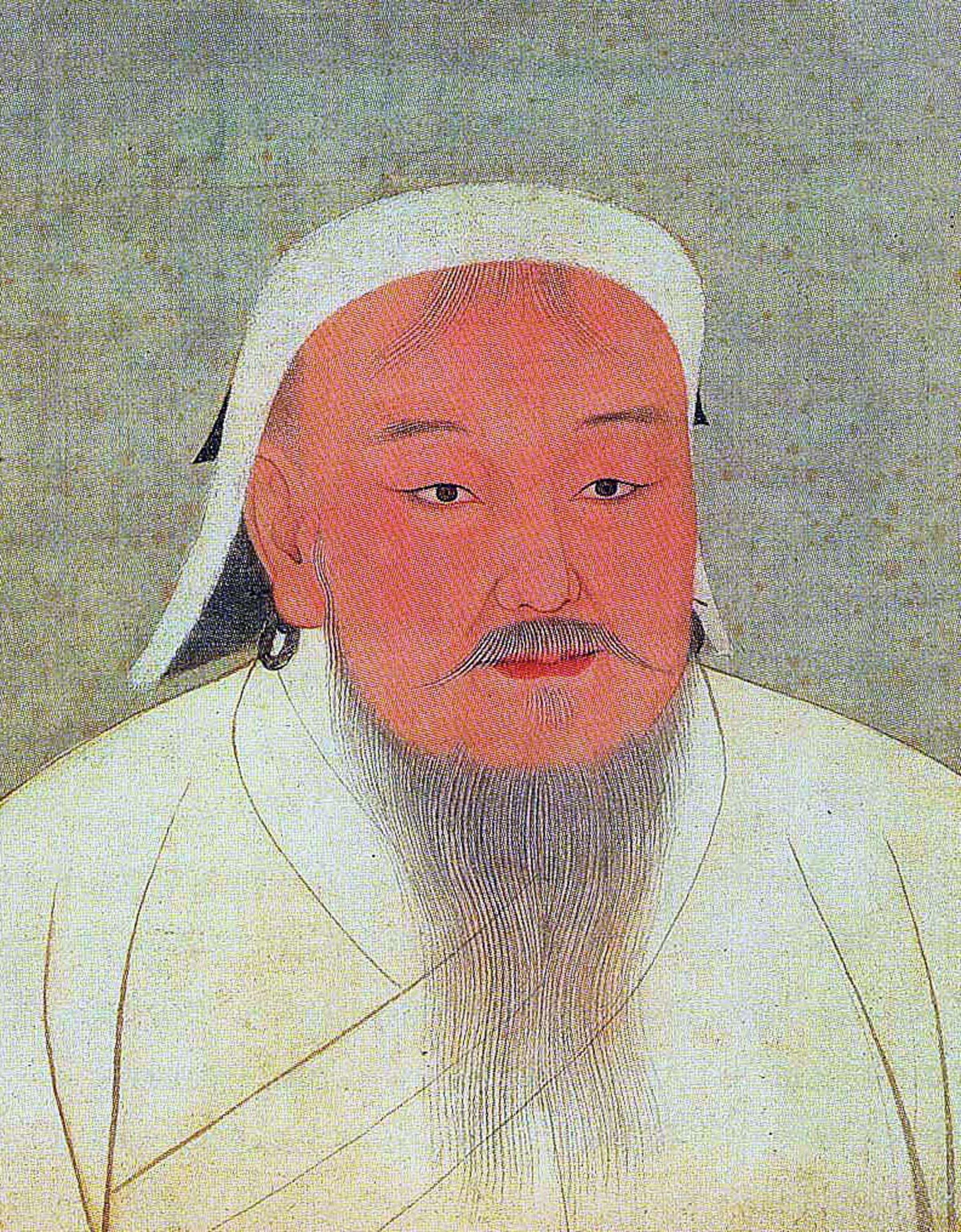
Leadership
Rose from a difficult childhood on the Mongolian steppe to unite rival tribes and establish an empire that would eventually stretch across much of Eurasia.
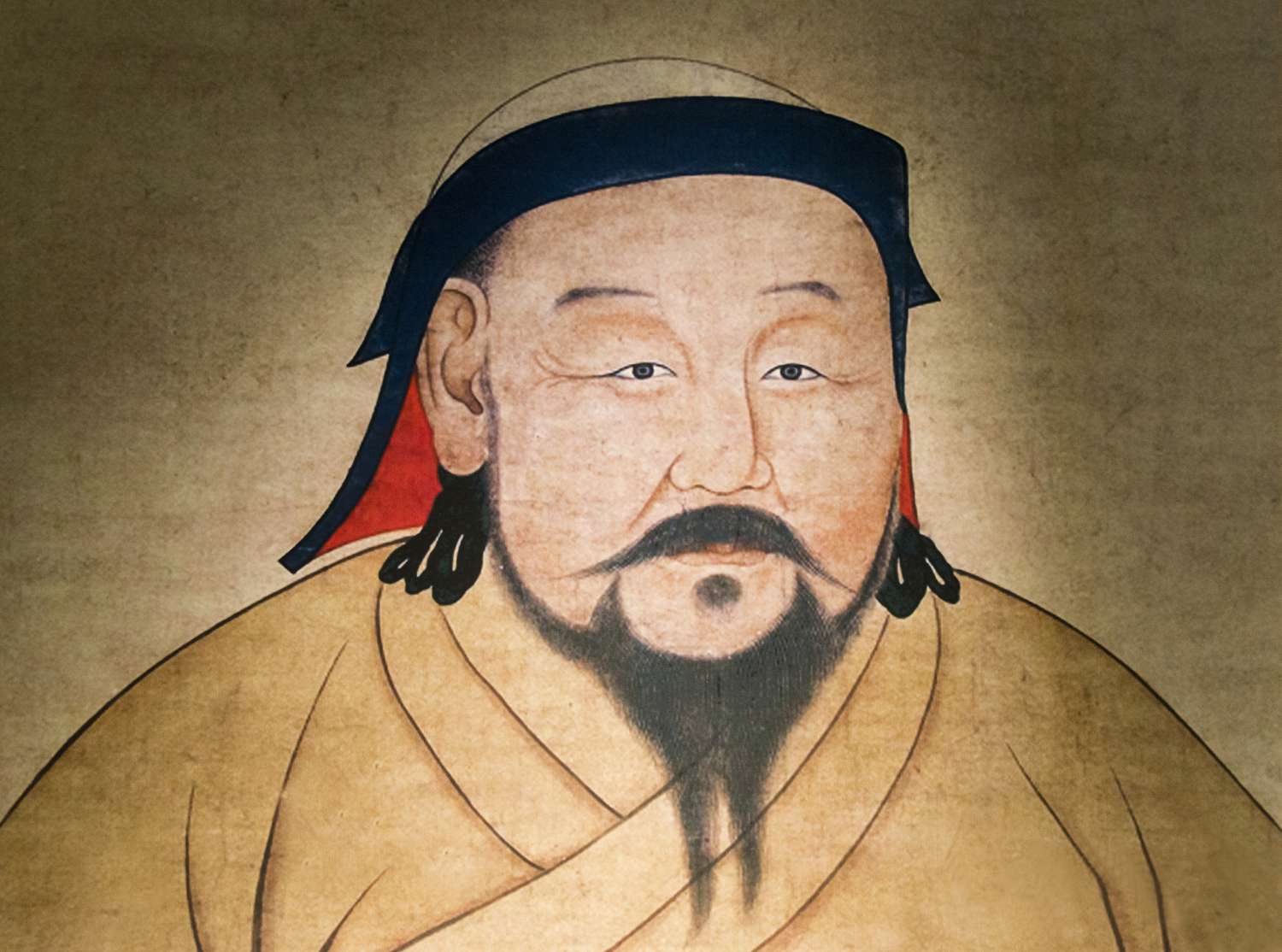
Leadership
A grandson of the founder of the Mongol Empire who became a powerful ruler, conquered the Southern Song and established the Yuan dynasty in China.
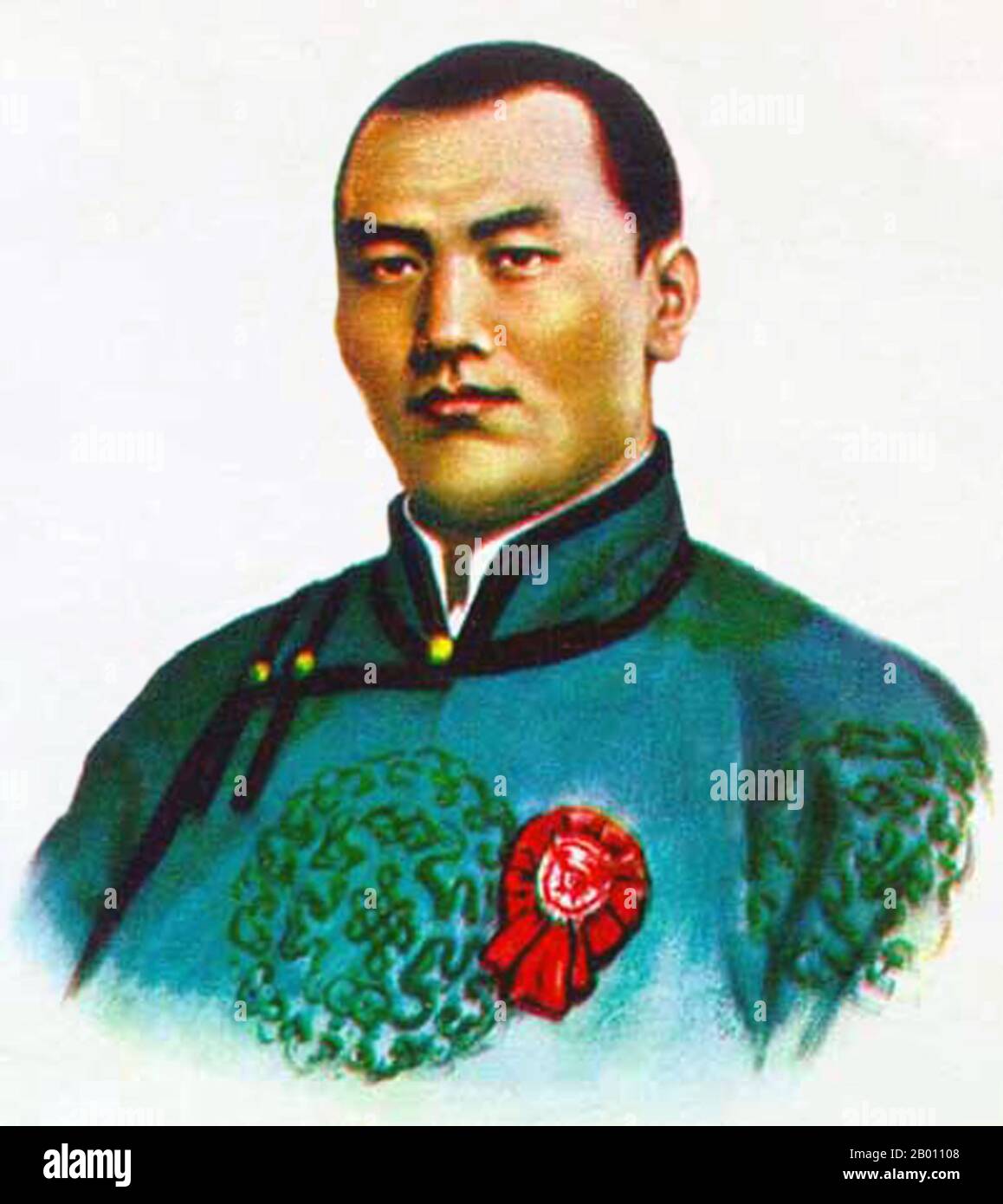
Revolution
A revolutionary leader associated with the events of 1921 who became one of the most prominent national figures of twentieth-century Mongolia.
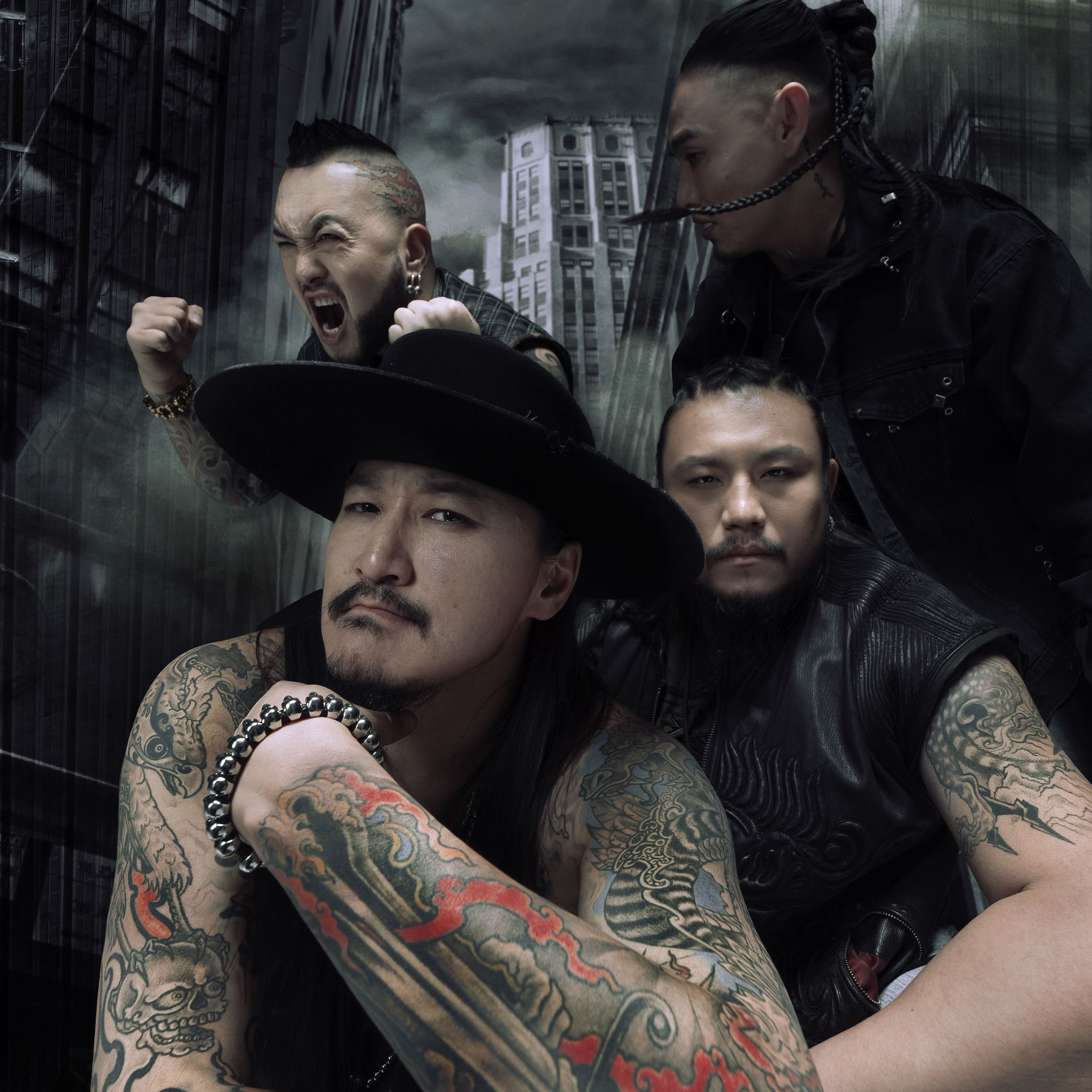
Music
A modern rock group that combines heavy rock music with traditional Mongolian instruments and throat singing, building an international audience far beyond Mongolia.
Cultural Spotlight
Explore the rich cultural heritage of Mongolia through its art, music, traditions, and more.
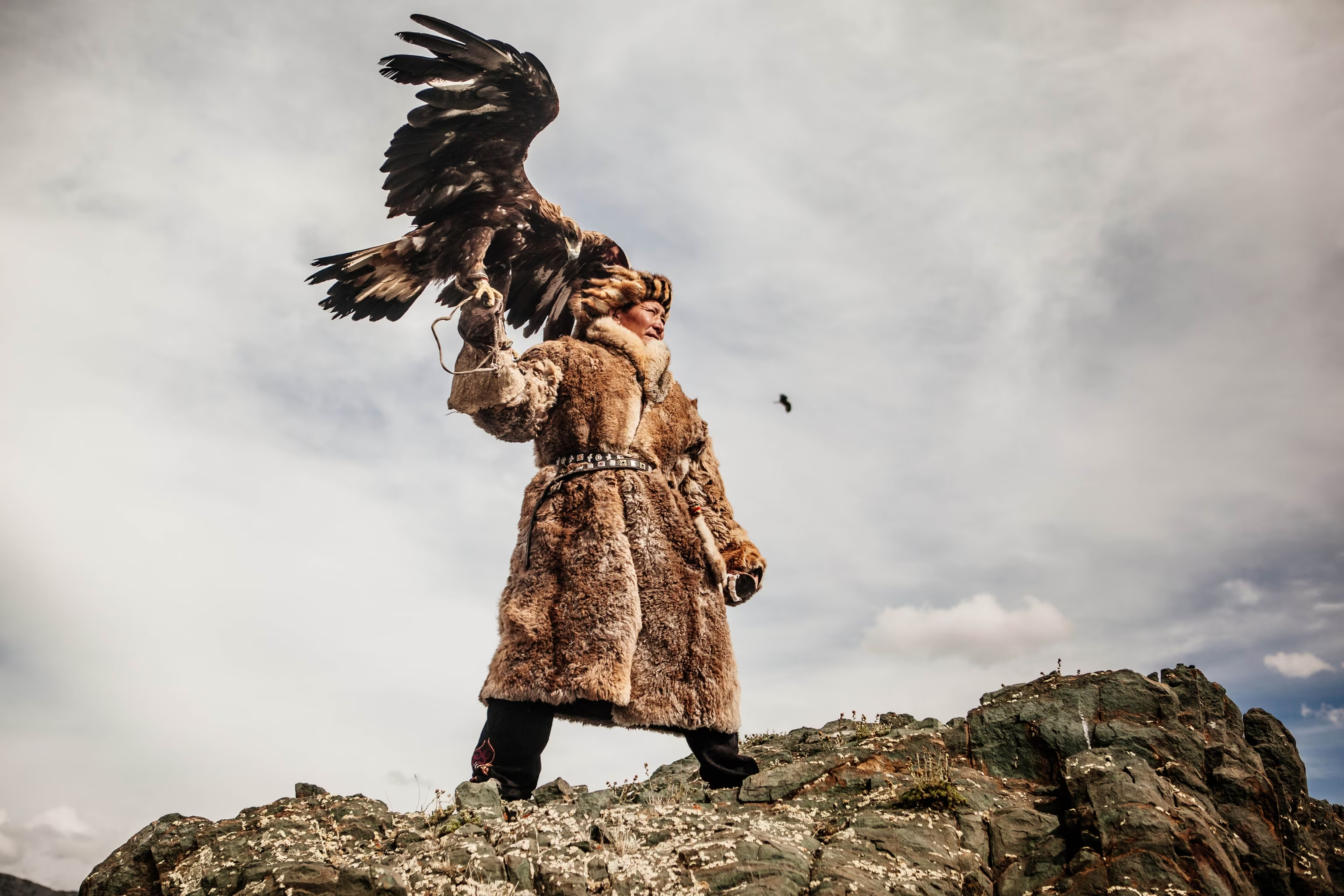
In western Mongolia, some Kazakh families continue a centuries-old tradition of training golden eagles to hunt. The skills are passed between generations and are celebrated at eagle festivals.
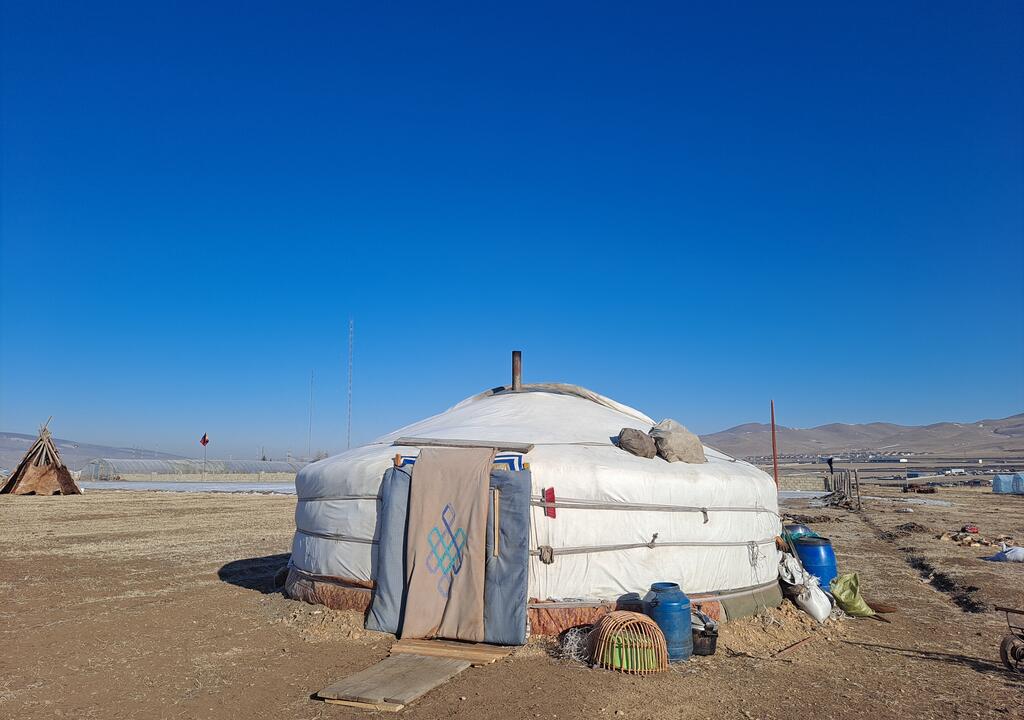
The ger is a circular portable home designed for life on the steppe. Its wooden frame and felt covering can be assembled, dismantled and transported as herding families move between seasonal grazing areas.
Places to Explore
Discover landscapes, cities, landmarks, and locations that help tell the story of Mongolia.
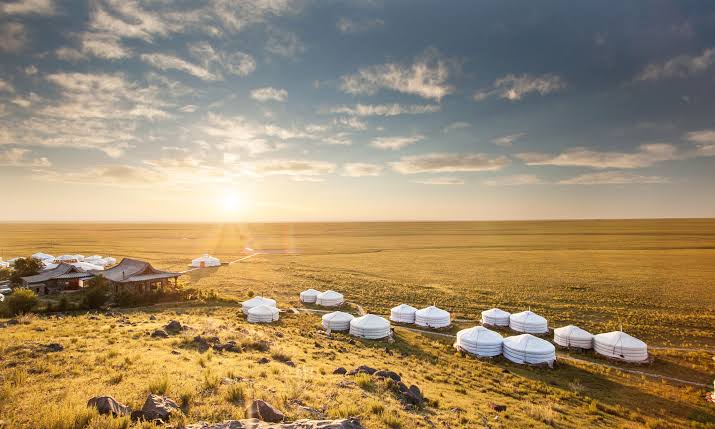
Nature
The Gobi stretches across southern Mongolia and northern China. Its landscapes include rocky plains, mountains and enormous sand dunes, and the region has produced important dinosaur fossil discoveries.
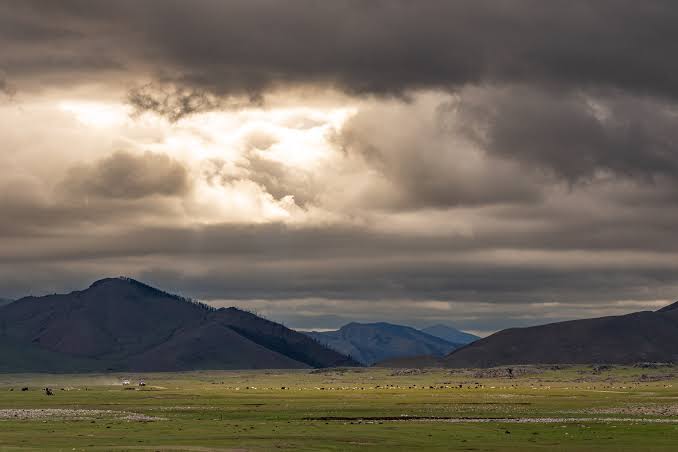
History
The Orkhon Valley has been an important centre of steppe civilisation for centuries. It contains archaeological remains connected with Turkic, Uyghur and Mongol empires.
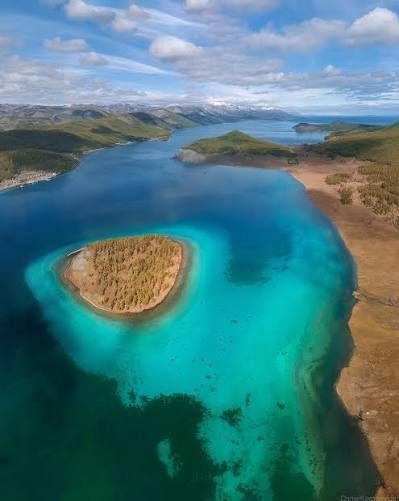
Nature
Khuvsgul Lake is a huge freshwater lake surrounded by mountains and forests in northern Mongolia. It is sometimes called the Blue Pearl of Mongolia.
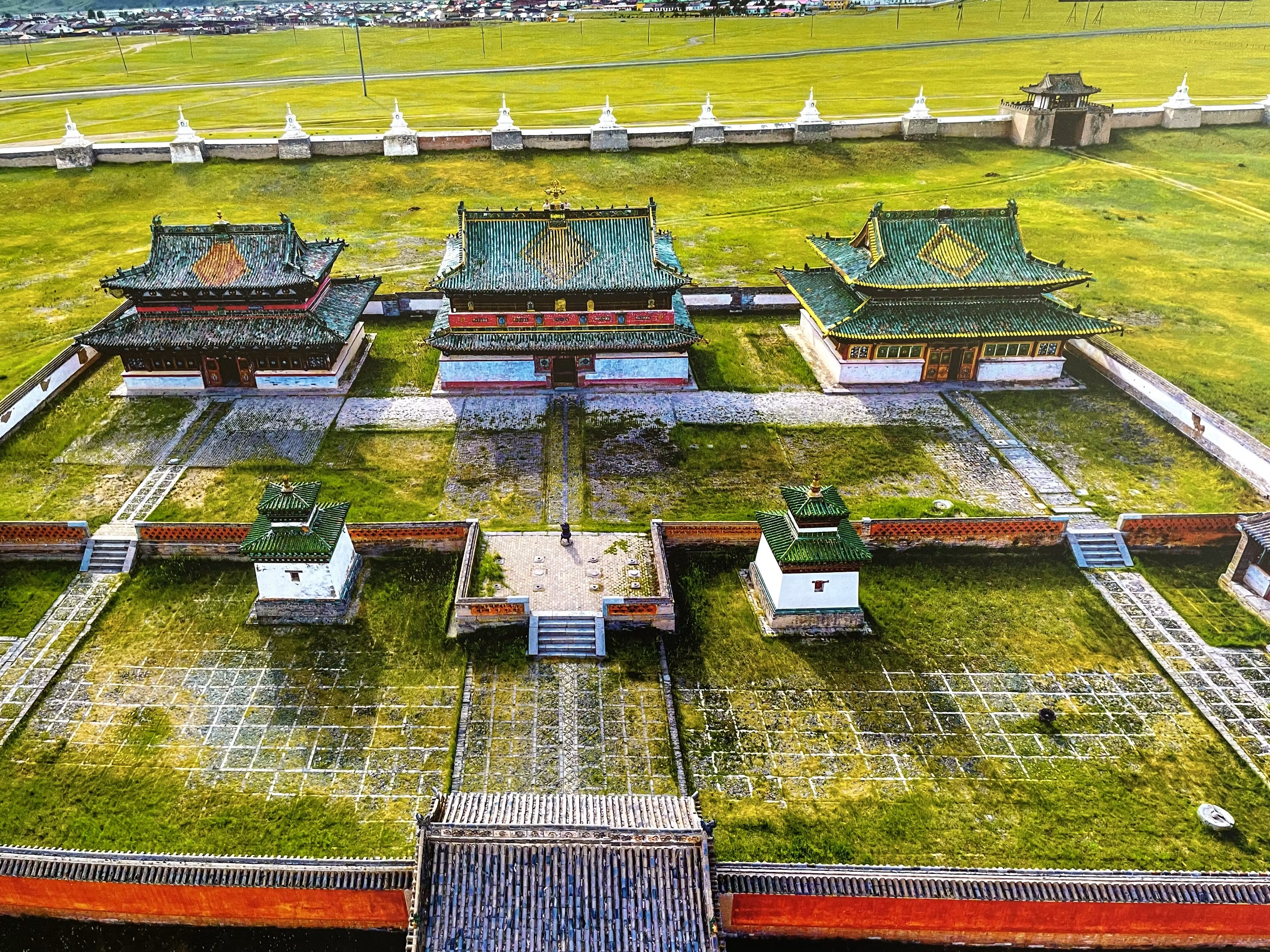
Culture
Erdene Zuu is one of Mongolia's oldest surviving Buddhist monasteries. It was established near the ruins of Karakorum, the former capital of the Mongol Empire.
Mongolia is one of the least densely populated countries in the world.
A large proportion of Mongolia's population lives in Ulaanbaatar.
The Mongol Empire became the largest contiguous land empire in history.
Horses have played an important role in Mongolian transport, herding, warfare and sport.
Traditional Mongolian throat singing can produce more than one audible pitch at the same time.
Naadam traditionally features wrestling, horse racing and archery.
The Gobi Desert stretches across both Mongolia and China.
Mongolia became a multiparty democracy following the peaceful revolution of 1990.