A Divided Peninsula
North and South Korea share a much longer history than their modern division. For centuries the peninsula was governed by Korean kingdoms and dynasties before division followed the end of Japanese colonial rule in 1945.
East Asia
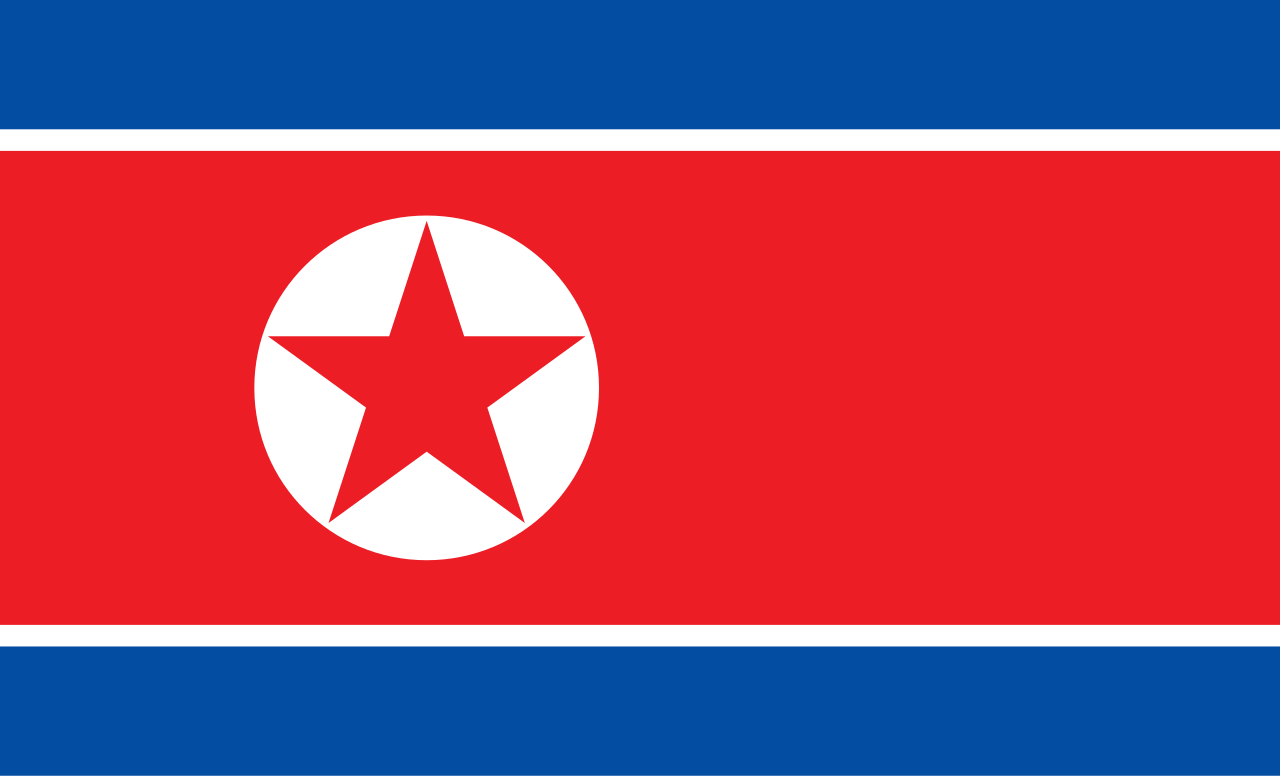
North Korea, officially the Democratic People's Republic of Korea, occupies the northern part of the Korean Peninsula and has one of the world's most tightly controlled political systems.

Capital
Pyongyang
Population
About 26 million
Languages
Korean
Currency
North Korean Won
Cultural Overview
North Korea shares thousands of years of Korean history and culture with South Korea, but the division of the Korean Peninsula after the Second World War placed the two countries on very different paths. Since its establishment in 1948, North Korea has been governed by three generations of the Kim family. Its government places strong restrictions on political activity, media, travel and access to outside information, while the country's military and nuclear programmes have played a major role in its international relationships.

Capital City
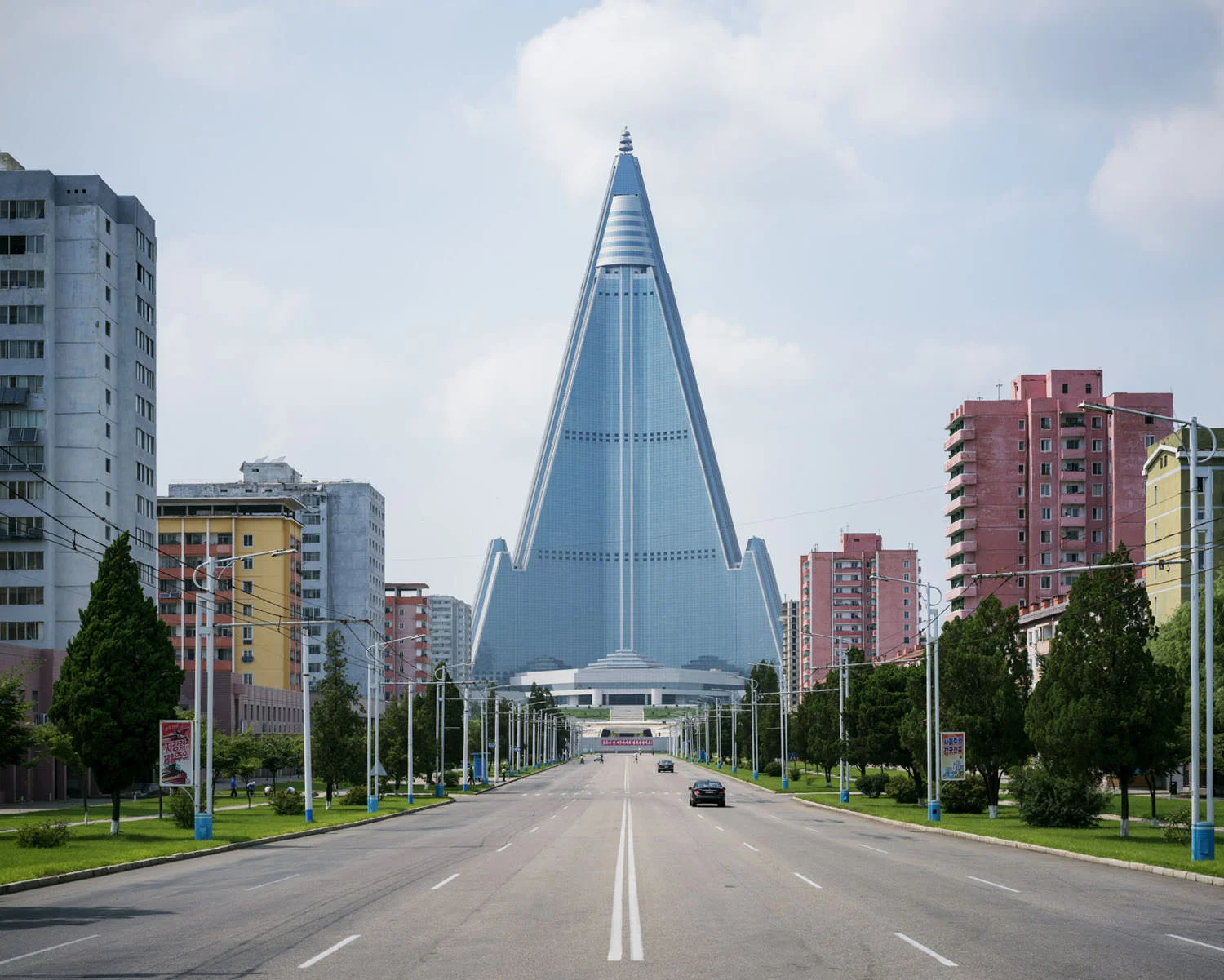
Pyongyang is North Korea's capital and largest city. It is the country's political centre and contains government buildings, monuments, large public squares and distinctive monumental architecture.
Fact File
Explore the history, food, wildlife and culture of North Korea through images and short fact-file summaries.

North and South Korea share a much longer history than their modern division. For centuries the peninsula was governed by Korean kingdoms and dynasties before division followed the end of Japanese colonial rule in 1945.

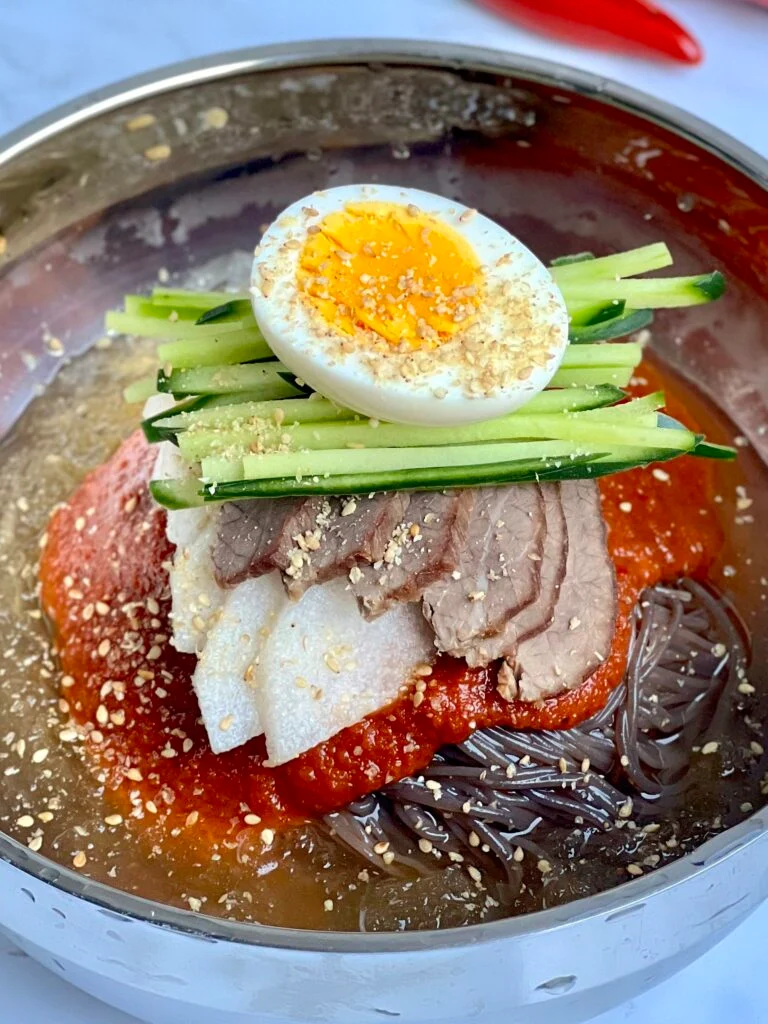
Pyongyang is particularly associated with naengmyeon, a dish of thin noodles traditionally served in a chilled broth. Different versions of cold noodles are eaten across the Korean Peninsula.

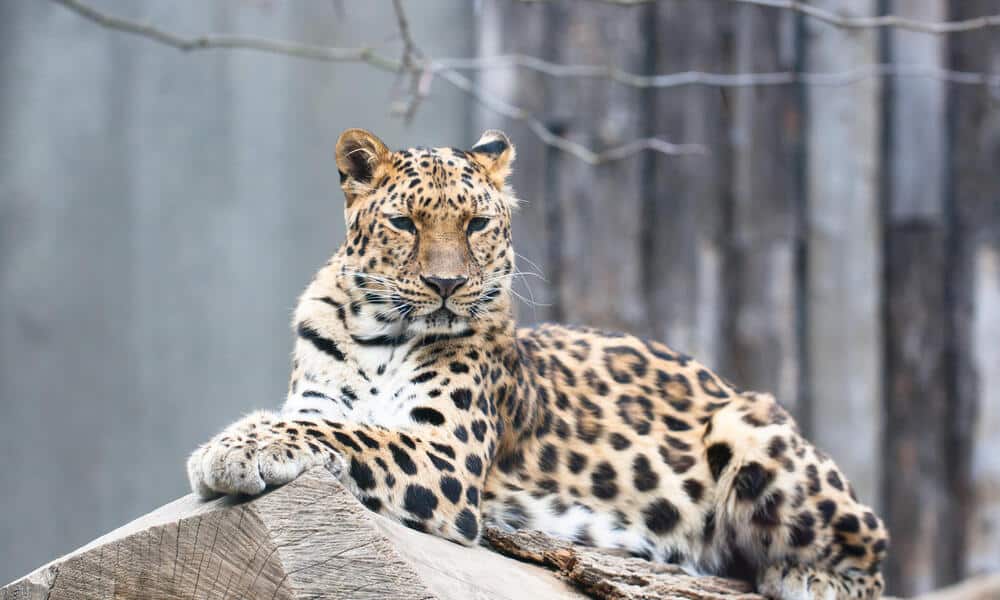
The extremely rare Amur leopard is native to parts of northeastern Asia. The forests and mountains around the borders of North Korea, China and Russia form part of its historic range.

Arirang is the name given to a family of traditional Korean folk songs that have been sung for generations. There are many different versions, often expressing feelings of love, separation, sadness and hope. Arirang is especially important because it is part of the shared cultural heritage of both North and South Korea.
Historical Timeline
Explore some of the events and periods that have helped shape the history of North Korea.
Influential Figures
Explore influential people who helped shape the country through music, leadership, sport, activism, and culture.

Politics
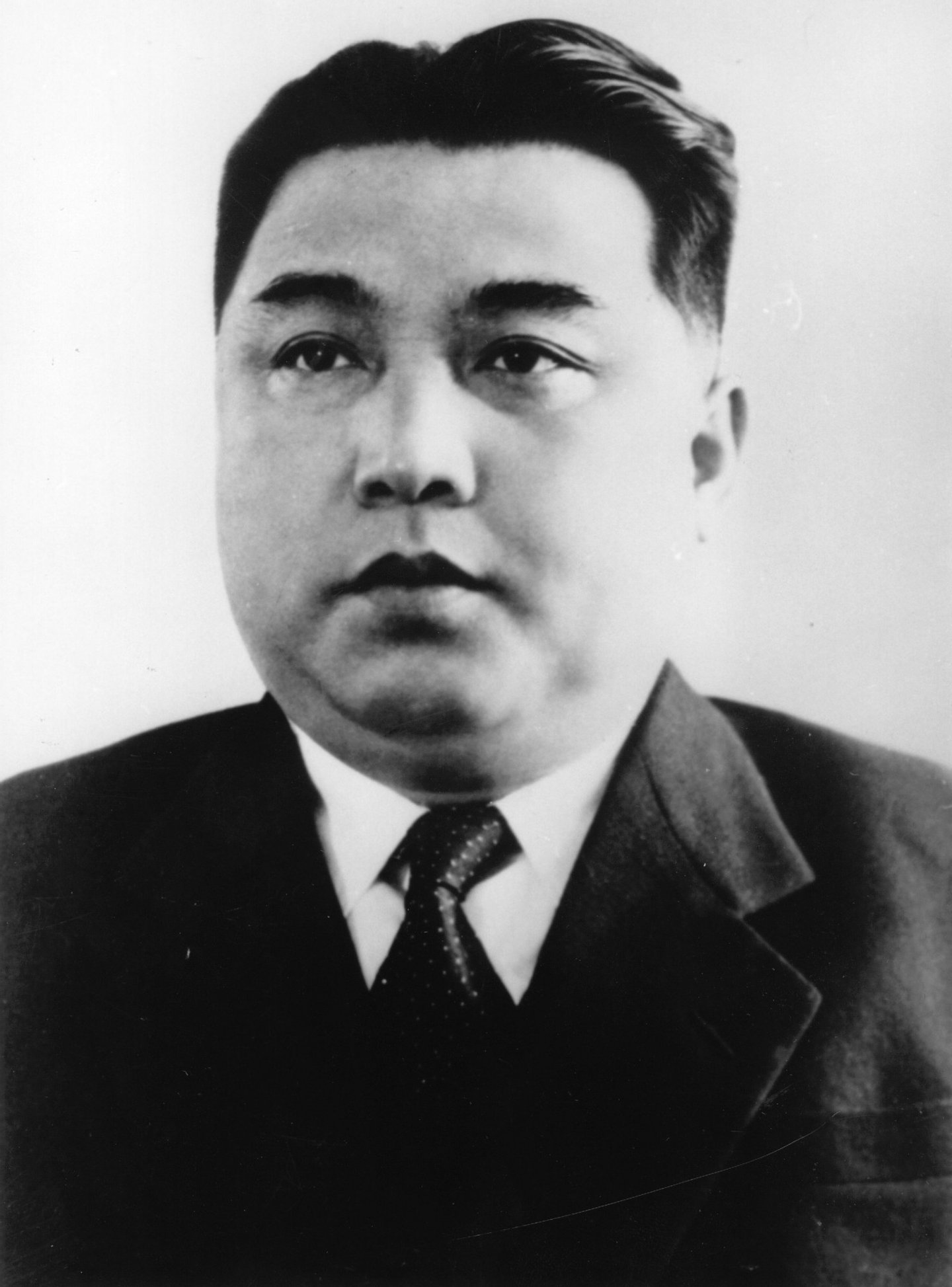
The founding leader of the country who governed from its establishment in 1948 until his death in 1994 and became the centre of an extensive personality cult.

Politics
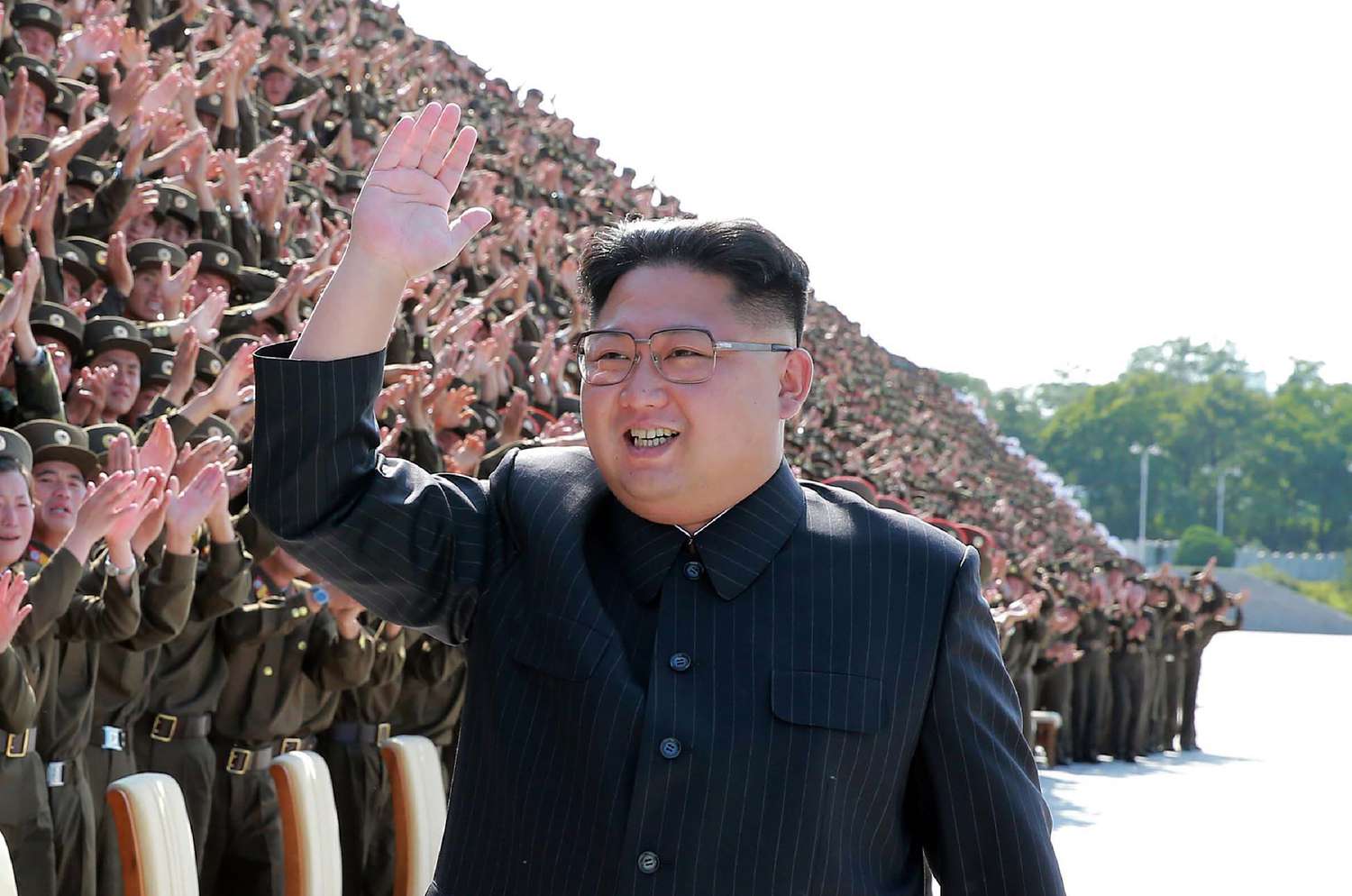
The country's current leader and the third generation of the same family to hold supreme power, becoming internationally recognised through nuclear tensions and meetings with foreign leaders.

Public Figure
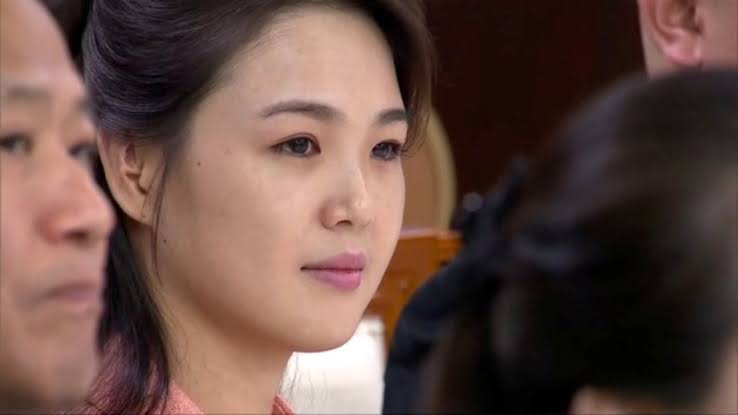
A prominent public figure frequently seen at major ceremonies and diplomatic events alongside the country's current leader.

Television
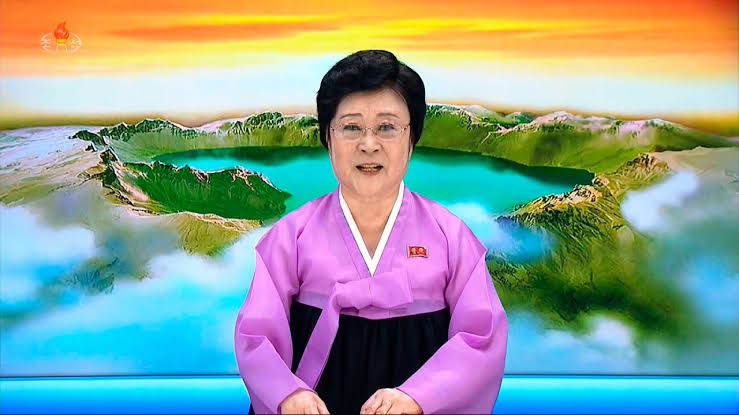
A television newsreader who became internationally recognisable for an unusually dramatic broadcasting style while announcing some of the country's most important events.
Cultural Spotlight
Explore the rich cultural heritage of North Korea through its art, music, traditions, and more.

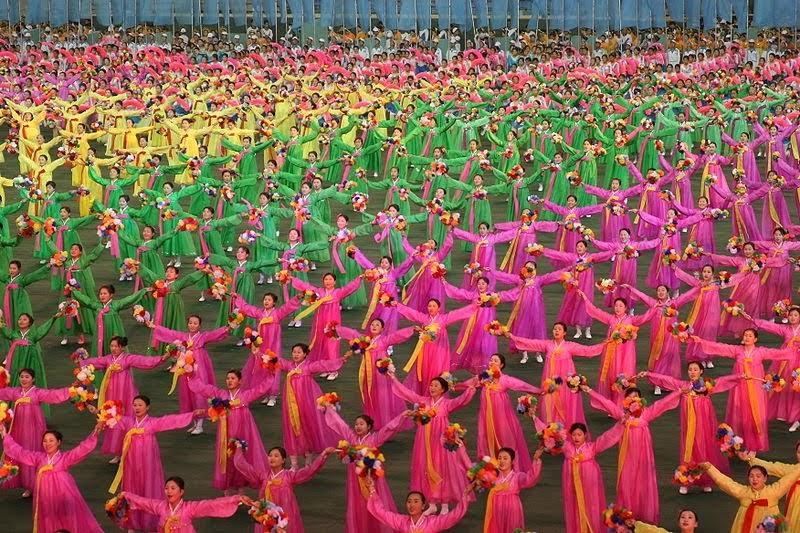
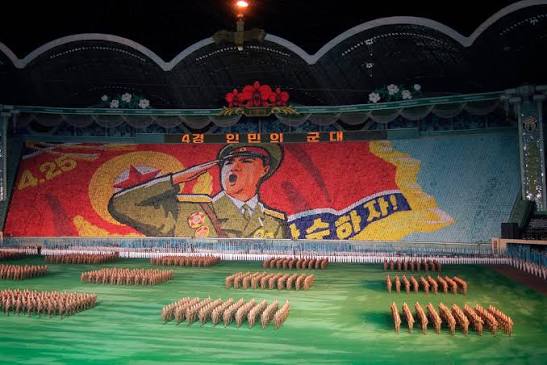
North Korea has staged enormous coordinated performances involving thousands of participants using gymnastics, dance, music and huge changing backgrounds. They demonstrate remarkable coordination while also reflecting the government's emphasis on collective identity and political messaging.

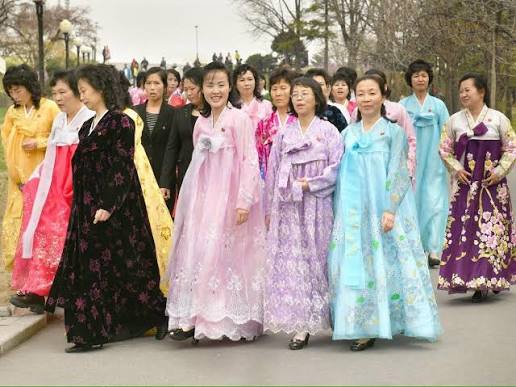
Traditional Korean clothing is known in North Korea as chosŏn-ot. Its colourful jackets, long skirts and flowing shapes can still be seen at weddings, festivals, performances and important celebrations. It shares its historical roots with the clothing known as hanbok in South Korea, but North Korea has developed its own styles and traditions.
Places to Explore
Discover landscapes, cities, landmarks, and locations that help tell the story of North Korea.

Nature
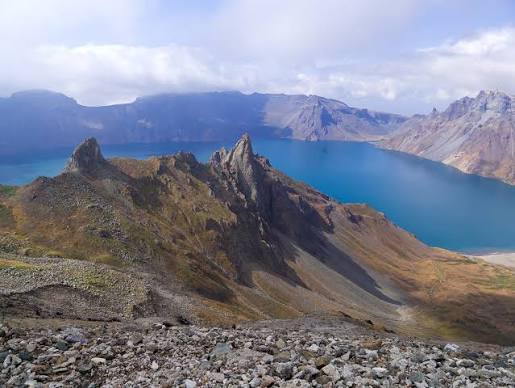
Mount Paektu is a volcanic mountain on the border between North Korea and China. It has enormous cultural importance in Korean history and mythology.

History
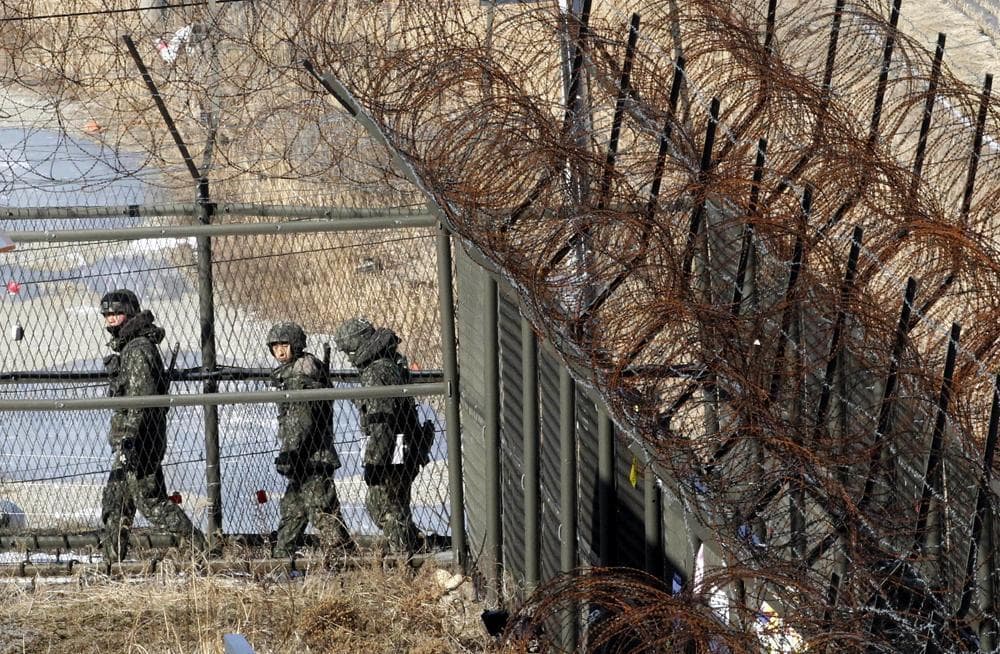
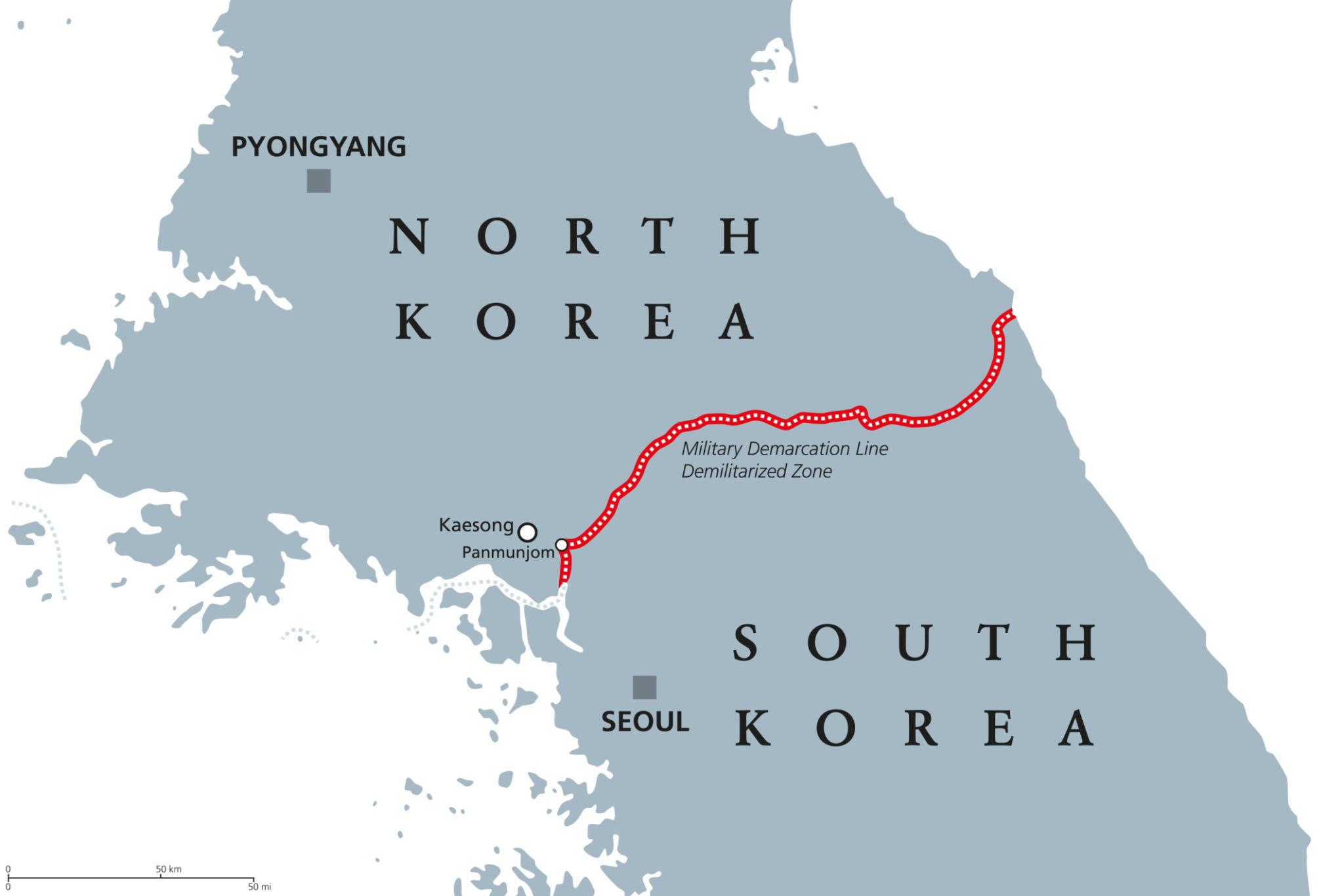
The Korean Demilitarized Zone stretches across the peninsula and separates North and South Korea. Despite its name, the surrounding border is one of the world's most heavily guarded.

Historic City
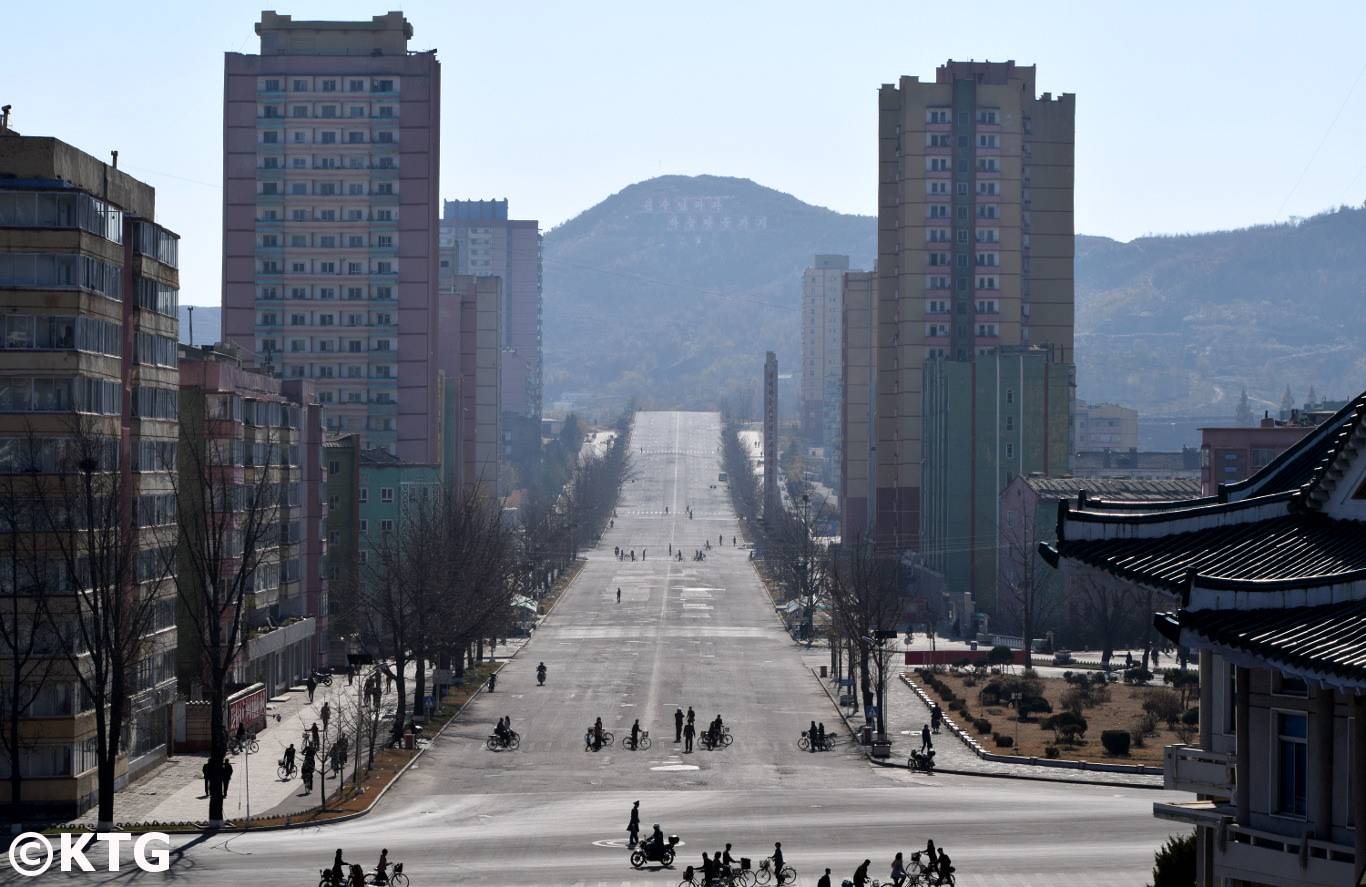
Kaesong was the capital of the Goryeo dynasty and contains important historic sites connected with Korea's medieval history.

Nature
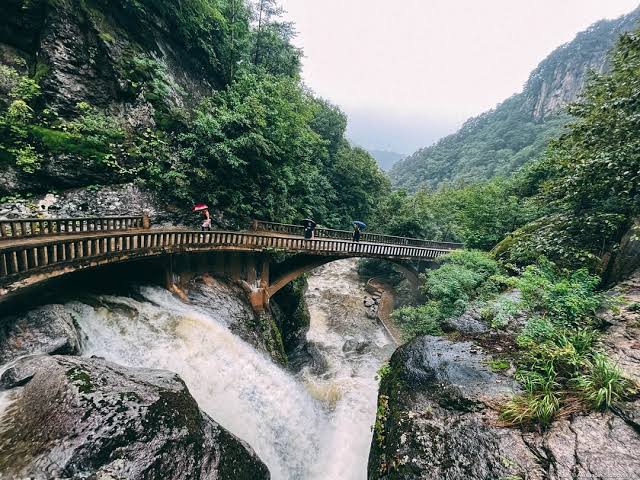
The Myohyang mountain region is known for dramatic forested landscapes, waterfalls, hiking routes and historic Buddhist sites.
North Korea's official name is the Democratic People's Republic of Korea.
Pyongyang is the capital and largest city.
North and South Korea share the Korean language and thousands of years of history.
The Korean War ended with an armistice rather than a peace treaty.
The Korean Demilitarized Zone separates North and South Korea.
Three generations of the Kim family have led North Korea.