Arabian Peninsula
Deserts, trade routes, and the birthplace of Islam.
Life in the Arabian Peninsula
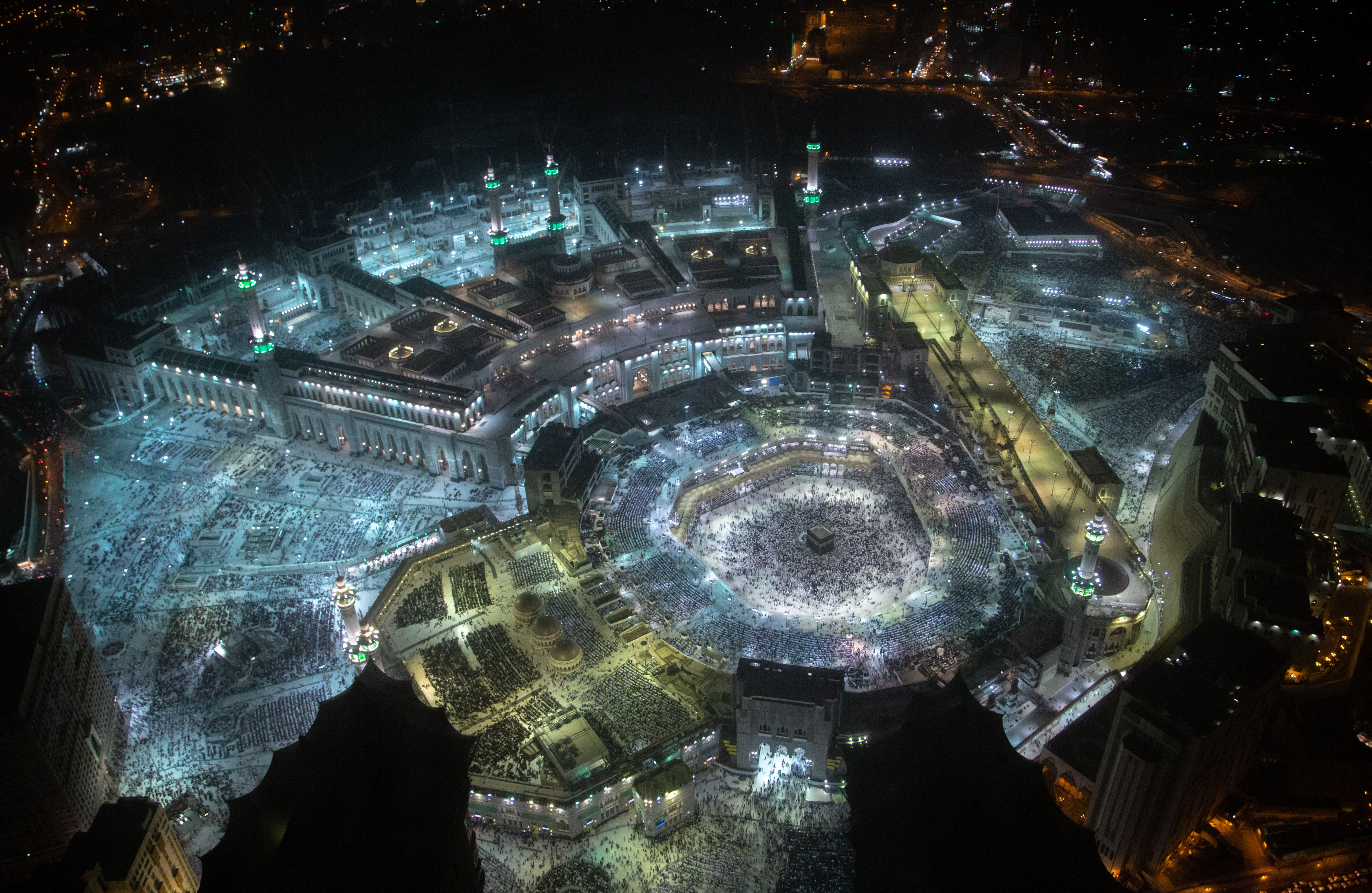
The Arabian Peninsula has long been a land of movement, trade, and storytelling. Ancient caravan routes once crossed its deserts, connecting Africa, Asia, and Europe. Cities like Mecca and Medina became some of the most important religious centres in the world, while coastal settlements traded spices, incense, and pearls.
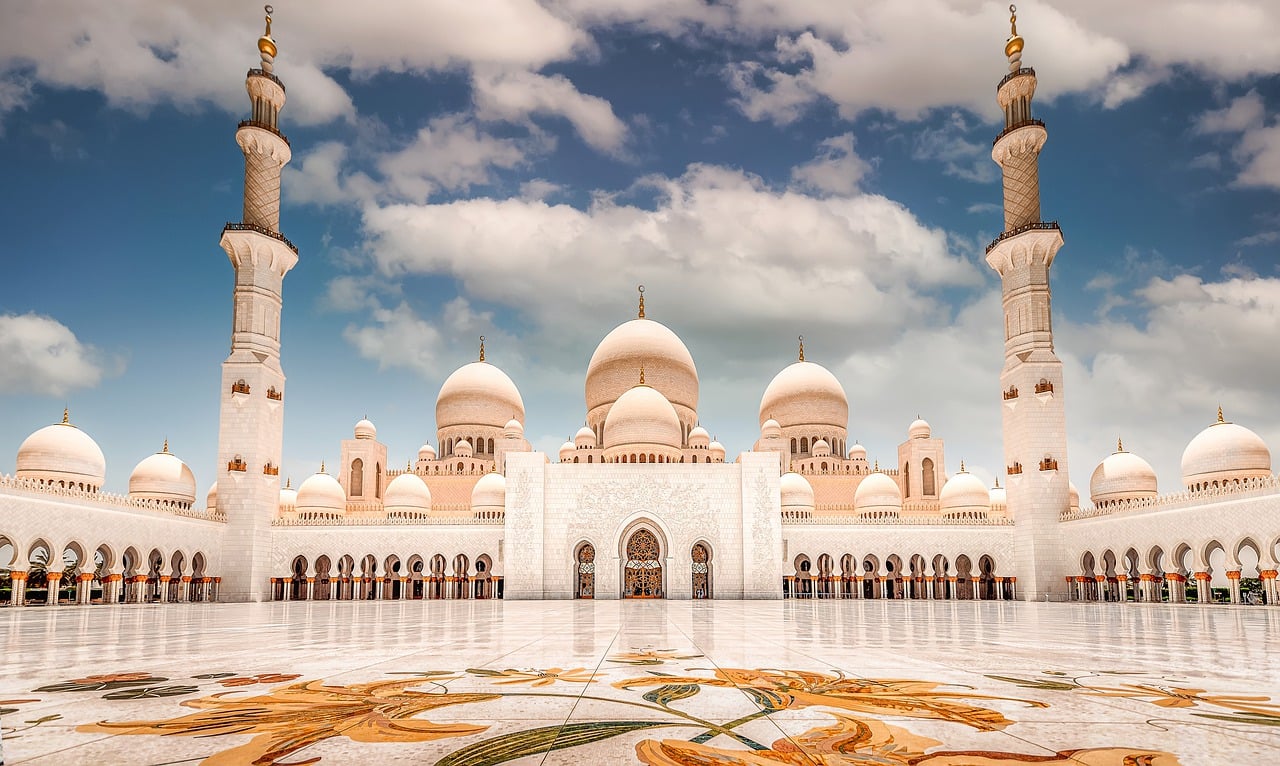
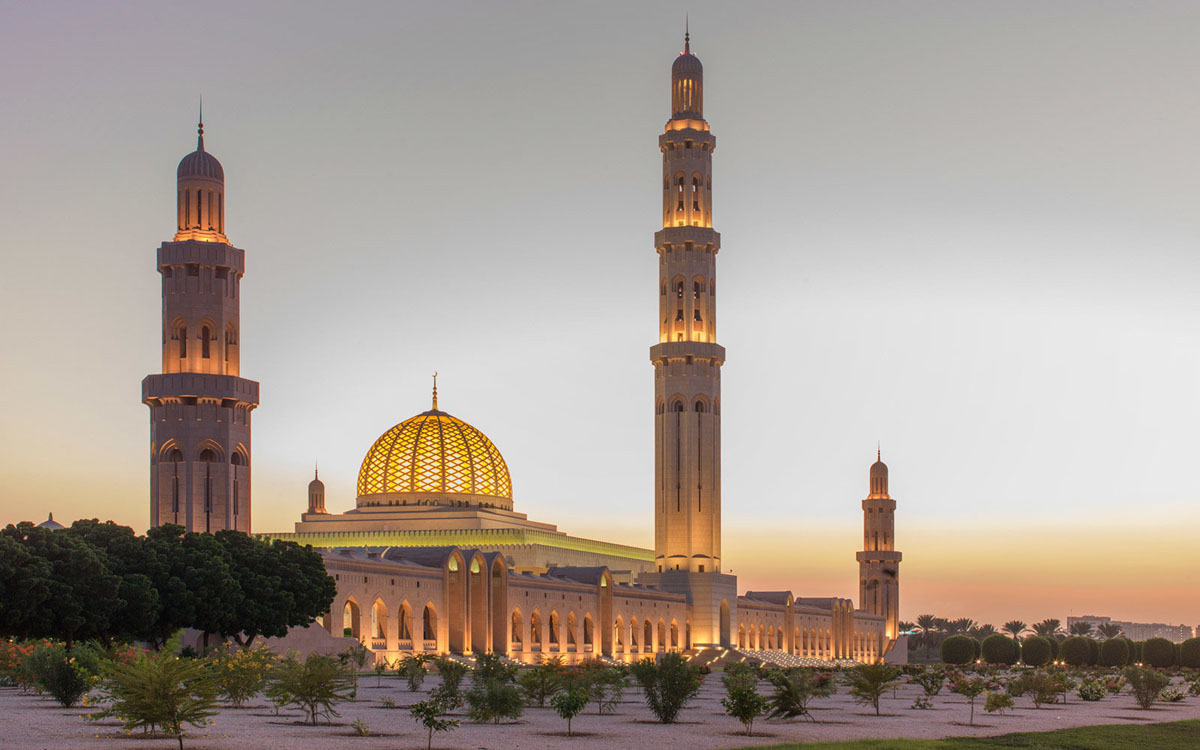
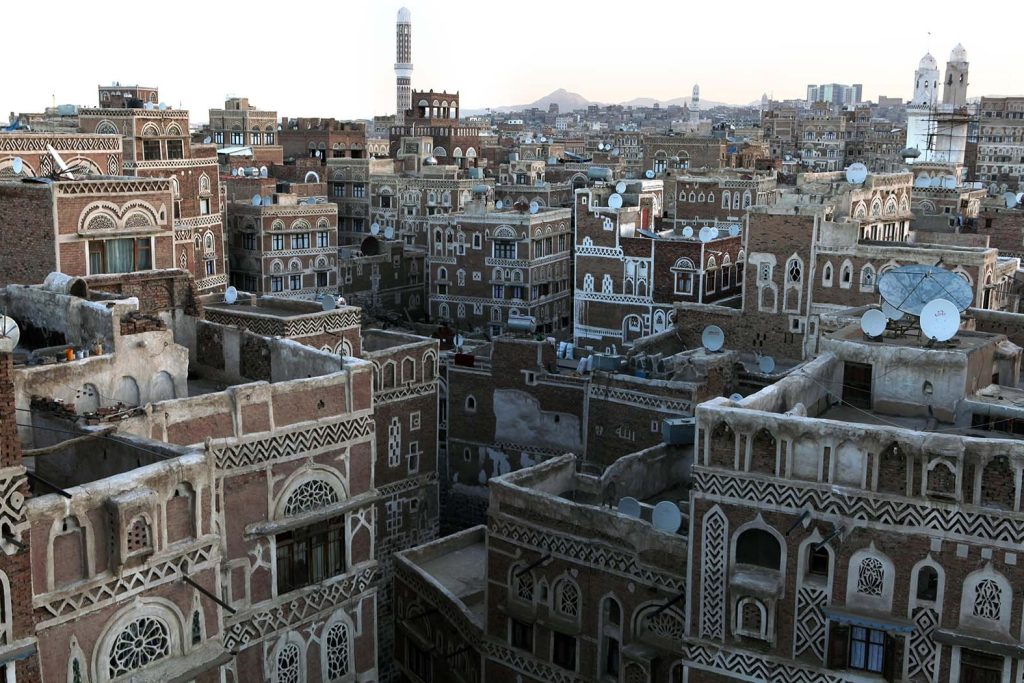
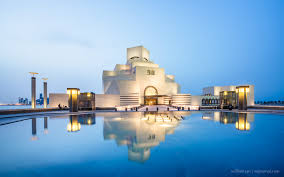
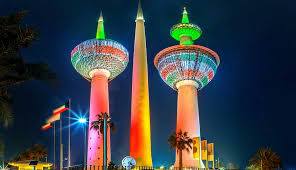
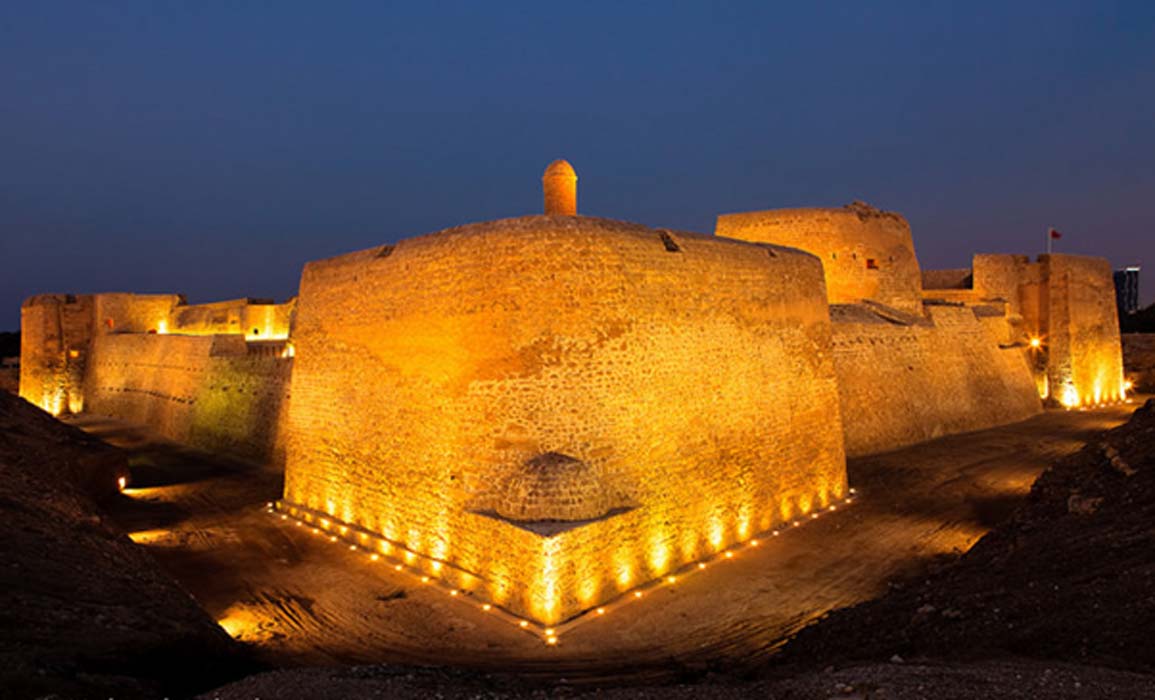
Today, the region includes countries such as Saudi Arabia, the United Arab Emirates, Oman, Yemen, Qatar, Kuwait, and Bahrain. Skyscrapers, oil wealth, and global cities now sit alongside ancient traditions, desert landscapes, and deep-rooted cultural heritage.
Historical Timeline
c. 3300 BCE
Early urban settlements begin in the Levant (Canaanite cities).
Early urban settlements begin in the Levant (Canaanite cities).
c. 2000 BCE
Emergence of trade networks connecting Egypt, Mesopotamia, and Levant.
Emergence of trade networks connecting Egypt, Mesopotamia, and Levant.
c. 1000 BCE
Kingdoms of Israel and Judah are established.
Kingdoms of Israel and Judah are established.
332 BCE
Alexander the Great conquers the Levant, Hellenistic period begins.
Alexander the Great conquers the Levant, Hellenistic period begins.
637 CE
Arab Muslim conquest of the Levant.
Arab Muslim conquest of the Levant.
1516 CE
Ottoman Empire rules the Levant until early 20th century.
Ottoman Empire rules the Levant until early 20th century.
1948 CE
Modern state of Israel established; modern borders begin to form.
Modern state of Israel established; modern borders begin to form.
Modern Countries
Cultural Facts
The Arabian Peninsula is the birthplace of Islam and home to Mecca and Medina.
Ancient caravan routes once crossed Arabia carrying spices, incense, and silk.
Pearl diving was a major industry in the Gulf before the discovery of oil.
Arabic is the main language spoken across the peninsula.
Oil discoveries in the 20th century transformed many Arabian countries.
Gallery