The Levant
A historic eastern Mediterranean region linking Africa, Asia, and Europe through trade, religion, and culture.
Welcome to the Levant
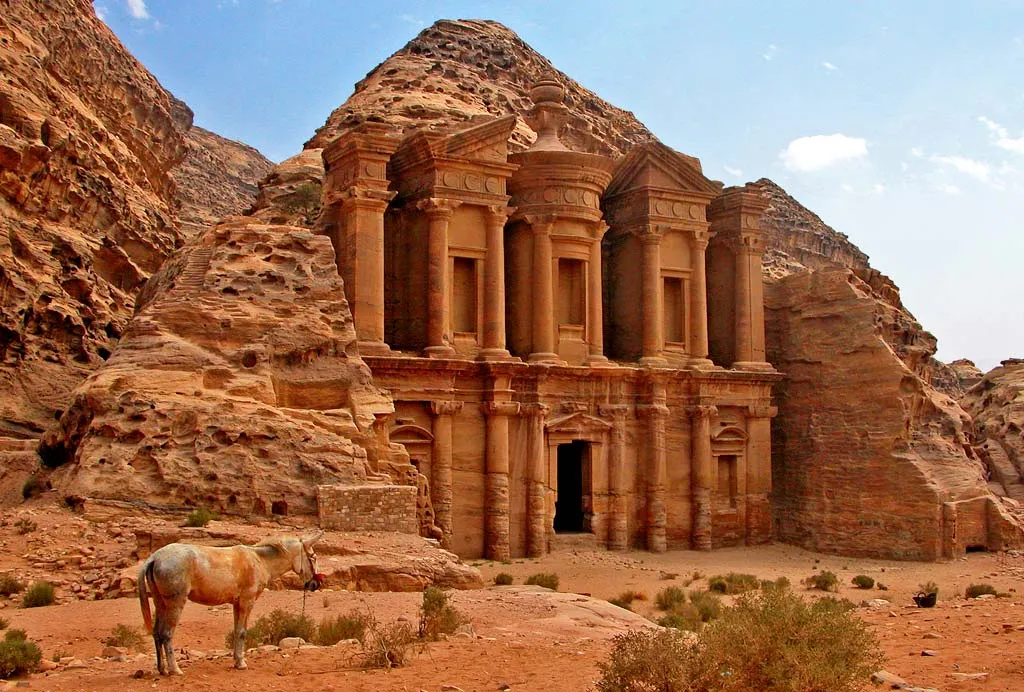
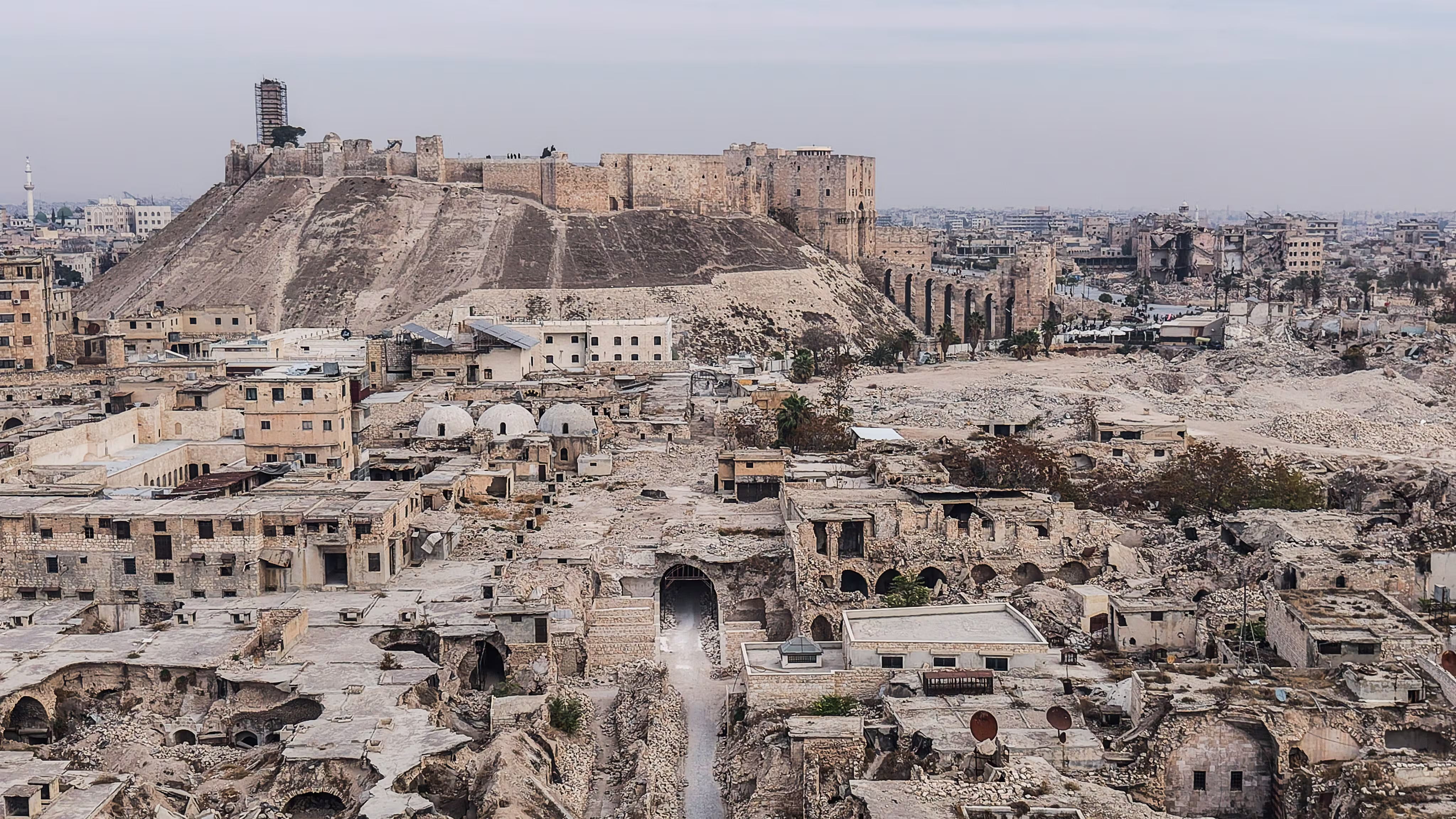
The Levant is one of the world's oldest continuously inhabited regions, stretching along the eastern Mediterranean. From the rise of ancient civilizations like the Canaanites and Phoenicians, through pivotal moments in trade, culture, and religion, it has shaped the course of history. Today, it encompasses Jordan, Lebanon, Syria, Israel, and Palestine, blending ancient traditions with vibrant modern cultures.
Historical Timeline
c. 3300 BCE
Early urban settlements begin in the Levant (Canaanite cities).
Early urban settlements begin in the Levant (Canaanite cities).
c. 2000 BCE
Emergence of trade networks connecting Egypt, Mesopotamia, and Levant.
Emergence of trade networks connecting Egypt, Mesopotamia, and Levant.
c. 1000 BCE
Kingdoms of Israel and Judah are established.
Kingdoms of Israel and Judah are established.
332 BCE
Alexander the Great conquers the Levant, Hellenistic period begins.
Alexander the Great conquers the Levant, Hellenistic period begins.
637 CE
Arab Muslim conquest of the Levant.
Arab Muslim conquest of the Levant.
1516 CE
Ottoman Empire rules the Levant until early 20th century.
Ottoman Empire rules the Levant until early 20th century.
1948 CE
Modern state of Israel established; modern borders begin to form.
Modern state of Israel established; modern borders begin to form.
Modern Countries
Cultural Facts
The Levant is one of the oldest continuously inhabited regions in the world.
It sits at the crossroads of Africa, Asia, and Europe.
Phoenician traders from this region helped spread the alphabet.
Jerusalem, Damascus, and Beirut are among the region’s most historic cities.
The Levant has been important to Judaism, Christianity, and Islam.
Gallery