Persia & Mesopotamia
From the first cities and writing systems to powerful empires and legendary trade routes, this region is often called the cradle of civilisation. Explore ancient Persia, Mesopotamia, and the cultures that shaped early human history.
Persia & Mesopotamia covers modern-day Iran, Iraq, northern Syria, and Kuwait — home to some of the world’s earliest civilizations.
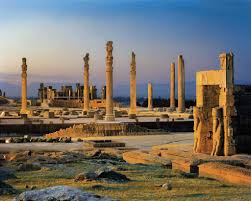
In Iran, the ancient Persian Empire flourished, with monumental cities like Persepolis shaping politics, art, and culture.
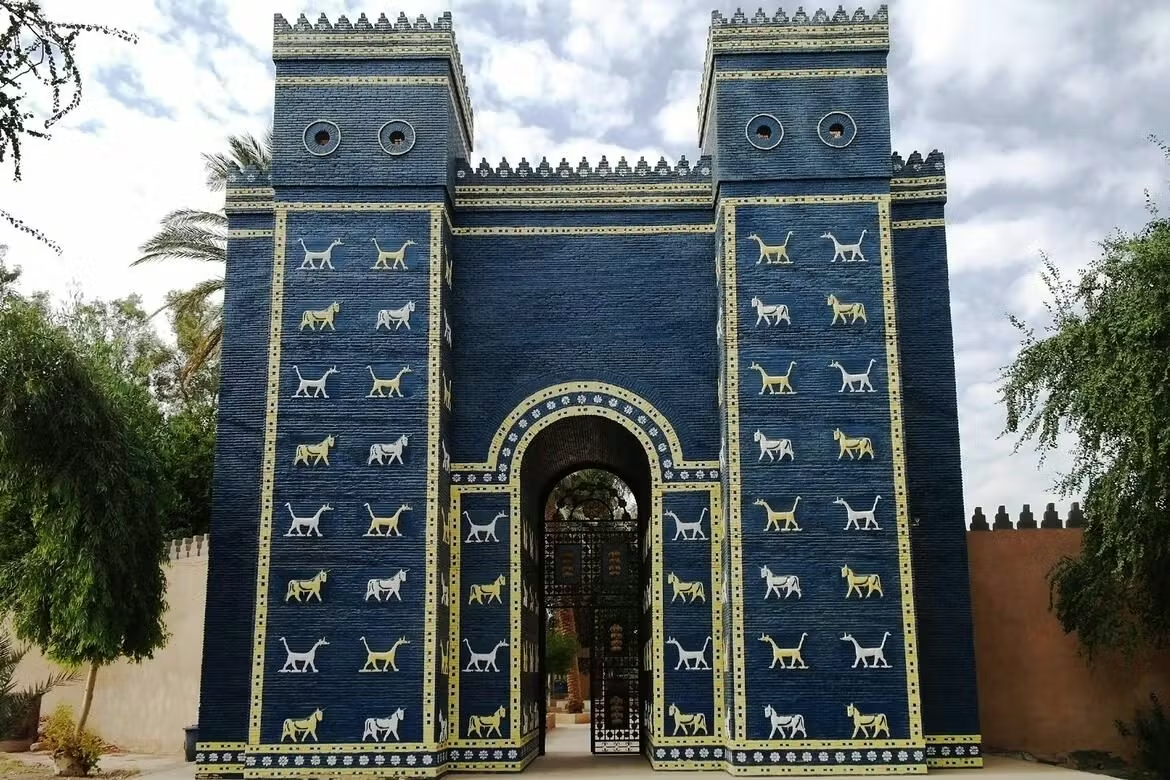
In Iraq, ancient Mesopotamia — often called the Cradle of Civilization — saw the first cities, writing systems, and organized societies. Babylon and other cities were centers of trade and innovation.
Northern Syria was part of this ancient network, linking cultures through trade and shared history.
Kuwait, at the northern tip of the Arabian Gulf, played a role in maritime trade and cultural exchange during these early periods.
Over thousands of years, empires like the Achaemenids and cities such as Babylon and Ur left a rich cultural legacy. The region is known for its majestic ziggurats, intricate art, and early advancements in science and law.
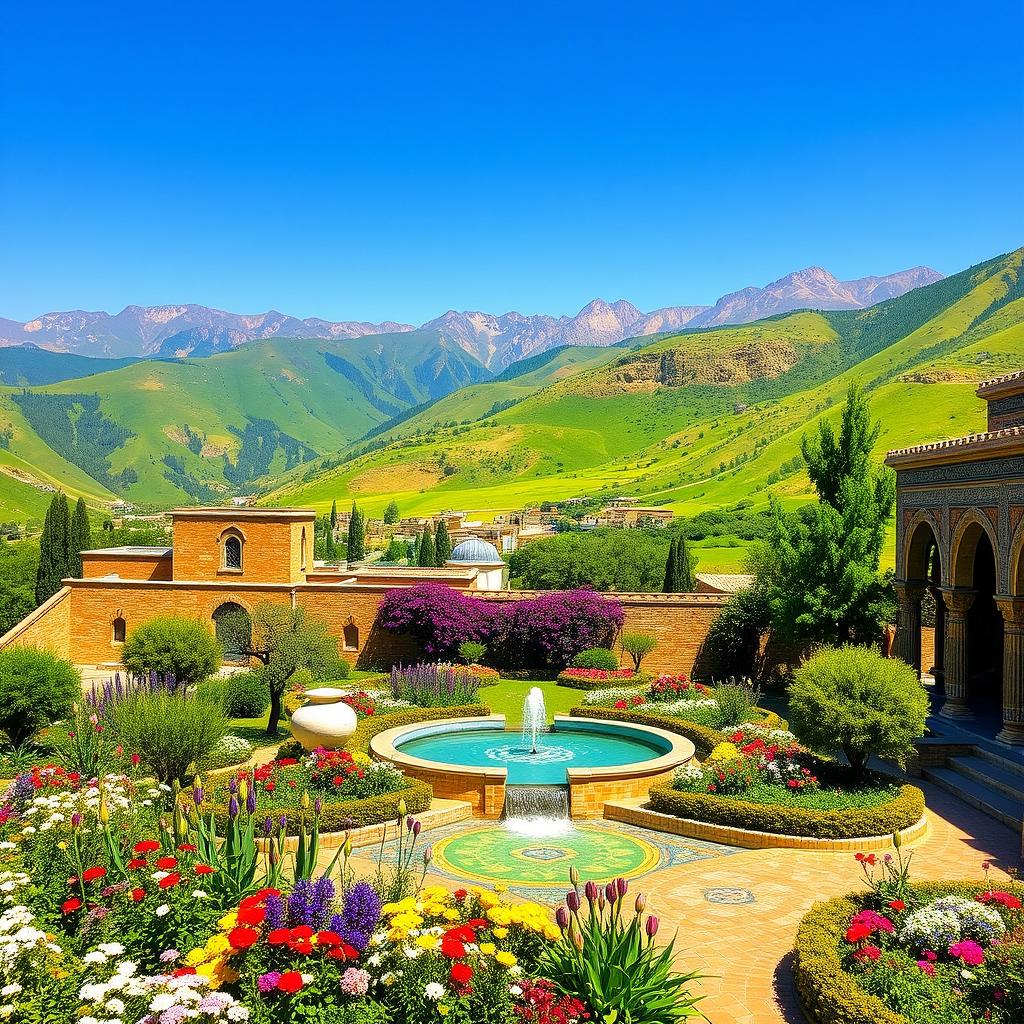
Today, you can explore its history through archaeological sites, gardens, and architectural marvels that span millennia. Persia & Mesopotamia remain a window into humanity's earliest achievements.
Historical Timeline
c. 4500–1900 BCE
Sumerians establish early city-states in southern Mesopotamia, developing writing and irrigation.
Sumerians establish early city-states in southern Mesopotamia, developing writing and irrigation.
c. 2334–2154 BCE
Akkadian Empire unites Mesopotamia under Sargon the Great.
Akkadian Empire unites Mesopotamia under Sargon the Great.
c. 2700–539 BCE
Elamite Civilization flourishes in western Persia (modern Iran).
Elamite Civilization flourishes in western Persia (modern Iran).
c. 1894–539 BCE
Babylonian Empire rises, Hammurabi's Code codifies laws.
Babylonian Empire rises, Hammurabi's Code codifies laws.
c. 2500–609 BCE
Assyrian Empire dominates northern Mesopotamia, building advanced military and administrative systems.
Assyrian Empire dominates northern Mesopotamia, building advanced military and administrative systems.
550–330 BCE
Achaemenid Empire founded by Cyrus the Great; Persia expands across Mesopotamia and beyond.
Achaemenid Empire founded by Cyrus the Great; Persia expands across Mesopotamia and beyond.
247 BCE–224 CE
Parthian Empire governs Persia with semi-independent regional rulers.
Parthian Empire governs Persia with semi-independent regional rulers.
224–651 CE
Sassanid Empire, last pre-Islamic Persian dynasty, strengthens culture, architecture, and administration.
Sassanid Empire, last pre-Islamic Persian dynasty, strengthens culture, architecture, and administration.
7th–13th centuries CE
Islamic Caliphates (Umayyad and Abbasid) rule Mesopotamia (Iraq) and Persia; Baghdad becomes cultural center.
Islamic Caliphates (Umayyad and Abbasid) rule Mesopotamia (Iraq) and Persia; Baghdad becomes cultural center.
13th century
Mongol Invasion and the Ilkhanate bring Persia and Mesopotamia under Mongol control.
Mongol Invasion and the Ilkhanate bring Persia and Mesopotamia under Mongol control.
14th–15th centuries
Timurid Empire influences Persia and Mesopotamia culturally and artistically.
Timurid Empire influences Persia and Mesopotamia culturally and artistically.
1501–1736 CE
Safavid Empire establishes Shia Islam as state religion, consolidating Persia.
Safavid Empire establishes Shia Islam as state religion, consolidating Persia.
16th–18th centuries
Ottoman-Persian conflicts over Mesopotamia; borders shift repeatedly.
Ottoman-Persian conflicts over Mesopotamia; borders shift repeatedly.
1789–1925 CE
Qajar Persia; modern borders of Iran begin forming, European influence grows.
Qajar Persia; modern borders of Iran begin forming, European influence grows.
20th century–present
Modern nation-states: Iran (Persia), Iraq (Mesopotamia), Kuwait, parts of Syria & Turkey in Mesopotamian region.
Modern nation-states: Iran (Persia), Iraq (Mesopotamia), Kuwait, parts of Syria & Turkey in Mesopotamian region.
Modern Countries
Cultural Facts
Mesopotamia is often called the Cradle of Civilization.
The earliest known writing system, cuneiform, developed here.
Ancient Persia was ruled by powerful empires such as the Achaemenids.
The Tigris and Euphrates rivers supported early farming societies.
Cities like Babylon, Ur, and Persepolis were major centres of learning and power.
Gallery