Take a jaunt through

Argentina

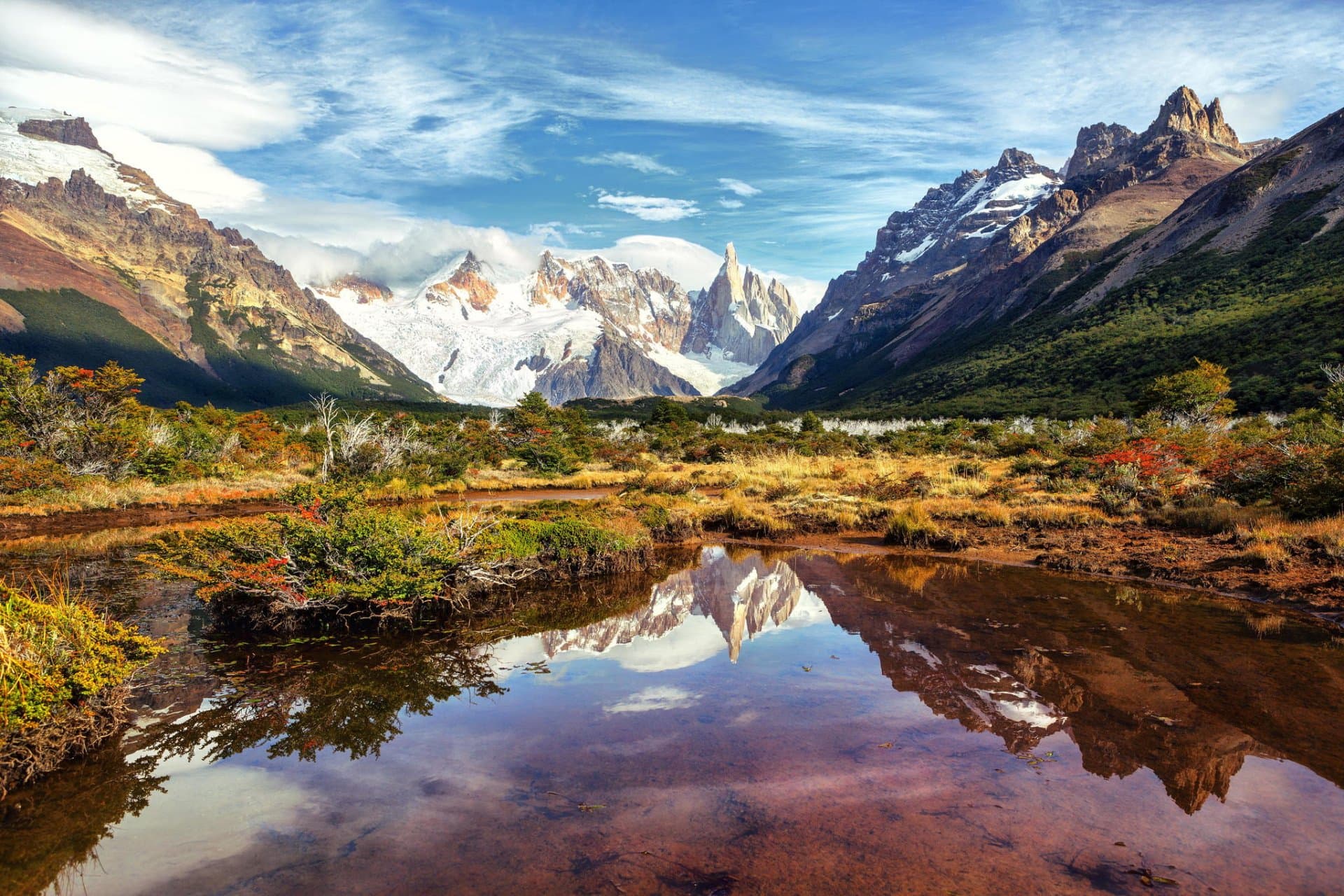
Argentina is the second-largest country in South America, stretching from subtropical forests in the north to the mountains, glaciers and windswept landscapes of Patagonia in the south. Its culture has been shaped by Indigenous peoples, Spanish colonisation, African heritage, enormous waves of immigration and distinctive regional traditions.

Indigenous HistoryAndesPatagoniaImmigrationTangoFootballLiteratureHuman Rights
Argentina
GO
01

Capital

Buenos Aires

02

Population

About 46 million

03

Languages

Spanish, Indigenous languages including Guaraní, Quechua and Mapudungun

04

Currency

Argentine Peso (ARS)

Get your bearings

First,
look around.

Argentina has a history stretching back thousands of years. Indigenous peoples developed communities across environments ranging from the Andes and Gran Chaco to Patagonia and Tierra del Fuego long before Spanish colonisation began in the sixteenth century. Argentina declared independence from Spain in 1816, but the new country experienced decades of conflict over political power and the organisation of the state. During the late nineteenth and early twentieth centuries, millions of immigrants arrived, particularly from Europe, transforming cities such as Buenos Aires. Argentina later experienced periods of democracy and military rule, including the brutal dictatorship of 1976–1983. Today the country is internationally associated with tango, football, literature, mate and dramatic landscapes, while its culture remains strongly regional and diverse.

Buenos Aires

First stop · Capital

Buenos Aires

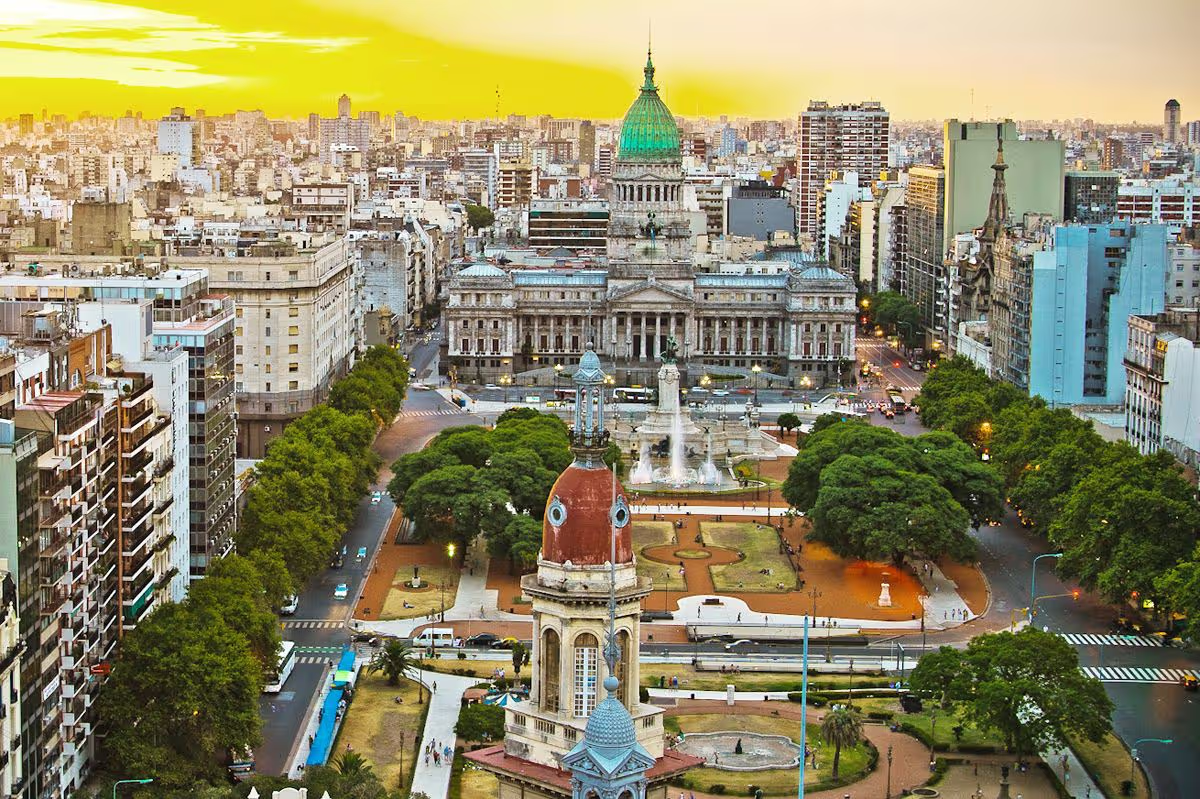
Buenos Aires is Argentina's capital and largest city. Located beside the Río de la Plata, it grew into one of Latin America's great port cities and was transformed by large-scale immigration during the nineteenth and twentieth centuries. Its neighbourhoods became important centres for literature, theatre, football and music, including the development of tango.

Wander a little further

Follow the trail through Argentina.

The May Revolution of 1810

History

The May Revolution of 1810

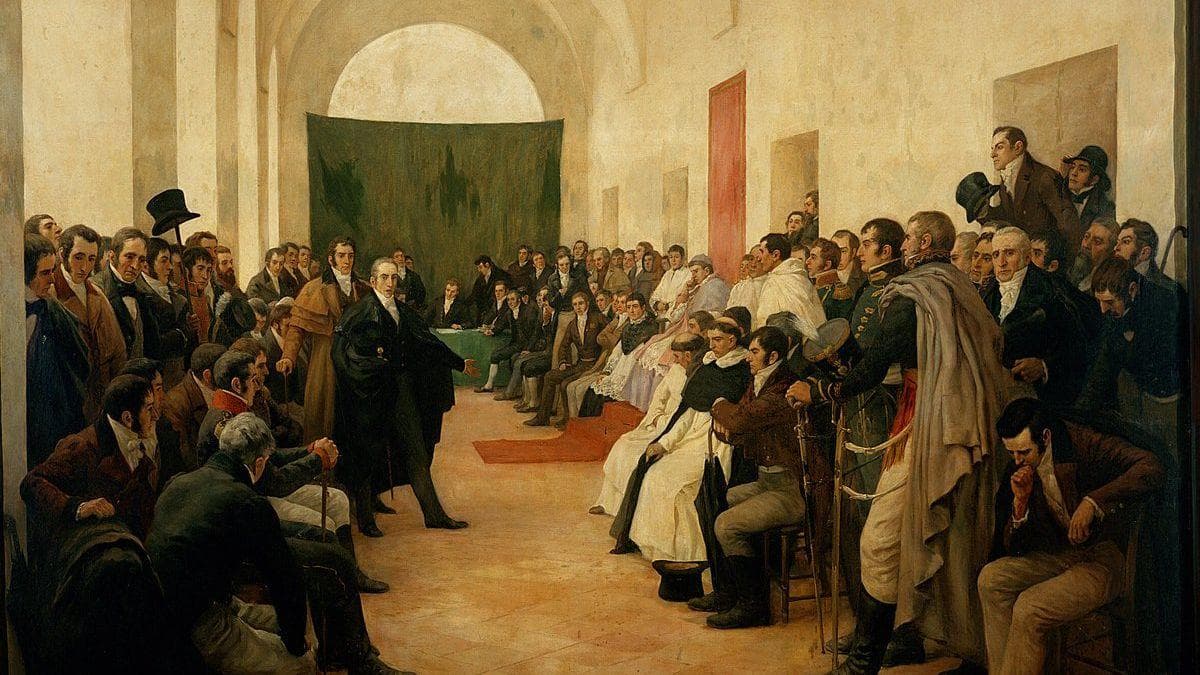
In May 1810, political leaders in Buenos Aires challenged Spanish colonial authority and established a new governing council, known as the Primera Junta. The events marked an important step towards Argentine independence, which was formally declared in 1816. The revolution was part of a wider struggle over who should govern the former Spanish colonies in South America.

Food

Mate

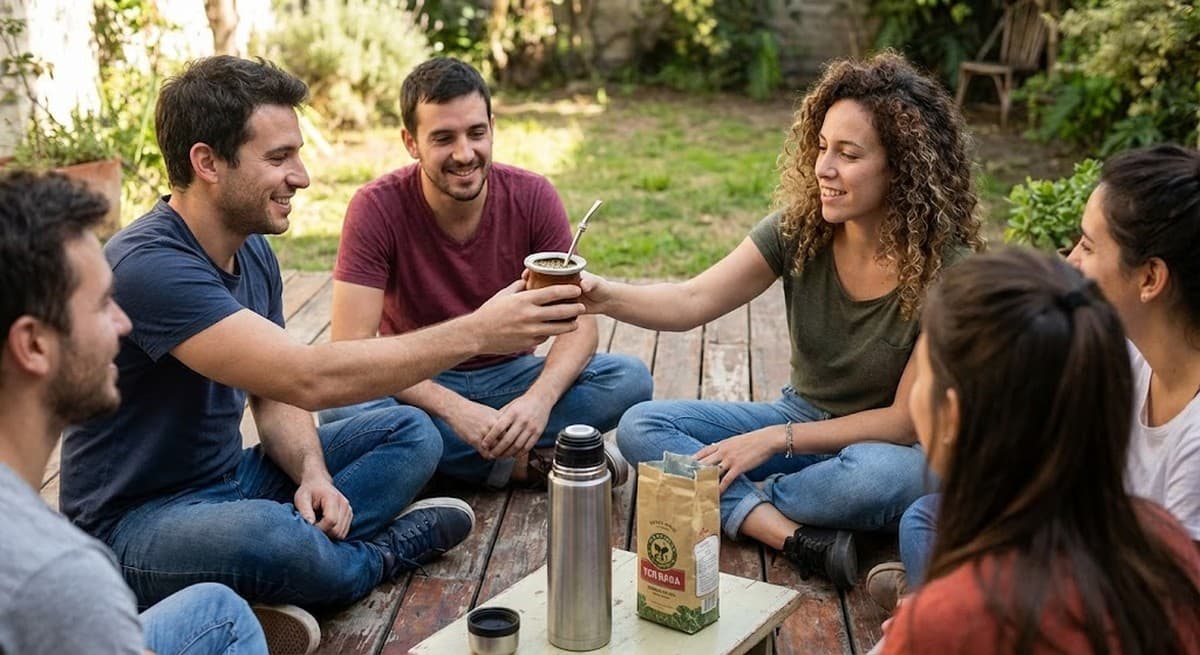
Mate is a drink made by steeping dried yerba mate leaves in hot water. It is traditionally drunk from a container also called a mate using a metal straw called a bombilla. Sharing mate is an important social custom in Argentina and neighbouring countries, with the same vessel commonly passed between friends or family members.

Mate
Andean Condor

Wildlife

Andean Condor

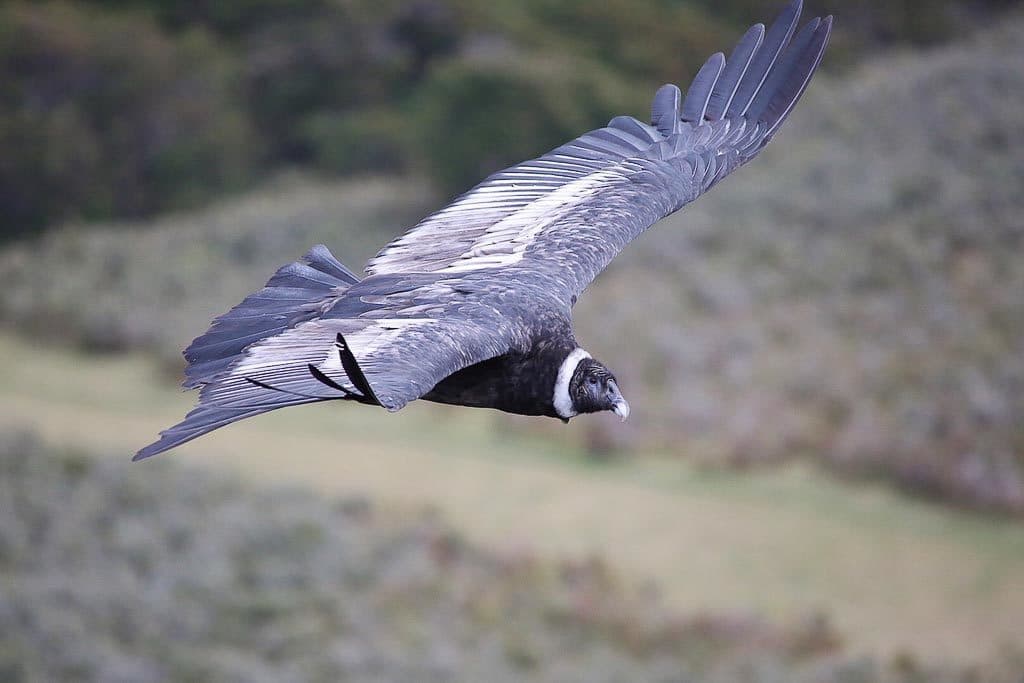
The Andean condor is one of the world's largest flying birds and can be found along the Andes, including western Argentina. Its enormous wings allow it to soar for long periods using rising air currents. Condors have also held cultural significance for Andean peoples for centuries.

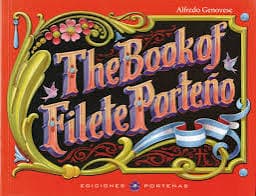
Filete Porteño

Culture · stop and look

Filete Porteño

Filete porteño is a decorative painting tradition associated with Buenos Aires. It combines bright colours, elaborate lettering, flowers, ribbons and ornamental designs. Originally particularly associated with carts, trucks and buses, filete became a recognisable part of the visual identity of Buenos Aires and is recognised by UNESCO as intangible cultural heritage.

Through time

Follow the
story.

Four stops first. Open the rest if you want to travel further.

Thousands of years ago

The First Communities

People lived across the lands that now form Argentina thousands of years before European arrival. Communities adapted to very different environments including the Andes, Pampas, Gran Chaco, Patagonia and Tierra del Fuego.

c. 7300 BCE onwards

Cueva de las Manos

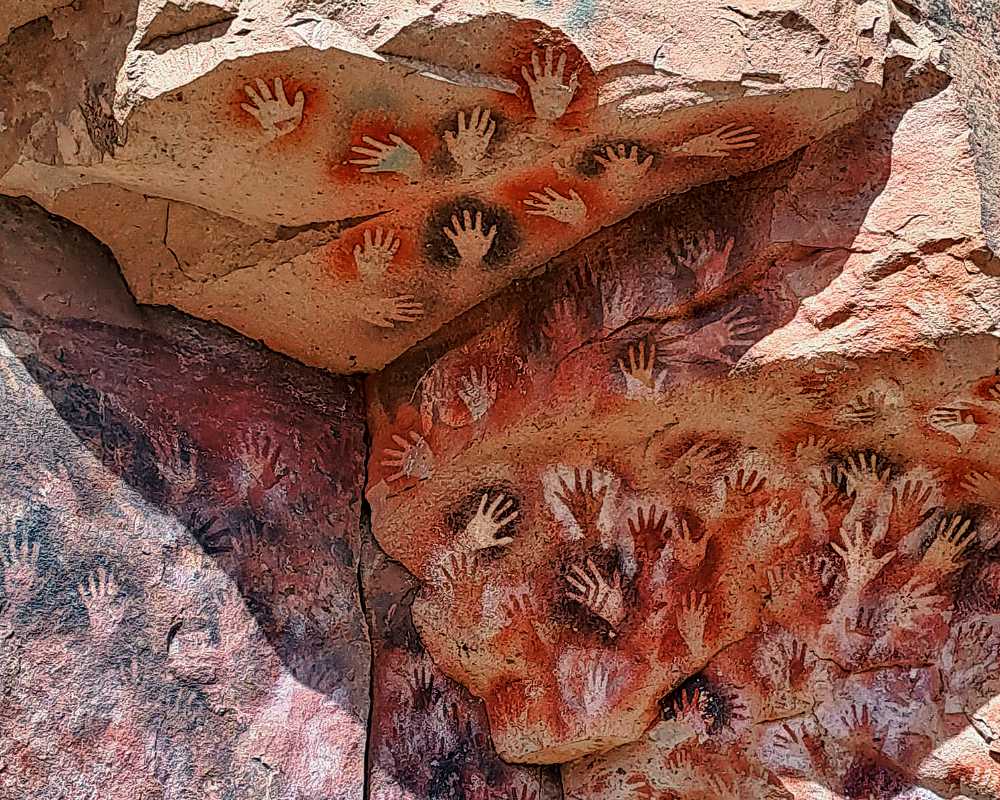
Hunter-gatherer communities created extraordinary rock art in what is now Santa Cruz province. The site known as Cueva de las Manos preserves hand stencils, animals and hunting scenes produced over thousands of years.

Before 1500

Many Indigenous Peoples

The territory of modern Argentina was home to many different Indigenous societies. These included peoples now known as the Diaguita, Guaraní, Qom, Wichí, Mapuche, Tehuelche, Selk'nam and others, each with their own languages, economies, traditions and relationships with the land.

1400s

The Inca Empire Expands South

The Inca Empire extended into parts of what is now northwestern Argentina. Roads, settlements and administrative centres connected these areas with a huge Andean network stretching north through modern Bolivia, Peru and Ecuador.

Continue the journey ↓

1516

Spanish Exploration

The expedition of Juan Díaz de Solís entered the Río de la Plata while searching for a route through South America. Spanish expeditions and attempts at settlement increased during the following decades.

1536

First Settlement at Buenos Aires

Pedro de Mendoza led a Spanish expedition that established a settlement at the site of modern Buenos Aires. Conflict, hunger and difficulties obtaining supplies led to its abandonment a few years later.

1580

Buenos Aires Re-established

Juan de Garay established a permanent Spanish settlement at Buenos Aires. Its location on the Río de la Plata eventually helped it develop into an increasingly important port.

1600s–1700s

Colonial Argentina

Spanish settlements expanded while Indigenous peoples continued to control large areas beyond the colonial frontier. Colonial society developed around farming, livestock, trade and forced Indigenous and African labour.

1600s–1700s

African Argentines

Thousands of enslaved Africans were transported into the Río de la Plata region. Africans and their descendants became an important part of colonial society and contributed to Argentina's culture, labour, military history and musical traditions, although their role was often minimised in later national histories.

1776

Viceroyalty of the Río de la Plata

Spain created the Viceroyalty of the Río de la Plata, with Buenos Aires as its capital. The decision increased the city's political and economic importance and placed a huge region of southern South America under its administration.

1806–1807

British Invasions

British forces twice attempted to capture Buenos Aires and surrounding areas during the Napoleonic Wars. Local forces helped defeat the invasions, increasing confidence that residents could defend themselves without direct Spanish assistance.

Student investigation

1810

🔍 Your Investigation: The May Revolution

Investigate the May Revolution and explain why events in Spain and Buenos Aires led to a challenge to colonial government.

→ What was happening in Spain at the time?

→ What happened during the week of 18–25 May 1810?

→ Why is 25 May still important in Argentina?

1812

Manuel Belgrano and the Flag

Revolutionary leader Manuel Belgrano created a blue-and-white flag for forces fighting against Spanish rule. These colours later became the basis of Argentina's national flag.

Student investigation

1816

🔍 Your Investigation: Independence

Investigate Argentina's declaration of independence and the people involved in securing it.

→ What happened at the Congress of Tucumán?

→ Why is José de San Martín important?

→ How was Argentina's independence connected to independence movements elsewhere in South America?

1817

San Martín Crosses the Andes

José de San Martín led the Army of the Andes across the mountains into Chile. The difficult campaign helped defeat Spanish royalist forces and became part of a wider struggle for independence in southern South America.

1820s–1850s

Conflict Over the New Country

Independence did not immediately create a stable national government. Political groups disagreed over how power should be divided between Buenos Aires and the provinces, leading to decades of conflict between Unitarians and Federalists.

1829–1852

Juan Manuel de Rosas

Juan Manuel de Rosas became the dominant political figure in Buenos Aires and exercised enormous influence over the Argentine Confederation. His supporters presented him as a defender of federalism, while opponents condemned political repression under his rule.

1853

A New Constitution

A national constitution established a federal system of government and became the foundation of Argentina's modern constitutional structure. Buenos Aires initially remained separate before later rejoining the federation.

1861–1880

National Government Consolidates

Following decades of civil conflict, the national government gradually strengthened its authority. Buenos Aires eventually became the federal capital in 1880.

1865–1870

War of the Triple Alliance

Argentina joined Brazil and Uruguay in a devastating war against Paraguay. The conflict caused enormous casualties and had lasting consequences throughout the Río de la Plata region.

1870s–1880s

Expansion into Indigenous Lands

The Argentine state expanded military control across Patagonia and the Pampas in campaigns commonly known as the Conquest of the Desert. Indigenous communities were killed, displaced, captured and dispossessed as enormous areas were transferred to state and private ownership.

1880–1914

Mass Immigration

Millions of immigrants arrived in Argentina, especially from Italy and Spain but also from many other parts of Europe and the wider world. Buenos Aires expanded dramatically and Argentina became one of the world's major destinations for European migration.

Late 1800s

Argentina's Export Boom

Railways, refrigerated shipping and fertile agricultural land helped Argentina become a major exporter of beef and grain. Buenos Aires grew rapidly and enormous wealth was created, although it was distributed very unevenly.

Late 1800s–early 1900s

Tango Develops

Tango developed around Buenos Aires and Montevideo in communities shaped by African, European and local influences. Music, dance and lyrics evolved together before tango spread from the Río de la Plata to audiences around the world.

1912

Electoral Reform

The Sáenz Peña Law introduced secret and compulsory voting for male Argentine citizens, helping transform national politics and reducing some forms of electoral manipulation.

1916

Hipólito Yrigoyen Elected

Hipólito Yrigoyen became president following the electoral reforms. His election marked an important change from the conservative political order that had dominated national government.

1930

Military Coup

A military coup removed President Yrigoyen. It began a period in which military intervention became a recurring feature of Argentine politics.

1930s

The Infamous Decade

Argentina experienced conservative governments, electoral fraud and political repression during a period often called the Década Infame, or Infamous Decade.

1943

Another Military Coup

Military officers overthrew the government. Colonel Juan Domingo Perón emerged from the new regime as an increasingly important political figure, particularly through his work involving labour and social policy.

1946

Juan Perón Becomes President

Juan Domingo Perón won the presidency with strong support from many workers and trade unions. His government expanded social programmes and labour rights while also concentrating political power and placing pressure on some opponents and media organisations.

1940s–1950s

Eva Perón

Eva Perón became one of Argentina's most recognisable political figures. She campaigned for social programmes, worked closely with organised labour and supported women's suffrage. Admired by many supporters and strongly criticised by opponents, her legacy remains politically significant.

1947

Women Gain the National Vote

Argentina introduced women's suffrage for national elections. Women voted in a national election for the first time in 1951.

1955

Perón Overthrown

A military uprising removed Juan Perón from power. Peronism was subsequently restricted, but it remained a powerful political movement and Perón eventually returned to Argentina.

1973

Perón Returns

After years in exile, Juan Perón returned to Argentina and was elected president again. He died in 1974 and was succeeded by Vice President Isabel Perón.

Student investigation

1976–1983

🔍 Your Investigation: Dictatorship and the Disappeared

Investigate Argentina's military dictatorship and the human-rights movements that challenged it.

→ What does the term 'disappeared' mean in this history?

→ Who are the Mothers and Grandmothers of Plaza de Mayo?

→ How did Argentina return to democratic government?

1977 onwards

Mothers of Plaza de Mayo

Mothers whose children had disappeared began gathering publicly in Buenos Aires to demand information about them. Their white headscarves became an internationally recognised symbol of the struggle for truth and human rights.

1982

Falklands / Malvinas War

Argentine forces occupied the Falkland Islands, known in Argentina as the Islas Malvinas, whose sovereignty is disputed between Argentina and the United Kingdom. Britain sent a military task force and regained control after a short war. The conflict caused hundreds of Argentine and British military deaths as well as civilian deaths.

1983

Democracy Returns

Raúl Alfonsín became president following democratic elections, ending the military dictatorship. His government began investigations into human-rights abuses committed under military rule.

1985

Trial of the Juntas

Senior leaders of the former military dictatorship were prosecuted in civilian courts for serious human-rights abuses. The trial became an important moment in Argentina's efforts to confront the crimes of the dictatorship.

1994

Constitutional Reform

Argentina reformed its constitution. Among other changes, the reforms explicitly recognised the pre-existence of Indigenous peoples and rights connected with their identity, communities and traditionally occupied lands.

2001–2002

Economic Crisis

A severe economic and political crisis brought unemployment, poverty, bank restrictions and large demonstrations. Argentina defaulted on public debt and went through several presidents in a short period.

2000s

Human-Rights Trials Resume

Legal changes allowed many prosecutions relating to dictatorship-era crimes to resume. Former military and security officials were tried for kidnapping, torture, murder and other offences.

2022

World Cup Victory

Argentina won the men's FIFA World Cup in Qatar, defeating France in the final. Captain Lionel Messi lifted the trophy as huge celebrations took place across Argentina.

Today

Modern Argentina

Argentina is a federal republic and one of South America's largest countries. Its modern identity reflects Indigenous heritage, immigration, regional cultures and powerful traditions in literature, music, art and sport, while debates over the economy, inequality, historical memory and Indigenous rights continue to shape national life.

Faces along the way

Who
am I?

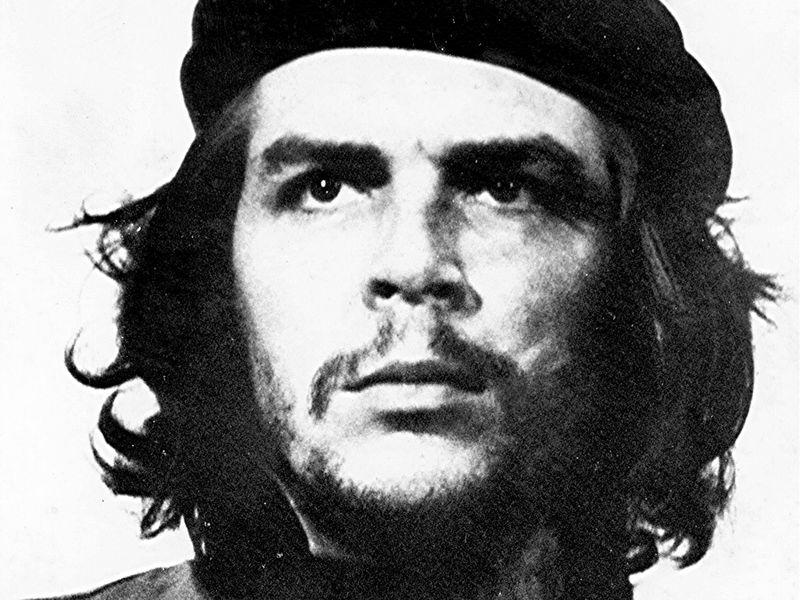
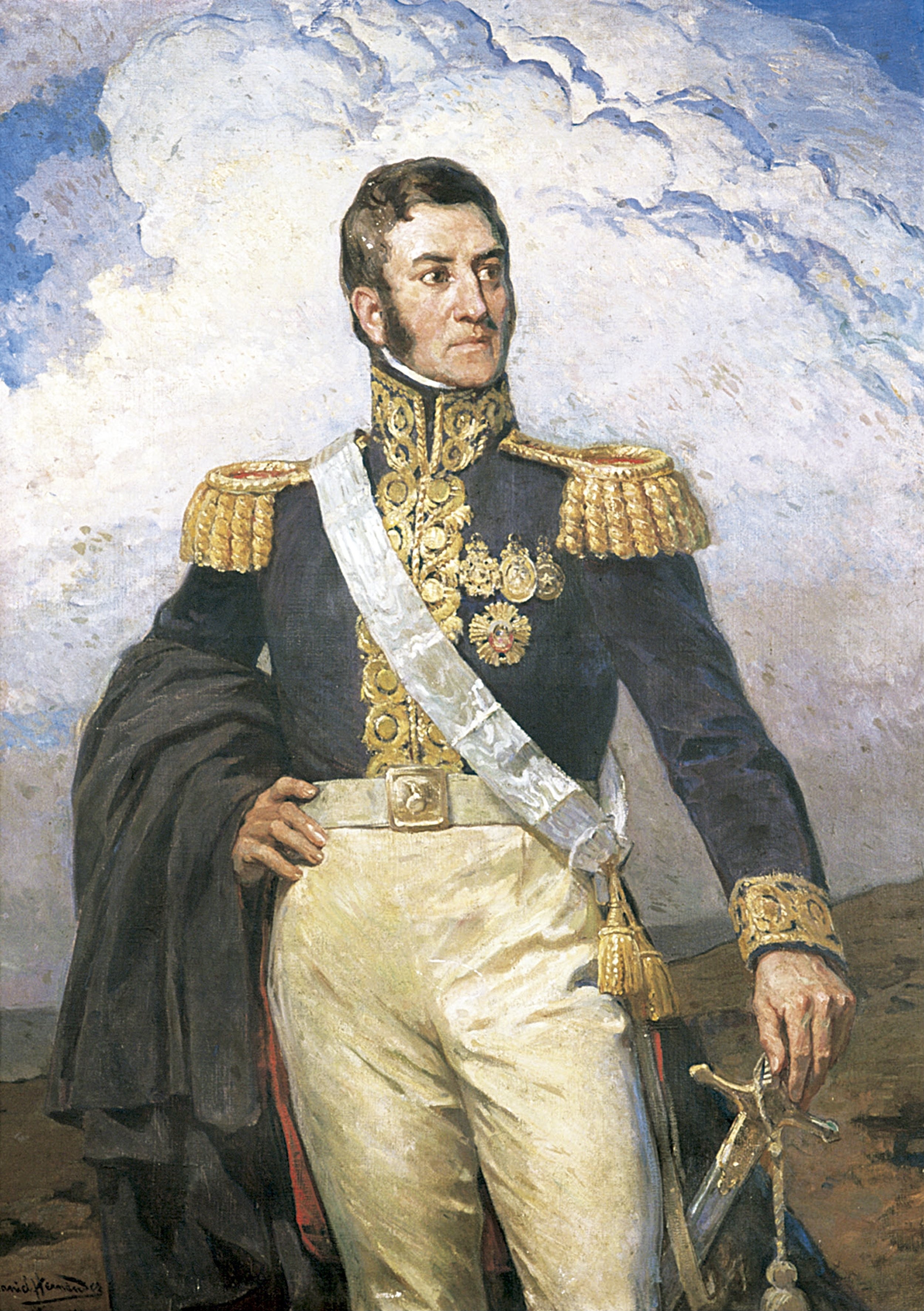
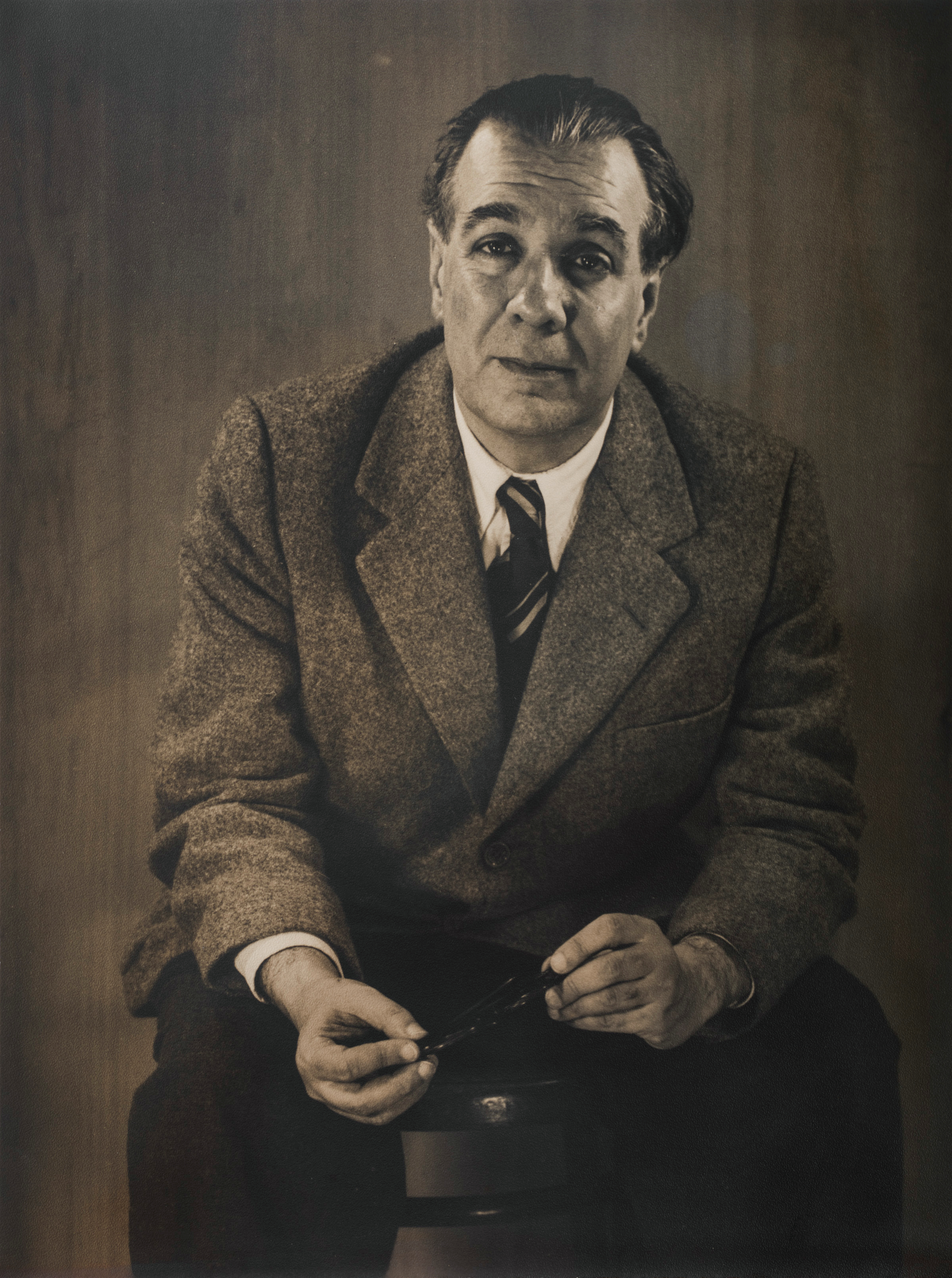
Study the photograph. Read the clue. Make your guess before revealing the person.

Mystery influential person from Argentina

Mystery person

Who am I?

01

Your clue

I became an influential figure in Argentina. Can you work out who I am?

Mystery influential person from Argentina

Mystery person

Who am I?

02

Your clue

I became famous through sport. Can you work out who I am?

Mystery influential person from Argentina

Mystery person

Who am I?

03

Your clue

I became an important public figure in my country's story. Who am I?

Mystery influential person from Argentina

Mystery person

Who am I?

04

Your clue

I became an influential figure in Argentina. Can you work out who I am?

Mystery influential person from Argentina

Mystery person

Who am I?

05

Your clue

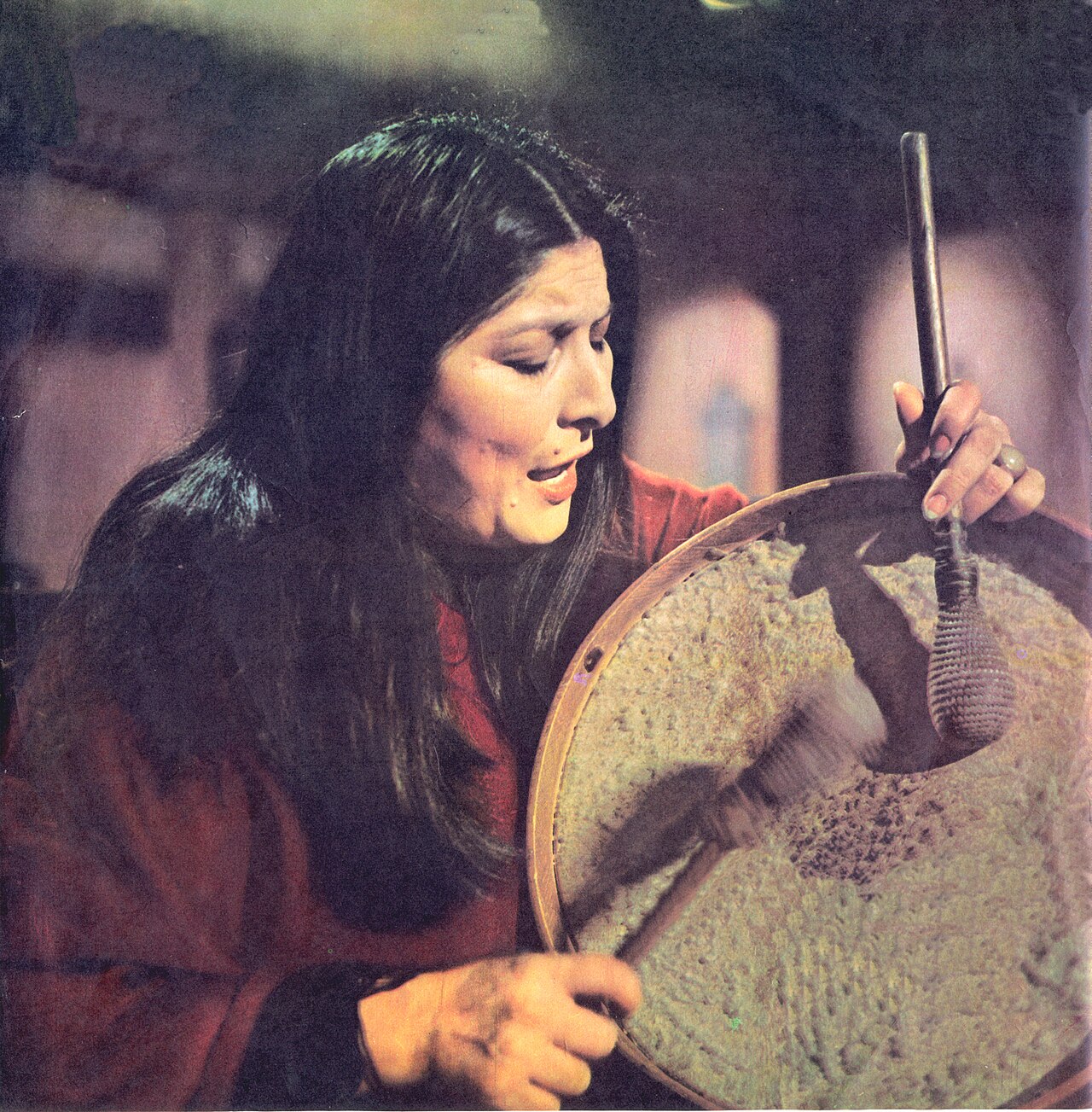
I became known through music. Can you work out who I am?

Look closer

Cultural
spotlights.

Argentine Tango

Spotlight 01

Argentine Tango

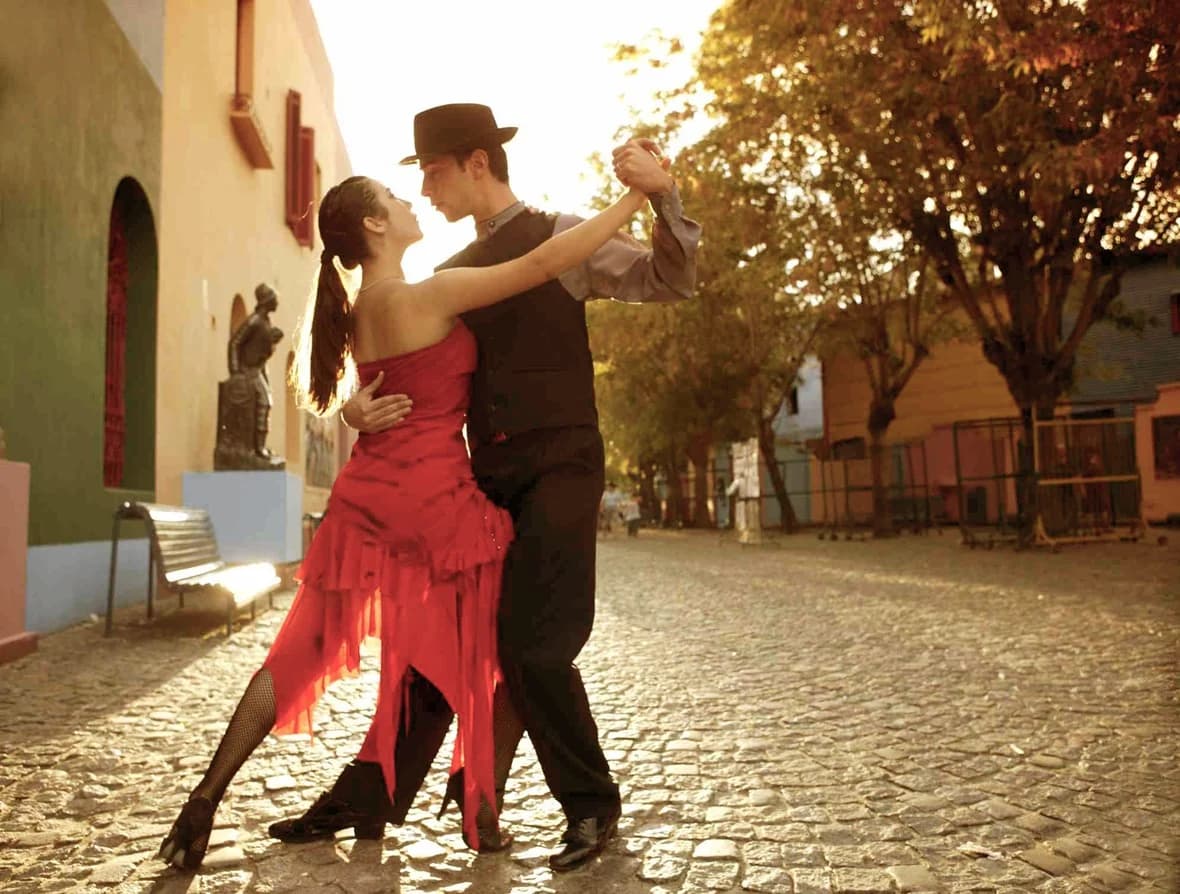
Tango developed during the late nineteenth century around the Río de la Plata, particularly in Buenos Aires and Montevideo. Its music and dance emerged from communities shaped by European immigration, African heritage and local traditions. Tango later travelled internationally and became one of the world's most recognisable South American cultural forms.

Chamamé

Spotlight 02

Chamamé

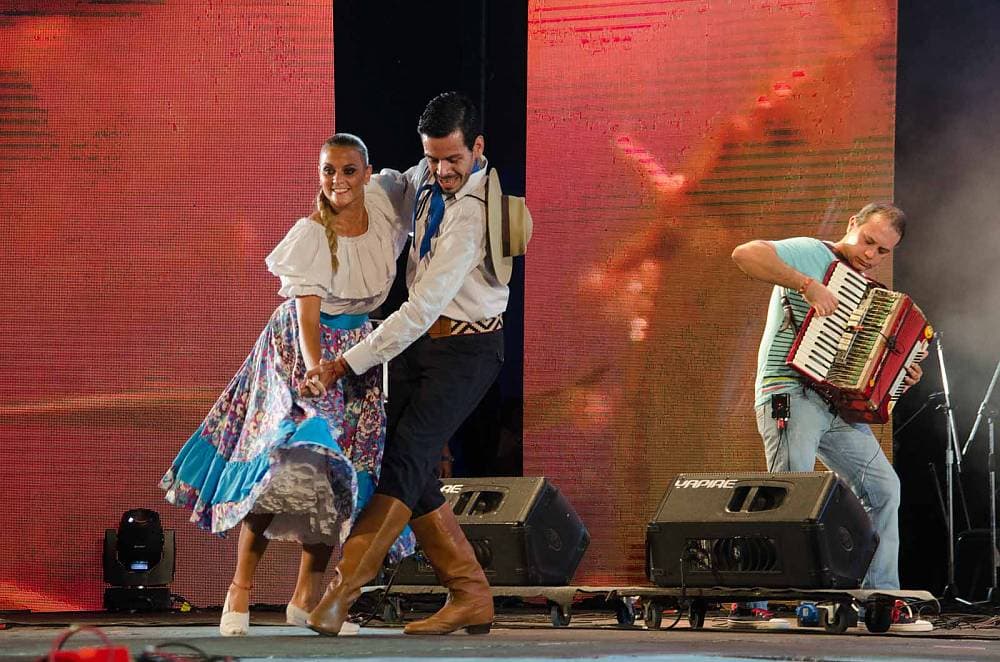
Chamamé is a music and dance tradition particularly associated with Corrientes and northeastern Argentina. Its development reflects Guaraní, European and African influences. Accordions and guitars are commonly heard, while dancers traditionally move together in a close embrace. Chamamé was added to UNESCO's Representative List of Intangible Cultural Heritage in 2020.

The Social Ritual of Mate

Spotlight 03

The Social Ritual of Mate

Mate is much more than a drink for many Argentines. One person usually prepares and serves the mate, repeatedly filling the gourd with hot water before passing it to another person to drink through the bombilla. Sharing the same mate can turn an everyday drink into a social ritual connected with conversation, friendship and hospitality.

One more wander

Places worth
stopping for.

Cueva de las Manos
01

Archaeology

Cueva de las Manos

Hidden within the dramatic landscape of Patagonia, Cueva de las Manos contains one of South America's most extraordinary collections of prehistoric rock art. Hundreds of hand stencils appear alongside animals and hunting scenes, preserving evidence of communities that lived in the region thousands of years ago.

02

Andean Culture & History

Quebrada de Humahuaca

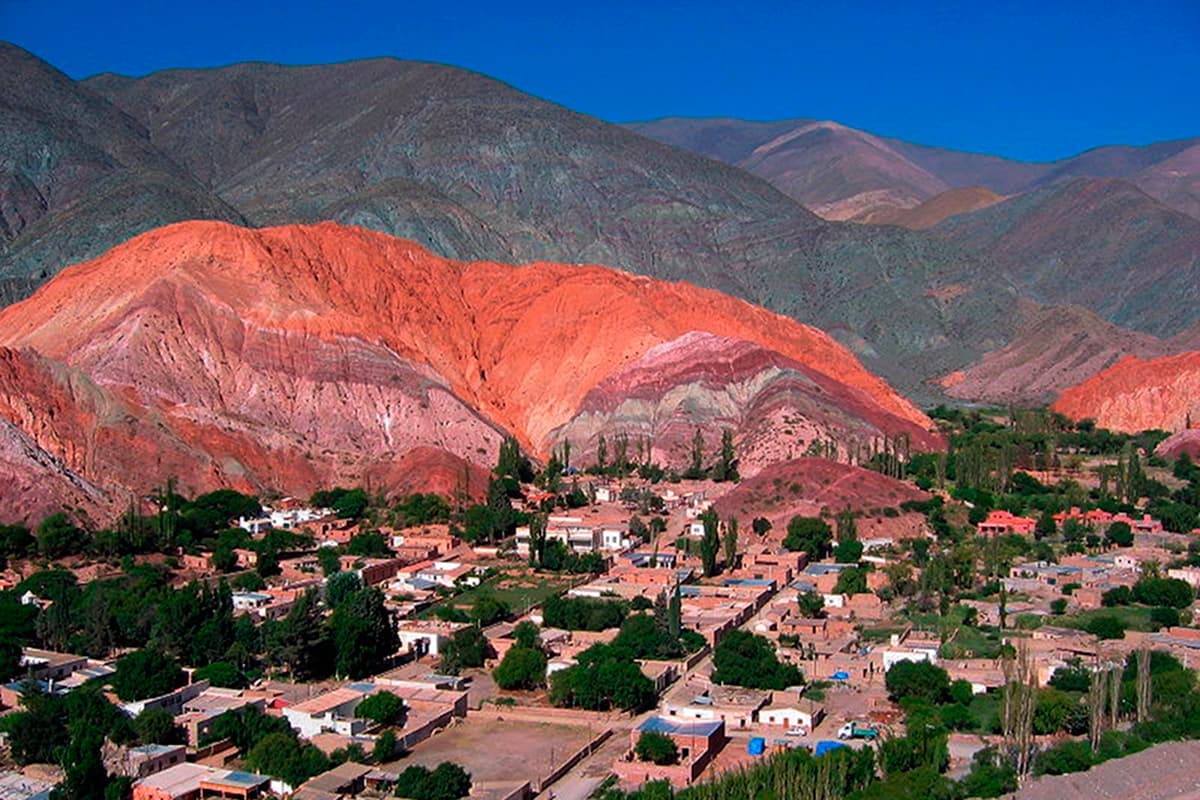
Quebrada de Humahuaca is a spectacular mountain valley in Jujuy in northwestern Argentina. People have used the valley as a route through the Andes for thousands of years, and its archaeology and settlements reflect Indigenous, Inca and Spanish colonial history. Its colourful mountains and continuing Andean traditions make it one of Argentina's most distinctive cultural landscapes.

Quebrada de Humahuaca
Iguazú National Park
03

Waterfalls & Rainforest

Iguazú National Park

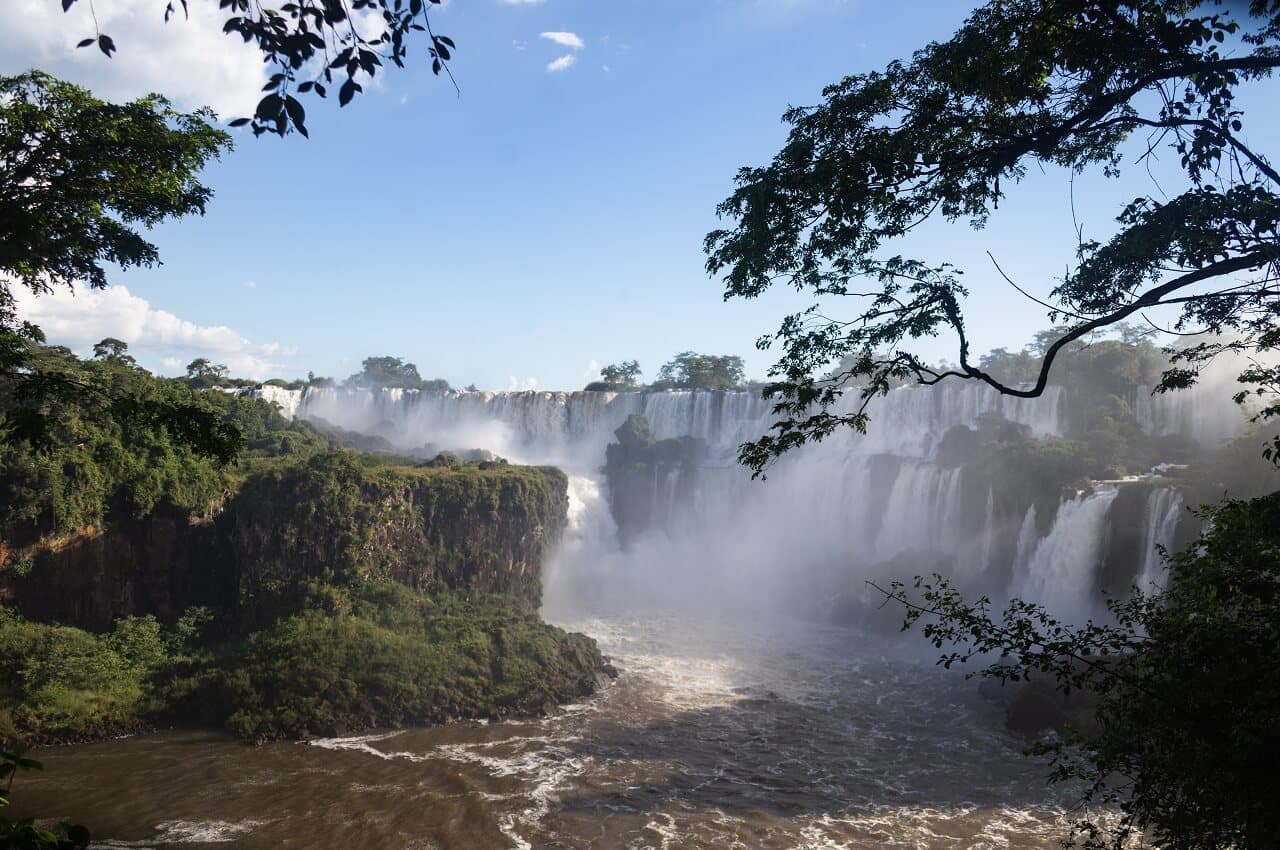
Iguazú National Park protects subtropical rainforest surrounding the enormous Iguazú Falls on the border between Argentina and Brazil. Hundreds of individual waterfalls stretch across the river system, including the immense Garganta del Diablo, or Devil's Throat. The surrounding forest supports toucans, monkeys, coatis, jaguars and many other species.

04

Patagonia & Ice

Los Glaciares National Park

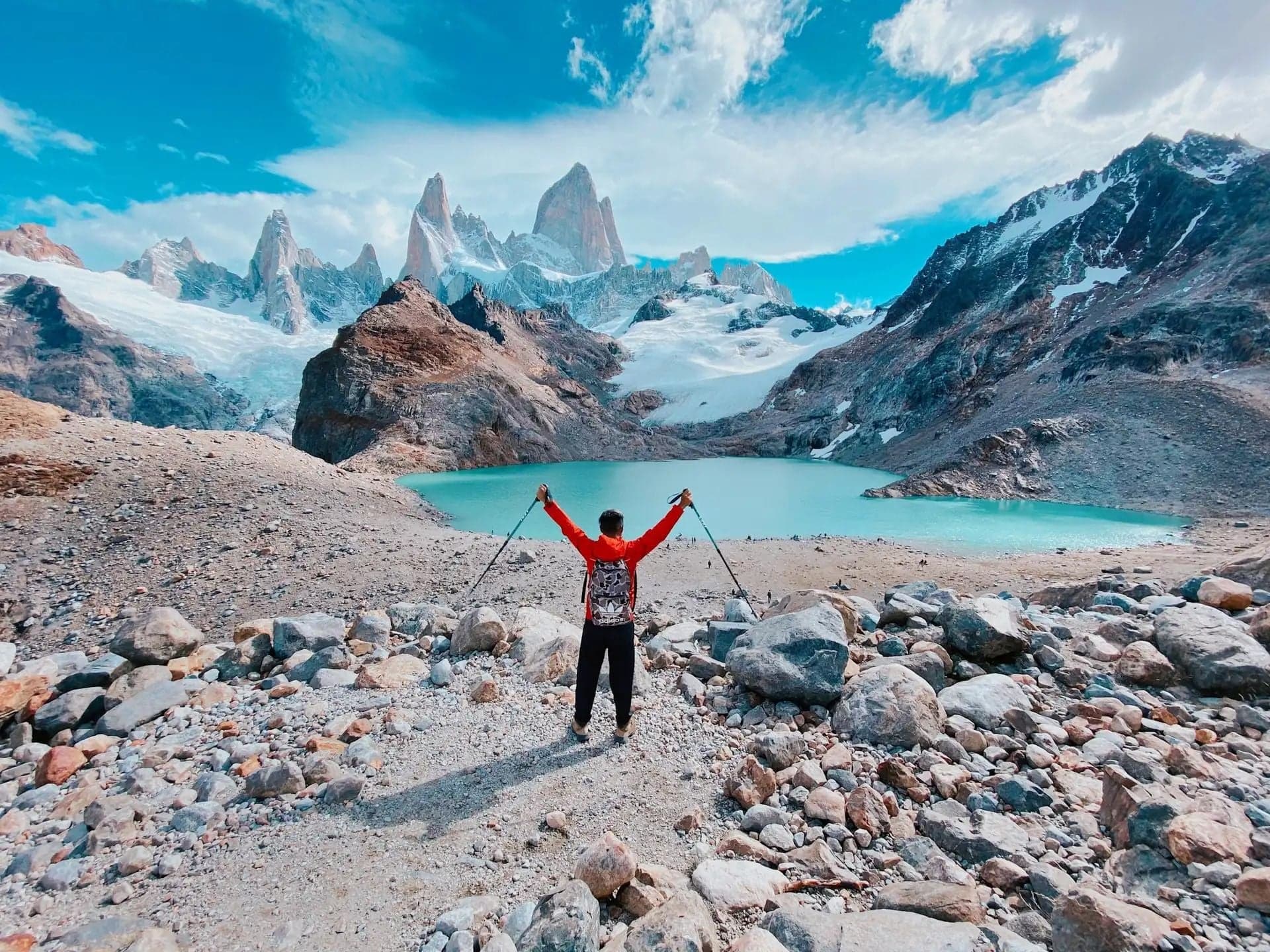
Los Glaciares National Park protects a vast region of mountains, lakes and ice fields in Argentine Patagonia. Its best-known feature is the Perito Moreno Glacier, but the park contains numerous glaciers flowing from the Southern Patagonian Ice Field and dramatic peaks including Mount Fitz Roy.

Los Glaciares National Park

Your turn

What did
you discover?

Things We’ve Learned About Argentina

Argentina is the second-largest country in South America after Brazil.

The Andes form much of Argentina's western border with Chile.

Aconcagua, in Argentina, is the highest mountain in the Americas.

Student Contribution

🌎 Argentina Student Discoveries

Found a useful website, video, recipe or cultural resource about Argentina? Share it with Fable Culture for staff review.

🌍 Educational🎶 Cultural📚 Reliable👀 Safe for school

Student Contribution

➕ Suggest a Resource

Found a useful website, video, museum, article, or educational resource? Submit it for teacher review.