Take a jaunt through

Bolivia

Bolivia is a landlocked country in the heart of South America, where the high Andes and Altiplano meet valleys, salt flats, tropical lowlands and Amazonian forests. It has one of the continent's largest Indigenous populations, and Indigenous languages, beliefs, music, clothing, farming traditions and political movements remain central to Bolivian life.

Indigenous HistoryAndesTiwanakuIncaSilverIndigenous ResistanceRevolutionLiving Traditions
Bolivia
GO
01

Capital

Sucre

02

Population

About 12 million

03

Languages

Spanish, Quechua, Aymara, Guaraní, Many other recognised Indigenous languages

04

Currency

Boliviano (BOB)

Get your bearings

First,
look around.

Bolivia's history reaches back thousands of years and includes some of South America's most influential ancient societies. Tiwanaku developed near Lake Titicaca into a major political and ceremonial centre whose influence spread across the Andes. Parts of modern Bolivia later became incorporated into the Inca Empire before Spanish conquest began in the sixteenth century. The discovery of enormous silver deposits at Potosí made the region crucial to the Spanish Empire, while Indigenous and African workers endured harsh systems of forced labour. Bolivia became independent in 1825 but experienced territorial wars, political upheaval and deep social inequality. Indigenous and workers' movements played major roles in events such as the 1952 National Revolution and later struggles over land, resources and political representation. Modern Bolivia officially describes itself as the Plurinational State of Bolivia, recognising the country's many Indigenous nations and cultures.

Sucre

First stop · Capital

Sucre

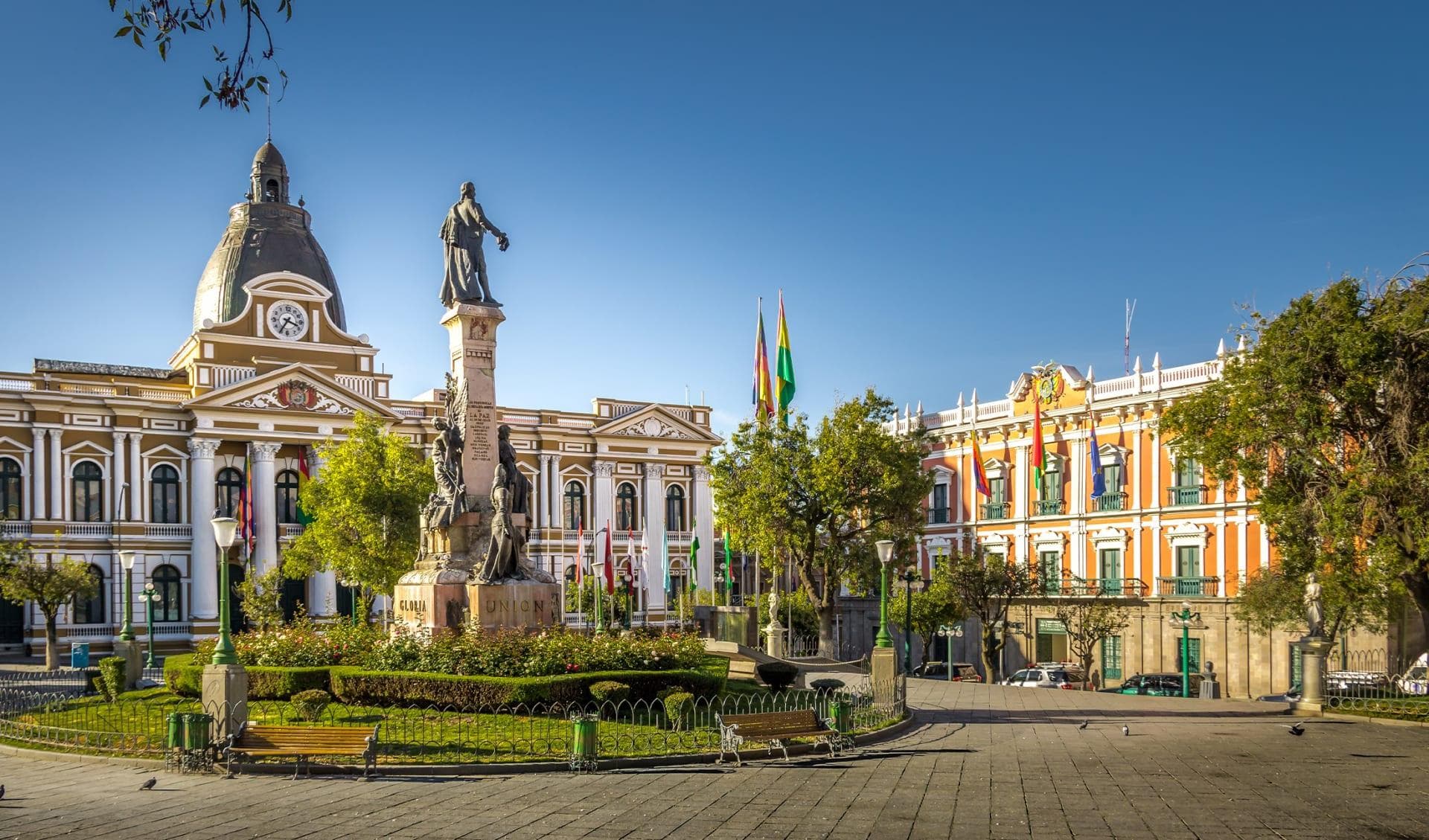
Sucre is Bolivia's constitutional capital and the seat of its Supreme Court, while the national government and legislature operate from La Paz. Known historically as Chuquisaca and La Plata, Sucre became an important Spanish colonial administrative centre and later played a major role in the independence movement. Its whitewashed historic centre reflects a mixture of Indigenous and European influences.

Wander a little further

Follow the trail through Bolivia.

Tiwanaku

History

Tiwanaku

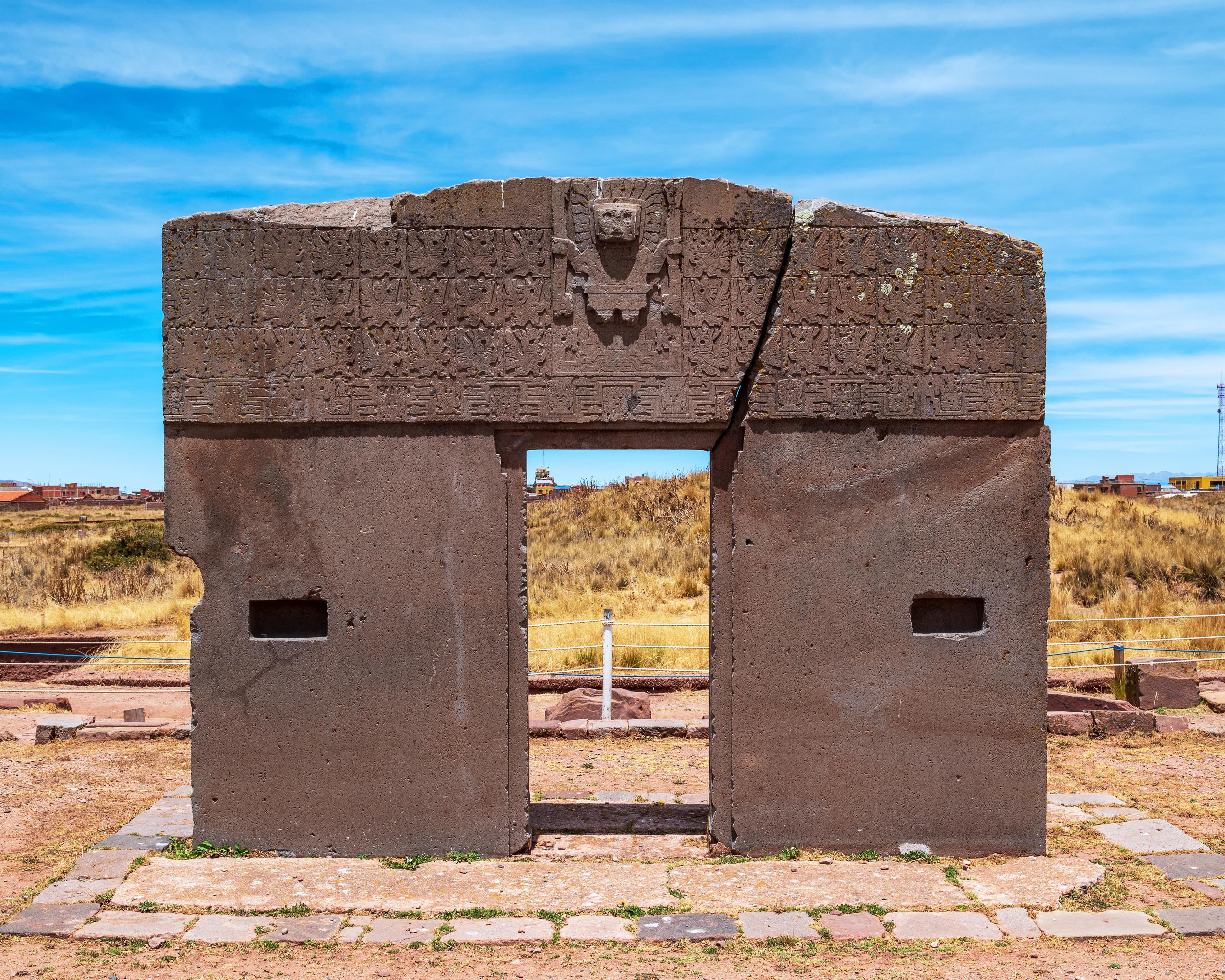
Tiwanaku developed near Lake Titicaca into one of the most important civilisations of the ancient Andes. At its height, roughly between 500 and 900 CE, its political and cultural influence extended across a large part of the southern Andes. Monumental structures such as the Akapana, Kalasasaya and the famous Gateway of the Sun demonstrate sophisticated stoneworking, engineering and religious traditions.
Food

Andean Potatoes

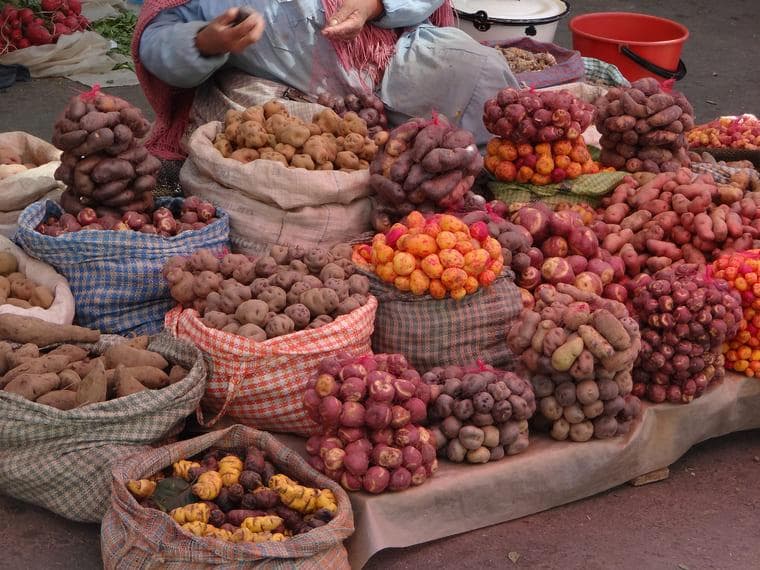
The Andes are one of the original homes of the potato. Indigenous farmers developed many varieties adapted to different altitudes, climates, colours and uses. Bolivian communities continue to cultivate an extraordinary range of potatoes, while traditional preservation methods such as making chuño by repeatedly freezing and drying potatoes allow food to be stored for long periods.

Andean Potatoes
Vicuña

Wildlife

Vicuña

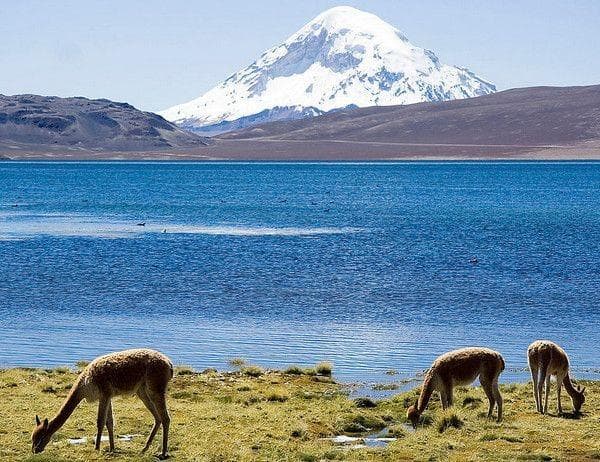
The vicuña is a wild relative of the llama and alpaca that lives at high altitude in the Andes. Its exceptionally fine wool has been valued since pre-Columbian times. Vicuñas are adapted to cold, dry mountain environments and remain culturally and economically important in parts of the Andes.

The Wiphala

Culture · stop and look

The Wiphala

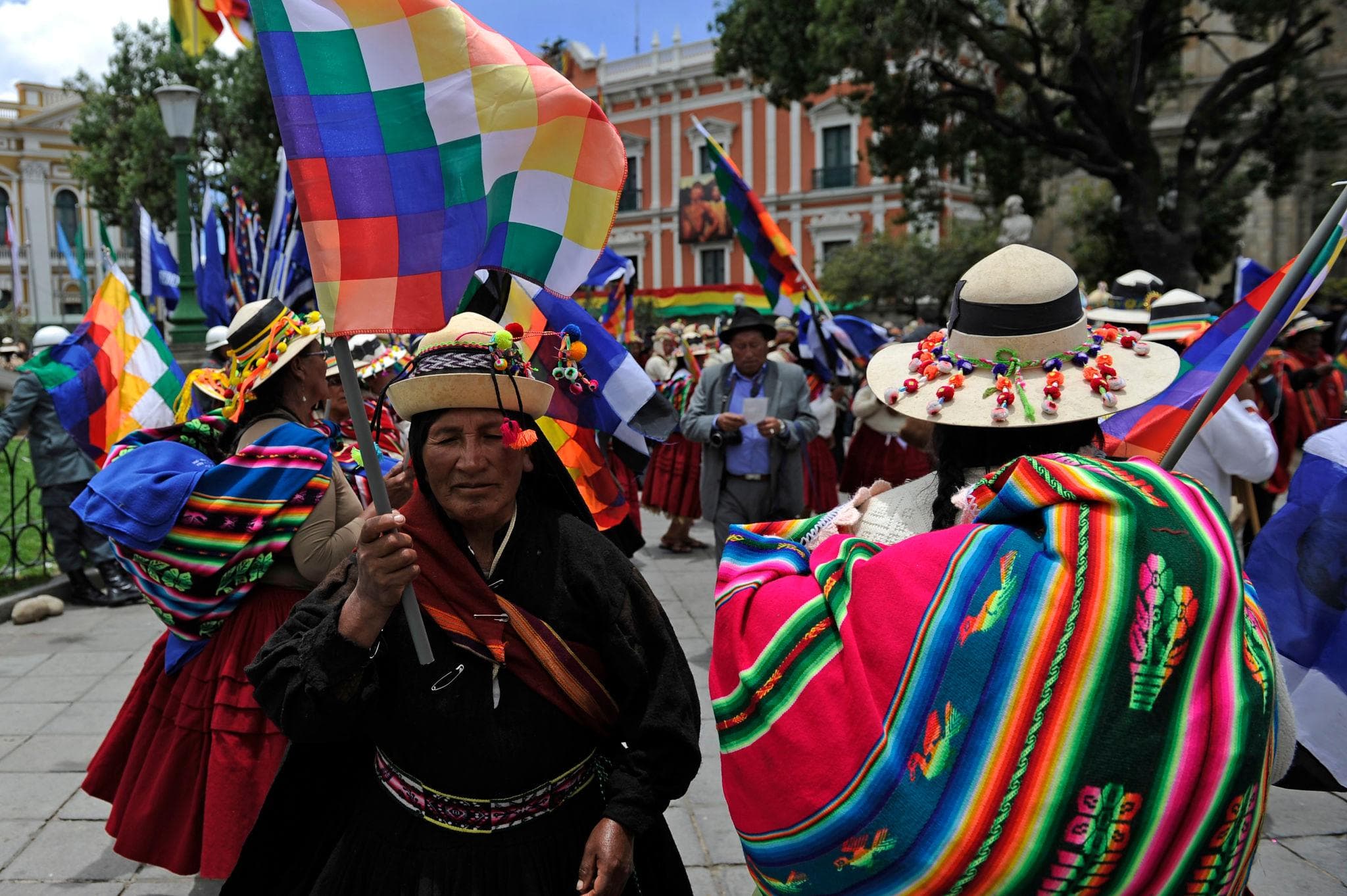
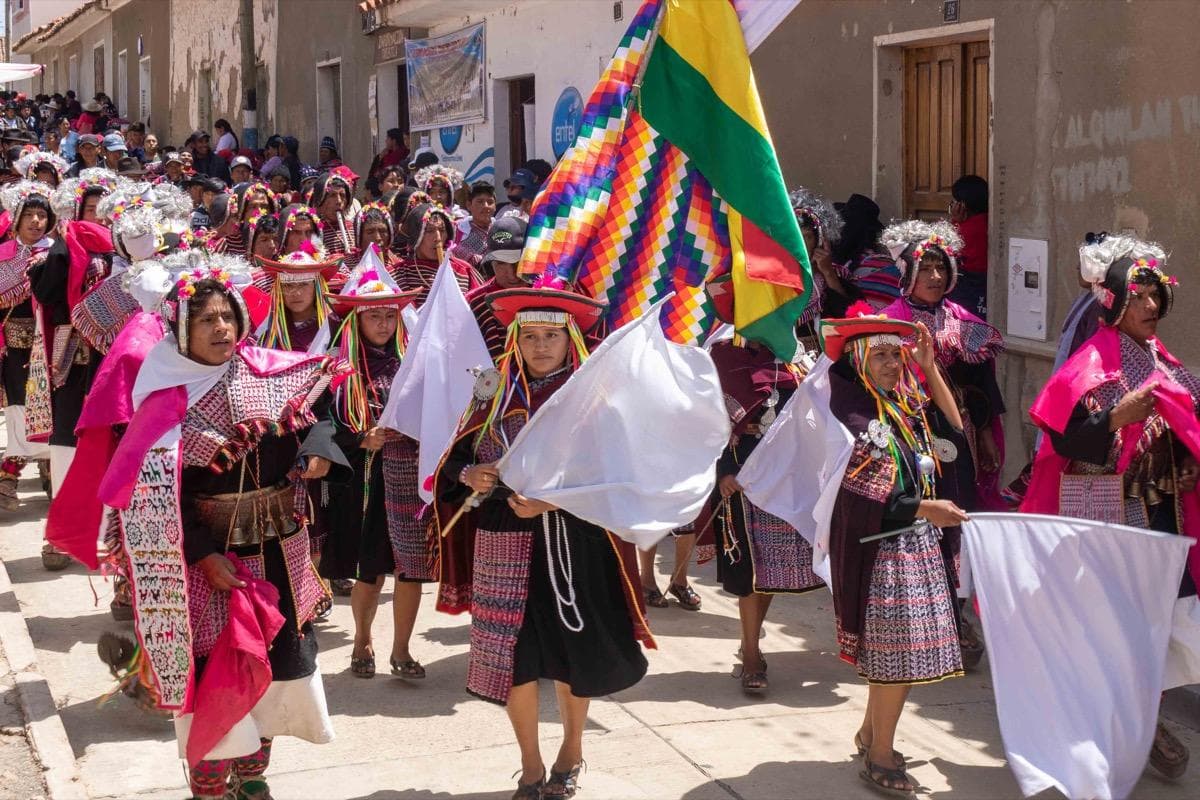
The Wiphala is a square emblem made from a seven-by-seven grid of coloured squares and is strongly associated with Indigenous Andean identity. Different versions have been used in the Andes, and today the Wiphala is particularly visible among Aymara and Quechua communities. Bolivia's 2009 Constitution recognises it as one of the symbols of the state.

Through time

Follow the
story.

Four stops first. Open the rest if you want to travel further.

Thousands of years ago

Early Communities of the Andes

People lived around Lake Titicaca, the Altiplano, valleys and tropical lowlands of present-day Bolivia thousands of years before European arrival. Communities developed farming, herding, fishing and trade suited to dramatically different environments.

c. 1500 BCE onwards

Communities Around Lake Titicaca

Settled communities developed around the Lake Titicaca basin. Farmers cultivated crops including potatoes and quinoa while herders raised llamas and alpacas, animals that provided transport, fibre, meat and other resources.

c. 400–900 CE

Tiwanaku Flourishes

Tiwanaku grew into a planned city and powerful political and ceremonial centre near Lake Titicaca. Its influence spread across large areas of the southern Andes through religion, exchange, agriculture and political connections.

c. 500–900 CE

Monumental Tiwanaku

Builders at Tiwanaku constructed enormous ceremonial spaces and precisely cut stone monuments. Raised-field agriculture around Lake Titicaca helped communities produce food in the difficult high-altitude environment.

Continue the journey ↓

c. 1000–1100

Tiwanaku Declines

Tiwanaku's political system fragmented after centuries of influence. The exact causes remain debated, but environmental pressures, drought and political change may all have contributed. Regional Aymara-speaking societies later became powerful across the Altiplano.

1200s–1400s

Aymara Kingdoms

A number of Aymara-speaking kingdoms and lordships controlled parts of the Altiplano after Tiwanaku. Communities maintained farming, herding and trade networks linking highland and lower-altitude environments.

Student investigation

1400s

🔍 Your Investigation: The Inca Arrive

Investigate how the Inca Empire expanded into what is now Bolivia and what changed — or remained — for the peoples already living there.

→ What was Qullasuyu?

→ Which peoples were already living in the region?

→ How did roads help the Inca govern such a large territory?

1530s

Spanish Conquest Reaches the Andes

Spanish forces moved into the region following the invasion of the Inca Empire. Indigenous resistance continued, but Spanish colonial institutions were gradually imposed across much of the territory.

1538

La Plata is Established

Spanish colonists established the city later known as Chuquisaca and today called Sucre. It became an important administrative, religious and judicial centre of Spanish rule in the Andes.

Student investigation

1545

🔍 Your Investigation: Silver at Potosí

Investigate Potosí and discover where its extraordinary wealth came from — and who paid the human cost of producing it.

→ What is Cerro Rico?

→ What was the mita labour system?

→ Where did Potosí's silver travel?

1500s–1700s

The Colonial Mita

Spanish authorities adapted an earlier Andean labour obligation into a colonial forced-labour system known as the mita. Thousands of Indigenous men were required to work in and around the mines of Potosí under extremely dangerous conditions.

1500s–1800s

African Labour in Colonial Bolivia

Enslaved Africans were also transported into the region. Some were forced to work in mining and urban occupations. Afro-Bolivian communities later became particularly established in the Yungas valleys, where Afro-Bolivian culture continues today.

1600s

Potosí Becomes a Global City

Potosí grew into one of the largest and wealthiest cities in the Americas. Silver extracted there entered international trade networks linking South America with Europe and, through the Spanish Empire, markets as distant as Asia.

1690s

Jesuit Missions in Chiquitos

Jesuit missionaries established missions among Indigenous communities in the Chiquitos region of eastern Bolivia. The surviving churches later became famous for their distinctive architecture and musical heritage.

1780–1781

Great Andean Rebellions

A major wave of Indigenous rebellion spread across the Andes against colonial exploitation. In Upper Peru, Aymara leaders including Túpac Katari and Bartolina Sisa mobilised thousands of supporters.

1781

Túpac Katari and Bartolina Sisa

Forces led by Túpac Katari, Bartolina Sisa and other Indigenous leaders besieged La Paz during the great anti-colonial uprisings. Spanish colonial forces eventually defeated the rebellion and executed its leaders, but Katari and Sisa later became powerful symbols of Indigenous resistance.

1809

Rebellions in Chuquisaca and La Paz

Political uprisings broke out in Chuquisaca and La Paz during the crisis of the Spanish monarchy. These movements became part of the wider independence struggles developing across Spanish South America.

1809–1825

War for Independence

Fighting between royalist and independence forces continued for years across the territory then known as Upper Peru. Guerrilla groups and local communities played important roles alongside larger independence armies.

Student investigation

1825

🔍 Your Investigation: Bolivia Becomes Independent

Investigate Bolivia's independence and why the new country was named after Simón Bolívar.

→ Who was Simón Bolívar?

→ What role did Antonio José de Sucre play?

→ Why did Upper Peru become a separate country?

1826

Sucre Becomes President

Antonio José de Sucre became an early president of Bolivia and helped establish institutions for the new republic. The city of Chuquisaca was later officially renamed Sucre in his honour.

1800s

A New Republic, Old Inequalities

Independence ended Spanish colonial government but did not immediately create equality. Indigenous communities continued to face discrimination, loss of land and economic exploitation, while political power remained concentrated among relatively small elites.

1879–1884

War of the Pacific

Bolivia and Peru fought Chile in the War of the Pacific. Bolivia lost control of its Pacific coastal territory to Chile and became landlocked. Access to the sea remains an important issue in Bolivian national memory.

Late 1800s–early 1900s

Tin Replaces Silver

As silver mining declined in relative importance, tin became one of Bolivia's most valuable exports. Powerful mine owners accumulated enormous wealth while miners often worked in difficult and dangerous conditions.

1899

Federal War

A civil conflict known as the Federal War shifted the centre of political power towards La Paz. Sucre remained Bolivia's constitutional capital, but the executive and legislative branches of government became based in La Paz.

1932–1935

The Chaco War

Bolivia fought Paraguay over the Gran Chaco region. Tens of thousands of soldiers died in one of twentieth-century South America's bloodiest wars. The experience exposed deep social divisions within Bolivia and contributed to demands for political change.

1942

Catavi Massacre

Government forces fired on striking mine workers and their families at Catavi. The deaths intensified anger over working conditions and strengthened the political importance of organised miners.

Student investigation

1952

🔍 Your Investigation: The National Revolution

Investigate the 1952 National Revolution and decide which of its changes had the biggest effect on ordinary Bolivians.

→ Why were miners important to the revolution?

→ What happened to voting rights?

→ What did land reform and mine nationalisation change?

1952

Universal Adult Suffrage

Voting rights were dramatically expanded. Literacy and property restrictions that had excluded much of the Indigenous and working-class population were removed, greatly increasing political participation.

1952

The Tin Mines are Nationalised

The government nationalised the major tin mines, transferring them from powerful private owners into the state mining corporation COMIBOL. Organised mine workers became an especially influential political force.

1953

Agrarian Reform

Land reform broke up many large estates and redistributed land to rural communities. It altered traditional systems of rural power, although access to land remained unequal and reforms affected different regions in different ways.

1964

Military Rule Returns

A military coup removed President Víctor Paz Estenssoro. Bolivia subsequently experienced a succession of military governments and coups.

1967

Che Guevara in Bolivia

Cuban revolutionary Ernesto 'Che' Guevara attempted to organise a guerrilla insurgency in Bolivia. Bolivian forces captured and killed him near La Higuera in October 1967.

1967

San Juan Massacre

Soldiers attacked mining communities during the military government of René Barrientos, killing workers and civilians. Mining communities remained important centres of opposition to authoritarian rule.

1970s

Dictatorship and Resistance

Military governments restricted political activity and targeted opponents. Trade unions, miners, Indigenous organisations, students and human-rights campaigners became important sources of resistance.

1977

Women Begin a Hunger Strike

A small group of women associated with mining communities, including Domitila Barrios de Chungara, began a hunger strike demanding political freedoms and an amnesty for exiled and imprisoned activists. The protest grew and helped increase pressure on the military government.

1982

Democracy Returns

Civilian democratic government was restored after years of coups and military rule. Bolivia has remained under constitutional civilian government since then despite periods of major political and social conflict.

1985

Mining Crisis

Economic reforms and the collapse of international tin prices led to the closure or restructuring of many state mines. Thousands of miners lost their jobs and many families moved to cities or agricultural regions.

1990

Indigenous March for Territory and Dignity

Indigenous peoples from Bolivia's eastern lowlands organised a major march from the Beni region towards La Paz. The movement demanded recognition of Indigenous territories, cultures and political rights.

2000

Cochabamba Water Conflict

Large protests erupted in Cochabamba following changes to the city's water system and rising concerns over affordability and private control. The dispute became internationally known as the Cochabamba Water War.

2003

The Gas Conflict

Large protests over plans involving Bolivia's natural-gas resources developed into a wider political crisis. Dozens of people were killed during clashes and President Gonzalo Sánchez de Lozada resigned.

2006

Evo Morales Takes Office

Evo Morales became Bolivia's first president from the country's Indigenous majority. His Movement for Socialism government promoted greater state involvement in natural resources and placed Indigenous identity and rights prominently within national politics.

2009

The Plurinational State

A new constitution came into force and the country became officially known as the Plurinational State of Bolivia. The constitution expanded recognition of Indigenous nations, languages, legal traditions and forms of autonomy.

2019

Political Crisis

A disputed presidential election led to protests, an audit by the Organization of American States, police and military pressure, and the resignation of President Evo Morales. Jeanine Áñez became interim president. The causes and characterisation of the crisis remain politically contested.

2020

New Elections

Bolivia held new presidential elections. Luis Arce of the Movement for Socialism won the presidency, returning the party to national government.

Today

Modern Bolivia

Bolivia is officially a plurinational state whose population includes many Indigenous nations and communities. Mining, agriculture and natural resources remain economically important, while debates about political representation, regional differences, Indigenous rights, land and the environment continue to shape the country.

Faces along the way

Who
am I?

Study the photograph. Read the clue. Make your guess before revealing the person.

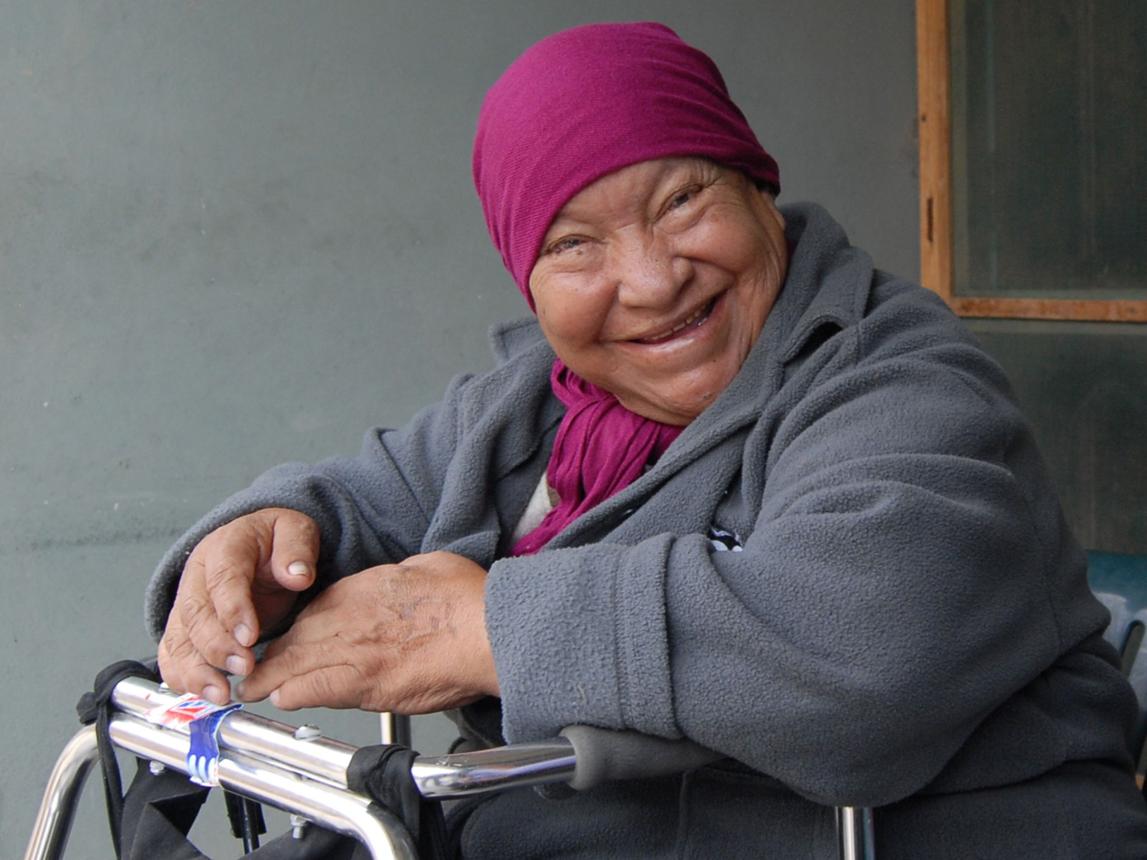
Mystery influential person from Bolivia

Mystery person

Who am I?

01

Your clue

I became an important public figure in my country's story. Who am I?

Mystery influential person from Bolivia

Mystery person

Who am I?

02

Your clue

I became an important public figure in my country's story. Who am I?

Mystery influential person from Bolivia

Mystery person

Who am I?

03

Your clue

I became an influential figure in Bolivia. Can you work out who I am?

Mystery influential person from Bolivia

Mystery person

Who am I?

04

Your clue

I became an influential figure in Bolivia. Can you work out who I am?

Look closer

Cultural
spotlights.

Carnival of Oruro

Spotlight 01

Carnival of Oruro

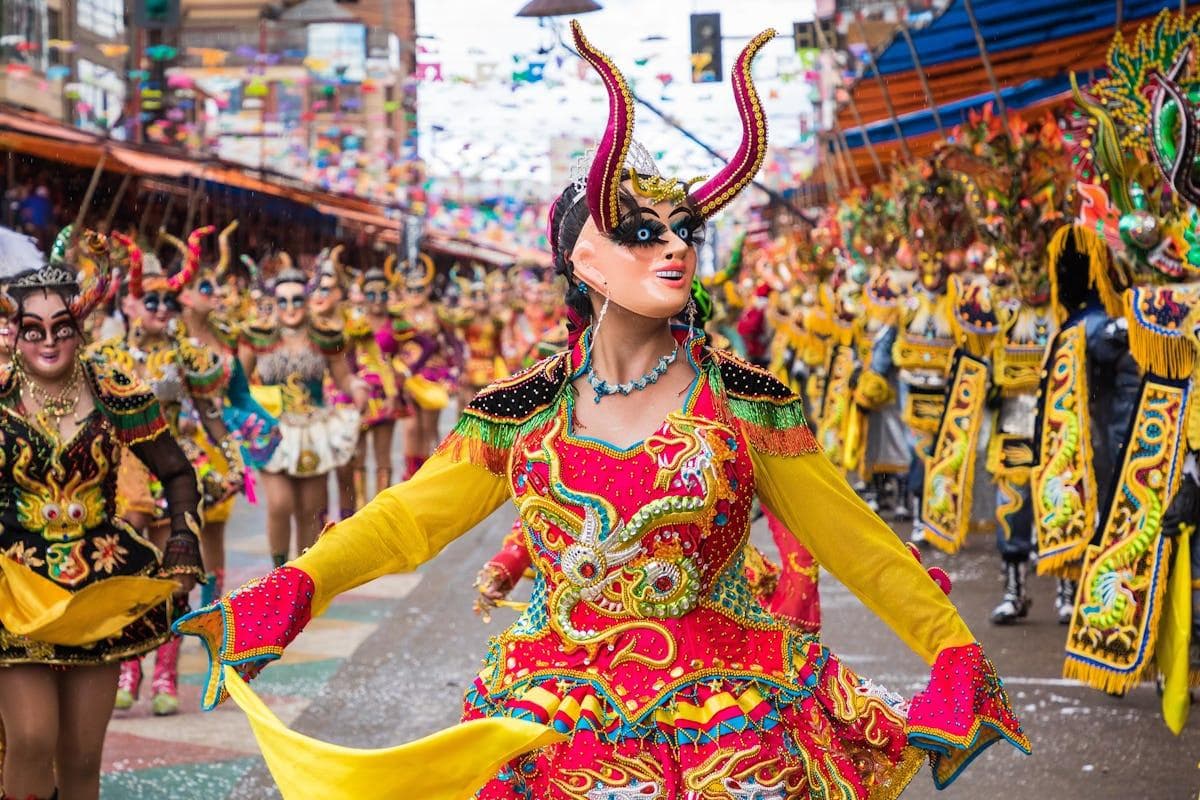
The Carnival of Oruro is one of Bolivia's largest cultural celebrations. Its dances, masks, costumes and music combine layers of Indigenous Andean traditions and Catholic religious practice that developed during the colonial period. Thousands of musicians and dancers participate, with the spectacular Diablada, or Dance of the Devils, among its best-known performances.

Kallawaya Knowledge

Spotlight 02

Kallawaya Knowledge

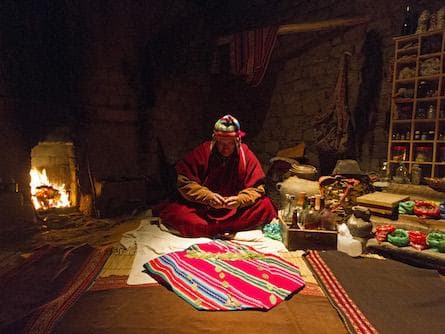
The Kallawaya are an Andean community particularly known for traditions of healing and detailed knowledge of medicinal plants. Travelling healers historically carried medicines across long distances and combined botanical knowledge with ritual and spiritual understandings of health. UNESCO recognises the Andean cosmovision of the Kallawaya as intangible cultural heritage.

Pujllay & Ayarichi

Spotlight 03

Pujllay & Ayarichi

Pujllay and Ayarichi are musical and dance traditions of the Yampara people. Pujllay is associated with the rainy season, renewal and abundance, while Ayarichi is connected with the dry season and religious festivals. Music, elaborate clothing, dance and community participation transmit Yampara identity and knowledge between generations.

Alasita

Spotlight 04

Alasita

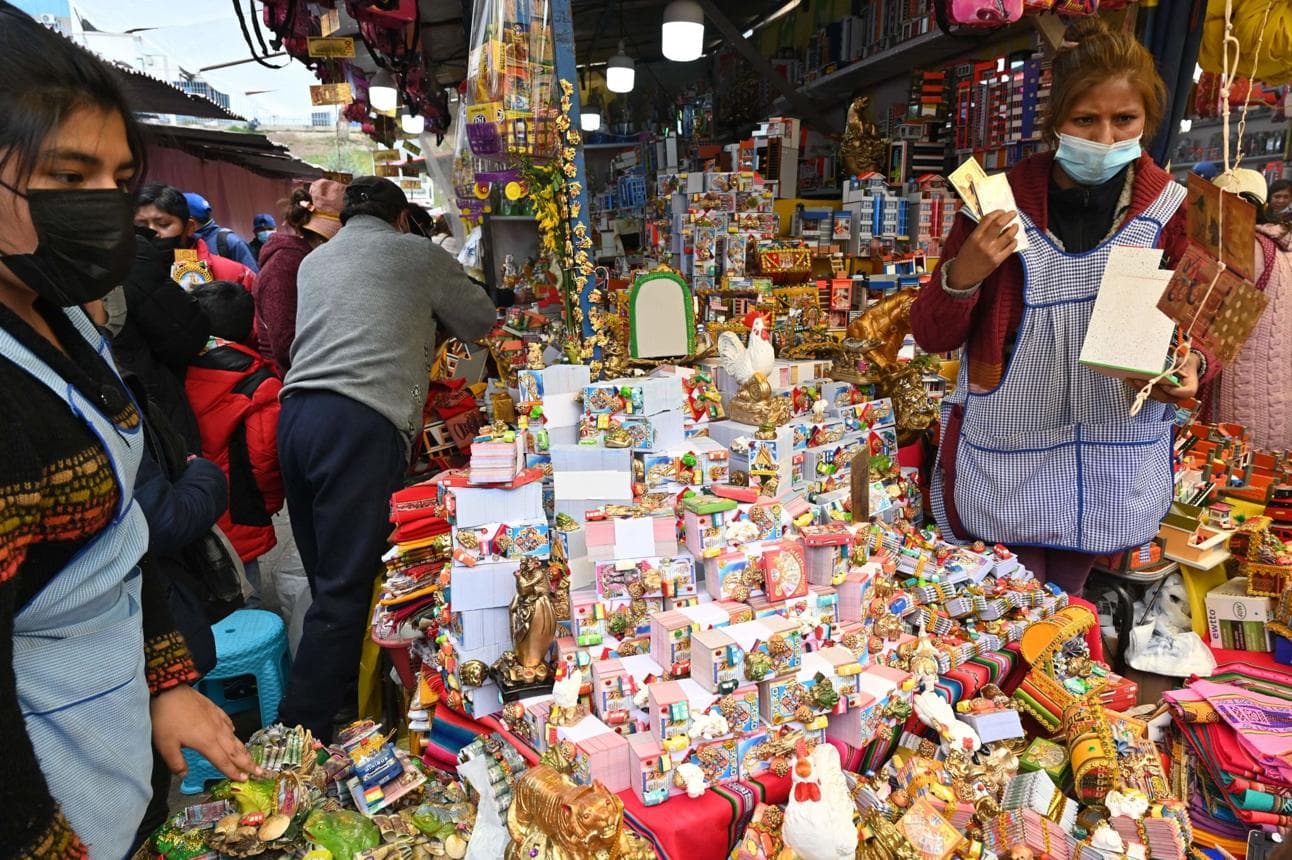
During Alasita in La Paz, people acquire tiny models representing things they hope for in the future — perhaps a house, a qualification, money, food or a vehicle. These miniatures can be blessed through ritual practices associated with Ekeko, an Andean figure connected with abundance. The tradition brings together Indigenous Andean beliefs and later religious influences.

One more wander

Places worth
stopping for.

Potosí & Cerro Rico
01

Mining & Colonial History

Potosí & Cerro Rico

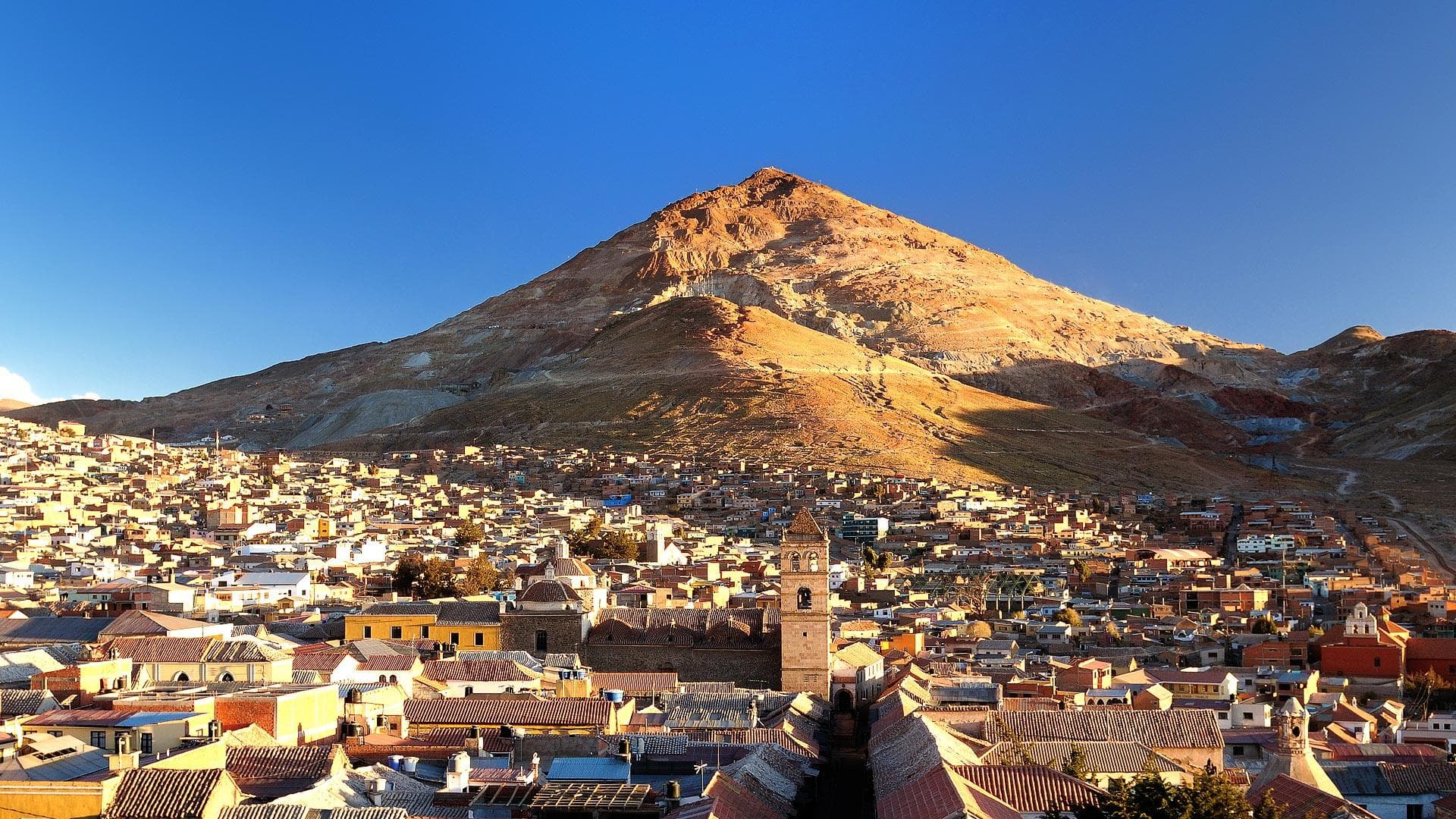
The city of Potosí grew beneath Cerro Rico, the 'Rich Mountain', after huge silver deposits began to be exploited in the sixteenth century. Silver from Potosí helped finance the Spanish Empire and circulated through global trade networks. The city's extraordinary wealth was built on dangerous labour performed particularly by Indigenous workers under the colonial mita system, as well as enslaved Africans.

02

Andean Landscape & Culture

Lake Titicaca

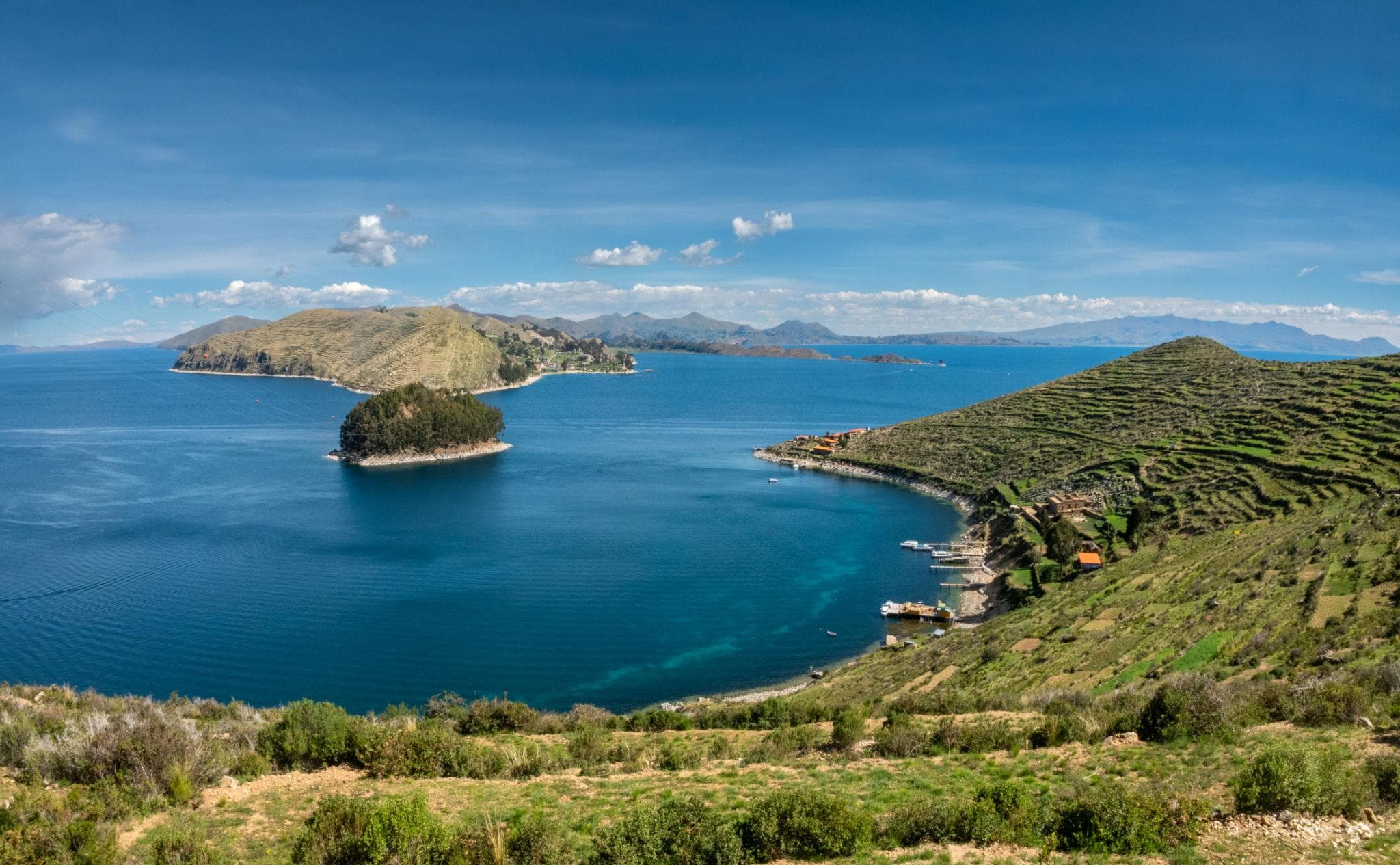
Lake Titicaca lies high in the Andes on the border between Bolivia and Peru. Communities have lived around its shores for thousands of years, and the lake was central to societies including Tiwanaku and later the Inca. It remains culturally important to Aymara and Quechua communities and features prominently in Andean traditions and origin stories.

Lake Titicaca
Salar de Uyuni
03

Salt Flats

Salar de Uyuni

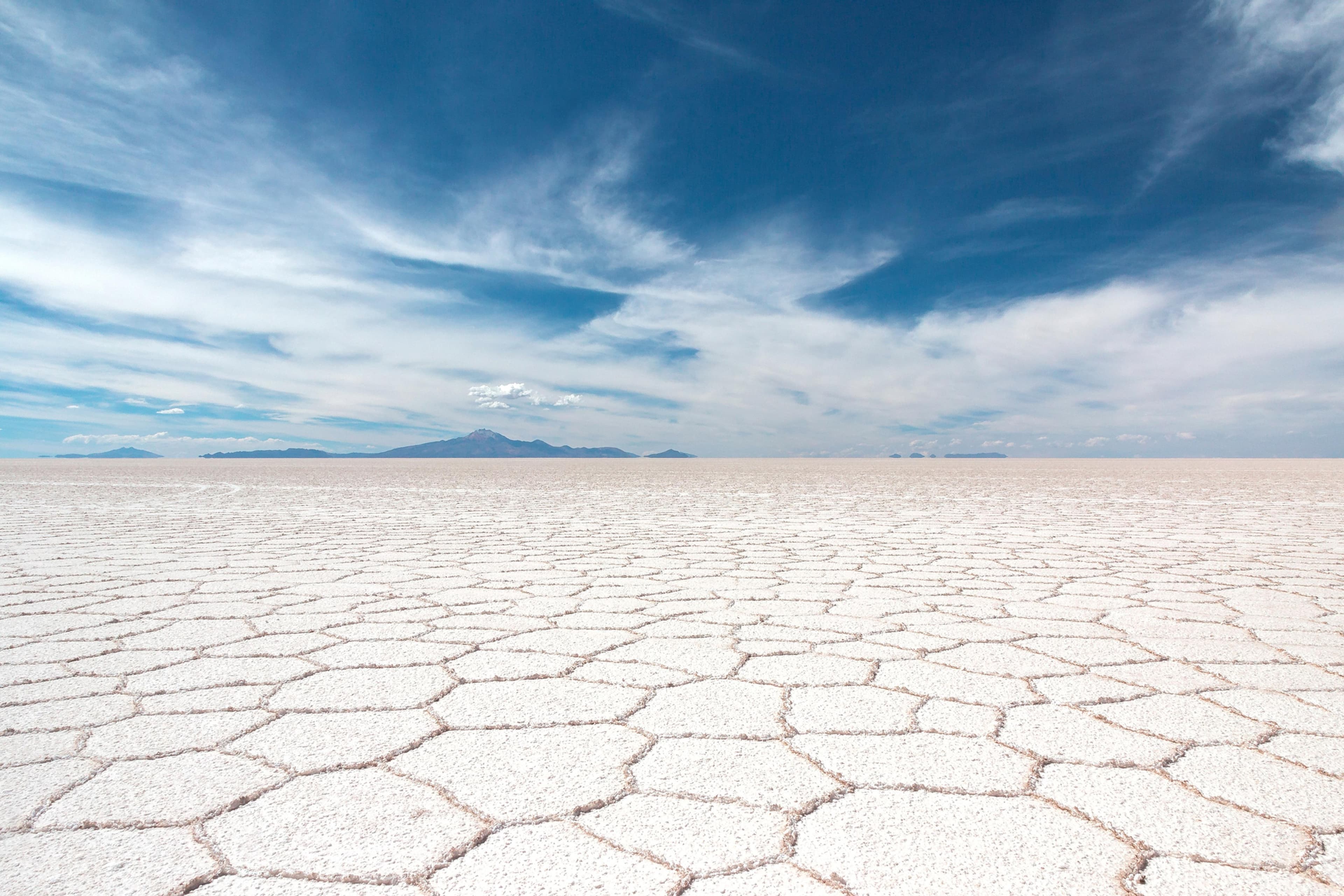
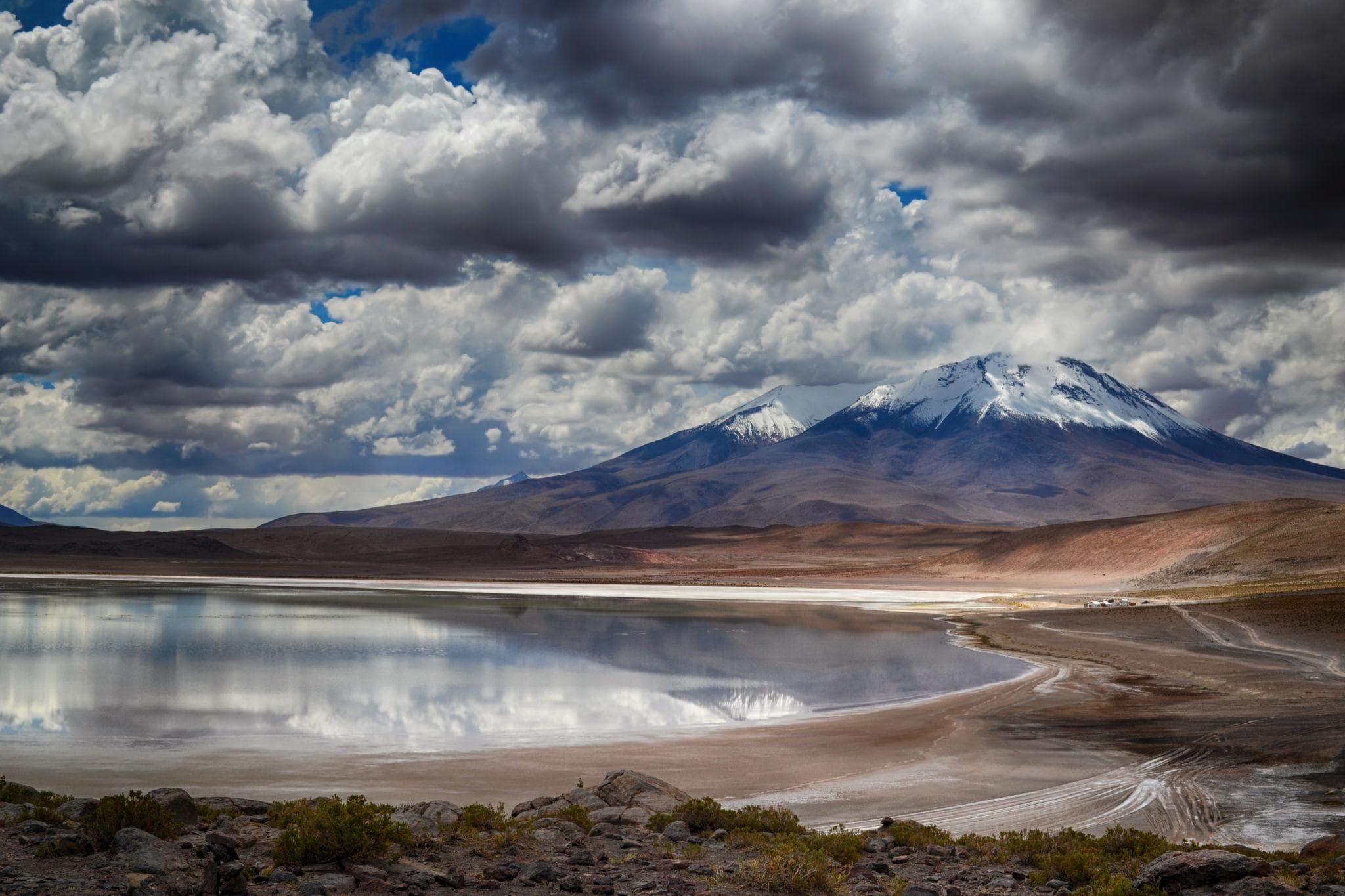
Salar de Uyuni is the world's largest salt flat, covering more than 10,000 square kilometres of southwestern Bolivia. It formed from prehistoric lakes that dried up and left enormous deposits of salt and minerals. During the rainy season, a thin layer of water can turn the surface into a vast natural mirror. Beneath the salt lies lithium-rich brine, making the region economically important as well as visually spectacular.

Your turn

What did
you discover?

Things We’ve Learned About Bolivia

Bolivia has two important seats of national government: Sucre is the constitutional capital, while the executive and legislative branches operate from La Paz.

Bolivia recognises Spanish and 36 Indigenous languages in its Constitution.

Tiwanaku was already an important Andean civilisation centuries before the Inca Empire reached the region.

Student Contribution

🌎 Bolivia Student Discoveries

Found a useful website, video, recipe or cultural resource about Bolivia? Share it with Fable Culture for staff review.

🌍 Educational🎶 Cultural📚 Reliable👀 Safe for school

Student Contribution

➕ Suggest a Resource

Found a useful website, video, museum, article, or educational resource? Submit it for teacher review.