Take a jaunt through

Brazil

Brazil is the largest country in South America, stretching from the Amazon rainforest and the wetlands of the Pantanal to huge cities and more than 7,000 kilometres of Atlantic coastline. Its people, languages, music, food and traditions reflect thousands of years of Indigenous history alongside African, European, Asian and Middle Eastern influences.

Indigenous HistoryAfrican HeritagePortuguese ColonisationAmazonSlavery & ResistanceMusicFootballBiodiversity
Brazil
GO
01

Capital

Brasília

02

Population

More than 200 million

03

Languages

Portuguese, Hundreds of Indigenous languages

04

Currency

Brazilian Real (BRL)

Get your bearings

First,
look around.

Brazil's story began thousands of years before Europeans arrived. Hundreds of Indigenous peoples developed communities, languages, farming systems, trade networks and detailed knowledge of environments including the Amazon. Portuguese colonisation began in the 1500s and Brazil became one of the largest destinations in the Atlantic slave trade, with millions of enslaved Africans forcibly transported there. Brazil declared independence from Portugal in 1822, abolished slavery in 1888 and became a republic in 1889. The twentieth century brought industrial growth, migration, dictatorship, democratic movements and enormous urban change. Modern Brazil is famous internationally for music, football, Carnival and the Amazon, but understanding the country also means exploring its Indigenous nations, Afro-Brazilian heritage, regional differences and complex history.

Brasília

First stop · Capital

Brasília

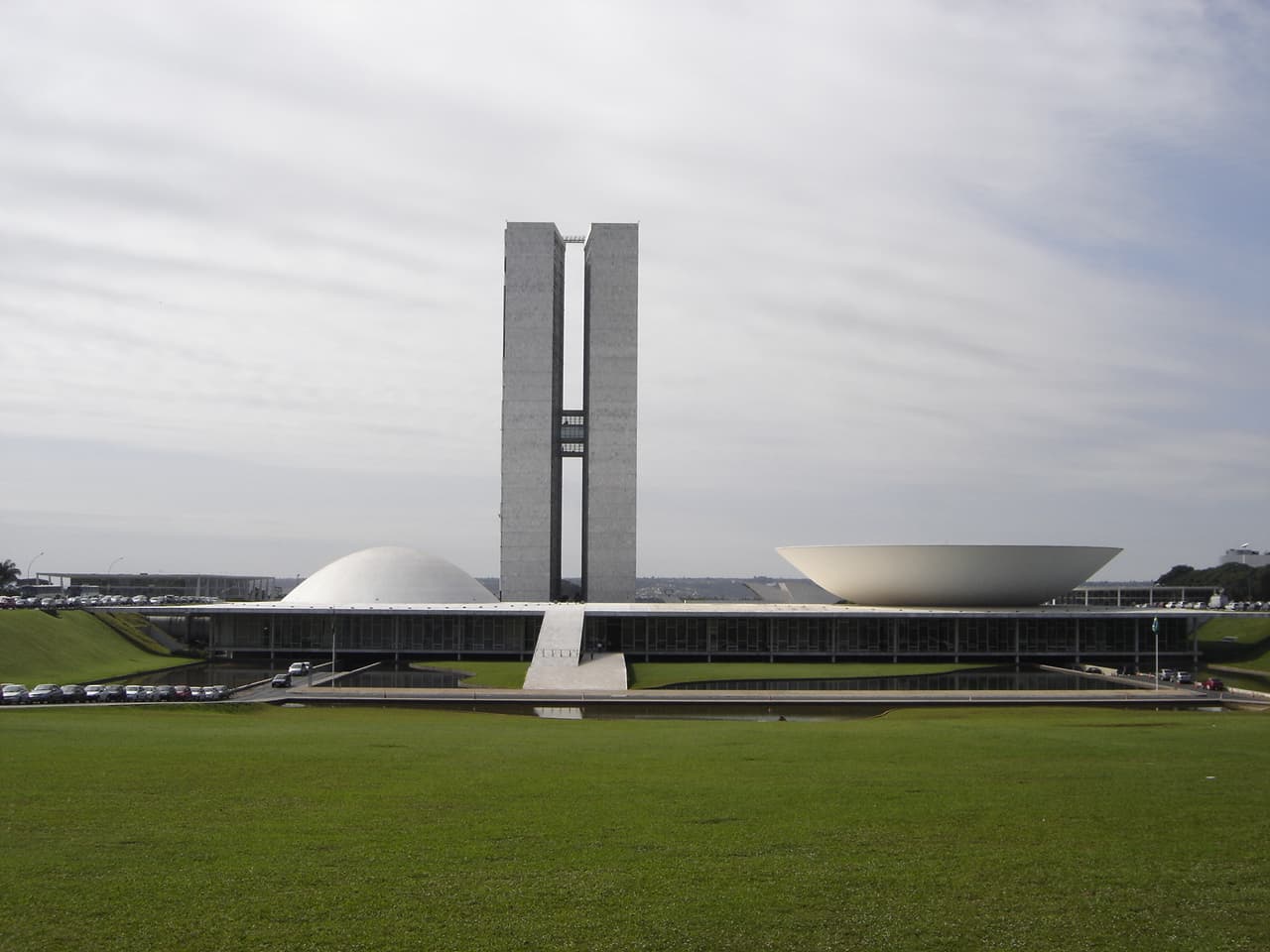
Brasília became Brazil's capital in 1960, replacing Rio de Janeiro. Built in the country's interior as part of a huge modernisation project, the city's overall plan was created by Lúcio Costa and many of its most famous public buildings were designed by architect Oscar Niemeyer. Its dramatic modernist architecture made Brasília one of the world's most famous planned capitals.

Wander a little further

Follow the trail through Brazil.

Quilombo dos Palmares

History

Quilombo dos Palmares

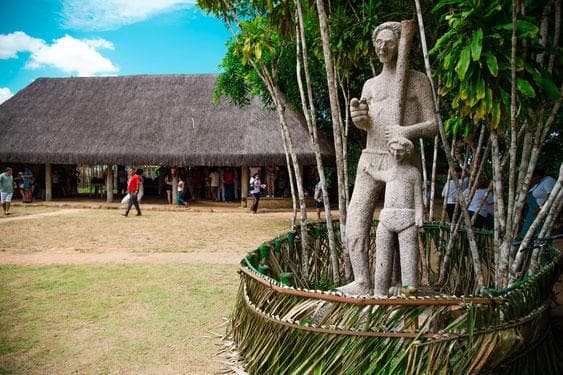
Quilombo dos Palmares was a large community formed by people escaping slavery in colonial Brazil. Located in what is now Alagoas, it became a powerful symbol of resistance during the seventeenth century. Its inhabitants defended their freedom against repeated attacks, and Zumbi dos Palmares became one of its best-known leaders.
Food

Mandioca — Cassava

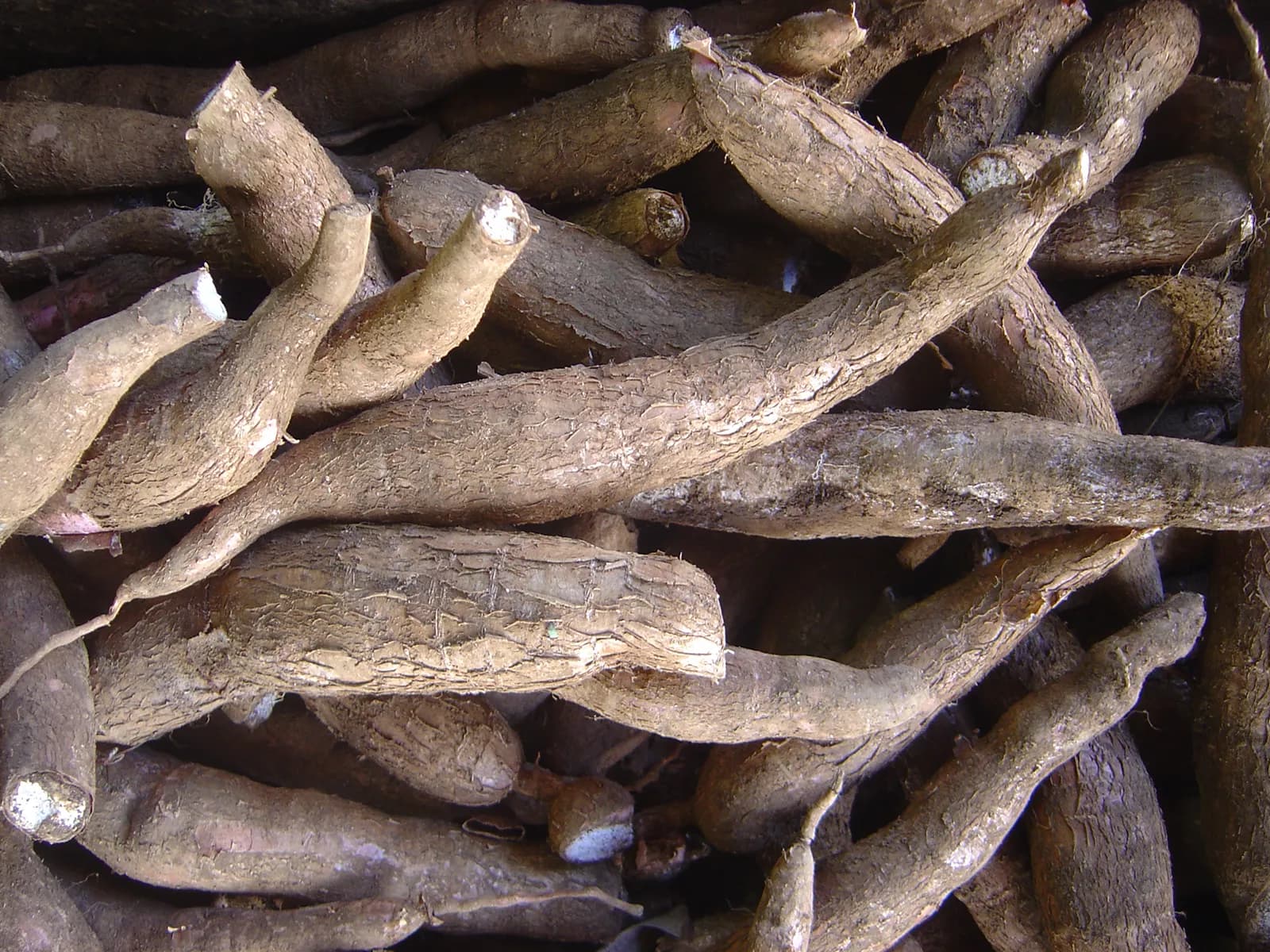
Cassava, known in Brazil as mandioca, aipim or macaxeira depending on the region, has been cultivated by Indigenous peoples in South America for thousands of years. Indigenous communities developed sophisticated methods for safely processing the plant. Today cassava remains central to Brazilian cooking and is used to make foods including farinha, tapioca and pão de queijo.

Mandioca — Cassava
Golden Lion Tamarin

Wildlife

Golden Lion Tamarin

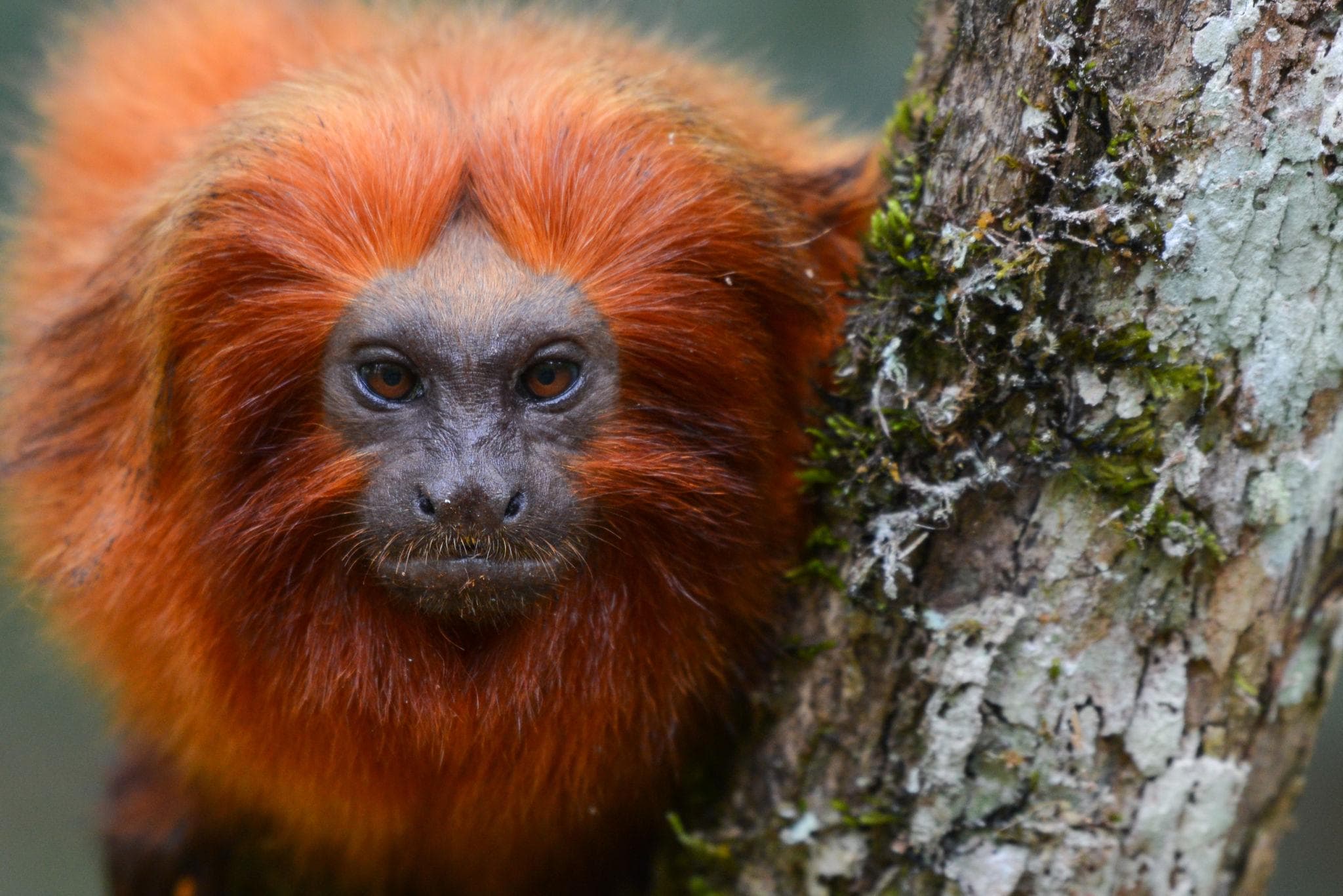
The golden lion tamarin is a small, bright orange monkey found in Brazil's Atlantic Forest. Habitat destruction pushed the species close to extinction, but conservation programmes have helped its population recover. It remains endangered and depends on protecting and reconnecting forest habitats.

Capoeira

Culture · stop and look

Capoeira

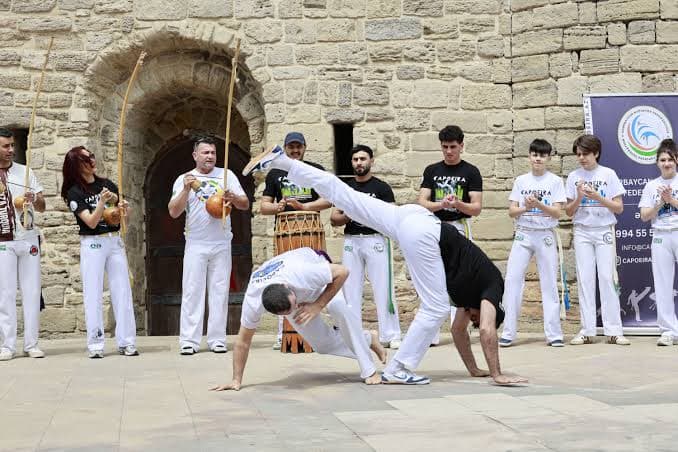
Capoeira is an Afro-Brazilian cultural practice combining movement, martial skill, music, rhythm and ritual. It developed among people of African descent in Brazil during and after slavery. Players form a circle called a roda while musicians play instruments including the berimbau. Once suppressed by authorities, capoeira is now practised around the world and is recognised by UNESCO as intangible cultural heritage.

Through time

Follow the
story.

Four stops first. Open the rest if you want to travel further.

Thousands of years ago

People Across Ancient Brazil

People lived across the lands that now form Brazil thousands of years before European arrival. Different communities adapted to environments ranging from Amazon rainforest and Atlantic coast to grasslands and dry interior regions.

Prehistoric Brazil

Serra da Capivara

Communities living in what is now northeastern Brazil left thousands of paintings and other archaeological remains at Serra da Capivara. The site preserves some of the most important evidence for early human life in South America.

Before 1500

Hundreds of Indigenous Peoples

Before Portuguese colonisation, the region contained hundreds of Indigenous peoples speaking many different languages. Communities including Tupi-speaking peoples, Macro-Jê-speaking peoples and many others had their own political systems, spiritual beliefs, farming traditions and extensive knowledge of local environments.

Student investigation

1500

🔍 Your Investigation: The Portuguese Arrive

Investigate the Portuguese arrival in Brazil and what it meant for the Indigenous peoples already living there.

→ Who was Pedro Álvares Cabral?

→ Who was already living in Brazil?

→ Why did Portugal become interested in the land?

Continue the journey ↓

Early 1500s

Brazilwood Trade

Portuguese traders began exploiting pau-brasil, or brazilwood, a tree valued in Europe for producing red dye. The tree eventually gave Brazil its name. Europeans initially relied heavily on trade and labour involving Indigenous communities.

1530s onwards

Portuguese Colonisation Expands

Portugal began establishing more permanent settlements and divided large areas into hereditary captaincies. Colonisation gradually expanded along the Atlantic coast while Indigenous communities resisted invasion, displacement and enslavement.

1549

Salvador Becomes the Colonial Capital

Salvador was established as the capital of Portuguese Brazil. Its position on the Atlantic made it an important administrative centre, port and later one of the major destinations for ships carrying enslaved Africans.

1500s–1800s

The Atlantic Slave Trade

Brazil became the largest destination in the Atlantic slave trade. Millions of African people were forcibly transported across the Atlantic and enslaved on plantations, in mines, in cities and in households. African knowledge, religion, food, music and languages profoundly shaped Brazilian culture despite brutal attempts to control enslaved communities.

1600s

Quilombos and Resistance

People escaped slavery and formed communities known as quilombos. These settlements varied greatly in size and organisation and often included people of African and Indigenous ancestry. Some survived for decades while resisting attacks from colonial forces.

c. 1605–1694

Palmares

Palmares became the largest and most famous quilombo in colonial Brazil. Located in the northeast, it developed into a network of settlements containing thousands of inhabitants and resisted repeated military expeditions for much of the seventeenth century.

c. 1655–1695

Zumbi dos Palmares

Zumbi became one of the best-known leaders associated with Palmares and resistance to slavery. He was killed in 1695 and later became an important symbol of Afro-Brazilian resistance and the struggle against racism.

Late 1600s–1700s

Gold in Minas Gerais

Major gold discoveries in the interior transformed colonial Brazil. Large numbers of people moved into Minas Gerais and enslaved Africans were forced to work in mines and related industries. Wealth from mining helped create towns such as Ouro Preto.

1763

Capital Moves to Rio de Janeiro

Portugal moved the colonial capital from Salvador to Rio de Janeiro. Rio's position was increasingly important for trade, mining wealth and connections with southern Brazil.

1789

Inconfidência Mineira

A group in Minas Gerais planned a rebellion against Portuguese colonial rule, influenced partly by Enlightenment ideas and resentment over taxation. The conspiracy was uncovered before it could begin. Joaquim José da Silva Xavier, known as Tiradentes, was executed and later became a national symbol.

1808

The Portuguese Royal Court Arrives

Portugal's royal family and government fled to Rio de Janeiro after Napoleon's forces invaded Portugal. For the unusual period that followed, Rio became the centre of the Portuguese Empire and Brazil's ports were opened more widely to international trade.

1815

Brazil Becomes a Kingdom

Brazil's political status was raised when the United Kingdom of Portugal, Brazil and the Algarves was created. Brazil was no longer officially treated simply as a Portuguese colony.

Student investigation

1822

🔍 Your Investigation: Brazil Becomes Independent

Investigate Brazilian independence and find out why Pedro, a member of the Portuguese royal family, became the first emperor of Brazil.

→ Who was Pedro I?

→ What happened on 7 September 1822?

→ How was Brazil's independence different from some neighbouring countries?

1822–1889

The Empire of Brazil

Independent Brazil was governed as a constitutional monarchy. Pedro I became the first emperor and was later succeeded by his son Pedro II. During this period Brazil expanded economically, but slavery remained fundamental to much of the economy.

1835–1840

The Cabanagem

A major rebellion erupted in the Amazonian province of Grão-Pará. Indigenous people, mixed-race communities and poorer inhabitants played important roles in the revolt. Fighting and repression caused an enormous loss of life.

1835

Malê Revolt

Enslaved and free African Muslims organised an uprising in Salvador. Although the revolt was defeated, it demonstrated the organisation, literacy, religious networks and resistance present within African communities in nineteenth-century Brazil.

1864–1870

War of the Triple Alliance

Brazil joined Argentina and Uruguay in a devastating war against Paraguay. The conflict became the largest interstate war in South American history and caused enormous loss of life, particularly in Paraguay.

1871

Law of the Free Womb

A law declared that children born to enslaved women after its introduction would be legally free, although many remained under the control of their mothers' enslavers for years. It was one step in Brazil's slow process toward abolition.

1880s

Abolitionist Movement Grows

Black activists, formerly enslaved people, journalists, lawyers, writers and other campaigners increased pressure for an end to slavery. Enslaved people themselves resisted through escape, rebellion and the creation of independent lives.

Student investigation

1888

🔍 Your Investigation: Slavery is Abolished

Investigate the abolition of slavery in Brazil. Look beyond the signing of the law and find out who had fought against slavery and what happened to formerly enslaved people afterwards.

→ What was the Lei Áurea?

→ Who fought for abolition?

→ Did abolition immediately create equality for Black Brazilians?

1889

Brazil Becomes a Republic

A military coup removed Emperor Pedro II and ended the Brazilian monarchy. Brazil was declared a republic, beginning a new political era.

Late 1800s–early 1900s

Mass Migration

Millions of migrants arrived in Brazil from countries including Italy, Portugal, Spain, Germany and Japan, as well as from the Middle East and elsewhere. Migration reshaped cities, agriculture, industry and Brazilian culture.

1908

Japanese Migration to Brazil

The ship Kasato Maru arrived in Santos carrying Japanese migrants. Over the following decades Brazil became home to the largest population of Japanese descent outside Japan.

1930

Getúlio Vargas Comes to Power

A political and military movement brought Getúlio Vargas to power and ended the political system of the First Republic. Vargas would dominate Brazilian politics for much of the following fifteen years.

1937–1945

Estado Novo

Vargas established the Estado Novo, an authoritarian dictatorship. Political parties were suppressed, censorship increased and the government promoted industrial development and a strong central state.

1942–1945

Brazil in the Second World War

Brazil joined the Allied side during the Second World War. The Brazilian Expeditionary Force fought in Italy, making Brazil the only independent South American country to send ground combat troops overseas during the war.

1956–1960

Building Brasília

President Juscelino Kubitschek's government constructed a new capital in Brazil's interior. Lúcio Costa designed the urban plan and Oscar Niemeyer designed many major public buildings. Brasília officially became the capital in 1960.

1960

Brasília Becomes the Capital

The federal government moved from Rio de Janeiro to the newly constructed Brasília. The project became an international symbol of modernist architecture and Brazil's ambitions for development in the country's interior.

Student investigation

1964–1985

🔍 Your Investigation: Military Dictatorship

Investigate Brazil's military dictatorship and how it affected political freedom, the media and people who opposed the government.

→ What happened in the 1964 coup?

→ How did censorship affect Brazil?

→ How did people resist military rule?

1968

AI-5

The military government introduced Institutional Act Number Five, usually called AI-5. It gave authorities sweeping powers, intensified censorship and was followed by some of the harshest repression of the dictatorship.

1970

Brazil Wins a Third World Cup

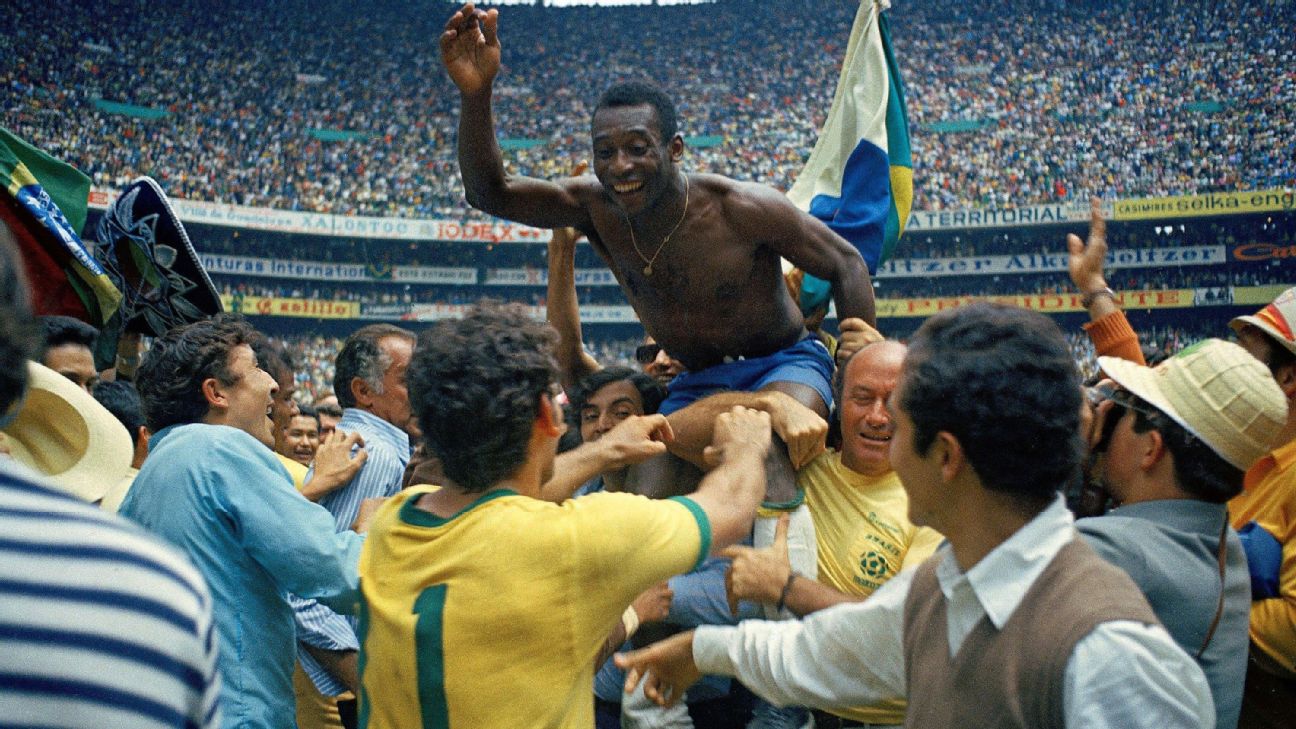
Brazil won the FIFA World Cup in Mexico with a team featuring Pelé. The victory became one of the most famous moments in football history, although it occurred while Brazil was under military dictatorship.

1984

Diretas Já

Huge demonstrations called Diretas Já — 'Direct Elections Now' — demanded the restoration of direct presidential elections. Although the immediate proposal failed, the movement became an important symbol of Brazil's transition away from military rule.

1985

Civilian Government Returns

Military rule ended and civilian government returned. The transition opened the way for a new democratic constitution and restoration of political rights.

1988

New Constitution

Brazil adopted a new democratic constitution. It expanded civil and social rights and recognised important rights of Indigenous peoples to their cultures, languages and traditionally occupied lands.

1992

Rio Earth Summit

Rio de Janeiro hosted the United Nations Conference on Environment and Development, commonly called the Earth Summit. Governments from around the world met to discuss environmental protection and sustainable development.

2000s

Brazil's Global Role Expands

Brazil became increasingly prominent internationally as a major agricultural producer, industrial economy and member of groups such as BRICS. At the same time, debates continued over inequality, land, Indigenous rights and environmental protection.

2014

Brazil Hosts the World Cup

Brazil hosted the FIFA World Cup for the second time. Matches took place across the country and the tournament drew enormous international attention.

2016

Rio Olympic Games

Rio de Janeiro hosted the Summer Olympic and Paralympic Games, becoming the first South American city to host the Summer Olympics.

Today

Modern Brazil

Brazil is South America's largest country by both area and population and one of the world's major economies. It is home to enormous cultural and environmental diversity, while questions involving inequality, Indigenous rights, racial equality, urban development and protection of ecosystems such as the Amazon and Pantanal continue to shape national life.

Faces along the way

Who
am I?

Study the photograph. Read the clue. Make your guess before revealing the person.

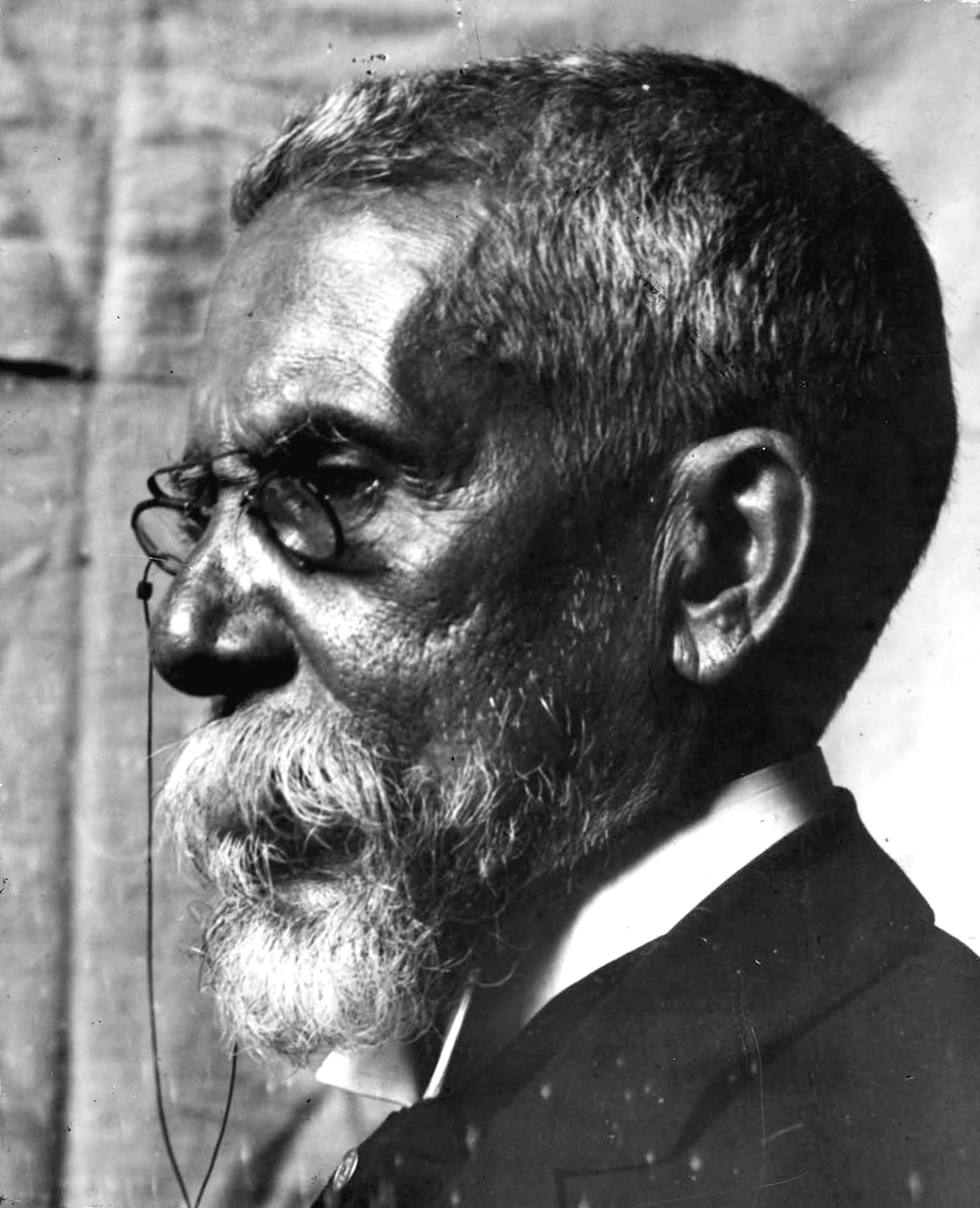
Mystery influential person from Brazil

Mystery person

Who am I?

01

Your clue

I became an influential figure in Brazil. Can you work out who I am?

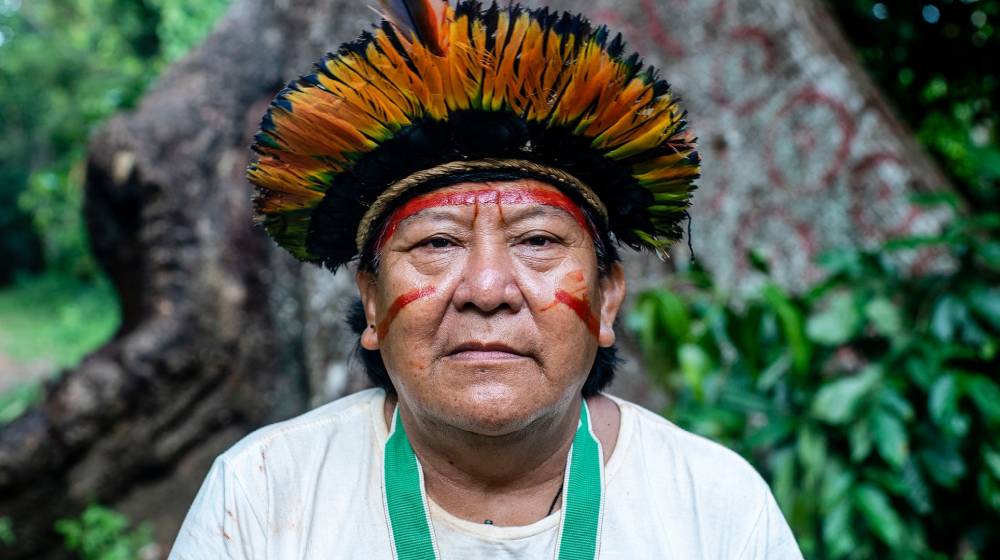
Mystery influential person from Brazil

Mystery person

Who am I?

02

Your clue

I became an important public figure in my country's story. Who am I?

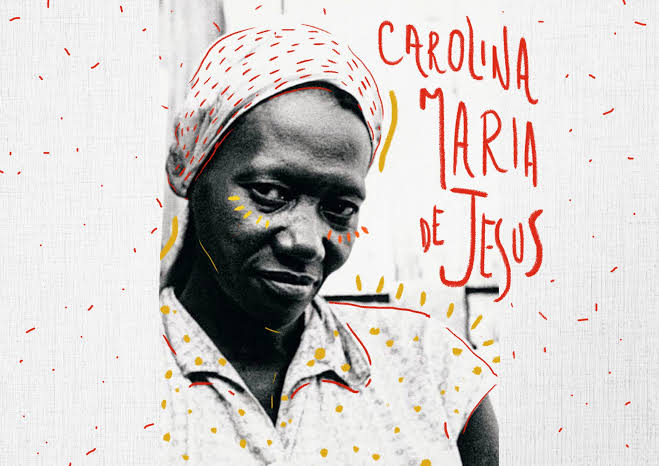
Mystery influential person from Brazil

Mystery person

Who am I?

03

Your clue

I became an influential figure in Brazil. Can you work out who I am?

Mystery influential person from Brazil

Mystery person

Who am I?

04

Your clue

I became famous through sport. Can you work out who I am?

Look closer

Cultural
spotlights.

Samba de Roda

Spotlight 01

Samba de Roda

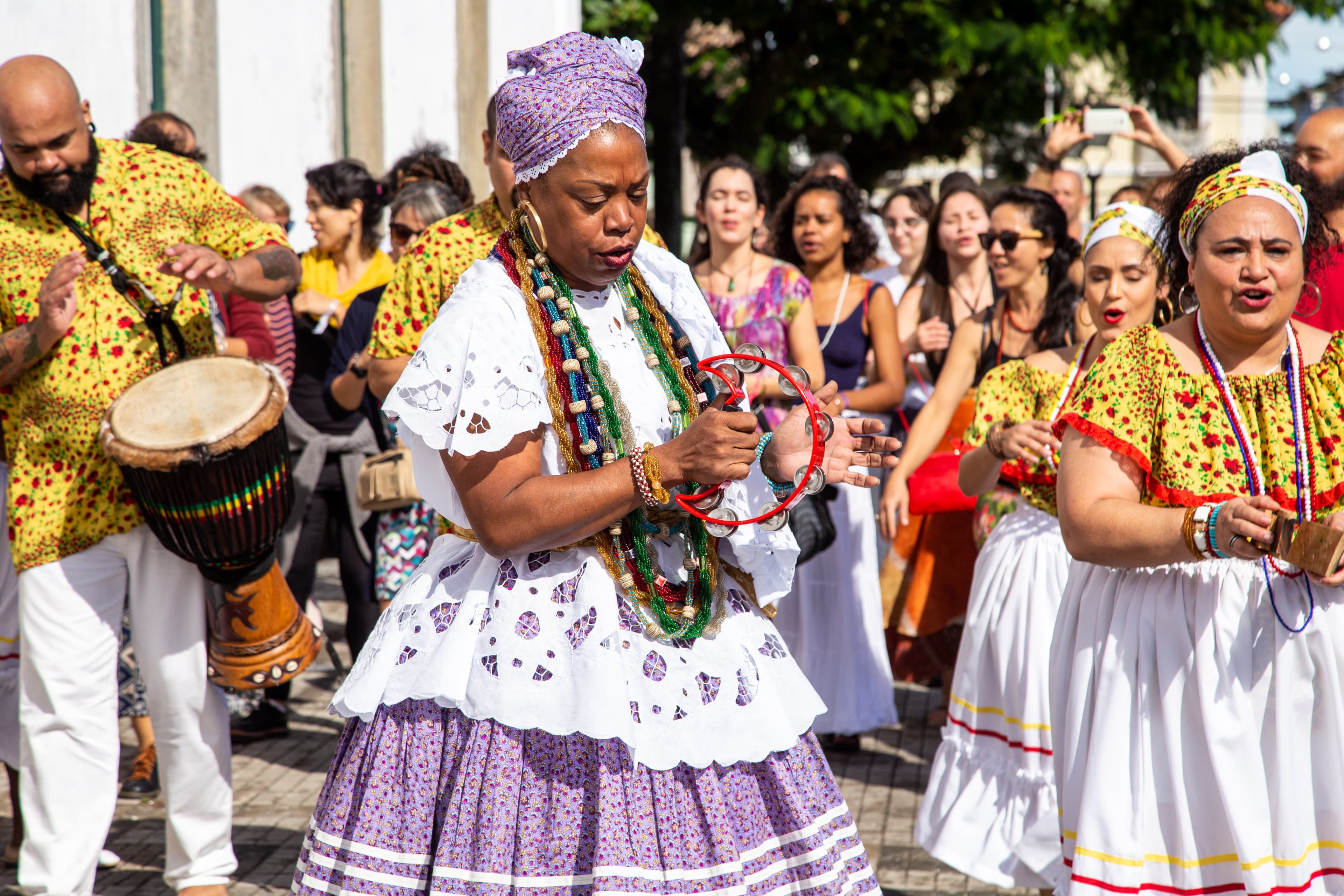
Samba de roda developed in Bahia, particularly in the Recôncavo region. Participants form a circle around musicians while individuals enter the centre to dance. Singing, clapping and instruments accompany the performance. Its history is strongly connected to Afro-Brazilian communities and it helped influence later forms of Brazilian samba.

Wajãpi Kusiwa Art

Spotlight 02

Wajãpi Kusiwa Art

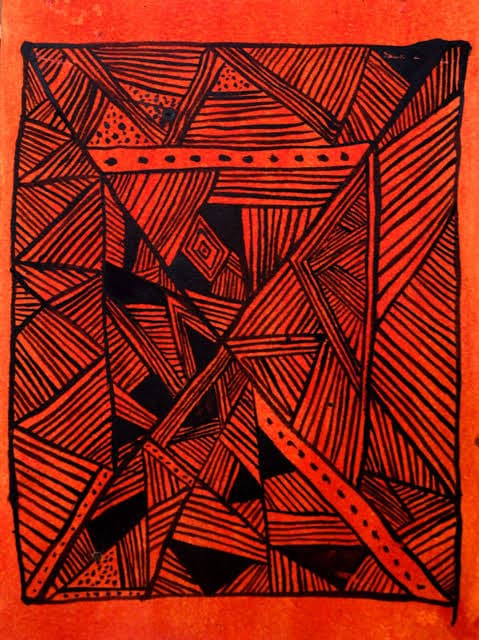
Kusiwa is a system of graphic designs and oral knowledge practised by the Wajãpi Indigenous people of the northern Amazon. Designs can be painted onto bodies and objects using natural materials. The patterns connect people with animals, spirits, stories and understandings of the world and are passed between generations.

Literatura de Cordel

Spotlight 03

Literatura de Cordel

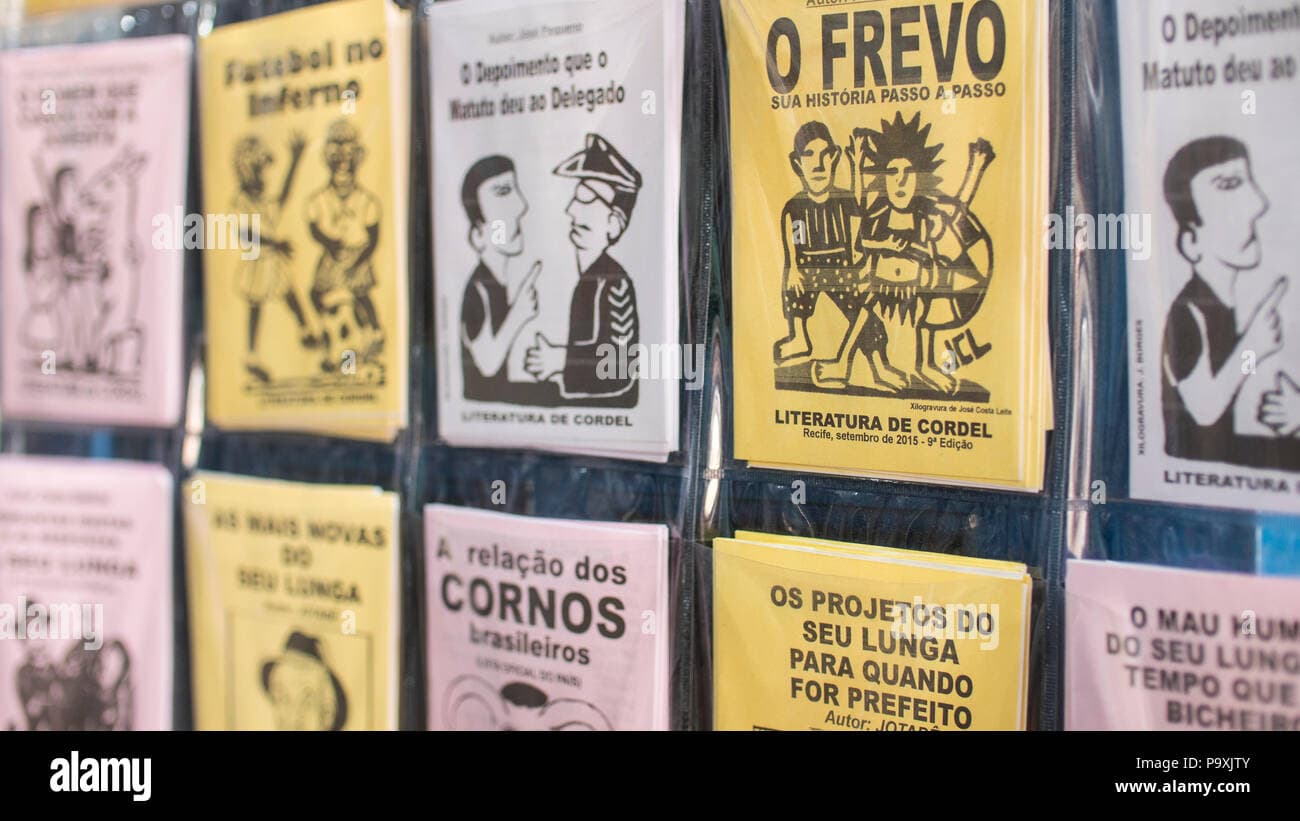
Literatura de cordel is a popular literary tradition particularly associated with northeastern Brazil. Stories and poems are printed in inexpensive booklets, often with distinctive woodcut illustrations on their covers. The works can tell romances, legends, humorous stories, historical events and commentary on everyday life.

Bumba-meu-boi

Spotlight 04

Bumba-meu-boi

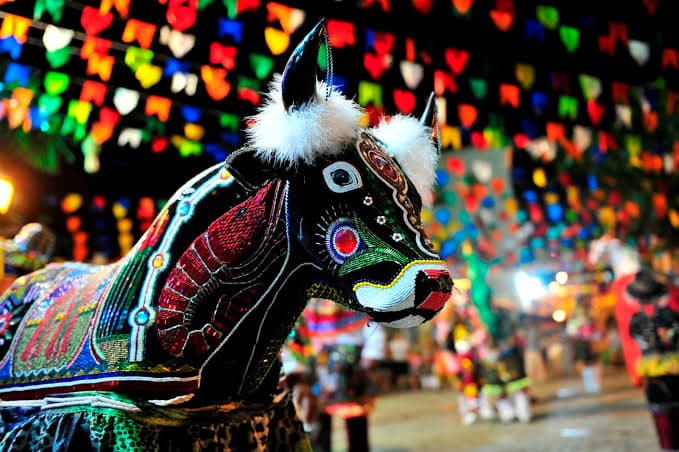
Bumba-meu-boi is a colourful performance tradition combining music, dance, costume, theatre and storytelling around the symbolic death and return to life of an ox. Different regions have their own versions, with Maranhão particularly famous for elaborate celebrations. The tradition reflects Indigenous, African and European cultural influences.

One more wander

Places worth
stopping for.

Serra da Capivara
01

Archaeology

Serra da Capivara

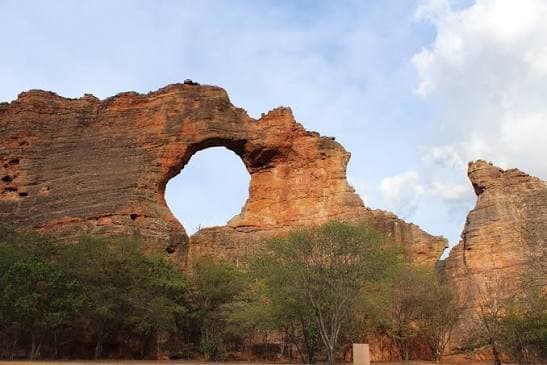
Serra da Capivara National Park in Piauí contains hundreds of archaeological sites and thousands of prehistoric rock paintings. The images include animals, hunting, dancing and other scenes of human activity, providing remarkable evidence about communities that lived in the region thousands of years ago.

02

Afro-Brazilian Heritage

Salvador

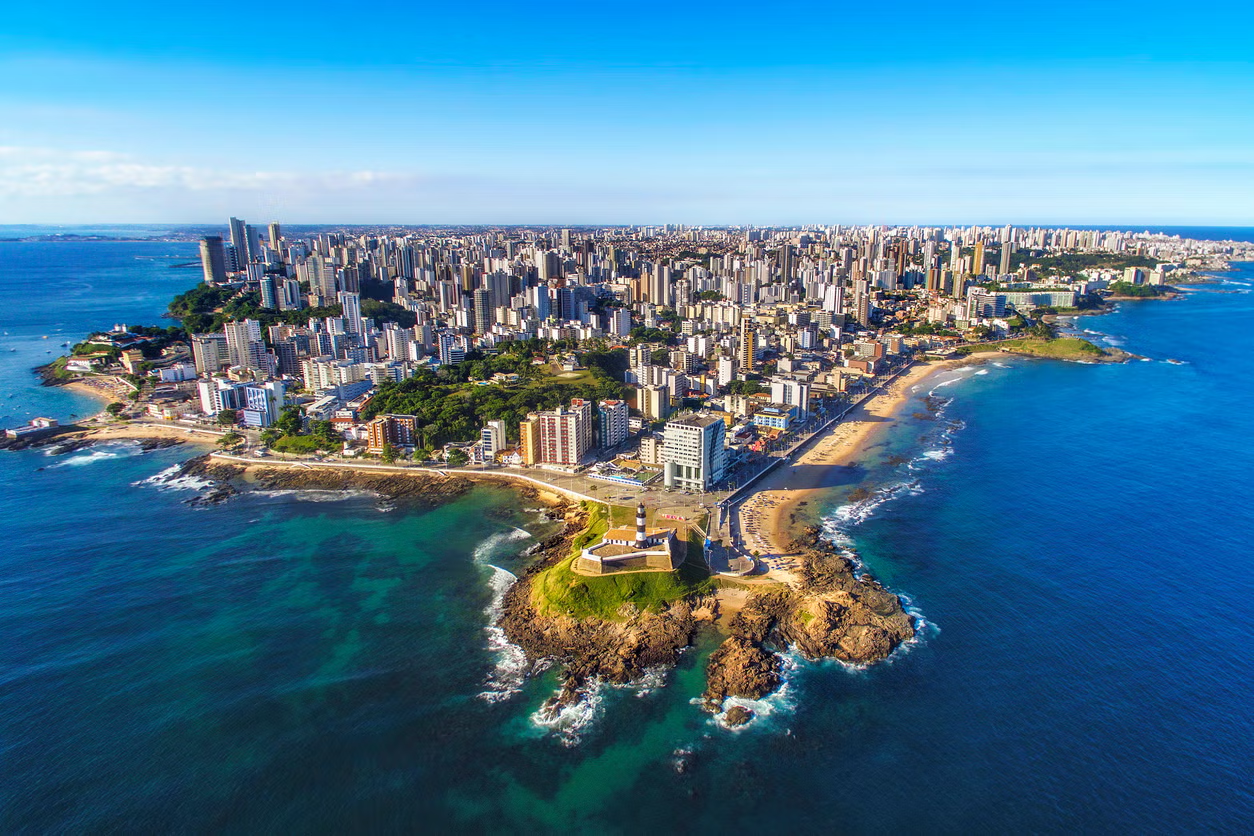
Founded in 1549, Salvador became the first capital of Portuguese Brazil. It was also a major port in the Atlantic slave trade, and the city's history and culture remain deeply connected to Afro-Brazilian communities. Salvador is particularly known for music, food, religion, Carnival and the colourful historic district of Pelourinho.

Salvador
Valongo Wharf
03

Slavery & Memory

Valongo Wharf

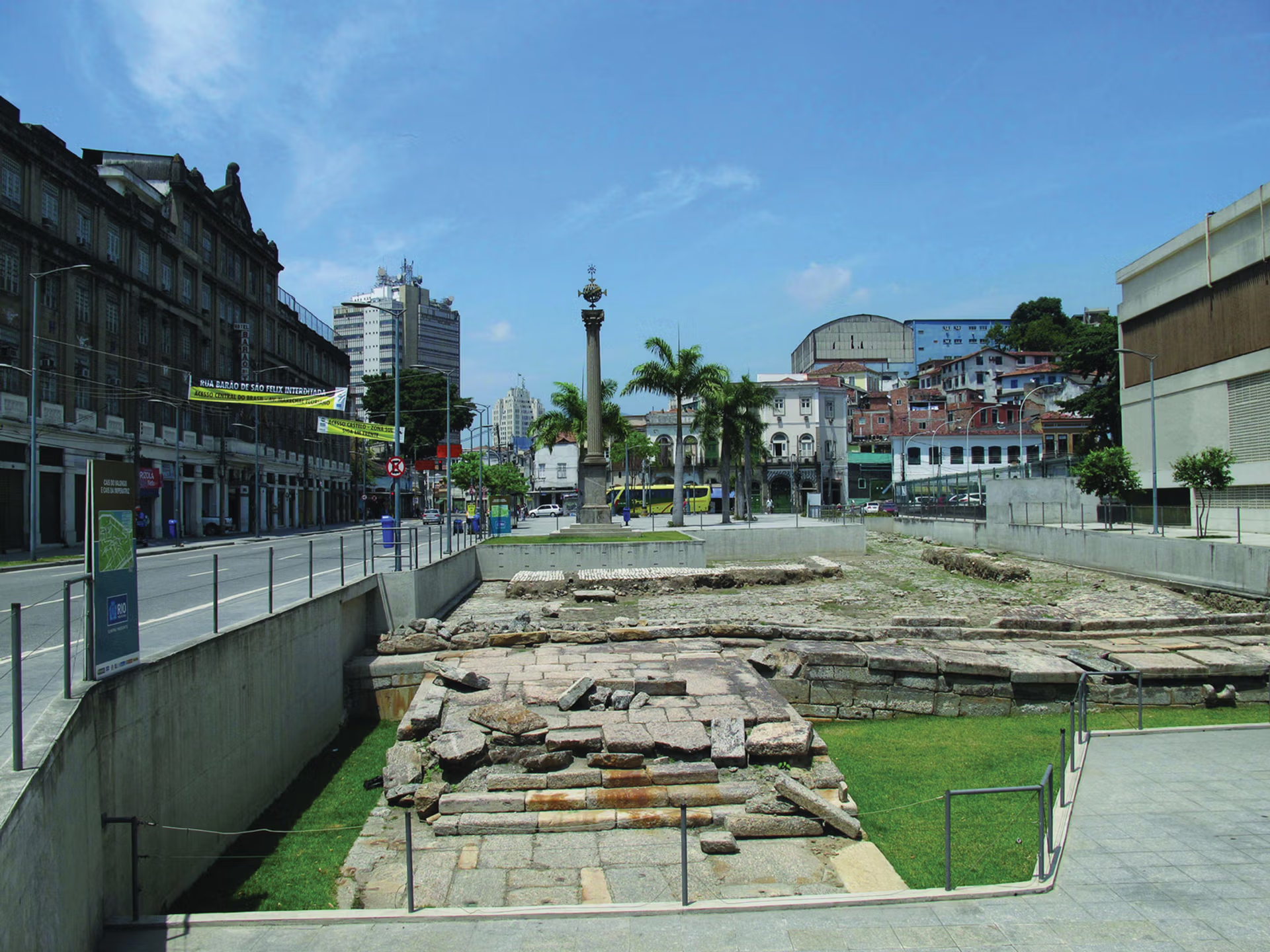
Valongo Wharf in Rio de Janeiro was built in 1811 as a landing place for enslaved Africans. UNESCO estimates that as many as 900,000 African captives entered the Americas through Valongo. Rediscovered during construction work in the twenty-first century, the site is now an important place of memory for the history of slavery and the African diaspora.

04

Wetlands & Wildlife

The Pantanal

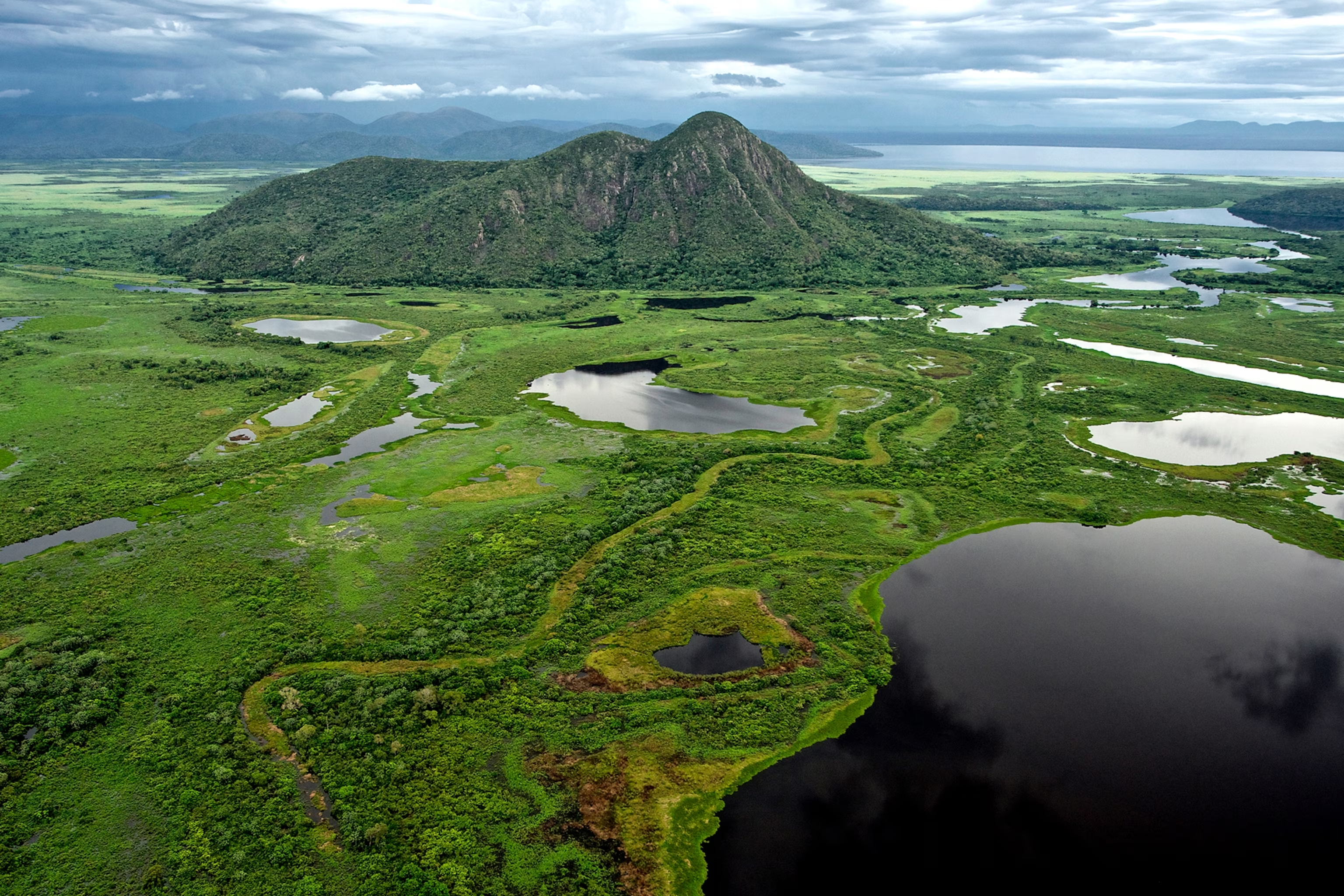
The Pantanal is an enormous tropical wetland extending across western Brazil and into neighbouring Bolivia and Paraguay. Seasonal floods create habitats for spectacular wildlife including jaguars, caimans, capybaras, giant otters and hundreds of bird species.

The Pantanal
Ouro Preto
05

Colonial History

Ouro Preto

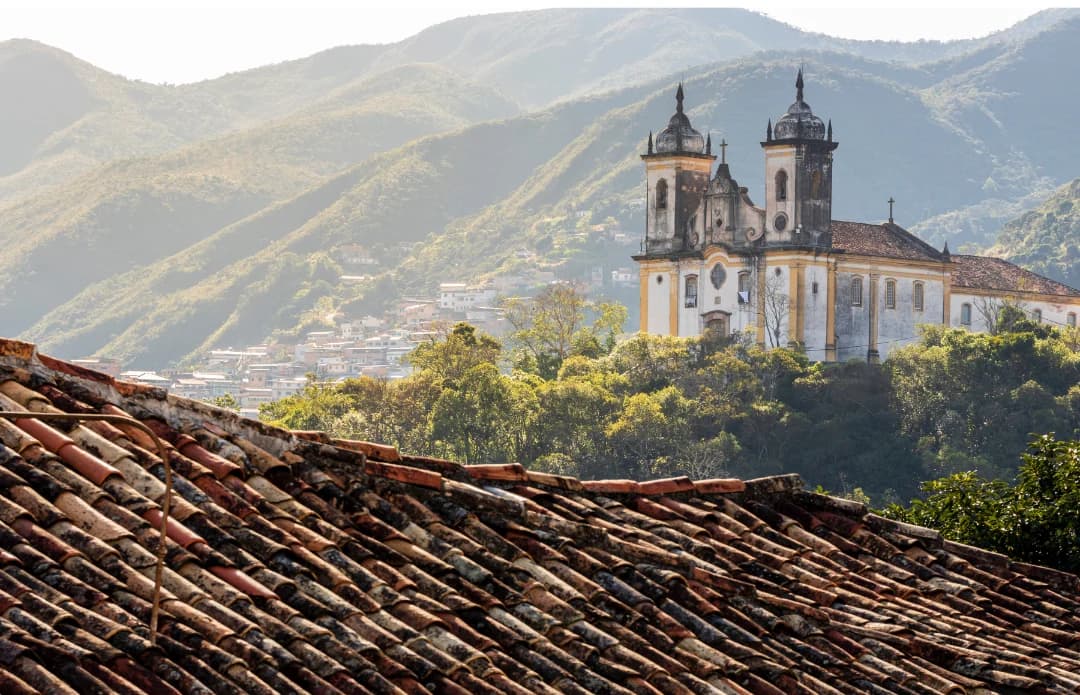
Ouro Preto grew during the eighteenth-century gold rush in Minas Gerais. Its steep streets, churches and colonial buildings reflect the enormous wealth created by mining, but that wealth depended heavily on the forced labour of enslaved Africans. The town therefore tells both an architectural and a human story about colonial Brazil.

06

Amazon Rivers

Meeting of the Waters

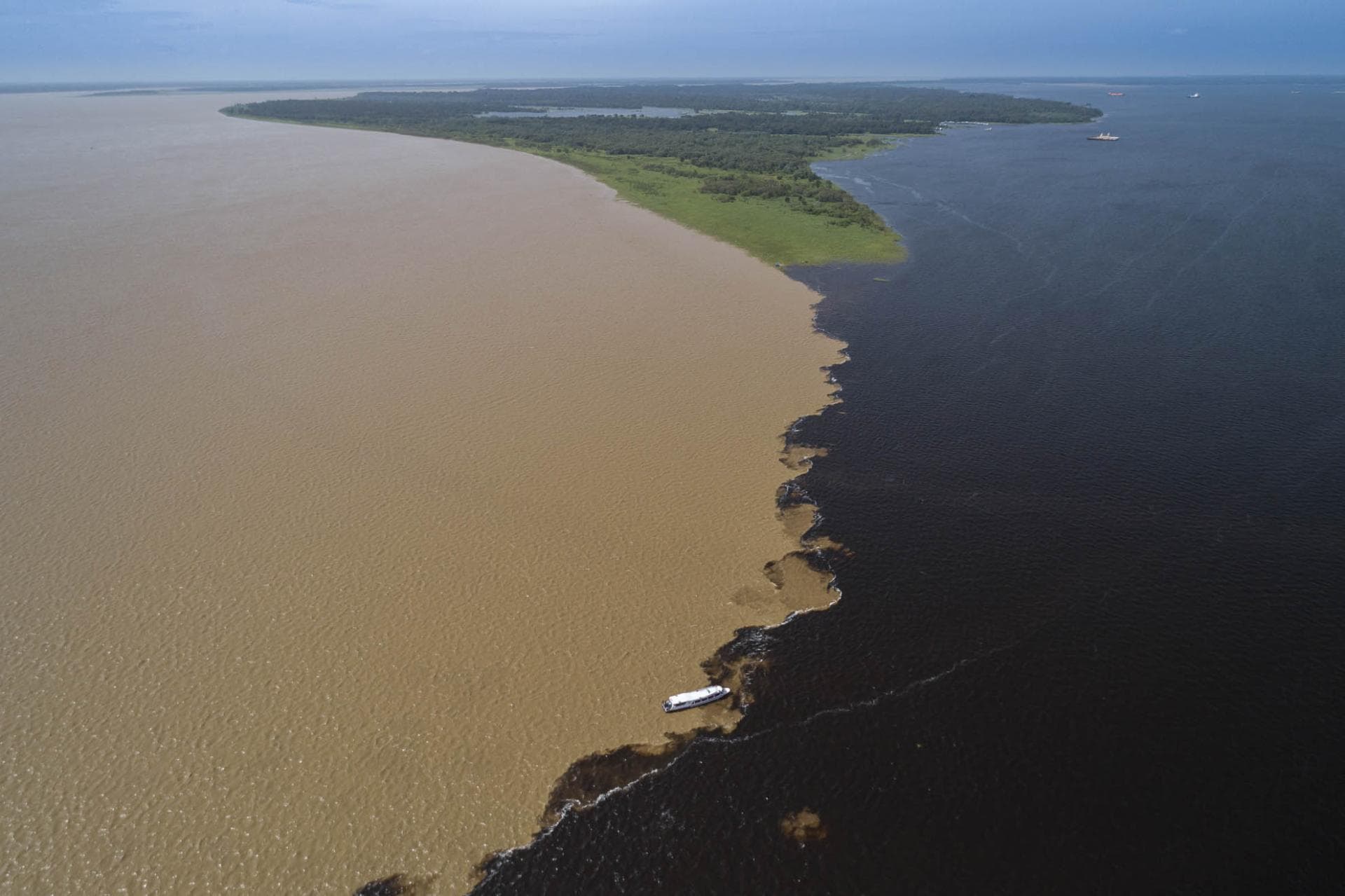
Near Manaus, the dark waters of the Rio Negro meet the lighter, sediment-rich Solimões River. Because the rivers have different temperatures, speeds and densities, their waters can flow alongside one another for kilometres before fully mixing. Their meeting marks the beginning of the river commonly known as the Amazon.

Meeting of the Waters

Your turn

What did
you discover?

Things We’ve Learned About Brazil

Brazil is the largest country in South America by both land area and population.

Brazil is the only country in the Americas where Portuguese is the main national language.

The name Brazil comes from pau-brasil, or brazilwood, which was heavily traded during the early colonial period.

Student Contribution

🌎 Brazil Student Discoveries

Found a useful website, video, recipe or cultural resource about Brazil? Share it with Fable Culture for staff review.

🌍 Educational🎶 Cultural📚 Reliable👀 Safe for school

Student Contribution

➕ Suggest a Resource

Found a useful website, video, museum, article, or educational resource? Submit it for teacher review.