Take a jaunt through

Chile

Chile is a long, narrow country stretching for more than 4,000 kilometres along South America's Pacific coast. Its extraordinary geography includes the Atacama Desert, fertile central valleys, the Andes, temperate forests, fjords, glaciers and remote Pacific islands. Chile's culture has been shaped by Indigenous peoples including the Mapuche, Aymara and Rapa Nui, Spanish colonisation, migration and strong regional traditions.

Indigenous HistoryMapucheRapa NuiPacificAndesAtacamaLiteratureHuman Rights
Chile
GO
01

Capital

Santiago

02

Population

About 20 million

03

Languages

Spanish, Mapudungun, Aymara, Rapa Nui, Other Indigenous languages

04

Currency

Chilean Peso (CLP)

Get your bearings

First,
look around.

People have lived in the lands that now form Chile for thousands of years. In the far north, the Chinchorro developed some of the world's earliest known deliberate mummification traditions, while later Andean societies connected northern Chile with cultures across the mountains. Mapuche communities successfully resisted both Inca expansion and Spanish conquest across much of south-central Chile for centuries. Chile declared independence from Spain in 1818 and later expanded its territory during the War of the Pacific. The nineteenth and twentieth centuries brought mining wealth, industrialisation, urban growth and powerful workers' movements. In 1973 a military coup overthrew President Salvador Allende and General Augusto Pinochet led a dictatorship marked by severe human-rights abuses. Democratic government returned in 1990. Modern Chile combines Indigenous, Latin American and Pacific identities and has produced internationally influential literature, music and art.

Santiago

First stop · Capital

Santiago

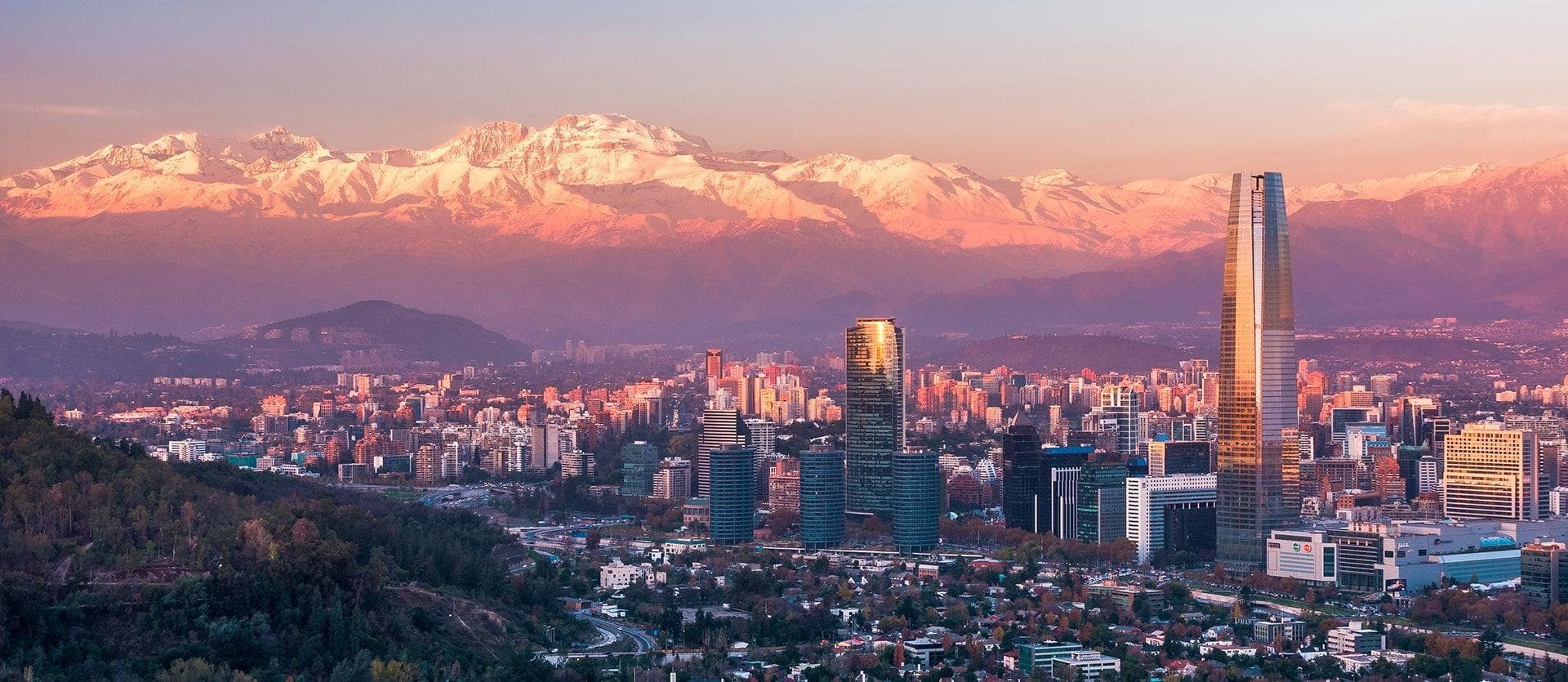
Santiago is Chile's capital and largest metropolitan area, lying in a valley between the Andes and the Chilean Coastal Range. The Spanish founded the city in 1541 in a region that had already been inhabited by Indigenous communities. Today Santiago is Chile's main political, economic and cultural centre, with the snow-covered Andes forming a dramatic backdrop to the city.

Wander a little further

Follow the trail through Chile.

The Chinchorro

History

The Chinchorro

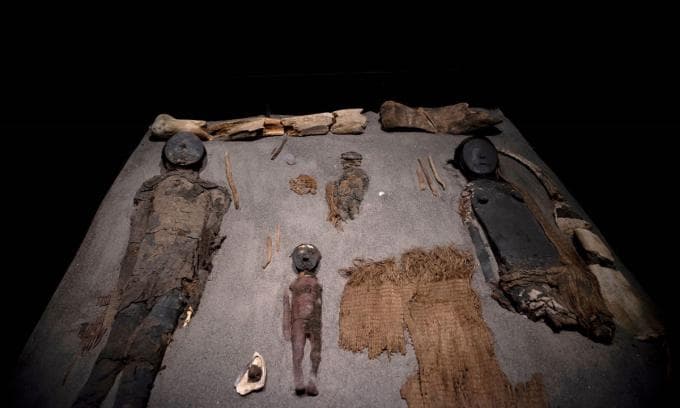
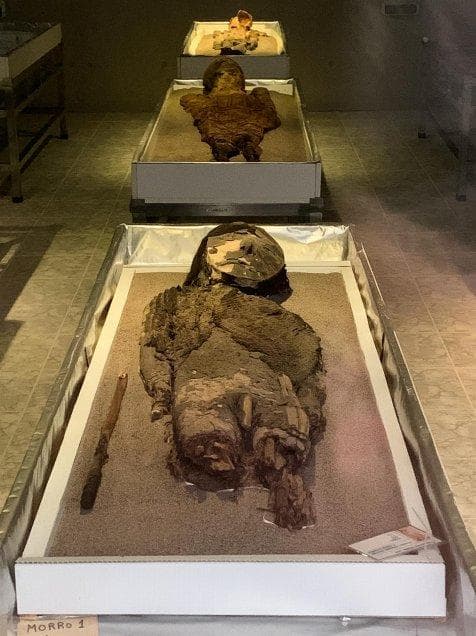
The Chinchorro were hunter-gatherer communities who lived along the Pacific coast of what is now northern Chile and southern Peru. Thousands of years ago they developed sophisticated methods of deliberately preserving the bodies of the dead. Their mummification tradition began earlier than the famous mummies of ancient Egypt and provides remarkable evidence about some of South America's earliest coastal communities.
Food

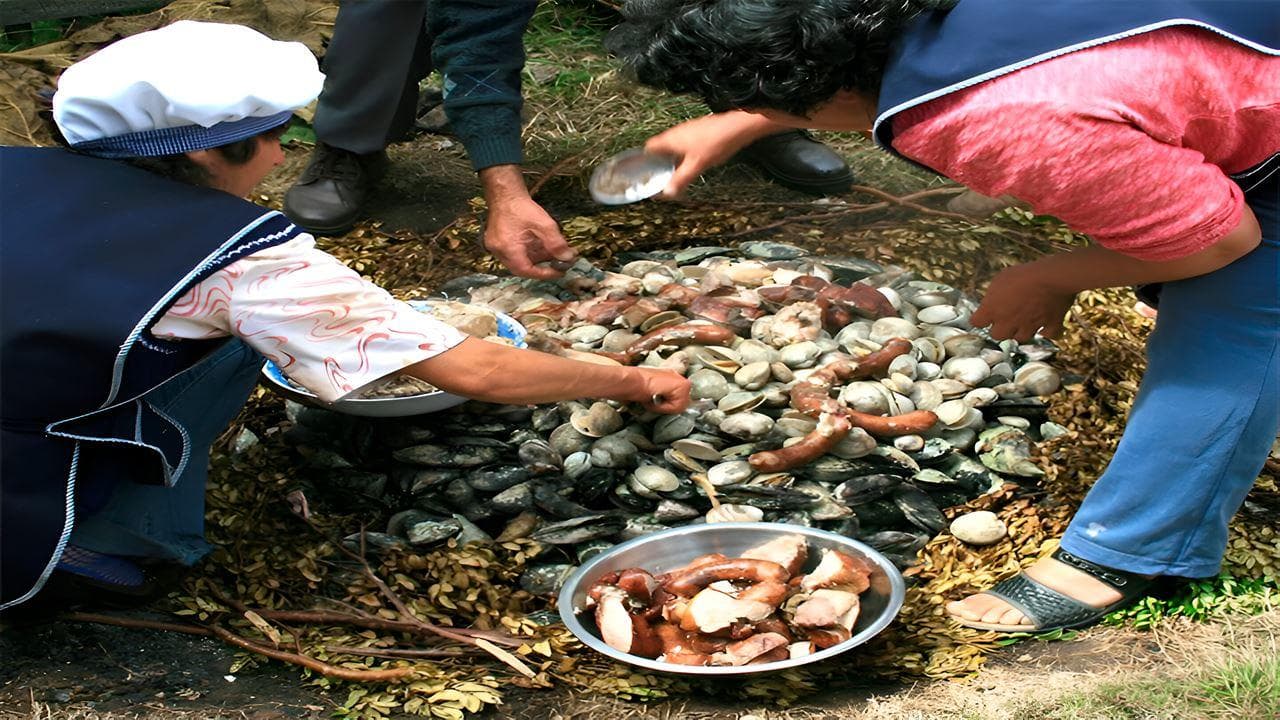
Curanto of Chiloé

Curanto is strongly associated with the Chiloé Archipelago in southern Chile. Traditionally, seafood, meat, potatoes and other ingredients can be layered over heated stones in a pit in the ground, covered with large leaves and allowed to steam together. The dish reflects Chiloé's close relationship with the sea, agriculture and community gatherings.

Curanto of Chiloé
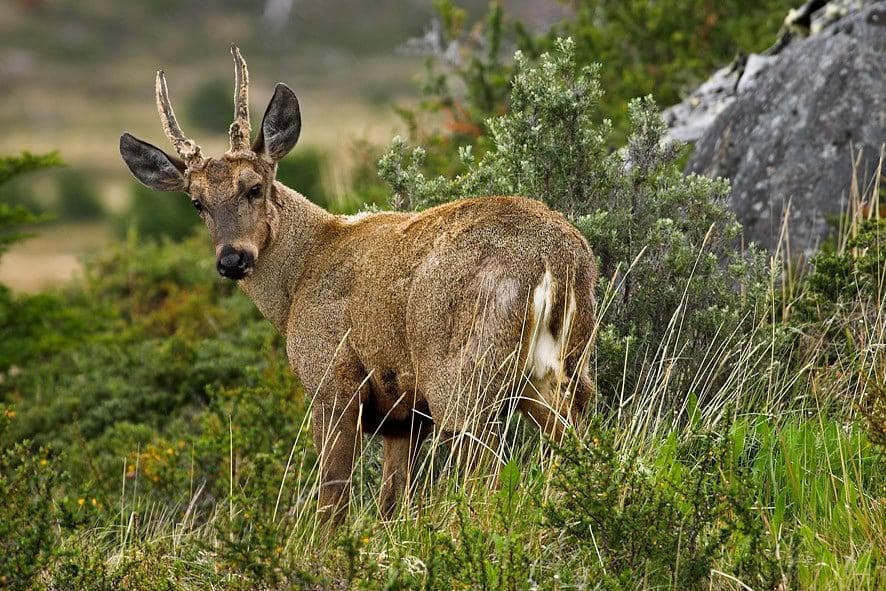
Huemul

Wildlife

Huemul

The huemul is an endangered deer native to the southern Andes of Chile and Argentina. Adapted to rugged mountain environments, it once occupied a much wider range but declined because of habitat loss, hunting and other pressures. The huemul appears alongside the Andean condor on Chile's national coat of arms.

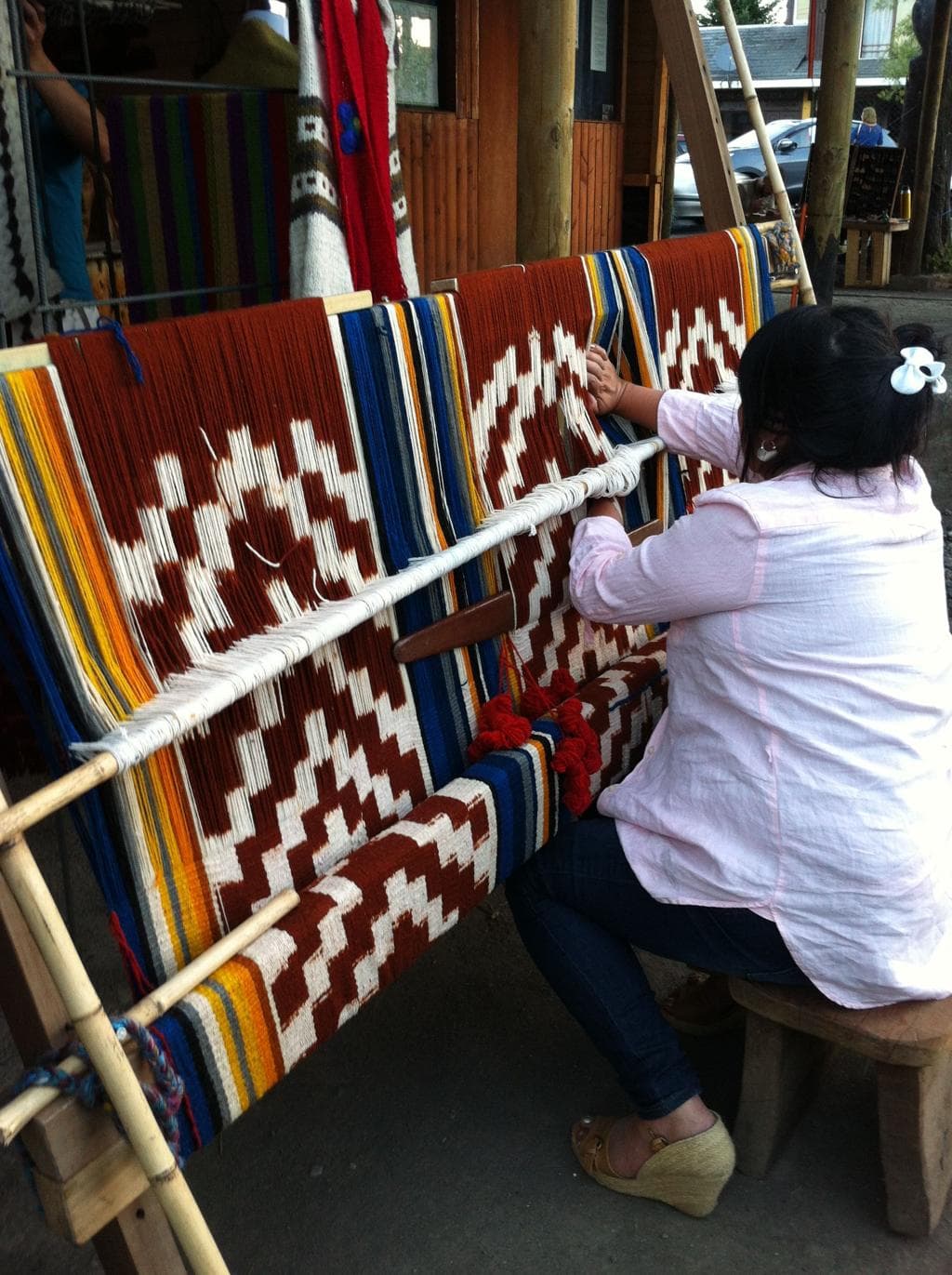
Mapuche Textiles

Culture · stop and look

Mapuche Textiles

Mapuche weaving is a living artistic tradition passed between generations, particularly through women. Wool is spun, dyed and woven into textiles whose colours, patterns and forms can communicate regional identity, family traditions and cultural knowledge. Mapuche textile traditions survived centuries of political and social change and remain an important expression of Indigenous identity.

Through time

Follow the
story.

Four stops first. Open the rest if you want to travel further.

Thousands of years ago

Early Peoples of Chile

People settled different parts of the territory now called Chile thousands of years ago. Communities developed ways of life suited to environments ranging from the dry Pacific coast and Atacama Desert to fertile valleys, forests, mountains and the far south.

c. 7000 BCE onwards

The Chinchorro Tradition

Chinchorro communities lived along the Pacific coast of northern Chile and southern Peru. They depended heavily on the rich resources of the sea and developed remarkably sophisticated traditions for preserving the bodies of their dead.

c. 5000 BCE onwards

Chinchorro Mummification

The Chinchorro deliberately mummified members of their communities thousands of years before similar practices became famous in ancient Egypt. Different techniques were developed over time to reconstruct and preserve bodies.

Ancient Chile

Life in the Atacama

Communities in northern Chile developed trade networks that connected the Pacific coast with the Andes and high-altitude regions. Llama caravans carried goods between environments with very different resources.

Continue the journey ↓

c. 1000–1400s

Mapuche Societies

Mapuche-speaking communities lived across much of south-central Chile. Rather than forming a single centralised state, communities were organised through local family and territorial networks with their own leaders and traditions.

1400s

Inca Expansion

The Inca Empire expanded southwards into northern and central parts of present-day Chile. Roads, settlements and administrative centres connected the region with the enormous Andean empire of Tawantinsuyu.

1400s

Mapuche Resistance to the Inca

Inca expansion did not bring all of central and southern Chile under permanent control. Mapuche resistance helped limit the empire's southern expansion.

c. 1200–1600

The Moai of Rapa Nui

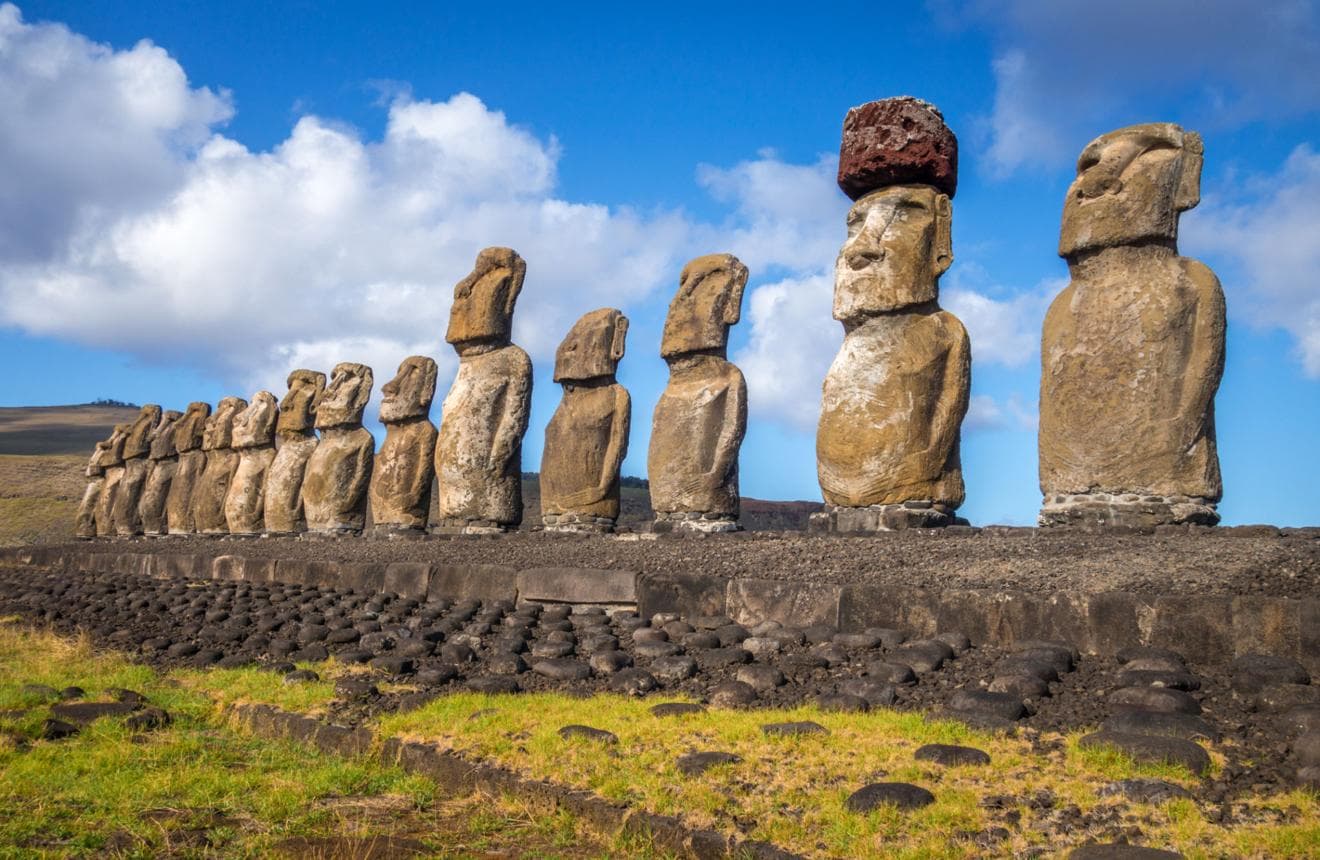
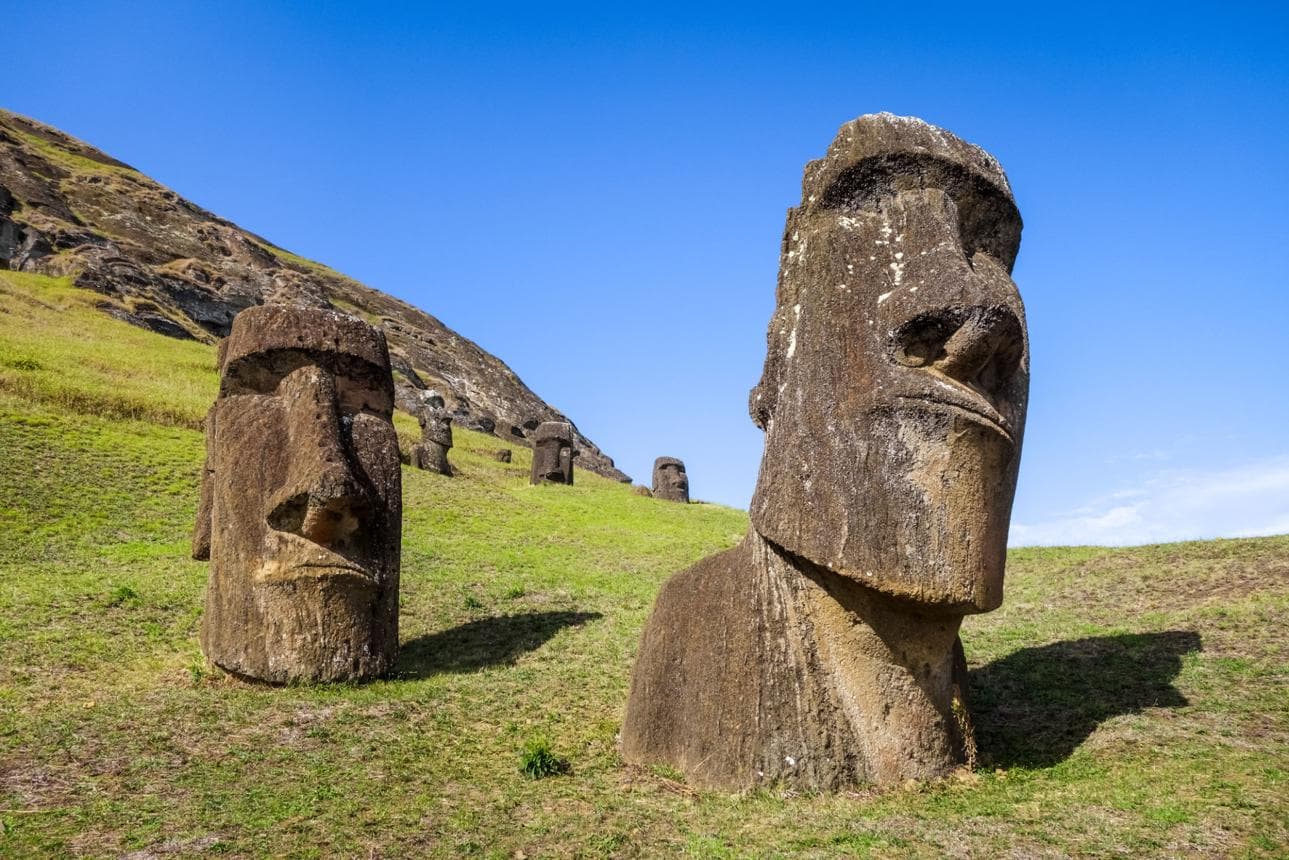
On the remote Pacific island of Rapa Nui, Polynesian communities developed an extraordinary tradition of monumental stone sculpture. Hundreds of moai were carved and many were raised on ceremonial platforms known as ahu.

Student investigation

Before European contact

🔍 Your Investigation: Rapa Nui

Investigate Rapa Nui and find out what archaeologists and Rapa Nui traditions tell us about the moai and the people who created them.

→ Who are the Rapa Nui people?

→ Why were moai created?

→ How were enormous stone statues transported around the island?

1520

Magellan Reaches Southern Chile

The expedition led by Ferdinand Magellan navigated the strait between mainland South America and Tierra del Fuego. The route became known as the Strait of Magellan and provided a passage between the Atlantic and Pacific Oceans.

1536

Spanish Forces Enter Chile

Spanish forces led by Diego de Almagro travelled south from Peru into Chile but failed to establish lasting control. A more permanent attempt at conquest followed several years later.

1541

Santiago is Founded

Pedro de Valdivia established Santiago as a Spanish settlement. Indigenous resistance began almost immediately, and the new town was attacked later that year.

Student investigation

1550s

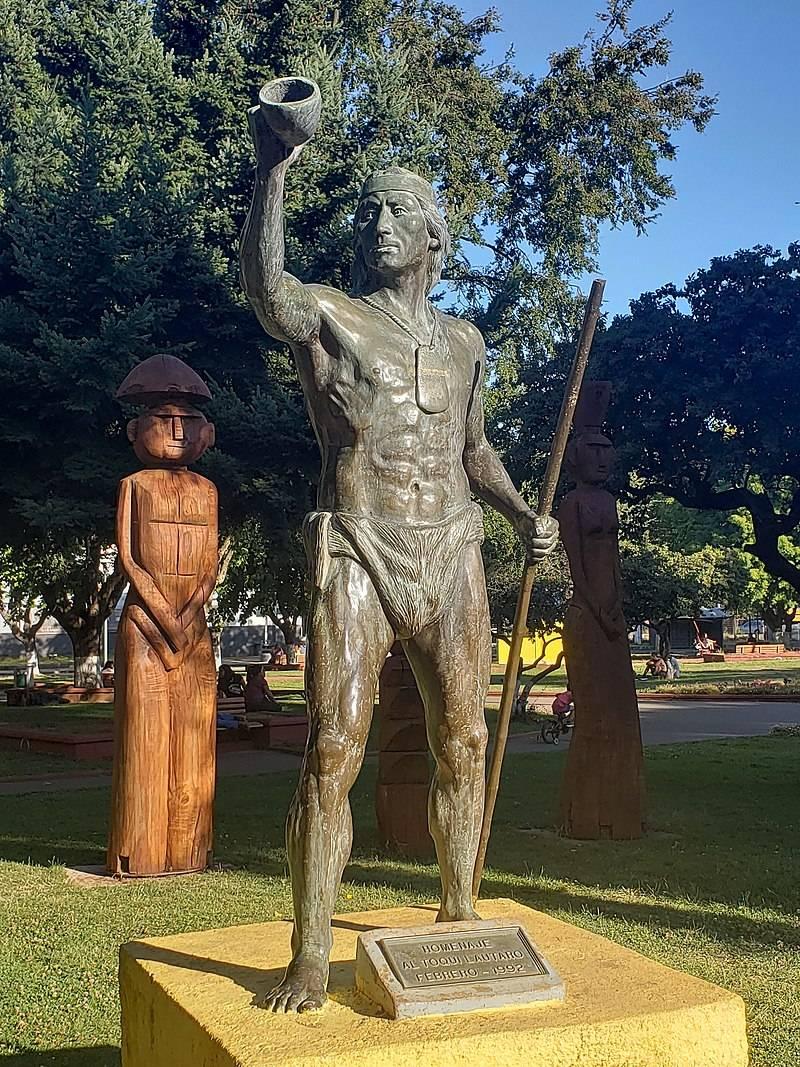
🔍 Your Investigation: Lautaro and Mapuche Resistance

Investigate Lautaro and the early Mapuche resistance to Spanish conquest.

→ Who was Lautaro?

→ What did the Mapuche learn about Spanish military tactics?

→ Why did Spain struggle to conquer Mapuche territory?

1553

Battle of Tucapel

Mapuche forces led by Lautaro defeated Spanish forces at Tucapel. Pedro de Valdivia was captured and killed. The victory became one of the defining events of early Mapuche resistance.

1500s–1800s

The Arauco War

Conflict between Spanish colonial forces and Mapuche communities continued for centuries in south-central Chile. Neither side maintained complete control of the frontier, and periods of warfare alternated with negotiation and trade.

1641

Parliament of Quilín

Spanish and Mapuche representatives reached an important agreement at Quilín. Although later relations remained complicated and conflict continued, Spanish authorities effectively recognised Mapuche control over territory south of the Biobío River.

1700s

Colonial Chile

Spanish colonial society developed around towns, agriculture, livestock and trade. Indigenous peoples, people of African descent, Europeans and people of mixed ancestry all formed part of colonial Chilean society.

1722

European Contact with Rapa Nui

Dutch navigator Jacob Roggeveen reached Rapa Nui on Easter Sunday in 1722, producing the island's European name, Easter Island. Later encounters brought increasing outside interference, disease and exploitation.

1810

First National Government

As Spain faced political crisis during the Napoleonic Wars, leaders in Santiago formed a governing junta. The event is traditionally regarded as the beginning of Chile's independence process.

1814

Spanish Rule Restored

Royalist forces defeated Chilean independence supporters at the Battle of Rancagua, temporarily restoring Spanish control. Many independence leaders fled across the Andes to Mendoza.

Student investigation

1817–1818

🔍 Your Investigation: Chilean Independence

Investigate the campaign for Chilean independence and the roles played by Bernardo O'Higgins and José de San Martín.

→ Why did the Army of the Andes cross the mountains?

→ What happened at Chacabuco and Maipú?

→ Who became the leading figure in Chile's new government?

1817

Battle of Chacabuco

The Army of the Andes led by José de San Martín, together with Chilean independence supporters including Bernardo O'Higgins, defeated royalist forces at Chacabuco and entered Santiago.

1818

Independence Declared

Chile formally declared independence from Spain. Victory over royalist forces at the Battle of Maipú later that year helped secure the new state's position in central Chile.

1833

A New Constitution

Chile adopted a constitution that created a strongly centralised presidential system. It provided the political framework for much of the nineteenth century.

1840s–1870s

Mining and Economic Growth

Mining exports including copper and silver helped expand Chile's economy. Valparaíso grew into a major Pacific port linking Chile with international trade.

1860s–1880s

Occupation of Mapuche Territory

The Chilean state expanded military control into the autonomous Mapuche territories of Araucanía. Mapuche communities lost large areas of land and were forced onto reduced territories, producing consequences that remain important in modern debates over land and Indigenous rights.

1879–1884

War of the Pacific

Chile fought Bolivia and Peru in the War of the Pacific. Chile gained mineral-rich northern territories, while Bolivia lost its Pacific coastline. The conflict permanently changed the borders and politics of all three countries.

Late 1800s

The Nitrate Boom

The newly acquired northern territories contained enormous deposits of sodium nitrate, widely used in fertiliser and explosives. Nitrate exports brought major income to Chile while thousands of workers lived and worked in isolated desert mining communities.

1888

Rapa Nui and Chile

Chile formally annexed Rapa Nui. The island's Indigenous population subsequently experienced severe restrictions over land and movement, and debates over Rapa Nui autonomy and land rights continue into the present.

1907

Santa María de Iquique Massacre

Thousands of nitrate workers and their families gathered in Iquique during a strike over wages and working conditions. Soldiers fired on the gathering at the Santa María school, killing an uncertain but substantial number of people. The event became an enduring symbol of Chile's labour movement.

1920s–1930s

Political and Social Change

Rapid urbanisation, organised labour and demands for social reform transformed Chilean politics. Governments increasingly faced questions about working conditions, education and the role of the state in the economy.

1945

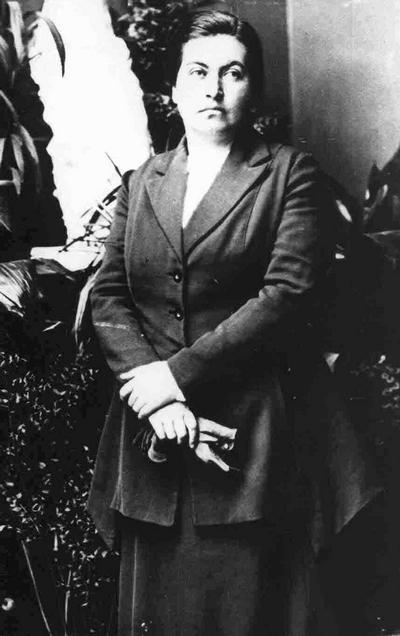
Gabriela Mistral Wins the Nobel Prize

Poet and educator Gabriela Mistral became the first Latin American author to receive the Nobel Prize in Literature. Her writing explored childhood, love, grief, identity and the landscapes and peoples of Latin America.

1960

The Great Chilean Earthquake

A magnitude 9.5 earthquake struck southern Chile near Valdivia. It remains the strongest earthquake ever instrumentally recorded and generated a tsunami that travelled across the Pacific Ocean.

1960s

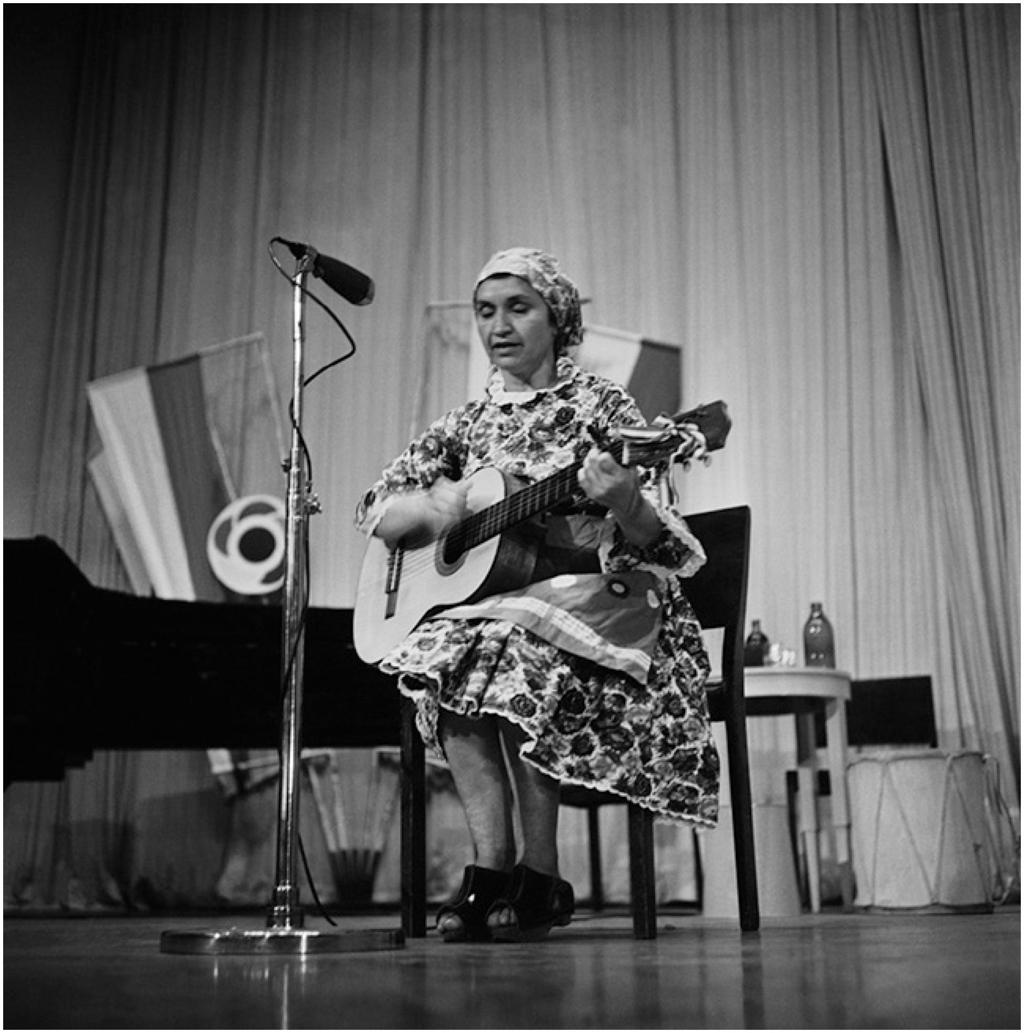
Nueva Canción Chilena

Musicians including Violeta Parra helped inspire the Nueva Canción Chilena movement, which combined folk traditions with songs addressing social life, inequality, identity and political change.

1970

Salvador Allende Elected

Salvador Allende won the presidency as the candidate of the Popular Unity coalition. His government pursued major socialist reforms, including nationalisation and redistribution policies, amid intense domestic political conflict and international Cold War pressures.

Student investigation

1973

🔍 Your Investigation: Coup and Dictatorship

Investigate the 1973 coup and what life under military dictatorship meant for Chileans.

→ What happened on 11 September 1973?

→ What happened to political opponents during the dictatorship?

→ How did Chile eventually return to democratic government?

1973–1990

Military Dictatorship

The military regime dissolved Congress, restricted political activity and censored opponents. Thousands of people were killed, forcibly disappeared, imprisoned, tortured or forced into exile. The dictatorship also introduced major free-market economic reforms.

1980

New Constitution

A new constitution was approved during military rule in a referendum conducted without normal democratic conditions. The document created an institutional framework that continued, with numerous later reforms, after the return to democracy.

1988

The Plebiscite

Chileans voted in a national plebiscite on whether Augusto Pinochet should remain in power for another presidential term. The 'No' campaign won, opening the way for competitive presidential elections.

1990

Democratic Government Returns

Patricio Aylwin became president in March 1990 as civilian democratic government returned. Chile subsequently began a long process of investigating dictatorship-era human-rights abuses and reforming political institutions.

1990s–2000s

Memory and Human Rights

Official investigations documented victims of execution, disappearance, political imprisonment and torture during military rule. Families, survivors and human-rights organisations continued campaigning for truth, justice and remembrance.

2006

Michelle Bachelet Becomes President

Michelle Bachelet became Chile's first woman president. A former political prisoner whose father died after being detained following the 1973 coup, she later served a second presidential term and held senior roles at the United Nations.

2010

The Chile Earthquake

A magnitude 8.8 earthquake struck central Chile, followed by a tsunami. Hundreds of people died and extensive damage affected communities across a large part of the country.

2010

The Atacama Mine Rescue

Thirty-three miners became trapped deep underground after a collapse at the San José mine in the Atacama region. All were rescued after 69 days in an operation watched around the world.

2019

Mass Protests

A rise in Santiago Metro fares helped trigger nationwide protests that developed into wider demands concerning inequality, pensions, public services and political representation. The demonstrations led to a process of debating constitutional change.

2020–2023

Constitutional Debate

Chile held votes and elected bodies to consider replacing the constitution inherited from the Pinochet era. Two proposed replacement constitutions were rejected by voters, so the amended 1980 Constitution remained in force.

Today

Modern Chile

Chile is a democratic republic extending from the Atacama Desert to Patagonia and including Pacific territories such as Rapa Nui. Copper mining remains economically important, while Indigenous rights, inequality, environmental protection, historical memory and constitutional reform continue to influence national debate.

Faces along the way

Who
am I?

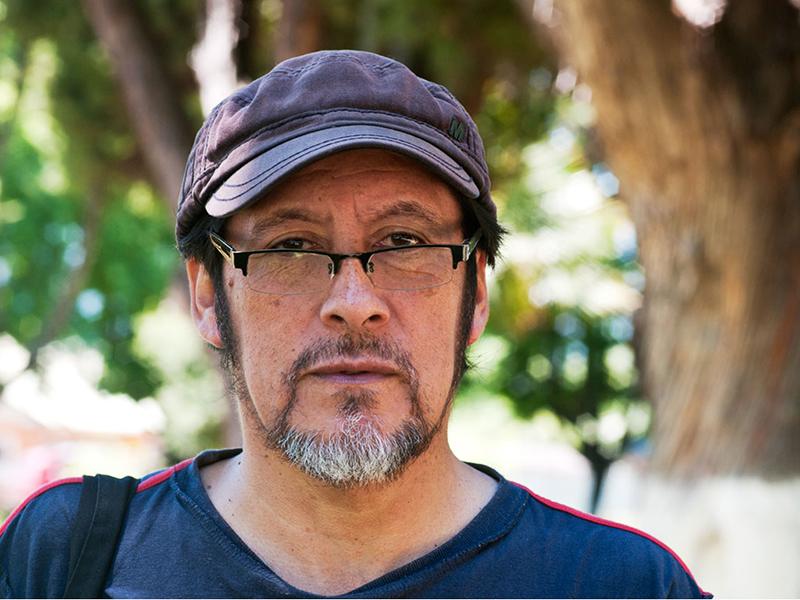
Study the photograph. Read the clue. Make your guess before revealing the person.

Mystery influential person from Chile

Mystery person

Who am I?

01

Your clue

I became an important public figure in my country's story. Who am I?

Mystery influential person from Chile

Mystery person

Who am I?

02

Your clue

My words became an important part of culture. Who am I?

Mystery influential person from Chile

Mystery person

Who am I?

03

Your clue

I became known through music. Can you work out who I am?

Mystery influential person from Chile

Mystery person

Who am I?

04

Your clue

My words became an important part of culture. Who am I?

Look closer

Cultural
spotlights.

Rapa Nui Moai & Ahu

Spotlight 01

Rapa Nui Moai & Ahu

The moai of Rapa Nui are enormous stone figures created by Polynesian islanders, particularly between roughly the tenth and sixteenth centuries. Many were positioned on ceremonial stone platforms known as ahu and represented important ancestors. Rather than being mysterious objects from a vanished people, the moai form part of the living cultural heritage of today's Rapa Nui community.

Nueva Canción Chilena

Spotlight 02

Nueva Canción Chilena

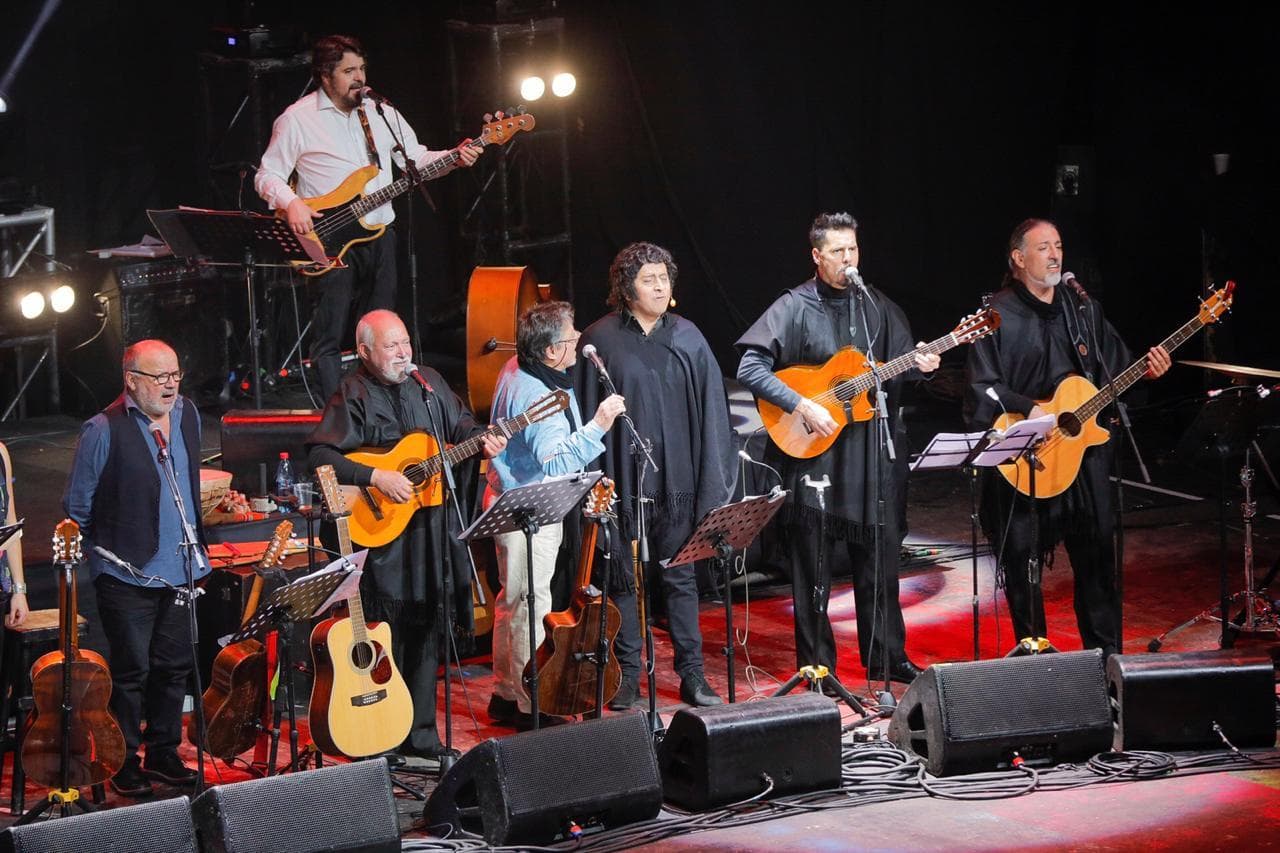
Nueva Canción Chilena developed during the 1960s as musicians combined Chilean and wider Latin American folk traditions with contemporary songwriting. Artists used instruments such as guitars, charangos and Andean flutes while addressing identity, workers' lives, inequality and political change. Violeta Parra was a foundational influence, while artists including Víctor Jara and groups such as Inti-Illimani became strongly associated with the movement.

Wooden Churches of Chiloé

Spotlight 03

Wooden Churches of Chiloé

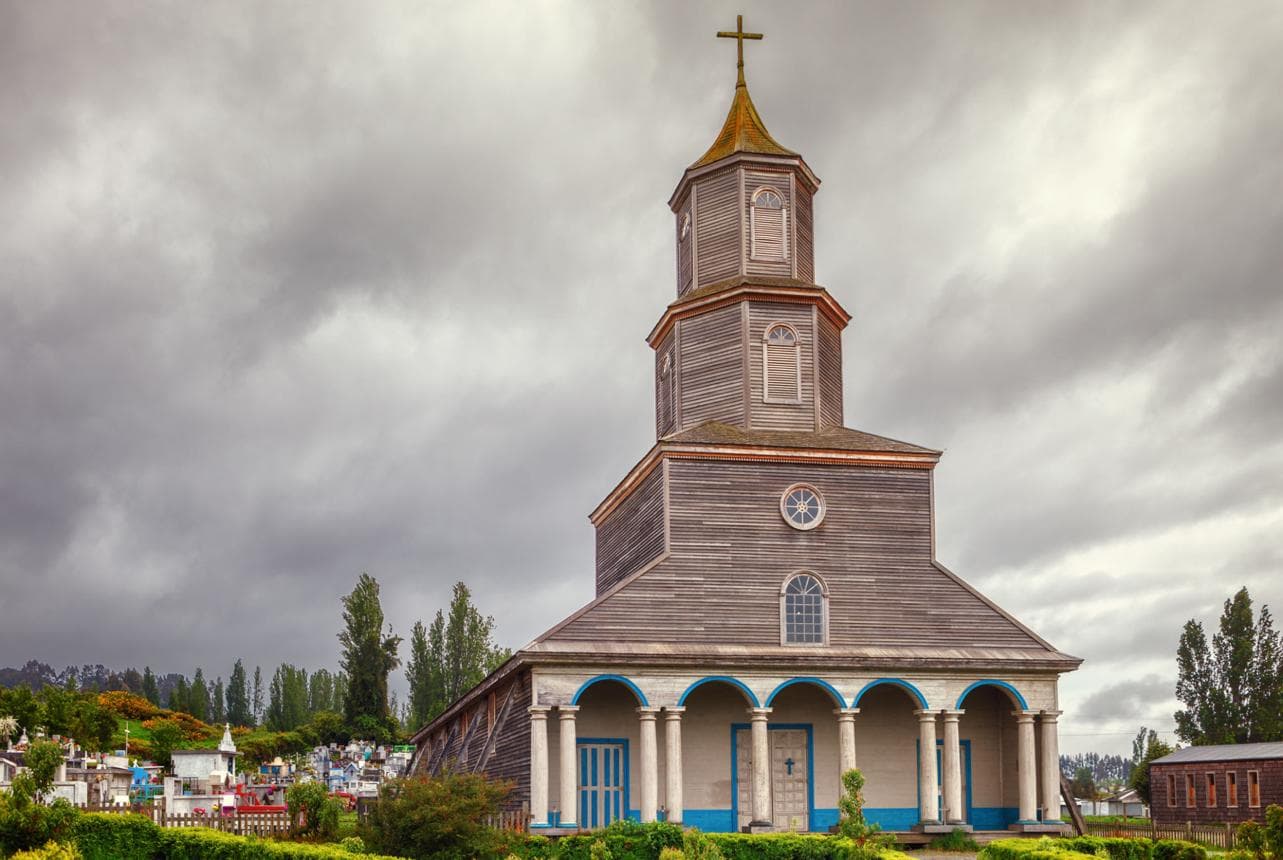
The Chiloé Archipelago developed a remarkable tradition of wooden architecture. Local builders adapted European church designs to island materials and woodworking traditions, creating structures made largely from native timber rather than stone. Sixteen Churches of Chiloé are inscribed together on UNESCO's World Heritage List.

Mapuche Silverwork

Spotlight 04

Mapuche Silverwork

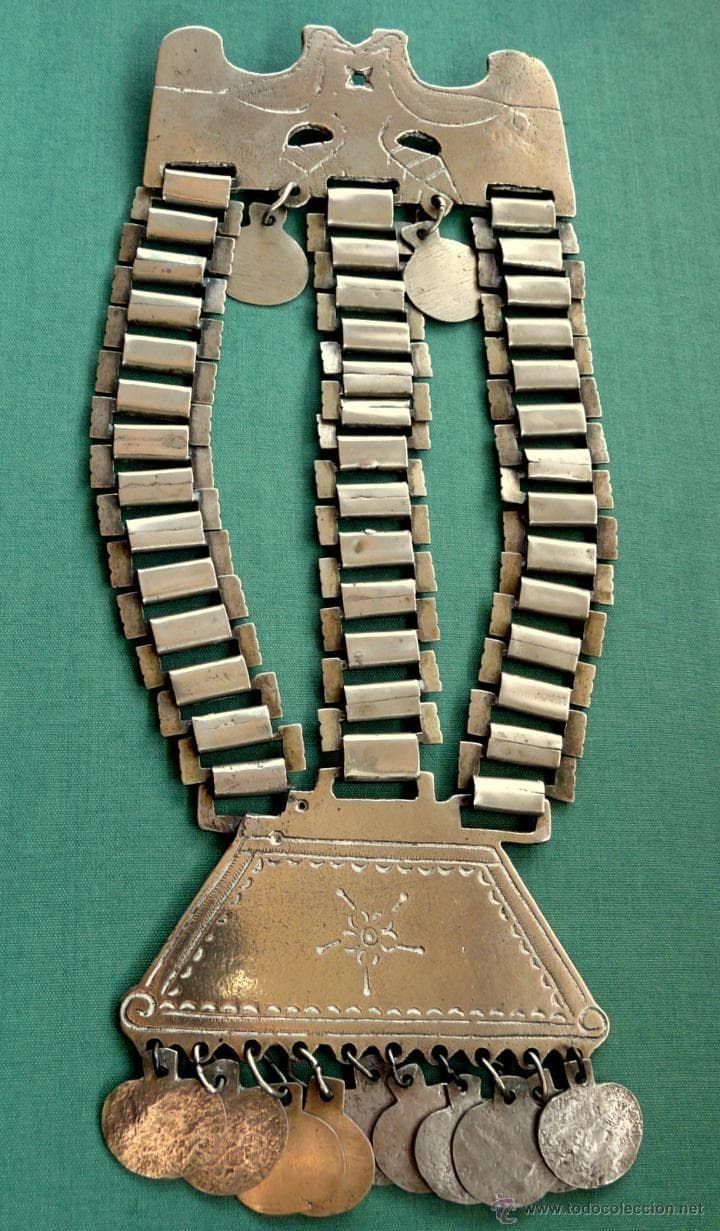
Mapuche silversmithing became particularly important during the eighteenth and nineteenth centuries. Skilled smiths created jewellery and ornaments including large chest pieces, earrings, pins and head decorations. Silver objects could communicate identity, status and family connections, and historic designs continue to influence contemporary Mapuche artists and craftspeople.

One more wander

Places worth
stopping for.

Chinchorro Archaeological Sites
01

Ancient History

Chinchorro Archaeological Sites

The Chinchorro archaeological sites in northern Chile preserve settlements, cemeteries and evidence of one of the world's oldest known traditions of deliberate human mummification. The communities lived in the extremely dry Atacama region but built their lives around the rich resources of the nearby Pacific Ocean. Their archaeological remains reveal sophisticated beliefs and practices dating back thousands of years.

02

Polynesian Heritage

Rapa Nui National Park

Rapa Nui lies around 3,700 kilometres west of continental Chile and is one of the world's most isolated inhabited islands. Its Indigenous Polynesian culture created hundreds of monumental moai and ceremonial platforms called ahu. The statues are connected with ancestors, communities and a remarkable cultural landscape that continues to hold deep importance for Rapa Nui people.

Rapa Nui National Park
Atacama Desert
03

Desert & Astronomy

Atacama Desert

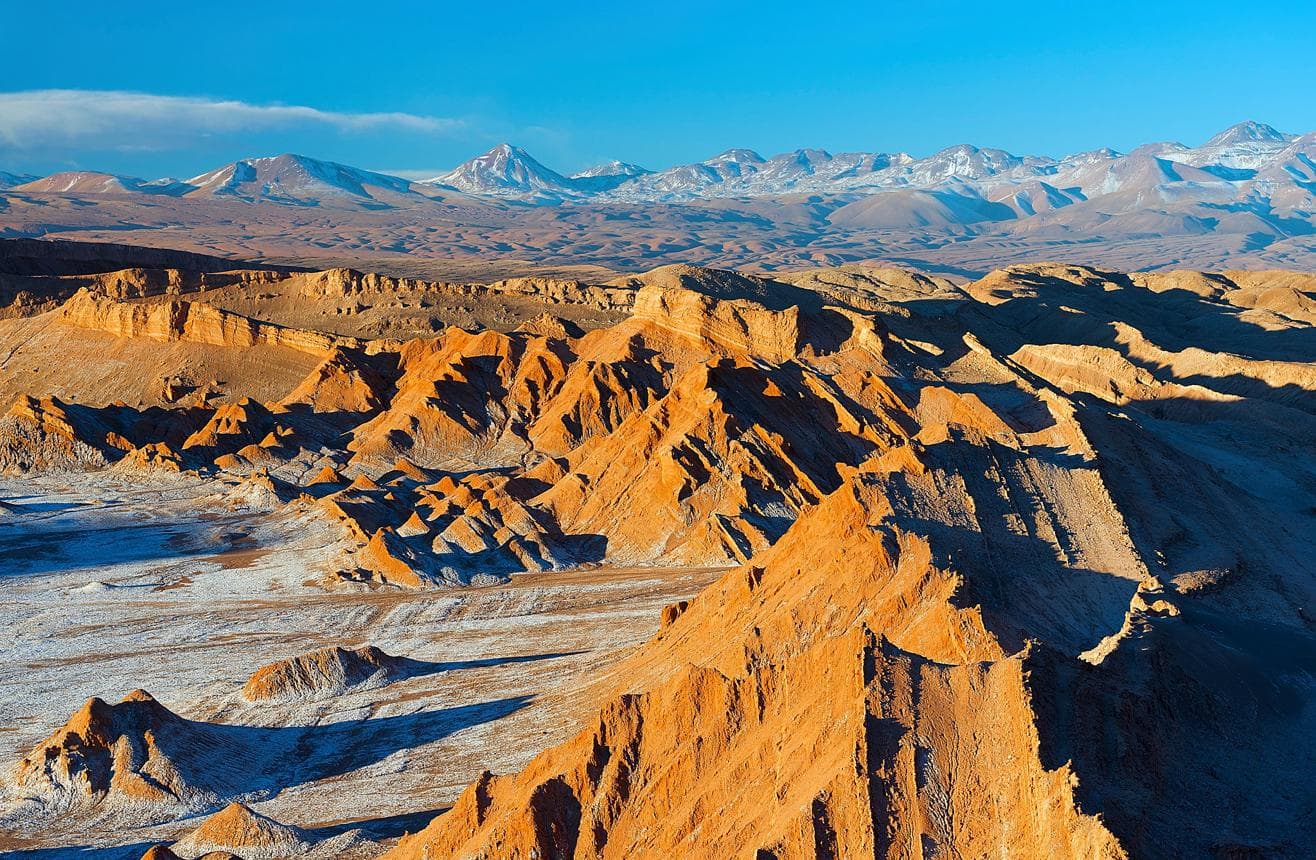
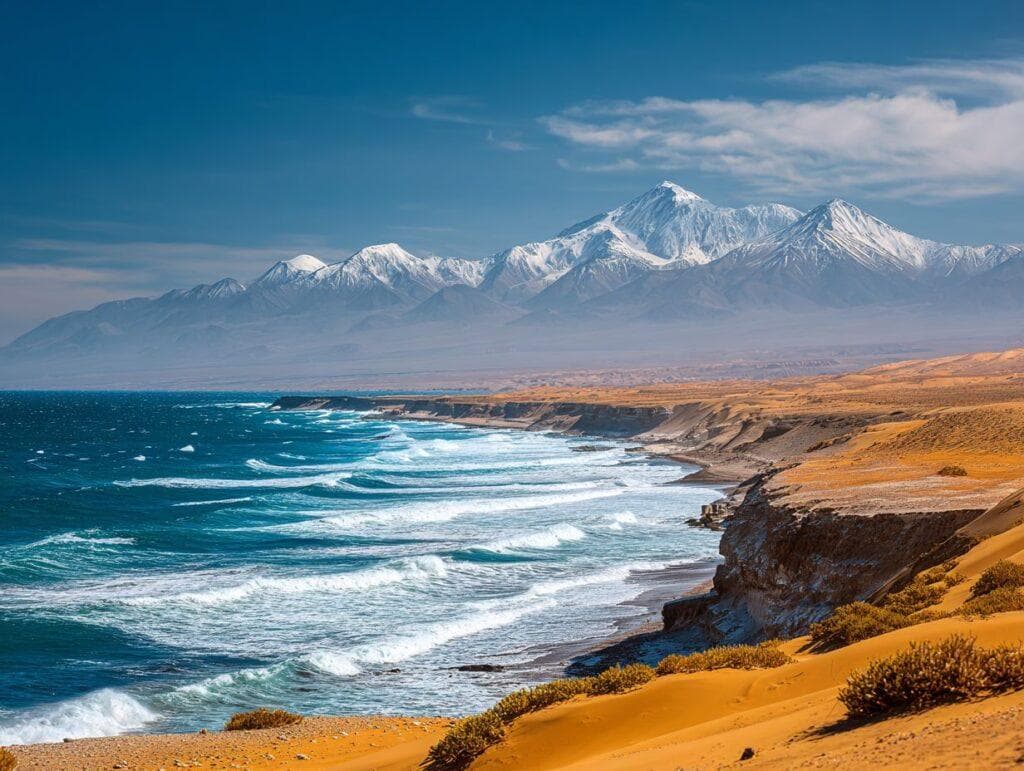
Northern Chile's Atacama is one of the driest non-polar deserts on Earth. Salt flats, volcanoes, high-altitude lagoons and extraordinary rock formations create a dramatic landscape. Its exceptionally dry atmosphere, high altitude and clear skies have also made the region one of the world's most important locations for astronomical observatories.

04

Patagonia

Torres del Paine

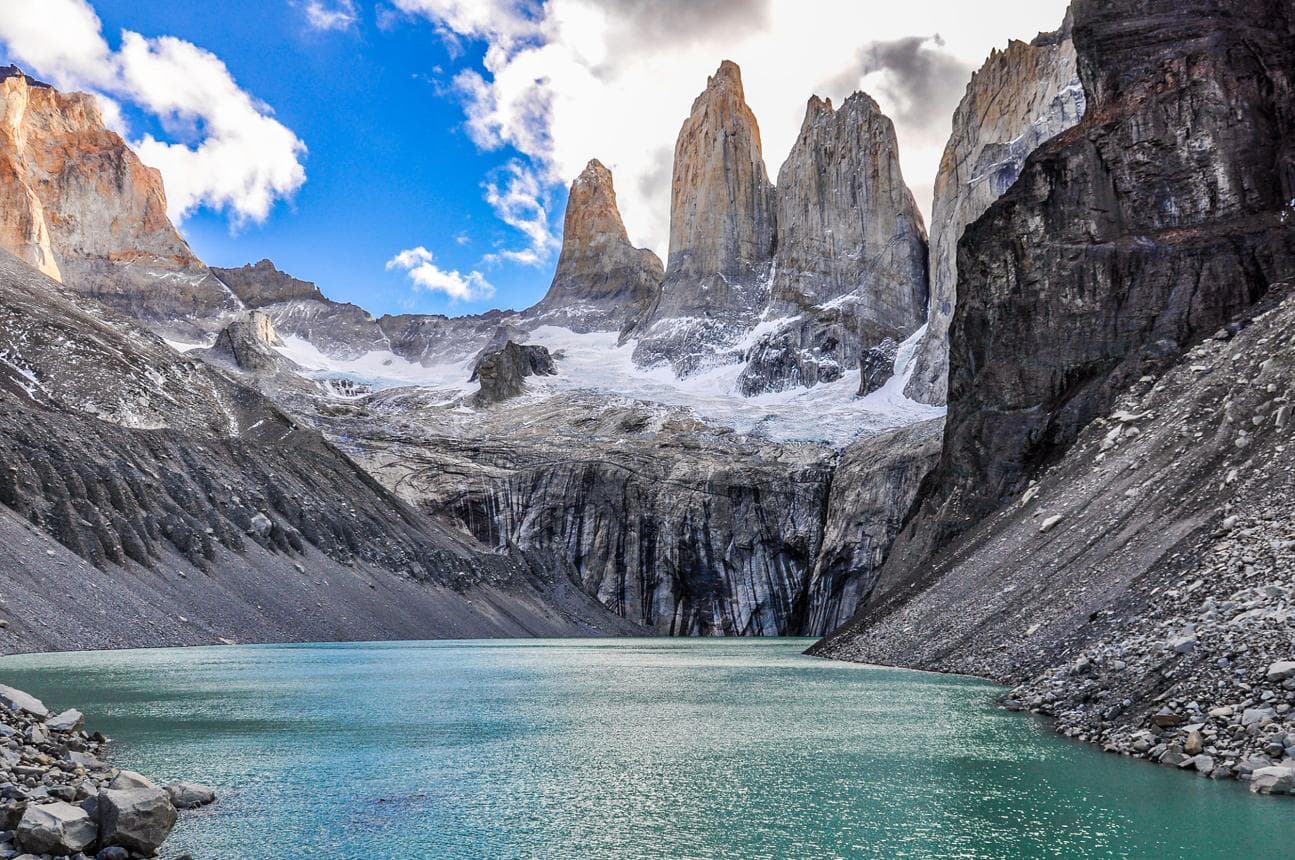
Torres del Paine National Park lies in Chilean Patagonia and is famous for granite towers, mountains, glaciers, lakes and open grasslands. Wildlife includes guanacos, condors and pumas. The park demonstrates just how dramatically Chile's landscape changes between the Atacama in the far north and Patagonia in the south.

Torres del Paine

Your turn

What did
you discover?

Things We’ve Learned About Chile

Chile stretches for more than 4,000 kilometres from north to south but is unusually narrow from east to west.

The Atacama is one of the driest non-polar deserts on Earth.

The Chinchorro developed deliberate mummification traditions thousands of years ago.

Student Contribution

🌎 Chile Student Discoveries

Found a useful website, video, recipe or cultural resource about Chile? Share it with Fable Culture for staff review.

🌍 Educational🎶 Cultural📚 Reliable👀 Safe for school

Student Contribution

➕ Suggest a Resource

Found a useful website, video, museum, article, or educational resource? Submit it for teacher review.