Take a jaunt through

Colombia

Colombia lies in northwestern South America, with coastlines on both the Caribbean Sea and the Pacific Ocean. Its landscapes include the Andes, Amazon rainforest, grasslands and historic cities. Indigenous and Afro-Colombian communities contribute to the country's rich cultural heritage.

Indigenous HeritageAfro-Colombian CultureBiodiversityMusic & LiteratureIndependence & Peace
Colombia
GO
01

Capital

Bogotá

02

Population

About 53 million

03

Languages

Spanish, Indigenous languages, Creole languages

04

Currency

Colombian Peso (COP)

Get your bearings

First,
look around.

For thousands of years, Indigenous societies lived across the region now called Colombia, including the Muisca, Tairona and communities associated with San Agustín. Spanish colonisation began in the sixteenth century, bringing conquest, forced labour and the enslavement of Africans. Indigenous and African communities resisted colonial rule and sustained their traditions. Independence movements grew in the early nineteenth century, and the Battle of Boyacá in 1819 helped secure independence in New Granada. Colombia was part of the republic known as Gran Colombia before that union dissolved. Later centuries brought political conflict, social change and cultural achievement. Colombia's recent history includes decades of armed conflict and continuing efforts to build peace. Today its remarkable biodiversity and diverse music, literature, food and traditions are recognised internationally.

Bogotá

First stop · Capital

Bogotá

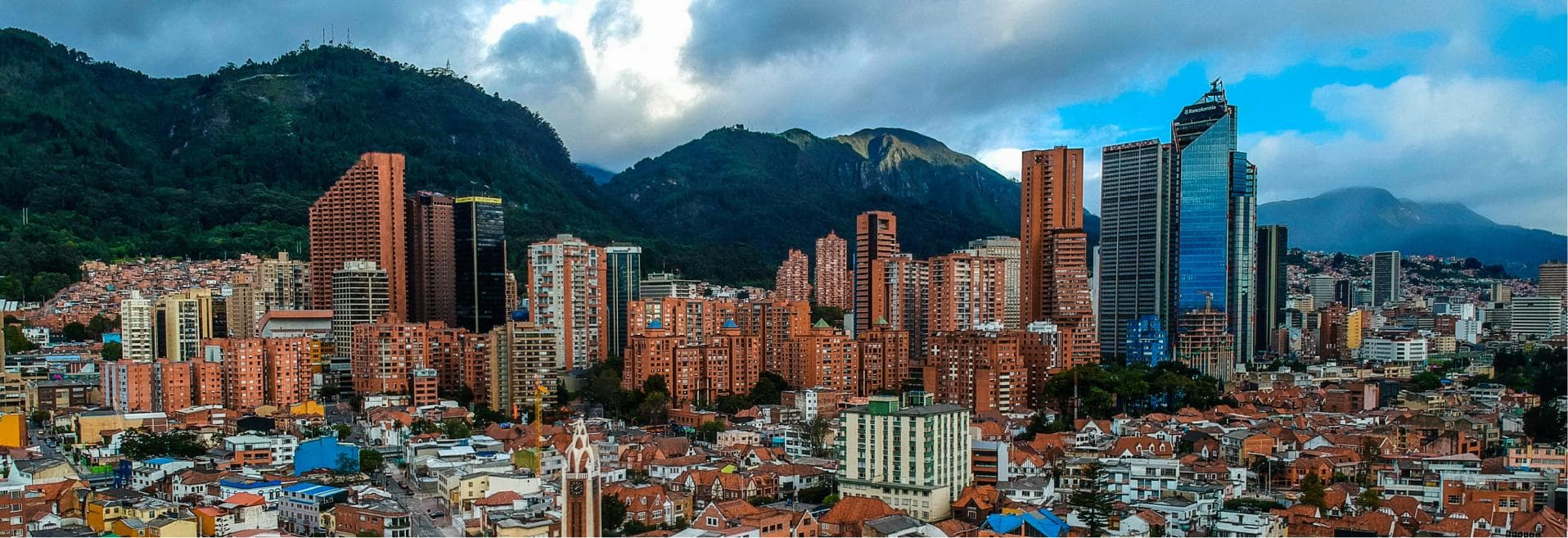
Bogotá is Colombia's capital and largest city. Located high in the Andes, it is a major centre for government, education, museums and cultural life.

Wander a little further

Follow the trail through Colombia.

Ciudad Perdida

History

Ciudad Perdida

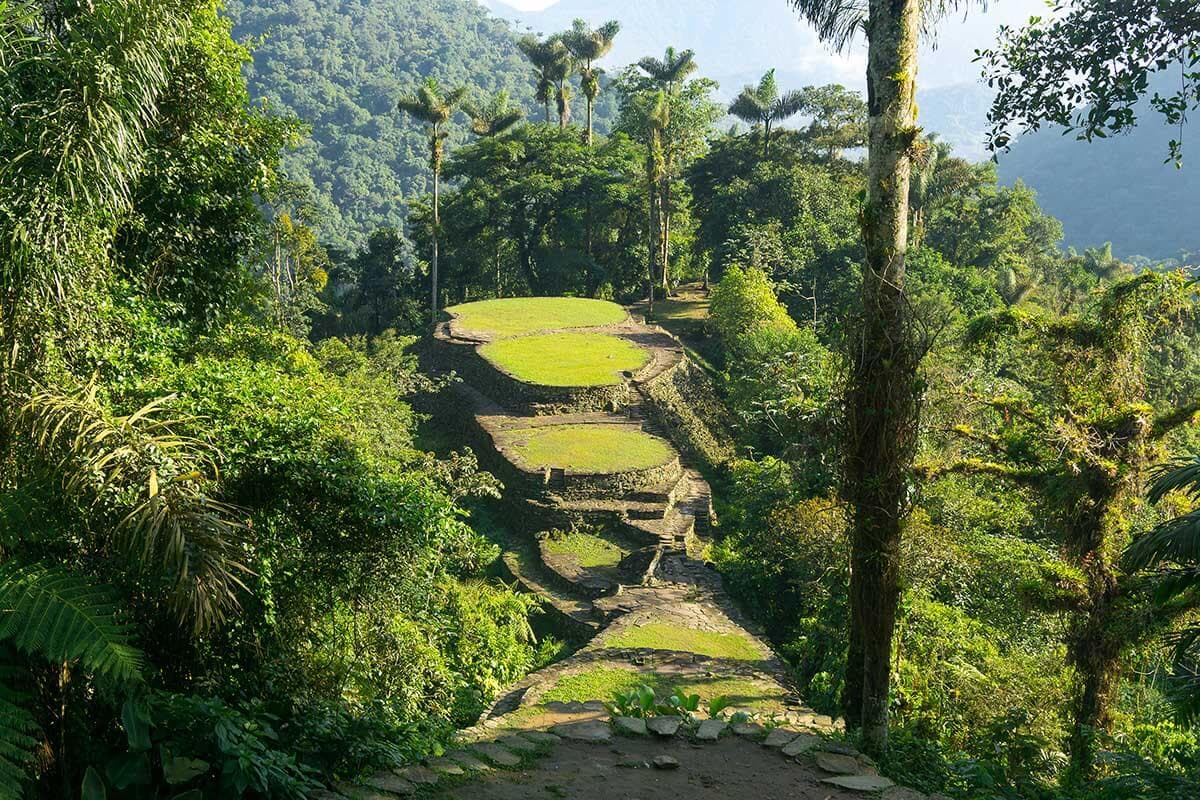
Ciudad Perdida is an ancient settlement in Colombia's Sierra Nevada de Santa Marta mountains, associated with the Tairona civilisation. Its stone terraces, stairways and paths reveal the achievements of Indigenous communities long before Spanish colonisation.
Food

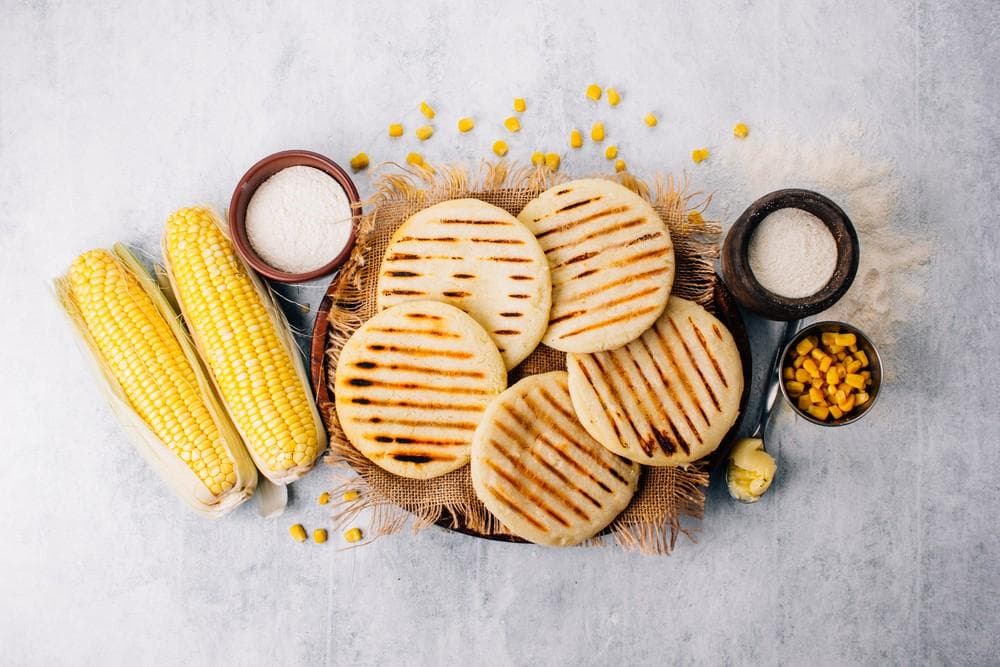
Arepas

Arepas are maize-based foods enjoyed in many Colombian regions. Their preparation and fillings vary widely, reflecting local ingredients and customs.

Arepas
Golden Poison Frog

Wildlife

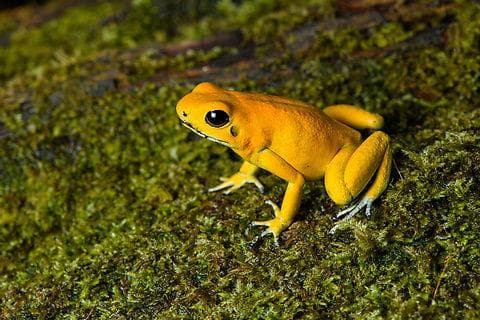
Golden Poison Frog

The golden poison frog lives in a small area of Colombia's Pacific rainforest. Its bright colouring warns predators of powerful toxins in its skin.

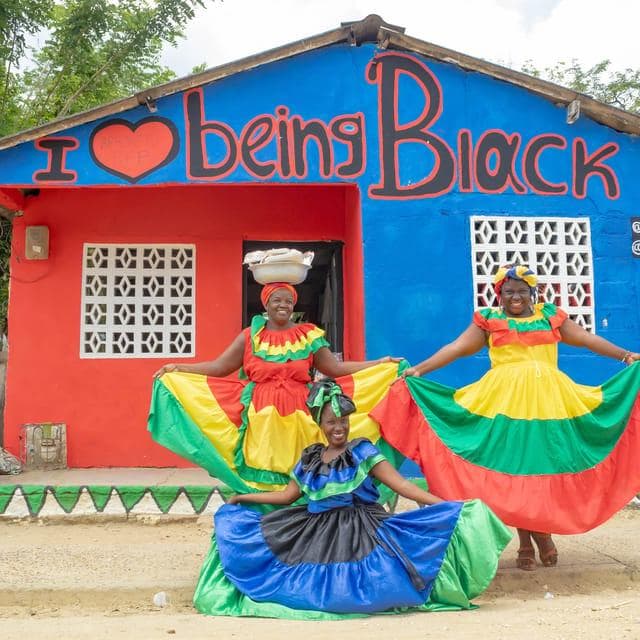
Palenque de San Basilio

Culture · stop and look

Palenque de San Basilio

Founded by people who escaped slavery, San Basilio de Palenque is celebrated for its Afro-Colombian heritage, Palenquero language, music and community traditions.

Through time

Follow the
story.

Four stops first. Open the rest if you want to travel further.

Before 1500

Indigenous Societies

Diverse Indigenous communities develop societies across the Andes, Caribbean coast, forests and valleys, including the Muisca and Tairona.

1500s

Spanish Colonisation

Spanish expeditions and settlements expand across the region. Indigenous peoples experience conquest and forced labour, while enslaved Africans are brought to the colonies.

1600s

Palenque Communities

Communities established by people escaping enslavement resist colonial control and preserve distinctive cultural traditions.

1781

Comunero Revolt

Protests against colonial taxation and government policies spread through parts of New Granada.

Continue the journey ↓

1810

Independence Movement

Events in Bogotá help launch a long struggle to end Spanish colonial rule.

1819

Battle of Boyacá

Independence forces defeat a royalist army, helping secure independence in New Granada and paving the way for Gran Colombia.

1830–1831

Gran Colombia Breaks Apart

The union associated with modern Colombia, Venezuela, Ecuador and Panama dissolves.

1903

Panama Separates

Panama separates from Colombia and becomes an independent republic.

1991

New Constitution

Colombia adopts a constitution recognising cultural and ethnic diversity and strengthening constitutional rights.

2016

Peace Agreement

The Colombian government and FARC-EP sign a peace agreement, although challenges to lasting peace continue.

Faces along the way

Who
am I?

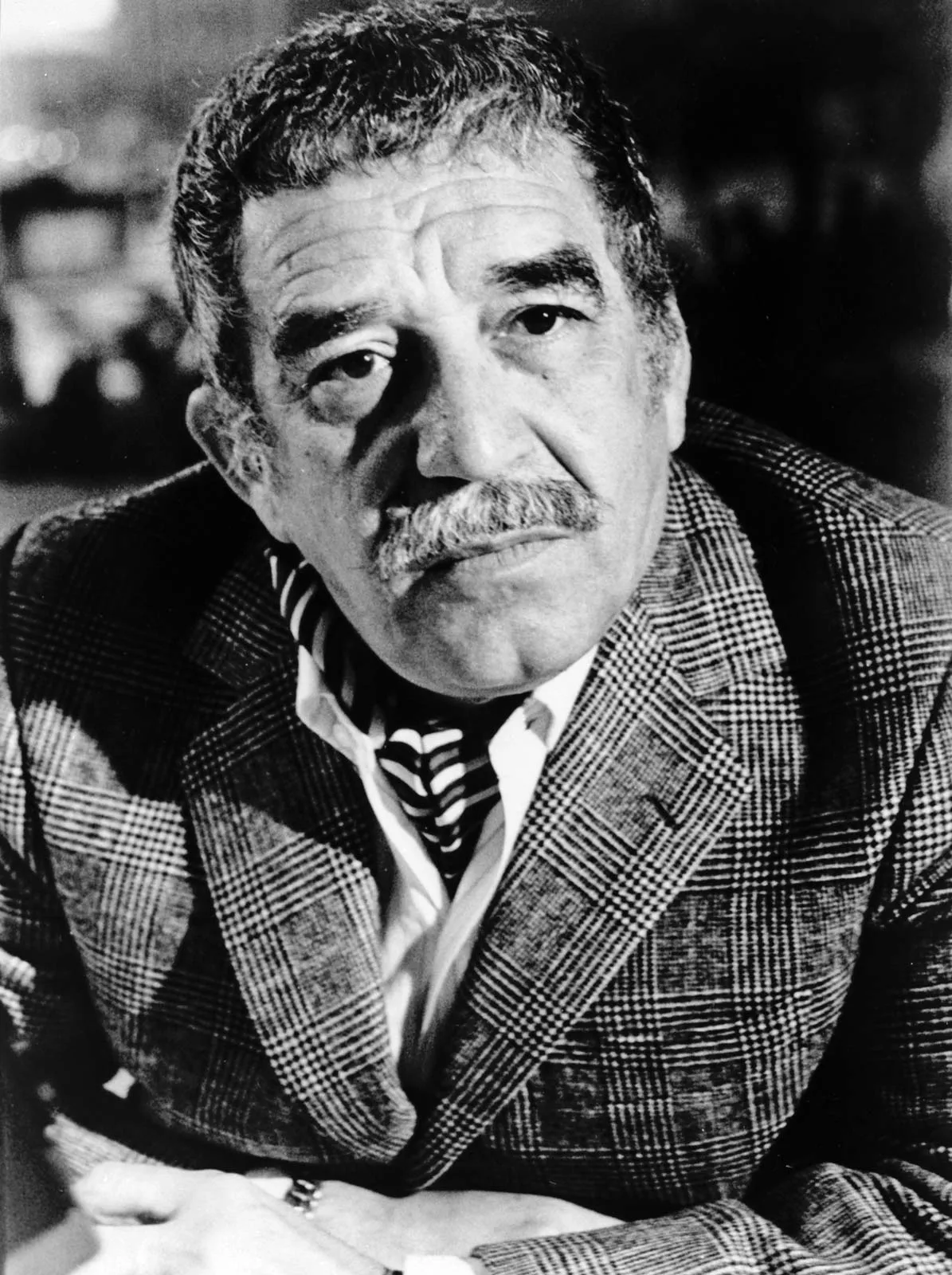
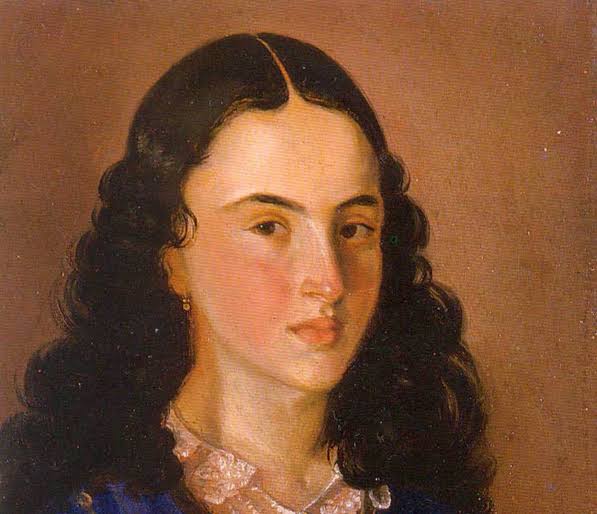
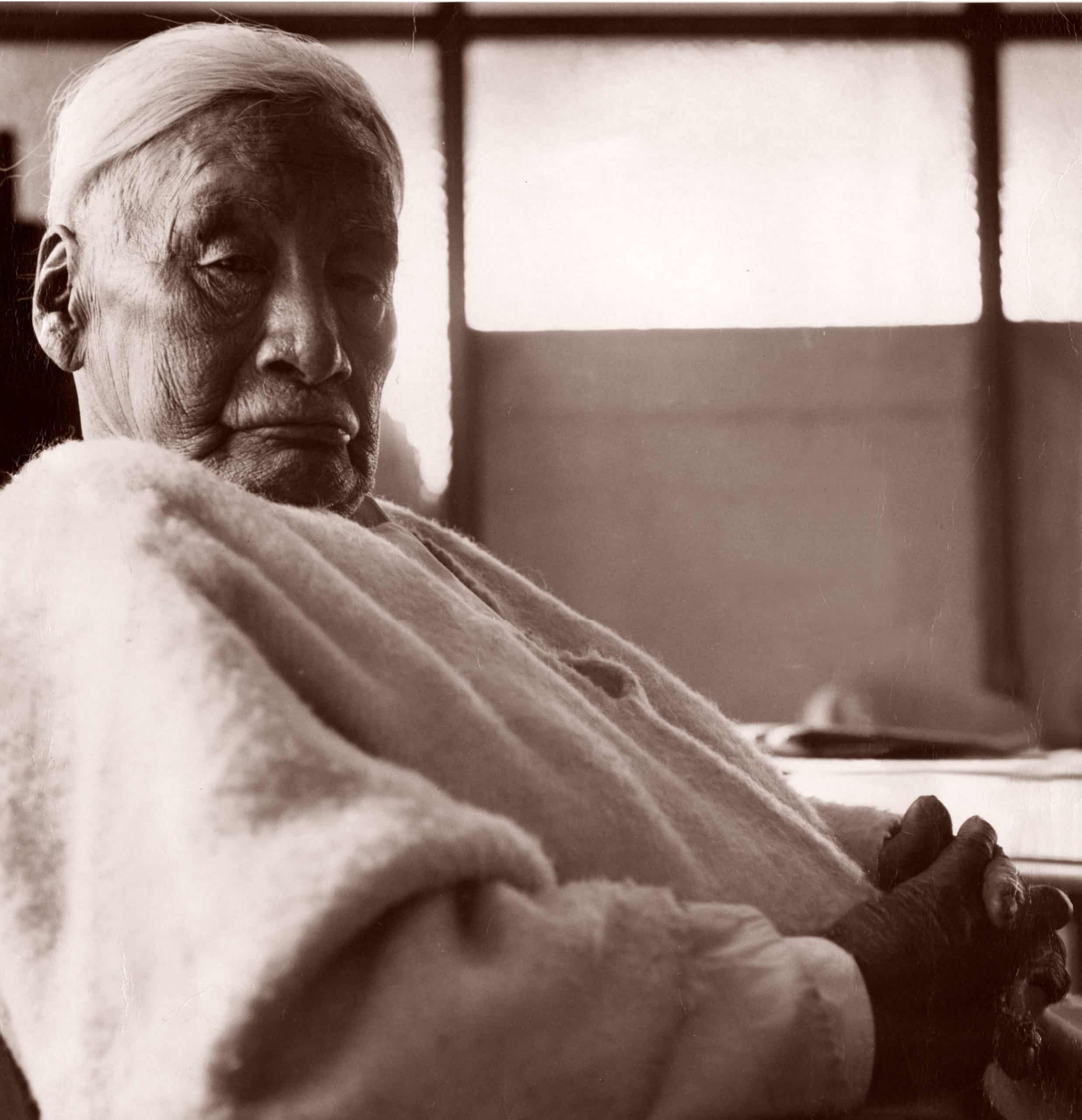
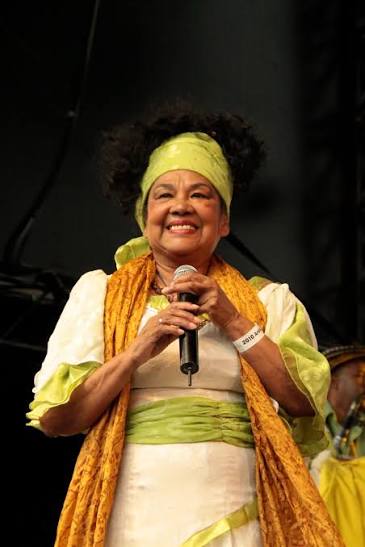
Study the photograph. Read the clue. Make your guess before revealing the person.

Mystery influential person from Colombia

Mystery person

Who am I?

01

Your clue

My words became an important part of culture. Who am I?

Mystery influential person from Colombia

Mystery person

Who am I?

02

Your clue

I became an influential figure in Colombia. Can you work out who I am?

Mystery influential person from Colombia

Mystery person

Who am I?

03

Your clue

I became an important public figure in my country's story. Who am I?

Mystery influential person from Colombia

Mystery person

Who am I?

04

Your clue

I became known through music. Can you work out who I am?

Look closer

Cultural
spotlights.

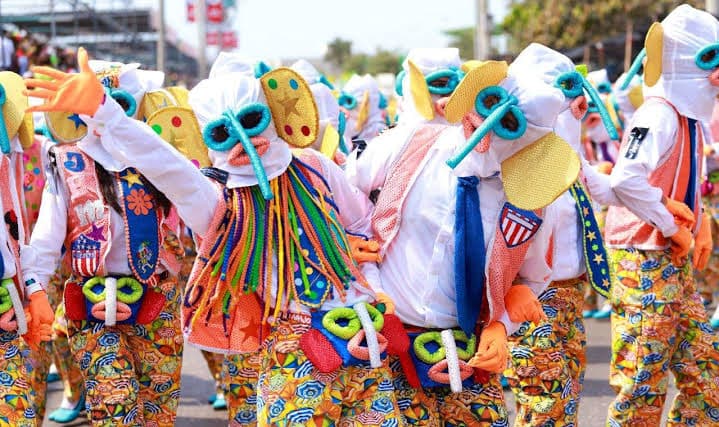
Barranquilla Carnival

Spotlight 01

Barranquilla Carnival

Barranquilla Carnival brings together music, dance, costumes and performances reflecting Indigenous, African and European cultural influences.

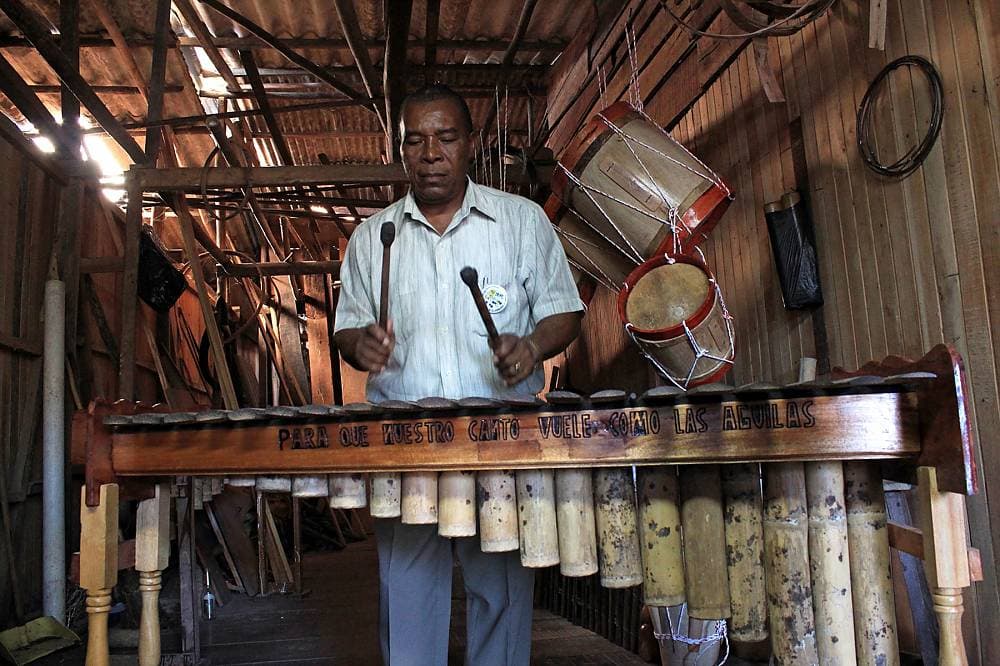
South Pacific Marimba Music

Spotlight 02

South Pacific Marimba Music

Afro-Colombian communities along the southern Pacific coast maintain musical traditions featuring marimbas, drums, singing and dance.

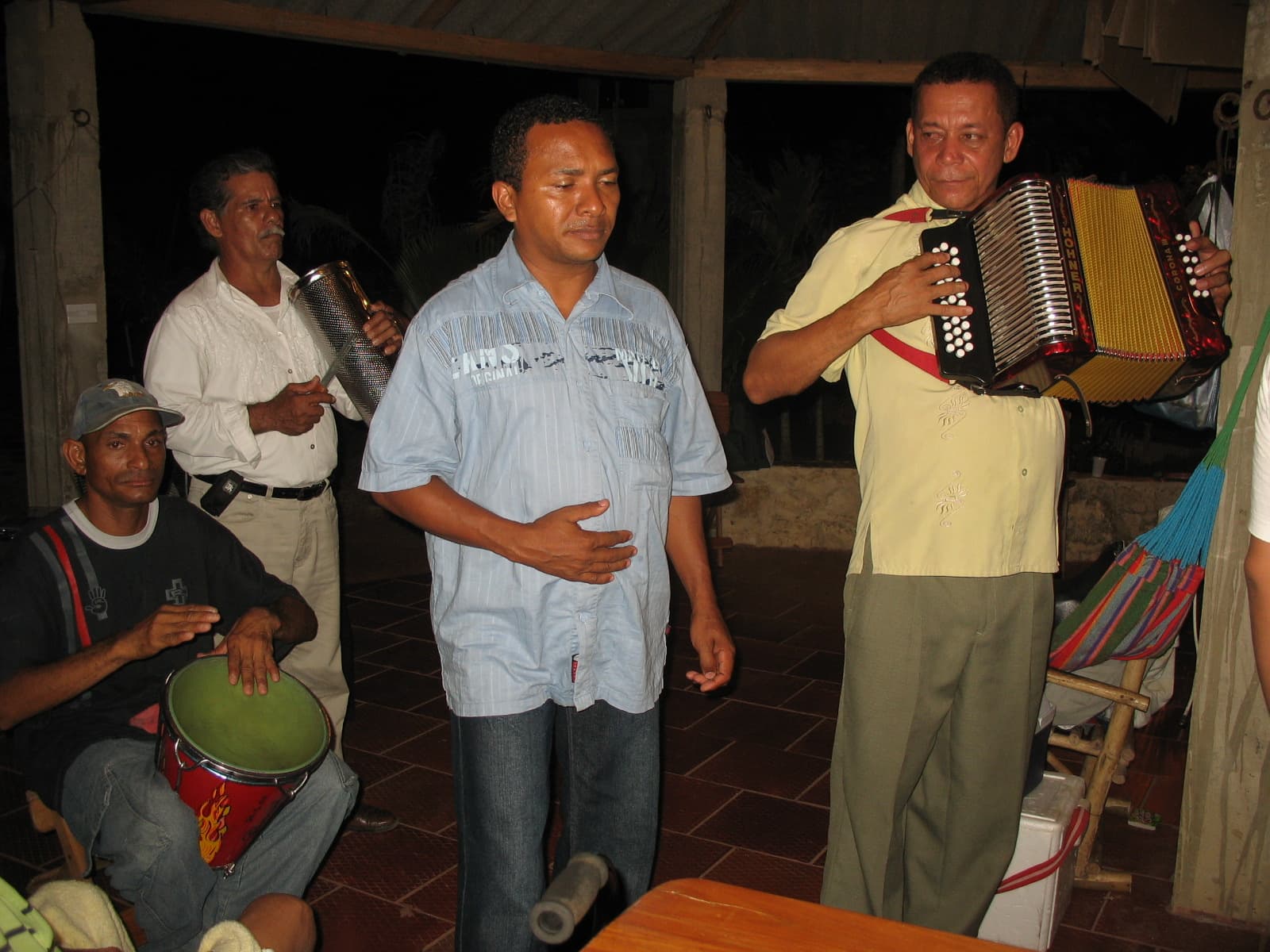
Vallenato

Spotlight 03

Vallenato

Vallenato is a storytelling music tradition from Colombia's Caribbean region, commonly associated with accordion, caja drum and guacharaca.

Wayuu Palabrero Tradition

Spotlight 04

Wayuu Palabrero Tradition

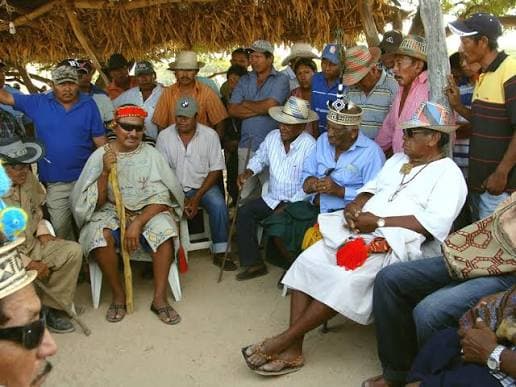
Among the Wayuu people of the Guajira Peninsula, palabreros are respected mediators who help resolve disputes through dialogue and customary law.

One more wander

Places worth
stopping for.

Historic Centre of Cartagena
01

History & Architecture

Historic Centre of Cartagena

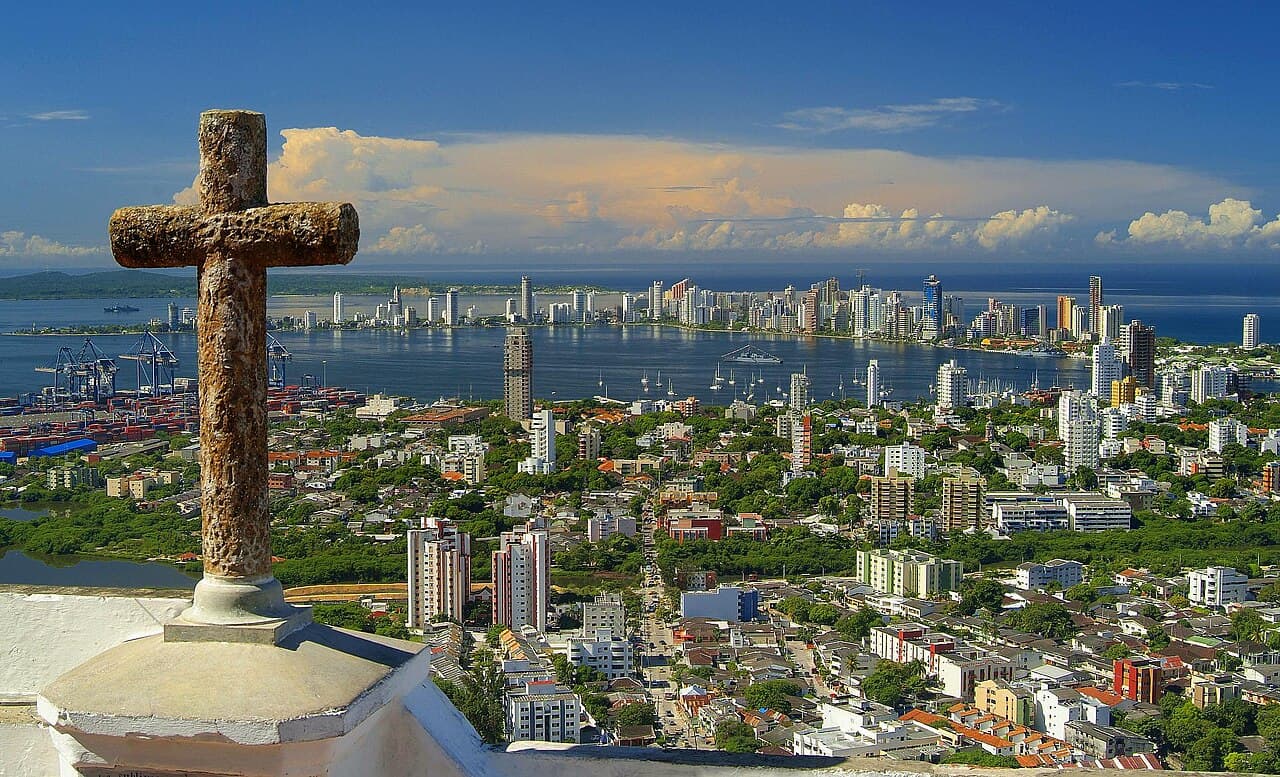
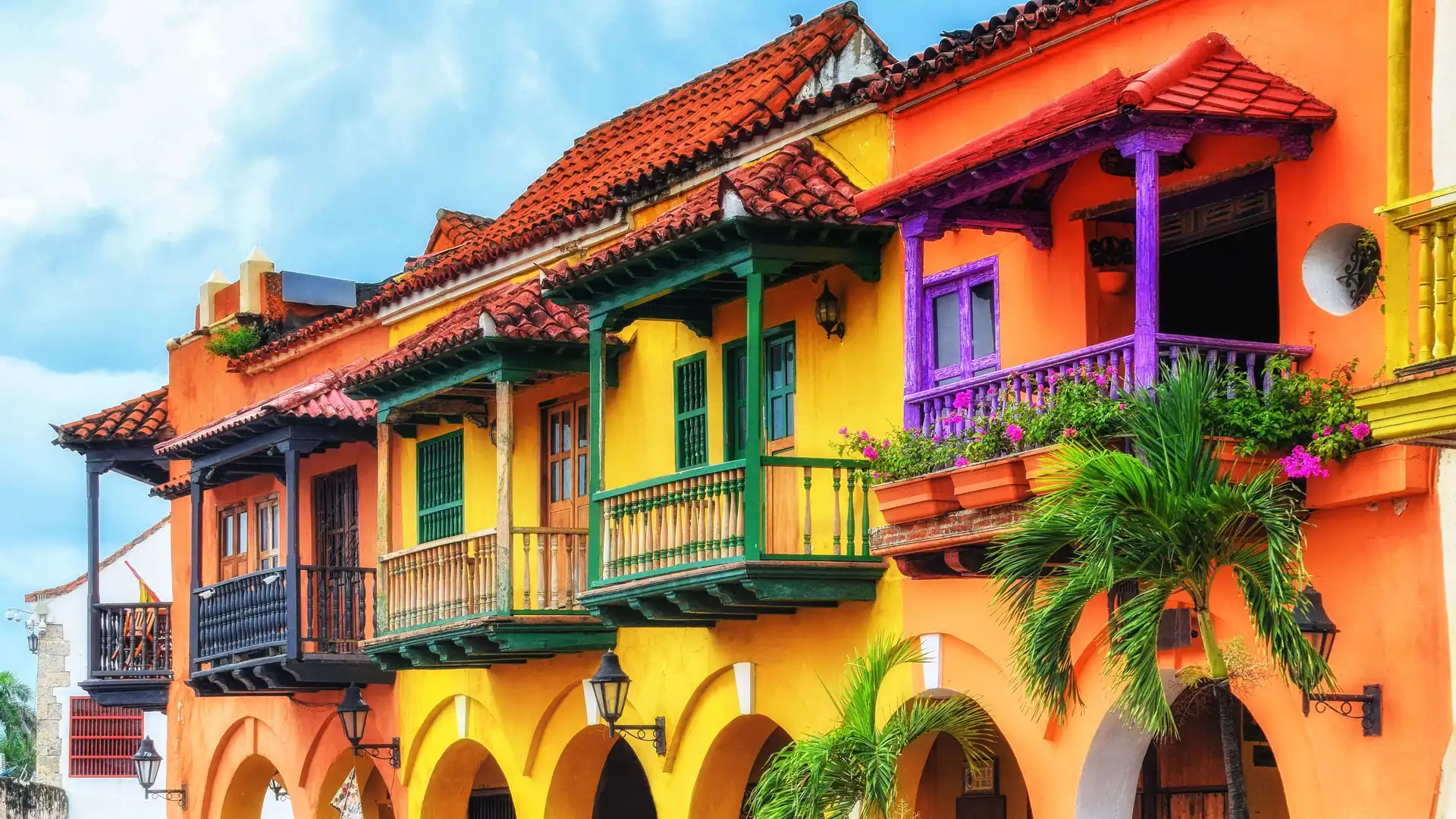
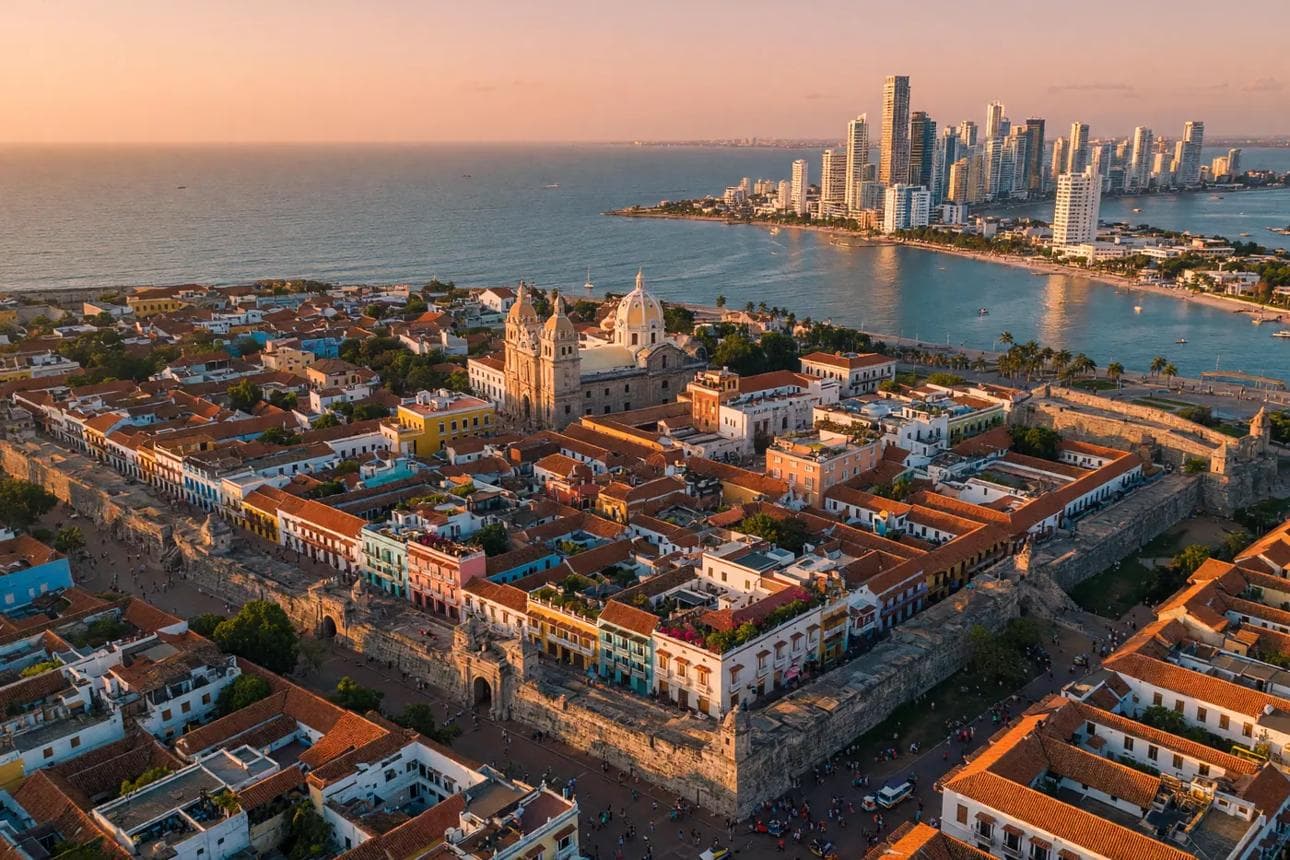
Cartagena's historic fortified centre contains colourful colonial-era buildings, plazas and defensive walls overlooking the Caribbean coast. Its history is also connected to the Atlantic slave trade.

02

Nature & Indigenous Heritage

Chiribiquete National Park

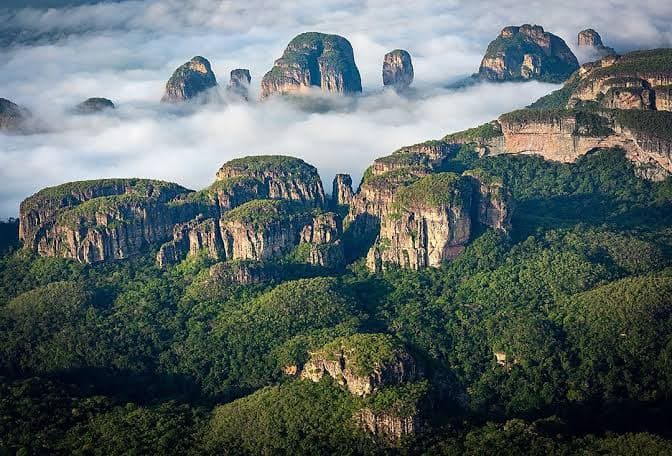
Chiribiquete protects a vast Amazonian landscape of rainforest and dramatic tabletop mountains. Ancient rock paintings reflect a long Indigenous cultural history.

Chiribiquete National Park
San Agustín Archaeological Park
03

Archaeology

San Agustín Archaeological Park

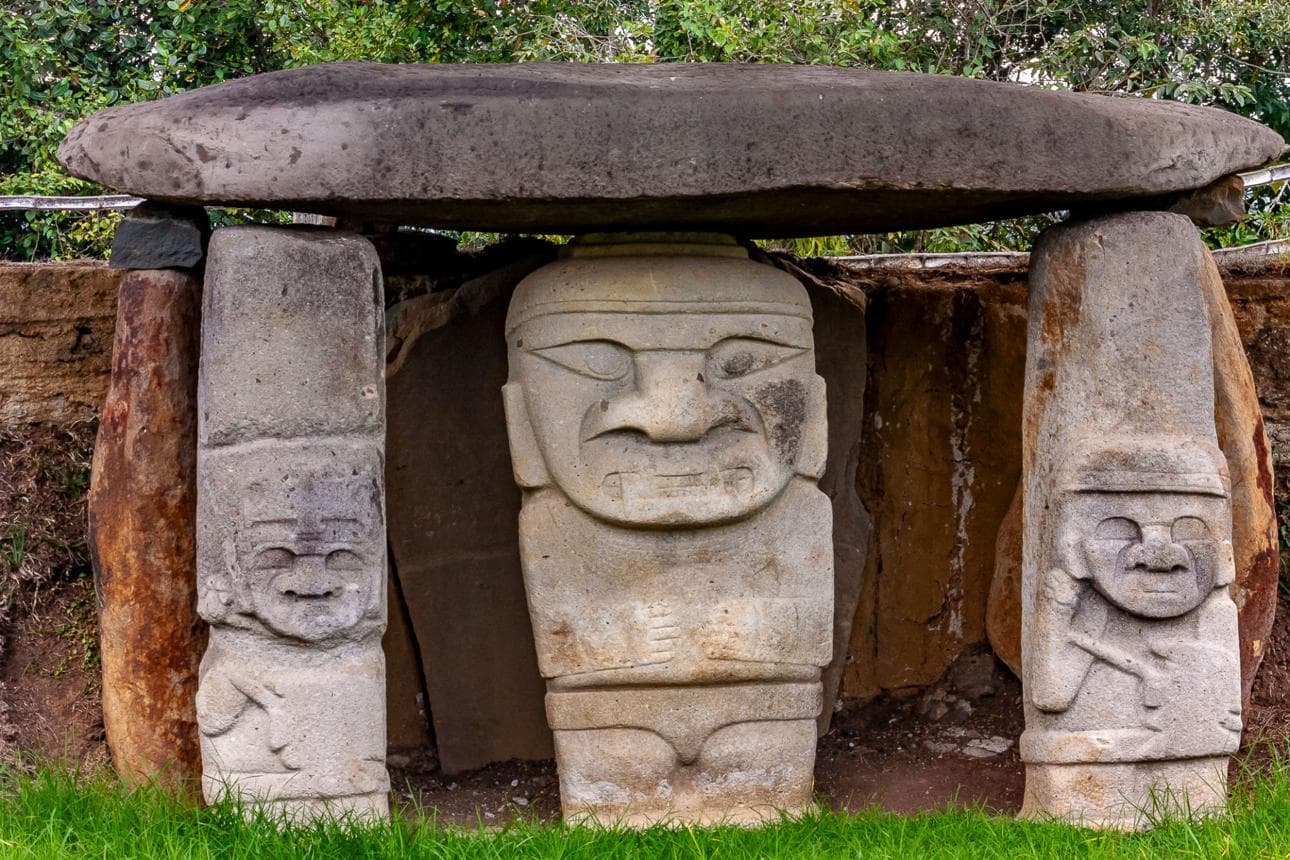
This archaeological landscape is famous for large stone statues, burial monuments and ceremonial sites created by ancient communities.

04

Living Heritage

San Basilio de Palenque

San Basilio de Palenque is known for its history of resistance to slavery and its living Afro-Colombian language, music and cultural traditions.

San Basilio de Palenque

Your turn

What did
you discover?

Things We’ve Learned About Colombia

Colombia is the only South American country with coastlines on both the Caribbean Sea and the Pacific Ocean.

Its capital, Bogotá, lies approximately 2,600 metres above sea level.

Colombia is one of the world's most biodiverse countries.

Student Contribution

🌎 Colombia Student Discoveries

Found a useful website, video, recipe or cultural resource about Colombia? Share it with Fable Culture for staff review.

🌍 Educational🎶 Cultural📚 Reliable👀 Safe for school

Student Contribution

➕ Suggest a Resource

Found a useful website, video, museum, article, or educational resource? Submit it for teacher review.