Take a jaunt through

Ecuador

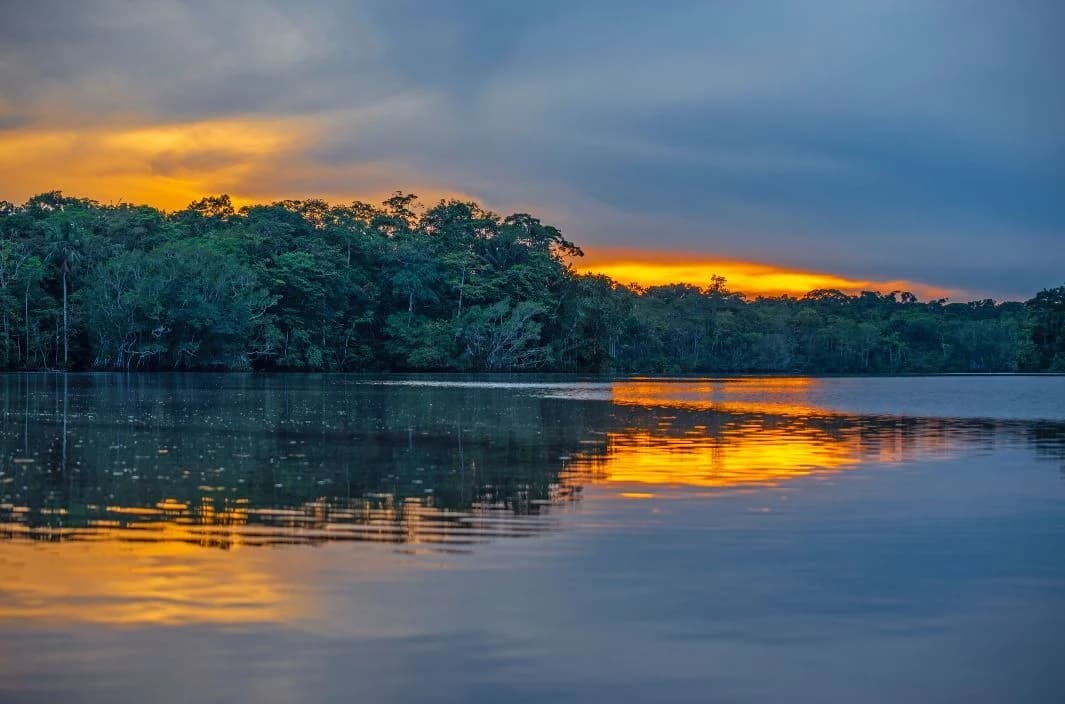
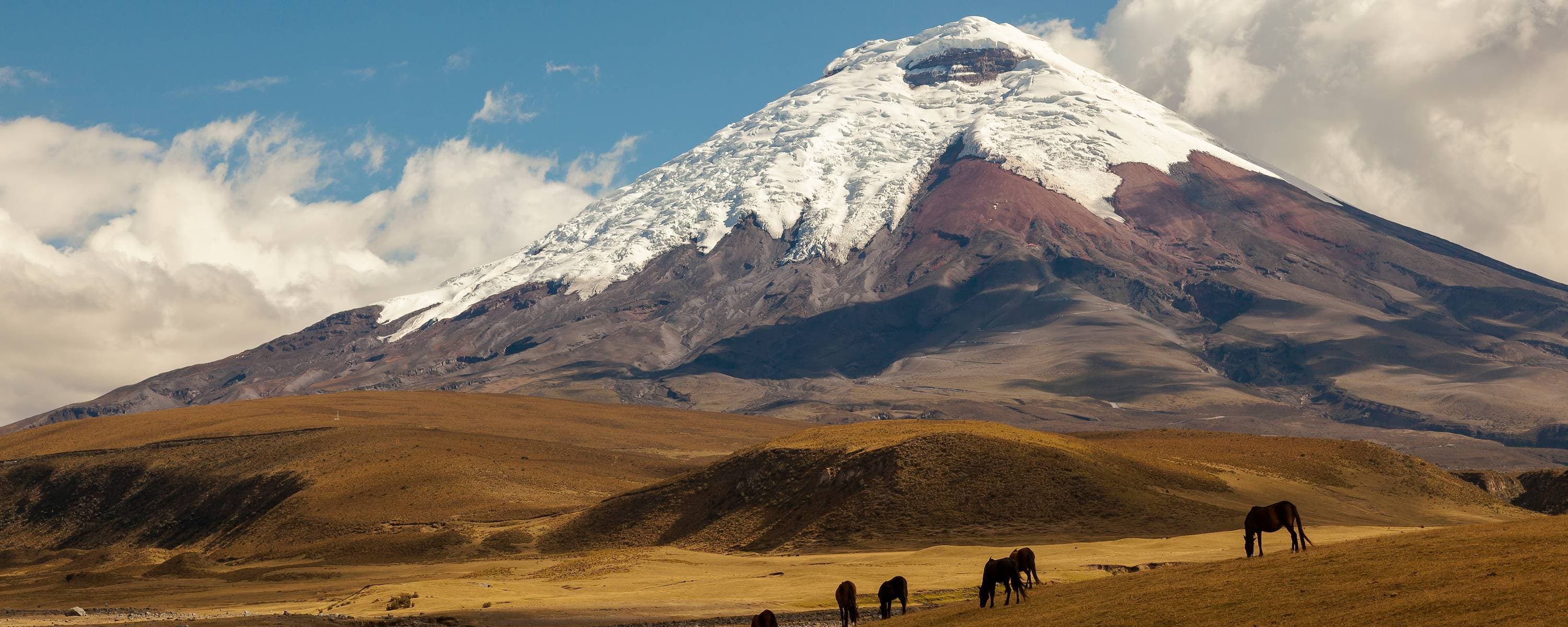
Ecuador may be one of South America's smaller countries, but it contains an extraordinary variety of landscapes and cultures. The Andes run through its centre, the Amazon stretches across the east, the Pacific coast lies to the west and the Galápagos Islands sit far offshore. Indigenous nations, Afro-Ecuadorian communities, Spanish colonial history and distinctive regional traditions all form important parts of modern Ecuador.

Indigenous HistoryAndesAmazonGalápagosAfro-Ecuadorian HeritageIncaCacaoLiving Traditions
Ecuador
GO
01

Capital

Quito

02

Population

About 18 million

03

Languages

Spanish, Kichwa, Shuar, Other Indigenous languages

04

Currency

United States Dollar (USD)

Get your bearings

First,
look around.

People have lived in the territory of modern Ecuador for thousands of years, developing societies along the Pacific coast, in the Andes and throughout the Amazon. Long-distance trade connected different environments, while cultures produced sophisticated ceramics, metalwork, textiles and agricultural systems. During the fifteenth century, the Inca expanded north into Ecuador, but their rule was relatively brief before Spanish conquest began in the 1530s. Colonial rule brought disease, forced labour, Christianity and major changes to Indigenous society, while enslaved Africans and their descendants created important communities, particularly around Esmeraldas. Ecuador became part of the independence struggles led by figures including Antonio José de Sucre and Simón Bolívar before becoming a separate republic in 1830. Since then, struggles over land, political power, Indigenous rights, labour and natural resources have repeatedly shaped the country. Modern Ecuador officially recognises itself as an intercultural and plurinational state and contains some of the most biologically diverse environments on Earth.

Quito

First stop · Capital

Quito

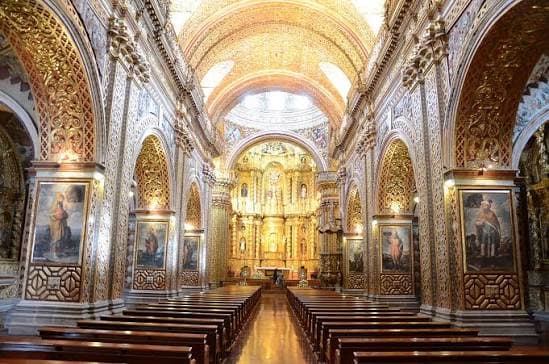
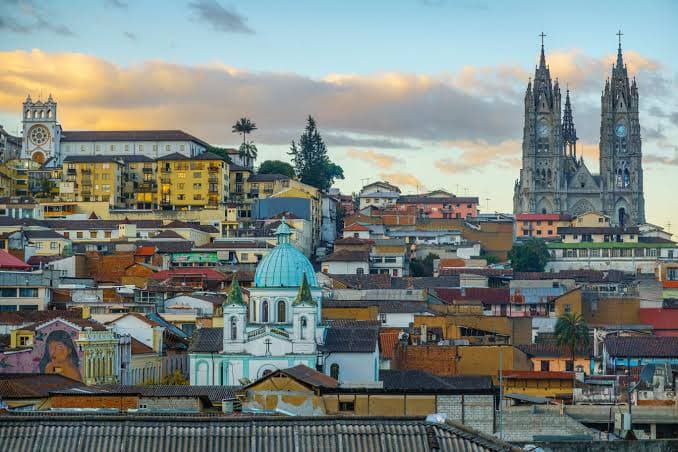
Quito is Ecuador's capital and stands high in the Andes near the slopes of the Pichincha volcano. Indigenous settlements existed in the region before Inca and Spanish rule, while the Spanish established their colonial city in 1534. Quito's historic centre contains churches, monasteries, plazas and architecture where European and Indigenous artistic traditions interacted. In 1978, Quito became one of the first places inscribed on UNESCO's World Heritage List.

Wander a little further

Follow the trail through Ecuador.

Ingapirca

History

Ingapirca

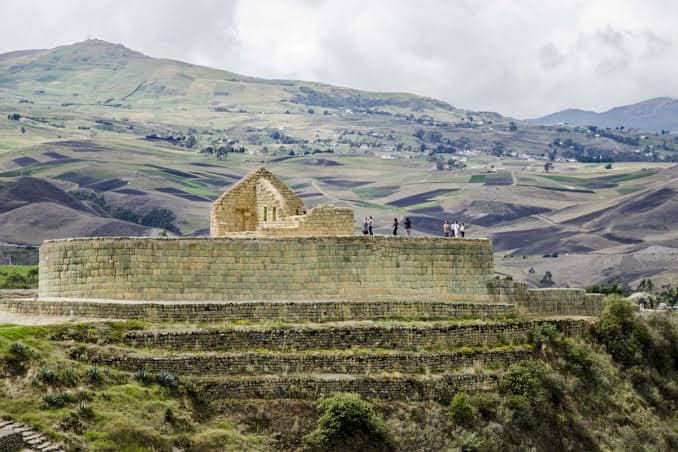
Ingapirca is the best-known Inca archaeological complex in Ecuador. The site was constructed in a region associated with the Cañari people after Inca expansion into the northern Andes. Its buildings demonstrate both Inca influence and interaction with existing local traditions. The distinctive elliptical structure usually called the Temple of the Sun was built from carefully shaped stone fitted together without mortar.
Food

Cacao

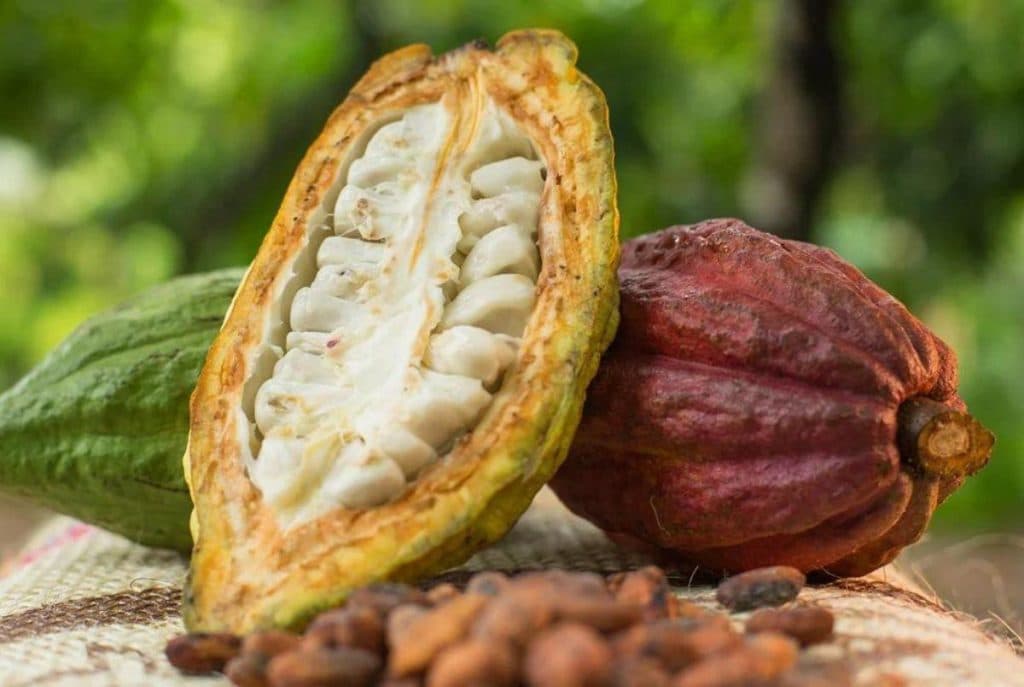
Cacao has an exceptionally long history in Ecuador. Archaeological evidence from the upper Amazon region shows that people were using and cultivating cacao thousands of years ago. Ecuador later became an important exporter of cacao, particularly during the nineteenth and early twentieth centuries. Fine-aroma cacao remains one of the country's internationally recognised agricultural products.

Cacao
Amazon Pink River Dolphin

Wildlife

Amazon Pink River Dolphin

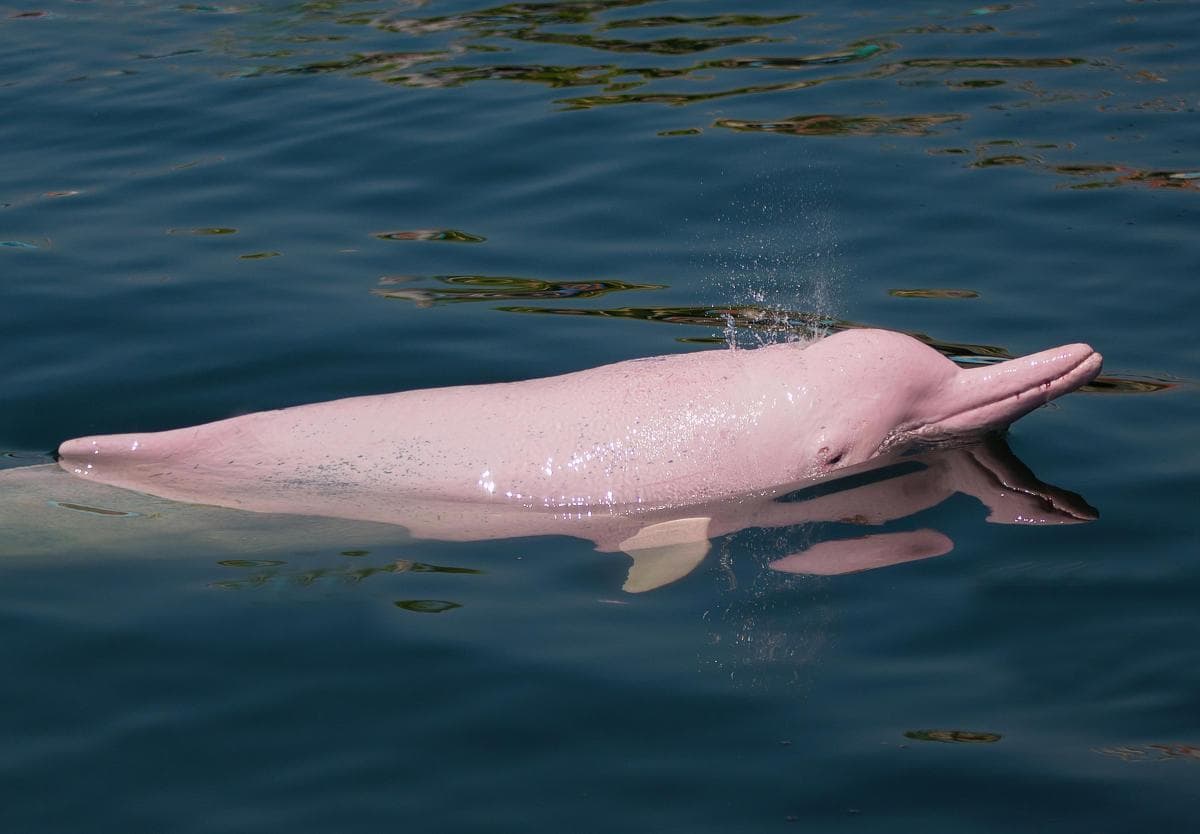
The Amazon river dolphin, sometimes called the pink river dolphin or boto, lives in freshwater rivers and flooded forests across the Amazon Basin, including parts of eastern Ecuador. Unlike ocean dolphins, it has a flexible neck that helps it navigate through submerged trees. Some adults develop a pink colour as they grow older. River dolphins face threats from pollution, fishing activities and damage to their habitats.

Toquilla Straw Hat

Culture · stop and look

Toquilla Straw Hat

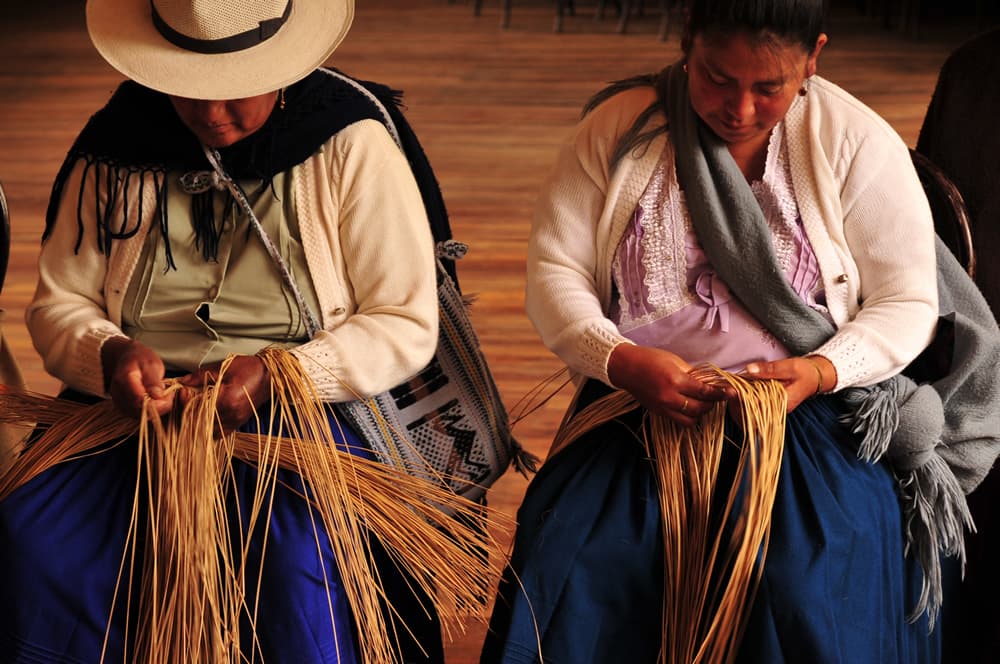
The famous finely woven hat often called a 'Panama hat' actually has deep roots in Ecuador. Artisans weave the hats from fibres of the toquilla palm, particularly in coastal and Andean communities. The finest hats can take months to complete. UNESCO recognises the traditional knowledge and skills involved in Ecuadorian toquilla straw hat weaving as intangible cultural heritage.

Through time

Follow the
story.

Four stops first. Open the rest if you want to travel further.

Thousands of years ago

The First Ecuadorians

People lived in what is now Ecuador thousands of years before European arrival. Communities developed along the Pacific coast, throughout the Andes and within the Amazon rainforest.

c. 3500–1500 BCE

Valdivia Culture

Communities associated with the Valdivia culture lived along Ecuador's Pacific coast. They produced some of the earliest widely known pottery traditions in the Americas and depended on farming, fishing and gathering.

More than 5,000 years ago

Ancient Cacao

Archaeological evidence from southeastern Ecuador indicates that people of the upper Amazon were using cacao thousands of years ago. This has helped reshape understanding of the early history of the plant that eventually became the basis of chocolate.

c. 500 BCE–500 CE

Regional Cultures Flourish

Different societies developed across Ecuador's coast and highlands. Skilled craftspeople produced ceramics, textiles and metalwork, while trade networks connected communities living in very different environments.

Continue the journey ↓

c. 500–1500 CE

Complex Regional Societies

Before Inca expansion, Ecuador contained numerous politically independent societies including the Cañari, Caranqui, Quitu, Manteño and others. Coastal communities participated in long-distance maritime trade while Andean societies developed intensive agriculture.

1400s

Inca Expansion North

Inca armies expanded north from Peru into the territory of modern Ecuador. Conquest was not immediate, and some Indigenous societies resisted Inca control for years.

Student investigation

Late 1400s

🔍 Your Investigation: Inca & Cañari

Investigate the relationship between the Inca and Cañari and use Ingapirca to explore how cultures can influence one another.

→ Who were the Cañari?

→ How did the Inca expand into Ecuador?

→ What can Ingapirca tell us about both cultures?

Early 1500s

An Inca Civil War

Following the death of the Inca ruler Huayna Capac, a struggle developed between his sons Huáscar and Atahualpa. Atahualpa's power base was closely connected with the northern Andes, including the region around Quito.

1532

Atahualpa Captured

Atahualpa defeated Huáscar but was captured shortly afterwards by Spanish forces led by Francisco Pizarro at Cajamarca in present-day Peru. His capture severely disrupted Inca political authority.

1533

Atahualpa is Executed

Despite providing a huge ransom of precious metals, Atahualpa was executed by the Spanish. Spanish forces and their Indigenous allies subsequently expanded their control through the Andes.

1534

Spanish Quito

Spanish forces established the colonial city of San Francisco de Quito. It became an important centre of Spanish government and Christianity in the northern Andes.

1500s

Disease and Colonial Rule

Epidemics of diseases introduced from Europe caused catastrophic population losses among Indigenous peoples. Spanish authorities imposed new systems of government, taxation, religion and labour.

1500s–1700s

Indigenous Labour

Colonial systems required many Indigenous people to provide labour and tribute. Textile workshops known as obrajes became particularly important in the highlands, where workers often experienced harsh conditions.

1500s

Africans Reach Ecuador

Enslaved Africans were brought into Spanish-controlled territories. In the Esmeraldas region, Africans who escaped slavery and their descendants established communities that developed a distinctive Afro-Ecuadorian culture.

1550s onwards

Afro-Ecuadorian Esmeraldas

African-descended communities gained significant autonomy in parts of the northwestern coastal region. Over generations, African, Indigenous and European influences contributed to distinctive cultures including musical traditions centred on the marimba.

1563

Royal Audience of Quito

The Spanish Crown created the Real Audiencia de Quito. Its territory was governed within the wider structures of Spain's American empire and Quito became an important administrative and cultural centre.

1600s–1700s

The Quito School of Art

Artists in colonial Quito developed a distinctive tradition of painting, sculpture and religious art. Indigenous and mestizo artists combined European artistic forms with local techniques, materials and imagery.

1736

Measuring the Equator

A French-led scientific expedition arrived in the region to measure part of the Earth's meridian near the equator. The work contributed to scientific understanding of the Earth's shape.

1809

Quito Challenges Spanish Rule

Political leaders in Quito formed a governing junta during the crisis of the Spanish monarchy. Spanish royalist forces later restored control, but the events became an important part of Ecuador's independence story.

1810

Repression in Quito

A number of independence supporters imprisoned after the 1809 uprising were killed during violence in Quito. Independence movements nevertheless continued to develop.

1820

Guayaquil Declares Independence

Guayaquil declared independence from Spanish rule on 9 October 1820. The city became an important base for military campaigns aimed at liberating the rest of the territory.

Student investigation

1822

🔍 Your Investigation: Battle of Pichincha

Investigate the Battle of Pichincha and why a battle fought on a volcano helped secure Ecuador's independence.

→ Who was Antonio José de Sucre?

→ Why was Quito strategically important?

→ What happened to Ecuador after the victory?

1822

Ecuador Joins Gran Colombia

Following independence from Spain, the territory became part of Gran Colombia, the republic that also included modern Colombia, Venezuela and Panama.

1822

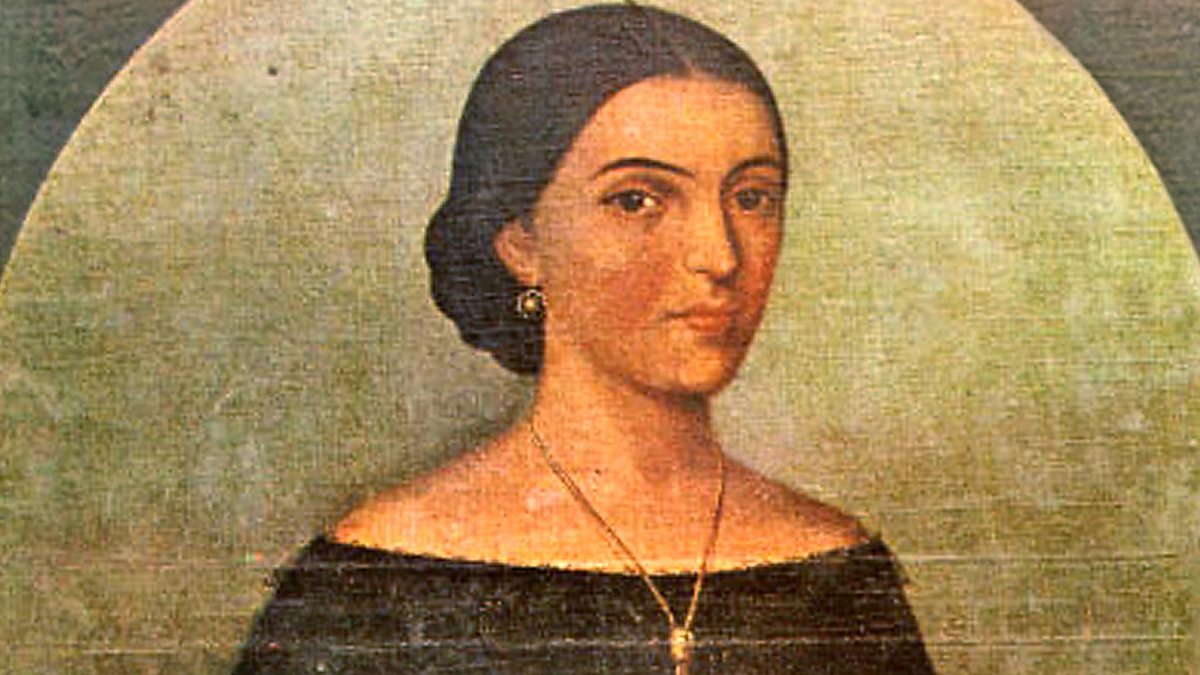
Manuela Sáenz

Quito-born Manuela Sáenz became deeply involved in the South American independence movement. She worked as a political activist and intelligence operative and became closely associated with Simón Bolívar.

1830

The Republic of Ecuador

Gran Colombia broke apart and Ecuador became a separate republic. Quito became its capital.

1832

Galápagos Becomes Part of Ecuador

Ecuador formally took possession of the Galápagos Islands. The remote archipelago had previously been visited by sailors, whalers and pirates.

1835

Charles Darwin Visits Galápagos

Charles Darwin visited the Galápagos during the voyage of HMS Beagle. His observations of differences between animals on different islands later contributed to his thinking about evolution.

1840s–1920s

The Cacao Economy

Ecuador became an important producer and exporter of cacao. Wealth from cacao helped transform Guayaquil and the coastal economy, although plantation labourers often received little of the wealth generated by exports.

1851

Slavery is Abolished

Ecuador abolished slavery under President José María Urbina. Afro-Ecuadorians nevertheless continued to experience discrimination, poverty and unequal access to land and political power.

1895

The Liberal Revolution

A political movement led by Eloy Alfaro took power and introduced major reforms intended to reduce the influence of the Catholic Church over the state and expand secular public institutions.

1908

Railway Across the Andes

The railway connecting Guayaquil with Quito was completed. Crossing steep Andean terrain was an enormous engineering challenge and helped strengthen connections between Ecuador's coast and highlands.

1920s

Indigenous and Workers' Movements

Workers and Indigenous communities increasingly organised around wages, land and working conditions. These movements became important forces in Ecuadorian politics during the twentieth century.

1924

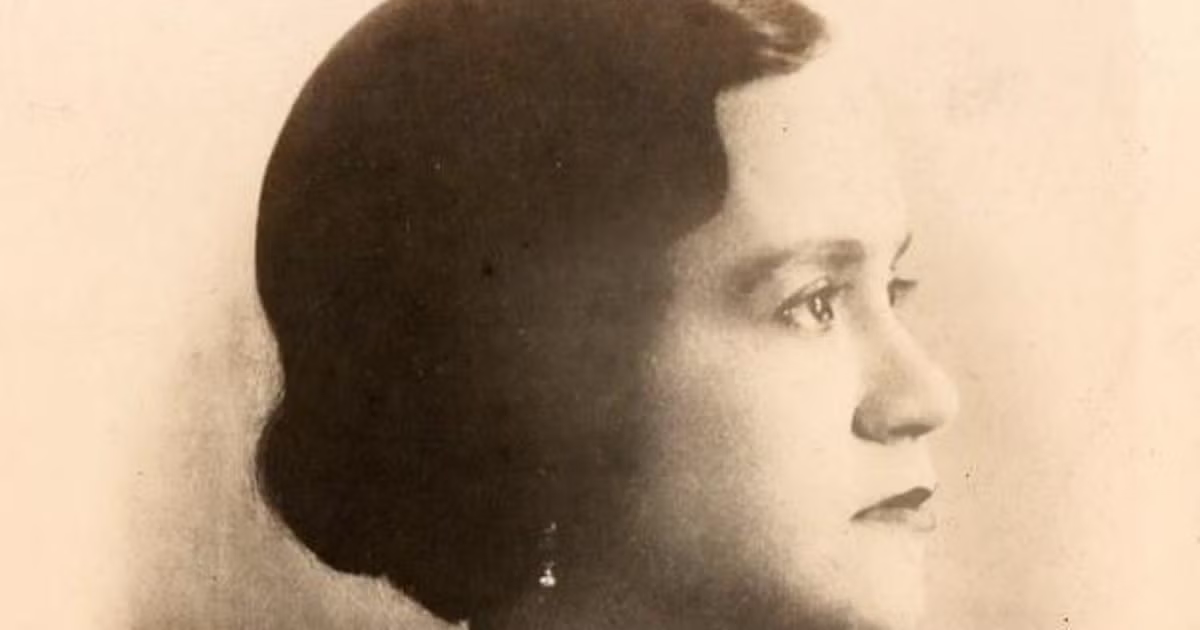
Matilde Hidalgo Votes

Physician and campaigner Matilde Hidalgo became the first woman known to vote in a national election in Ecuador and one of the first women to vote in Latin America. Her challenge helped establish women's voting rights in the country.

1930s–1960s

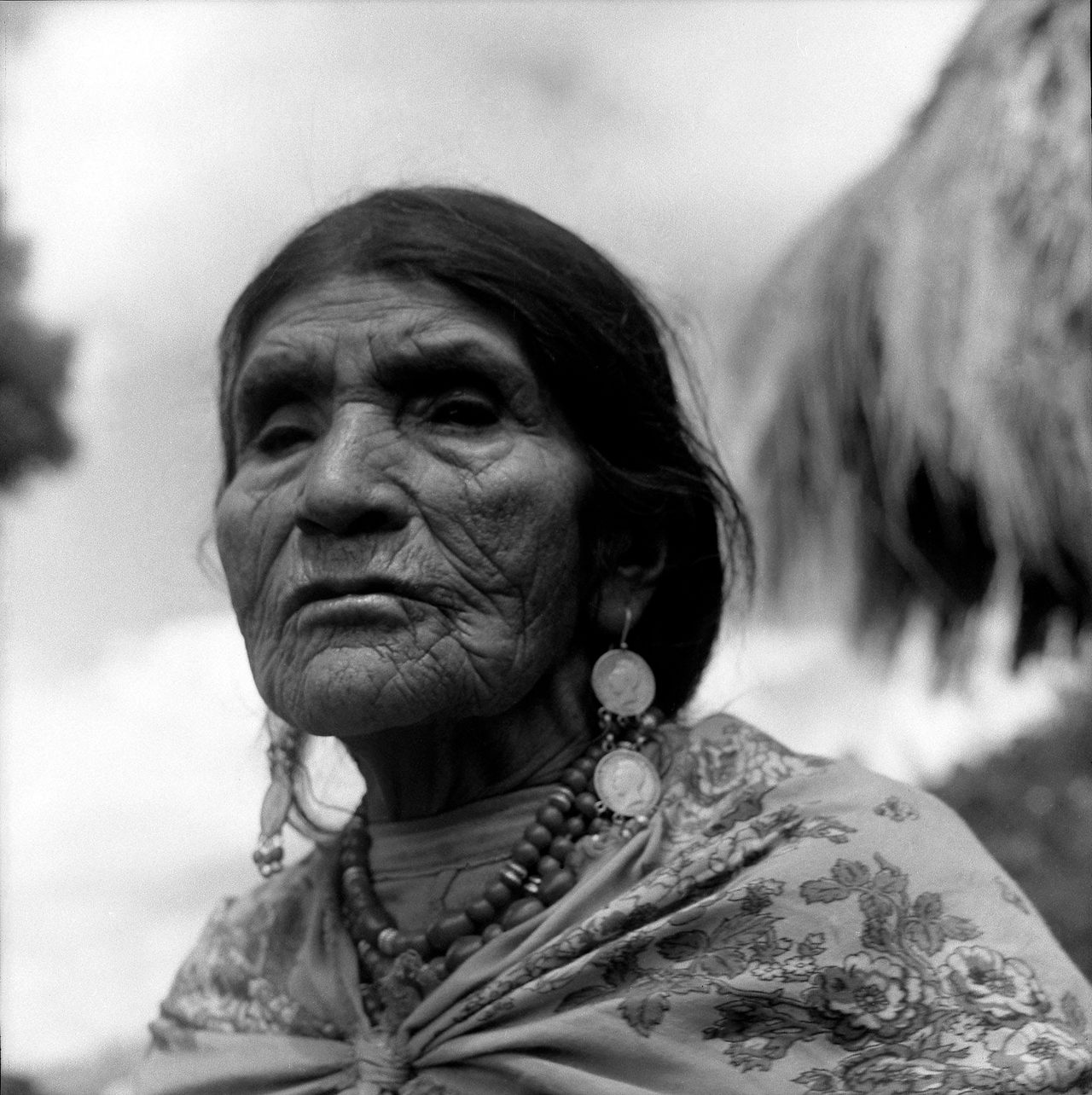
Dolores Cacuango

Kichwa leader Dolores Cacuango became a major campaigner for Indigenous land rights, workers and education. She helped organise Indigenous communities and supported the creation of schools teaching in both Kichwa and Spanish.

1941

War with Peru

Long-running territorial disagreements between Ecuador and Peru contributed to armed conflict in 1941. Border disputes continued for decades afterwards.

1942

Rio Protocol

Ecuador, Peru and international guarantor countries signed the Rio Protocol in an attempt to settle the territorial dispute. Disagreement over parts of the border nevertheless continued.

1964

Agrarian Reform

Land reform attempted to change systems of large estates and dependent agricultural labour. Indigenous organisations continued campaigning for stronger land rights and political representation.

1972–1979

Military Government and Oil

Military governments ruled Ecuador during much of the 1970s as large-scale petroleum exports transformed the national economy. Oil brought major state revenue but also increased environmental and social pressures in the Amazon.

1978

Quito & Galápagos Recognised

Quito and the Galápagos Islands were included among the first twelve properties placed on UNESCO's new World Heritage List.

1979

Democracy Returns

A new constitution came into force and civilian government returned after years of military rule.

1986

CONAIE is Founded

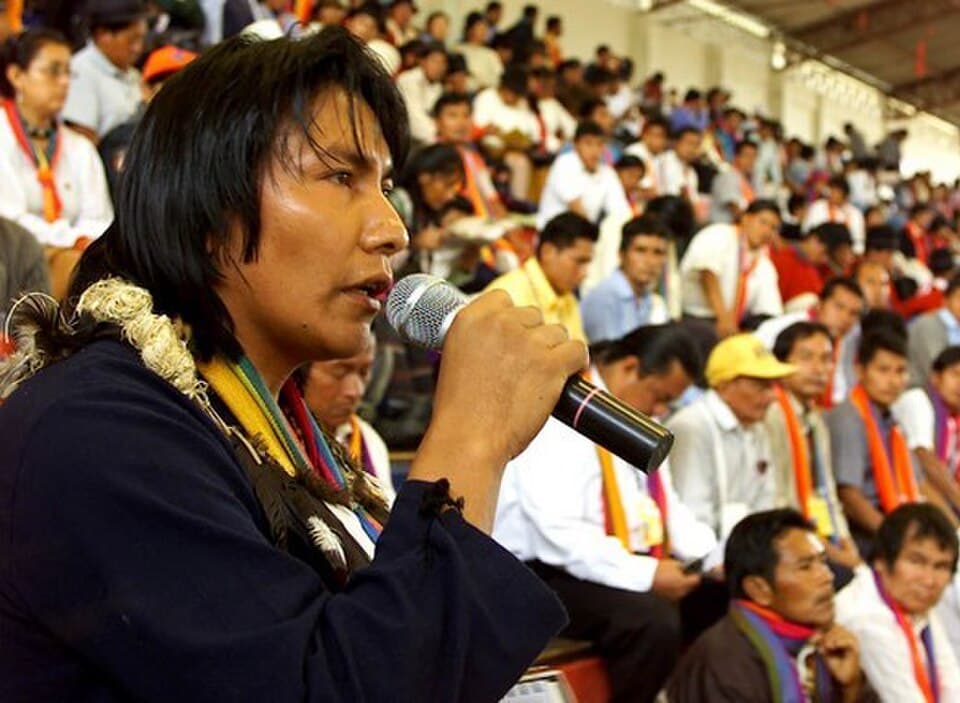
Indigenous organisations came together to establish the Confederation of Indigenous Nationalities of Ecuador, known as CONAIE. It became one of the country's most influential Indigenous political and social organisations.

Student investigation

1990

🔍 Your Investigation: Indigenous Uprising

Investigate Ecuador's 1990 Indigenous uprising and how Indigenous organisations changed national politics.

→ What is CONAIE?

→ What were Indigenous communities demanding?

→ Why was the uprising important for Ecuador's national identity?

1995

Cenepa War

Ecuador and Peru fought a short conflict in the disputed Cenepa Valley. The fighting demonstrated that their long-running border disagreement had still not been fully resolved.

1998

Peace with Peru

Ecuador and Peru signed agreements that formally settled their remaining border dispute, ending a territorial disagreement that had affected relations for generations.

2000

Ecuador Adopts the US Dollar

Following a severe economic and banking crisis, Ecuador replaced the sucre with the United States dollar as its official currency.

2008

A New Constitution

Ecuador adopted a new constitution describing the country as intercultural and plurinational. It expanded recognition of Indigenous peoples and became internationally notable for recognising constitutional rights of nature.

2008

Zápara Heritage Recognised

UNESCO inscribed the oral heritage and cultural manifestations of the Zápara people of Ecuador and Peru on the Representative List of the Intangible Cultural Heritage of Humanity.

2012

Toquilla Weaving Recognised

UNESCO recognised the traditional weaving of the Ecuadorian toquilla straw hat as intangible cultural heritage, highlighting knowledge transmitted through generations of artisan families.

2015

Marimba Heritage Recognised

Marimba music, traditional chants and dances of Esmeraldas in Ecuador and Colombia's South Pacific region were jointly recognised by UNESCO as intangible cultural heritage.

2021

Pasillo Recognised

UNESCO added Ecuadorian pasillo song and poetry to the Representative List of the Intangible Cultural Heritage of Humanity.

Today

Modern Ecuador

Modern Ecuador brings together Andean, Amazonian, Pacific and Galápagos environments and many different cultural identities. Indigenous nations and Afro-Ecuadorian communities remain central to national life, while questions involving natural resources, biodiversity, inequality, political representation and environmental protection continue to shape the country.

Faces along the way

Who
am I?

Study the photograph. Read the clue. Make your guess before revealing the person.

Mystery influential person from Ecuador

Mystery person

Who am I?

01

Your clue

I became an important public figure in my country's story. Who am I?

Mystery influential person from Ecuador

Mystery person

Who am I?

02

Your clue

I became an influential figure in Ecuador. Can you work out who I am?

Mystery influential person from Ecuador

Mystery person

Who am I?

03

Your clue

I became an influential figure in Ecuador. Can you work out who I am?

Mystery influential person from Ecuador

Mystery person

Who am I?

04

Your clue

I became an influential figure in Ecuador. Can you work out who I am?

Look closer

Cultural
spotlights.

Esmeraldas Marimba

Spotlight 01

Esmeraldas Marimba

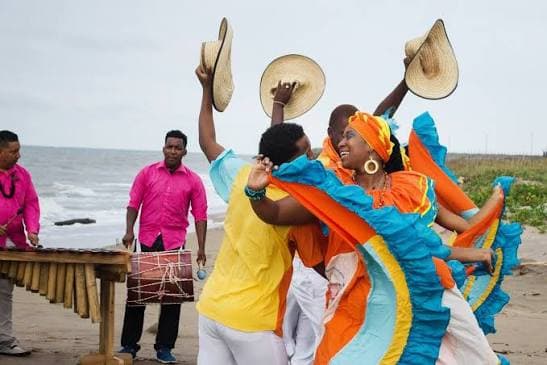
In Ecuador's Esmeraldas province, Afro-Ecuadorian communities maintain musical traditions centred on wooden marimbas, drums, singing and dance. These traditions have deep African roots while developing in the distinctive cultural environment of the Pacific coast. Music accompanies celebrations and community events and is passed between generations through participation and performance.

Toquilla Straw Hat Weaving

Spotlight 02

Toquilla Straw Hat Weaving

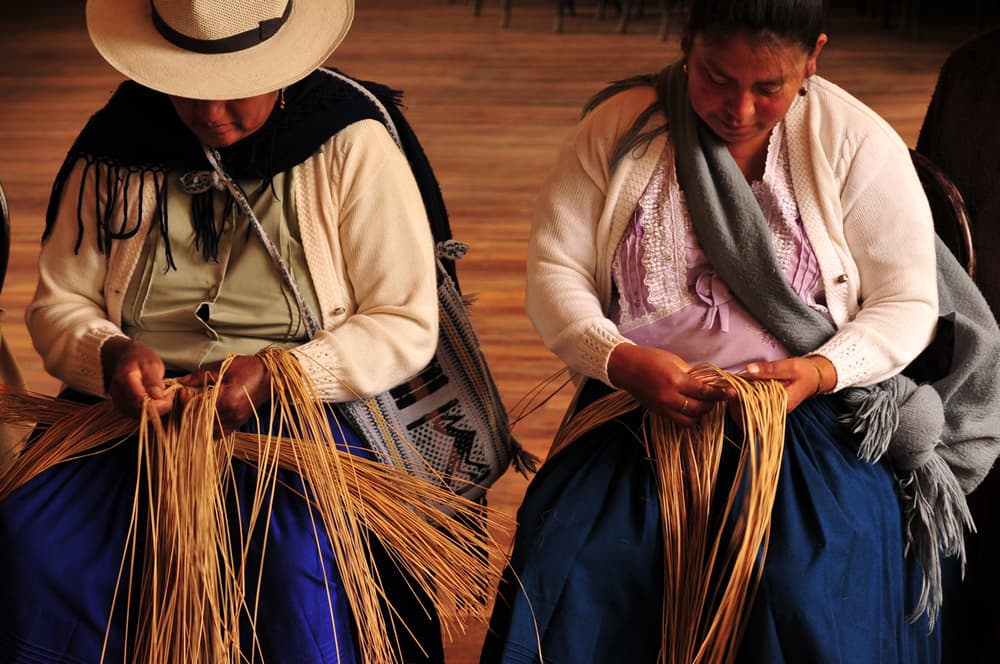
Toquilla hats are woven from fibres taken from a palm native to Ecuador's coast. Farmers prepare the plant fibres before skilled artisans weave the crown and brim by hand. Depending on its fineness, a single hat can take from a day to many months to produce. Although internationally nicknamed the 'Panama hat', the weaving tradition is Ecuadorian and is passed through generations of artisan families.

Pasillo Music

Spotlight 03

Pasillo Music

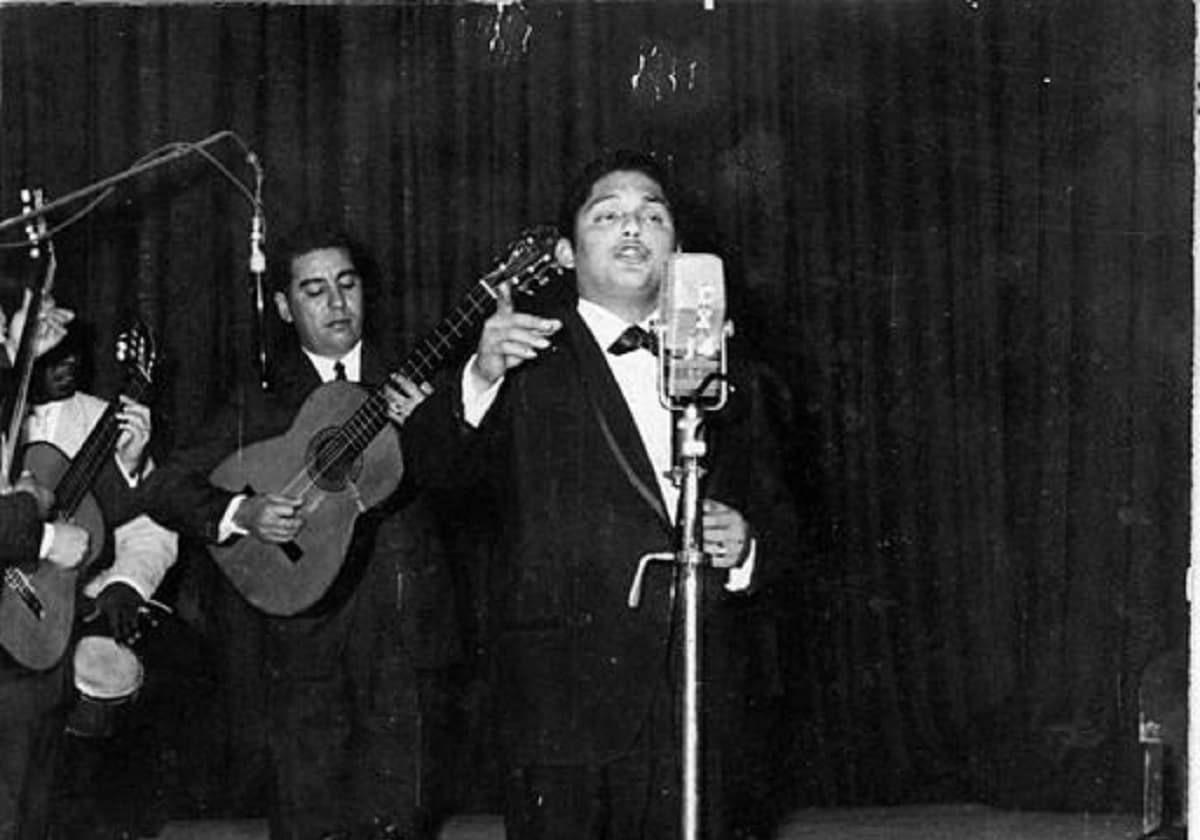
Pasillo is an important Ecuadorian musical and poetic tradition. Songs are commonly performed with guitars and other stringed instruments and often explore love, memory, landscape, family and national identity. Different regional styles developed over time, and pasillo became deeply connected with Ecuadorian ideas of identity and belonging.

Zápara Oral Heritage

Spotlight 04

Zápara Oral Heritage

The Zápara people live in the Amazon region spanning Ecuador and Peru. Their oral heritage contains detailed knowledge of rainforest plants, animals and medicinal practices alongside stories, rituals and spiritual traditions. The Zápara language is itself an important store of this knowledge. UNESCO recognition has highlighted both the richness of this heritage and the serious threats facing its continued transmission.

One more wander

Places worth
stopping for.

Historic Centre of Quito
01

History & Architecture

Historic Centre of Quito

Quito's historic centre sits high in the Andes beneath the Pichincha volcano. Churches, monasteries, plazas and colonial buildings preserve the work of European, Indigenous and mestizo architects and artists. The famous Quito School developed a distinctive artistic tradition combining influences from different cultures. Quito was one of the first twelve properties inscribed on UNESCO's World Heritage List in 1978.

02

Pre-Inca Archaeology

Cochasquí Archaeological Park

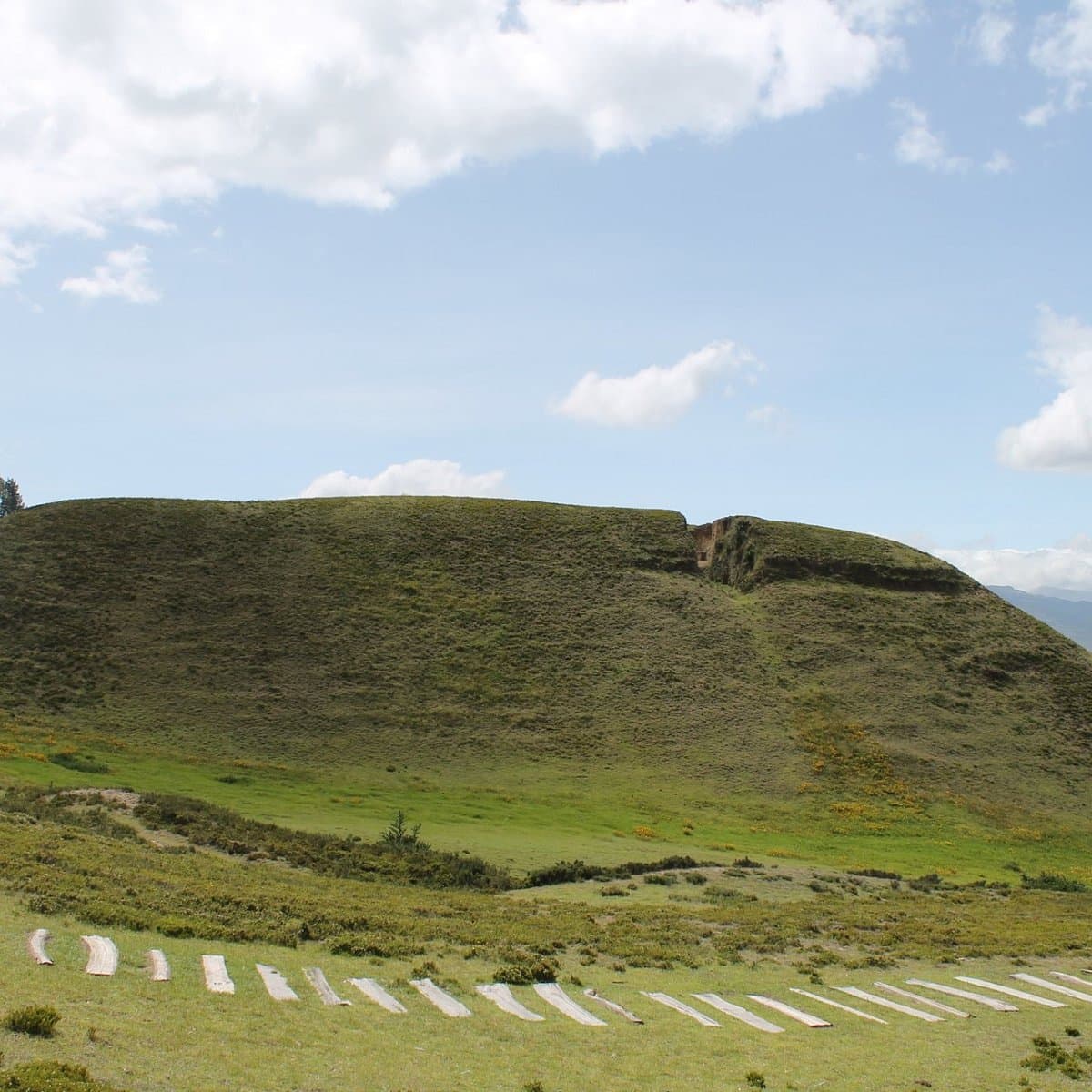
Cochasquí is an archaeological site north of Quito associated with the pre-Inca societies of the northern Ecuadorian Andes. It contains earthen pyramids and burial mounds, offering evidence of the region's history before and during Inca expansion.

Cochasquí Archaeological Park
Galápagos Islands
03

Evolution & Wildlife

Galápagos Islands

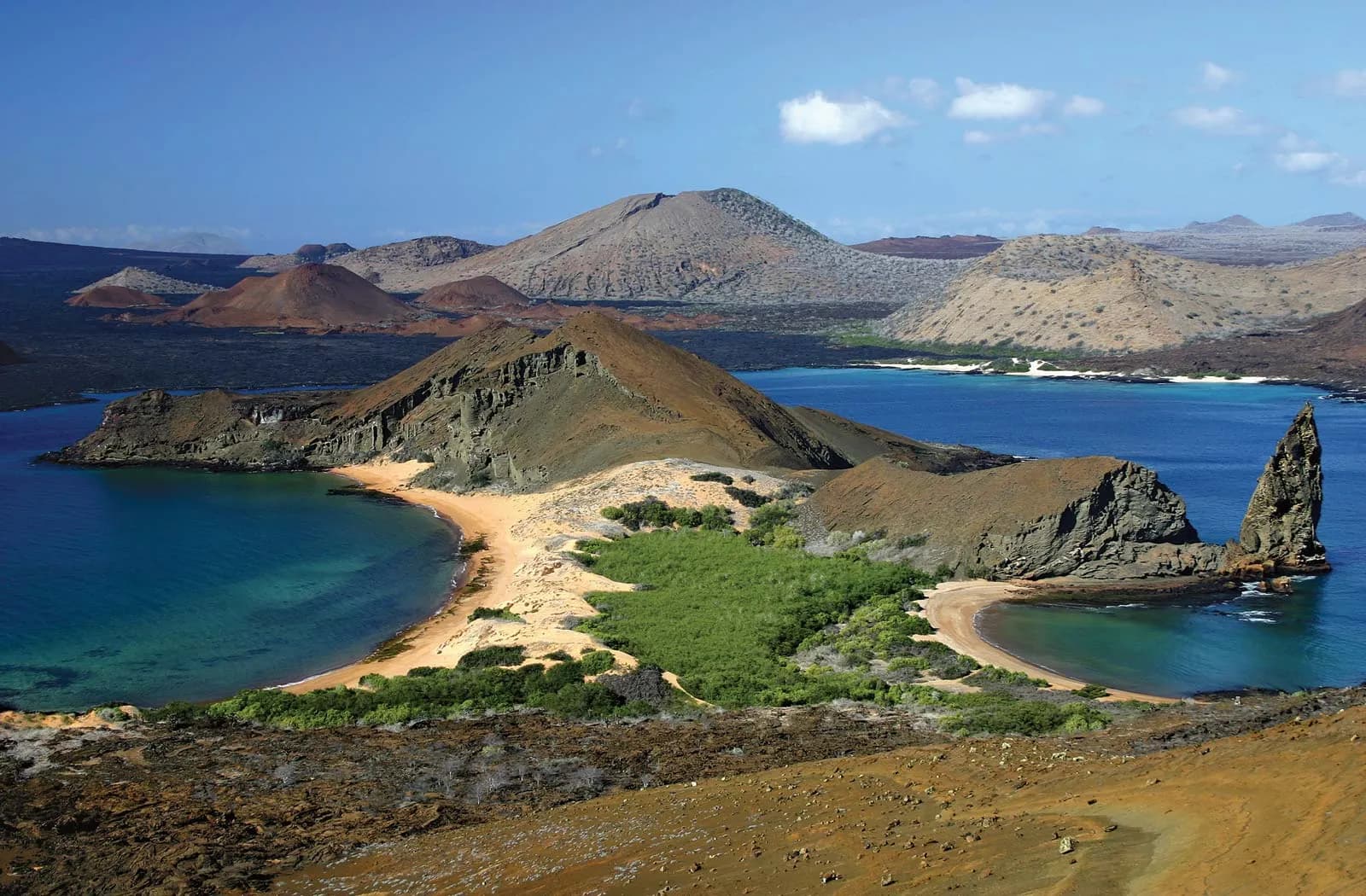
The Galápagos are a chain of volcanic islands isolated in the Pacific Ocean. Giant tortoises, marine iguanas, sea lions, penguins and distinctive birds evolved in environments separated from mainland South America. The islands became internationally important to the history of evolutionary science and today remain one of the world's most famous conservation areas.

04

Amazon Rainforest

Yasuní

Yasuní National Park lies in Ecuador's Amazon region and protects an extraordinary concentration of plants and animals. The wider region is also home to Indigenous peoples including Waorani communities and Indigenous groups living in voluntary isolation. Oil reserves beneath parts of the forest have made Yasuní a major focus of debate about Indigenous rights, conservation and natural-resource extraction.

Yasuní

Your turn

What did
you discover?

Things We’ve Learned About Ecuador

Ecuador takes its name from the equator, which passes through the country.

Quito stands roughly 2,850 metres above sea level, making it one of the world's highest national capitals.

Quito and the Galápagos Islands were among the first twelve properties inscribed on UNESCO's World Heritage List in 1978.

Student Contribution

🌎 Ecuador Student Discoveries

Found a useful website, video, recipe or cultural resource about Ecuador? Share it with Fable Culture for staff review.

🌍 Educational🎶 Cultural📚 Reliable👀 Safe for school

Student Contribution

➕ Suggest a Resource

Found a useful website, video, museum, article, or educational resource? Submit it for teacher review.