Take a jaunt through

Guyana

Guyana lies on South America's northern Atlantic coast but has especially strong historical and cultural connections with the Caribbean. It is the only sovereign country in South America where English is the official language. Much of Guyana is covered by rainforest, rivers and savannah, while its population reflects Indigenous, African, Indian, European, Chinese and Portuguese histories.

Indigenous HistoryCaribbean ConnectionsSlavery & ResistanceIndentureRainforestIndependenceCultural DiversityRivers & Savannah
Guyana
GO
01

Capital

Georgetown

02

Population

About 800,000

03

Languages

English, Guyanese Creole, Indigenous languages

04

Currency

Guyanese Dollar (GYD)

Get your bearings

First,
look around.

The lands now called Guyana have been home to Indigenous peoples for thousands of years. Communities including Lokono, Kalinago, Wapichan, Makushi, Patamona, Wai Wai and others developed societies connected to the rivers, forests, savannahs and coast. European colonisation began with Dutch settlements and plantation colonies before Britain gained lasting control in the early nineteenth century. Enslaved Africans were forced to work on plantations, but resistance was constant and included the major Berbice uprising led by Cuffy in 1763 and the Demerara rebellion of 1823. After emancipation, colonial plantation owners brought large numbers of indentured workers from India, as well as migrants from other parts of the world. Guyana became independent in 1966 and a republic in 1970. Modern Guyana combines South American geography with powerful Caribbean cultural connections, while its enormous forests and more recent development of offshore oil have placed questions about natural resources and the environment at the centre of its future.

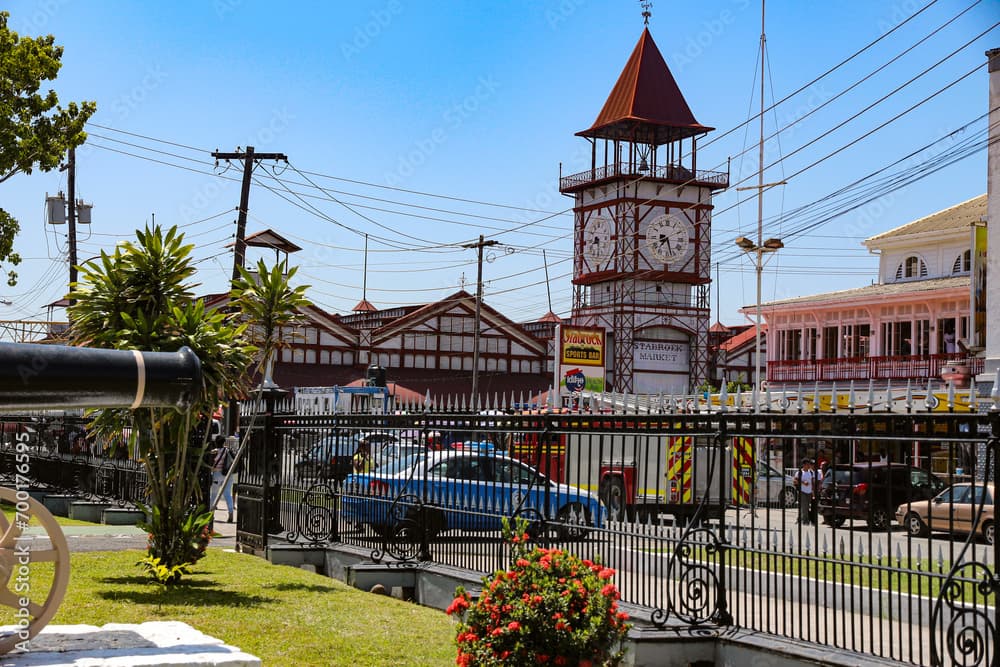
Georgetown

First stop ยท Capital

Georgetown

Georgetown is Guyana's capital and largest city, standing on the low Atlantic coastal plain beside the Demerara River. Much of the city lies close to or below high-tide level, so canals, sluices and sea defences are essential to controlling water. Its urban landscape reflects Dutch approaches to drainage alongside later British colonial architecture, including distinctive wooden buildings.

Wander a little further

Follow the trail through Guyana.

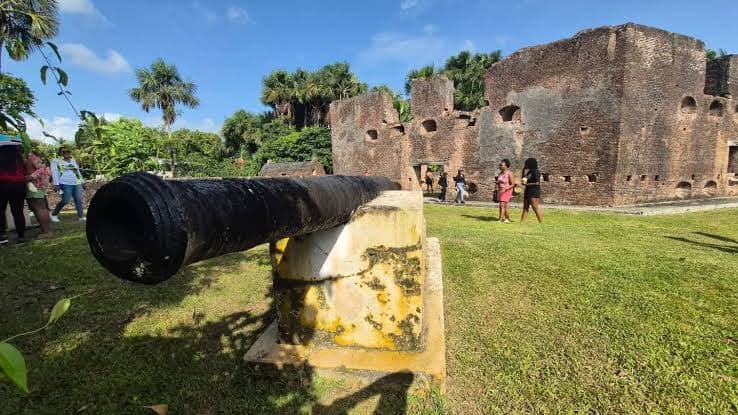
Dutch & British Guiana

History

Dutch & British Guiana

Before becoming an independent country, the region passed through different periods of European colonial rule. Dutch colonies developed along rivers including the Essequibo, Berbice and Demerara before Britain gained lasting control. In 1831 the colonies were combined as British Guiana. Plantation agriculture created enormous wealth for colonial owners but depended first on enslaved African labour and later heavily on indentured workers.
Food

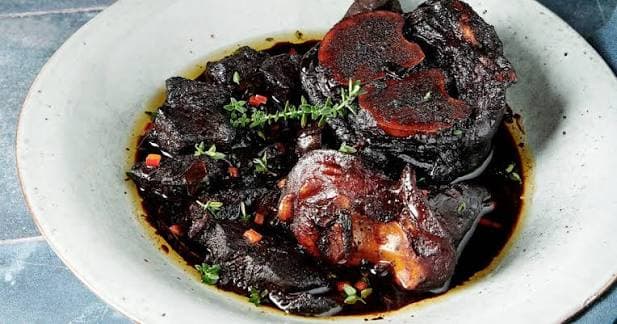
Pepperpot & Cassareep

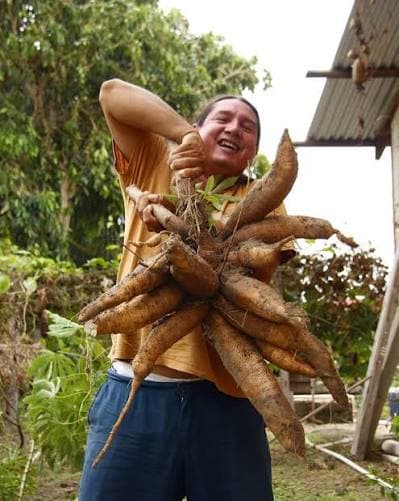
Pepperpot is one of Guyana's best-known dishes and has Indigenous roots. Meat is slowly cooked with spices and cassareep, a dark liquid traditionally produced from processed bitter cassava. Cassava has been cultivated by Indigenous peoples of the Guianas for generations, and the techniques needed to safely process bitter cassava demonstrate detailed knowledge passed between generations.

Pepperpot & Cassareep
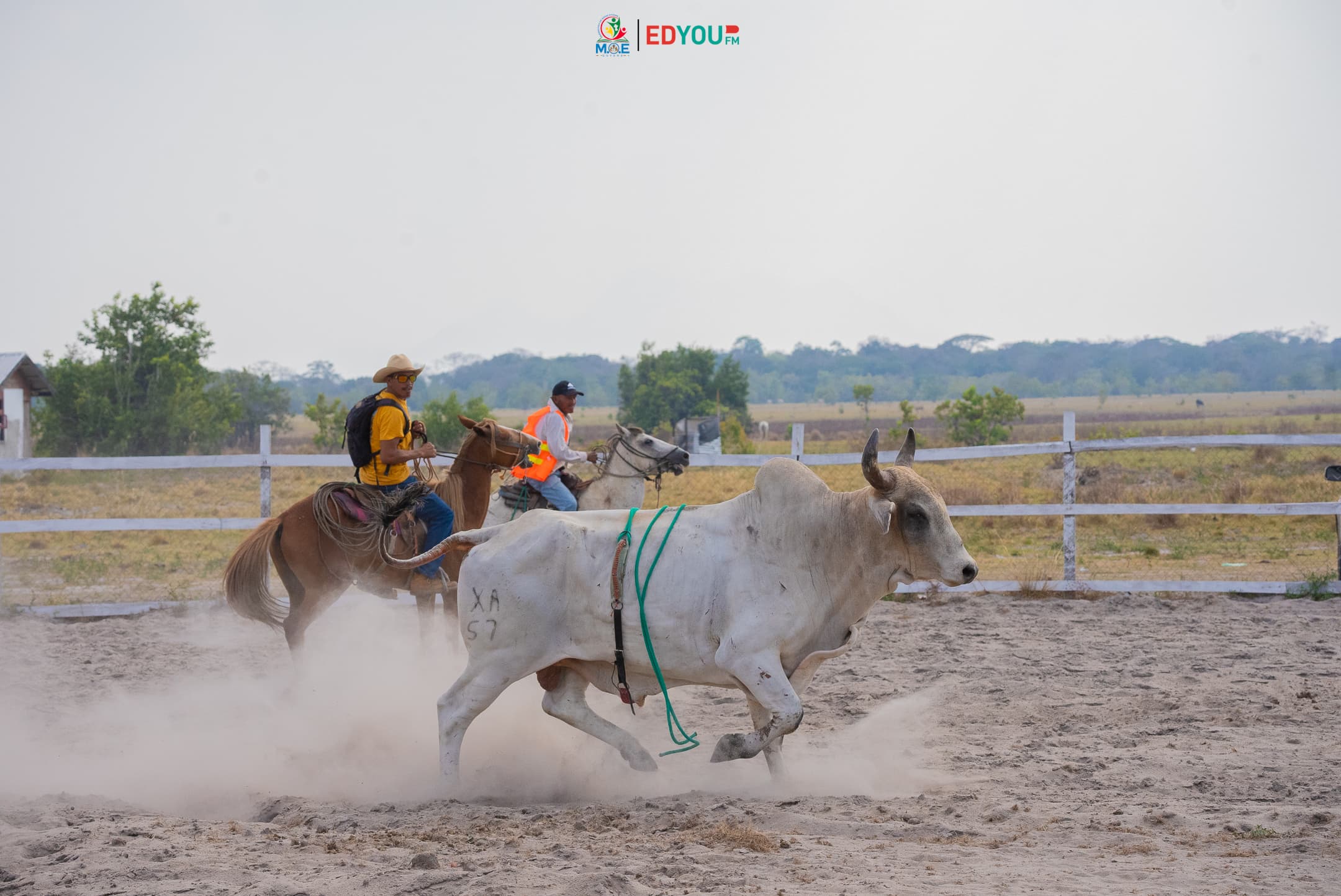
Ranching in the Rupununi

Wildlife

Ranching in the Rupununi

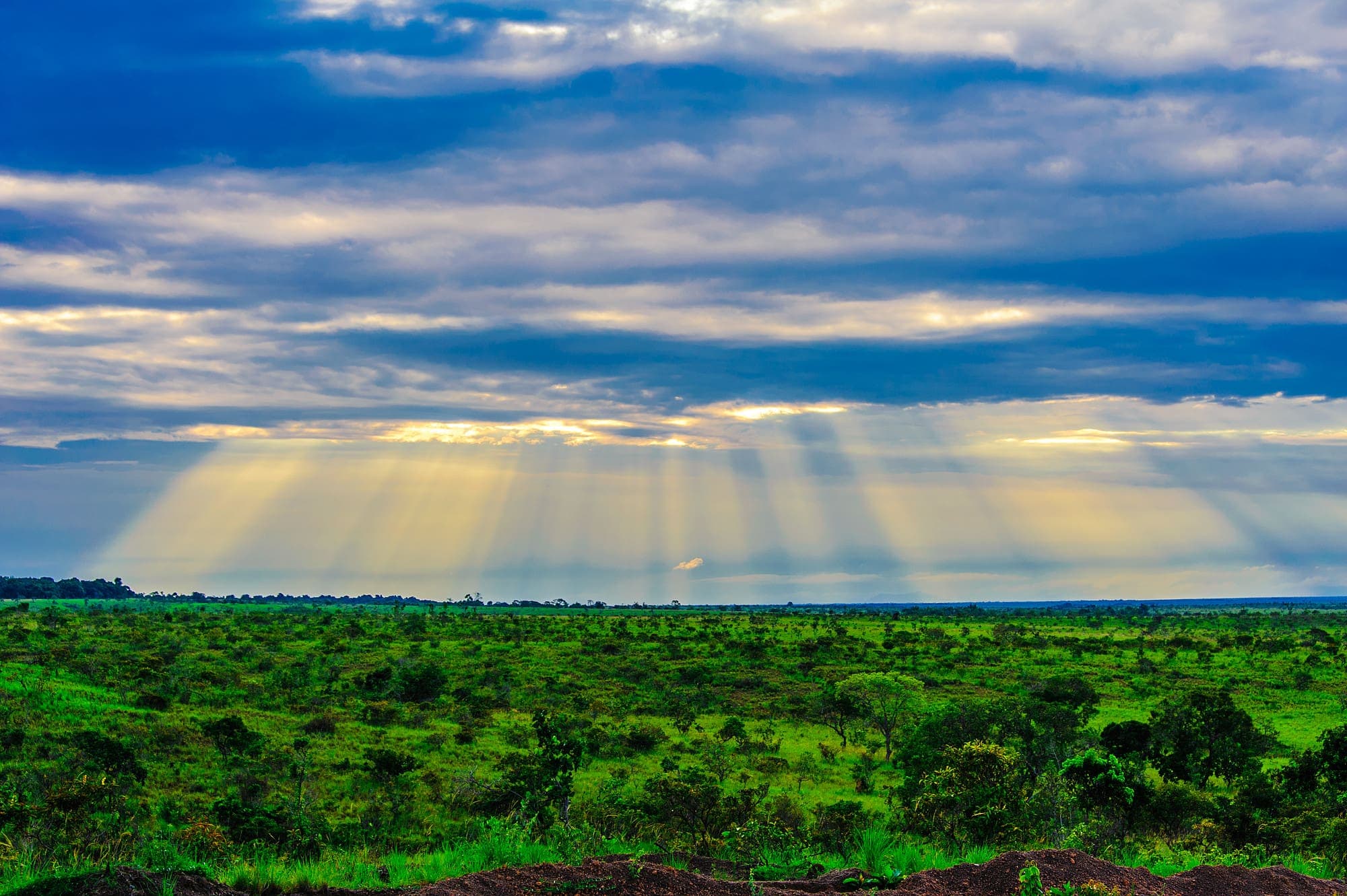
The Rupununi savannahs of southern Guyana have a long history of cattle ranching. Ranching communities live alongside Indigenous Makushi and Wapichan communities, whose connections to the landscape reach back much further. The region is also important for wildlife and conservation.

Guyanese Creole Language

Culture ยท stop and look

Guyanese Creole Language

English is Guyana's official language, but many people also speak Guyanese Creole, often called Creolese. It developed through contact between different languages during the country's colonial history, especially in communities affected by slavery. Creolese has its own vocabulary, grammar and expressions and is an important part of everyday conversation, storytelling, humour and Guyanese identity.

Through time

Follow the
story.

Four stops first. Open the rest if you want to travel further.

Thousands of years ago

Indigenous Guyana

Indigenous peoples lived across the forests, rivers, coast and savannahs of the Guiana region for thousands of years before European colonisation. Communities developed extensive knowledge of plants, animals, waterways and different environments.

Before European colonisation

Many Indigenous Nations

The region was home to different Indigenous peoples with their own languages and traditions. Indigenous nations living in modern Guyana include Lokono, Kalinago, Warao, Patamona, Makushi, Wapichan, Wai Wai, Akawaio and Arekuna communities.

Ancient Guyana

Cassava Knowledge

Cassava became a crucial food across the Guianas. Indigenous communities developed sophisticated methods for processing bitter cassava, which naturally contains substances that must be removed before it can be safely eaten.

1499

European Exploration

Spanish navigator Alonso de Ojeda explored parts of the Guiana coastline. Spain claimed large areas but established relatively little permanent control in the region that became Guyana.

Continue the journey โ†“

1600s

Dutch Colonies Develop

Dutch traders and colonists established settlements and plantations along major rivers. Colonies developed around Essequibo, Berbice and later Demerara.

1600sโ€“1700s

Plantation Economy

Dutch colonists expanded plantations producing crops including sugar and coffee. Enslaved Africans were forcibly transported across the Atlantic and made to perform much of the plantation labour.

1600sโ€“1700s

Indigenous-European Trade

Relationships between Indigenous communities and European colonists varied between trade, alliance, negotiation and conflict. Indigenous knowledge of rivers and the interior was extremely important to Europeans attempting to operate in the region.

Student investigation

1763

๐Ÿ” Your Investigation: The Berbice Rebellion

Investigate the Berbice rebellion and why Cuffy became one of Guyana's most important national figures.

โ†’ What conditions did enslaved people face on the plantations?

โ†’ Who was Cuffy?

โ†’ How close did the rebellion come to taking control of Berbice?

1763โ€“1764

Cuffy and the Rebels

Thousands of enslaved Africans joined the Berbice uprising. Rebel forces captured plantations and controlled large areas before divisions within the rebellion and reinforcements for the Dutch helped colonial forces regain control.

1781โ€“1814

Colonial Control Changes

The colonies changed hands several times during conflicts involving European powers. British forces increasingly took control of the Dutch colonies during the revolutionary and Napoleonic wars.

1814

British Control Confirmed

The Netherlands formally transferred Essequibo, Demerara and Berbice to Britain. British colonial rule then shaped the region for more than 150 years.

Student investigation

1823

๐Ÿ” Your Investigation: The Demerara Rebellion

Investigate the Demerara rebellion and how it affected the wider campaign against slavery in the British Empire.

โ†’ Who was Quamina?

โ†’ What were the rebels demanding?

โ†’ How did British abolitionists respond to news of the rebellion?

1823

Quamina

Quamina attempted to organise resistance while urging that widespread killing be avoided. Colonial forces violently suppressed the rebellion. Quamina was killed and many other participants were executed.

1831

British Guiana

Britain combined the colonies of Demerara-Essequibo and Berbice to form British Guiana. Georgetown, then developing from the earlier settlement of Stabroek, became its capital.

1834

Slavery is Legally Abolished

Slavery was abolished across most of the British Empire. Formerly enslaved people initially entered an apprenticeship system that continued to restrict their freedom.

1838

Full Emancipation

The apprenticeship system ended. Many Afro-Guyanese people left plantation labour and established independent villages, sometimes purchasing former plantation land collectively.

1838

Indian Indentured Workers Arrive

The first indentured workers from India arrived in British Guiana. Plantation owners increasingly used indentured labour after emancipation to maintain the sugar industry.

Student investigation

1838โ€“1917

๐Ÿ” Your Investigation: Indian Indenture

Investigate the indenture system and compare it carefully with slavery.

โ†’ Why did plantation owners recruit workers from India after emancipation?

โ†’ What did an indenture contract require?

โ†’ Which parts of modern Guyanese culture reflect Indo-Guyanese heritage?

1800s

A Diverse Colony

Alongside African and Indian communities, migrants arrived from places including Madeira, China and other Caribbean territories. Guyana developed into an exceptionally diverse society with different religions, languages, foods and cultural traditions.

1840s onwards

The Village Movement

Formerly enslaved Afro-Guyanese families pooled resources to purchase plantation land and establish independent villages. The movement created communities outside direct plantation control and became an important part of post-emancipation society.

1860sโ€“1900s

Georgetown Expands

Georgetown developed into the colony's administrative and commercial centre. Canals, wooden buildings, markets, churches and government institutions shaped a city adapted to its extremely low-lying coastal environment.

1889

Georgetown City Hall

Georgetown's wooden City Hall was completed in the late nineteenth century. Its elaborate Gothic Revival design became one of the capital's most distinctive historic buildings.

1917

Indian Indenture Ends

The system of Indian indentured migration was formally ended. Indo-Guyanese communities were by then permanently established and became central to the country's agriculture, politics, religion, food and culture.

1928

A New Colonial Constitution

Britain introduced a new constitution that increased direct colonial control over British Guiana. Demands for political representation and workers' rights continued to grow.

1930sโ€“1940s

Workers Organise

Trade unions and political organisations grew as sugar workers, dock workers and other labourers demanded improved wages, conditions and political rights.

1948

Enmore Martyrs

Police fired on striking sugar workers at Enmore, killing five men. Their deaths became an important symbol of Guyana's labour movement and the struggle for political change.

1950

People's Progressive Party

Cheddi Jagan, Janet Jagan, Forbes Burnham and others helped establish the People's Progressive Party, which campaigned for workers' interests, greater self-government and independence.

1953

Elections and British Intervention

The People's Progressive Party won elections held under a new constitution. Britain suspended the constitution only months later and sent troops, citing concerns about the government's political direction during the Cold War.

1950sโ€“1960s

Political Division

Political rivalry increasingly developed between movements associated with Cheddi Jagan and Forbes Burnham. Political competition became intertwined with ethnic tensions between sections of the Indo-Guyanese and Afro-Guyanese populations.

1962โ€“1964

Violence and Unrest

Strikes, political demonstrations and communal violence caused deaths and displacement during the final years before independence. Cold War politics also influenced international involvement in British Guiana.

Student investigation

1966

๐Ÿ” Your Investigation: Guyanese Independence

Investigate Guyana's journey to independence and the political leaders who shaped the new country.

โ†’ Who were Cheddi Jagan and Forbes Burnham?

โ†’ Why was British Guiana important during the Cold War?

โ†’ What changed when Guyana became independent?

1966

Guyana Becomes Independent

Guyana became an independent state within the Commonwealth with Forbes Burnham as prime minister. The new country's name came from an Indigenous term commonly interpreted as referring to a land of many waters.

1970

The Co-operative Republic

Guyana became a republic and adopted the official name Co-operative Republic of Guyana. Arthur Chung became the country's first president.

1970s

State Control of the Economy

The government expanded state ownership across major parts of the economy, including the sugar and bauxite industries. Burnham's government promoted a programme described as cooperative socialism.

1978

Jonestown

More than 900 members of the US-based Peoples Temple movement and others died at the remote Jonestown settlement in northwestern Guyana. Although the community was established by an American religious movement, the tragedy made the name Guyana internationally known for reasons largely unrelated to Guyanese society itself.

1980

Walter Rodney is Killed

Historian and political activist Walter Rodney was killed by an explosive device in Georgetown. Rodney had become a prominent critic of the government and remains one of Guyana's most internationally influential intellectual figures.

1985

Desmond Hoyte Becomes President

Desmond Hoyte became president following the death of Forbes Burnham. His government gradually moved away from some earlier state-controlled economic policies.

1992

Cheddi Jagan Elected President

Cheddi Jagan became president after elections observed internationally as part of Guyana's return to more competitive electoral politics.

2000s

Forest Conservation

Guyana became increasingly involved in international programmes exploring how protecting forests could support both climate goals and economic development. Most of the country's territory remains forested.

2015

Major Offshore Oil Discovery

A major petroleum discovery was announced in waters off Guyana's Atlantic coast. Further discoveries followed, transforming expectations for the country's economy.

2019

Oil Production Begins

Commercial offshore oil production began, rapidly creating a new source of national revenue and making management of petroleum wealth an important issue for Guyana's future.

Today

Modern Guyana

Guyana is an English-speaking South American republic with strong Caribbean connections. Indigenous, Afro-Guyanese, Indo-Guyanese, mixed and other communities contribute to an exceptionally diverse culture, while rainforest conservation, development, inequality and management of natural resources remain major national questions.

Faces along the way

Who
am I?

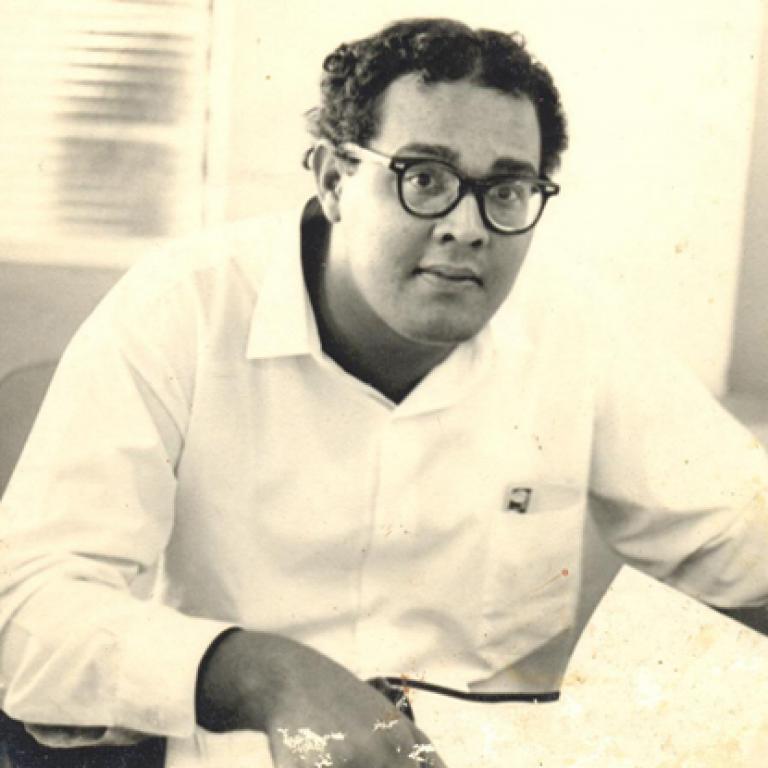
Study the photograph. Read the clue. Make your guess before revealing the person.

Mystery influential person from Guyana

Mystery person

Who am I?

01

Your clue

I became an influential figure in Guyana. Can you work out who I am?

Mystery influential person from Guyana

Mystery person

Who am I?

02

Your clue

I became an influential figure in Guyana. Can you work out who I am?

Mystery influential person from Guyana

Mystery person

Who am I?

03

Your clue

I became an important public figure in my country's story. Who am I?

Mystery influential person from Guyana

Mystery person

Who am I?

04

Your clue

My words became an important part of culture. Who am I?

Look closer

Cultural
spotlights.

Mashramani

Spotlight 01

Mashramani

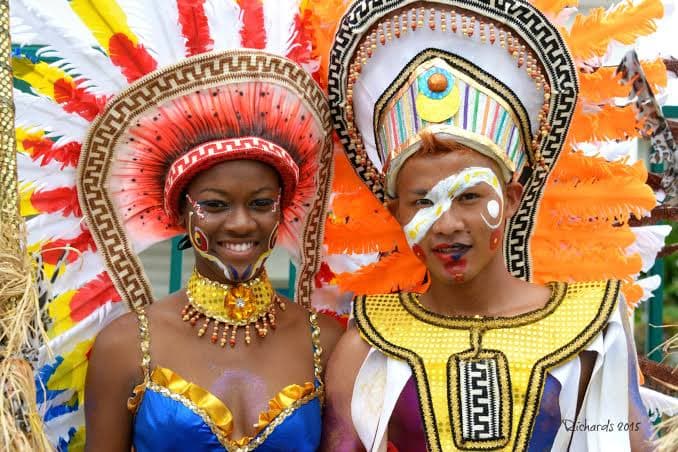
Mashramani is Guyana's major Republic Day celebration, held around 23 February. Parades feature elaborate costumes, music, dancing and competitions. The celebration developed after Guyana became a republic in 1970, and its name is derived from an Indigenous Arawak/Lokono term associated with celebration after cooperative work.

Guyanese Masquerade

Spotlight 02

Guyanese Masquerade

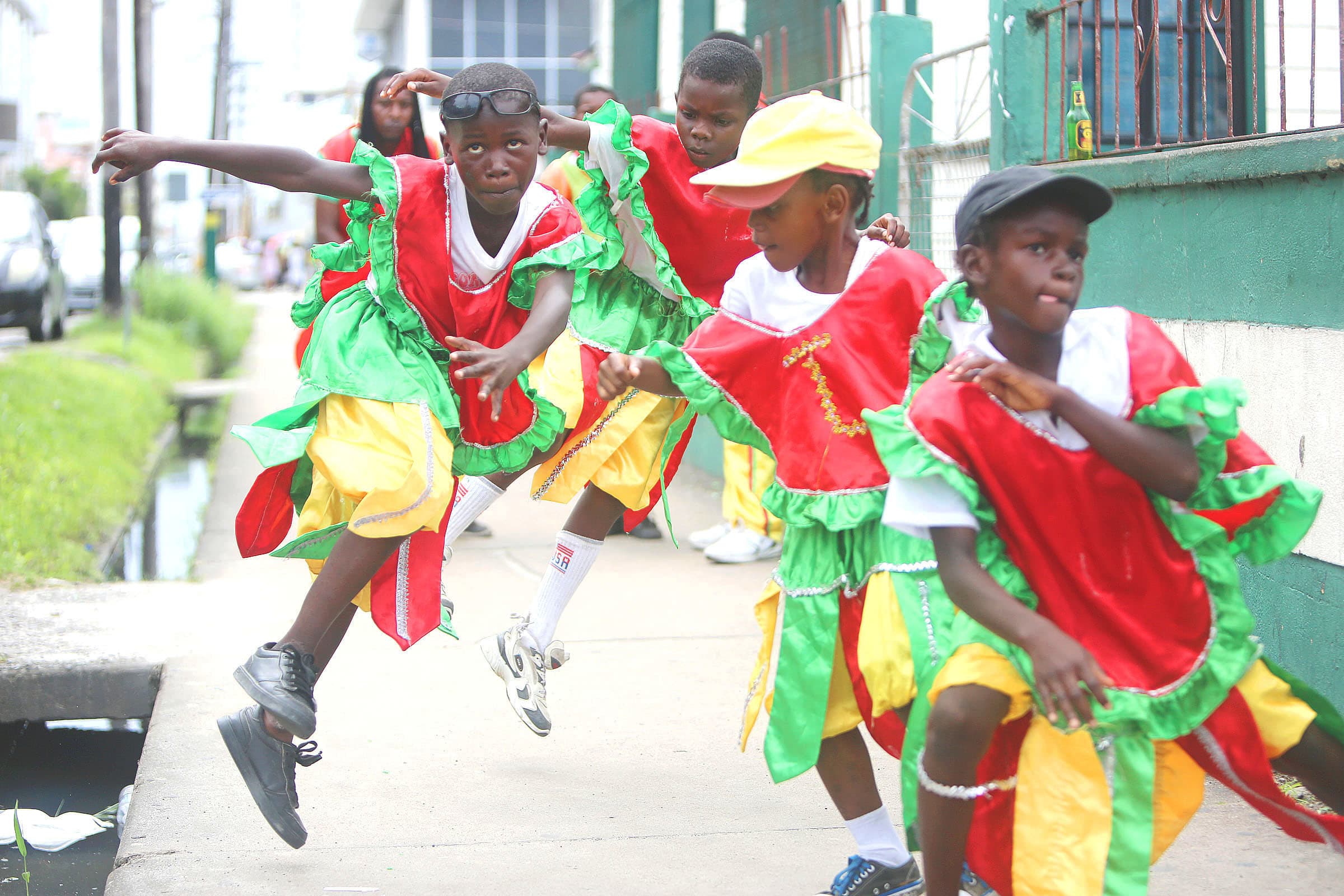
Masquerade combines street theatre, dance, drumming, costumes and distinctive characters. The tradition has strong roots in the experiences and cultural creativity of Africans and Afro-Guyanese communities during and after slavery. Performers traditionally appear particularly during the Christmas season, although safeguarding organisations are working to keep the tradition active among younger generations.

Phagwah

Spotlight 03

Phagwah

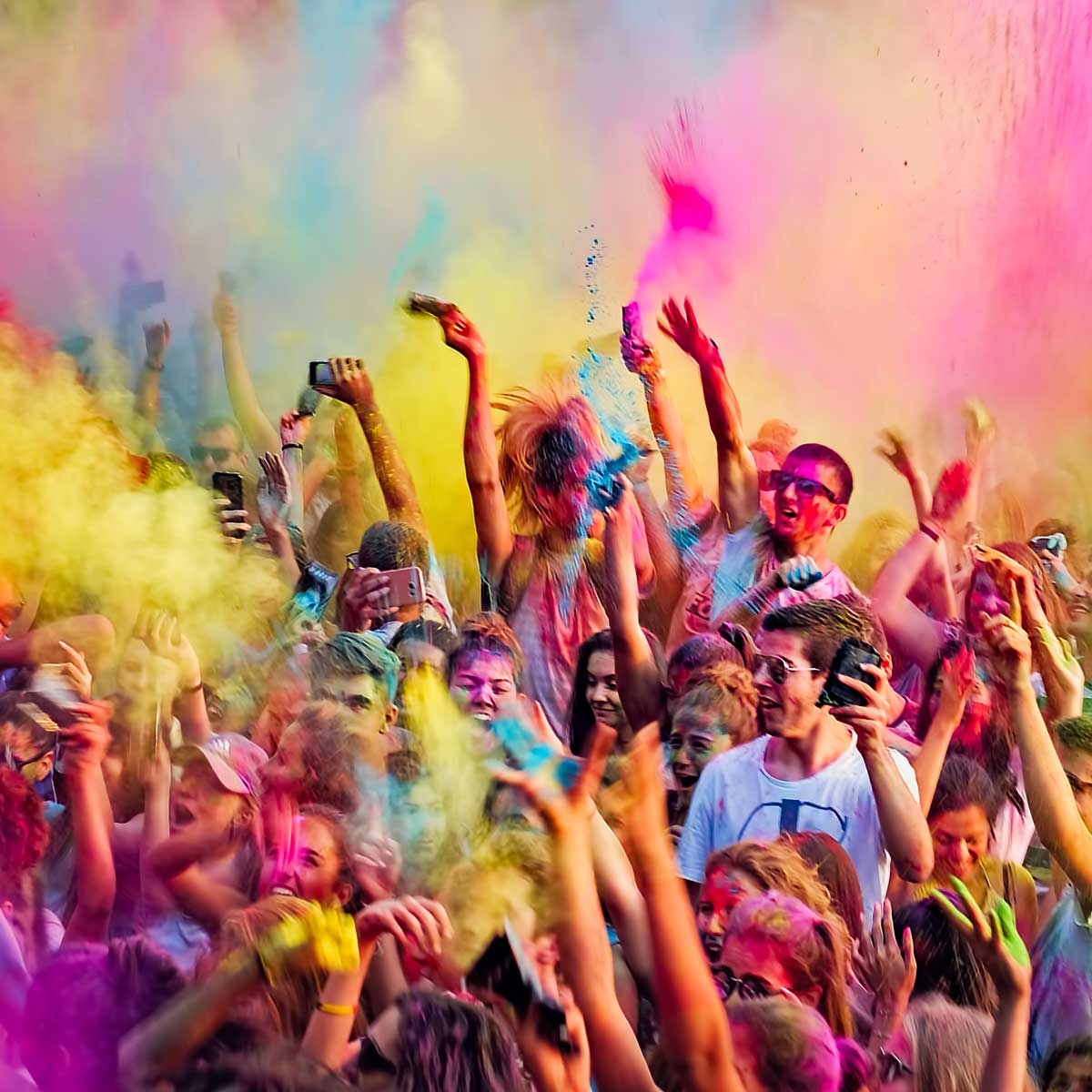
Phagwah is the Guyanese name commonly used for the Hindu festival of Holi. Indo-Guyanese communities celebrate with coloured powders and liquids, music, food and gatherings. The festival demonstrates how traditions brought by Indian indentured migrants became deeply rooted parts of Guyana's modern cultural landscape.

Indigenous Cassava Traditions

Spotlight 04

Indigenous Cassava Traditions

Cassava has been central to Indigenous life in the Guianas for generations. Bitter cassava must be grated, pressed and processed correctly to remove naturally occurring toxins. Indigenous communities developed specialised tools and techniques to transform it into foods including cassava bread and drinks, as well as cassareep used in Guyanese pepperpot. The tradition demonstrates detailed environmental and culinary knowledge passed between generations.

One more wander

Places worth
stopping for.

Kaieteur Falls
01

Waterfall & Rainforest

Kaieteur Falls

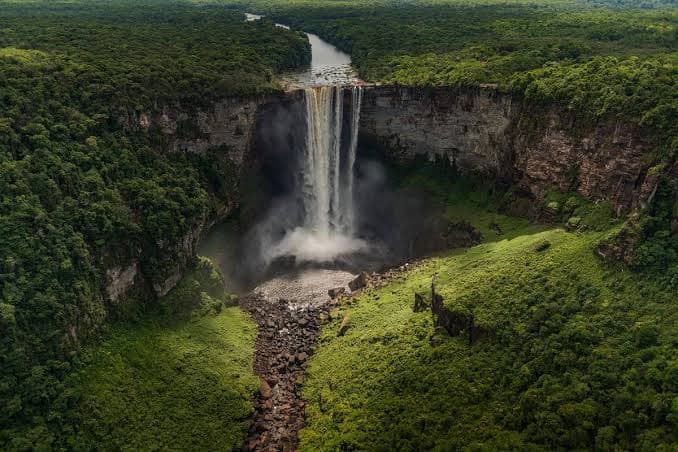
Kaieteur Falls lies on the Potaro River deep within Guyana's interior. Water plunges more than 200 metres in a single main drop from the edge of the Guiana Shield into a forested gorge. The surrounding landscape supports distinctive wildlife and plants, while the falls are also connected with Indigenous Patamona traditions. Its combination of enormous water volume, height and remote rainforest setting makes Kaieteur one of Guyana's most spectacular landscapes.

02

Rainforest & Conservation

Iwokrama Forest

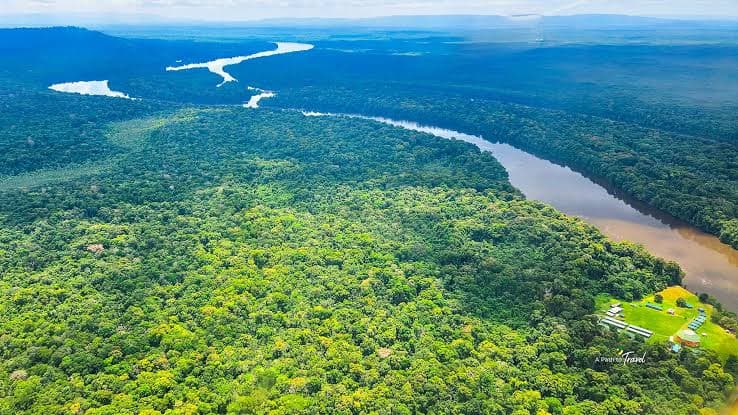
The Iwokrama Forest protects hundreds of thousands of hectares of tropical forest in central Guyana. Scientists and local communities use the area to study biodiversity and approaches to sustainable forest management. Jaguars, giant river otters, black caimans, monkeys and hundreds of bird species live within the wider ecosystem.

Iwokrama Forest
Rupununi
03

Savannah & Indigenous Culture

Rupununi

The Rupununi stretches across a vast region of savannah, wetlands, rivers and forest in southern Guyana. Makushi, Wapichan and other Indigenous communities live throughout the region. Seasonal flooding transforms parts of the landscape and supports extraordinary wildlife including giant anteaters, giant river otters, caimans and jaguars.

Your turn

What did
you discover?

Things Weโ€™ve Learned About Guyana

Guyana is the only sovereign country in South America with English as its official language.

Guyana is geographically South American but has strong cultural and political connections with the Caribbean.

Most of Guyana's territory is covered by forest.

Student Contribution

๐ŸŒŽ Guyana Student Discoveries

Found a useful website, video, recipe or cultural resource about Guyana? Share it with Fable Culture for staff review.

๐ŸŒ Educational๐ŸŽถ Cultural๐Ÿ“š Reliable๐Ÿ‘€ Safe for school

Student Contribution

โž• Suggest a Resource

Found a useful website, video, museum, article, or educational resource? Submit it for teacher review.