Take a jaunt through

Paraguay

Paraguay is a landlocked country at the heart of South America, divided by the Paraguay River into the more densely populated eastern region and the vast Gran Chaco to the west. Guaraní language and culture remain unusually visible in everyday national life, alongside Spanish and traditions shaped by Indigenous peoples, colonisation, migration and some of the most destructive wars in South American history.

Guaraní CultureIndigenous HistoryJesuit MissionsWar & RecoveryGran ChacoBilingualismMusicLiving Heritage
Paraguay
GO
01

Capital

Asunción

02

Population

About 7 million

03

Languages

Spanish, Guaraní

04

Currency

Paraguayan Guaraní (PYG)

Get your bearings

First,
look around.

Long before European arrival, the region of modern Paraguay was home to Indigenous peoples including Guaraní-speaking communities in the east and many different peoples of the Gran Chaco. Spanish colonists established Asunción in 1537, and relationships between Europeans and Indigenous communities shaped the emerging colonial society. During the seventeenth and eighteenth centuries, Jesuit missions brought thousands of Guaraní people into organised settlements where Christianisation, European institutions and Indigenous language, agriculture, music and craftsmanship interacted. Paraguay became independent from Spain in 1811 and developed under a succession of powerful governments. The War of the Triple Alliance from 1864 to 1870 devastated the country and caused enormous loss of life. Paraguay later fought Bolivia in the Chaco War from 1932 to 1935. Much of the twentieth century was shaped by political instability and then the long dictatorship of Alfredo Stroessner from 1954 to 1989. Modern Paraguay is a bilingual republic where Guaraní remains central to national identity and living traditions such as tereré, guarania music, weaving and pottery continue to connect present-day culture with older histories.

Asunción

First stop · Capital

Asunción

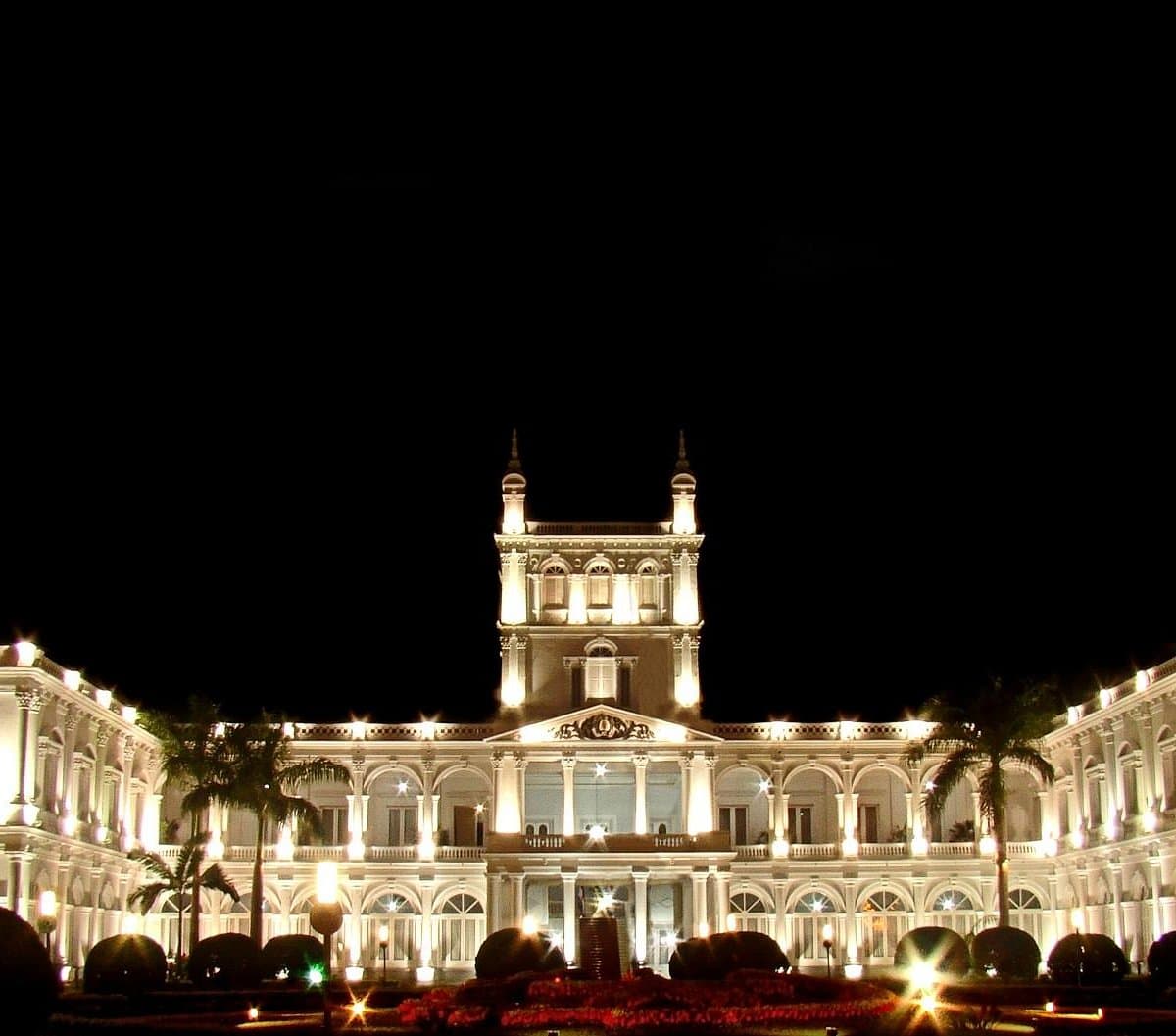
Asunción stands beside the Paraguay River and is one of the oldest continuously inhabited European-founded cities in South America. Spanish colonists established it in 1537, and it became an important base for further settlement across the Río de la Plata region. The Palacio de los López, begun in the nineteenth century, is one of the capital's most recognisable buildings and today serves as the seat of Paraguay's presidency.

Wander a little further

Follow the trail through Paraguay.

Jesuit-Guaraní Missions

History

Jesuit-Guaraní Missions

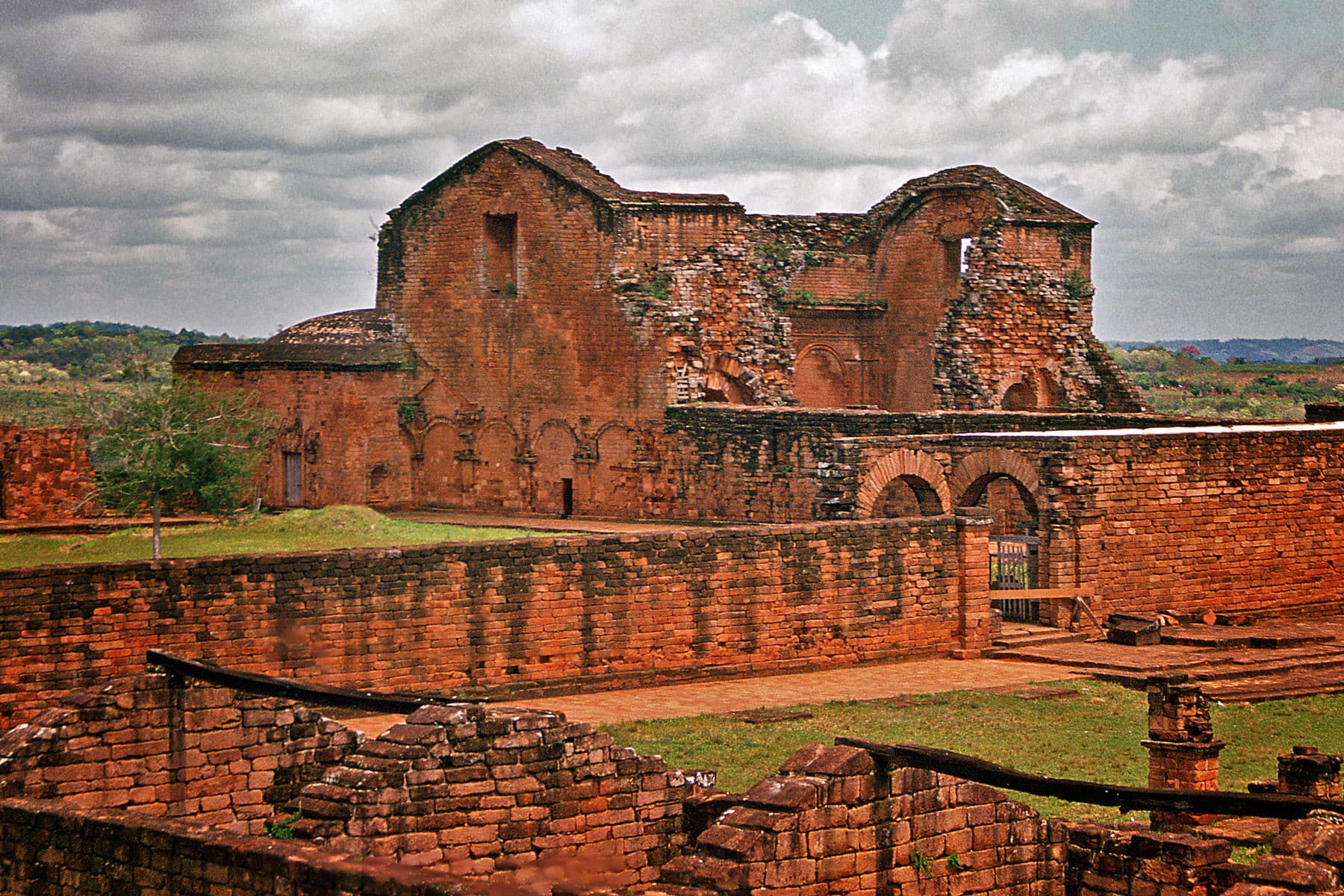
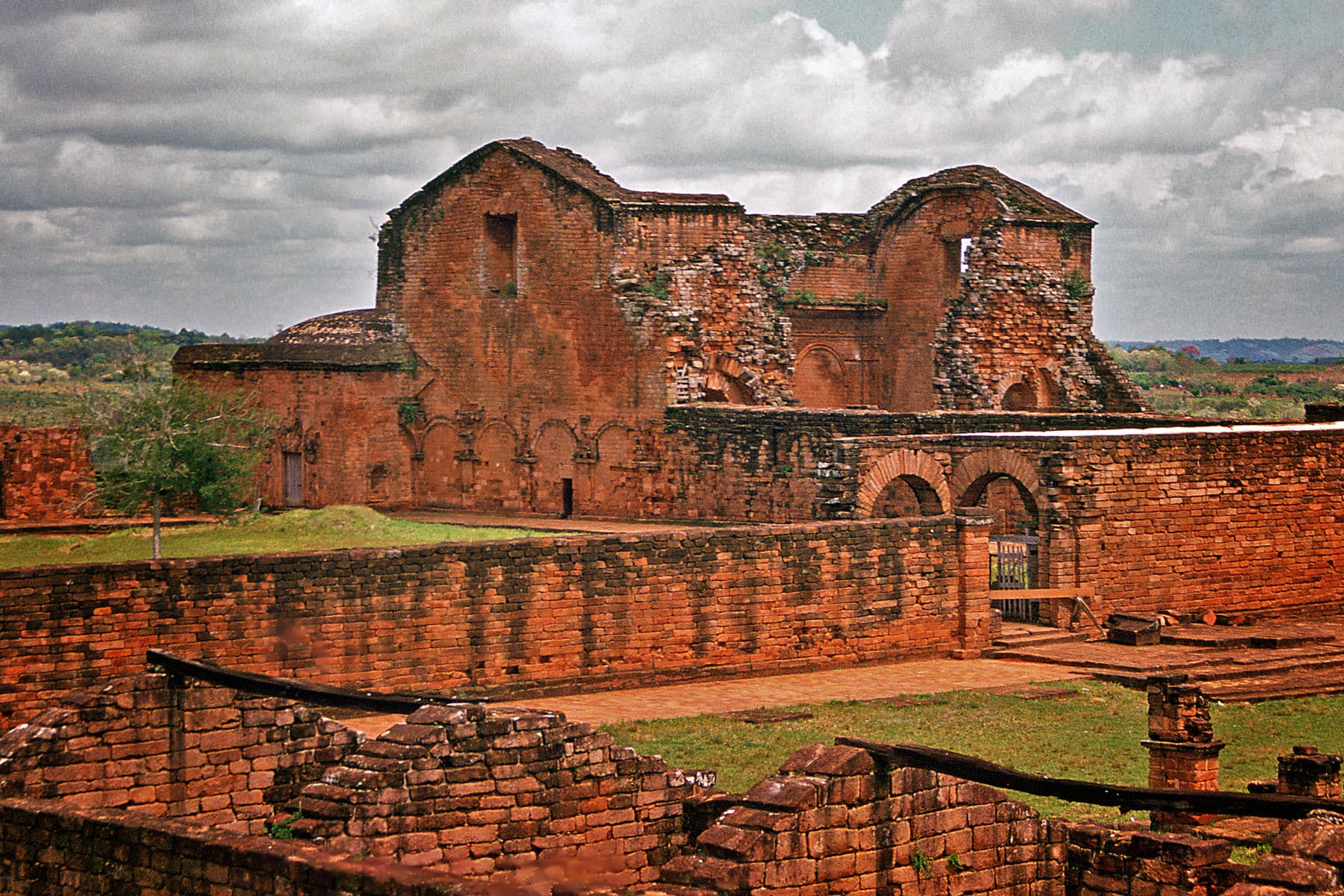
During the seventeenth and eighteenth centuries, Jesuit missionaries established settlements known as reducciones among Guaraní communities. Residents lived in planned towns centred around large churches, workshops and plazas. The missions promoted Christianity but also preserved and adapted aspects of Guaraní language, agriculture, music and craftsmanship. The surviving missions at Trinidad and Jesús are now Paraguay's only UNESCO World Heritage property.
Food

Sopa Paraguaya

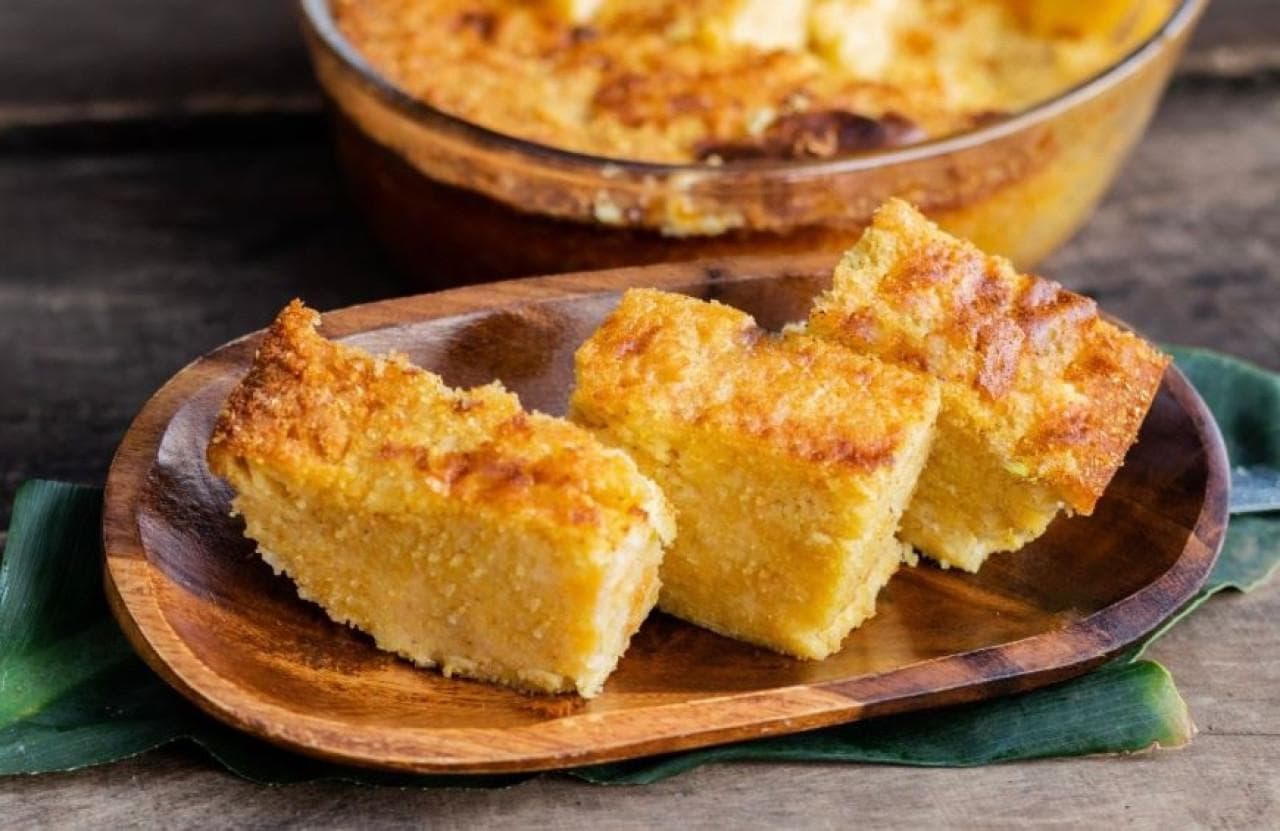
Despite its name meaning Paraguayan soup, sopa paraguaya is a solid, savoury cornbread made with ingredients such as cornmeal, cheese, milk, eggs and onion. It is a popular traditional dish in Paraguay and is often served alongside grilled meat or eaten as a snack.

Sopa Paraguaya
Chacoan Peccary

Wildlife

Chacoan Peccary

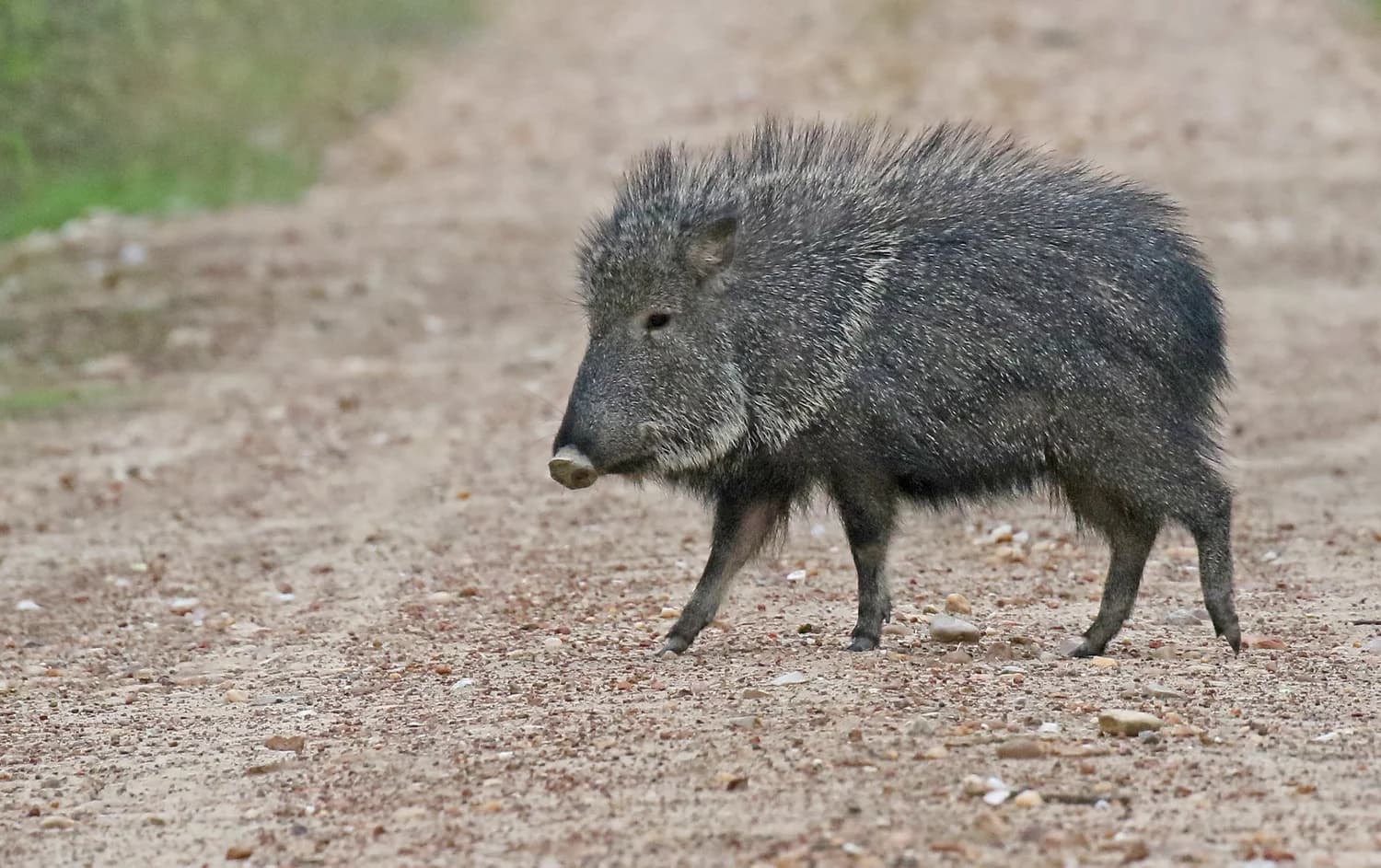
The Chacoan peccary, also called the taguá, is a pig-like mammal native to the dry Gran Chaco. Scientists originally knew the species only from fossils and believed it was extinct before living animals were documented in the 1970s. It is now endangered, with habitat loss and hunting among the threats to its survival.

Guaraní & Spanish

Culture · stop and look

Guaraní & Spanish

Paraguay is unusual in Latin America because an Indigenous language is spoken widely across Indigenous and non-Indigenous society. Guaraní and Spanish are both official languages, and many Paraguayans use both in everyday life. Speakers may also move fluidly between the two languages, creating forms of mixed speech commonly called Jopará. Guaraní appears in conversation, music, humour, place names, media and national traditions.

Through time

Follow the
story.

Four stops first. Open the rest if you want to travel further.

Thousands of years ago

Indigenous Paraguay

People lived across the forests, rivers, grasslands and dry Chaco of present-day Paraguay thousands of years before European arrival. Different communities developed ways of life suited to very different environments.

Before European arrival

Guaraní Communities

Guaraní-speaking peoples lived across large parts of eastern Paraguay and neighbouring regions. Communities cultivated crops including maize, cassava and sweet potatoes while also hunting, fishing and gathering.

Before European arrival

Peoples of the Chaco

The Gran Chaco was home to many Indigenous peoples with languages and traditions distinct from those of Guaraní communities farther east. Their knowledge allowed communities to survive in an environment of extreme heat, seasonal drought and flooding.

1520s

European Expeditions

European expeditions began exploring the great river systems of the Río de la Plata basin. Rivers became the principal routes through which Spanish explorers attempted to reach the interior.

Continue the journey ↓

1537

Asunción is Established

Spanish colonists established Asunción beside the Paraguay River. Its location made it an important base for Spanish expansion into the interior of South America.

1500s

Spanish & Guaraní Society

Spanish settlers formed alliances and relationships with Guaraní communities, while colonial systems also exploited Indigenous labour. Over generations, Indigenous and European influences contributed to the development of a distinctive Paraguayan society.

1500s–1700s

The Encomienda

Spanish colonial authorities used the encomienda system to claim Indigenous labour and tribute. Although officially presented as a system of protection and Christian instruction, it frequently resulted in severe exploitation.

Student investigation

1600s

🔍 Your Investigation: The Jesuit-Guaraní Missions

Investigate the Jesuit missions and decide whether they should be understood mainly as protection, cultural exchange, colonial control — or a complicated mixture of all three.

→ Why were the missions created?

→ Which Guaraní traditions continued inside the missions?

→ How did life in a reducción differ from life under the encomienda system?

1609 onwards

The Reducciones

Jesuits established missions where Guaraní residents lived in planned settlements organised around churches, plazas, homes and workshops. Music, agriculture, craftsmanship and education became important parts of mission life.

1600s–1700s

Guaraní in the Missions

The missions attempted to convert Indigenous communities to Christianity, but Guaraní remained widely used and aspects of Indigenous culture continued. Mission life therefore involved both cultural preservation and major colonial change.

1685

Jesús de Tavarangue

The Jesuit reducción later known as Jesús de Tavarangue was founded. Its surviving monumental church was never fully completed but remains one of the most impressive examples of mission architecture in Paraguay.

1706

Santísima Trinidad del Paraná

The mission of La Santísima Trinidad del Paraná was established. Its surviving complex includes remains of churches, workshops, homes, a school, cemetery and central plaza.

1767

The Jesuits are Expelled

The Spanish Crown expelled the Jesuits from its American territories. The mission system declined, although Guaraní communities and cultural traditions continued beyond the end of Jesuit administration.

1776

Viceroyalty of the Río de la Plata

Paraguay became part of the new Viceroyalty of the Río de la Plata, governed from Buenos Aires as Spain reorganised administration in southern South America.

1810

Buenos Aires Revolution

Revolutionaries in Buenos Aires removed the Spanish viceroy and attempted to extend their authority across the former viceroyalty. Paraguay did not accept control from Buenos Aires.

1811

Paraguayan Forces Resist

Paraguayan forces defeated an expedition sent from Buenos Aires. Political leaders in Paraguay subsequently moved against the remaining Spanish colonial authorities.

Student investigation

1811

🔍 Your Investigation: Paraguay Becomes Independent

Investigate why Paraguay followed a different path to independence from many of its neighbours.

→ Why did Paraguay reject control from Buenos Aires?

→ How was Spanish authority removed?

→ Who governed Paraguay after independence?

1814–1840

José Gaspar Rodríguez de Francia

José Gaspar Rodríguez de Francia became Paraguay's dominant political leader. His government concentrated power, limited foreign influence and pursued policies that left Paraguay unusually isolated from many neighbouring countries.

1844

Carlos Antonio López

Carlos Antonio López became president and gradually increased Paraguay's international connections. His government invested in infrastructure, industry, education and military development.

1850s

Railways and Industry

Paraguay developed railways, shipbuilding facilities, foundries and other state-supported infrastructure. The railway from Asunción became one of the earliest in South America.

1862

Francisco Solano López

Francisco Solano López became president after the death of his father, Carlos Antonio López. Regional tensions soon drew Paraguay into a catastrophic war.

Student investigation

1864–1870

🔍 Your Investigation: The War of the Triple Alliance

Investigate the War of the Triple Alliance and why its consequences were so devastating for Paraguay.

→ Why did the war begin?

→ Which countries formed the Triple Alliance?

→ How did the war change Paraguay's population, territory and economy?

1865

The Triple Alliance

Brazil, Argentina and Uruguay formally allied against Paraguay. Fighting took place across rivers, wetlands, fortifications and towns throughout the region.

1866

Battle of Tuyutí

Paraguayan forces attacked the Allied army at Tuyutí. The resulting battle was one of the largest and bloodiest military engagements in South American history.

1868

Asunción Occupied

Allied forces advanced into Paraguay and occupied Asunción. Fighting continued as Francisco Solano López and remaining Paraguayan forces retreated into the interior.

1870

The War Ends

Francisco Solano López was killed at Cerro Corá on 1 March 1870, bringing the final stage of the war to an end. Paraguay had suffered catastrophic population loss, economic destruction and territorial losses.

1870s

Rebuilding Paraguay

The country faced the enormous task of rebuilding after the war. Women played particularly important roles in sustaining families, agriculture, trade and communities during a period when much of the adult male population had been lost.

Late 1800s

Land Changes

Large areas of state land were sold to private owners and foreign companies as governments sought revenue after the war. These changes contributed to long-lasting inequalities in land ownership.

Late 1800s–early 1900s

Immigration and Recovery

New migrants arrived while Paraguay slowly rebuilt its population and economy. Agriculture, yerba mate, timber and livestock remained important.

1900s

Guaraní Remains Strong

Despite centuries of colonial rule and political change, Guaraní remained widely spoken across Paraguay and continued to influence storytelling, music and everyday communication.

1920s

José Asunción Flores and Guarania

Musician José Asunción Flores developed the musical genre known as guarania. Its slower rhythms and expressive melodies became strongly associated with Paraguayan identity.

Student investigation

1932–1935

🔍 Your Investigation: The Chaco War

Investigate why Paraguay and Bolivia fought over the Chaco and how soldiers survived its difficult environment.

→ Why did both countries claim the Chaco?

→ Why was water so important during the war?

→ How did the conflict change the border?

1935

Fighting Ends

A ceasefire ended major fighting in the Chaco War. Paraguay gained control of most of the disputed territory.

1938

Peace Settlement

A peace treaty formally settled the conflict between Paraguay and Bolivia and established the international boundary across the Chaco.

1947

Paraguayan Civil War

Political tensions erupted into civil war between the government and a coalition of opponents. The government's victory strengthened the Colorado Party, which subsequently dominated national politics for decades.

1954

Alfredo Stroessner Takes Power

General Alfredo Stroessner took power following a military coup. He remained president for nearly 35 years.

1954–1989

The Stroessner Dictatorship

Stroessner's government combined military power with Colorado Party control. Political opponents faced surveillance, imprisonment, torture, exile and disappearance, while the regime maintained close anti-communist alliances during the Cold War.

1973

Itaipú Agreement

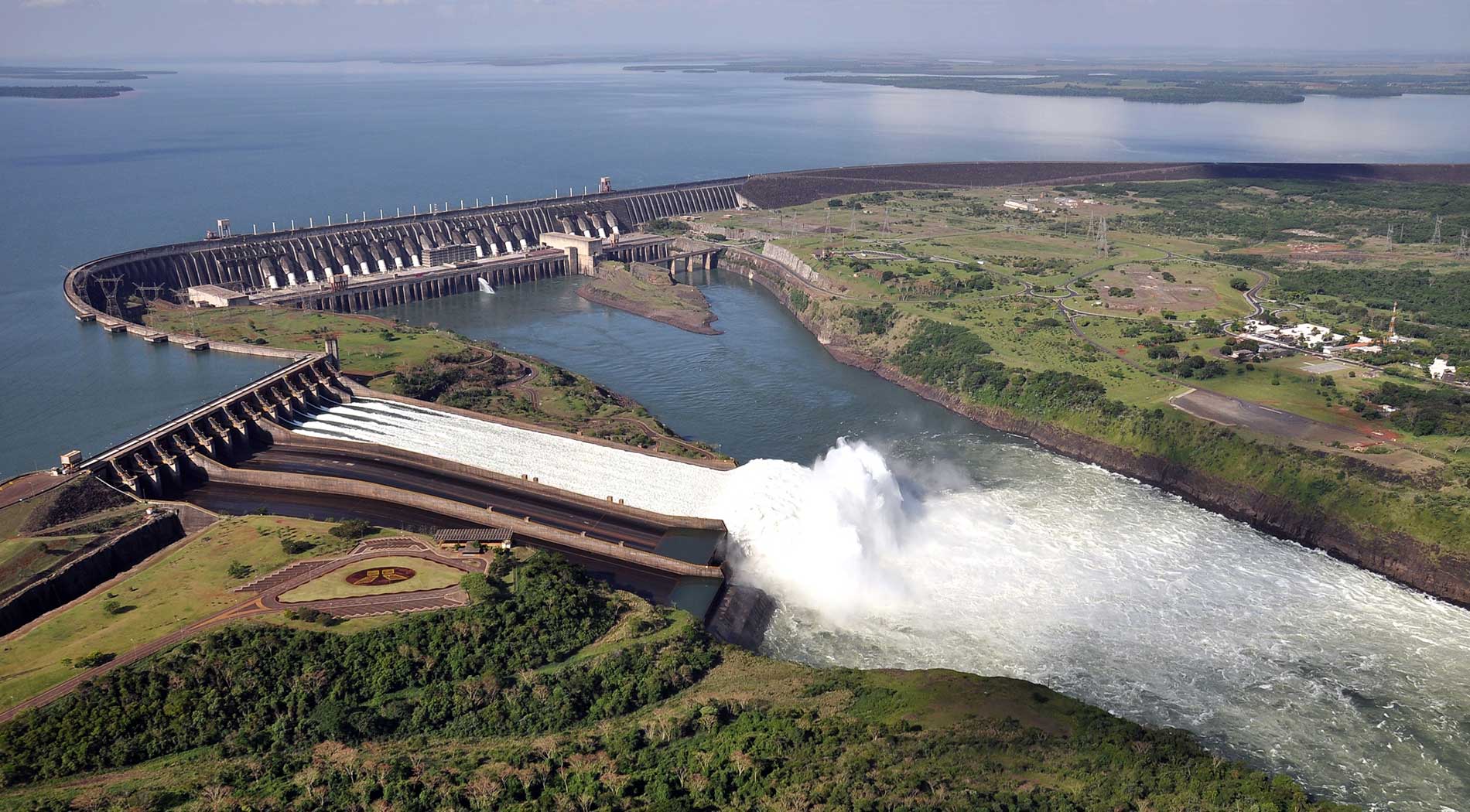
Paraguay and Brazil agreed to construct the enormous Itaipú hydroelectric project on the Paraná River. The dam later became one of the world's largest producers of hydroelectricity.

1984

Itaipú Begins Generating Power

Electricity generation began at Itaipú. Paraguay's share of the enormous hydroelectric output became an important part of the national economy.

1989

Stroessner is Overthrown

A military coup led by General Andrés Rodríguez removed Alfredo Stroessner from power, ending one of Latin America's longest twentieth-century dictatorships.

1992

New Constitution

Paraguay adopted a democratic constitution that established new protections for rights and formally recognised both Spanish and Guaraní as official languages.

1993

Jesuit Missions Become World Heritage

UNESCO inscribed the Jesuit Missions of La Santísima Trinidad de Paraná and Jesús de Tavarangue on the World Heritage List.

2000s

Indigenous Rights and Land

Indigenous communities continued campaigns concerning ancestral territories, cultural rights and access to services. Land ownership remained one of Paraguay's major social and economic issues.

2020

Tereré Recognised

UNESCO recognised the practices and traditional knowledge surrounding tereré and pohã ñana as intangible cultural heritage.

2023

Poncho Para’í Recognised

The traditional techniques used to create the Poncho Para’í de 60 Listas of Piribebuy were added to UNESCO's List of Intangible Cultural Heritage in Need of Urgent Safeguarding.

2024

Guarania Recognised

UNESCO inscribed guarania, a musical genre developed in Paraguay during the twentieth century, on the Representative List of the Intangible Cultural Heritage of Humanity.

2025

Ñai’ũpo Pottery Recognised

UNESCO added Ñai’ũpo, an ancestral Paraguayan ceramic tradition, to the List of Intangible Cultural Heritage in Need of Urgent Safeguarding.

Today

Modern Paraguay

Paraguay is a landlocked bilingual republic whose society remains strongly shaped by Guaraní language and culture. Agriculture and hydroelectric power are economically important, while questions surrounding land ownership, Indigenous rights, environmental protection and the memory of dictatorship continue to influence national life.

Faces along the way

Who
am I?

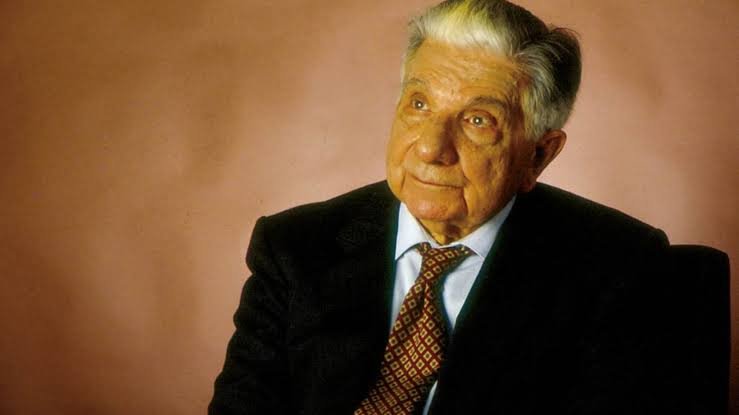
Study the photograph. Read the clue. Make your guess before revealing the person.

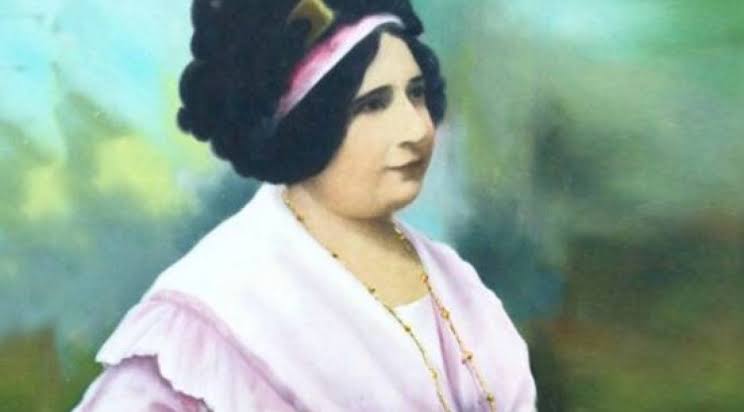
Mystery influential person from Paraguay

Mystery person

Who am I?

01

Your clue

I became an influential figure in Paraguay. Can you work out who I am?

Mystery influential person from Paraguay

Mystery person

Who am I?

02

Your clue

I became an influential figure in Paraguay. Can you work out who I am?

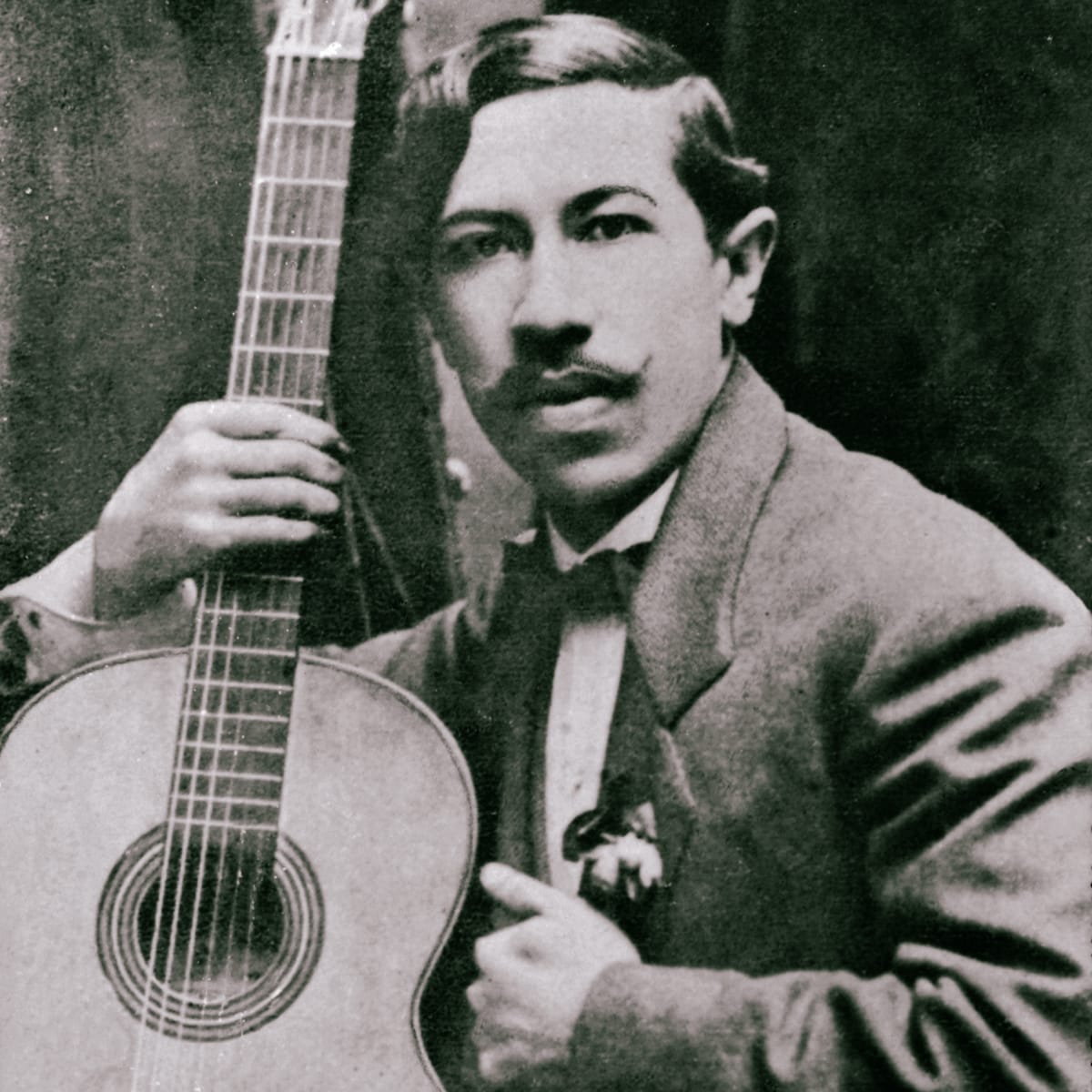
Mystery influential person from Paraguay

Mystery person

Who am I?

03

Your clue

I became known through music. Can you work out who I am?

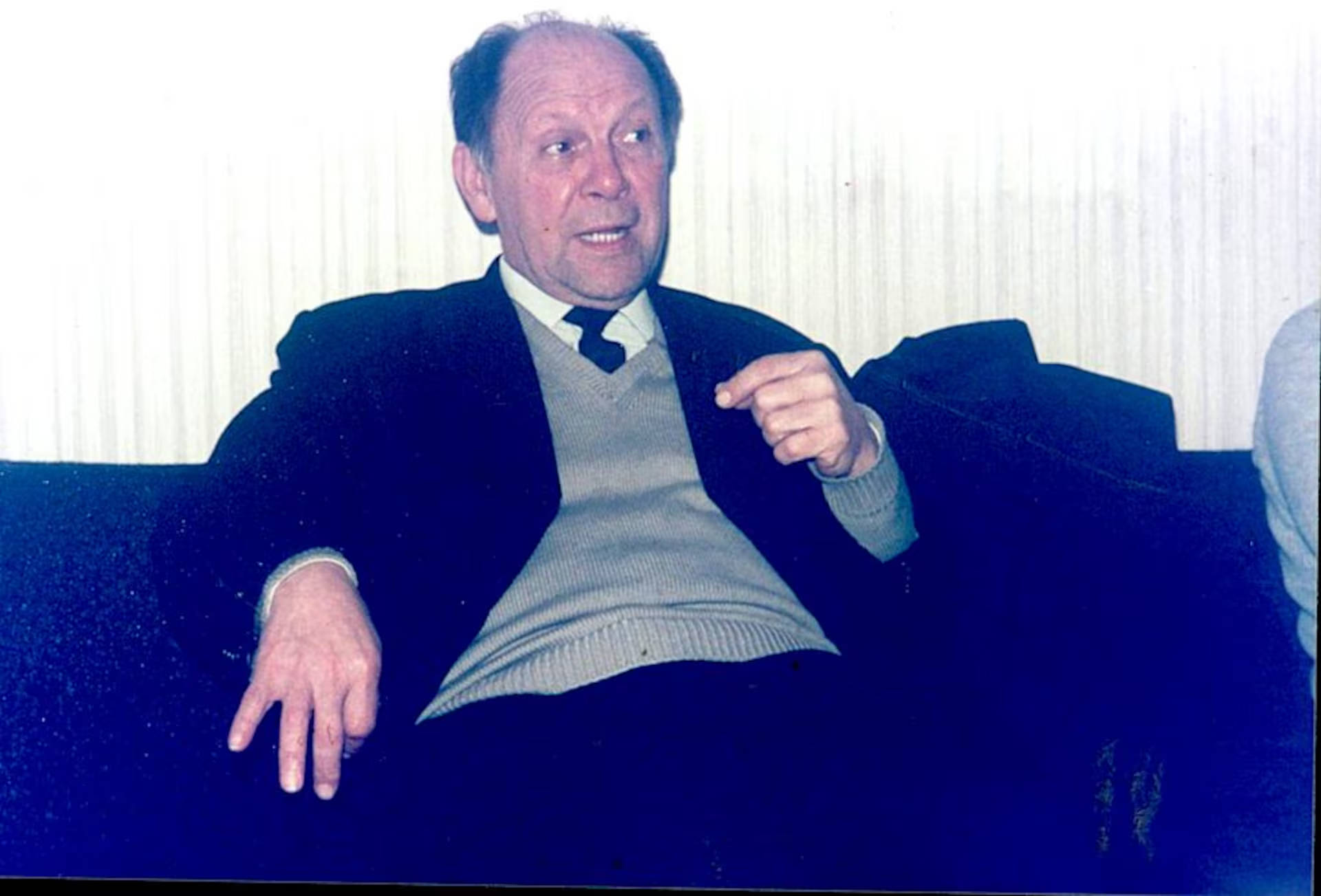
Mystery influential person from Paraguay

Mystery person

Who am I?

04

Your clue

I became an influential figure in Paraguay. Can you work out who I am?

Look closer

Cultural
spotlights.

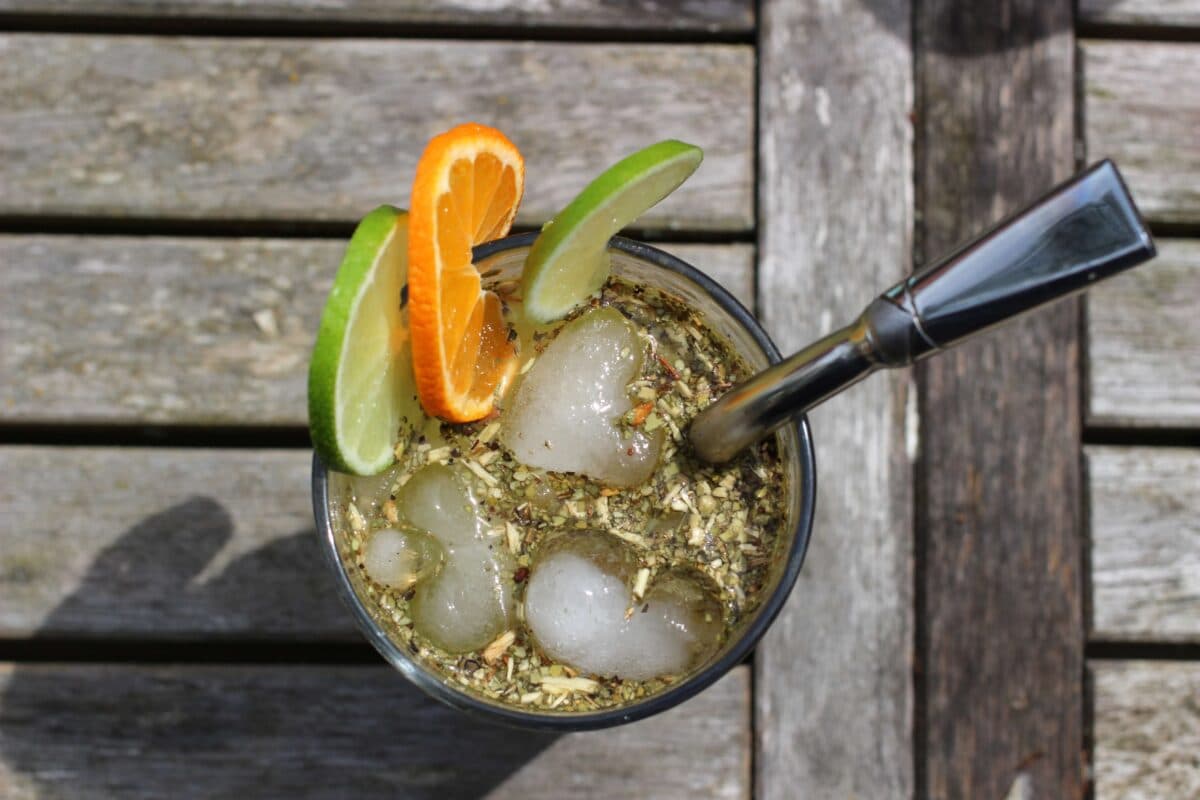
Tereré & Pohã Ñana

Spotlight 01

Tereré & Pohã Ñana

Tereré is much more than a cold drink. Preparing it involves knowledge of yerba mate, water, medicinal and aromatic plants known as pohã ñana, and the social customs surrounding sharing a guampa and bombilla. Knowledge of plants may be passed through families and specialist sellers. UNESCO recognised these practices as intangible cultural heritage in 2020.

Guarania

Spotlight 02

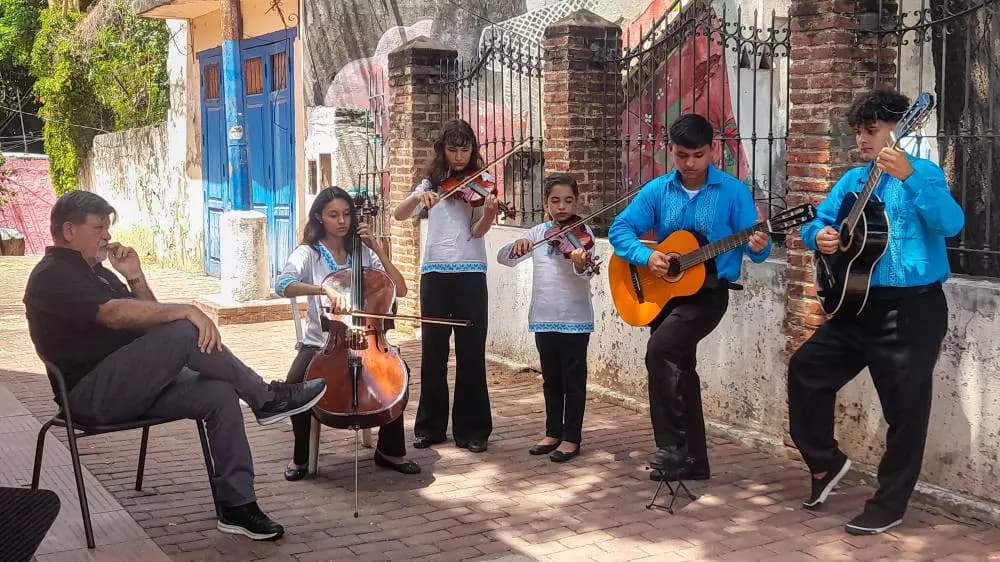
Guarania

Guarania is a Paraguayan musical genre developed by José Asunción Flores during the 1920s. Usually slower and more reflective than the Paraguayan polka, its melodies and lyrics often explore love, longing, landscape and national identity. Songs may be performed in Spanish, Guaraní or both languages. UNESCO recognised guarania as intangible cultural heritage in 2024.

Poncho Para’í de 60 Listas

Spotlight 03

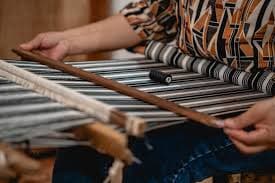
Poncho Para’í de 60 Listas

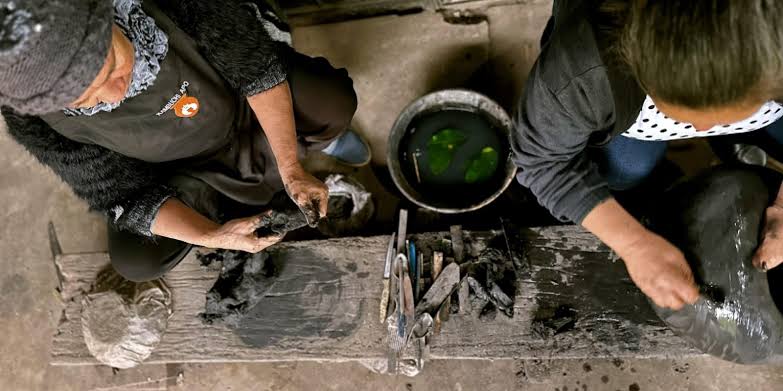
The Poncho Para’í de 60 Listas is a finely woven traditional garment associated especially with the city of Piribebuy. Its name refers to its distinctive pattern of many narrow stripes. Producing one requires specialist knowledge of preparing thread, dyeing, arranging the loom and weaving complex patterns. UNESCO placed the tradition on its Urgent Safeguarding List in 2023 because very few master practitioners remained.

Ñai’ũpo Pottery

Spotlight 04

Ñai’ũpo Pottery

Ñai’ũpo is an ancestral Paraguayan ceramic tradition maintained particularly by women potters. Knowledge includes identifying and gathering suitable clay, preparing it by hand and shaping vessels without industrial production methods. Skills and cultural meanings are passed between generations. UNESCO placed Ñai’ũpo on the List of Intangible Cultural Heritage in Need of Urgent Safeguarding in 2025.

One more wander

Places worth
stopping for.

Jesuit Missions of Trinidad & Jesús
01

Guaraní & Colonial History

Jesuit Missions of Trinidad & Jesús

La Santísima Trinidad de Paraná and Jesús de Tavarangue preserve the remains of two Jesuit-Guaraní missions. Their churches, plazas, workshops and residential areas reveal how mission communities were organised during the seventeenth and eighteenth centuries. The surviving art and architecture combine Indigenous elements with Christian and European forms. Together they form Paraguay's only property currently inscribed on UNESCO's World Heritage List.

02

History & Landscape

Cerro Corá

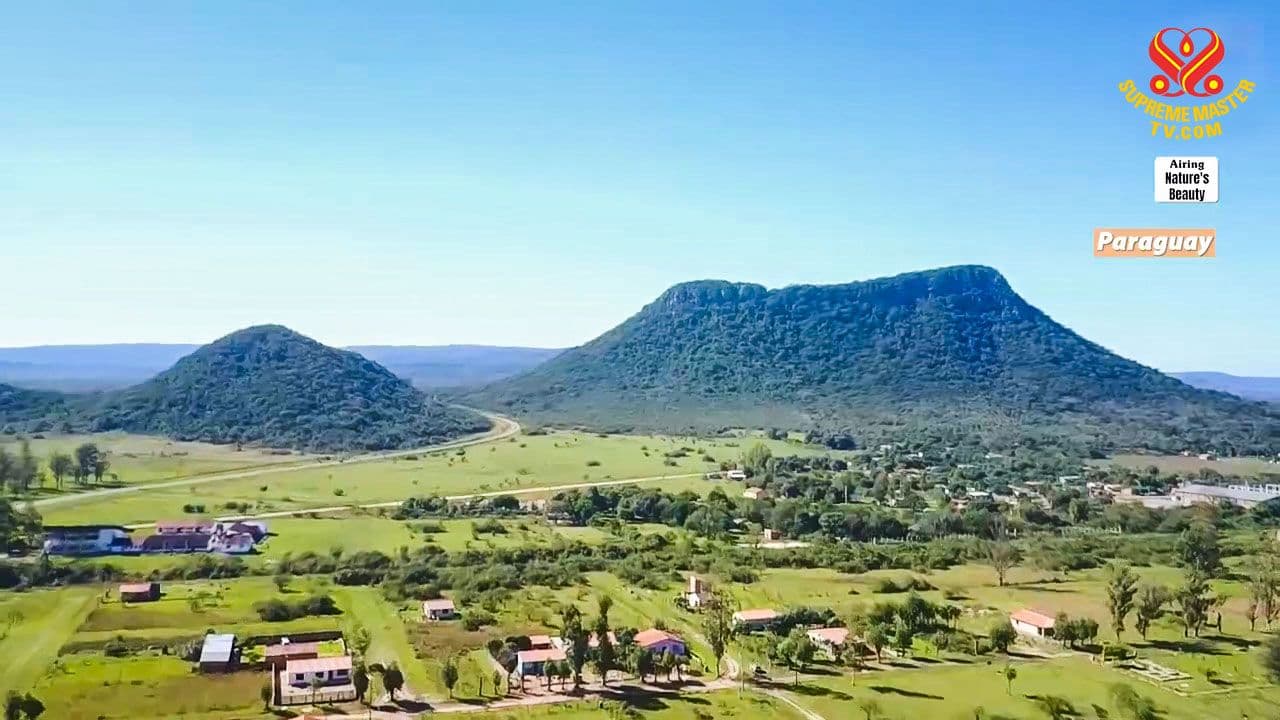
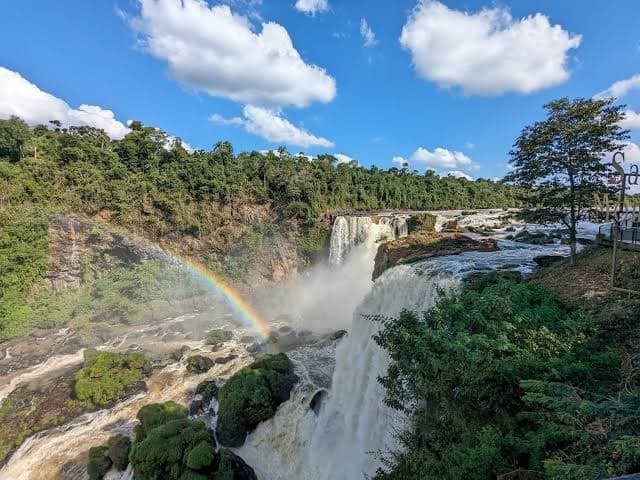
Cerro Corá is a landscape of hills, forest and waterways near Paraguay's border with Brazil. It is closely associated with the final battle of the War of the Triple Alliance, where President Francisco Solano López was killed in 1870. The wider national park also contains Indigenous rock art and protects important natural habitats, giving the area archaeological, historical and environmental significance.

Cerro Corá
Gran Chaco
03

Wildlife & Indigenous Heritage

Gran Chaco

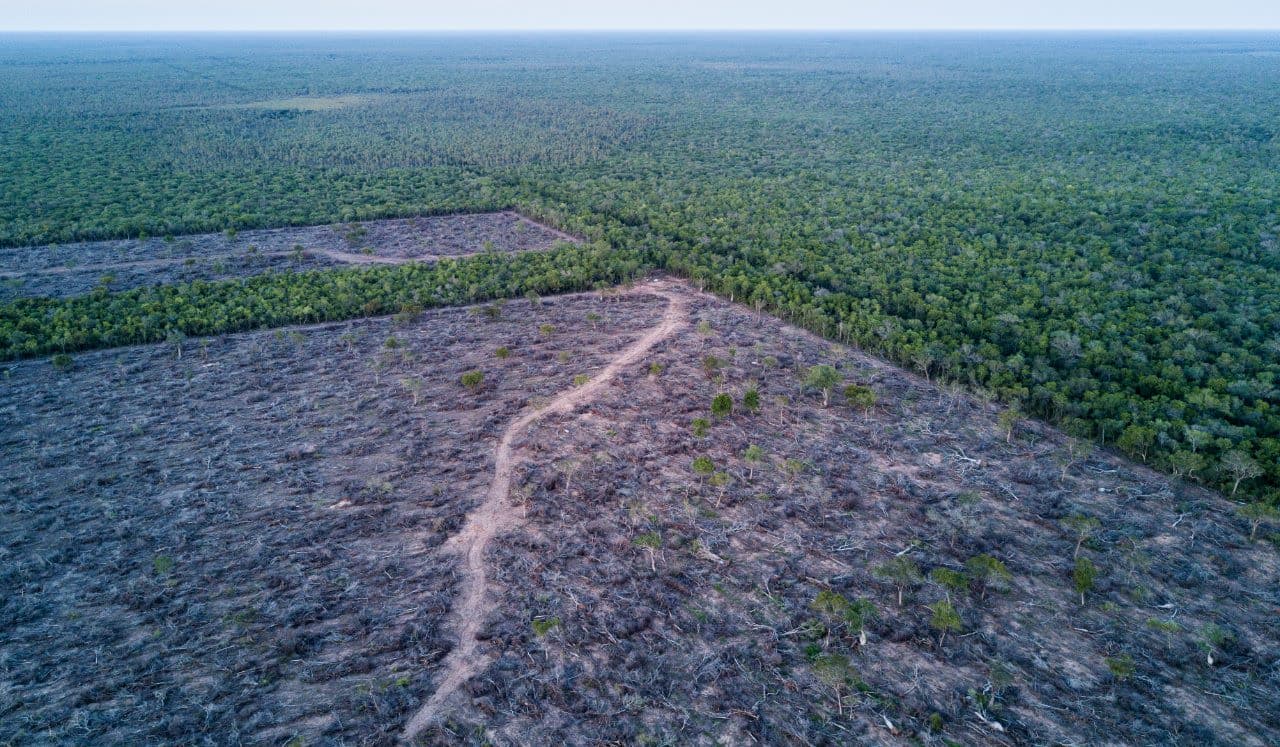
The Paraguayan Chaco forms part of one of South America's largest dry-forest regions. Temperatures can be extreme and water can be scarce, yet the landscape supports jaguars, giant armadillos, peccaries and many bird species. Indigenous peoples including Ayoreo, Nivaclé, Enxet and others have deep connections with the region. Agricultural expansion and deforestation now place major pressure on its ecosystems.

04

Energy & Engineering

Itaipú

Itaipú is a huge hydroelectric power station on the Paraná River shared by Paraguay and Brazil. Construction transformed the river landscape and required the relocation of communities while flooding a large area upstream. Its turbines generate enormous quantities of renewable electricity, and Paraguay exports much of the power it does not use domestically.

Itaipú

Your turn

What did
you discover?

Things We’ve Learned About Paraguay

Paraguay is one of only two landlocked countries in South America; the other is Bolivia.

Spanish and Guaraní are both official languages, and Guaraní is widely spoken by Indigenous and non-Indigenous Paraguayans.

Paraguay's currency is also called the guaraní.

Student Contribution

🌎 Paraguay Student Discoveries

Found a useful website, video, recipe or cultural resource about Paraguay? Share it with Fable Culture for staff review.

🌍 Educational🎶 Cultural📚 Reliable👀 Safe for school

Student Contribution

➕ Suggest a Resource

Found a useful website, video, museum, article, or educational resource? Submit it for teacher review.