Take a jaunt through

Peru

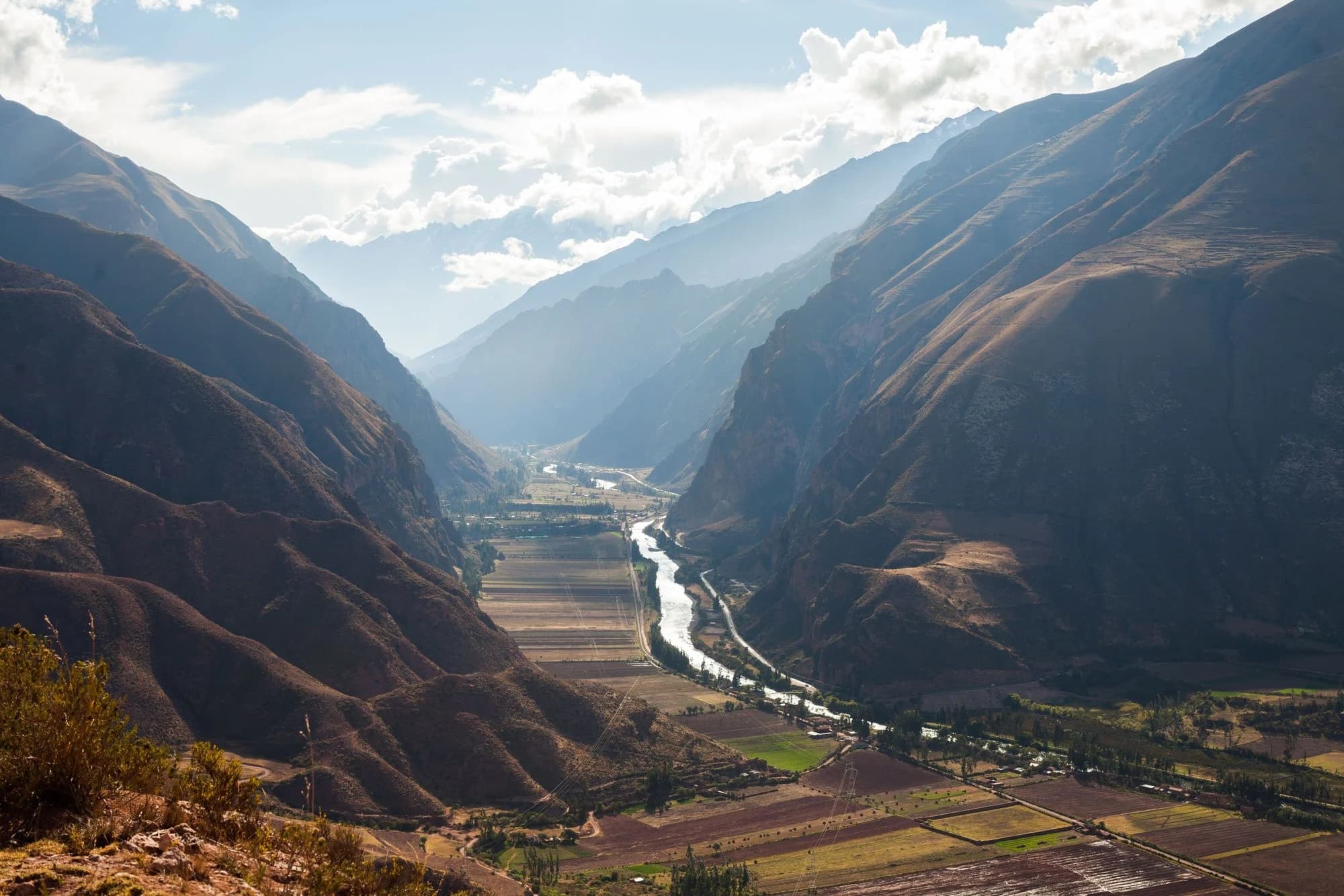
Peru stretches from the Pacific coast across the Andes and into the Amazon rainforest. It was home to some of the earliest complex societies in the Americas and later became the centre of the enormous Inca Empire. Modern Peru is shaped by Indigenous Andean and Amazonian cultures, Spanish colonial history, African heritage, migration from Europe and Asia, and distinctive regional traditions in food, music, textiles and festivals.

Ancient CivilisationsIndigenous HistoryIncaAndesAmazonAfro-Peruvian HeritageArchaeologyLiving Traditions
Peru
GO
01

Capital

Lima

02

Population

About 34 million

03

Languages

Spanish, Quechua, Aymara, Other Indigenous languages

04

Currency

Peruvian Sol (PEN)

Get your bearings

First,
look around.

Peru's history reaches back thousands of years before the Inca. The ancient city of Caral developed around 5,000 years ago, while later societies including Chavín, Nazca, Moche, Wari and Chimú created monumental architecture, irrigation systems, ceramics, textiles and extraordinary works of art. During the fifteenth century, the Inca built Tawantinsuyu into the largest empire in the pre-Columbian Americas, connecting huge areas of the Andes through roads, administration and systems of labour and exchange. Spanish forces captured the Inca ruler Atahualpa in 1532 and established colonial rule, bringing warfare, epidemic disease, Christianity, forced labour and the enslavement of Africans. Peru declared independence in 1821 and secured it through further fighting in 1824. Since independence, the country has experienced political upheaval, wars, economic change, Indigenous and workers' movements and periods of authoritarian rule and internal conflict. Today Peru remains one of South America's most culturally and environmentally diverse countries, where Quechua, Aymara, Afro-Peruvian and numerous Amazonian traditions continue alongside modern urban life.

Lima

First stop · Capital

Lima

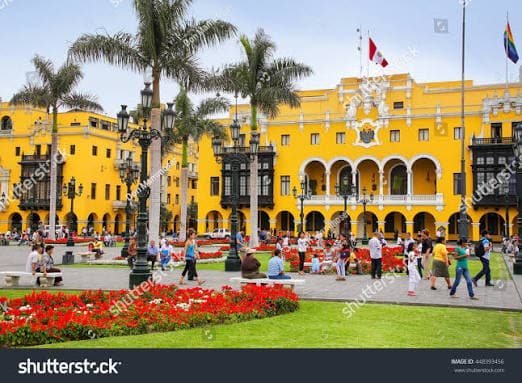
Lima is Peru's capital and largest city, standing on the Pacific coastal plain beside the Rímac River. Spanish conquistador Francisco Pizarro founded the colonial city in 1535, but the surrounding region had been inhabited for thousands of years and contains much older archaeological sites. Lima became the political centre of the Spanish Viceroyalty of Peru and today combines pre-Hispanic archaeology, colonial architecture and a vast modern metropolis.

Wander a little further

Follow the trail through Peru.

Caral-Supe

History

Caral-Supe

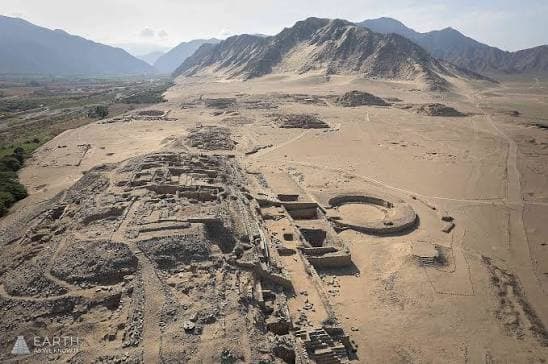
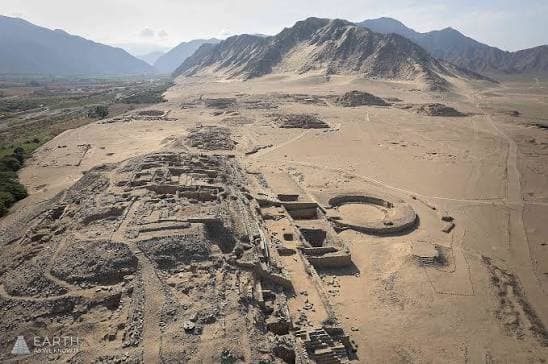
Caral developed in the Supe Valley around 5,000 years ago and is one of the oldest known urban centres in the Americas. Its inhabitants constructed monumental platform mounds, sunken circular plazas and planned residential areas. Archaeologists have also found evidence of complex trade, music and systems for recording information. Caral demonstrates that large organised societies developed in Peru thousands of years before the Inca.
Food

The Potato

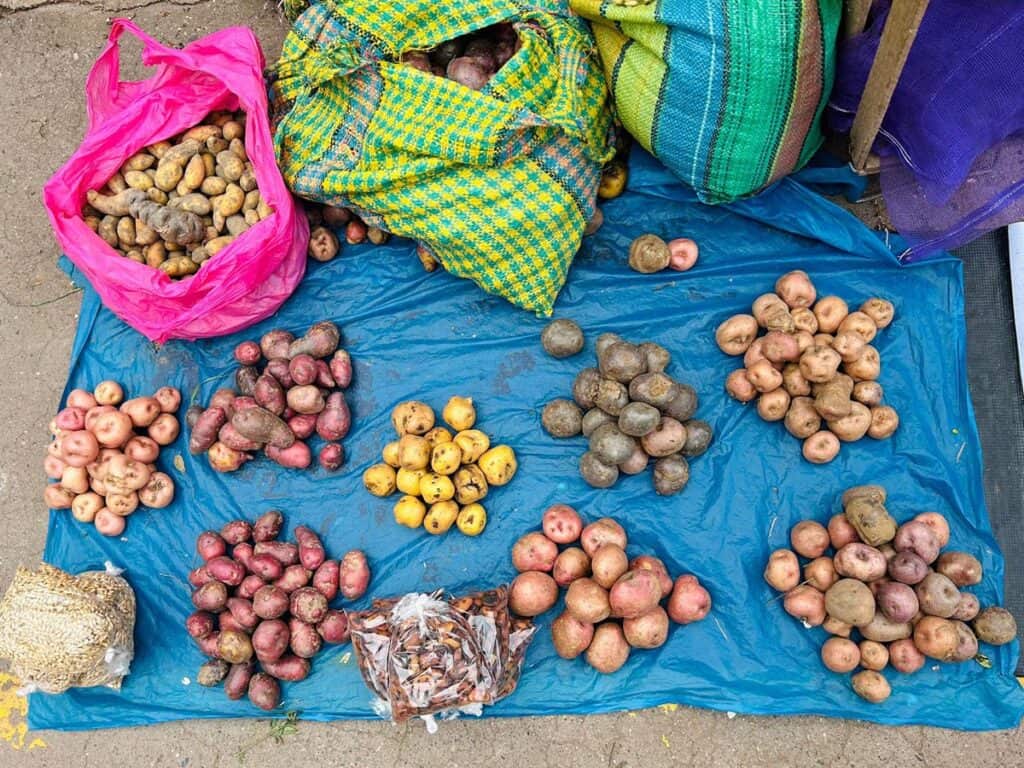
Potatoes were domesticated in the Andes thousands of years ago. Peru remains home to an extraordinary diversity of native potato varieties adapted to different altitudes, climates, colours and soils. Andean communities also developed methods such as producing chuño — freeze-dried potato — allowing food to be stored for long periods in high mountain environments.

The Potato
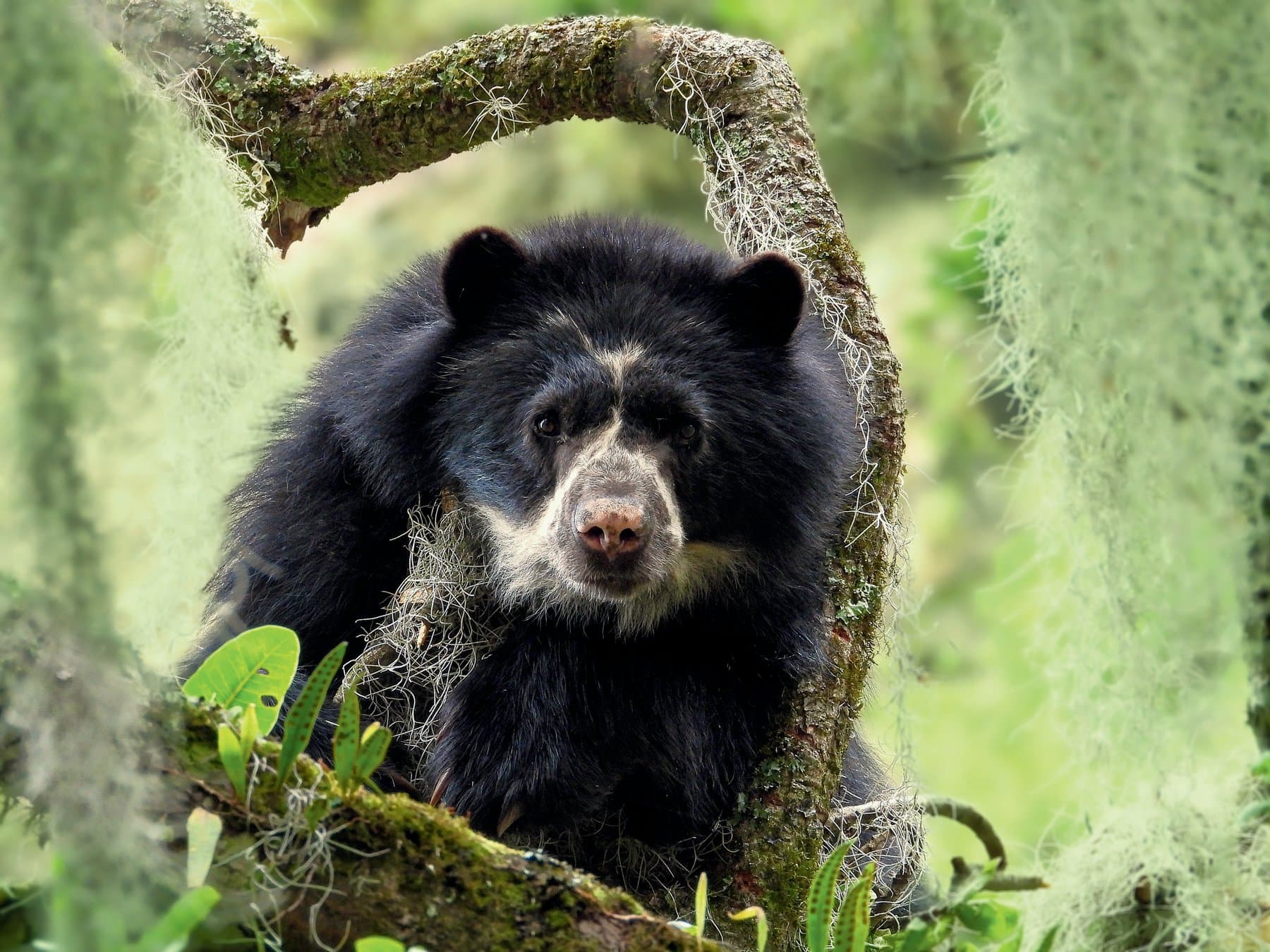
Spectacled Bear

Wildlife

Spectacled Bear

The spectacled bear is South America's only native bear species. It lives mainly in Andean forests and high grasslands from Venezuela to Bolivia, including Peru's cloud forests. Individual bears have different pale markings around their faces and eyes, which can resemble spectacles. Habitat loss and conflict with humans threaten populations in parts of their range.

Peruvian Retablos

Culture · stop and look

Peruvian Retablos

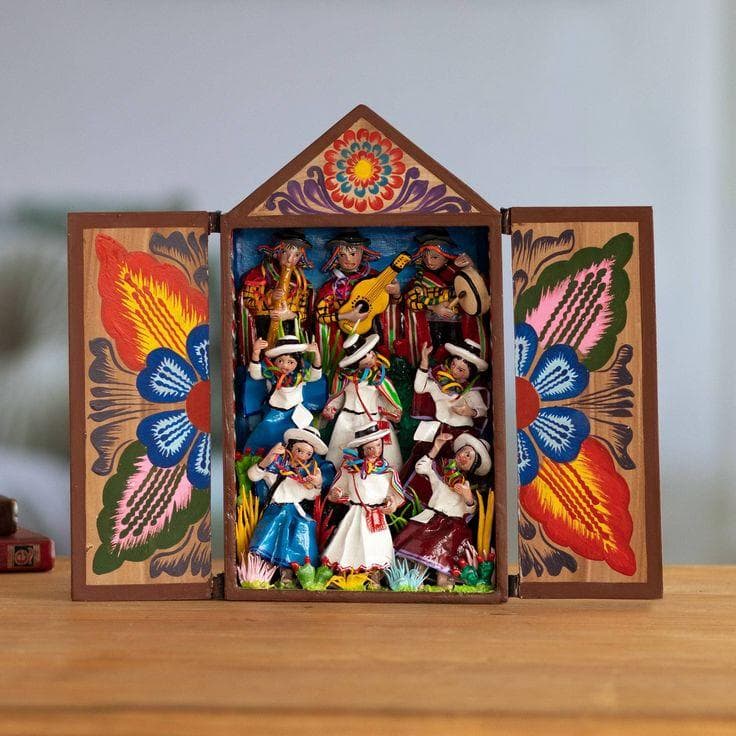
Peruvian retablos are colourful miniature scenes arranged inside decorated wooden boxes. Artists, especially in the Ayacucho region, use small handmade figures to depict festivals, religious traditions, everyday life and historical events. Retablos developed from earlier devotional art and have become an important form of Peruvian folk art.

Through time

Follow the
story.

Four stops first. Open the rest if you want to travel further.

More than 12,000 years ago

The First Peruvians

People lived in the territory of modern Peru thousands of years before cities or empires developed. Communities adapted to the Pacific coast, high Andes, valleys and Amazonian environments.

c. 8000–3000 BCE

Plants and Farming

Communities gradually domesticated and cultivated plants suited to different Peruvian environments. Potatoes, quinoa, beans, squash and other crops became important parts of Andean agriculture.

c. 3000–1800 BCE

Caral-Supe Civilisation

Large settlements developed in Peru's Supe Valley. Caral became the most famous, with monumental architecture, sunken circular courts and organised residential areas.

Student investigation

c. 2600 BCE

🔍 Your Investigation: Ancient Caral

Investigate Caral and find out what archaeologists have discovered about one of the earliest complex societies in the Americas.

→ What buildings did the people of Caral construct?

→ How did people living in the valley obtain food?

→ What evidence suggests Caral was part of a complex society?

Continue the journey ↓

c. 1200–400 BCE

Chavín

The ceremonial centre of Chavín de Huántar became influential across parts of the Andes. Its stone carvings, underground galleries and religious imagery reveal connections between people living across different regions.

c. 200 BCE–600 CE

The Nazca

Nazca communities flourished in Peru's dry southern coastal valleys. They developed sophisticated irrigation systems and produced colourful ceramics and textiles.

c. 200 BCE–600 CE

Nazca Lines

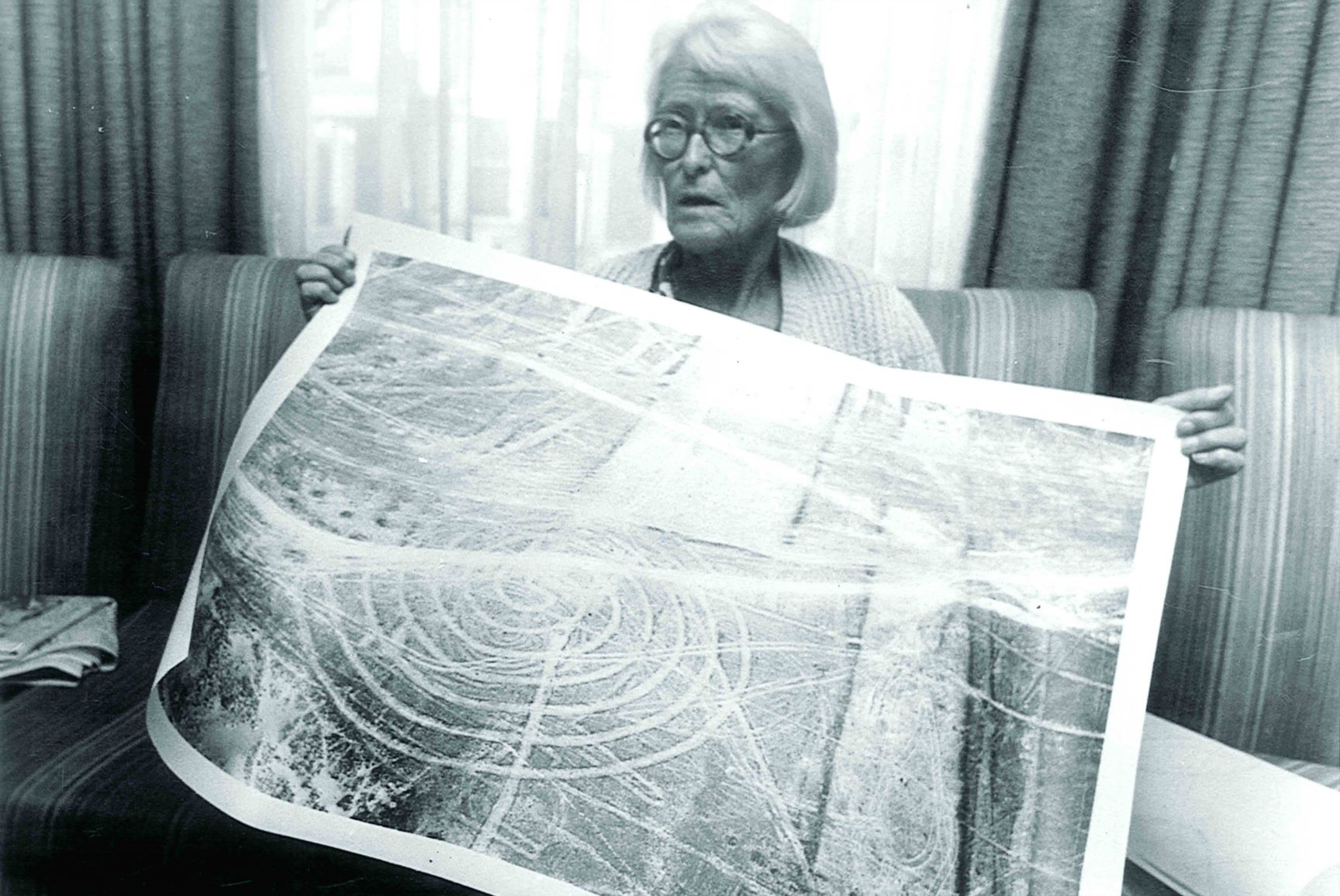
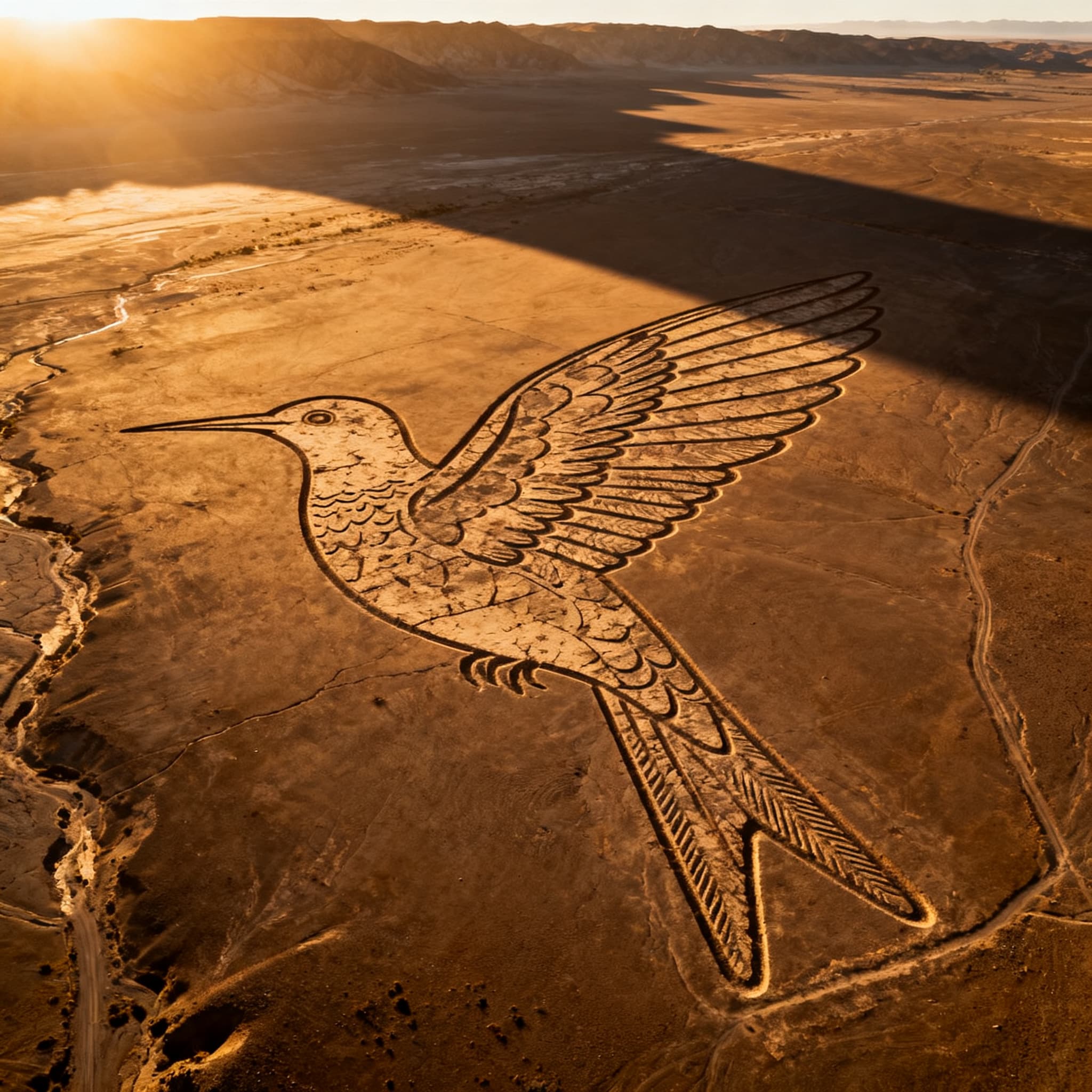
People created enormous geoglyphs across the desert surface around Nazca and Palpa. Designs include straight lines, geometric forms and figures representing animals and plants.

c. 100–800 CE

The Moche

Moche societies developed along Peru's northern coast. They constructed enormous adobe monuments, engineered irrigation systems and produced exceptionally detailed ceramics and metalwork.

c. 600–1000 CE

The Wari

The Wari state expanded across large parts of the Peruvian Andes. Roads, planned administrative centres and systems of provincial control anticipated some features later developed on an even larger scale by the Inca.

c. 900–1470

The Chimú

The Chimú kingdom controlled much of Peru's northern coast from its capital at Chan Chan. Skilled craftspeople produced textiles and metalwork, while large irrigation networks supported agriculture in the desert.

c. 1200s

Inca Cusco

The Inca developed around Cusco in the southern Andes. Early Inca rulers controlled a relatively small territory before rapid expansion began during the fifteenth century.

1430s–1470s

Pachacuti and Inca Expansion

Under Pachacuti and his successors, the Inca transformed their kingdom into Tawantinsuyu, an empire stretching along much of western South America.

1400s

Qhapaq Ñan

The Inca expanded a vast Andean road system connecting cities, villages, administrative centres and sacred places across thousands of kilometres. Runners carried information while llama caravans transported goods.

1400s

Machu Picchu

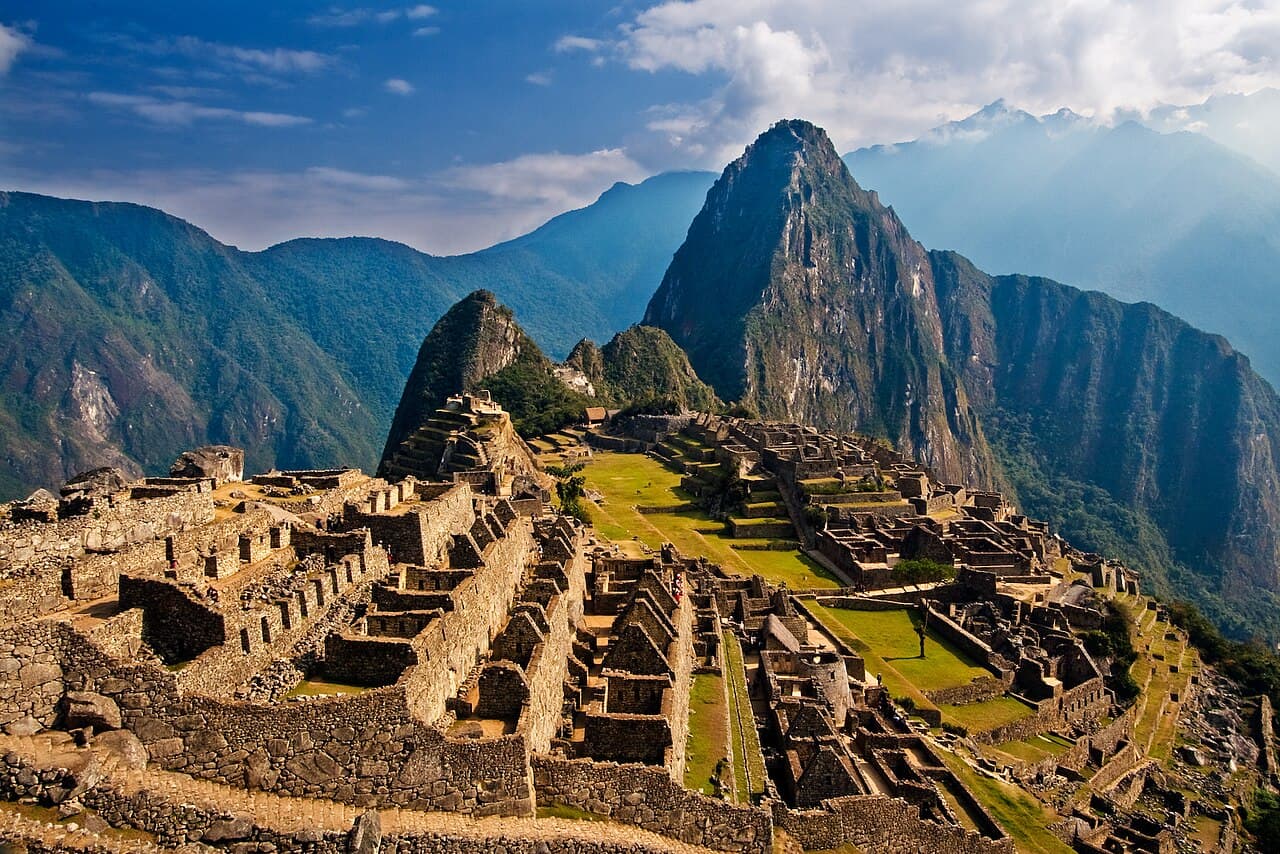
Machu Picchu was constructed high in the Andes during the height of the Inca Empire. Its terraces, buildings, ceremonial spaces and carefully fitted stonework demonstrate sophisticated engineering and adaptation to steep mountain terrain.

1400s–1500s

Life in Tawantinsuyu

The Inca governed millions of people speaking many languages. Communities supplied labour to the state, while administrators organised agriculture, roads, armies, storehouses and the movement of resources.

1520s

Disease Reaches the Andes

Diseases introduced to the Americas from Europe spread ahead of some Spanish expeditions and caused severe population loss. Inca ruler Huayna Capac died during this period.

1529–1532

Inca Civil War

A struggle for power developed between Huáscar and Atahualpa, sons of Huayna Capac. Atahualpa emerged victorious shortly before encountering Spanish forces.

Student investigation

1532

🔍 Your Investigation: Atahualpa and the Spanish

Investigate how a relatively small Spanish expedition was able to capture Atahualpa and eventually defeat the Inca state.

→ What condition was the Inca Empire in when the Spanish arrived?

→ What happened at Cajamarca?

→ Which Indigenous groups allied with the Spanish and why?

1533

Atahualpa is Executed

Atahualpa provided an enormous ransom of gold and silver while imprisoned but was nevertheless executed. Spanish forces then advanced towards Cusco.

1533

Spanish Forces Enter Cusco

Spanish forces and Indigenous allies captured Cusco. Resistance continued, however, and Spanish control of the former Inca territories remained contested.

1535

Lima is Founded

Francisco Pizarro established the Spanish city of Lima near the Pacific coast. Its location allowed easier communication with Spain than the highland city of Cusco.

1536

Manco Inca's Rebellion

Manco Inca led a major uprising against Spanish rule and besieged Cusco. Although the siege ultimately failed, organised Inca resistance continued from the Vilcabamba region.

1542

Viceroyalty of Peru

Spain created the Viceroyalty of Peru, with Lima as its capital. For generations it became one of the most important centres of Spanish power in South America.

1500s–1700s

Colonial Forced Labour

Spanish authorities adapted existing Andean labour obligations into colonial systems that forced many Indigenous men to work in mines and other industries. The silver mines of Potosí became especially important to the colonial economy.

1500s onwards

Africans in Colonial Peru

Enslaved Africans were forcibly transported to Peru and worked in agriculture, workshops, households and cities. African descendants became an important part of Peruvian society, particularly along the coast.

1572

The Last Inca State Falls

Spanish forces captured Vilcabamba and executed Túpac Amaru, the final ruler of the independent Neo-Inca state. Organised resistance and Indigenous uprisings nevertheless continued throughout the colonial period.

1600s–1700s

Colonial Peru

Lima became a wealthy administrative, religious and commercial centre. Indigenous, African, European and mixed communities all contributed to colonial society while living within strongly unequal political and racial hierarchies.

1780

Túpac Amaru II Rebellion

José Gabriel Condorcanqui, who took the name Túpac Amaru II, led a huge uprising against colonial abuses. The rebellion spread across the southern Andes before Spanish forces defeated it.

1781

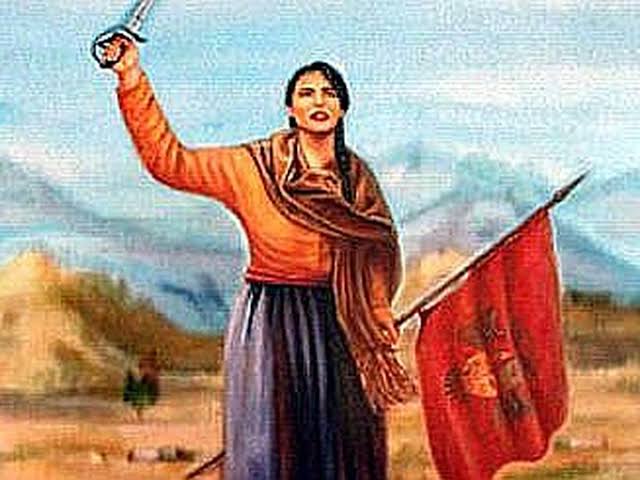
Micaela Bastidas

Micaela Bastidas played a central organisational and strategic role in the rebellion alongside Túpac Amaru II. Both were captured and executed by Spanish authorities in Cusco.

Early 1800s

Independence Movements

Revolutionary movements spread across Spanish South America. Peru remained an important royalist stronghold for longer than many neighbouring regions.

Student investigation

1821–1824

🔍 Your Investigation: Peruvian Independence

Investigate why declaring independence in 1821 did not immediately end Spanish power in Peru.

→ What role did José de San Martín play?

→ What role did Simón Bolívar and Antonio José de Sucre play?

→ Why was the Battle of Ayacucho so important?

1821

Independence Declared

José de San Martín entered Lima and proclaimed Peruvian independence on 28 July 1821. The new state still faced powerful royalist forces in the Andes.

1824

Battle of Ayacucho

Independence forces commanded by Antonio José de Sucre defeated the main royalist army at Ayacucho. The victory effectively ended Spanish military power in Peru and most of mainland South America.

1820s–1840s

Building the Republic

The early republic experienced repeated changes of government and conflicts between military and political leaders while attempting to build new national institutions.

1840s–1870s

The Guano Boom

Enormous deposits of seabird guano from Peru's coastal islands became valuable fertiliser exports. Guano generated major government income but wealth was distributed unevenly and the state accumulated substantial debts.

1854

Slavery is Abolished

President Ramón Castilla abolished slavery in Peru. Afro-Peruvian communities nevertheless continued to face discrimination and social inequality after emancipation.

1849–1870s

Chinese Migration

Large numbers of Chinese workers travelled to Peru, many under highly exploitative labour contracts. Chinese-Peruvian communities later became an important part of Peruvian urban life and cuisine.

1879–1883

War of the Pacific

Peru and Bolivia fought Chile in the War of the Pacific. Chilean forces occupied Lima during the conflict, and Peru lost territory following the war.

Late 1800s

Reconstruction

Peru rebuilt after the War of the Pacific while exports, mining and agriculture continued to shape the economy. Indigenous rural communities remained politically and economically marginalised.

1911

Machu Picchu Gains International Attention

Hiram Bingham's expedition brought Machu Picchu to wide international attention, although local Indigenous communities already knew of the site and families were living and farming nearby.

1920s–1930s

Indigenous Culture and Politics

Writers, artists and political movements increasingly debated Indigenous identity, land inequality and the place of Andean communities within the Peruvian nation.

1940s–1970s

Migration to the Cities

Large numbers of people moved from rural Andean communities to Lima and other cities. Urban Peru grew rapidly and Andean music, language, food and traditions became increasingly visible in coastal cities.

1968

Military Government

General Juan Velasco Alvarado took power in a military coup. His government introduced major economic and social reforms, including land redistribution and increased state control of important industries.

1969

Agrarian Reform

A major agrarian reform broke up many large estates and reorganised land ownership. The reforms attempted to change longstanding inequalities in the countryside but produced varied results across different regions.

1975

Quechua Recognition

The government gave Quechua official recognition, reflecting growing attention to Peru's Indigenous languages and cultures.

1980

Civilian Government Returns

Peru returned to elected civilian government after twelve years of military rule.

Student investigation

1980–2000

🔍 Your Investigation: Peru's Internal Conflict

Investigate Peru's internal conflict using sources that include the experiences of victims and rural communities.

→ What was the Shining Path?

→ Why were rural Quechua-speaking communities particularly affected?

→ What did Peru's later Truth and Reconciliation Commission investigate?

1980s

Shining Path Violence

The Shining Path launched an armed campaign against the Peruvian state and committed massacres, assassinations and other attacks. State security forces also committed serious human-rights abuses during counterinsurgency operations.

1990

Alberto Fujimori Becomes President

Alberto Fujimori became president during a period of economic crisis and internal conflict. His government introduced sweeping economic reforms and intensified operations against armed insurgent groups.

1992

Constitutional Breakdown

President Fujimori dissolved Congress and suspended parts of the existing constitutional order with support from the armed forces. A new constitution was subsequently approved in 1993.

1992

Abimael Guzmán Captured

Peruvian police captured Shining Path leader Abimael Guzmán. His arrest severely weakened the organisation, although violence did not immediately disappear.

2000

Fujimori Government Ends

The Fujimori government collapsed amid a major corruption scandal and political crisis. A transitional government organised new elections.

2001–2003

Truth and Reconciliation Commission

Peru's Truth and Reconciliation Commission investigated violence committed during the internal conflict. Its work documented the enormous impact on rural, poor and Indigenous communities and examined abuses committed by both insurgent organisations and state forces.

2009

Caral Becomes World Heritage

UNESCO inscribed the Sacred City of Caral-Supe on the World Heritage List, recognising its importance to understanding the rise of complex society in the Americas.

2010

Scissors Dance Recognised

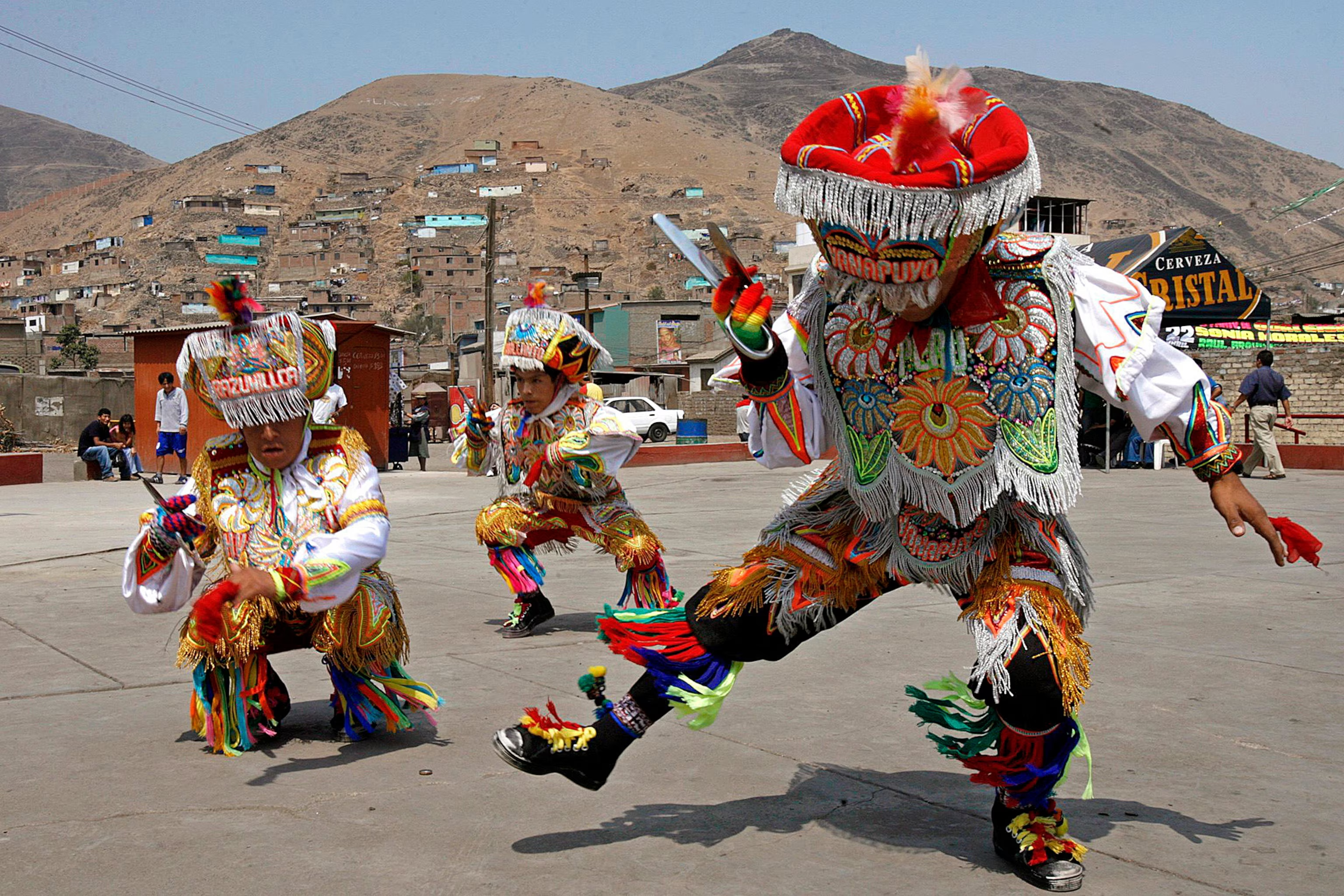
UNESCO recognised Peru's Scissors Dance as intangible cultural heritage. The competitive ritual performance combines dancers with violin and harp musicians and is rooted in Quechua communities of the south-central Andes.

2013

Q’eswachaka Bridge Tradition Recognised

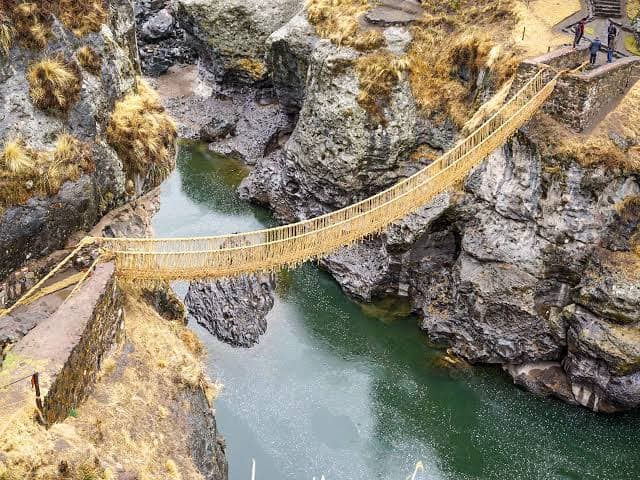
UNESCO recognised the knowledge, skills and rituals involved in the annual renewal of the Q’eswachaka suspension bridge over the Apurímac River.

Today

Modern Peru

Modern Peru is a multicultural republic spanning Pacific desert, high Andes and Amazon rainforest. Ancient archaeological heritage exists alongside living Indigenous and Afro-Peruvian cultures, while debates over inequality, political institutions, mining, environmental protection and Indigenous rights continue to shape national life.

Faces along the way

Who
am I?

Study the photograph. Read the clue. Make your guess before revealing the person.

Mystery influential person from Peru

Mystery person

Who am I?

01

Your clue

I became an influential figure in Peru. Can you work out who I am?

Mystery influential person from Peru

Mystery person

Who am I?

02

Your clue

I became an influential figure in Peru. Can you work out who I am?

Mystery influential person from Peru

Mystery person

Who am I?

03

Your clue

I became an influential figure in Peru. Can you work out who I am?

Mystery influential person from Peru

Mystery person

Who am I?

04

Your clue

I became an influential figure in Peru. Can you work out who I am?

Look closer

Cultural
spotlights.

Taquile Textile Art

Spotlight 01

Taquile Textile Art

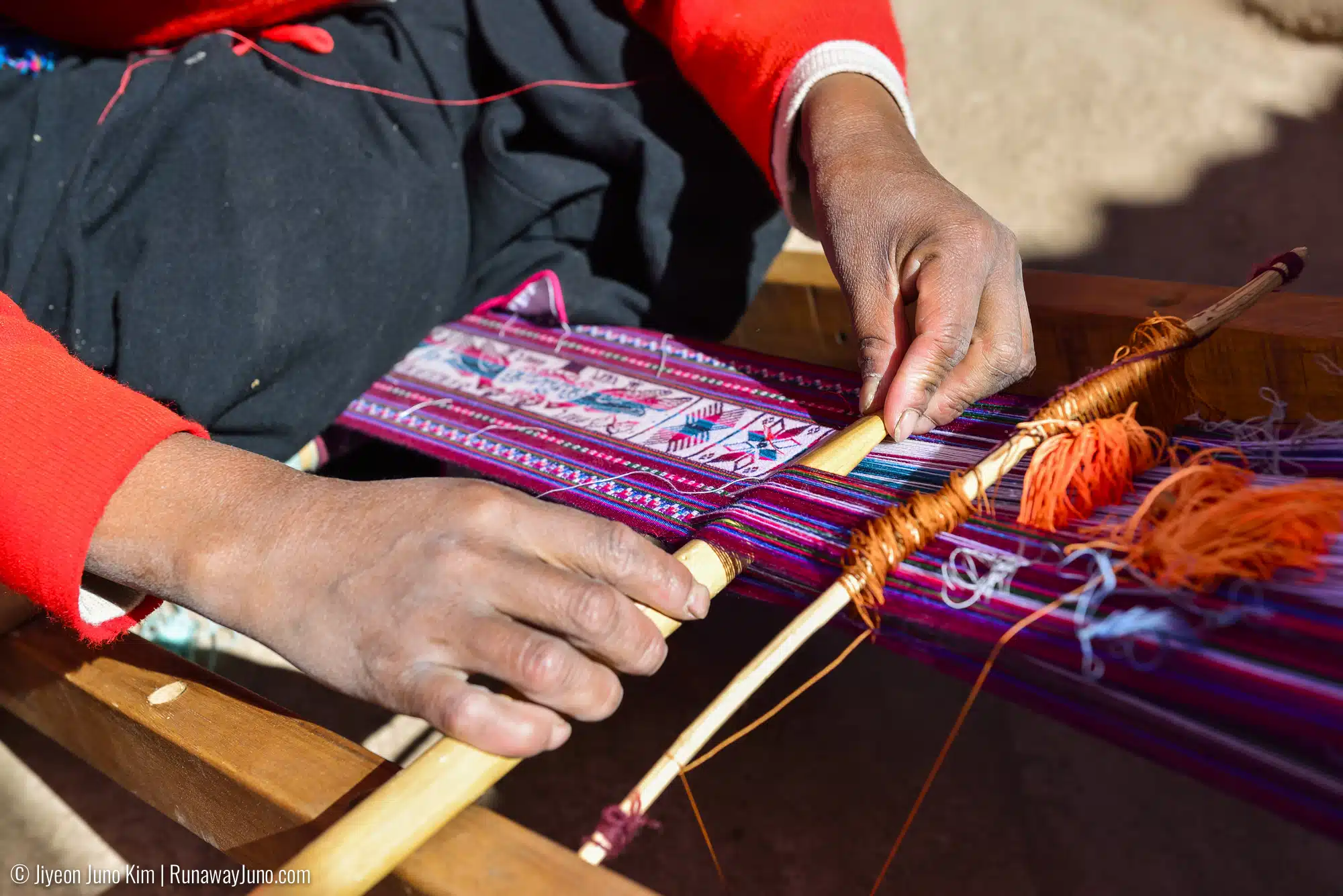
On Taquile Island in Lake Titicaca, textile-making forms part of everyday social and cultural life. Men traditionally knit distinctive hats while women spin wool and weave other textiles. Designs and clothing can communicate identity and social information, and techniques are taught within families from childhood. UNESCO recognises Taquile and its textile art as intangible cultural heritage.

Scissors Dance

Spotlight 02

Scissors Dance

The Scissors Dance is a competitive ritual performance rooted in Quechua communities of Peru's south-central Andes. A dancer performs demanding steps and acrobatics while striking two polished metal blades together in rhythm with a violinist and harpist. Competing groups can perform for many hours, testing musical skill, stamina and physical ability. UNESCO recognised the tradition in 2010.

Q’eswachaka Rope Bridge

Spotlight 03

Q’eswachaka Rope Bridge

Each year, Quechua communities work together to renew the Q’eswachaka suspension bridge across the Apurímac River using traditional plant-fibre ropes. Families prepare rope, specialist bridge builders direct construction and the old bridge is replaced through communal work and ceremony. The practice preserves engineering knowledge connected with the wider Andean bridge traditions once used across the Inca road system.

Afro-Peruvian Cajón Music

Spotlight 04

Afro-Peruvian Cajón Music

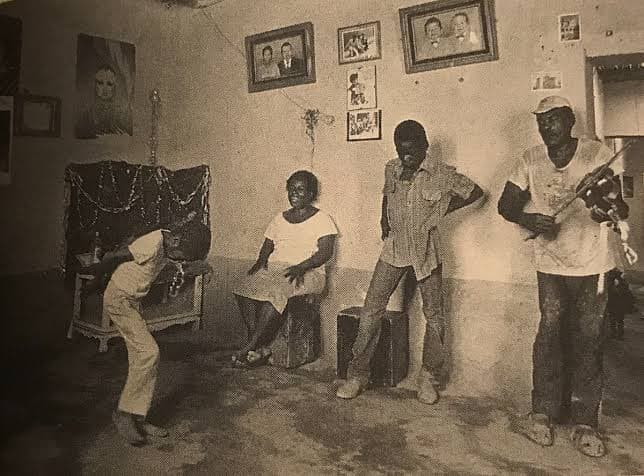
Afro-Peruvian musical traditions developed particularly along Peru's coast among communities descended from enslaved Africans. The cajón — a wooden box played by striking its front surface with the hands — became one of the country's most recognisable instruments. It appears in Afro-Peruvian genres including festejo and has since travelled far beyond Peru, becoming especially influential in modern flamenco and world music.

One more wander

Places worth
stopping for.

Sacred City of Caral-Supe
01

Ancient Civilisation

Sacred City of Caral-Supe

Caral lies on a desert terrace overlooking the Supe Valley and developed around 5,000 years ago. Its monumental platform mounds, sunken circular courts and planned urban spaces reveal an extraordinarily complex early society. UNESCO describes Caral-Supe as the oldest known centre of civilisation in the Americas, making it crucial to understanding that Peru's remarkable history began thousands of years before the Inca.
02

Inca Heritage

Machu Picchu

Machu Picchu stands more than 2,400 metres above sea level where the Andes meet the upper Amazon basin. Inca builders created terraces, temples, residences, water channels and carefully fitted stone structures across a steep mountain ridge. Its extraordinary architecture and surrounding ecosystem make it both a cultural and natural UNESCO World Heritage property.

Machu Picchu
Nazca Lines
03

Archaeology & Mystery

Nazca Lines

Hundreds of enormous lines and figures cover the desert around Nazca and Palpa. Ancient communities created them by removing darker surface stones to expose lighter ground underneath. Designs include hummingbirds, monkeys, spiders, plants and geometric forms. Their exact functions continue to be studied, but archaeologists connect them with the beliefs, landscapes and ceremonial practices of the people who created them.

04

Amazon & Biodiversity

Manú National Park

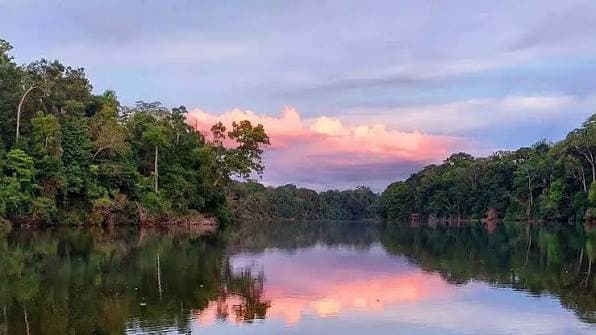
Manú protects an enormous range of environments descending from high Andean grasslands through cloud forest into lowland Amazon rainforest. This dramatic change in altitude supports exceptional biodiversity, including jaguars, giant otters, spectacled bears, monkeys and hundreds of bird species. Indigenous communities also live within the wider region. UNESCO inscribed Manú as a natural World Heritage property in 1987.

Manú National Park

Your turn

What did
you discover?

Things We’ve Learned About Peru

Peru contains Pacific desert, some of the highest parts of the Andes and vast areas of Amazon rainforest.

Caral developed around 5,000 years ago and is one of the oldest known urban centres in the Americas.

The Inca called their empire Tawantinsuyu, often translated as the 'land of the four parts'.

Student Contribution

🌎 Peru Student Discoveries

Found a useful website, video, recipe or cultural resource about Peru? Share it with Fable Culture for staff review.

🌍 Educational🎶 Cultural📚 Reliable👀 Safe for school

Student Contribution

➕ Suggest a Resource

Found a useful website, video, museum, article, or educational resource? Submit it for teacher review.