Take a jaunt through

Suriname

Suriname sits on South America's Atlantic coast between Guyana and French Guiana. Although it is the smallest sovereign country in South America, its population contains an extraordinary mixture of Indigenous, African, Indian, Javanese, Chinese, European and mixed cultural traditions. Most of the country's interior is covered by tropical rainforest, while the majority of the population lives along the northern coastal region.

Indigenous HistoryMaroon HeritageSlavery & ResistanceIndentureRainforestMigrationReligious DiversityCultural Diversity
Suriname
GO
01

Capital

Paramaribo

02

Population

About 650,000

03

Languages

Dutch, Sranan Tongo, Sarnami Hindustani, Javanese, Indigenous and Maroon languages

04

Currency

Surinamese Dollar (SRD)

Get your bearings

First,
look around.

Indigenous peoples lived in the Guiana region for thousands of years before European colonisation. Dutch plantation colonies later developed along Suriname's rivers, using the forced labour of enslaved Africans to produce sugar, coffee and other crops. Many enslaved people escaped into the rainforest, where they established independent Maroon communities and fought long campaigns against colonial forces. After slavery was abolished, plantation owners recruited indentured workers from British India and Java, while migrants from China and elsewhere also contributed to the country's increasingly diverse society. Suriname remained a Dutch colony until independence in 1975. Today Dutch is the official language, but many other languages are spoken, and Hindu temples, mosques, churches and synagogues form part of the country's cultural landscape. Beyond the populated coast lies an enormous rainforest interior inhabited by Indigenous and Maroon communities with distinctive languages, knowledge and traditions.

Paramaribo

First stop Β· Capital

Paramaribo

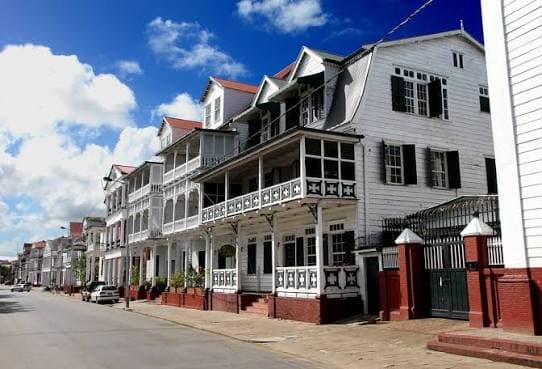
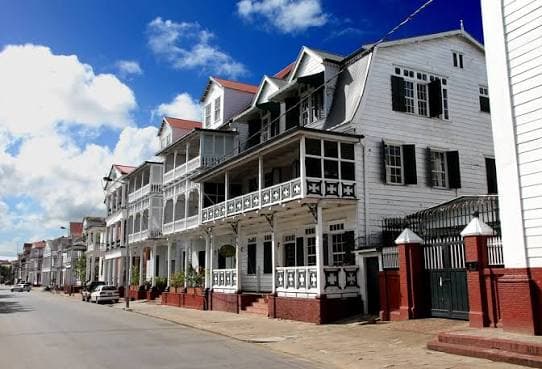
Paramaribo is Suriname's capital and largest city, standing beside the Suriname River near the Atlantic coast. Its historic centre contains a distinctive mixture of Dutch-influenced street planning and predominantly wooden architecture adapted to a tropical South American environment. Buildings, religious sites and public spaces also reflect the city's African, Asian, European and Indigenous histories.

Wander a little further

Follow the trail through Suriname.

Colonial Suriname

History

Colonial Suriname

Dutch colonists developed plantation settlements along Suriname's rivers, where enslaved Africans were forced to produce crops including sugar and coffee. Fort Nieuw Amsterdam was constructed during the eighteenth century near the meeting of the Suriname and Commewijne rivers to defend the plantation colony. The colonial economy created enormous wealth for plantation owners while enslaved people experienced violence, forced labour and family separation.
Food

Pom

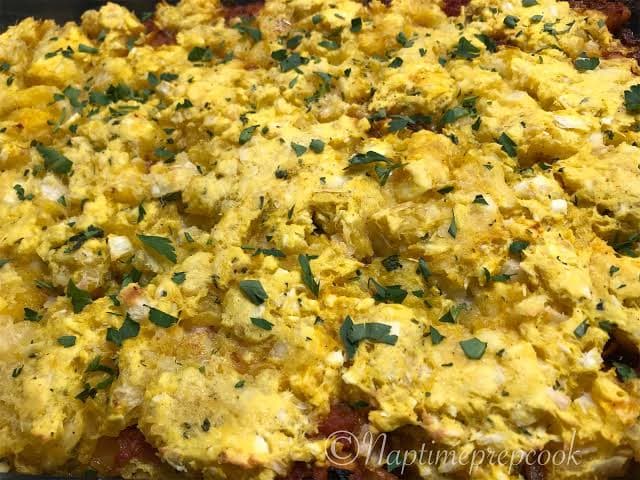
Pom is one of Suriname's best-known dishes and demonstrates the country's multicultural history. It is usually made using grated pomtajer root baked with meat and citrus-flavoured seasoning. The dish developed within Suriname's Jewish community but incorporates ingredients and techniques shaped by the country's wider cultural environment. Today pom is eaten across communities and is particularly associated with celebrations and family gatherings.

Pom
Rainforest Interior

Wildlife

Rainforest Interior

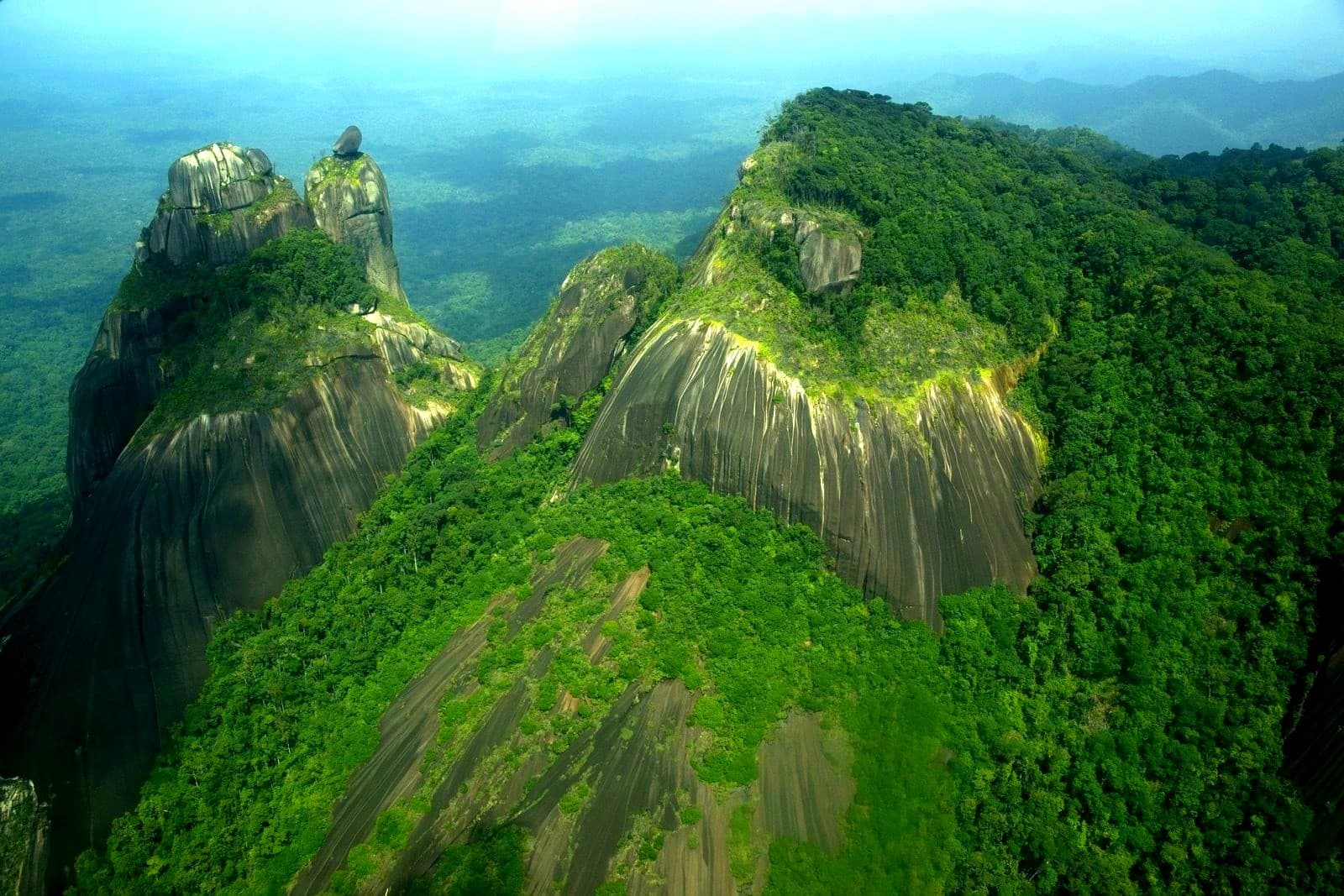
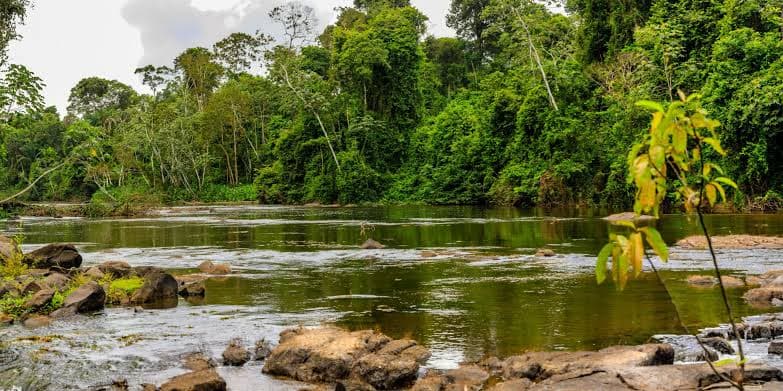
Most of Suriname remains covered by tropical forest. The interior supports jaguars, giant armadillos, monkeys, tapirs, giant river otters and hundreds of bird species. Rivers provide major travel routes through regions where roads are limited. Indigenous and Maroon communities have developed detailed knowledge of the forest's plants, animals and waterways over generations.

Maroon Pangi Textiles

Culture Β· stop and look

Maroon Pangi Textiles

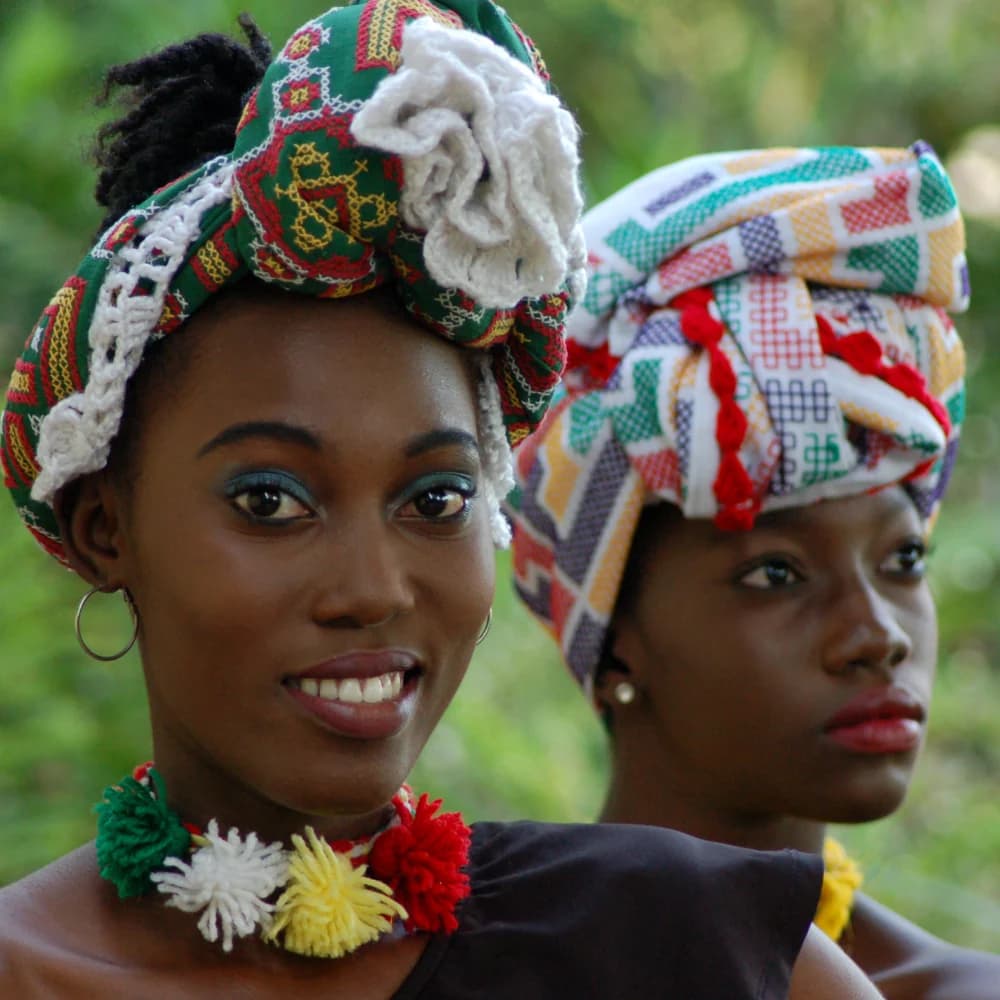
Pangi cloth is strongly associated with Suriname's Maroon communities. Bright fabrics are worn and adapted into clothing, wraps and decorative textiles, with colours and patterns carrying social and aesthetic meaning. Maroon textile traditions developed within communities founded by Africans who escaped slavery and created independent societies in Suriname's forested interior.

Through time

Follow the
story.

Four stops first. Open the rest if you want to travel further.

Thousands of years ago

Indigenous Suriname

Indigenous peoples lived throughout the Guiana region for thousands of years before European colonisation. Communities developed detailed knowledge of rivers, rainforest plants, animals, soils and seasonal changes.

Before European arrival

Many Indigenous Peoples

Different Indigenous peoples lived in the region, including ancestors of communities such as the Lokono, Kalina, Trio and Wayana. Languages, political organisation and ways of life varied between coastal and interior communities.

Before European arrival

Cassava Culture

Cassava became an important food throughout the Guianas. Indigenous peoples developed specialist techniques for processing bitter cassava safely and transforming it into bread, drinks and other foods.

1490s–1500s

European Exploration

European expeditions began exploring the Guiana coast. Spanish, Portuguese, English, French and Dutch interests all competed for influence in the wider region.

Continue the journey ↓

1600s

European Settlements

English and Dutch colonists attempted to establish permanent settlements and plantation agriculture along Suriname's rivers and coastal lowlands.

1650

English Colony

English settlers established a plantation colony under the leadership of Francis Willoughby. Sugar plantations expanded along the rivers using enslaved African labour.

1667

Dutch Suriname

Dutch forces captured Suriname during war between England and the Dutch Republic. Dutch control was confirmed through agreements that followed the conflict.

Late 1600s

Plantations Expand

Sugar, coffee, cacao and other plantation crops became important to the colonial economy. Enslaved Africans were forcibly transported across the Atlantic in increasing numbers.

1600s–1700s

Escape from Slavery

Many enslaved Africans escaped plantations and travelled into the forested interior. There they formed communities that became known as Maroons.

Student investigation

1700s

πŸ” Your Investigation: Maroon Resistance

Investigate Suriname's Maroon communities and how people escaping slavery created independent societies in the rainforest.

β†’ How did people escape the plantations?

β†’ How did Maroon communities survive in the rainforest?

β†’ Why did the Dutch eventually make treaties with some Maroon groups?

1700s

Maroon Societies

Different Maroon peoples developed, including the Ndyuka, Saramaka, Matawai and others. Their societies combined African cultural inheritance with knowledge developed in the South American rainforest.

1730s–1760s

War Against the Plantations

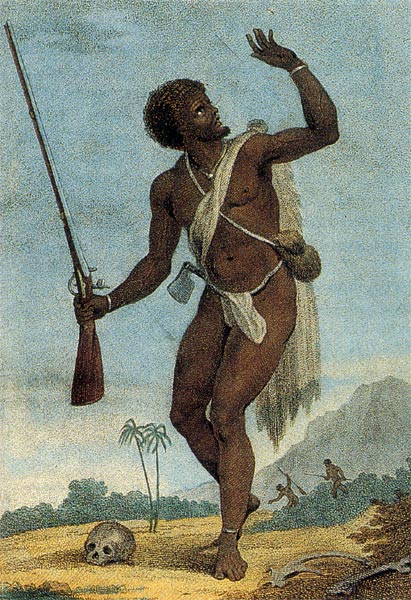
Maroon fighters attacked plantations, freed enslaved people and resisted military expeditions sent into the interior. Their knowledge of rivers and rainforest terrain made colonial campaigns extremely difficult.

1760

Treaty with the Ndyuka

Dutch colonial authorities concluded a peace treaty with the Ndyuka Maroons. The agreement recognised a significant degree of autonomy in exchange for an end to attacks on plantations.

1762

Treaty with the Saramaka

The Dutch reached a similar agreement with the Saramaka. These treaties recognised the reality that major Maroon societies had successfully maintained independence from direct plantation control.

1760s–1790s

Boni's Resistance

A Maroon leader known as Boni became one of the most important figures in resistance to Dutch colonial rule. His fighters used fortified forest settlements and guerrilla tactics while continuing to challenge plantations and colonial forces.

1793

Death of Boni

Boni was killed after years of warfare. He later became an important symbol of resistance to slavery and colonial rule in Surinamese history.

1799–1816

British Occupation

Britain occupied Suriname during conflicts associated with the French Revolutionary and Napoleonic wars. Dutch colonial control was restored in the early nineteenth century.

1816

Dutch Rule Restored

Suriname returned to Dutch colonial administration. Plantation agriculture and slavery continued for several more decades.

1800s

Plantation Slavery Continues

Enslaved Africans and their descendants continued to labour on plantations producing sugar, coffee and other crops. Resistance, escape and the maintenance of African-derived cultural traditions continued throughout this period.

Student investigation

1863

πŸ” Your Investigation: Emancipation

Investigate what emancipation changed β€” and what did not immediately change β€” for formerly enslaved Surinamese people.

β†’ What is Keti Koti?

β†’ What happened to plantation owners after emancipation?

β†’ Why were formerly enslaved people still required to work under state supervision?

1863

Keti Koti

Slavery was legally abolished on 1 July. The anniversary became known as Keti Koti, often translated from Sranan Tongo as 'the chains are cut', and remains an important annual commemoration.

1863–1873

State Supervision

Emancipation did not immediately bring complete freedom. Many formerly enslaved people were required to continue working under a ten-year system of state supervision.

1873

Indian Indentured Workers Arrive

After state supervision ended, plantation owners increasingly recruited indentured workers from British India. The first large organised group arrived in Suriname in 1873.

1873–1916

Indian Indenture

Thousands of workers travelled from British India under labour contracts. Many remained permanently after their contracts ended, forming the foundation of Suriname's large Hindustani community.

1890

Javanese Migration Begins

Workers began arriving from Java in the Dutch East Indies, now Indonesia. Dutch colonial authorities recruited them to work particularly in agriculture and on plantations.

Student investigation

Late 1800s–early 1900s

πŸ” Your Investigation: A Multicultural Suriname

Investigate how colonial migration created the extraordinary mixture of languages, religions and foods found in Suriname today.

β†’ Why did people arrive from India and Java?

β†’ Which religions came with different migrant communities?

β†’ Which foods, languages or celebrations remain part of Surinamese culture today?

1900s

Paramaribo's Diverse Society

Paramaribo developed as a city where Christian churches, Hindu temples, mosques and a synagogue served different communities. Dutch remained the colonial language while many other languages flourished.

Early 1900s

Bauxite

Large deposits of bauxite, the main ore used to produce aluminium, were developed commercially. Mining became increasingly important to Suriname's economy.

1930s

Anton de Kom

Writer and activist Anton de Kom challenged colonialism and racism and documented the history of slavery and resistance in Suriname. Dutch colonial authorities arrested and expelled him from the colony.

1940–1945

Suriname and the Second World War

Suriname's bauxite became strategically important because aluminium was essential for aircraft production. Allied forces protected mining and shipping infrastructure during the war.

1949

Universal Suffrage

Voting rights were expanded as Suriname moved towards greater internal self-government after the Second World War.

1954

Greater Self-Government

Under a new Charter for the Kingdom of the Netherlands, Suriname gained substantial control over its internal affairs while remaining part of the Dutch kingdom.

1960s–1970s

Debate About Independence

Political leaders debated whether Suriname should remain within the Kingdom of the Netherlands or become fully independent. The question produced significant political disagreement.

Student investigation

1975

πŸ” Your Investigation: Suriname Becomes Independent

Investigate Suriname's transition to independence and why many Surinamese people migrated to the Netherlands around this period.

β†’ Who negotiated Suriname's independence?

β†’ Why did some people support independence while others were uncertain?

β†’ Why did migration to the Netherlands increase?

1975

Independence

The Republic of Suriname became independent from the Netherlands. Johan Ferrier became the country's first president.

1975

Migration to the Netherlands

Large numbers of Surinamese people moved to the Netherlands before and around independence. As a result, strong family, cultural and linguistic connections continue between the two countries.

1980

Military Coup

A group of military officers led by Desi Bouterse overthrew the elected government. Military rule followed and democratic institutions were severely weakened.

1982

December Killings

Fifteen critics of the military government, including journalists, lawyers, academics and union figures, were killed at Fort Zeelandia. The killings became one of the most significant human-rights cases in Suriname's modern history.

1986–1992

Interior War

Armed conflict developed between the Surinamese military and the Jungle Commando, whose membership and support were strongly connected with Maroon communities in the interior. Villages were attacked and thousands of people were displaced.

1986

Moiwana

Soldiers attacked the Maroon village of Moiwana, killing civilians and forcing survivors to flee. The massacre became one of the best-known atrocities of Suriname's Interior War.

1987

A New Constitution

A new constitution was approved and elections helped restore civilian political institutions, although military influence remained significant.

1992

Peace Agreement

A peace agreement formally brought the Interior War to an end. Maroon and Indigenous communities continued to campaign over land rights and political recognition.

2000

Central Suriname Nature Reserve

UNESCO inscribed the Central Suriname Nature Reserve on the World Heritage List. The enormous protected area preserves tropical rainforest, rivers, mountains and exceptional biodiversity.

2002

Historic Paramaribo Recognised

UNESCO inscribed the Historic Inner City of Paramaribo on the World Heritage List, recognising its distinctive colonial town plan and architecture.

2010s

Maroon and Indigenous Land Rights

Indigenous and Maroon communities continued campaigning for legal recognition of collective territories and greater control over lands traditionally used by their communities.

2023

Jodensavanne Recognised

UNESCO inscribed the Jodensavanne Archaeological Site on the World Heritage List. The site preserves evidence of a Jewish settlement established in the seventeenth century alongside the remains of the Cassipora Creek cemetery.

Today

Modern Suriname

Modern Suriname is a multilingual and multi-religious republic with exceptionally diverse cultural roots. Most people live along the Atlantic coastal region, while much of the interior remains forested and is home to Indigenous and Maroon communities. Mining, rainforest conservation, land rights and preserving cultural traditions remain important national issues.

Faces along the way

Who
am I?

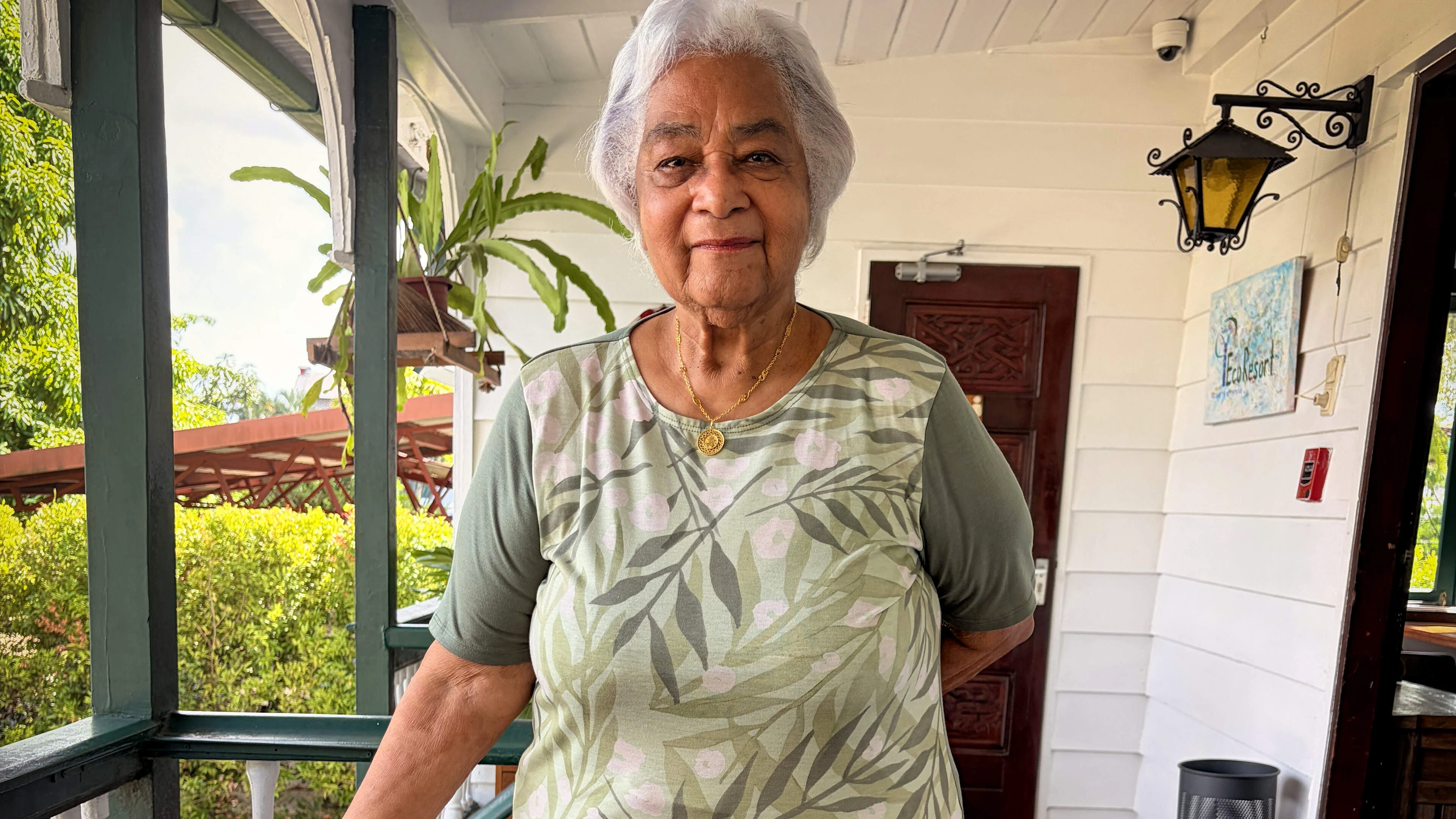
Study the photograph. Read the clue. Make your guess before revealing the person.

Mystery influential person from Suriname

Mystery person

Who am I?

01

Your clue

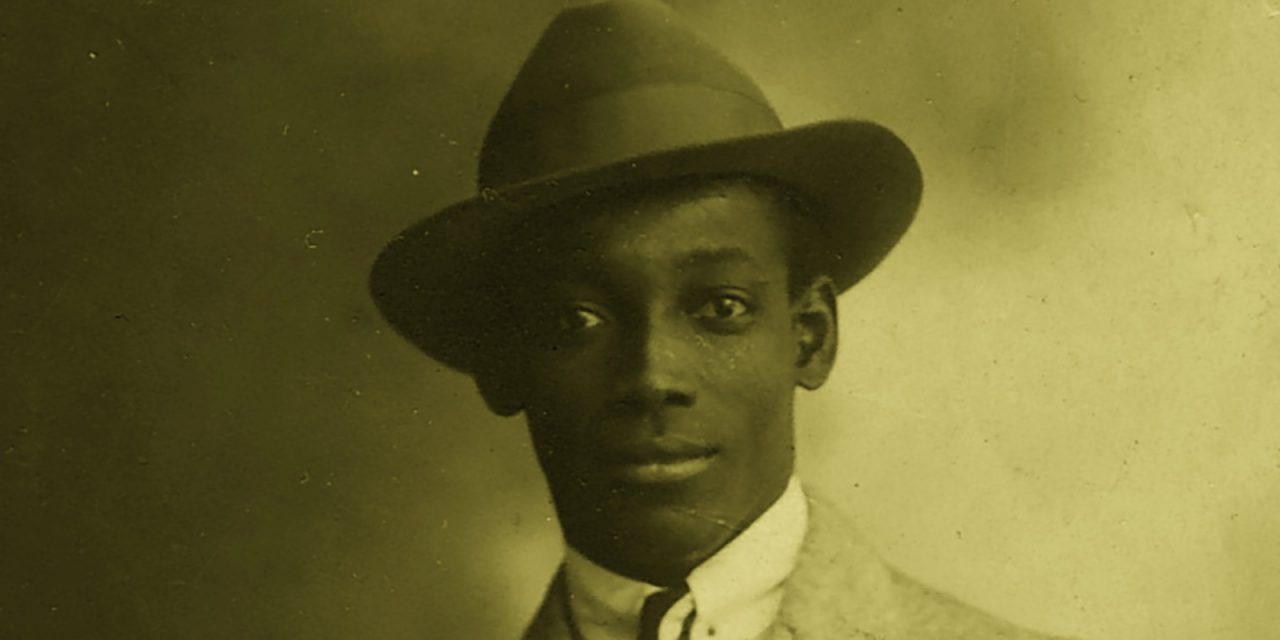
I became an influential figure in Suriname. Can you work out who I am?

Mystery influential person from Suriname

Mystery person

Who am I?

02

Your clue

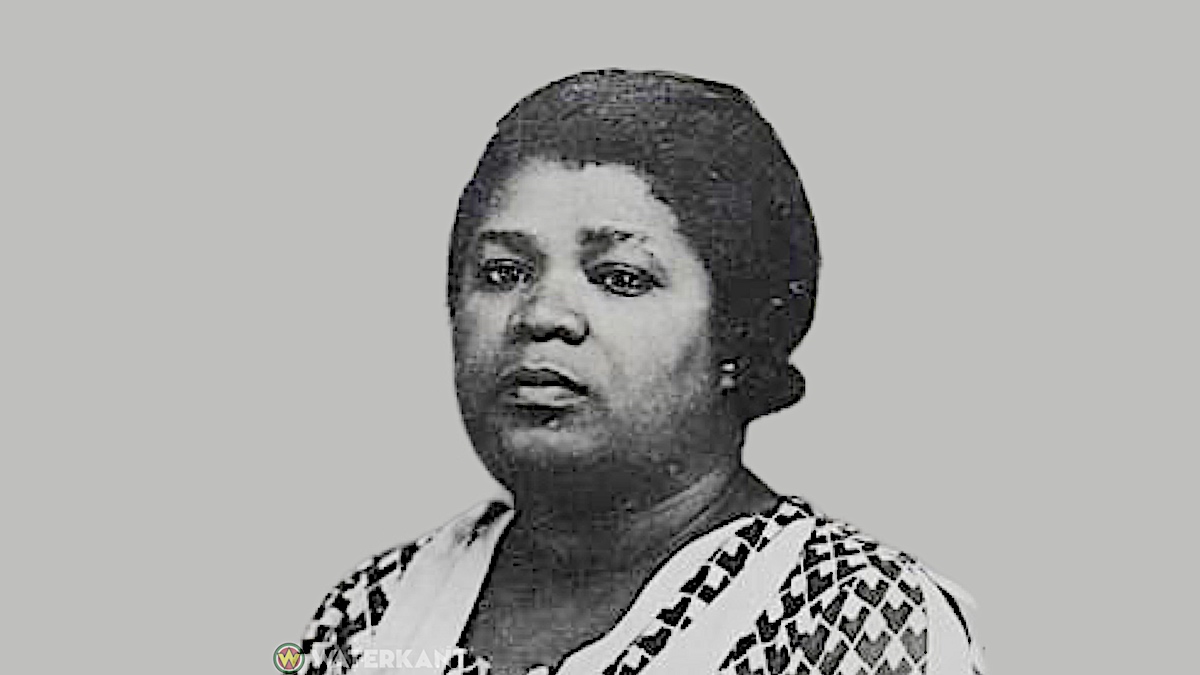
My words became an important part of culture. Who am I?

Mystery influential person from Suriname

Mystery person

Who am I?

03

Your clue

I became an influential figure in Suriname. Can you work out who I am?

Mystery influential person from Suriname

Mystery person

Who am I?

04

Your clue

I became an influential figure in Suriname. Can you work out who I am?

Look closer

Cultural
spotlights.

Maroon Woodcarving & Textiles

Spotlight 01

Maroon Woodcarving & Textiles

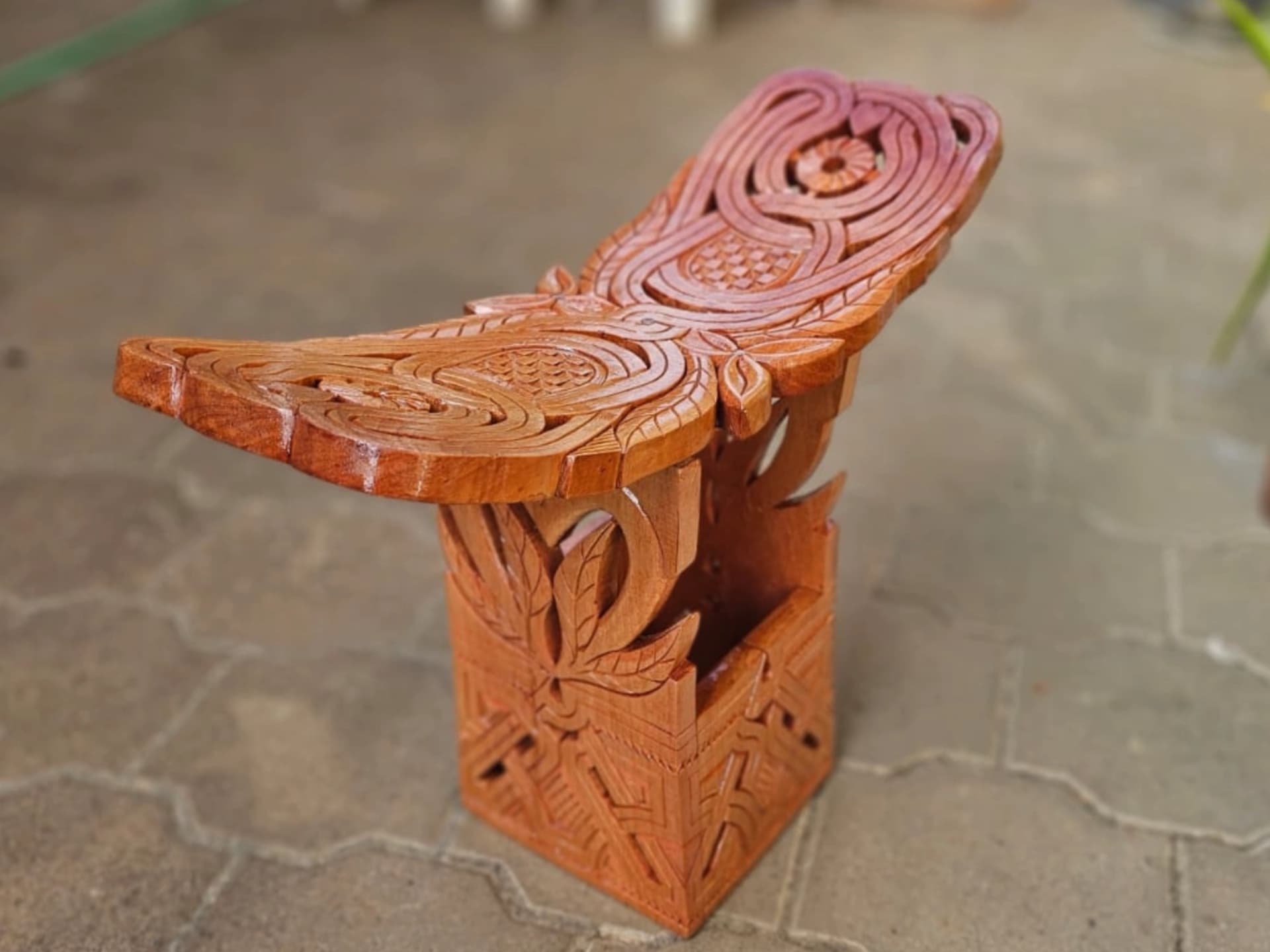
Suriname's Maroon peoples developed distinctive artistic traditions in communities established by Africans who escaped plantation slavery. Men have traditionally produced elaborately carved wooden objects while women created colourful textile designs, including decorated clothing and wraps. Styles differ between Maroon peoples and continue to develop rather than remaining fixed in the past.

Keti Koti

Spotlight 02

Keti Koti

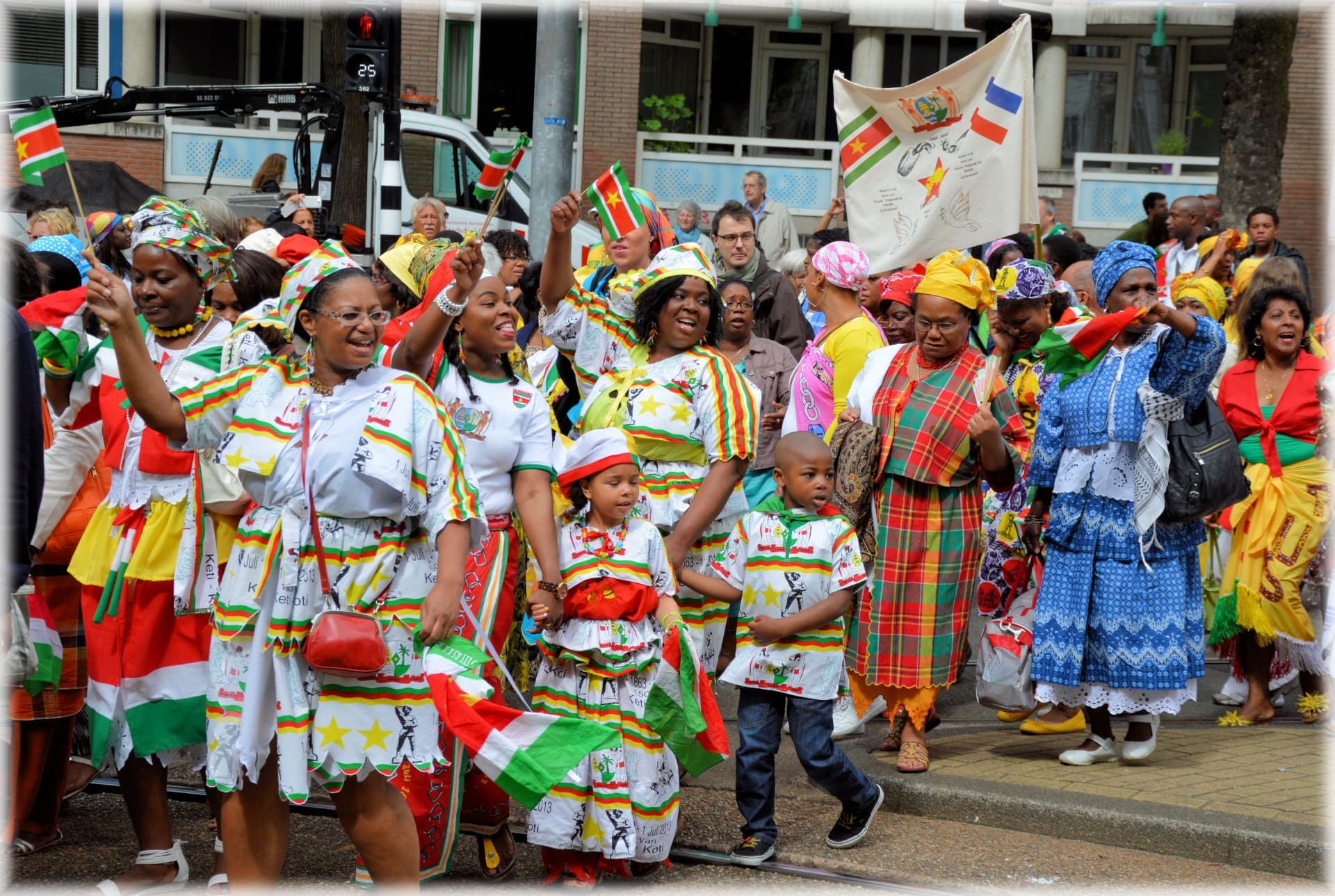
Keti Koti commemorates the abolition of slavery in Suriname on 1 July 1863. Its name is commonly translated from Sranan Tongo as 'the chains are cut'. Commemorations can include ceremonies, music, food, traditional clothing and remembrance of enslaved ancestors. The day celebrates freedom while also encouraging reflection on the continuing legacy of slavery.

Javanese-Surinamese Gamelan

Spotlight 03

Javanese-Surinamese Gamelan

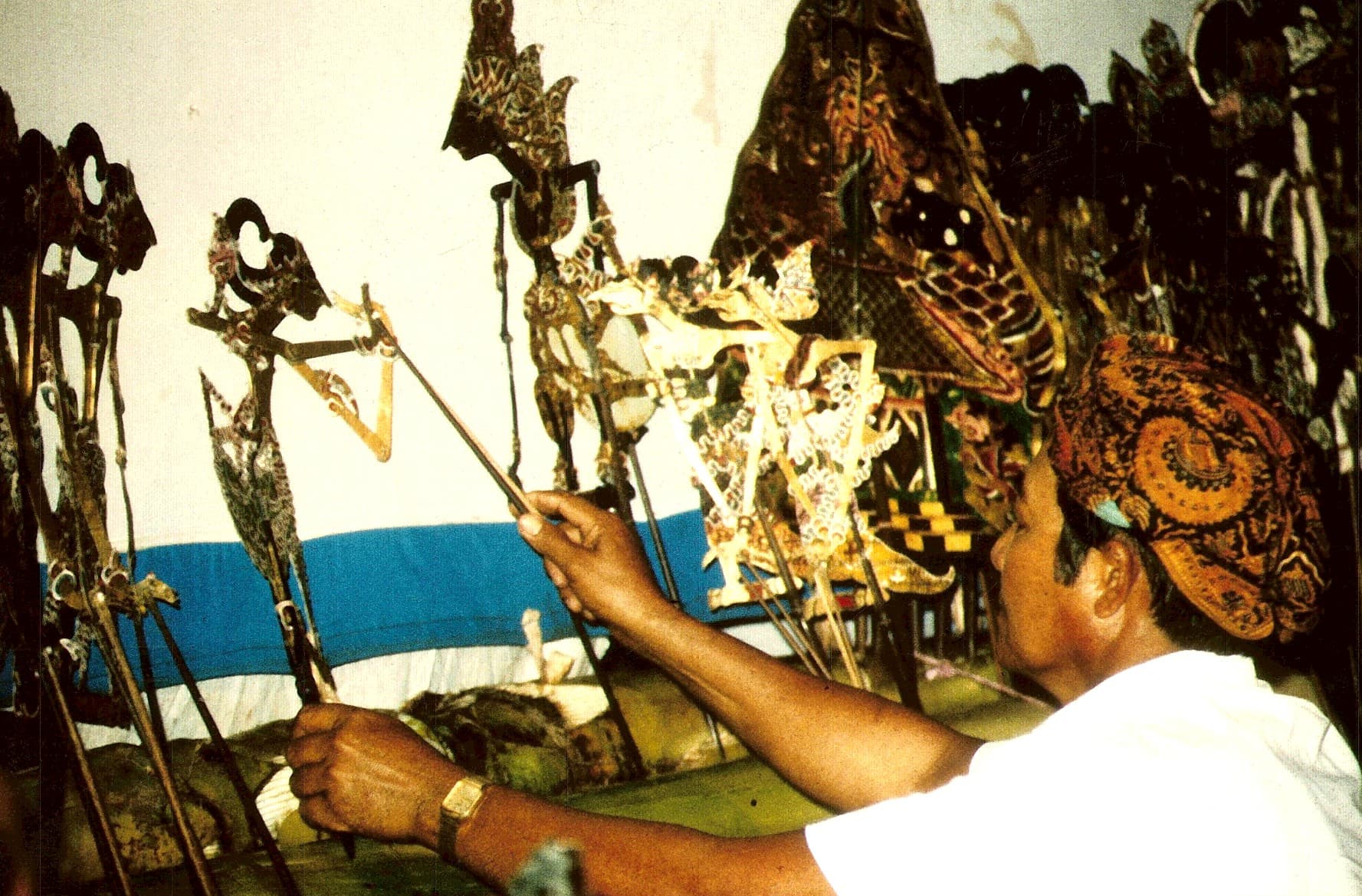
Javanese people arrived in Suriname from the Dutch East Indies beginning in the late nineteenth century. Their descendants maintained and adapted traditions including food, dance, language and gamelan music. Gamelan ensembles use instruments such as gongs and metallophones, demonstrating how an Indonesian musical tradition became part of South American cultural life.

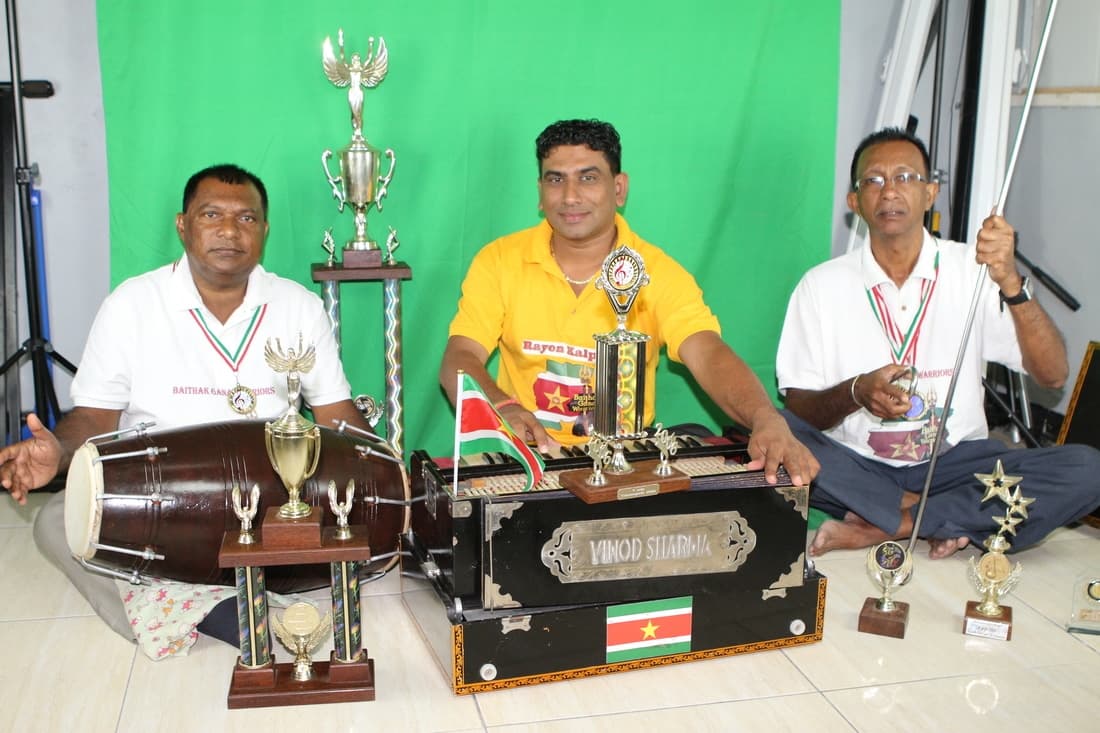
Baithak Gana

Spotlight 04

Baithak Gana

Baithak gana developed within Suriname's Indo-Surinamese community from musical traditions brought by migrants from northern India. Singing is accompanied by instruments commonly including harmonium, dholak and dhantal. Over generations the style developed its own Surinamese identity and became an important part of celebrations, social gatherings and Indo-Surinamese cultural life.

One more wander

Places worth
stopping for.

Historic Inner City of Paramaribo
01

Architecture & Cultural Diversity

Historic Inner City of Paramaribo

Paramaribo's historic centre developed from a Dutch colonial settlement beside the Suriname River. Its street plan and predominantly wooden buildings combine European architectural ideas with adaptations to a tropical South American environment. Religious buildings and neighbourhoods also reflect the city's extraordinary cultural diversity. UNESCO inscribed the historic centre on the World Heritage List in 2002.

02

Rainforest & Biodiversity

Central Suriname Nature Reserve

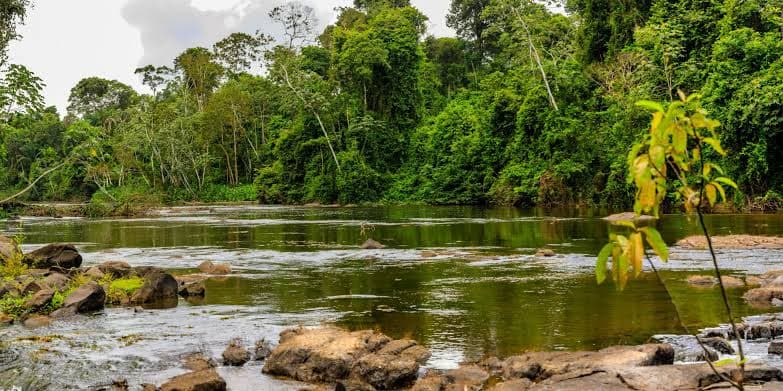
The Central Suriname Nature Reserve protects around 1.6 million hectares of largely undisturbed tropical forest in the country's interior. Its landscapes range from lowland rainforest to granite formations and mountains. Jaguars, giant armadillos, giant river otters, monkeys and remarkable birdlife live within the reserve, which UNESCO inscribed as a natural World Heritage property in 2000.

Central Suriname Nature Reserve
Upper Suriname River
03

Maroon Communities

Upper Suriname River

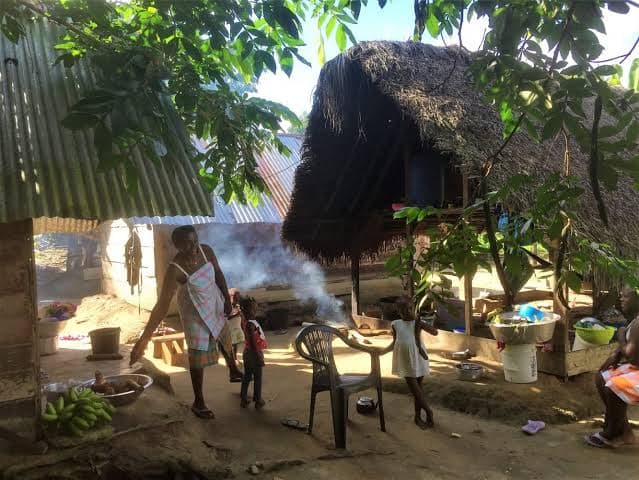
Villages along the Upper Suriname River are home particularly to Saramaka Maroon communities descended from Africans who escaped slavery centuries ago. Rivers remain crucial transport routes between settlements. Languages, social organisation, woodcarving, textiles, music, food and spiritual traditions preserve distinctive cultural knowledge developed through generations of life in the rainforest.

04

Jewish & Colonial History

Jodensavanne

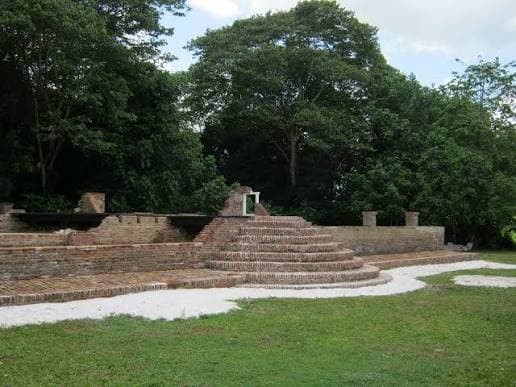
Jodensavanne developed as a Jewish settlement in colonial Suriname during the seventeenth century. The archaeological site contains the remains of the Beracha VeSalom synagogue, cemeteries and other evidence of community life. Its history is also inseparable from the plantation economy and enslaved African labour on which much colonial wealth depended. UNESCO added Jodensavanne to the World Heritage List in 2023.

Jodensavanne

Your turn

What did
you discover?

Things We’ve Learned About Suriname

Suriname is the smallest sovereign country in South America by land area.

Dutch is Suriname's official language, making it the only independent Dutch-speaking country in South America.

Most of Suriname is covered by tropical forest, while the majority of its population lives near the Atlantic coast.

Student Contribution

🌎 Suriname Student Discoveries

Found a useful website, video, recipe or cultural resource about Suriname? Share it with Fable Culture for staff review.

🌍 Educational🎢 CulturalπŸ“š ReliableπŸ‘€ Safe for school

Student Contribution

βž• Suggest a Resource

Found a useful website, video, museum, article, or educational resource? Submit it for teacher review.