Take a jaunt through

Uruguay

Uruguay lies between Argentina and Brazil on the Atlantic coast and the Río de la Plata. Much of its landscape consists of rolling grasslands rather than high mountains or rainforest, and cattle ranching has played a major role in its history. Indigenous Charrúa and other peoples, Spanish and Portuguese colonisation, African-descended communities and waves of European immigration all contributed to modern Uruguayan culture. Today traditions including candombe, tango, mate, carnival and football are deeply woven into national life.

Indigenous HistoryAfro-Uruguayan HeritageIndependenceGrasslandsCandombeTangoFootballHuman Rights
Uruguay
GO
01

Capital

Montevideo

02

Population

About 3.4 million

03

Languages

Spanish, Uruguayan Sign Language, Portuguese-influenced varieties near the Brazilian border

04

Currency

Uruguayan Peso (UYU)

Get your bearings

First,
look around.

The territory of modern Uruguay was inhabited by Indigenous peoples for thousands of years before European colonisation. Spanish and Portuguese powers competed for the region because of its strategic position beside the Río de la Plata, while cattle introduced by Europeans transformed the grasslands and encouraged the development of a rural horse-riding culture associated with the gaucho. During the early nineteenth century, José Gervasio Artigas became the central figure in a revolutionary movement that promoted regional autonomy and a federal political system. Uruguay eventually emerged as an independent state in 1828. Immigration, expanding livestock exports and urban growth transformed the country during the nineteenth and early twentieth centuries, while Afro-Uruguayan communities played a crucial role in the development of candombe and the cultural life of Montevideo. Reforms associated particularly with José Batlle y Ordóñez helped build an extensive secular and social state. Uruguay later experienced economic difficulties, political violence and a civic-military dictatorship from 1973 to 1985. Since the restoration of democracy, debates surrounding dictatorship, human rights, inequality and national identity have continued alongside Uruguay's strong traditions in literature, music, football and social life.

Montevideo

First stop · Capital

Montevideo

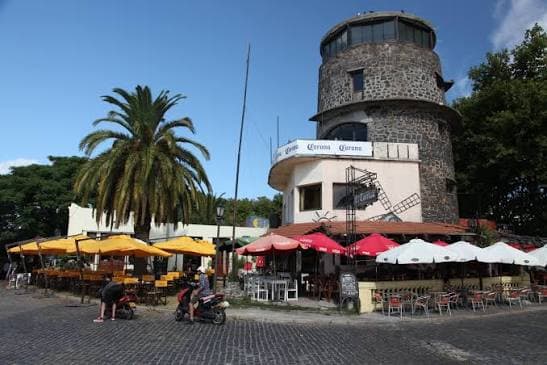
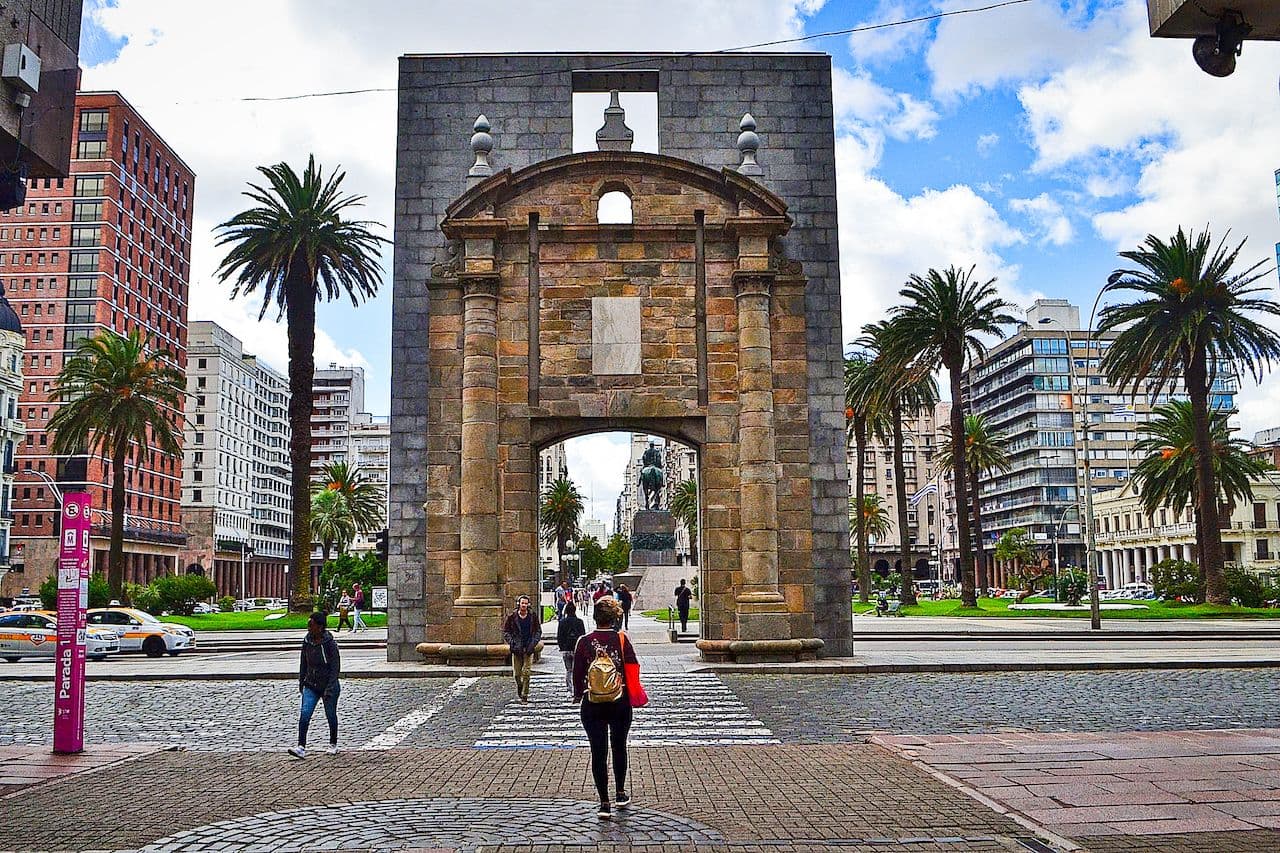
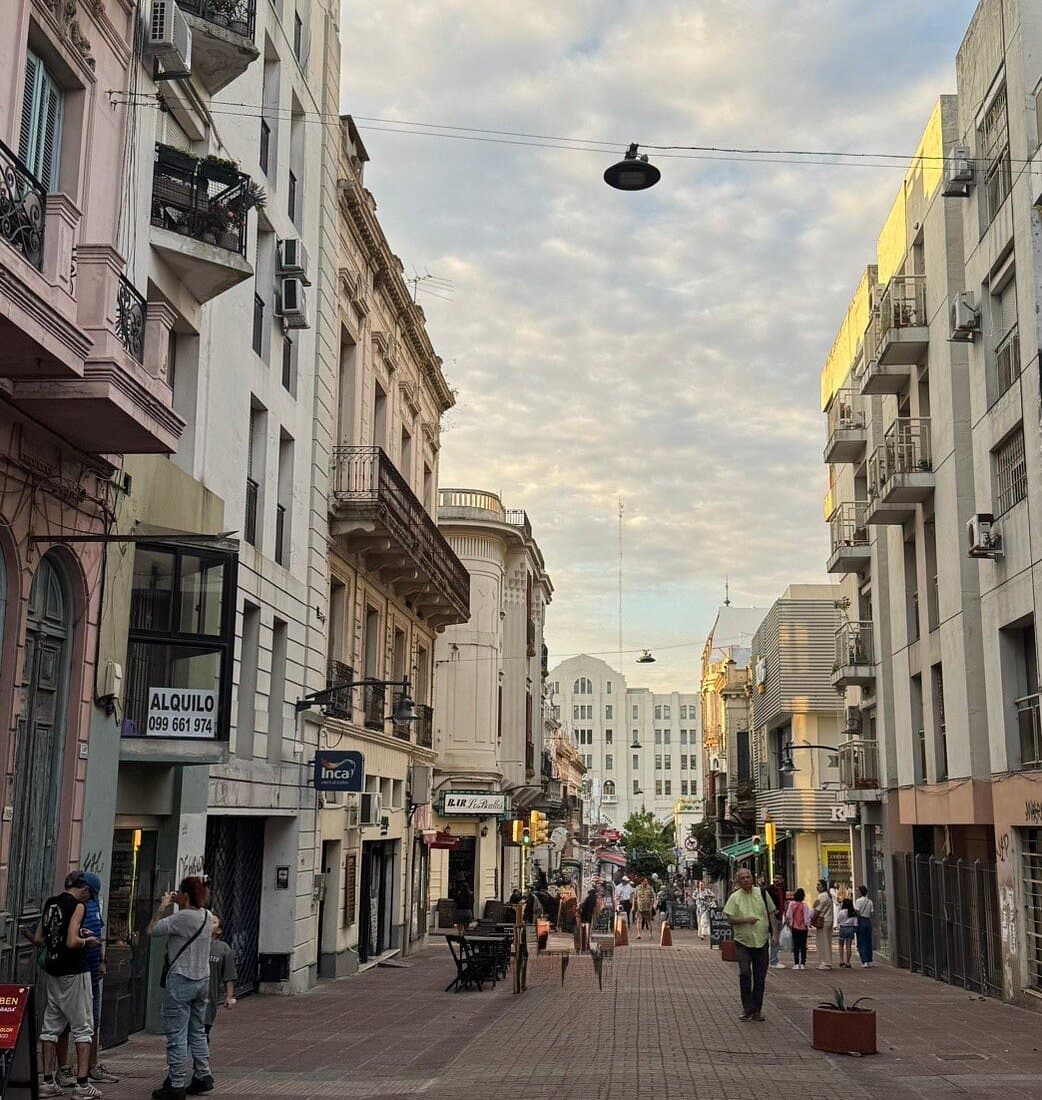
Montevideo is Uruguay's capital and largest city, standing on the Río de la Plata. Spanish authorities established a permanent settlement there during the eighteenth century as Spain and Portugal competed for control of the region. The modern city contains colonial buildings, nineteenth- and twentieth-century architecture, markets, beaches and an enormous waterfront promenade known as the Rambla. Montevideo is also one of the historic centres of both candombe and tango.

Wander a little further

Follow the trail through Uruguay.

Charrúa & Indigenous Uruguay

History

Charrúa & Indigenous Uruguay

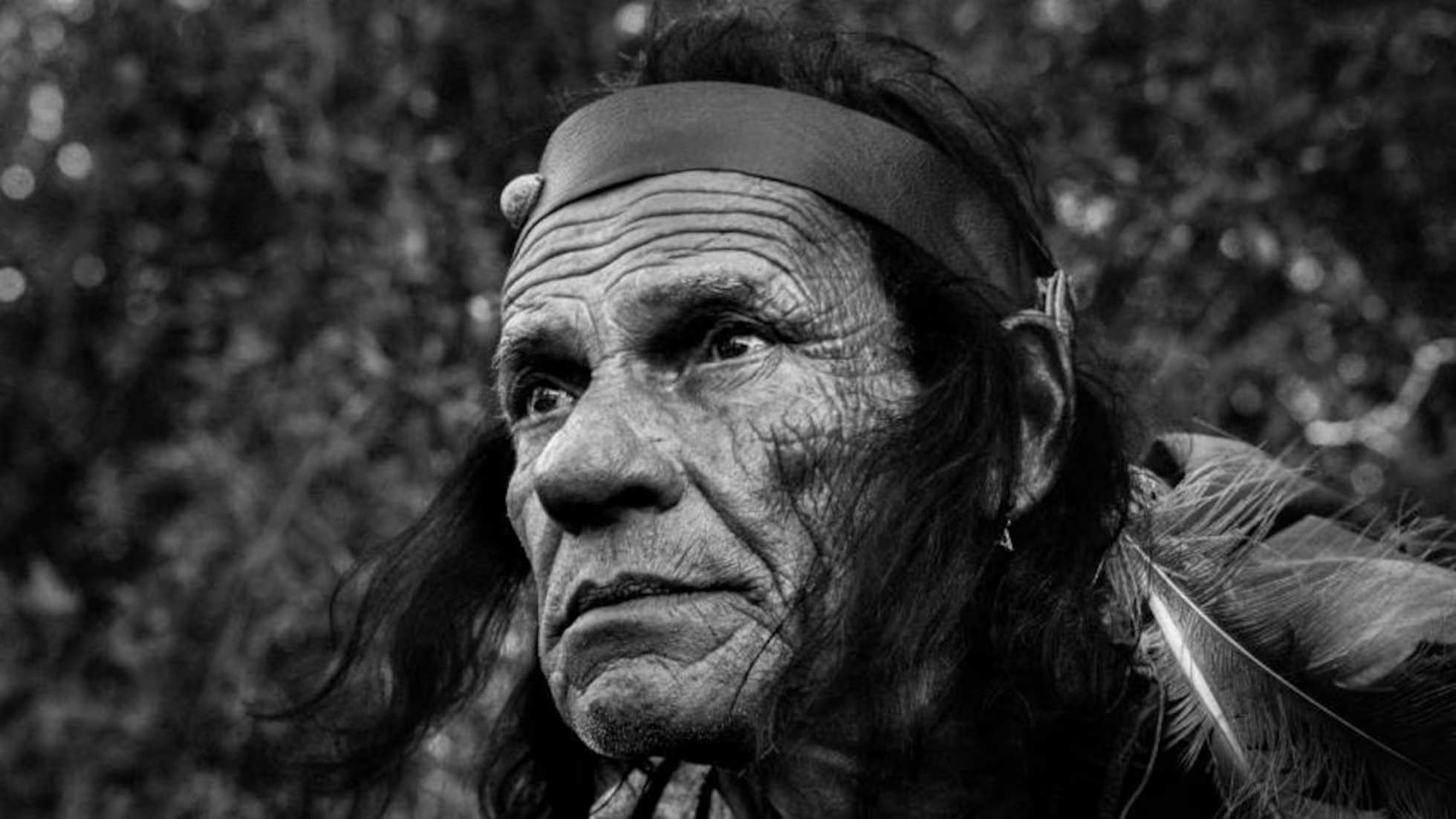
Indigenous peoples including the Charrúa, Chaná and Guaraní lived in the territory of modern Uruguay before European colonisation. Their populations were severely reduced through disease, warfare, displacement and colonial expansion. In 1831 government forces attacked Charrúa groups at Salsipuedes, an event that became central to debates about Indigenous history in Uruguay. Indigenous ancestry and identity continue to be researched and reclaimed today.
Food

Mate

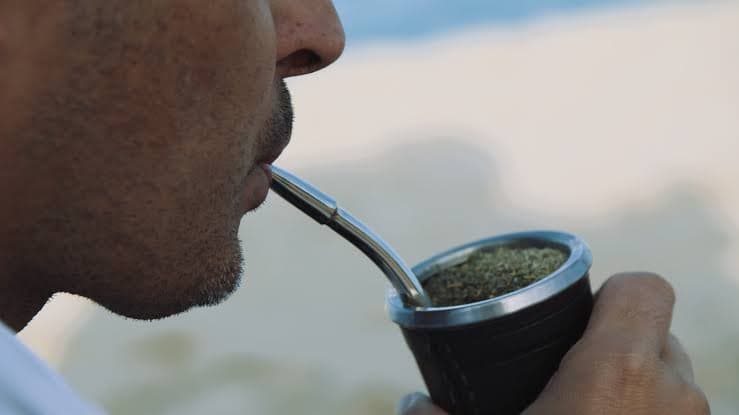
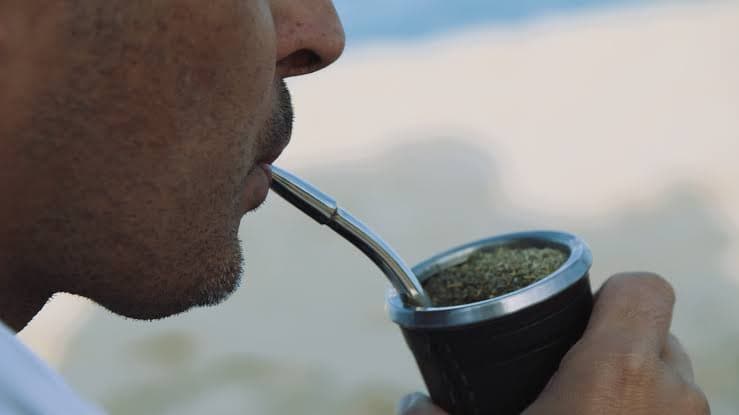
Mate is prepared by placing dried yerba mate leaves inside a small vessel, adding hot water and drinking through a metal straw called a bombilla. The plant and its use have Indigenous Guaraní roots and the drink spread widely across southern South America. In Uruguay, people commonly carry a mate together with a thermos of hot water, making the drink a highly visible part of everyday social life.

Mate
Pampas Deer

Wildlife

Pampas Deer

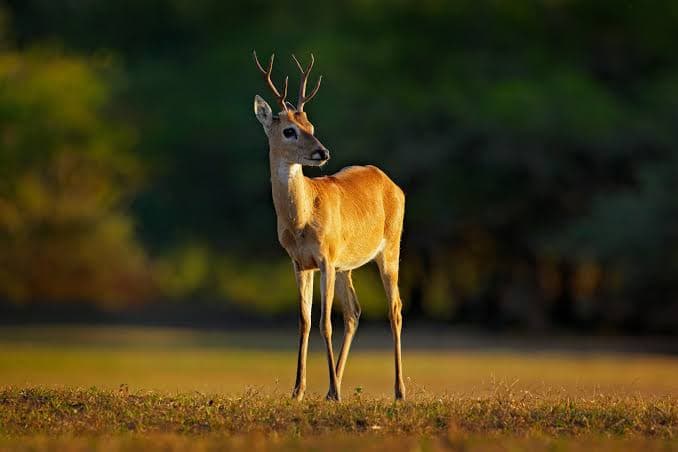
Uruguay's natural grasslands form part of the wider South American Pampas ecosystem. One of their characteristic mammals is the pampas deer, which once ranged widely across the continent's open grasslands. Agriculture, livestock farming and habitat change greatly reduced its populations. Uruguay still supports important surviving groups and the species has become a symbol of grassland conservation.

Candombe

Culture · stop and look

Candombe

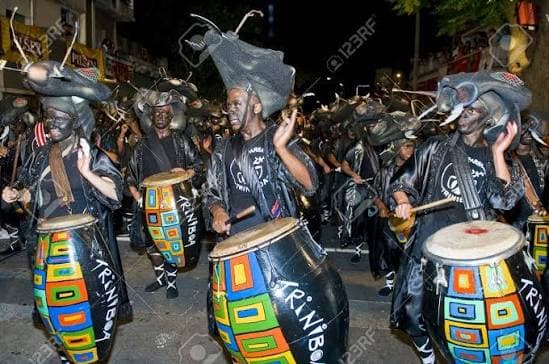
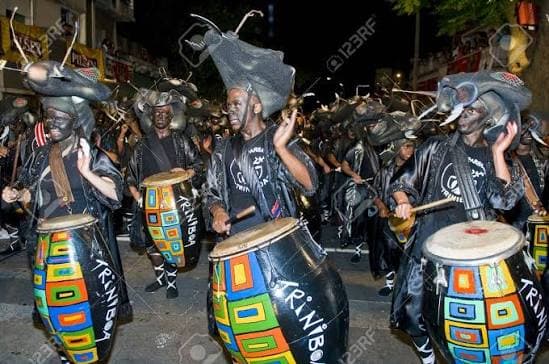
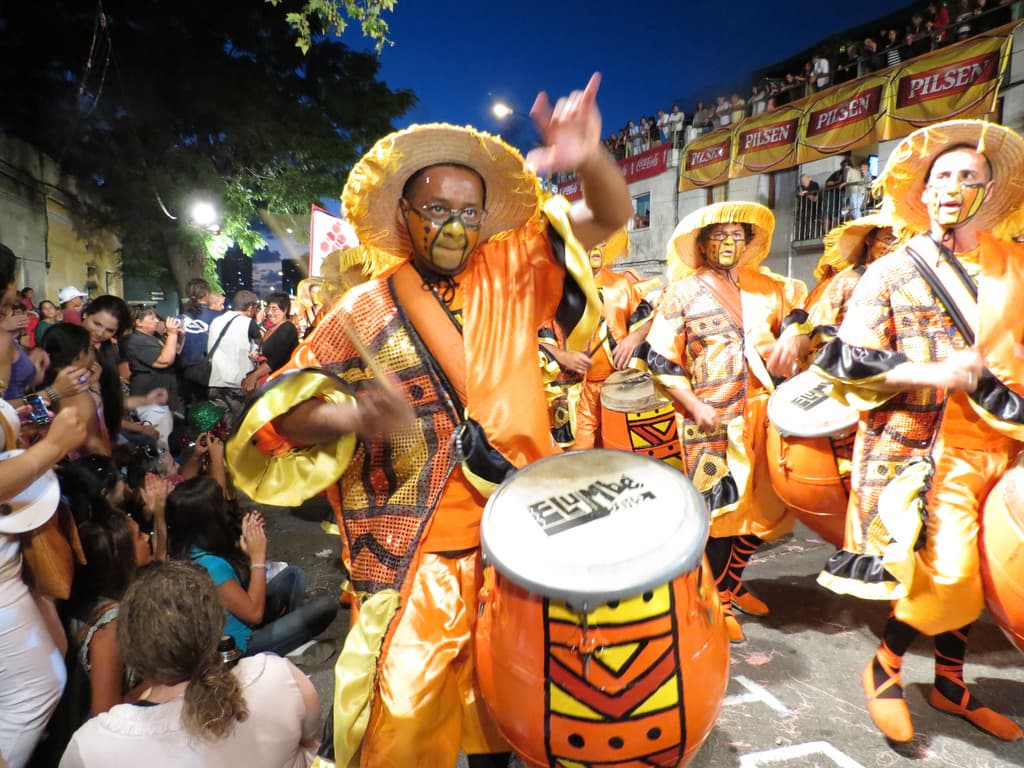
Candombe is an Afro-Uruguayan musical and social tradition centred on groups of drums called tambores. It developed particularly among communities of African descent in Montevideo and carries memories of slavery, resistance, neighbourhood identity and community life. Comparsas of drummers and dancers remain central to carnival and the llamadas. UNESCO recognises candombe and its socio-cultural space as intangible cultural heritage.

Through time

Follow the
story.

Four stops first. Open the rest if you want to travel further.

Thousands of years ago

The First Uruguayans

People lived in the grasslands, wetlands and river valleys of present-day Uruguay thousands of years before European arrival. Communities hunted, gathered, fished and adapted to the region's open landscapes.

Before European colonisation

Indigenous Peoples

Different Indigenous peoples lived in and moved through the region, including Charrúa, Chaná and Guaraní communities. Their societies had their own languages, territories and cultural traditions.

1516

European Expedition

The Spanish expedition led by Juan Díaz de Solís entered the Río de la Plata. Early European attempts to control the region remained limited.

1600s

Cattle Transform the Grasslands

European settlers introduced cattle and horses, which multiplied across Uruguay's extensive grasslands. Wild cattle attracted hunters and traders and later became the basis of an important ranching economy.

Continue the journey ↓

1600s–1700s

The Gaucho

A mobile horse-riding culture developed across the grasslands of Uruguay, Argentina and southern Brazil. Gauchos worked with cattle and became important figures in rural life, warfare, literature and national identity.

1680

Colonia del Sacramento

Portuguese settlers founded Colonia del Sacramento opposite Buenos Aires on the Río de la Plata. Spain and Portugal repeatedly fought and negotiated over control of this strategically important settlement.

1720s

Montevideo is Established

Spanish authorities established Montevideo partly to prevent further Portuguese expansion. Its sheltered harbour helped it develop into an important military and trading centre.

1700s

Enslaved Africans

Enslaved Africans were transported to Montevideo and the wider Río de la Plata region. African-descended people worked in households, trades, ports, agriculture and other forms of labour while maintaining and developing cultural traditions.

Late 1700s–1800s

Afro-Uruguayan Communities

African and Afro-descended communities created mutual-aid organisations, religious practices, celebrations, music and dance. These histories contributed to traditions that eventually developed into modern candombe.

1806–1807

British Invasions

British forces attacked the Río de la Plata and temporarily occupied Montevideo. Local resistance across the region contributed to growing political confidence among people born in the colonies.

1810

Revolution in the Río de la Plata

Revolution began in Buenos Aires against Spanish colonial authority. Political conflict quickly spread across the region that included modern Uruguay.

1811

José Gervasio Artigas

José Gervasio Artigas emerged as the leading revolutionary figure in the Banda Oriental, the region that became Uruguay. His forces defeated Spanish troops at the Battle of Las Piedras.

Student investigation

1811–1820

🔍 Your Investigation: Artigas and the Federal League

Investigate José Gervasio Artigas and why he became Uruguay's most important national hero even though Uruguay did not yet exist as an independent country.

→ What political system did Artigas support?

→ What was the Federal League?

→ Why is Artigas remembered as the 'Protector of Free Peoples'?

1811

The Oriental Exodus

Thousands of civilians followed Artigas and his forces away from territory controlled by Spanish authorities. The movement became an important event in Uruguay's national historical memory.

1813

Instructions of the Year XIII

Representatives associated with Artigas demanded independence, republican government, greater provincial autonomy and a federal political system.

1815

The Federal League

Artigas became the leading figure in a federation of provinces opposed to centralised control from Buenos Aires. His influence extended beyond the territory of modern Uruguay.

1815

Land Regulation

Artigas introduced a land programme intended to redistribute confiscated land, with preference given to groups including poor families, formerly enslaved people and Indigenous people.

1816

Portuguese Invasion

Portuguese forces invaded from Brazil. After years of fighting, Artigas was defeated and eventually went into exile in Paraguay.

1821

Cisplatina

The territory was incorporated into the Portuguese-controlled Kingdom of Brazil as the Cisplatina Province and remained under Brazilian control after Brazil became independent.

1825

The Thirty-Three Orientals

A revolutionary group traditionally known as the Thirty-Three Orientals crossed into the territory and helped launch an uprising against Brazilian rule.

1825

Independence Declared

Revolutionary representatives declared independence from Brazil and political union with the United Provinces of the Río de la Plata, contributing to war between Brazil and the United Provinces.

Student investigation

1828

🔍 Your Investigation: Why Did Uruguay Become Independent?

Investigate how war, local independence movements and rivalry between Brazil and Argentina contributed to the creation of Uruguay.

→ Who were the Thirty-Three Orientals?

→ Why were Brazil and the United Provinces fighting?

→ What role did Britain play in the peace negotiations?

1828

Independent Uruguay

The Preliminary Peace Convention established the territory as an independent state between Brazil and the United Provinces.

1830

First Constitution

Uruguay's first constitution came into force and the new republic began establishing its national political institutions.

1831

Salsipuedes

Government forces under President Fructuoso Rivera attacked Charrúa groups at Salsipuedes. People were killed, captured and dispersed. The event became a central symbol of the violent destruction and displacement experienced by Indigenous communities in nineteenth-century Uruguay.

1839–1851

The Great War

Uruguay experienced a long civil and international conflict involving the Colorado and Blanco political movements as well as neighbouring Argentina and Brazil and European powers.

1840s

Abolition of Slavery

Slavery was abolished through measures introduced during the Great War. Afro-Uruguayans nevertheless continued to experience discrimination and social inequality after legal emancipation.

Mid–late 1800s

European Immigration

Large numbers of immigrants arrived, particularly from Spain and Italy. Immigration transformed Montevideo and contributed to major changes in language, food, work, architecture and popular culture.

1860s–1900s

Meat and the World Economy

Uruguay's enormous cattle herds connected the country increasingly with international markets. New technologies allowed meat to be processed, preserved and eventually refrigerated for export.

1865 onwards

Fray Bentos

Industrial meat production expanded at Fray Bentos on the Uruguay River. Meat extract and later corned and frozen beef were exported internationally from the enormous industrial complex.

Late 1800s

Candombe Evolves

Afro-Uruguayan communities in Montevideo continued developing candombe traditions involving drumming, procession and dance. Neighbourhoods including Sur, Palermo and Cordón became particularly important centres.

Late 1800s–early 1900s

Tango Emerges

Tango developed in the urban world of the Río de la Plata, particularly Montevideo and Buenos Aires. African-descended communities, European immigrants and local criollo cultures all contributed to the environment in which the music and dance emerged.

1903–1907

First Batlle Presidency

José Batlle y Ordóñez served his first term as president during a period of political and social reform. His governments sought to strengthen state institutions and reduce older patterns of political conflict.

1904

Battle of Masoller

Government forces defeated a Blanco rebellion led by Aparicio Saravia. The conflict is generally regarded as the last major nineteenth-style civil war between Uruguay's traditional political factions.

1911–1915

Second Batlle Presidency

During Batlle's second presidency, Uruguay expanded social legislation and the role of the state in public services and economic life.

Early 1900s

Social Reform

Uruguay introduced reforms involving labour protections, education, secular government and social welfare. These changes helped shape the country's reputation for an unusually extensive social state in Latin America.

1917

A New Constitution

A new constitution reformed Uruguay's political system and reflected continuing debates about how executive power should be organised.

1924

Olympic Football Champions

Uruguay won the football tournament at the Paris Olympic Games, bringing international attention to the quality of South American football.

1928

Olympic Champions Again

Uruguay retained its Olympic football title in Amsterdam, defeating Argentina in the final.

1930

The First FIFA World Cup

Uruguay hosted the first FIFA World Cup and defeated Argentina in the final at Montevideo's Estadio Centenario to become the first world champions.

1933

Terra's Coup

President Gabriel Terra dissolved the existing political arrangements and established an authoritarian government. A new constitution followed in 1934.

1940s–1950s

Welfare and Prosperity

Strong agricultural exports supported relatively high living standards and extensive public services. Uruguay was sometimes described as unusually prosperous and socially developed compared with much of the region.

1950

The Maracanazo

Uruguay defeated Brazil in the decisive match of the 1950 World Cup at Rio de Janeiro's Maracanã Stadium. The victory became one of the most famous moments in international football history.

1950s–1960s

Economic Difficulties

Falling export advantages, inflation and economic stagnation contributed to increasing labour unrest and political tension.

1960s

Tupamaros

The left-wing National Liberation Movement, commonly known as the Tupamaros, carried out robberies, kidnappings and other armed actions as political violence increased.

Late 1960s–early 1970s

Growing State Repression

Governments increasingly used emergency powers while security forces confronted armed groups and political unrest. Reports of torture and other abuses increased during the period.

Student investigation

1973–1985

🔍 Your Investigation: Uruguay's Dictatorship

Investigate how dictatorship changed everyday life in Uruguay and how the country later dealt with questions of memory and human rights.

→ What happened to parliament and political parties?

→ What happened to political prisoners and opponents?

→ How did Uruguay return to democratic government?

1973

Parliament is Dissolved

President Bordaberry dissolved parliament with support from the armed forces. Political organisations were restricted and the military gained extensive power.

1970s

Political Imprisonment

Thousands of Uruguayans were imprisoned for political reasons, while others experienced torture, exile or disappearance. Uruguay became known for having an exceptionally large political-prisoner population relative to its size.

1970s

Operation Condor

Uruguay's dictatorship participated in Operation Condor, through which several South American military regimes cooperated in tracking, abducting and repressing political opponents across national borders.

1980

Constitutional Referendum

The military government proposed a new constitution intended to formalise its political system. Voters rejected the proposal, marking an important challenge to continued authoritarian rule.

1984

Negotiated Transition

Political negotiations and elections prepared the way for a return to civilian constitutional government.

1985

Democracy Returns

Julio María Sanguinetti became president as elected civilian government was restored after twelve years of dictatorship.

1980s onwards

Memory and Human Rights

Uruguay continued to debate how crimes committed during dictatorship should be investigated and remembered. Families and human-rights organisations have continued searching for information about people who disappeared.

1995

Colonia Becomes World Heritage

UNESCO inscribed the Historic Quarter of Colonia del Sacramento on the World Heritage List, recognising the city's distinctive Portuguese and Spanish colonial history.

2009

Candombe Recognised

UNESCO recognised candombe and its socio-cultural space as intangible cultural heritage, particularly highlighting the traditions of the Sur, Palermo and Cordón neighbourhoods of Montevideo.

2009

Tango Recognised

Argentina and Uruguay jointly secured UNESCO recognition for tango as intangible cultural heritage, reflecting its shared development around Buenos Aires and Montevideo.

2015

Fray Bentos Becomes World Heritage

UNESCO inscribed the Fray Bentos Industrial Landscape, recognising an industrial complex that connected Uruguay's livestock economy with international food production and trade.

2021

Eladio Dieste's Architecture Recognised

UNESCO inscribed the Church of Atlántida designed by Uruguayan engineer Eladio Dieste. Its innovative curved brick construction demonstrated how ordinary materials could be used to create remarkable architecture.

Today

Modern Uruguay

Modern Uruguay is a highly urbanised country where most people live in or around the southern coastal region. Candombe, tango, mate, carnival, literature and football remain important cultural traditions, while the country's Indigenous and Afro-Uruguayan histories and the legacy of dictatorship continue to be researched, discussed and remembered.

Faces along the way

Who
am I?

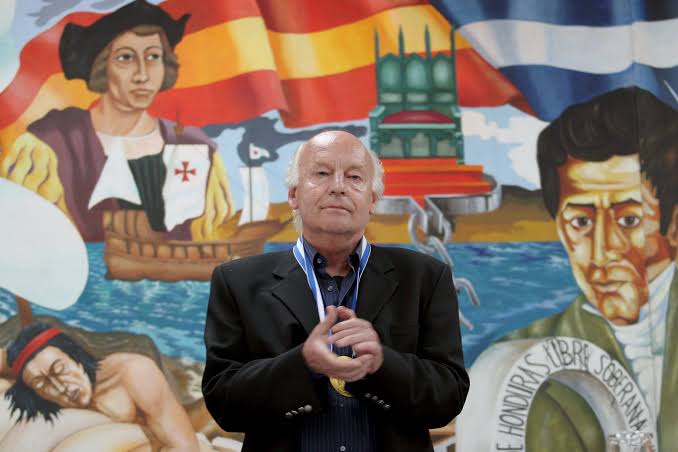
Study the photograph. Read the clue. Make your guess before revealing the person.

Mystery influential person from Uruguay

Mystery person

Who am I?

01

Your clue

I became an influential figure in Uruguay. Can you work out who I am?

Mystery influential person from Uruguay

Mystery person

Who am I?

02

Your clue

I became an important public figure in my country's story. Who am I?

Mystery influential person from Uruguay

Mystery person

Who am I?

03

Your clue

My words became an important part of culture. Who am I?

Mystery influential person from Uruguay

Mystery person

Who am I?

04

Your clue

I became an influential figure in Uruguay. Can you work out who I am?

Look closer

Cultural
spotlights.

Candombe & the Llamadas

Spotlight 01

Candombe & the Llamadas

Candombe developed within Afro-Uruguayan communities and is centred on ensembles of barrel-shaped drums known as chico, repique and piano. In Montevideo, groups gather to tune their drums around fires before marching through neighbourhood streets. The famous llamadas bring comparsas of drummers and dancers together in powerful processions. Candombe carries memories of African ancestry, slavery, resistance and neighbourhood identity and was recognised by UNESCO in 2009.

Montevideo Tango

Spotlight 02

Montevideo Tango

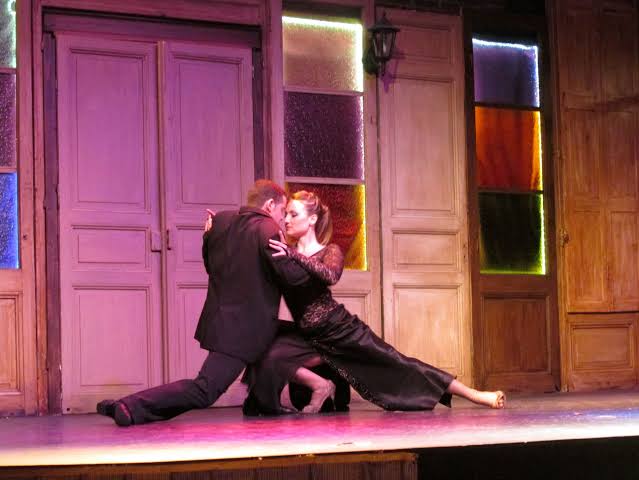
Tango belongs to the shared cultural world of the Río de la Plata rather than to Argentina alone. It developed among the urban working classes of both Buenos Aires and Montevideo in environments shaped by European immigration, African-descended communities and local criollo culture. Music, poetry and partnered dance all became parts of the tradition. Argentina and Uruguay jointly nominated tango for UNESCO recognition in 2009.

Uruguayan Murga

Spotlight 03

Uruguayan Murga

Murga is one of the distinctive sounds of Uruguayan carnival. Groups of performers wearing colourful costumes and theatrical makeup sing powerful choral arrangements accompanied by percussion. Performances combine humour, satire, storytelling and commentary on events from the previous year. Competition between murgas forms an important part of Montevideo's famously long carnival season.

Mate & the Thermos

Spotlight 04

Mate & the Thermos

Mate is shared across several South American countries, but it has a particularly visible place in everyday Uruguayan life. People commonly carry a mate in one hand and a thermos of hot water under an arm while walking, talking or sitting with friends. The custom has Indigenous Guaraní roots and demonstrates how an ancient regional plant tradition became part of modern urban culture.

One more wander

Places worth
stopping for.

Colonia del Sacramento
01

Colonial History

Colonia del Sacramento

Portuguese settlers founded Colonia del Sacramento in 1680 directly across the Río de la Plata from Buenos Aires. Portugal and Spain repeatedly fought over the town, leaving a historic centre where different colonial planning and architectural traditions can still be seen. Cobblestone streets, defensive remains and historic buildings survive within the UNESCO World Heritage area.

02

Industry & Global Trade

Fray Bentos Industrial Landscape

Fray Bentos became a major centre of industrial food production beside the Uruguay River. From the nineteenth century, factories processed cattle from the surrounding grasslands into meat extract, corned beef and later frozen meat for international markets. The surviving industrial buildings, machinery and workers' facilities show how Uruguay became connected to a global food-production network.

Fray Bentos Industrial Landscape
Montevideo & the Rambla
03

Capital & Coast

Montevideo & the Rambla

Montevideo stretches along the Río de la Plata behind a waterfront promenade known as the Rambla. The city contains the historic Ciudad Vieja, markets, beaches, parks, football stadiums and neighbourhoods central to candombe and tango. The Rambla itself runs for many kilometres and is used for walking, cycling, fishing, exercise, socialising and drinking mate.

04

Coast & Wildlife

Cabo Polonio

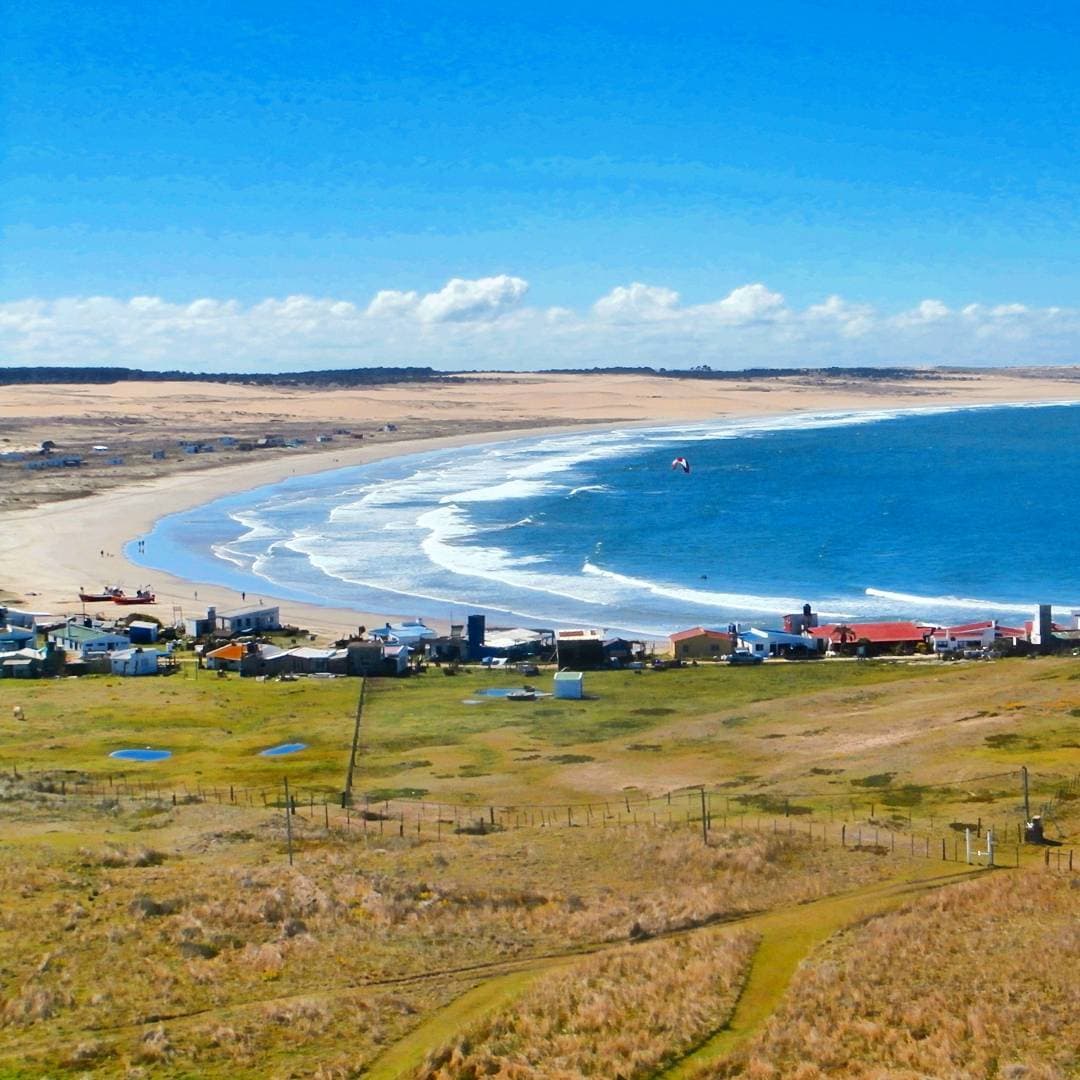
Cabo Polonio lies on Uruguay's Atlantic coast among dunes, beaches and rocky headlands. The settlement is isolated from the conventional road network and surrounded by protected coastal landscapes. Large colonies of South American sea lions and fur seals use the offshore rocks and islands, making the area important for wildlife as well as tourism.

Cabo Polonio

Your turn

What did
you discover?

Things We’ve Learned About Uruguay

Uruguay is one of the smallest sovereign countries in South America.

More than half of Uruguay's population lives in the wider Montevideo metropolitan area.

Uruguay's landscape is dominated by grasslands and low rolling countryside rather than high mountain ranges.

Student Contribution

🌎 Uruguay Student Discoveries

Found a useful website, video, recipe or cultural resource about Uruguay? Share it with Fable Culture for staff review.

🌍 Educational🎶 Cultural📚 Reliable👀 Safe for school

Student Contribution

➕ Suggest a Resource

Found a useful website, video, museum, article, or educational resource? Submit it for teacher review.