Take a jaunt through

Venezuela

Venezuela stretches from the Caribbean coast through the Andes and vast Llanos grasslands to the forests, rivers and ancient table mountains of the Guiana Highlands. Indigenous peoples including the Wayuu, Warao, Pemón and many others remain important parts of the country's cultural landscape, alongside African, European and mixed heritage. Venezuela has also produced distinctive traditions in music, dance, food, art and literature.

Indigenous HistoryCaribbeanOrinocoIndependenceLlanosOilAfro-Venezuelan HeritageLiving Traditions
Venezuela
GO
01

Capital

Caracas

02

Population

About 29 million

03

Languages

Spanish, Wayuunaiki, Warao, Pemón, Other Indigenous languages

04

Currency

Venezuelan Bolívar (VES)

Get your bearings

First,
look around.

People lived across the territory of modern Venezuela for thousands of years before European colonisation. Indigenous communities developed societies adapted to environments ranging from Caribbean islands and coastal lagoons to the Orinoco Delta, Llanos and Guiana Highlands. Spanish colonisation began during the sixteenth century and brought warfare, epidemic disease, forced labour, Christianity and the enslavement of Africans. Indigenous resistance continued, with leaders including Guaicaipuro remembered for opposing Spanish expansion around Caracas. During the nineteenth century, Venezuela became one of the main centres of the Spanish American independence struggle and the birthplace of Simón Bolívar. The new republic later experienced regional conflicts, authoritarian governments and the growing importance of petroleum. Large oil discoveries transformed Venezuela during the twentieth century and made it one of the world's major petroleum exporters. Modern Venezuela has experienced profound political, economic and social upheaval, while Indigenous traditions, joropo, Afro-Venezuelan celebrations, cassava knowledge and other cultural practices continue across the country.

Caracas

First stop · Capital

Caracas

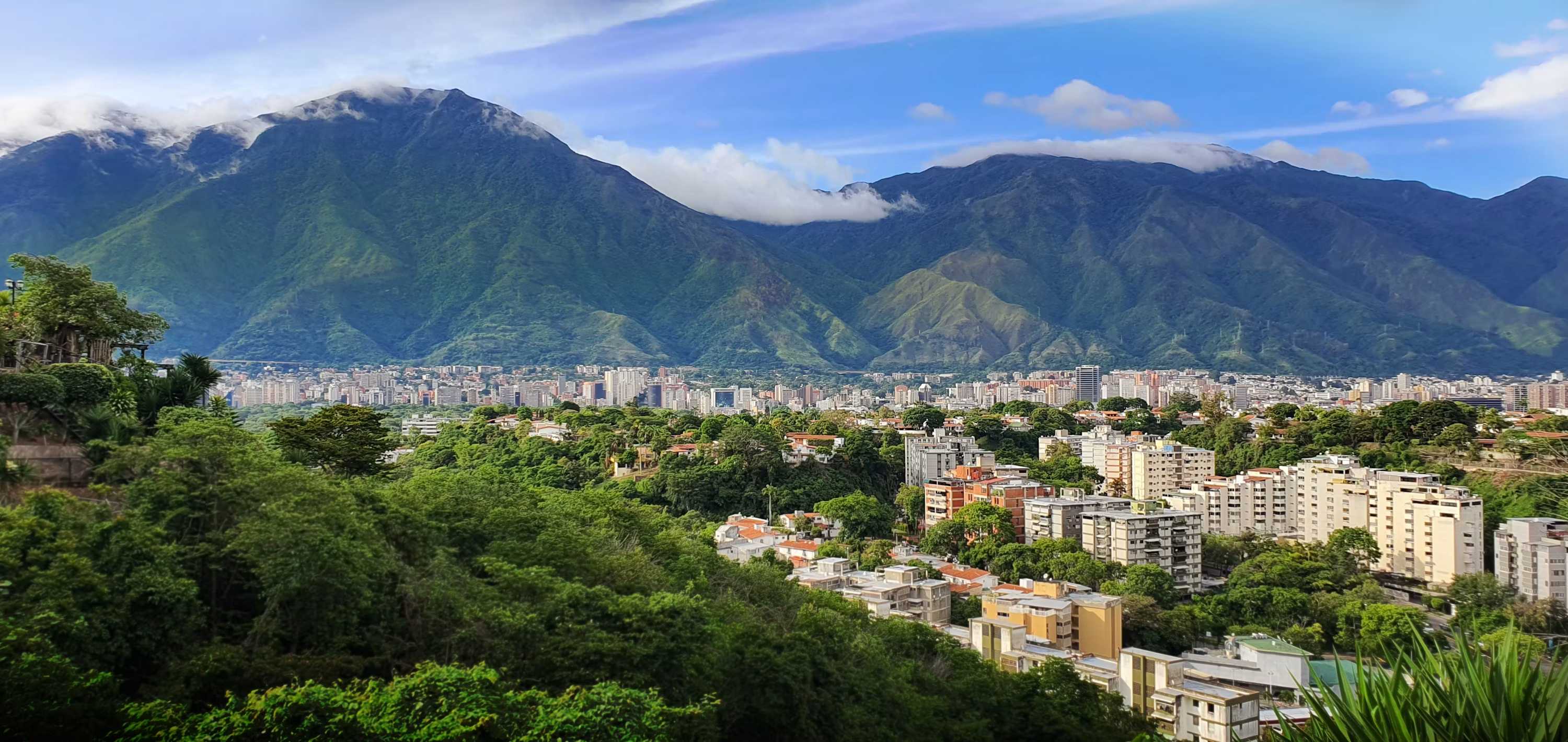
Caracas is Venezuela's capital and largest urban centre. It lies in a mountain valley close to the Caribbean coast, separated from the sea by the steep range known as El Ávila or Waraira Repano. The Spanish founded the city in 1567 in a region where Indigenous communities had resisted colonial expansion. Caracas later became closely connected with the independence movement and was the birthplace of Simón Bolívar.

Wander a little further

Follow the trail through Venezuela.

Coro & its Port

History

Coro & its Port

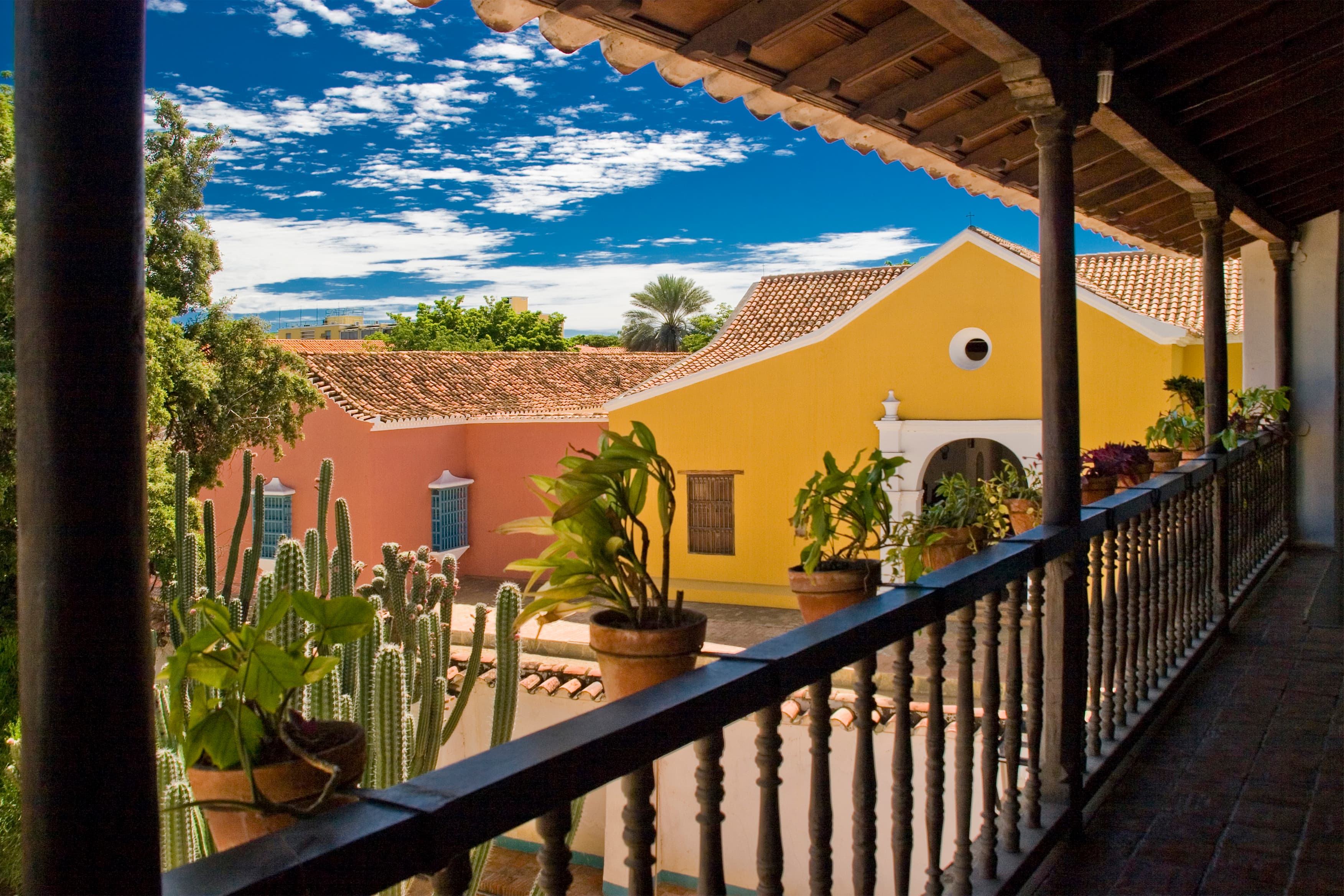
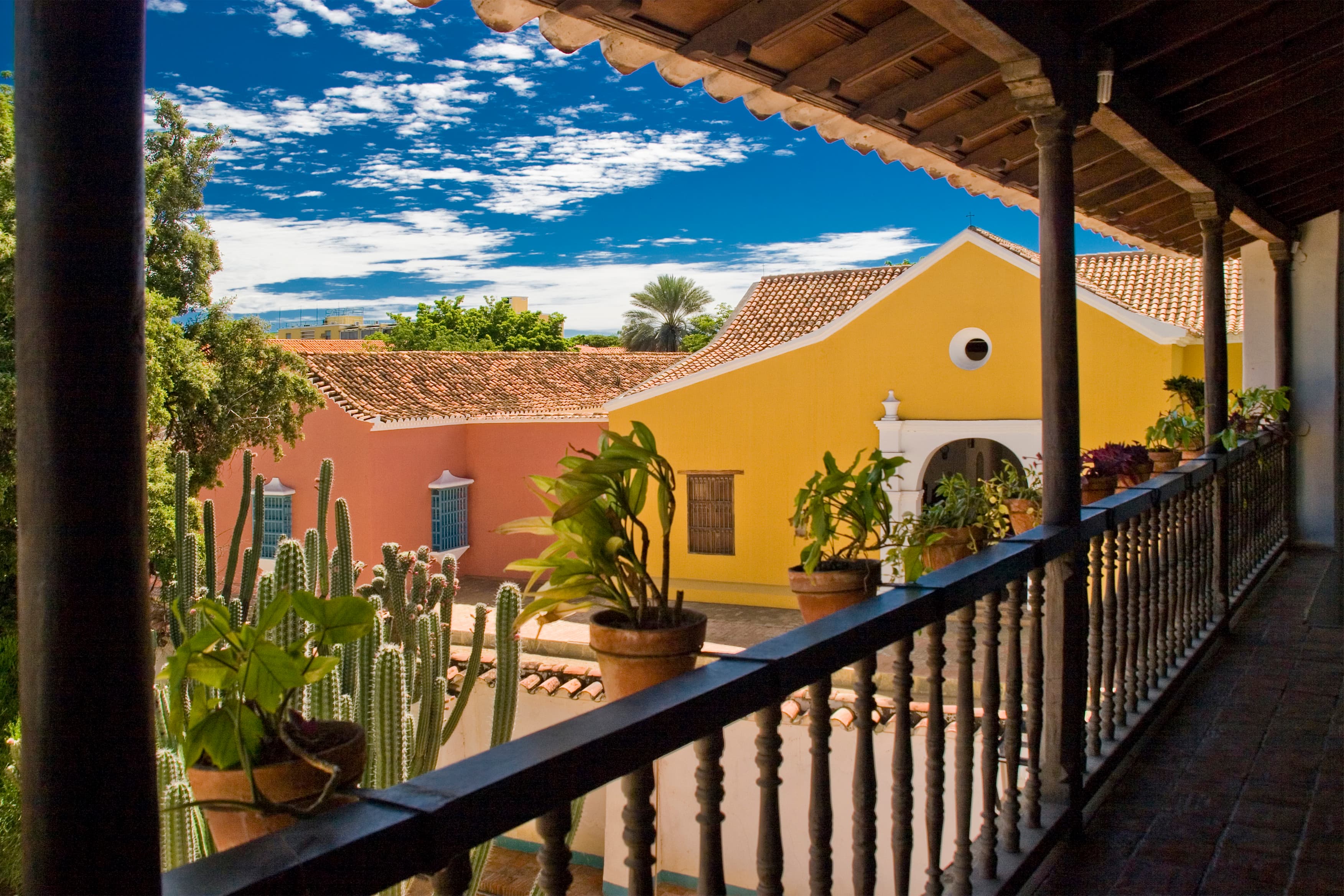
Coro was founded by Spanish colonists in 1527 and became one of the earliest European colonial cities in northern South America. Its historic architecture is unusual because local earthen-building traditions interacted with Spanish Mudéjar and Dutch influences. Coro and the nearby port of La Vela were inscribed on UNESCO's World Heritage List in 1993.
Food

Cachapas

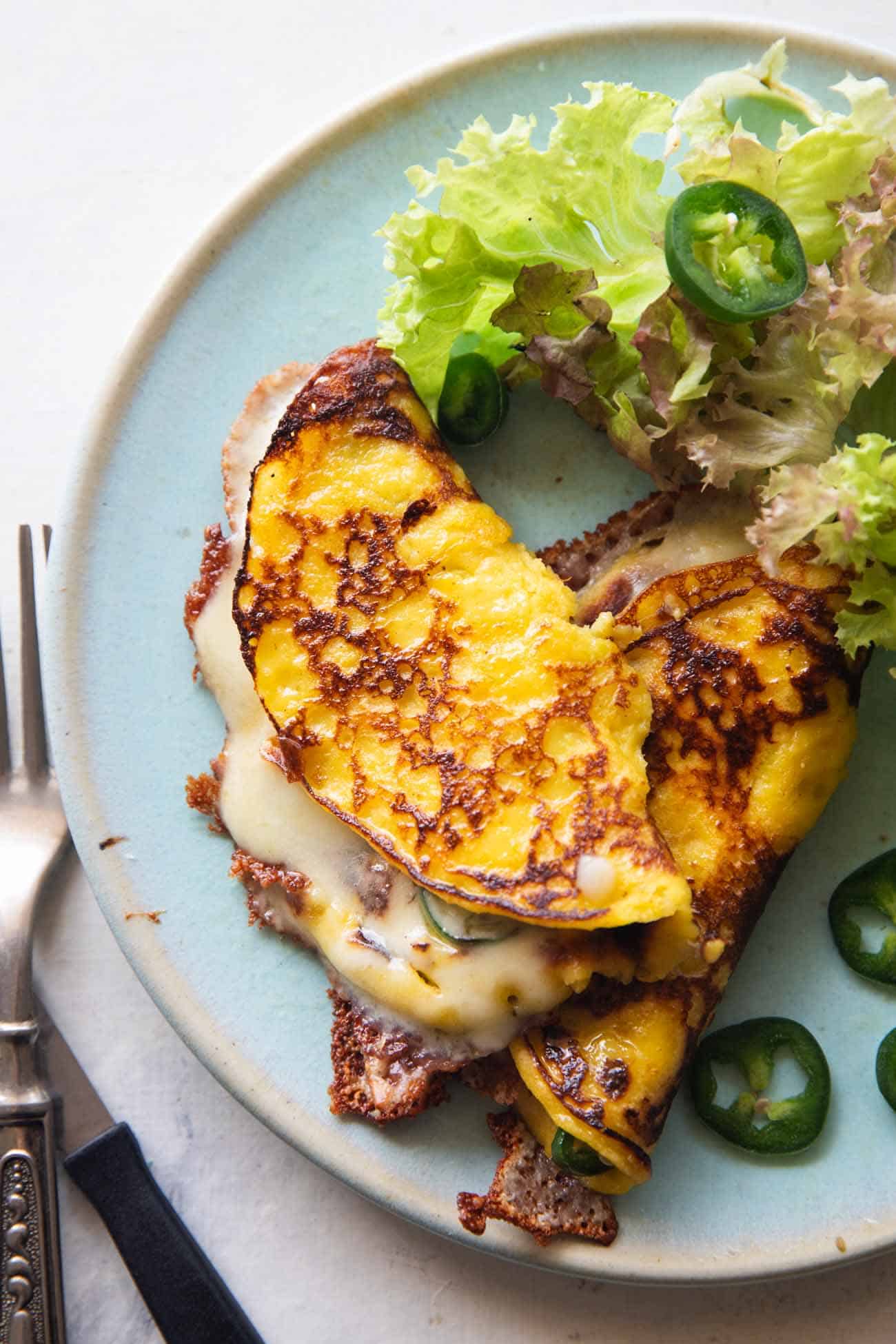
Cachapas are traditional Venezuelan pancakes made from ground fresh sweetcorn. They are cooked on a hot griddle and commonly served folded around soft white cheese. Their sweet corn flavour and savoury filling make them a popular Venezuelan dish.

Cachapas
Canaima & the Tepuis

Wildlife

Canaima & the Tepuis

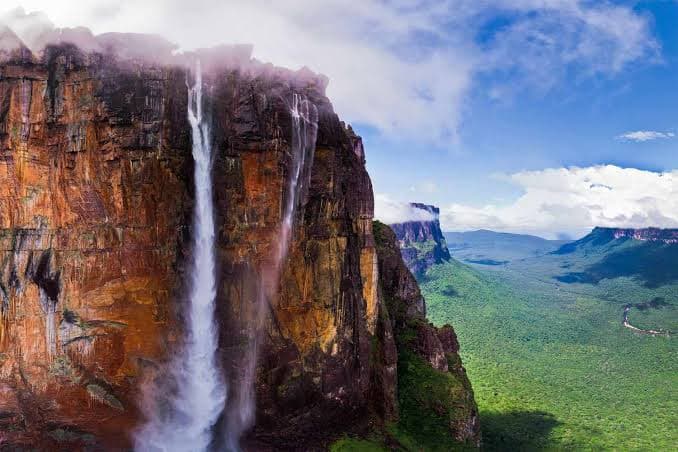
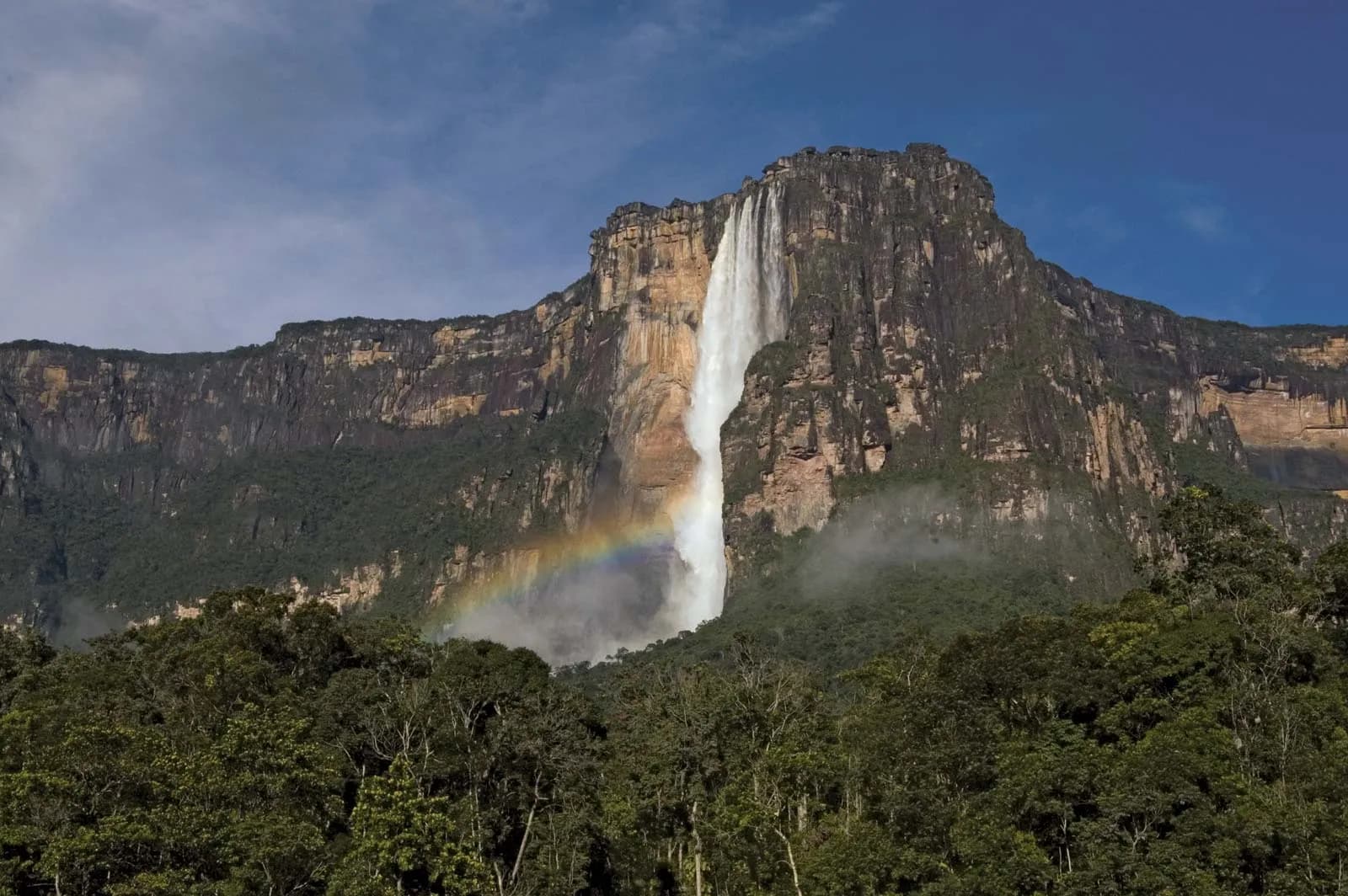
Canaima National Park protects an enormous landscape of rainforest, savannah, rivers and flat-topped mountains called tepuis. These ancient sandstone formations rise dramatically above the surrounding landscape and support unusual plants and animals, some found nowhere else. The region is also part of the ancestral homeland of Pemón Indigenous communities.

Venezuelan Cuatro

Culture · stop and look

Venezuelan Cuatro

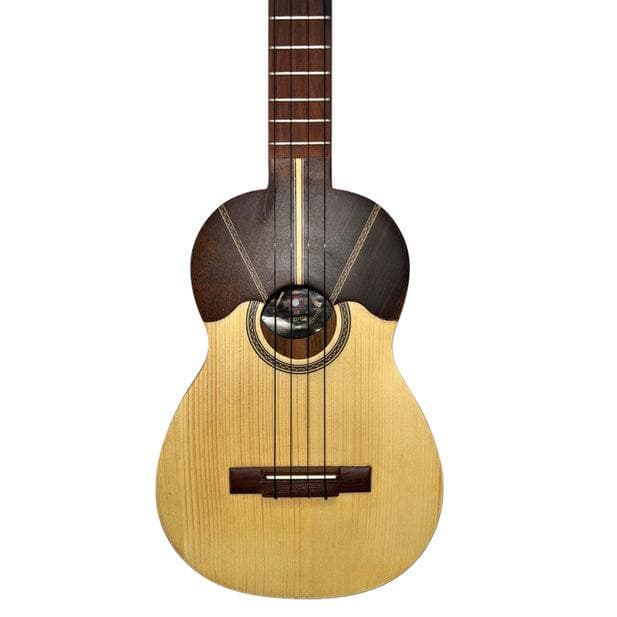
The cuatro is a small four-string instrument widely used in Venezuelan music. It is played by strumming or plucking and is especially associated with traditional styles such as joropo. Musicians use different rhythms and techniques to accompany singing, dancing and other instruments.

Through time

Follow the
story.

Four stops first. Open the rest if you want to travel further.

Thousands of years ago

The First Venezuelans

People lived across the territory of modern Venezuela thousands of years before European arrival. Communities adapted to environments including the Caribbean coast, Andes, Llanos, Orinoco basin and Guiana Highlands.

Before European colonisation

Many Indigenous Nations

Numerous Indigenous peoples developed their own languages, political systems and traditions. Their descendants include Wayuu, Warao, Pemón, Kariña, Yanomami, Piaroa, Ye'kwana and many other communities.

Before European colonisation

The Orinoco

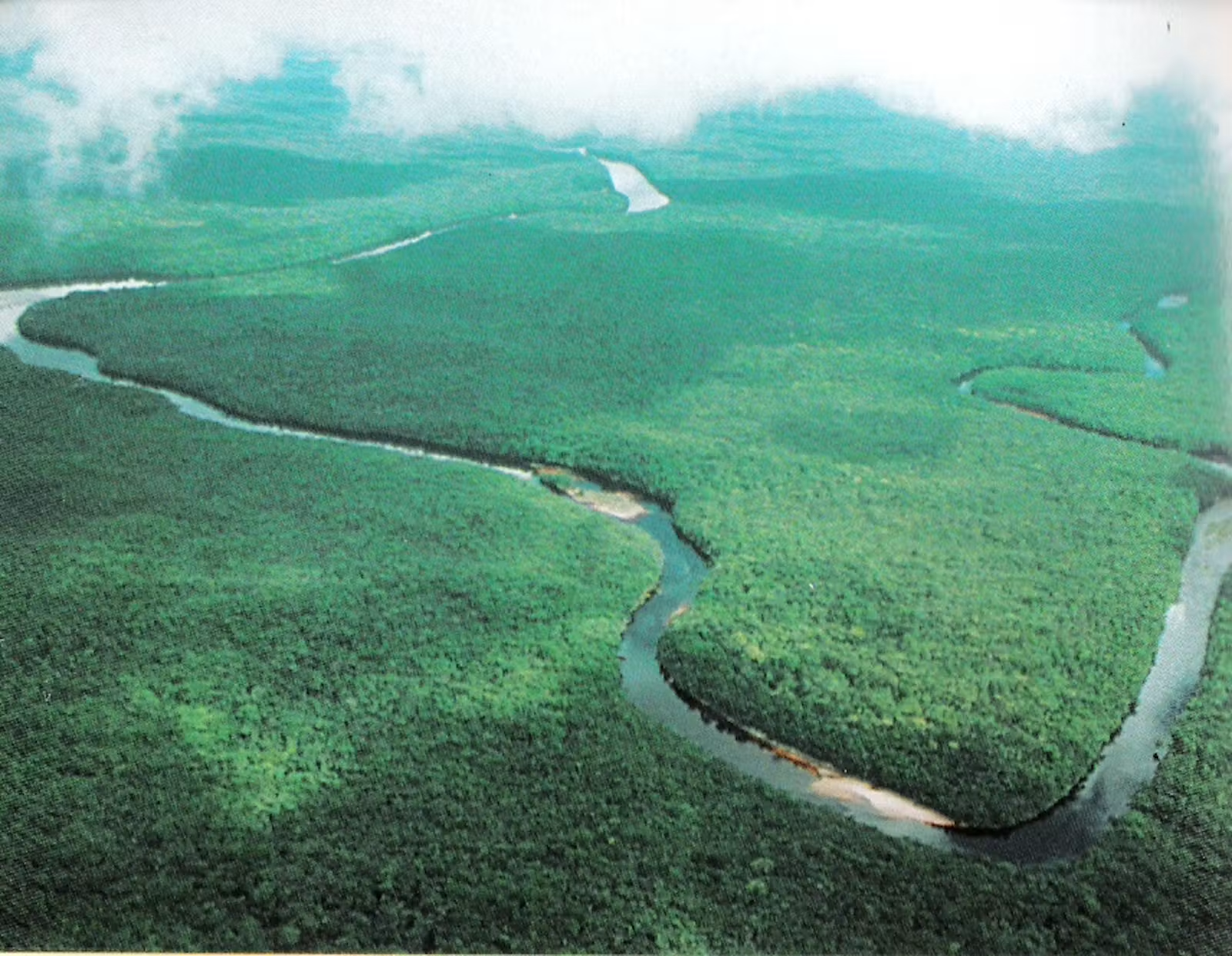
The enormous Orinoco River and its tributaries supported travel, fishing, farming and trade. River systems connected communities across forests, wetlands, savannahs and the delta.

Before European colonisation

Cassava Knowledge

Indigenous peoples developed sophisticated methods for cultivating and processing cassava. Bitter varieties require careful preparation to remove naturally occurring toxins before the flour can be cooked into foods such as casabe.

Continue the journey ↓

1498

Columbus Reaches Venezuela

During his third voyage, Christopher Columbus reached the coast of present-day Venezuela and encountered the enormous flow of freshwater entering the Gulf of Paria from the Orinoco system.

1499

The Name Venezuela

An expedition led by Alonso de Ojeda explored the coast. European accounts later connected houses built over water around Lake Maracaibo with the name Venezuela, meaning 'Little Venice', although the history of the name has been debated.

Early 1500s

Pearls and Forced Labour

Spanish colonists exploited pearl fisheries around Cubagua and Margarita. Indigenous people were subjected to violent forced labour and slave-raiding as Europeans sought wealth from the Caribbean coast.

1527

Coro is Founded

Spanish colonists established Coro on Venezuela's Caribbean coast. It became an early centre of colonial administration and religious activity.

1528–1546

The Welser Colony

The Spanish Crown granted colonial rights in Venezuela to the German Welser banking family. Expeditions searched the interior for wealth and the legendary El Dorado before Spanish authorities ended the arrangement.

1500s

African Slavery

Enslaved Africans were forcibly transported to Venezuela and made to work on plantations, in mines, in households and in other forms of labour. African-descended communities became an important part of Venezuelan society and culture.

Student investigation

1560s

🔍 Your Investigation: Guaicaipuro

Investigate Guaicaipuro and how Indigenous communities resisted Spanish colonisation.

→ Which Indigenous communities lived around the Caracas region?

→ Why did they resist Spanish settlement?

→ Why is Guaicaipuro remembered in Venezuela today?

1567

Caracas is Founded

Spanish colonists established Santiago de León de Caracas after years of Indigenous resistance in the surrounding region.

1600s–1700s

Cacao Economy

Cacao became one of colonial Venezuela's most important exports. Plantations relied heavily on enslaved African labour, particularly in fertile coastal valleys.

1600s–1700s

Escaped Communities

Some enslaved Africans escaped plantations and established independent communities, often known as cumbes. These settlements became centres of resistance to slavery and colonial authority.

1730

Juan Francisco de León's Revolt

Settlers and farmers rebelled against the trading power of the Royal Guipuzcoan Company, which held extensive commercial privileges in colonial Venezuela.

1795

Coro Rebellion

José Leonardo Chirino led a rebellion involving enslaved and free people near Coro. The movement challenged slavery and colonial inequality but was defeated by colonial authorities.

1797

Gual and España Conspiracy

Manuel Gual and José María España participated in a movement seeking republican government and an end to Spanish colonial rule. The conspiracy was discovered before it could succeed.

1806

Francisco de Miranda

Venezuelan revolutionary Francisco de Miranda attempted to launch an independence movement from the Caribbean coast. The expedition failed but became an important precursor to later independence struggles.

1810

Caracas Rejects Spanish Authority

Political leaders in Caracas removed the Spanish captain-general and established a governing junta during the crisis of the Spanish monarchy.

Student investigation

1811

🔍 Your Investigation: Venezuela Declares Independence

Investigate why Venezuela's first attempt at independence collapsed and why the war continued for another decade.

→ Who supported independence and who opposed it?

→ What happened to the First Republic?

→ How did Simón Bolívar become a major leader of the independence movement?

1811

First Republic

Venezuela's First Republic attempted to establish an independent government, but political divisions, military defeats and other crises quickly weakened it.

1812

Earthquake and Collapse

A devastating earthquake struck Venezuelan cities during the independence conflict. Royalist forces subsequently regained control and the First Republic collapsed.

1813

Bolívar's Admirable Campaign

Simón Bolívar led a military campaign from New Granada into Venezuela and entered Caracas. A Second Republic was established but also proved unable to survive the wider conflict.

1814

The Second Republic Falls

Royalist forces, including large numbers of Llanero horsemen, defeated republican armies. Warfare caused widespread destruction and displacement.

1815

Spanish Reconquest

A major Spanish expedition arrived to restore royal authority across northern South America. Independence leaders regrouped in exile and in areas outside Spanish control.

1816

Slavery and Independence

Bolívar promised freedom to enslaved people who joined the independence cause. The relationship between emancipation and independence became increasingly important as the war continued.

1817

Guayana Becomes a Revolutionary Base

Independence forces secured control of the Guayana region along the Orinoco, giving them access to an important river network, resources and a secure political base.

1819

Congress of Angostura

Representatives met at Angostura, modern Ciudad Bolívar, to organise a new republican government while the independence war continued.

1819

Gran Colombia

Venezuela became part of the new Republic of Colombia, commonly called Gran Colombia, alongside territories corresponding to modern Colombia, Ecuador and Panama.

1821

Battle of Carabobo

Republican forces led by Simón Bolívar defeated a major Spanish royalist army at Carabobo. The victory secured independence across most of Venezuela.

1823

Battle of Lake Maracaibo

A republican naval victory on Lake Maracaibo helped end the remaining major Spanish military presence in Venezuela.

1830

Venezuela Leaves Gran Colombia

Political disagreements contributed to the breakup of Gran Colombia. Venezuela became a separate republic with José Antonio Páez as a dominant early political figure.

1830s–1850s

Regional Power

Powerful regional military and landowning leaders, often described as caudillos, played major roles in the young republic. Political institutions remained unstable.

1854

Slavery is Abolished

President José Gregorio Monagas abolished slavery in Venezuela. Afro-Venezuelans nevertheless continued to experience racial and economic inequalities after emancipation.

1859–1863

Federal War

Liberals and conservatives fought a devastating civil war over political power, federalism and social grievances. Large areas of the country were affected.

1864

Federal Constitution

A new constitution reorganised Venezuela as a federal republic following the Federal War.

1870s–1880s

Guzmán Blanco Era

Antonio Guzmán Blanco dominated Venezuelan politics during much of this period. His governments promoted centralisation, infrastructure, public education and efforts to modernise Caracas.

1899

Cipriano Castro Takes Power

Cipriano Castro seized power after marching from the Andes with an armed movement. Venezuela entered another period of highly centralised rule.

1908

Juan Vicente Gómez

Juan Vicente Gómez took power and dominated Venezuela until his death in 1935. His authoritarian government strengthened central control while petroleum transformed the country's economy.

Student investigation

1910s–1920s

🔍 Your Investigation: Venezuela Becomes an Oil Country

Investigate how petroleum changed Venezuela's economy, population and relationship with the wider world.

→ Where were major oil discoveries made?

→ Why did foreign companies invest in Venezuela?

→ How did oil change where Venezuelans lived and worked?

1914

Zumaque I

Commercial production at the Zumaque I well in western Venezuela helped demonstrate the scale of the country's petroleum resources.

1922

Barroso No. 2

A dramatic oil blowout at the Barroso No. 2 well near Lake Maracaibo attracted international attention and accelerated foreign investment in Venezuela's petroleum industry.

1920s–1930s

Oil Changes Venezuela

Petroleum rapidly overtook coffee and cacao as Venezuela's dominant export. People increasingly moved towards oil-producing areas and growing cities.

1935

Gómez Dies

The death of Juan Vicente Gómez ended nearly three decades of authoritarian rule and opened a gradual period of political change.

1947

Universal Suffrage

A new constitution expanded democratic participation and established universal direct voting for adult citizens.

1948

Military Coup

The elected government of Rómulo Gallegos was overthrown by military officers only months after he took office.

1952–1958

Pérez Jiménez Dictatorship

Marcos Pérez Jiménez ruled as an authoritarian military leader. His government invested heavily in major infrastructure while political opponents faced censorship, imprisonment, exile and repression.

1958

Dictatorship Ends

Military and civilian opposition forced Pérez Jiménez from power. Venezuela returned to elected civilian government.

1960

OPEC

Venezuela became one of the five founding members of the Organization of the Petroleum Exporting Countries, reflecting its major role in the global oil industry.

1976

Oil Industry Nationalised

The Venezuelan state nationalised the petroleum industry and created the state oil company PDVSA.

1980s

Economic Pressures

Falling oil revenues, debt, inflation and economic difficulties placed increasing pressure on a system heavily dependent on petroleum income.

1989

Caracazo

Economic measures were followed by major protests and unrest in Caracas and other cities. Security forces responded with lethal force, and the number of people killed remains disputed.

1998

Hugo Chávez Elected

Hugo Chávez won the presidential election after campaigning for major political and constitutional change.

1999

New Constitution

A new constitution renamed the country the Bolivarian Republic of Venezuela and introduced significant changes to its political institutions.

2000s

Oil, Social Programmes and Political Conflict

High oil revenues supported expanded government social programmes, while political polarisation increased. Supporters highlighted social investment and political participation, while opponents criticised concentration of power and weakening institutions.

2010s

Severe Economic and Political Crisis

Venezuela experienced severe economic contraction, shortages, inflation and political conflict. Millions of Venezuelans subsequently left the country, creating one of the largest displacement and migration movements in modern Latin American history.

2012

Dancing Devils Recognised

UNESCO inscribed Venezuela's Dancing Devils of Corpus Christi on the Representative List of the Intangible Cultural Heritage of Humanity.

2014

Mapoyo Heritage Recognised

UNESCO placed the Mapoyo oral tradition and its symbolic reference points within ancestral territory on the List of Intangible Cultural Heritage in Need of Urgent Safeguarding.

2016

El Callao Carnival Recognised

UNESCO recognised the Carnival of El Callao as intangible cultural heritage, highlighting a tradition shaped by the history of migration, mining and Afro-Caribbean culture.

2024

Cassava Bread Knowledge Recognised

Traditional knowledge and practices surrounding the making and consumption of cassava bread were jointly inscribed by Venezuela and several Caribbean countries on UNESCO's Representative List.

2025

Joropo Recognised

UNESCO inscribed joropo in Venezuela on the Representative List of the Intangible Cultural Heritage of Humanity, recognising the music, dance and community knowledge surrounding the tradition.

Today

Modern Venezuela

Venezuela remains a country of extraordinary cultural and environmental diversity, stretching from the Caribbean and Andes to the Llanos, Orinoco and Guiana Highlands. Its recent history has been marked by serious economic, political and humanitarian challenges, while Venezuelan communities at home and abroad continue to maintain distinctive music, food, celebrations, Indigenous knowledge and cultural traditions.

Faces along the way

Who
am I?

Study the photograph. Read the clue. Make your guess before revealing the person.

Mystery influential person from Venezuela

Mystery person

Who am I?

01

Your clue

I became known through music. Can you work out who I am?

Mystery influential person from Venezuela

Mystery person

Who am I?

02

Your clue

I became an influential figure in Venezuela. Can you work out who I am?

Mystery influential person from Venezuela

Mystery person

Who am I?

03

Your clue

I became known through music. Can you work out who I am?

Look closer

Cultural
spotlights.

Joropo

Spotlight 01

Joropo

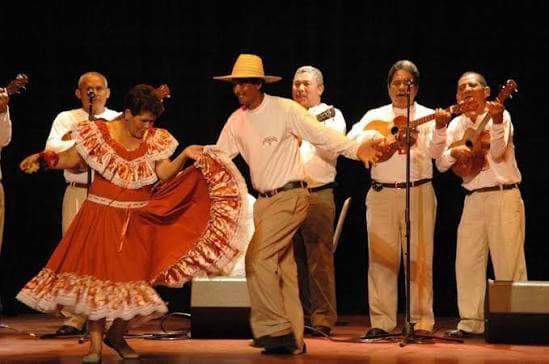
Joropo combines music, poetry and energetic partnered dance and is one of Venezuela's most important cultural traditions. Llanero joropo commonly features harp or bandola, the small four-stringed cuatro and maracas. Dancers use rapid footwork known as zapateo while musicians and singers improvise and interact. Different regions have developed their own joropo styles. UNESCO recognised joropo in Venezuela as intangible cultural heritage in 2025.

Dancing Devils of Corpus Christi

Spotlight 02

Dancing Devils of Corpus Christi

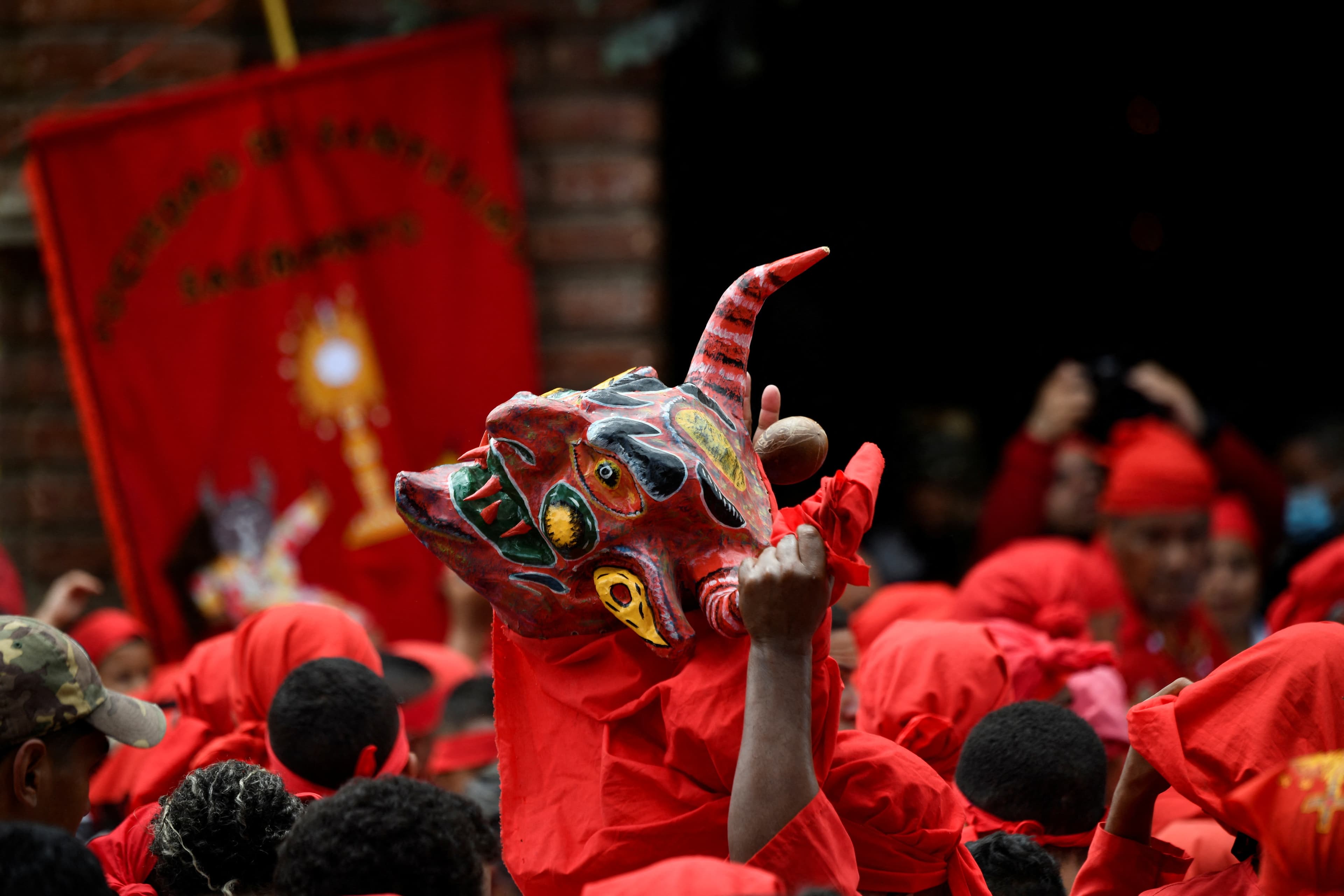
In several Venezuelan communities, masked dancers dressed as devils take part in celebrations for the Catholic feast of Corpus Christi. Participants wear elaborate costumes and masks before symbolically submitting to the Blessed Sacrament, representing the triumph of good over evil. Brotherhoods maintain distinct local forms of the tradition, which combines Catholic practice with cultural influences shaped over generations. UNESCO recognised the Dancing Devils in 2012.

Carnival of El Callao

Spotlight 03

Carnival of El Callao

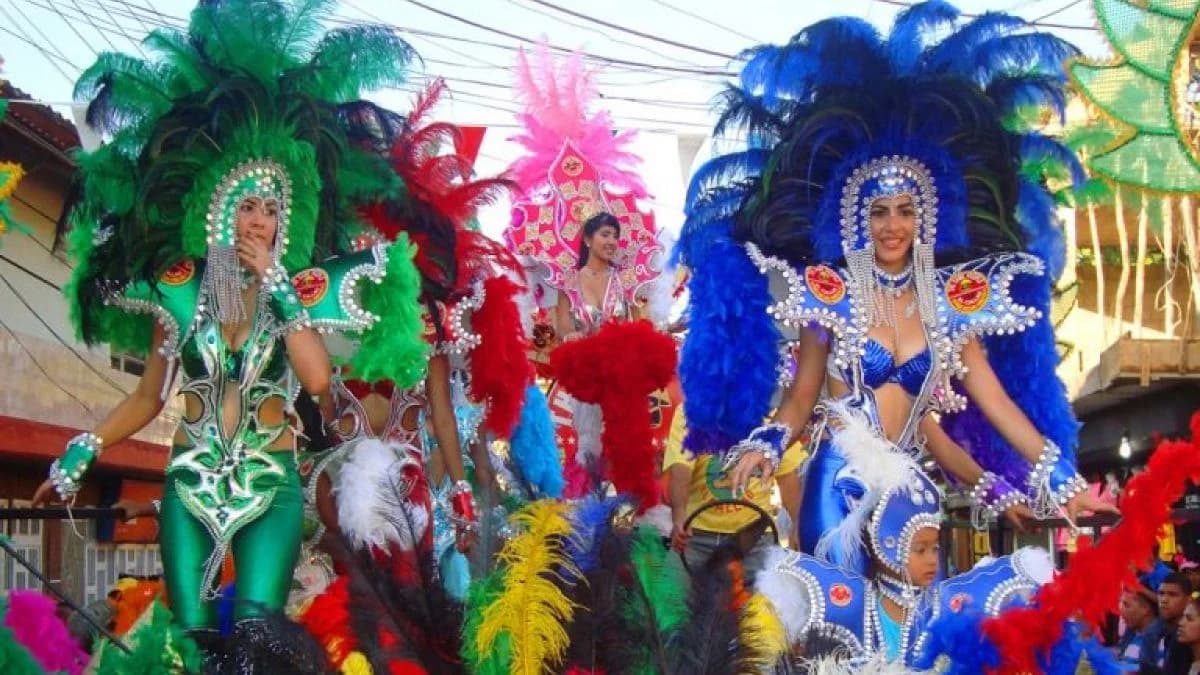
The Carnival of El Callao developed in a mining town where migrants from Caribbean islands interacted with Venezuelan communities during the nineteenth century. Parades combine music, dance, colourful costumes and distinctive characters. Calypso became particularly important to the celebration, reflecting strong Afro-Caribbean influences. UNESCO recognised the carnival as intangible cultural heritage in 2016.

Mapoyo Oral Tradition

Spotlight 04

Mapoyo Oral Tradition

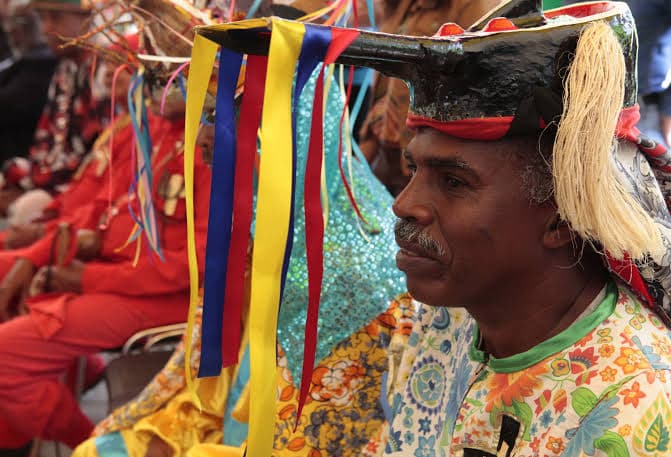
The Mapoyo people maintain oral traditions that connect historical stories with particular places across their ancestral territory. Elders transmit accounts of community origins, events and relationships with the landscape through spoken narratives. Because relatively few people continue to hold and transmit this knowledge, UNESCO placed the Mapoyo oral tradition on its Urgent Safeguarding List in 2014.

One more wander

Places worth
stopping for.

Canaima National Park
01

Tepuis & Rainforest

Canaima National Park

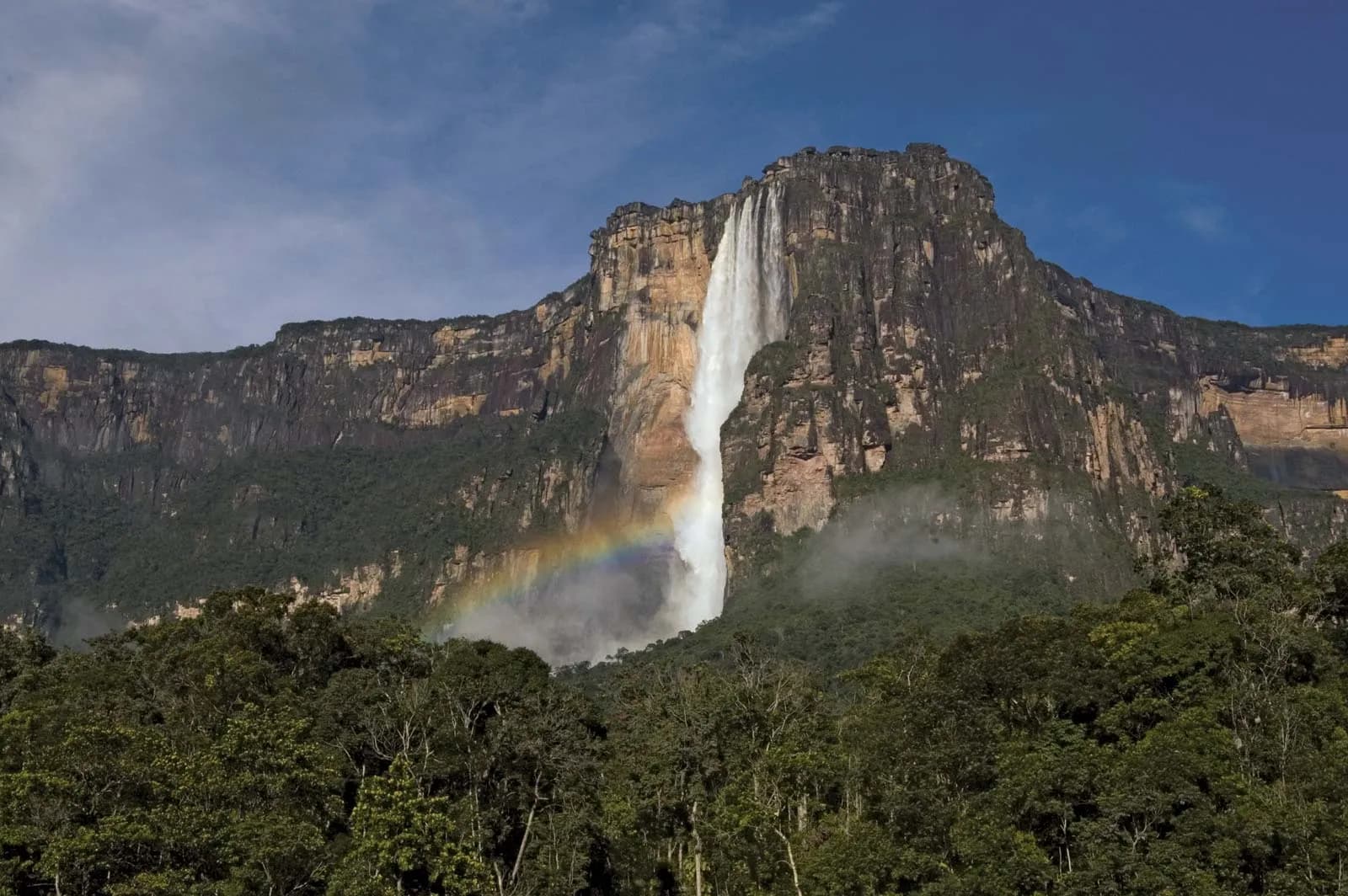
Canaima National Park covers around three million hectares of southeastern Venezuela. Roughly two-thirds of the park is dominated by tepuis — enormous flat-topped sandstone mountains separated by cliffs, forests, rivers and waterfalls. The landscape has exceptional geological and biological importance and forms part of the ancestral territory of Pemón communities. UNESCO inscribed Canaima as a natural World Heritage property in 1994.

02

Waterfall & Pemón Heritage

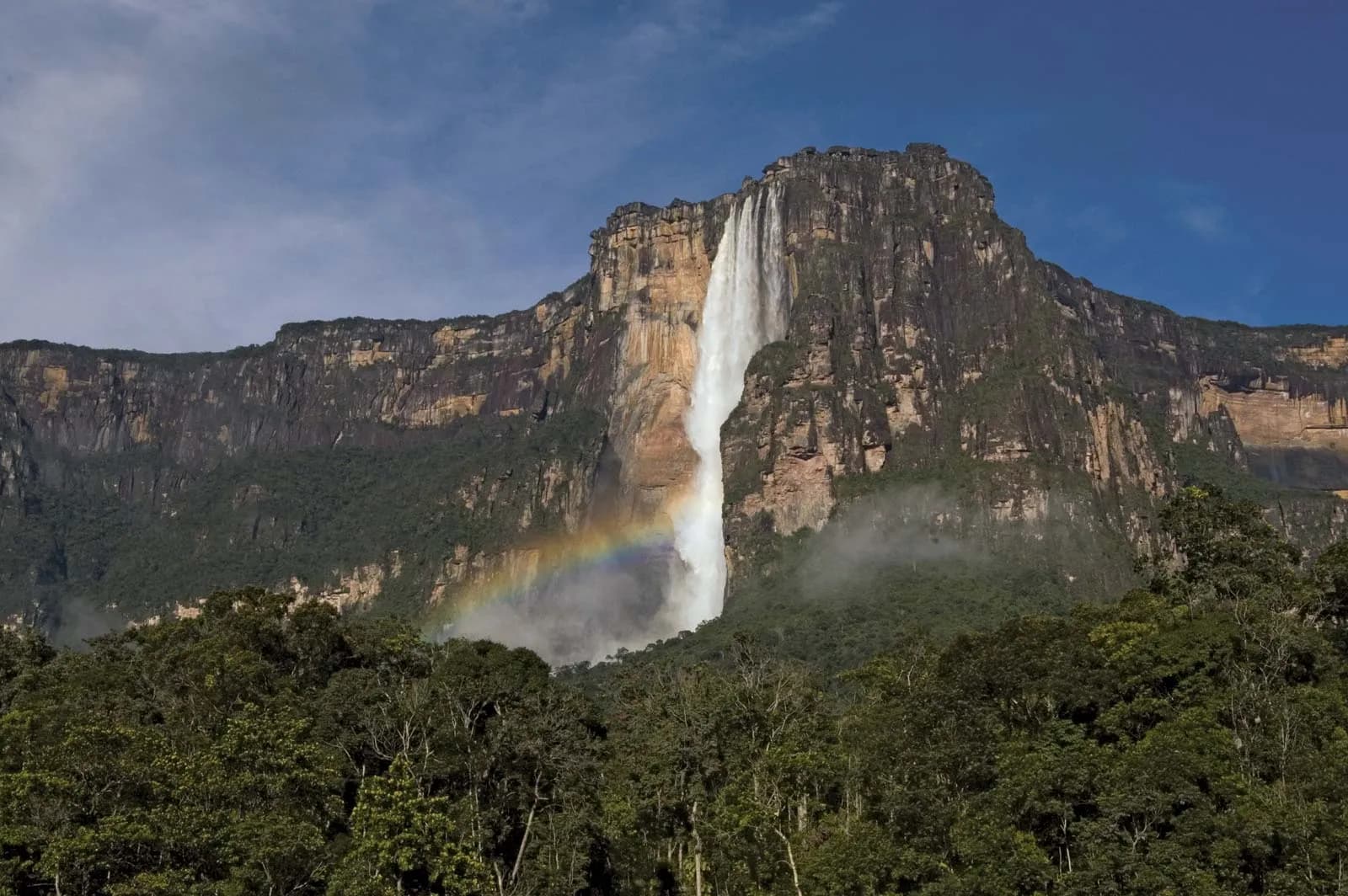
Kerepakupai Vená

Kerepakupai Vená, internationally widely known as Angel Falls, plunges from Auyán-tepui within Canaima National Park and is the world's highest uninterrupted waterfall. Its Indigenous Pemón name connects the landmark with the people whose ancestral homeland surrounds the tepuis. Water drops hundreds of metres from the summit before reaching the forest below.

Kerepakupai Vená
Coro & La Vela
03

Colonial Architecture

Coro & La Vela

Coro and its port of La Vela preserve an unusual architectural landscape created through interaction between local building traditions and Spanish Mudéjar and Dutch techniques. Many historic structures were constructed from earth. UNESCO inscribed the property in 1993. It has remained on the World Heritage in Danger list since 2005 because of conservation threats including damage to its earthen architecture.

04

Warao Culture & Wetlands

Orinoco Delta

The Orinoco breaks into a huge network of channels, wetlands and islands before reaching the Atlantic. Warao communities have lived throughout this watery environment for generations, traditionally using rivers as major transport routes and developing detailed knowledge of fishing, plants and wetland ecosystems. Houses in some communities are constructed on stilts beside the waterways.

Orinoco Delta

Your turn

What did
you discover?

Things We’ve Learned About Venezuela

Venezuela has a Caribbean coastline as well as Andes, Llanos grasslands, Amazonian forests and the Guiana Highlands.

The Orinoco is one of South America's largest river systems and forms an enormous delta before reaching the Atlantic Ocean.

Canaima National Park covers about three million hectares and around 65% of it is occupied by tepui formations.

Student Contribution

🌎 Venezuela Student Discoveries

Found a useful website, video, recipe or cultural resource about Venezuela? Share it with Fable Culture for staff review.

🌍 Educational🎶 Cultural📚 Reliable👀 Safe for school

Student Contribution

➕ Suggest a Resource

Found a useful website, video, museum, article, or educational resource? Submit it for teacher review.