Capital
Kabul
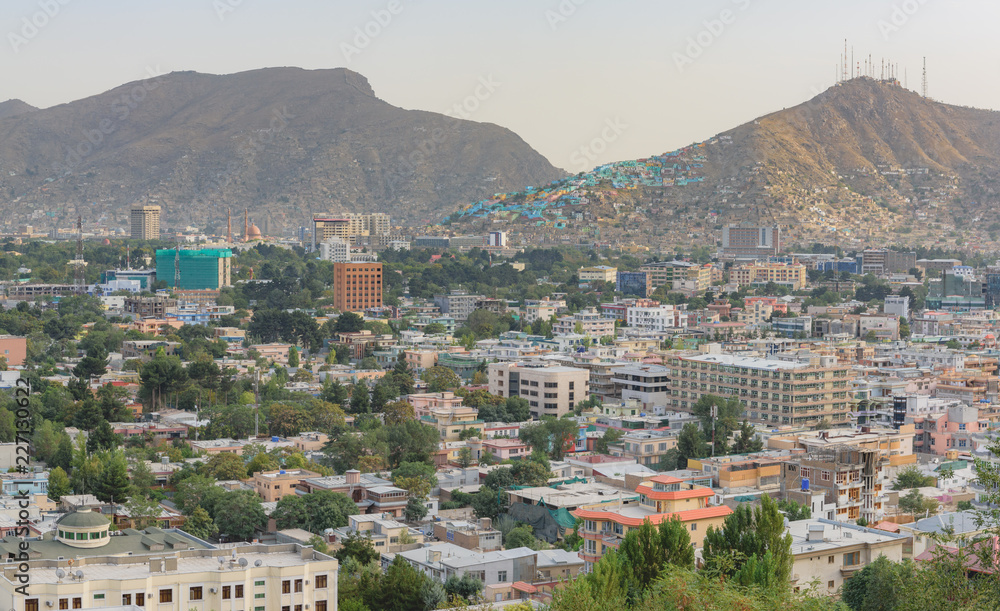
Kabul is the capital of Afghanistan and is surrounded by mountains, with a long history as an important city.
Capital

South Asia
افغانستان
Afghanistan is a landlocked country with mountains, valleys, and a long history connected to trade routes.
Population
40+ million
Capital
Kabul
Languages
Pashto, Dari
Currency
Afghan Afghani
Country Overview
Afghanistan is part of the South Asia region and has its own landscapes, traditions, history, and identity. This page is a starting point for exploring important places, key events, cultural life, and interesting facts connected to the country.
Fact File
Explore the capital city, food, wildlife, and culture through images and short fact-file summaries.
Kabul is the capital of Afghanistan and is surrounded by mountains, with a long history as an important city.

Kabuli pulao is a traditional rice dish often made with meat, carrots, raisins, and spices.
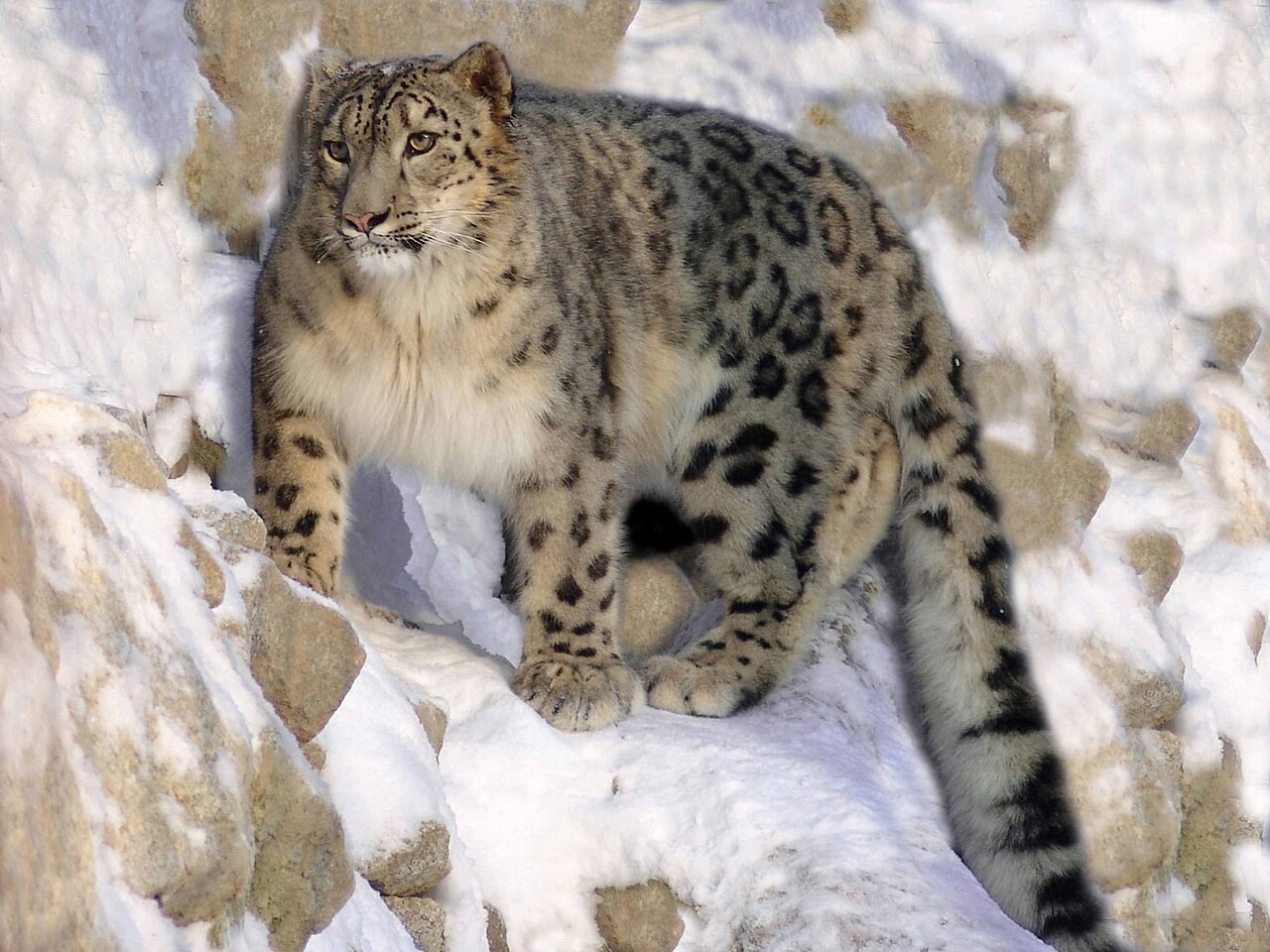
The snow leopard is a rare mountain animal that lives in cold, rocky regions and is linked with Afghanistan’s highlands.
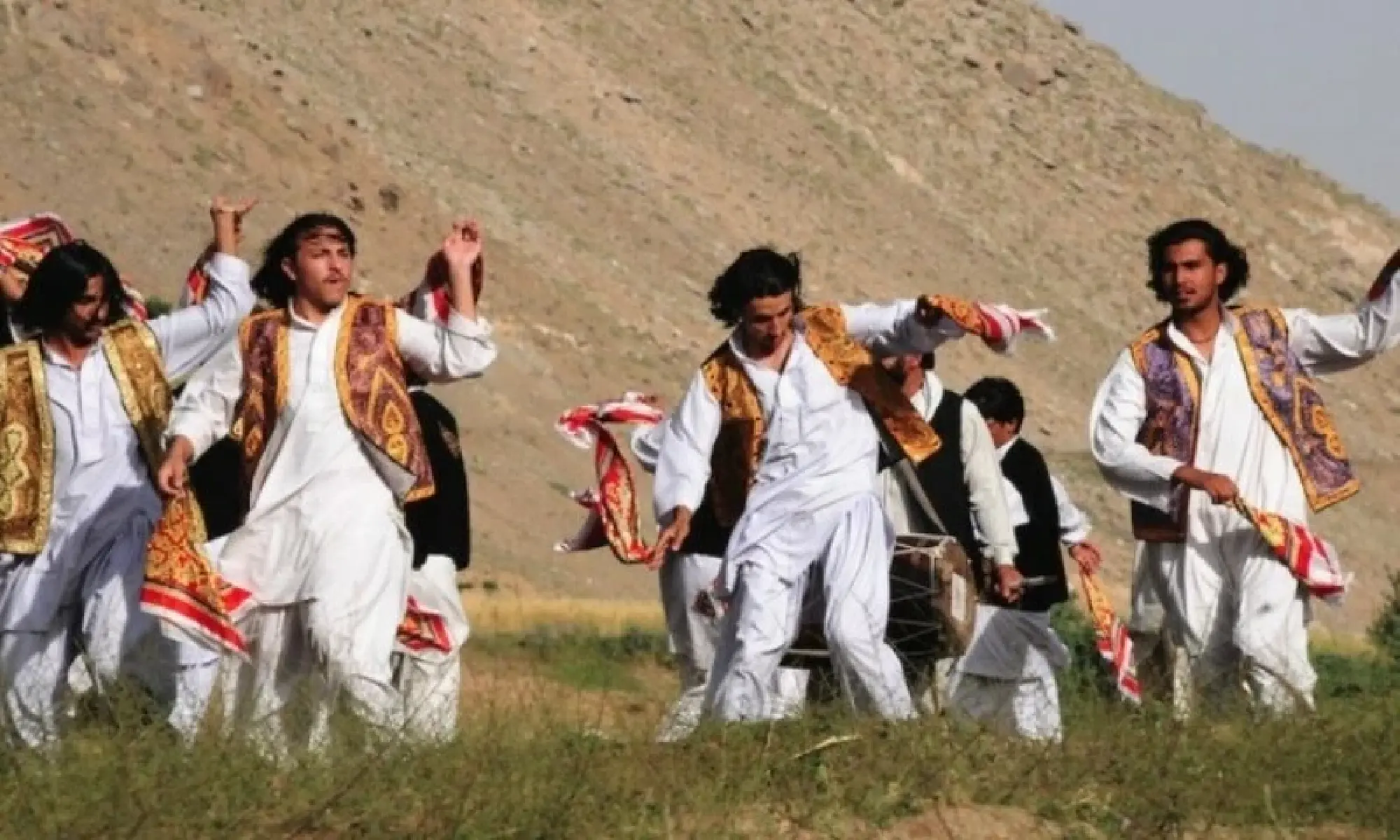
Attan is a traditional Afghan dance often performed in groups during celebrations and cultural events.
c. 2000 BCE
People lived in mountain valleys and along trade routes connecting Asia.
c. 500 BCE
Afghanistan became an important link between East and West on early trade routes.
c. 500 BCE
The region was part of the Persian Empire, connecting it to a wider world.
330 BCE
Alexander the Great conquered the region, bringing Greek influence.
200 BCE – 1500
Afghanistan became part of the Silk Road, linking Asia, the Middle East, and Europe.
600–800
Islam spread through the region, shaping culture, language, and identity.
1000–1700
Different empires ruled Afghanistan, including the Ghaznavids and Mughals.
1747
Ahmad Shah Durrani founded Afghanistan as a unified country.
1800s
Afghanistan fought wars against British influence during the 'Great Game'.
1979–2001
Wars and foreign involvement caused major changes and challenges for the country.
2001–Present
Afghanistan continues to face challenges while trying to rebuild and develop.
Research Gap
There are many important events not included here.
🔍 Can you research and add an important event?
Places to Explore
From famous landmarks to landscapes and historic cities, these places help tell the story of Afghanistan.
Country and Places
Every country has places that help us understand its story. Some are natural landscapes, some are religious or historic sites, and others are famous landmarks that people recognise around the world.
These images give a glimpse into the geography, culture, and history of Afghanistan, helping students connect what they see with what they learn.
Look closely:
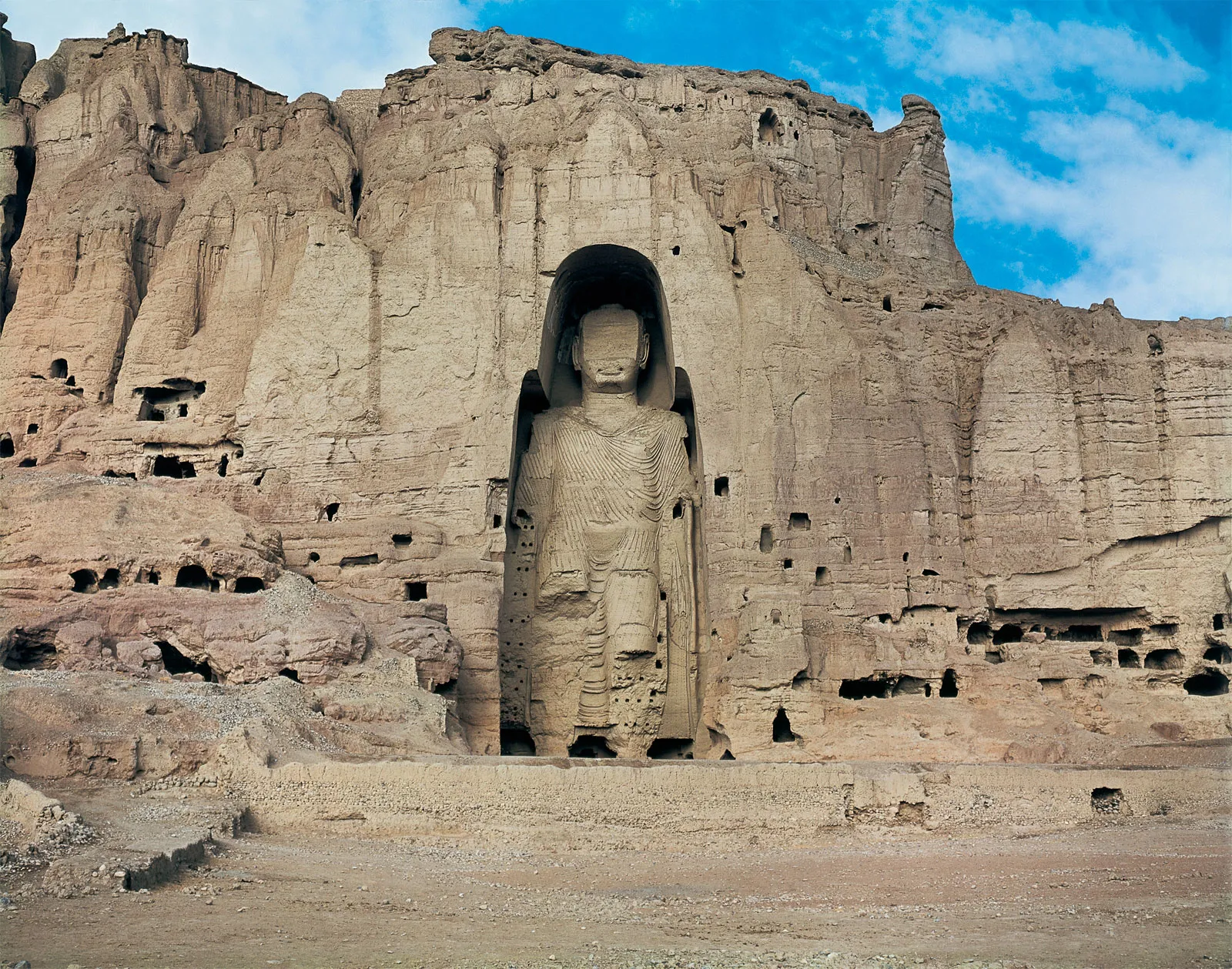
Bamiyan Valley is known for its dramatic landscape and important archaeological history.
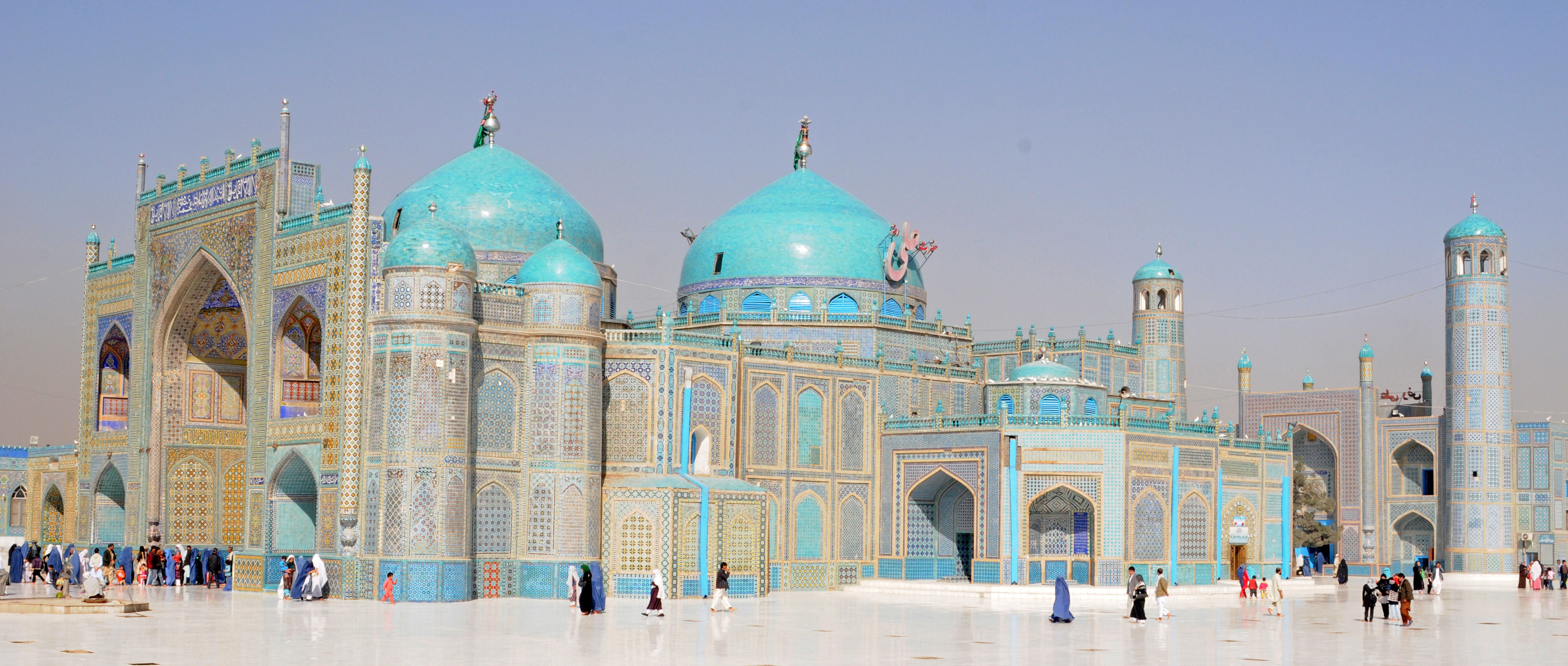
The Blue Mosque in Mazar-i-Sharif is one of Afghanistan’s best-known religious landmarks.
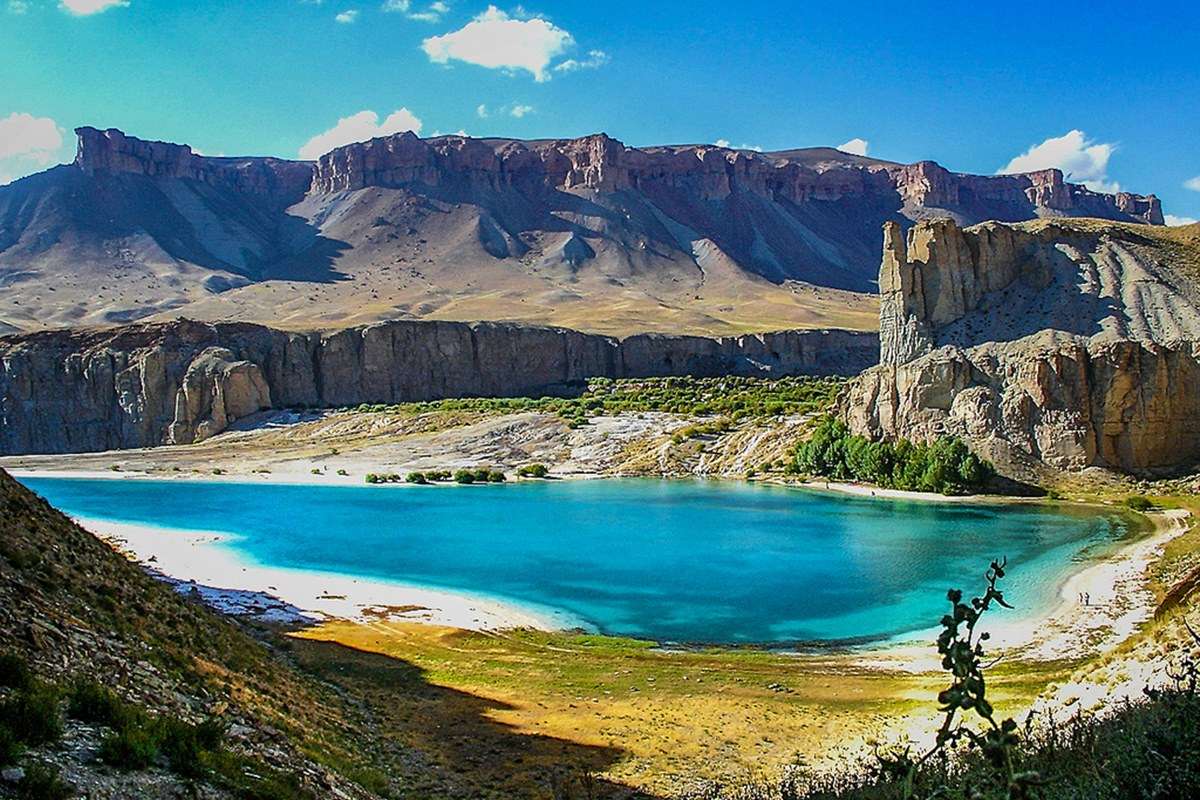
Band-e Amir is famous for its bright blue lakes and striking natural scenery.

Herat Citadel is a historic fortress that shows Afghanistan’s long and important past.
Did You Know?
Afghanistan has many mountains and valleys.
It has been part of important trade routes.
It has a rich cultural history.