Capital
Dhaka
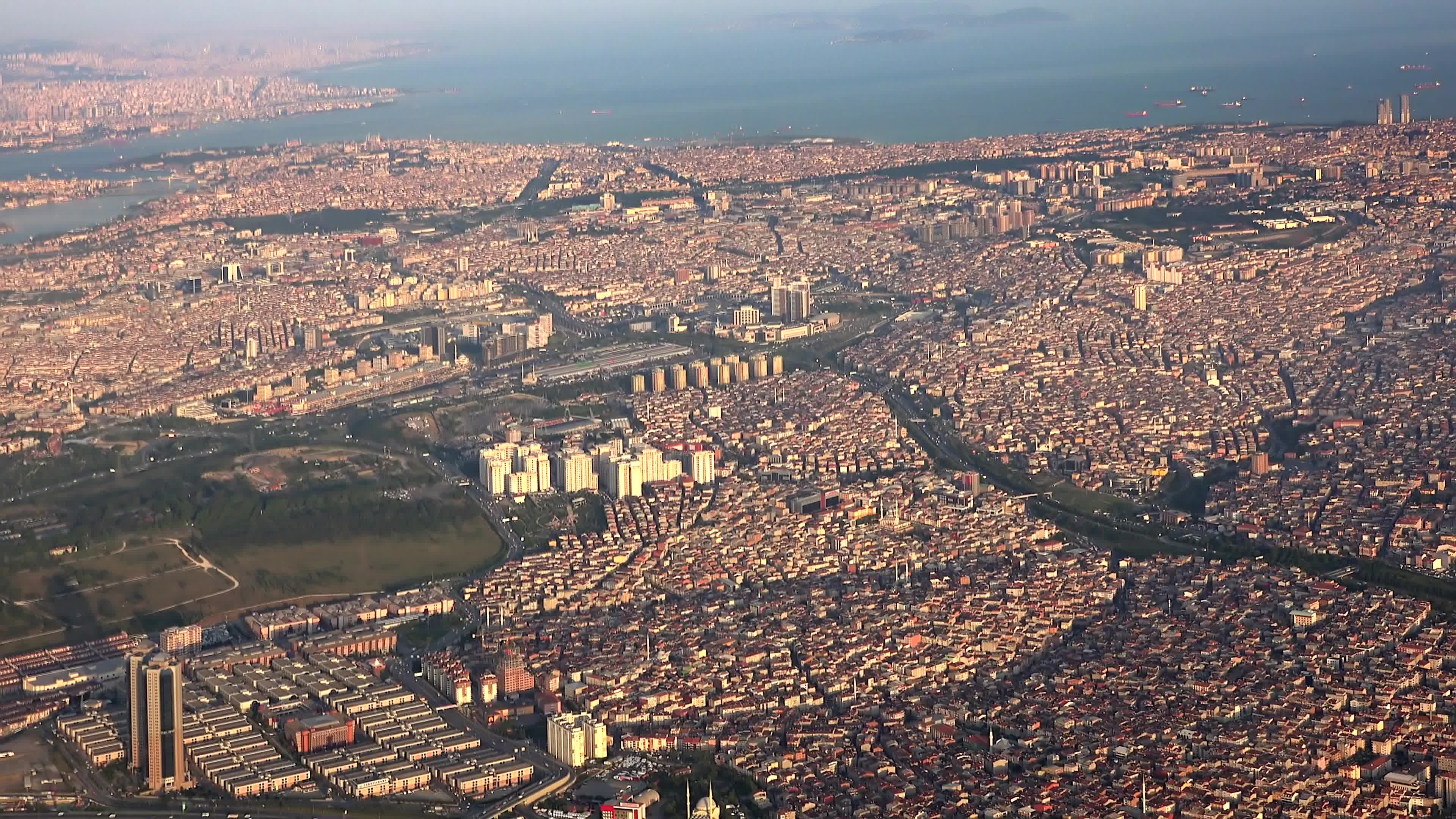
Dhaka is the capital of Bangladesh and is a busy city known for trade, transport, and daily life along the river system.
Capital

South Asia
বাংলাদেশ
Bangladesh is a country shaped by rivers and fertile land. It has a strong cultural identity and is known for its history, language, and traditions.
Population
170+ million
Capital
Dhaka
Languages
Bengali
Currency
Bangladeshi Taka
Country Overview
Bangladesh is part of the South Asia region and has its own landscapes, traditions, history, and identity. This page is a starting point for exploring important places, key events, cultural life, and interesting facts connected to the country.
Fact File
Explore the capital city, food, wildlife, and culture through images and short fact-file summaries.
Dhaka is the capital of Bangladesh and is a busy city known for trade, transport, and daily life along the river system.
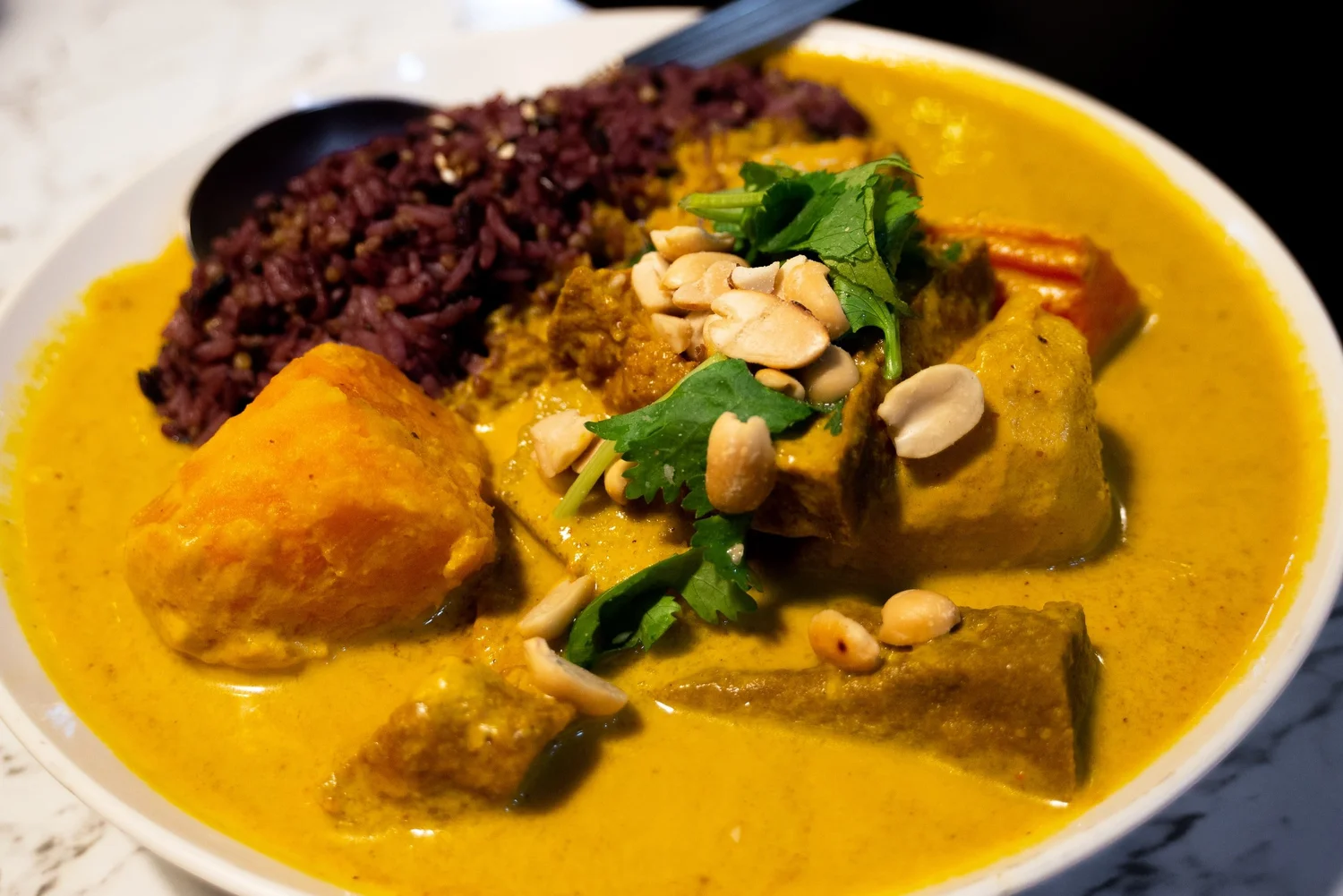
Hilsa curry is a popular fish dish in Bangladesh. Fish and rice are important parts of many meals.
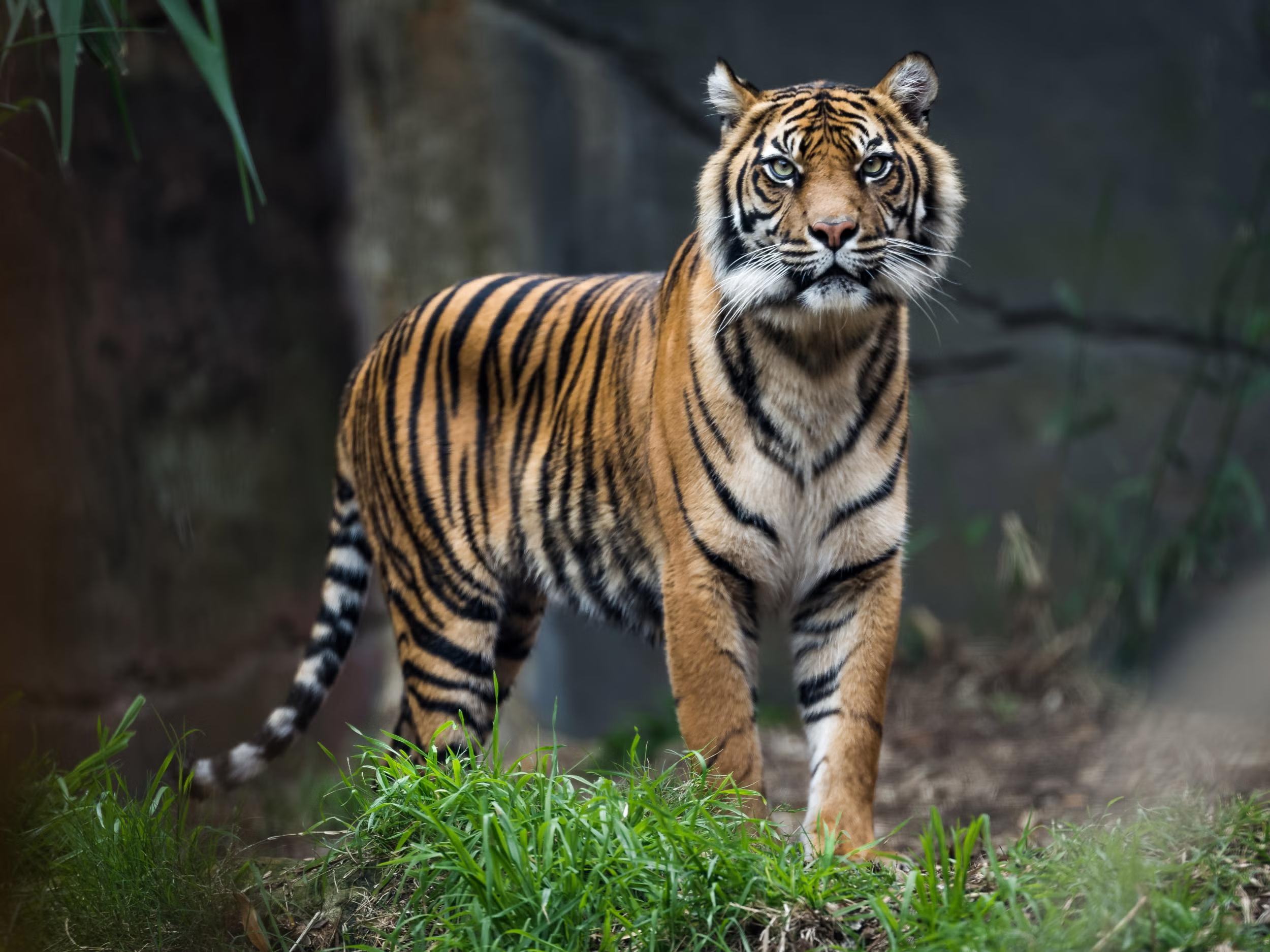
The Bengal tiger is one of the most famous animals linked with Bangladesh, especially in the Sundarbans mangrove forest.
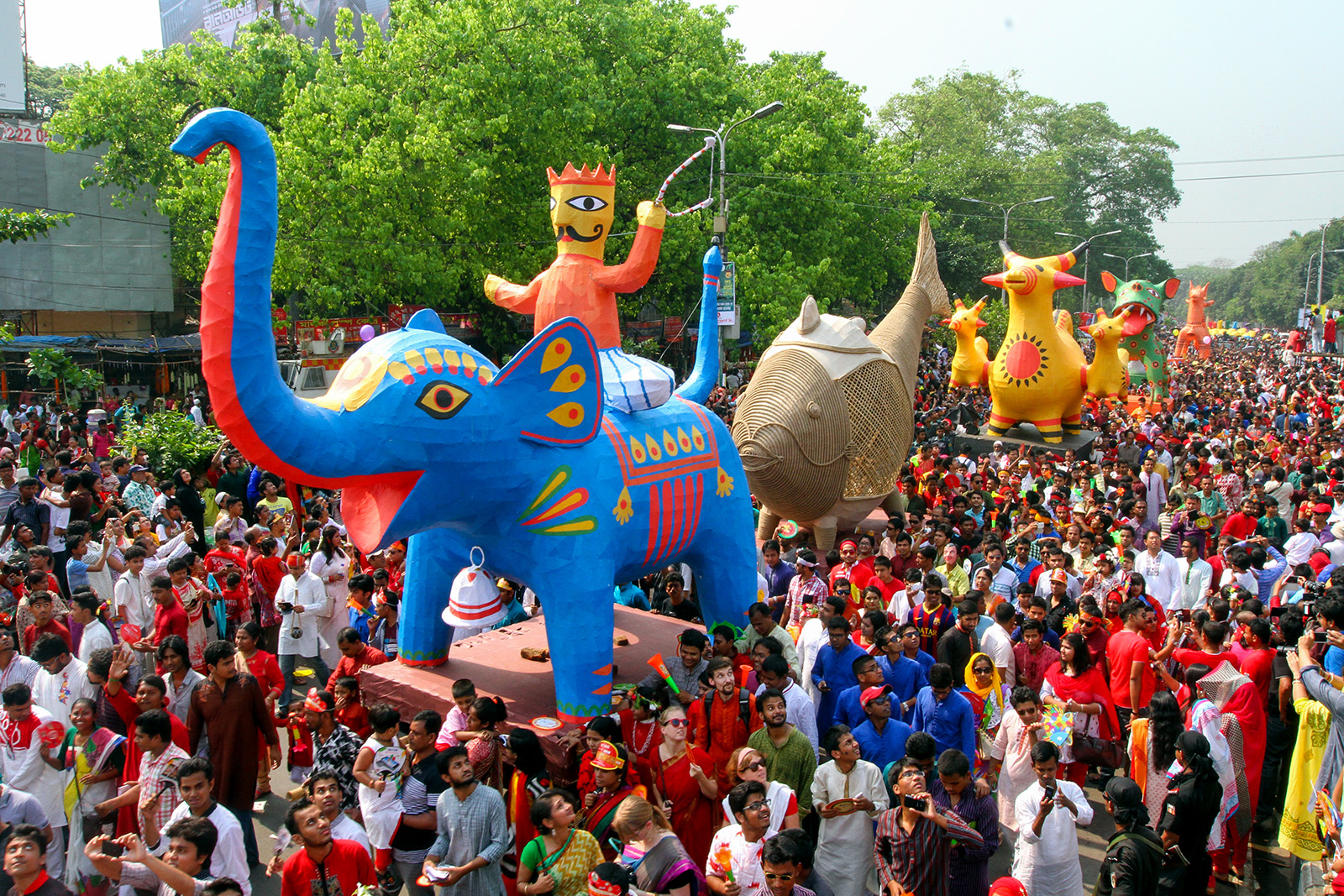
Pohela Boishakh is the Bengali New Year celebration, marked by music, traditional clothes, and colourful parades.
c. 2000 BCE
People settled in the fertile river plains of the Ganges-Brahmaputra delta, farming and trading.
c. 600 BCE – 1200 CE
The region was part of different powerful kingdoms that developed trade, culture, and religion.
c. 600–1200
Religion and culture developed through both Buddhist and Hindu traditions.
1200s
Islam spread across the region through traders and rulers, shaping culture and society.
1500–1700s
The region became part of the Mughal Empire, known for trade, farming, and cultural growth.
1600–1800s
Bengal became famous for its textiles, especially muslin, traded around the world.
1757–1947
The region became part of British India, leading to major political and economic changes.
1947
The region became East Pakistan after India was divided into India and Pakistan.
1952
People protested to protect the Bengali language, which became a key part of national identity.
1971
After a war, Bangladesh became an independent country separate from Pakistan.
1971–Present
Bangladesh has developed in areas like industry, culture, and global trade.
Research Gap
There are many important events not included here.
🔍 Can you research and add an important event?
Places to Explore
From famous landmarks to landscapes and historic cities, these places help tell the story of Bangladesh.
Country and Places
Every country has places that help us understand its story. Some are natural landscapes, some are religious or historic sites, and others are famous landmarks that people recognise around the world.
These images give a glimpse into the geography, culture, and history of Bangladesh, helping students connect what they see with what they learn.
Look closely:
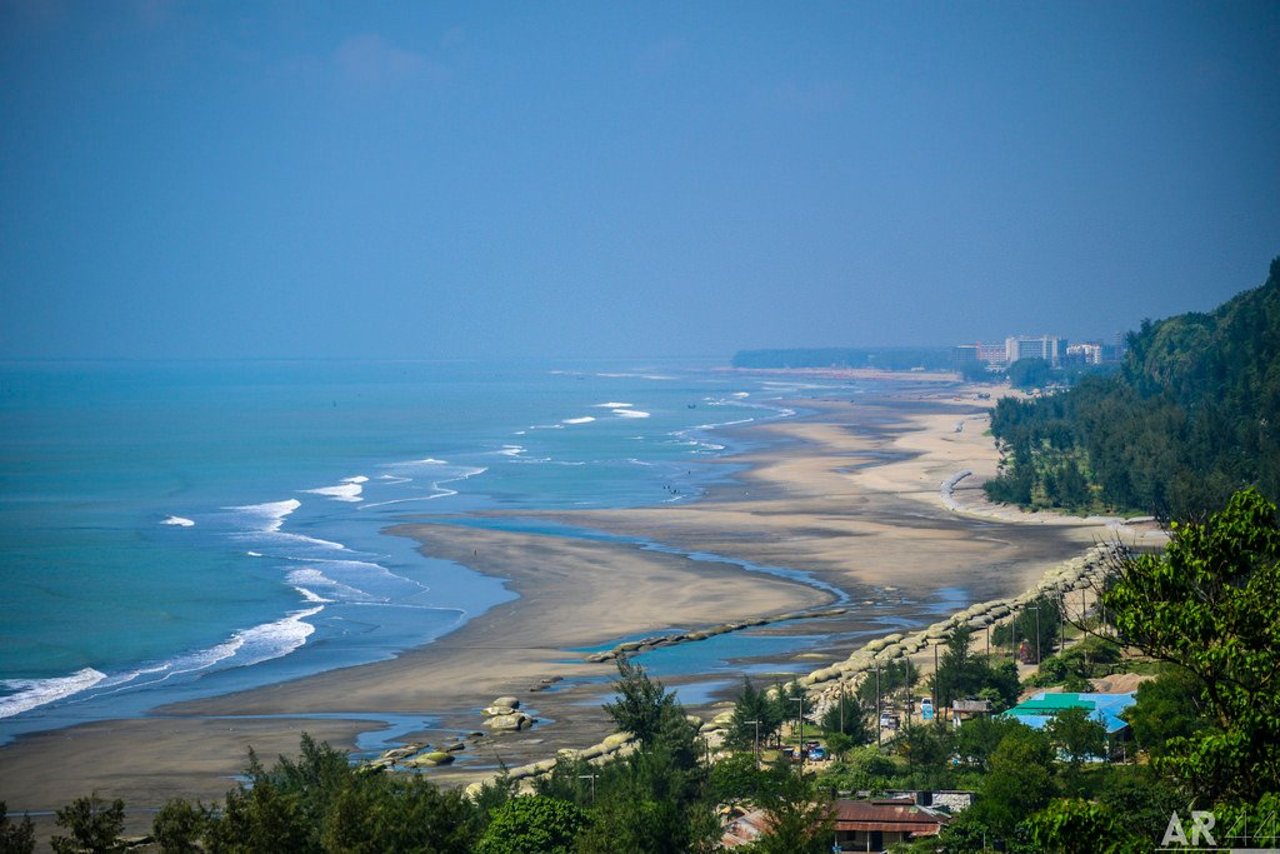
Cox’s Bazar is famous for its long sandy beach and is one of Bangladesh’s best-known coastal places.
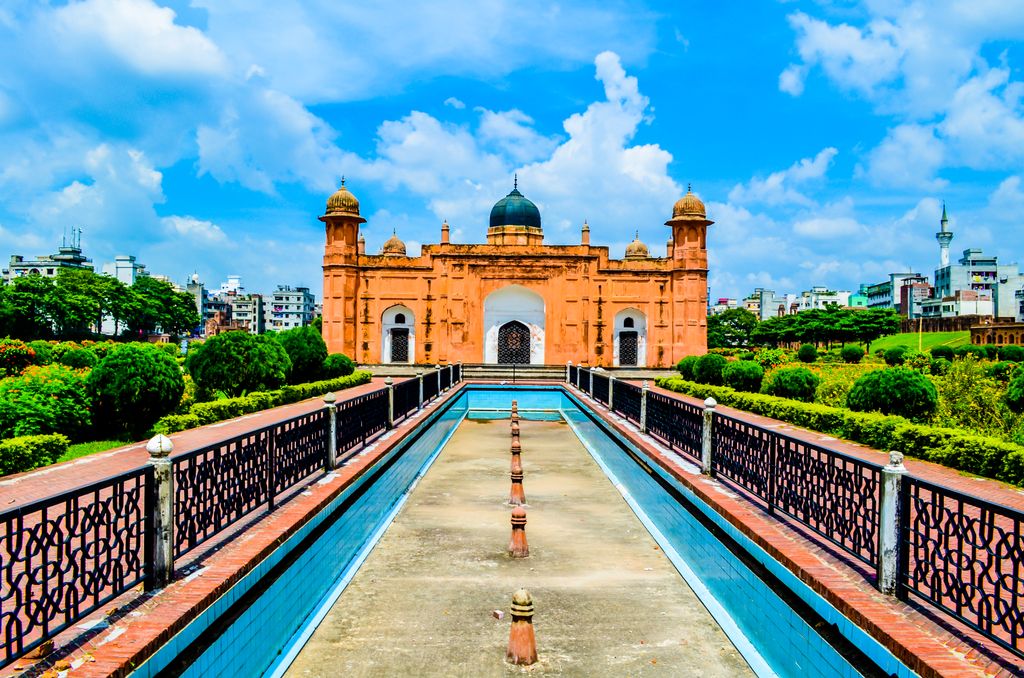
Lalbagh Fort is a historic Mughal fort in Dhaka and helps tell the story of Bangladesh’s past.
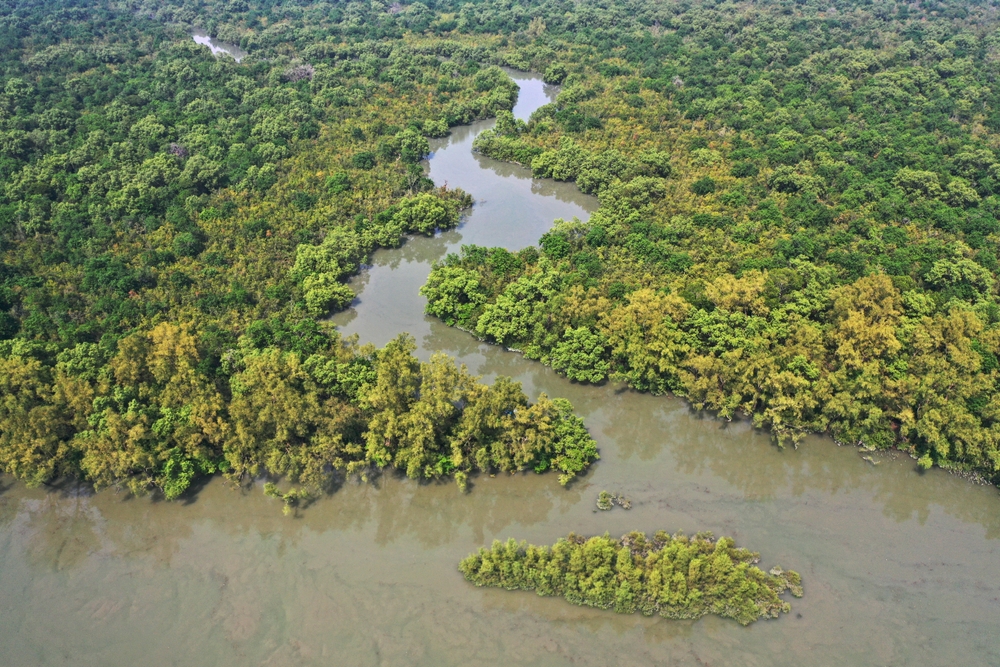
The Sundarbans is a huge mangrove forest known for wildlife, waterways, and the Bengal tiger.
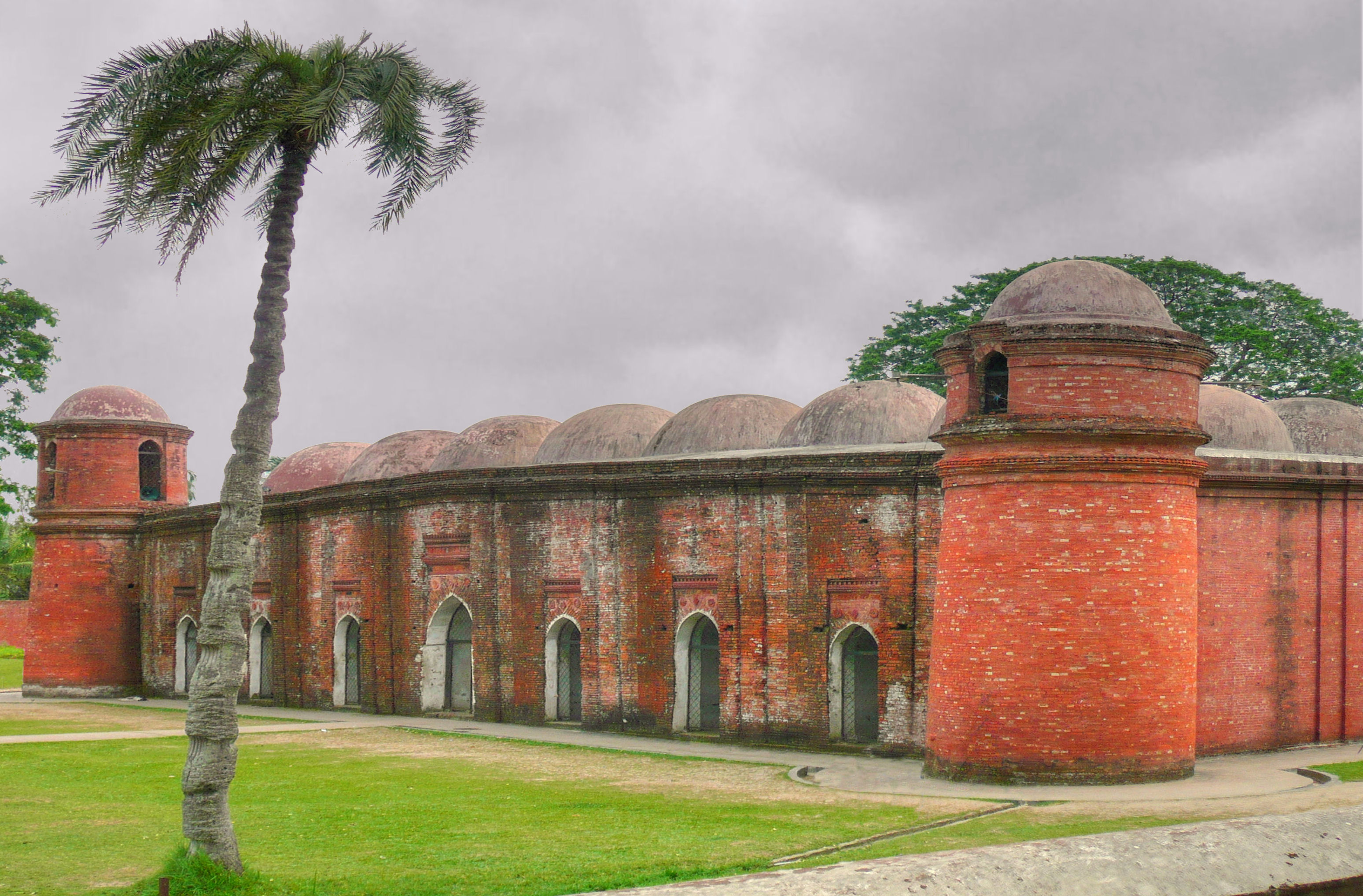
The Sixty Dome Mosque is one of the most important historic buildings in Bangladesh and is known for its architecture.
Did You Know?
Bangladesh has many rivers and fertile land.
It is one of the most densely populated countries.
Rice and fishing are important parts of life.