Capital
Thimphu
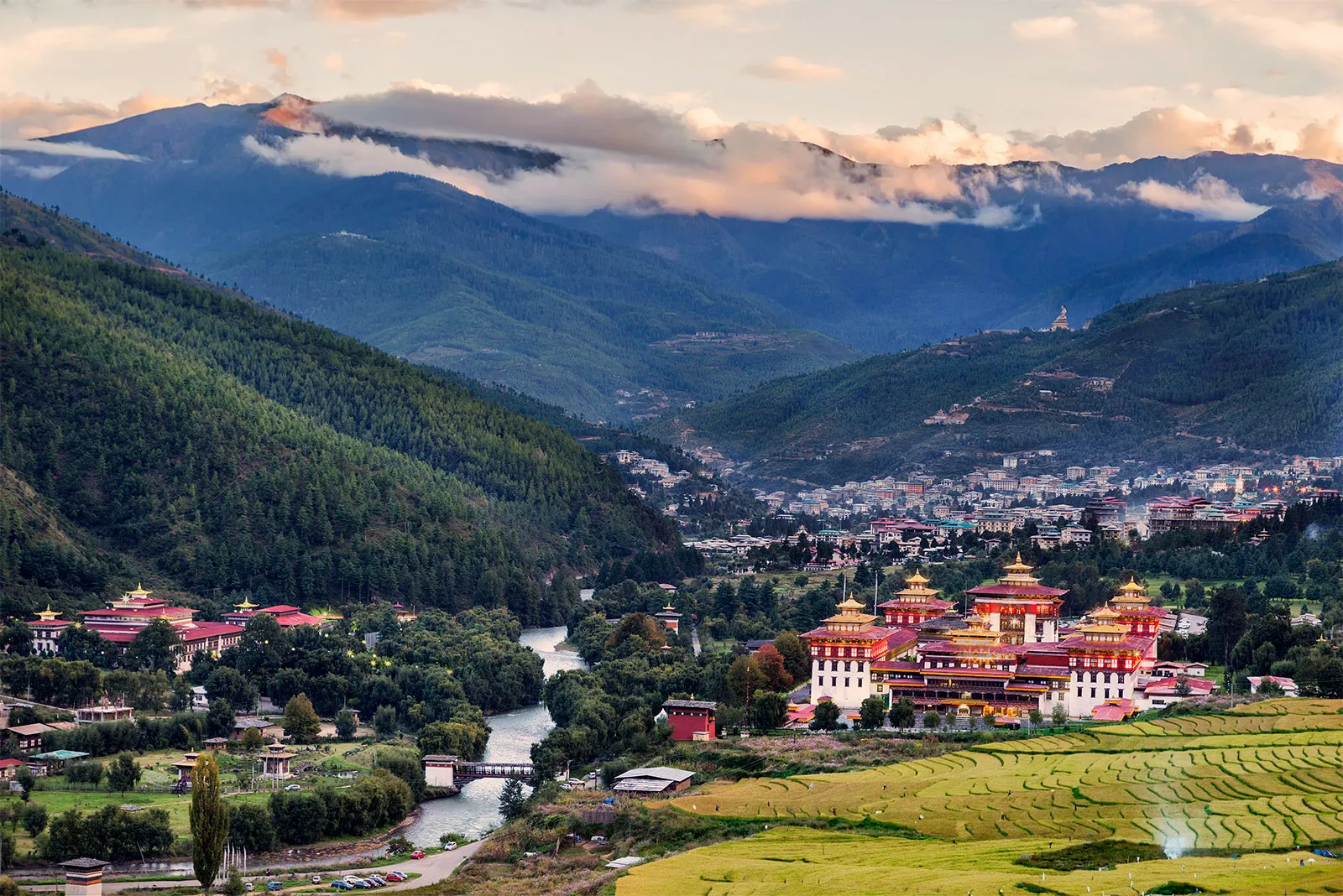
Thimphu is the capital of Bhutan and is known for mountain scenery, traditional buildings, and important government sites.
Capital

South Asia
འབྲུག་ཡུལ་
Bhutan is a small mountainous country known for its focus on happiness and preserving culture.
Population
800k+
Capital
Thimphu
Languages
Dzongkha
Currency
Ngultrum
Country Overview
Bhutan is part of the South Asia region and has its own landscapes, traditions, history, and identity. This page is a starting point for exploring important places, key events, cultural life, and interesting facts connected to the country.
Fact File
Explore the capital city, food, wildlife, and culture through images and short fact-file summaries.
Thimphu is the capital of Bhutan and is known for mountain scenery, traditional buildings, and important government sites.
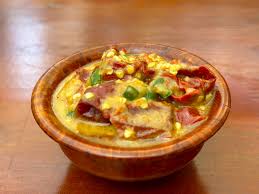
Ema datshi is a famous Bhutanese dish made with chilli peppers and cheese, and it is a popular national food.
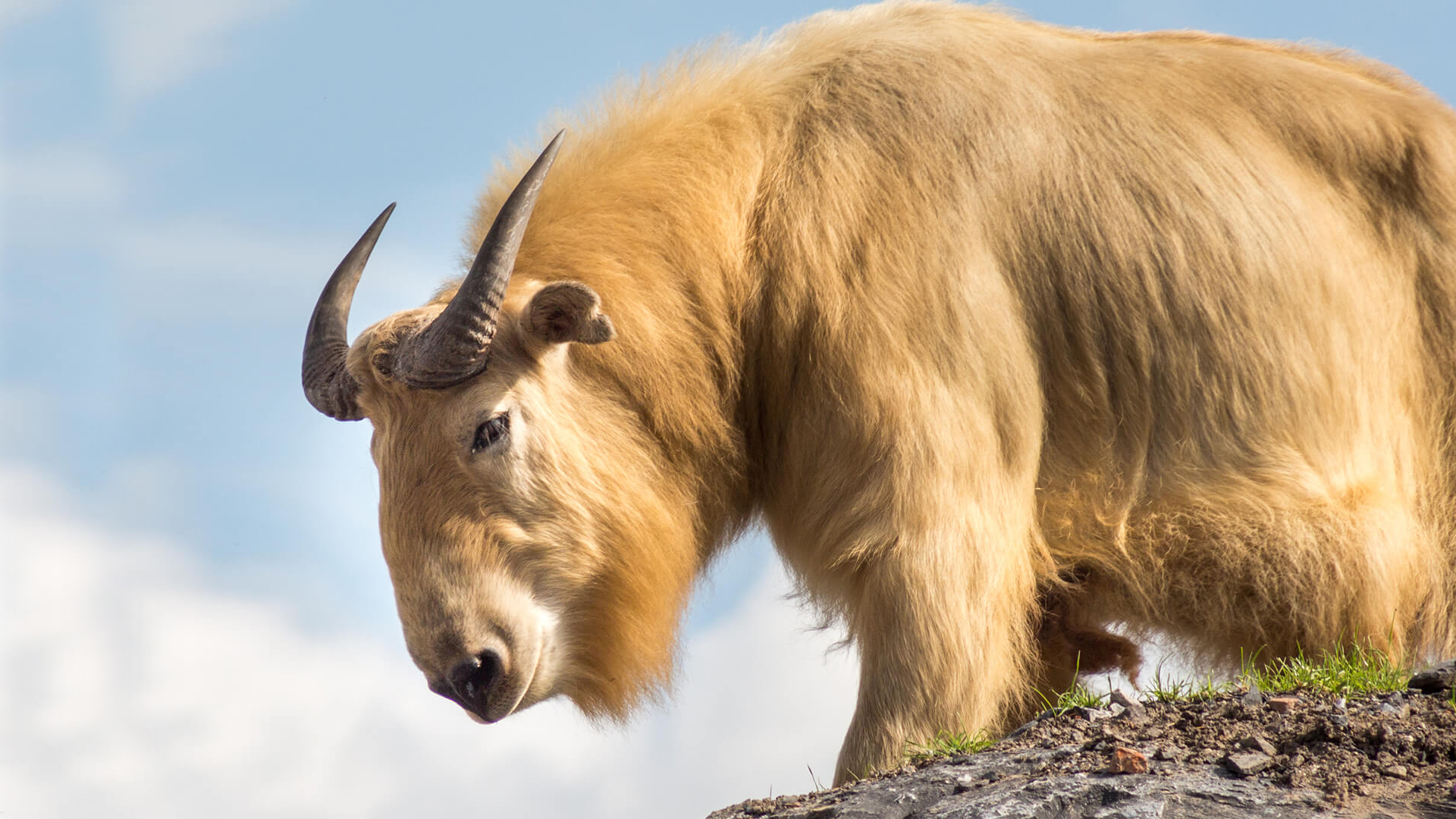
The takin is Bhutan’s national animal and is known for its unusual shape and thick coat.
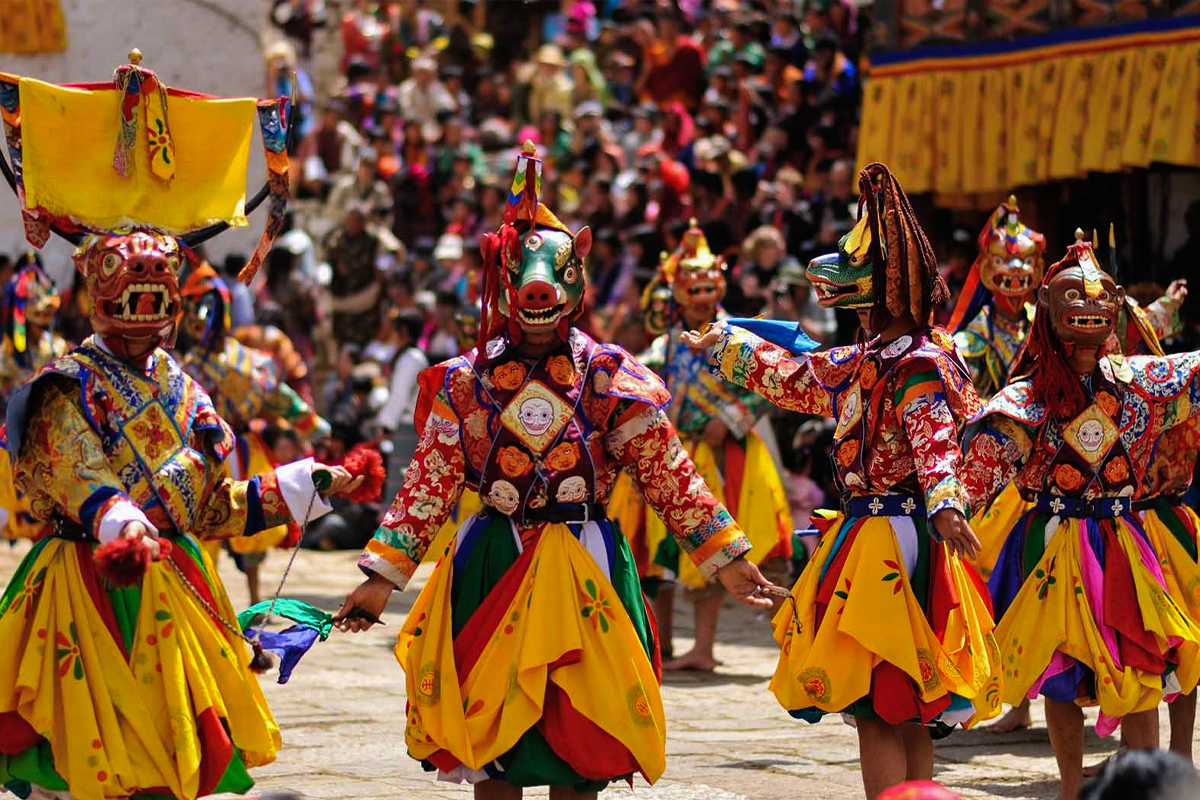
Tshechu festivals include traditional masked dances, colourful clothing, and important religious celebrations.
c. 2000 BCE
People lived in the Himalayan valleys, farming and adapting to mountain life.
700s
Buddhism was introduced to Bhutan and became central to its culture and identity.
1000–1600
Monasteries and religious communities grew, shaping daily life and traditions.
1616
Zhabdrung Ngawang Namgyal unified Bhutan and created a system of governance.
1600s
Fortress monasteries (dzongs) became centres of government and religion.
1700–1800s
Bhutan experienced struggles between regional leaders for control.
1800s
Bhutan had conflicts and agreements with British India, affecting its borders and independence.
1907
Bhutan became a monarchy with a king, bringing more stability to the country.
1950–1990
Bhutan slowly introduced roads, schools, and healthcare while protecting traditions.
1970s
Bhutan introduced the idea of measuring happiness instead of just wealth.
2008
Bhutan became a democratic constitutional monarchy with elections.
2008–Present
Bhutan balances modern life with strong cultural traditions and environmental protection.
Research Gap
There are many important events not included here.
🔍 Can you research and add an important event?
Places to Explore
From famous landmarks to landscapes and historic cities, these places help tell the story of Bhutan.
Country and Places
Every country has places that help us understand its story. Some are natural landscapes, some are religious or historic sites, and others are famous landmarks that people recognise around the world.
These images give a glimpse into the geography, culture, and history of Bhutan, helping students connect what they see with what they learn.
Look closely:
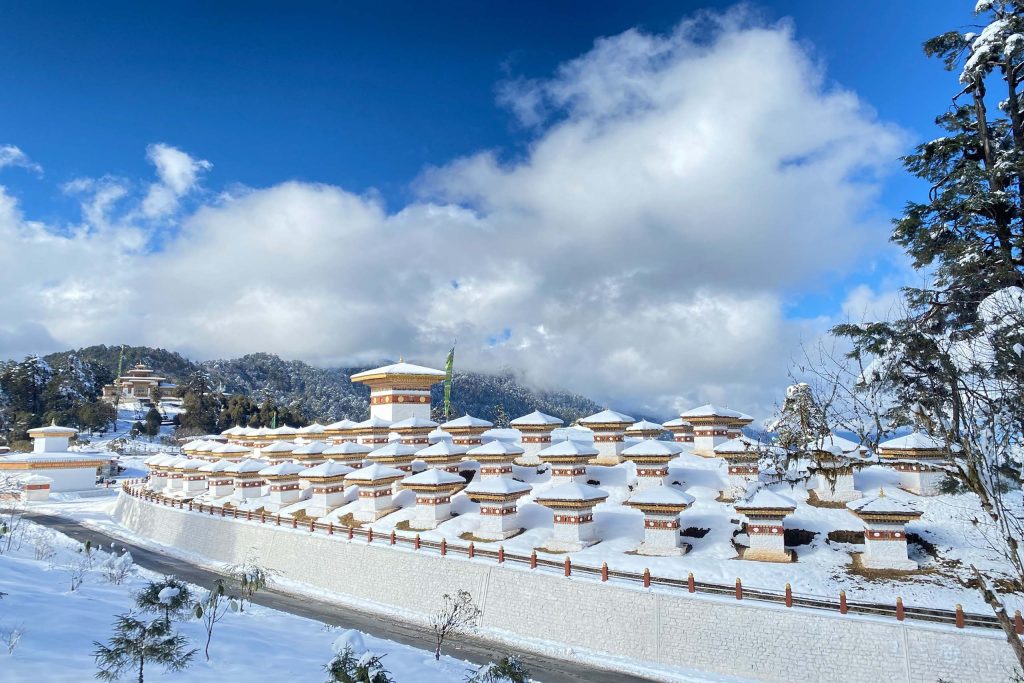
Dochula Pass is known for mountain views and rows of memorial chortens along the road.
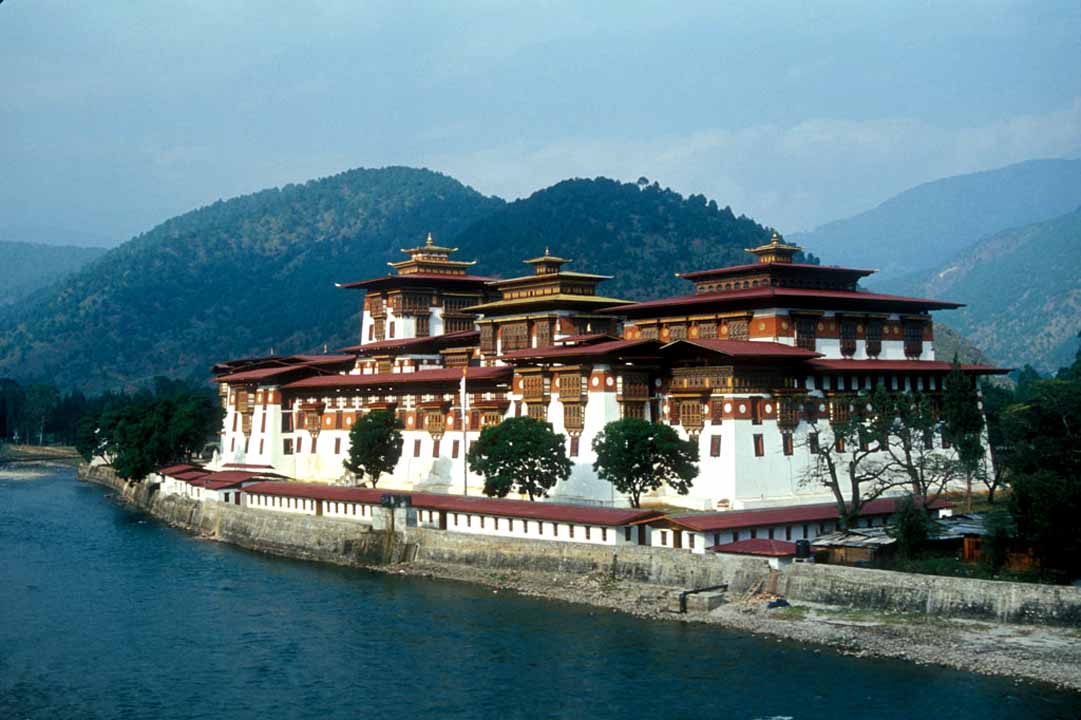
Punakha Dzong is a large fortress-monastery and one of Bhutan’s most famous historic buildings.
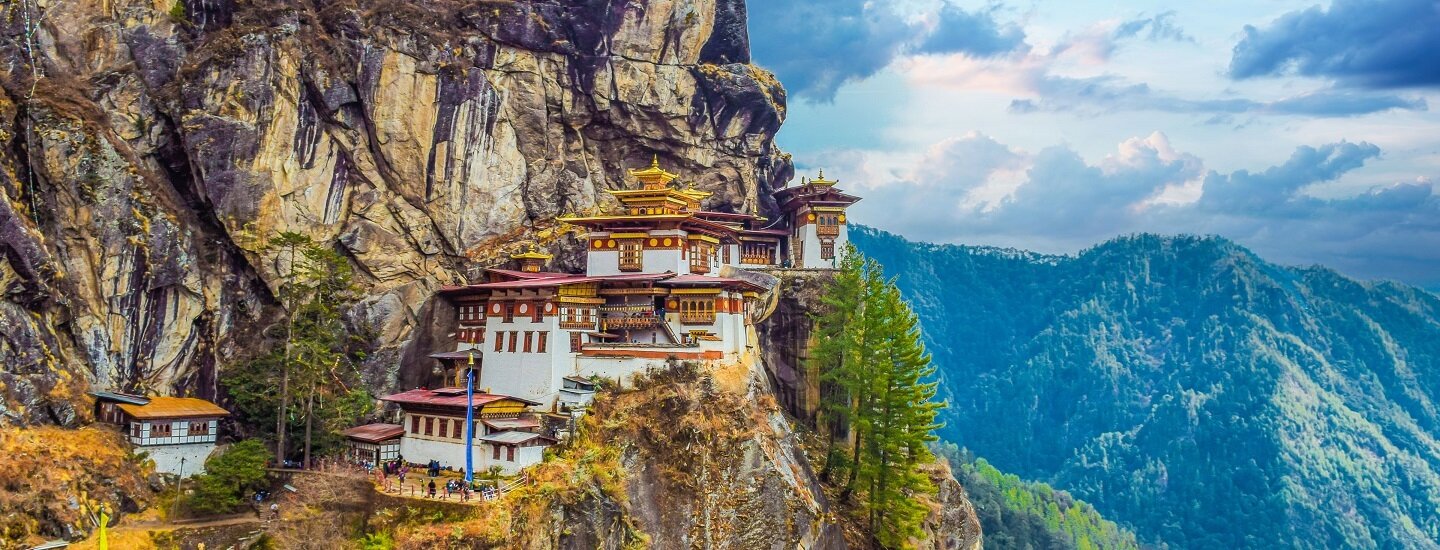
Tiger’s Nest Monastery sits high on a cliff and is one of the most iconic places in Bhutan.
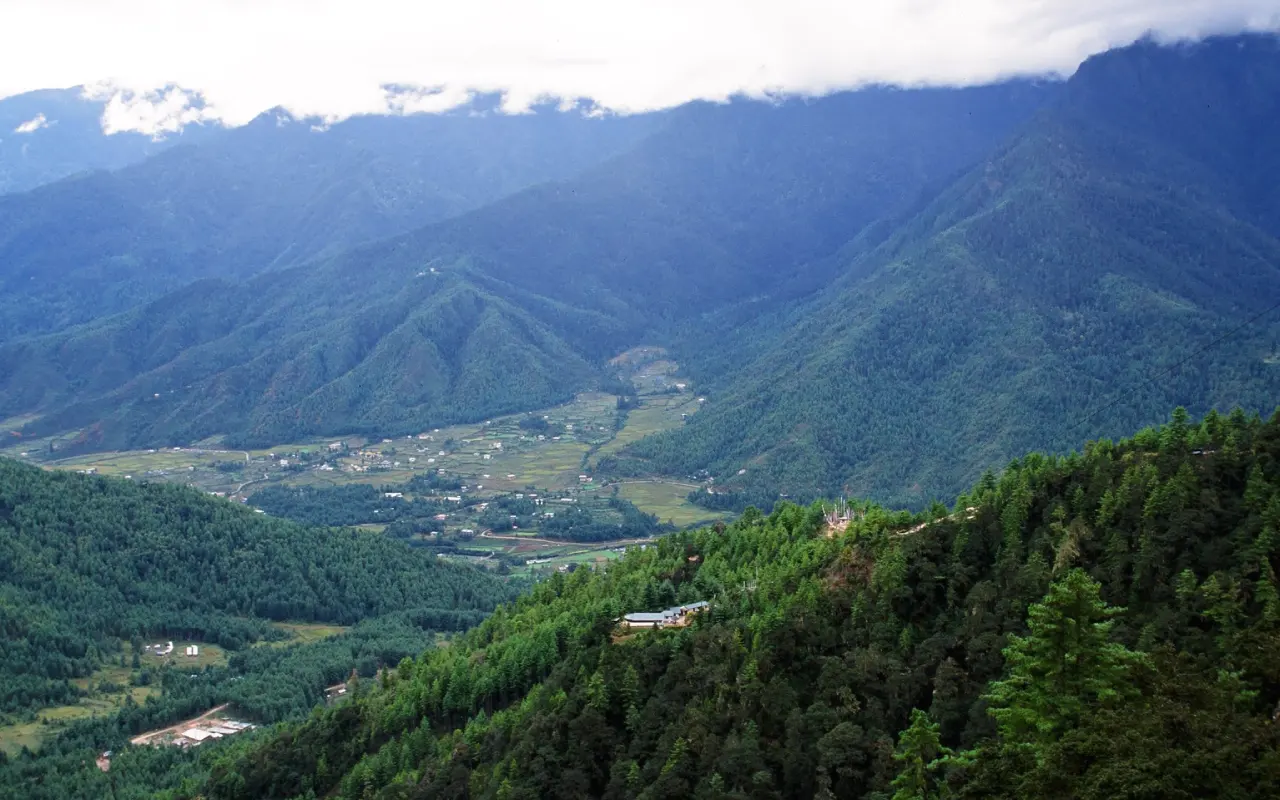
Paro Valley is known for its peaceful scenery, rivers, and traditional Bhutanese villages surrounded by mountains.
Did You Know?
Bhutan measures success with happiness.
It has strong cultural traditions.
The country protects its environment.