Capital
New Delhi
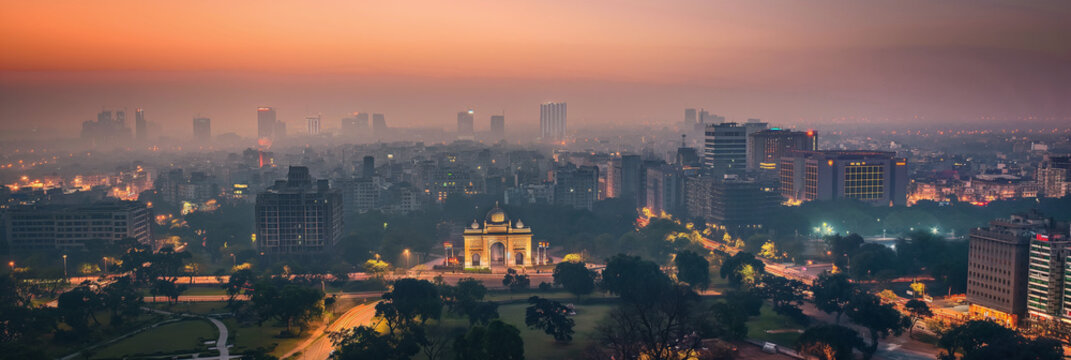
New Delhi is the capital of India and is home to government buildings, busy streets, markets, and important landmarks.
Capital

South Asia
भारत
India is one of the largest and most diverse countries in the world. It is known for its rich history, many languages, religions, and a wide variety of landscapes from the Himalayas to tropical coasts.
Population
1.4+ billion
Capital
New Delhi
Languages
Hindi, English, Bengali, Telugu, Marathi, Tamil, Urdu, Gujarati, Kannada, Malayalam, Punjabi
Currency
Indian Rupee
Country Overview
India is part of the South Asia region and has its own landscapes, traditions, history, and identity. This page is a starting point for exploring important places, key events, cultural life, and interesting facts connected to the country.
Fact File
Explore the capital city, food, wildlife, and culture through images and short fact-file summaries.
New Delhi is the capital of India and is home to government buildings, busy streets, markets, and important landmarks.
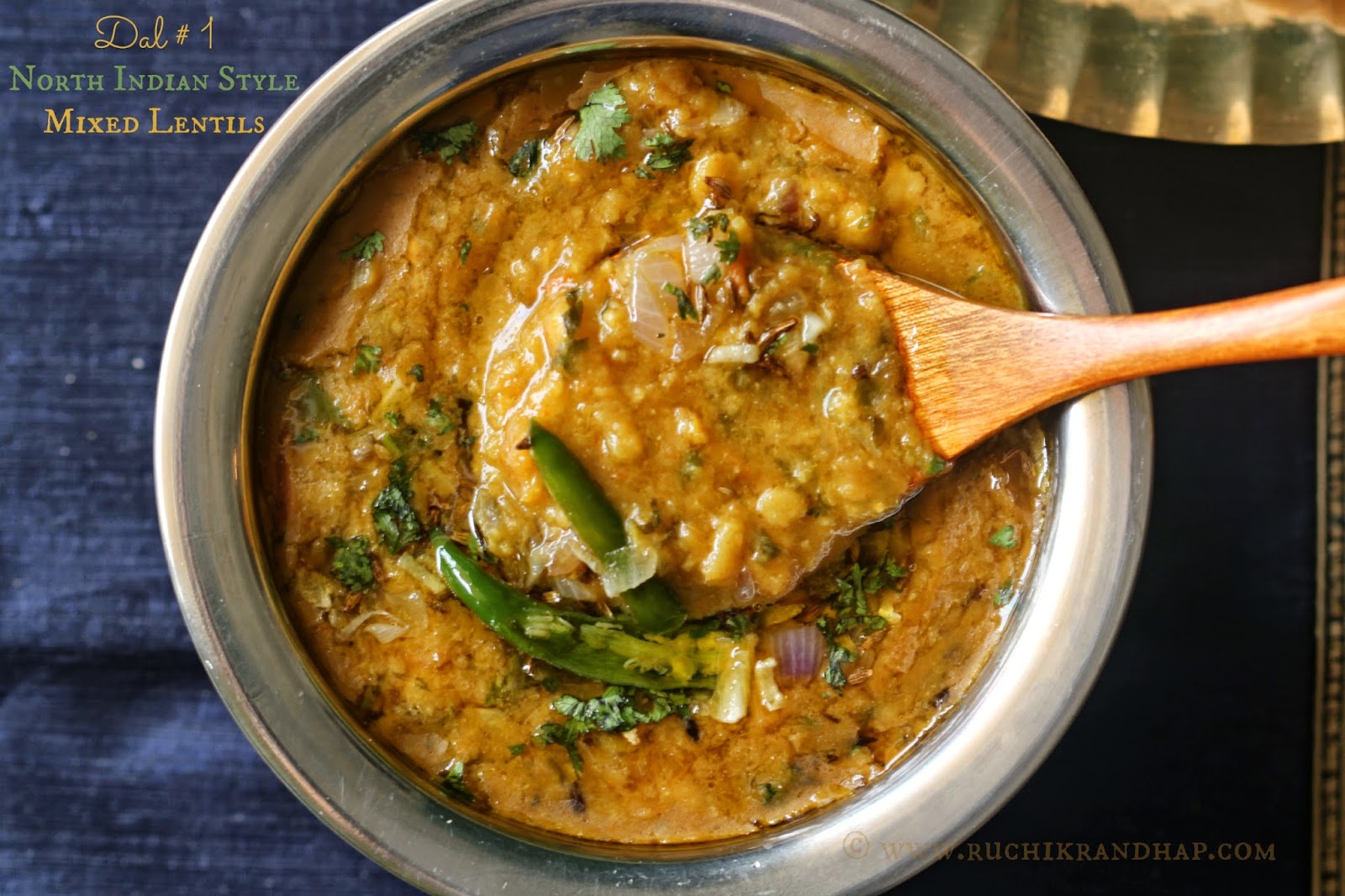
Dal is a popular dish made from lentils and spices. It is eaten across India and is a common part of everyday meals.
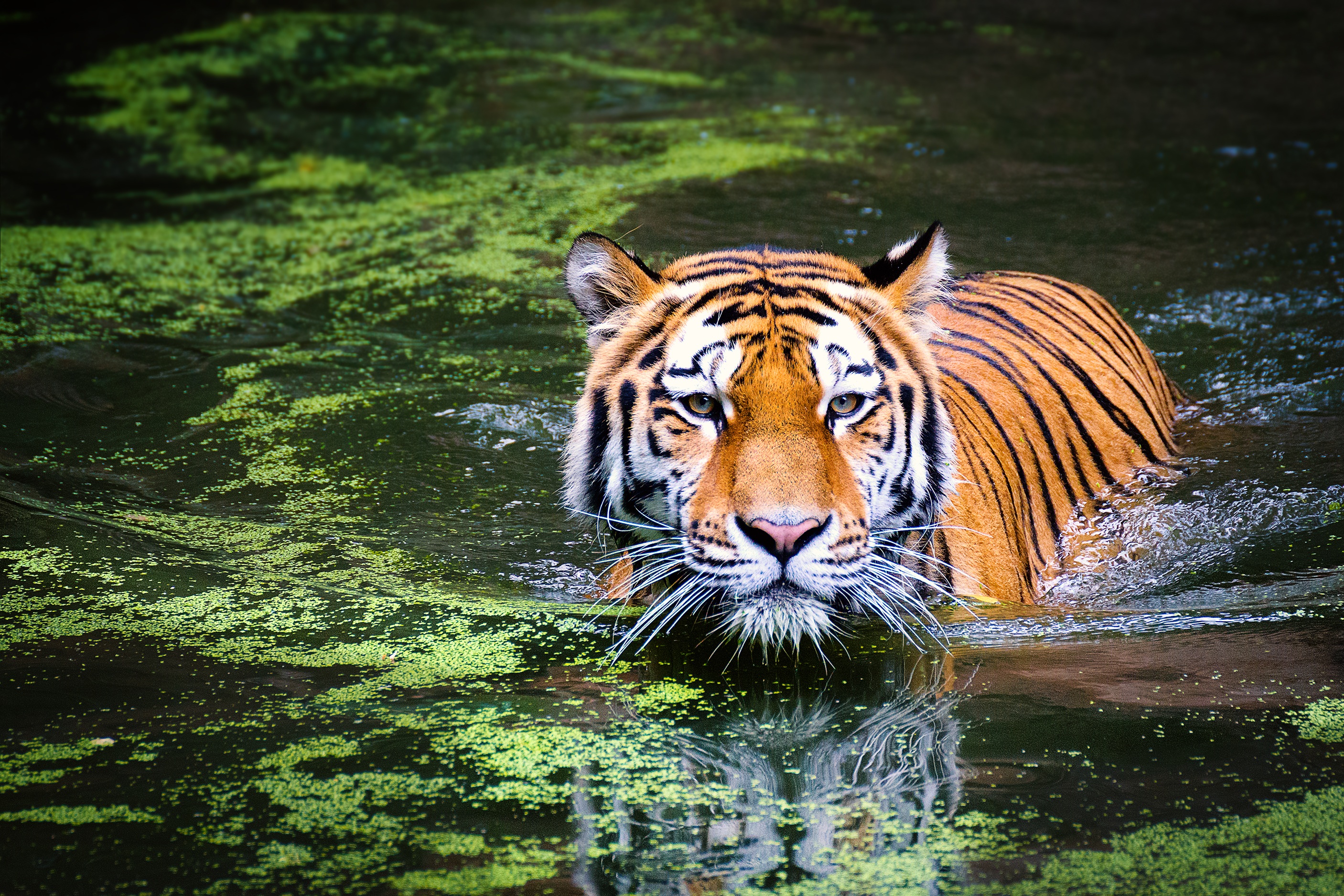
The Bengal tiger is one of India’s most famous animals and is known for its power, striped coat, and importance in wildlife conservation.
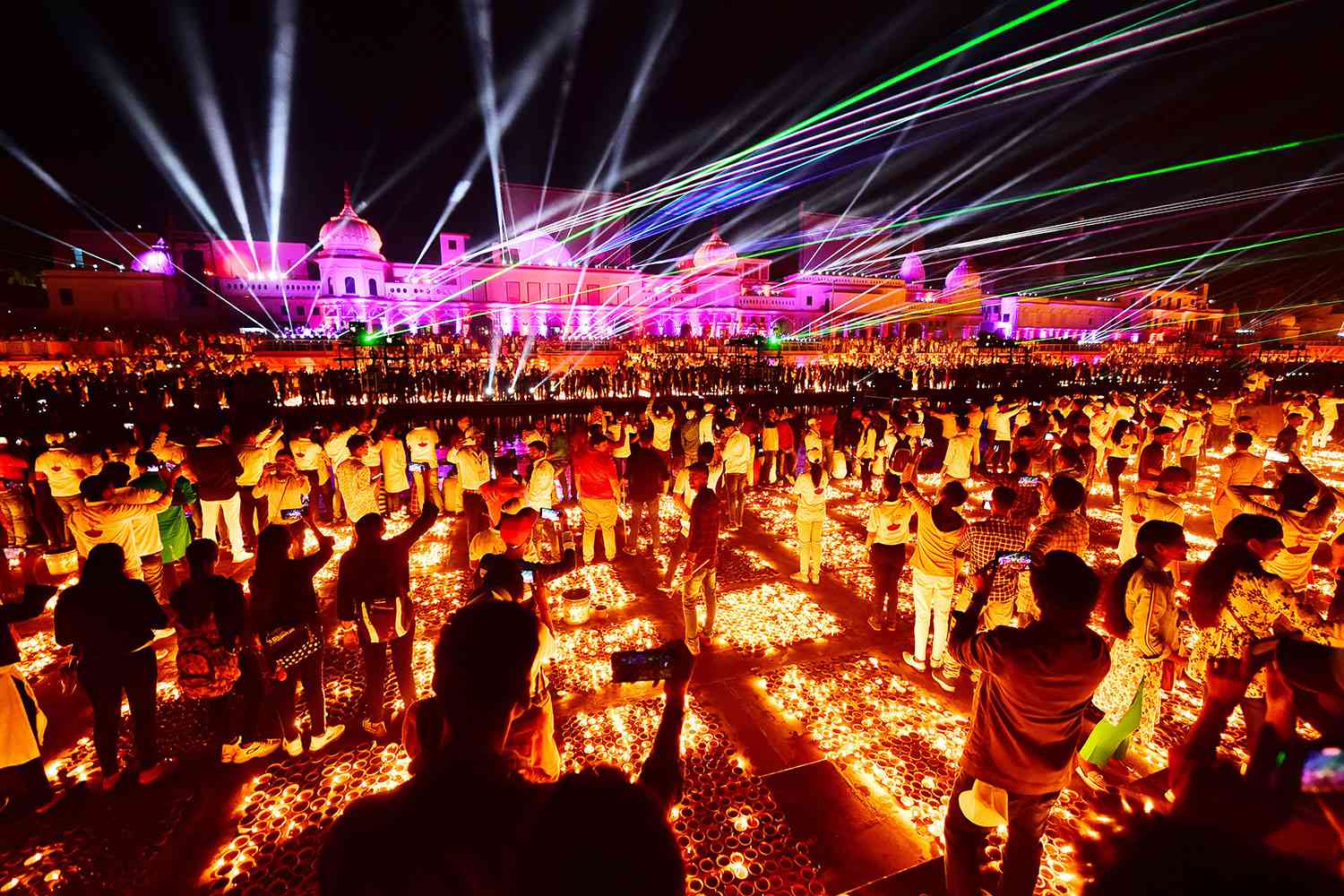
Diwali is a well-known festival of lights. People celebrate with lamps, decorations, family gatherings, and special food.
c. 2500–1500 BCE
One of the world’s earliest urban civilisations with planned cities, drainage systems, and trade networks.
c. 1500–600 BCE
Early Hindu beliefs and social systems began to develop through sacred texts and traditions.
c. 600–200 BCE
Buddhism and Jainism began in India, offering new ways of thinking about life and spirituality.
322–185 BCE
One of India’s first large empires, known for strong leadership under Ashoka and the spread of Buddhism.
c. 320–550 CE
A golden age of science, maths, literature, and art, with major developments like the concept of zero.
600–1200
Different kingdoms ruled different parts of India, each with unique cultures and traditions.
1206–1526
A period of Muslim rule that influenced culture, architecture, and government.
1526–1857
A powerful empire known for architecture like the Taj Mahal and strong central rule.
1757–1947
India became part of the British Empire, changing its economy, politics, and society.
1947
India gained independence from Britain, but was divided into India and Pakistan.
1947–Present
India has grown into a major global country with advances in technology, cities, and culture.
Research Gap
There are many important events not included here.
🔍 Can you research and add an important event?
Places to Explore
From famous landmarks to landscapes and historic cities, these places help tell the story of India.
Country and Places
Every country has places that help us understand its story. Some are natural landscapes, some are religious or historic sites, and others are famous landmarks that people recognise around the world.
These images give a glimpse into the geography, culture, and history of India, helping students connect what they see with what they learn.
Look closely:
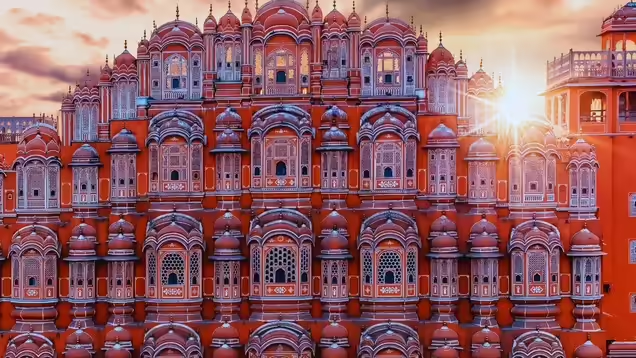
Jaipur is known as the Pink City and is famous for its palaces, forts, and colourful buildings.
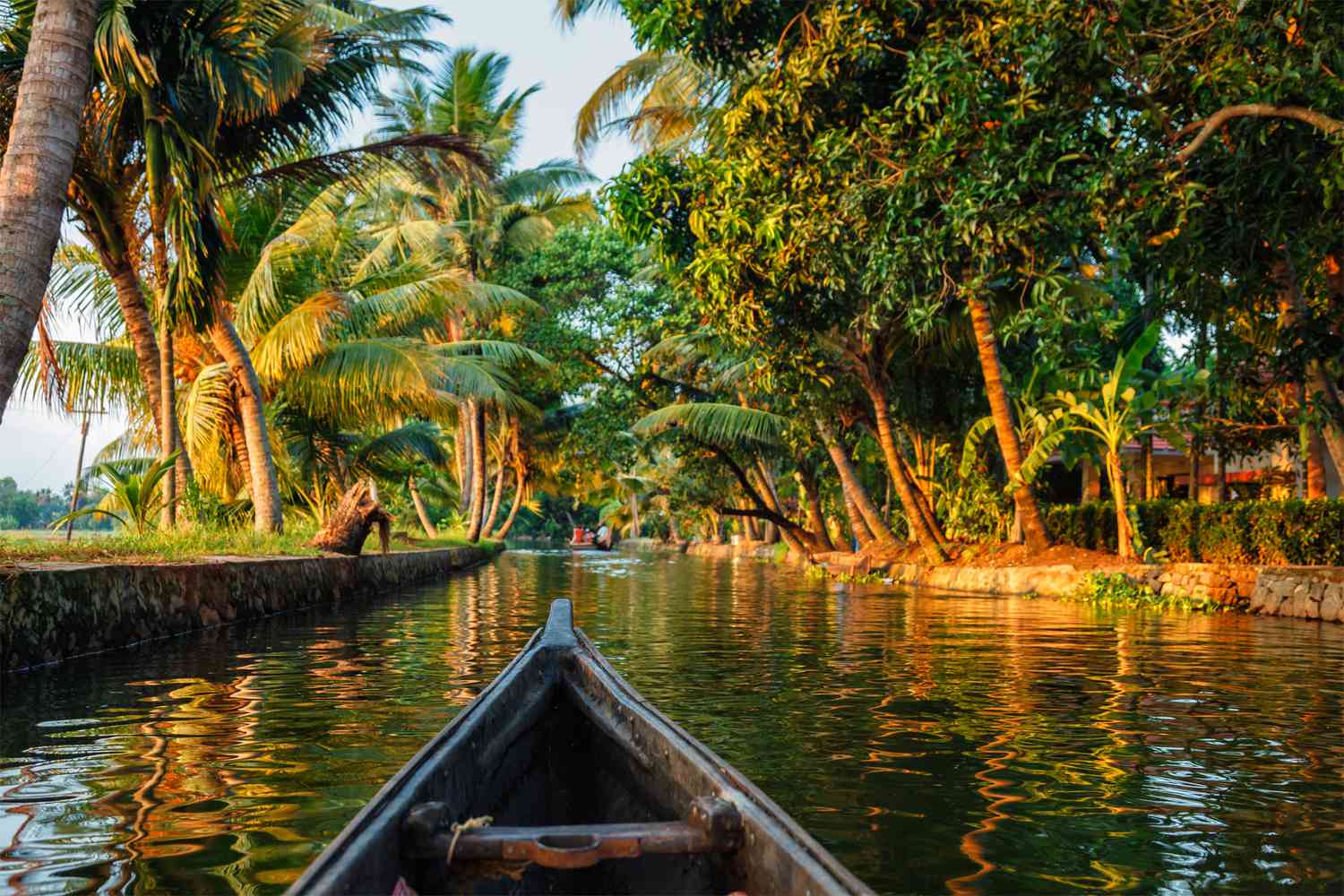
The Kerala backwaters are a network of lagoons and waterways surrounded by tropical scenery and village life.
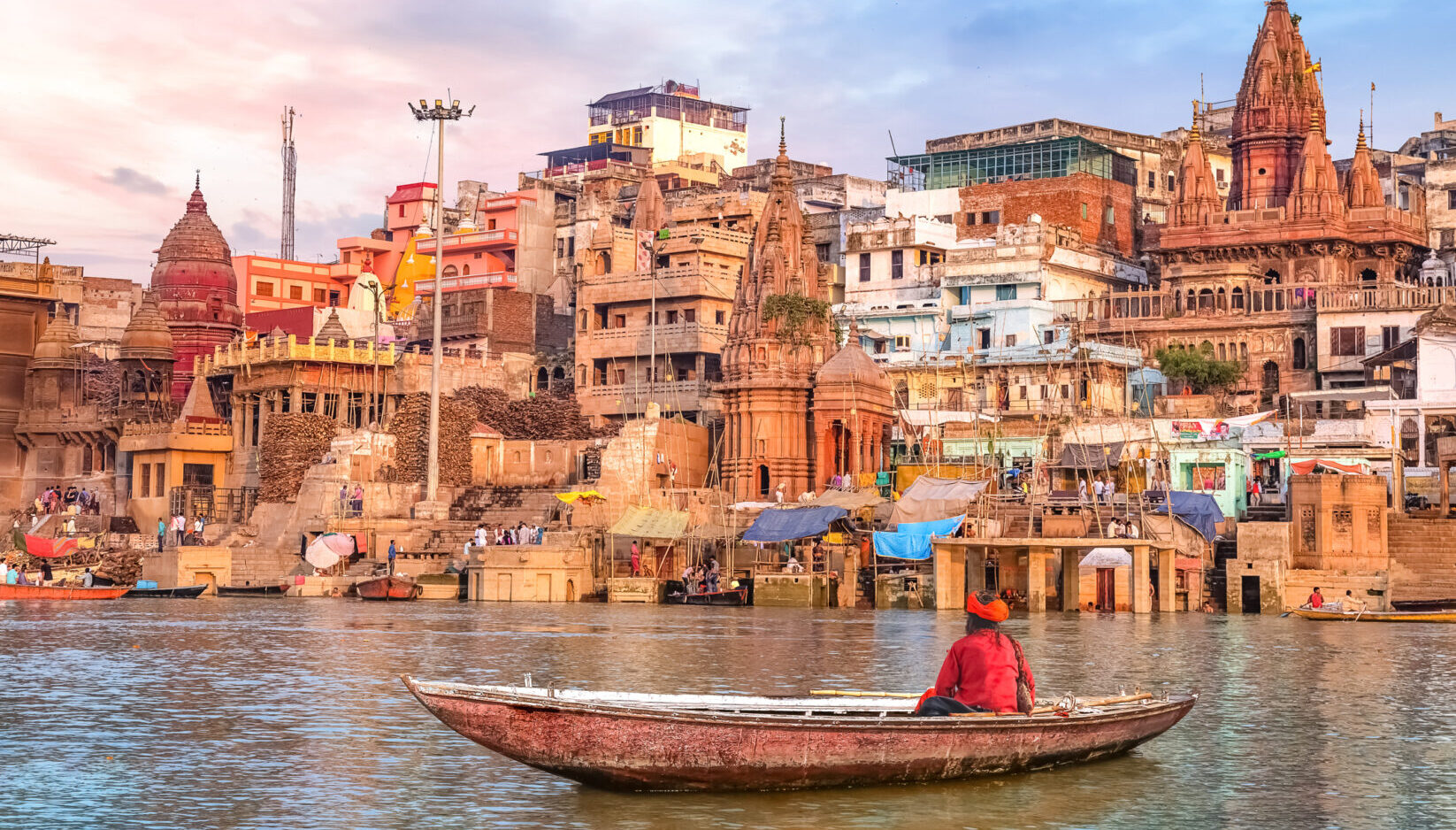
Varanasi is one of the oldest cities in the world and is an important place of religion and culture.
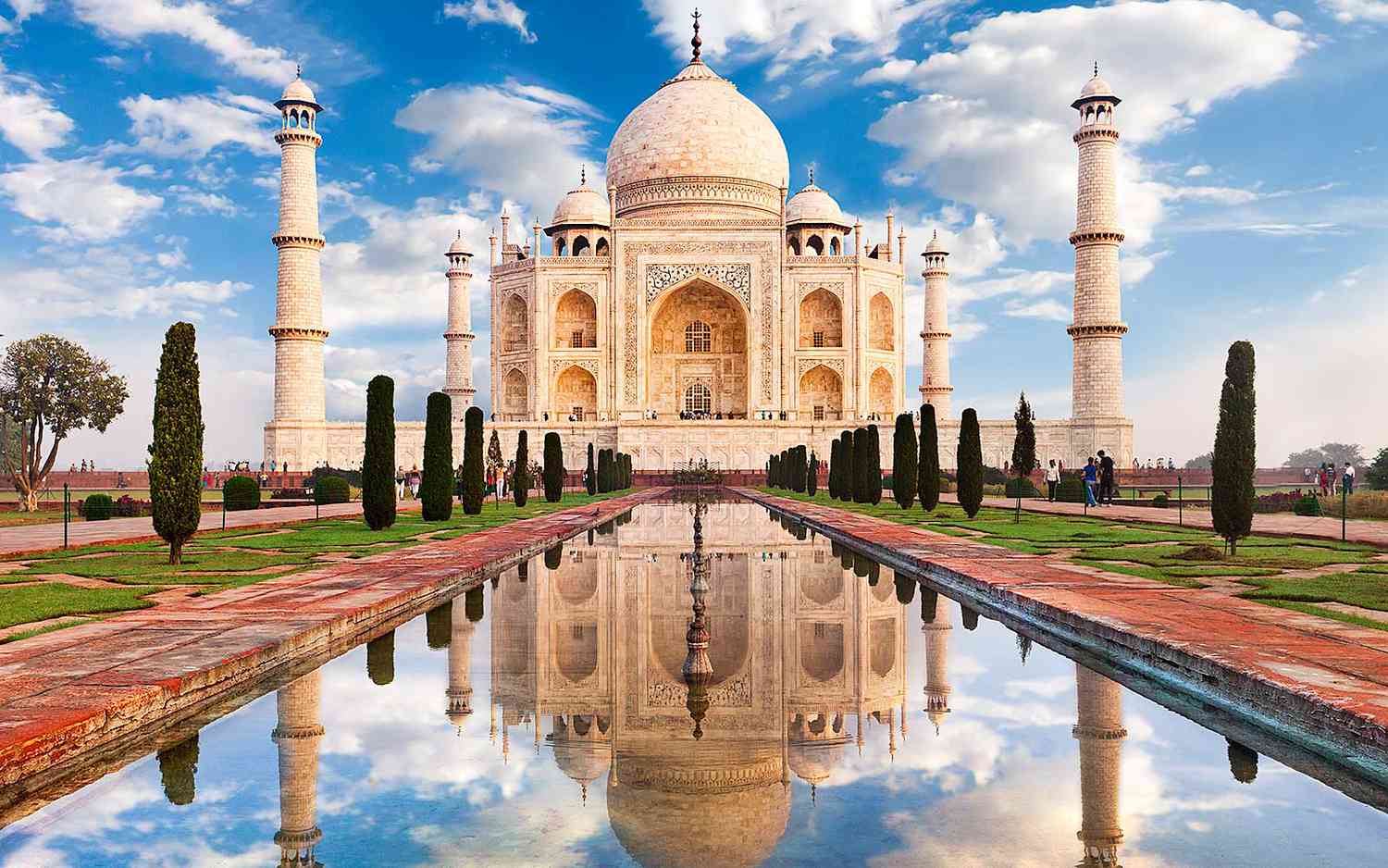
The Taj Mahal is one of India’s most famous landmarks, built from white marble and known around the world.
Did You Know?
India has one of the largest populations in the world.
Hundreds of languages are spoken across the country.
The Himalayas are located in the north.
India has a wide range of foods, traditions, and festivals.