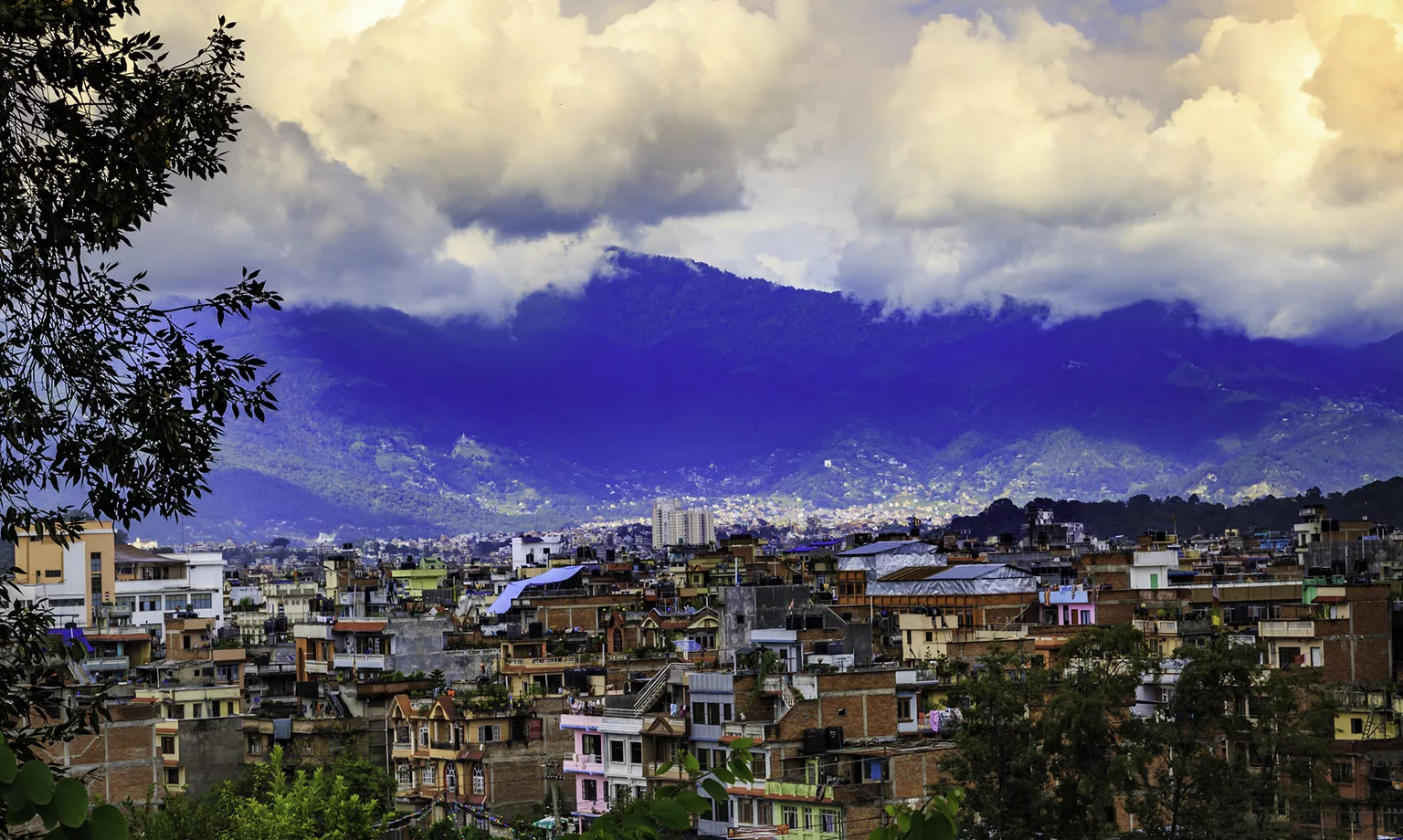
Capital
Kathmandu
Kathmandu is the capital of Nepal and is known for temples, markets, and important cultural sites.
Capital

South Asia
नेपाल
Nepal is a mountainous country best known for the Himalayas, including Mount Everest. It has a rich culture and strong traditions.
Population
30+ million
Capital
Kathmandu
Languages
Nepali
Currency
Nepalese Rupee
Country Overview
Nepal is part of the South Asia region and has its own landscapes, traditions, history, and identity. This page is a starting point for exploring important places, key events, cultural life, and interesting facts connected to the country.
Fact File
Explore the capital city, food, wildlife, and culture through images and short fact-file summaries.
Kathmandu is the capital of Nepal and is known for temples, markets, and important cultural sites.
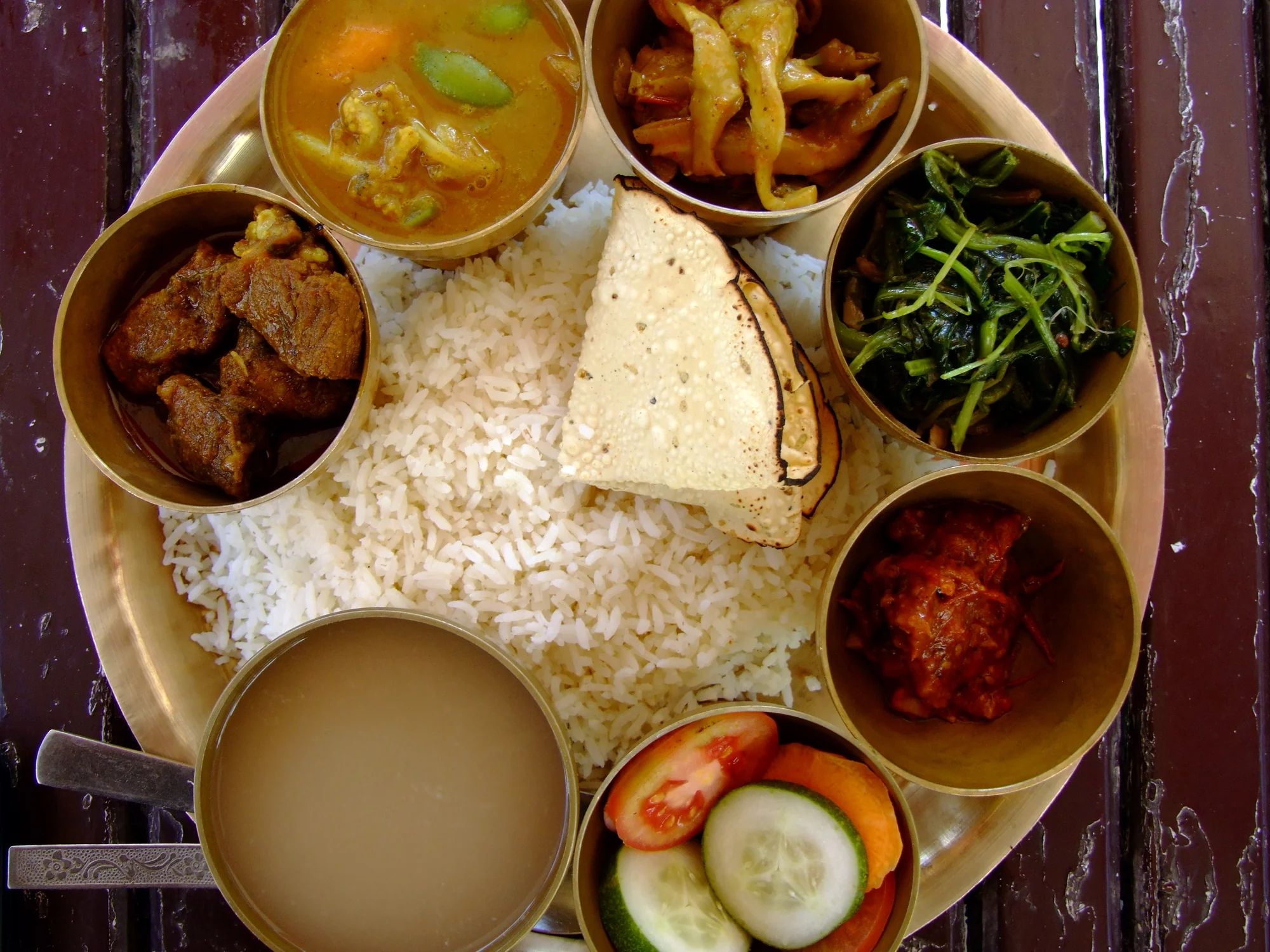
Dal bhat is a common meal in Nepal made with lentils and rice. It is eaten by many families across the country.
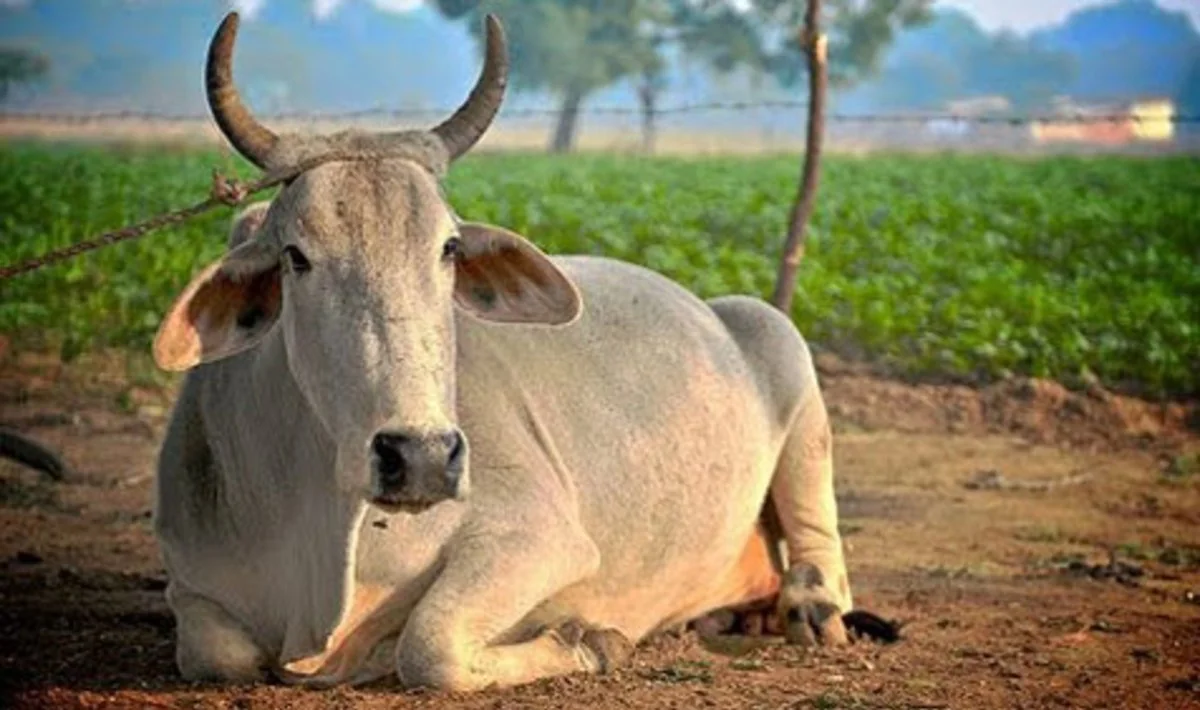
The cow is an important and respected animal in Nepal and is often linked to religion and everyday life.
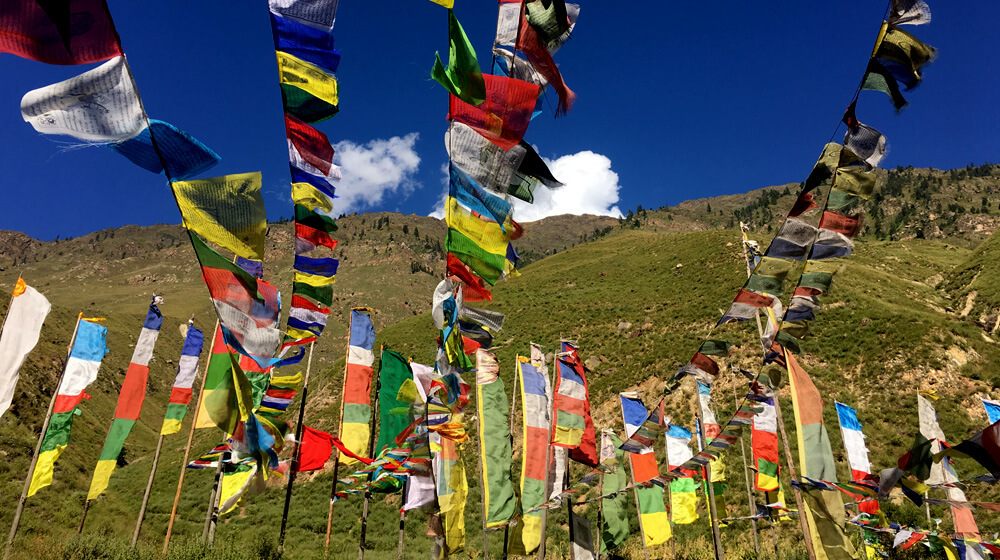
Prayer flags are often seen in Nepal, especially in mountain areas, and are linked to religious beliefs and traditions.
c. 2000 BCE
People settled in the valleys and hills, farming and living in small communities.
c. 800 BCE – 300 CE
The Kirat people ruled parts of Nepal, developing early culture and traditions.
c. 563 BCE
Siddhartha Gautama, the founder of Buddhism, was born in Lumbini in Nepal.
c. 400–750
A time of development in art, architecture, and trade in the Kathmandu Valley.
1200–1768
Nepal was divided into small kingdoms, known for culture, temples, and festivals.
1768
King Prithvi Narayan Shah unified the region into one country.
1800s
Nepal became known for its Gurkha soldiers, respected for bravery and skill.
1846–1951
A powerful family controlled the government, limiting the king’s power.
1951
The Rana rule ended, and Nepal began moving toward a more democratic system.
1996–2006
A period of conflict within Nepal that led to major political change.
2008–Present
Nepal became a republic and continues to develop while preserving its culture.
Research Gap
There are many important events not included here.
🔍 Can you research and add an important event?
Places to Explore
From famous landmarks to landscapes and historic cities, these places help tell the story of Nepal.
Country and Places
Every country has places that help us understand its story. Some are natural landscapes, some are religious or historic sites, and others are famous landmarks that people recognise around the world.
These images give a glimpse into the geography, culture, and history of Nepal, helping students connect what they see with what they learn.
Look closely:
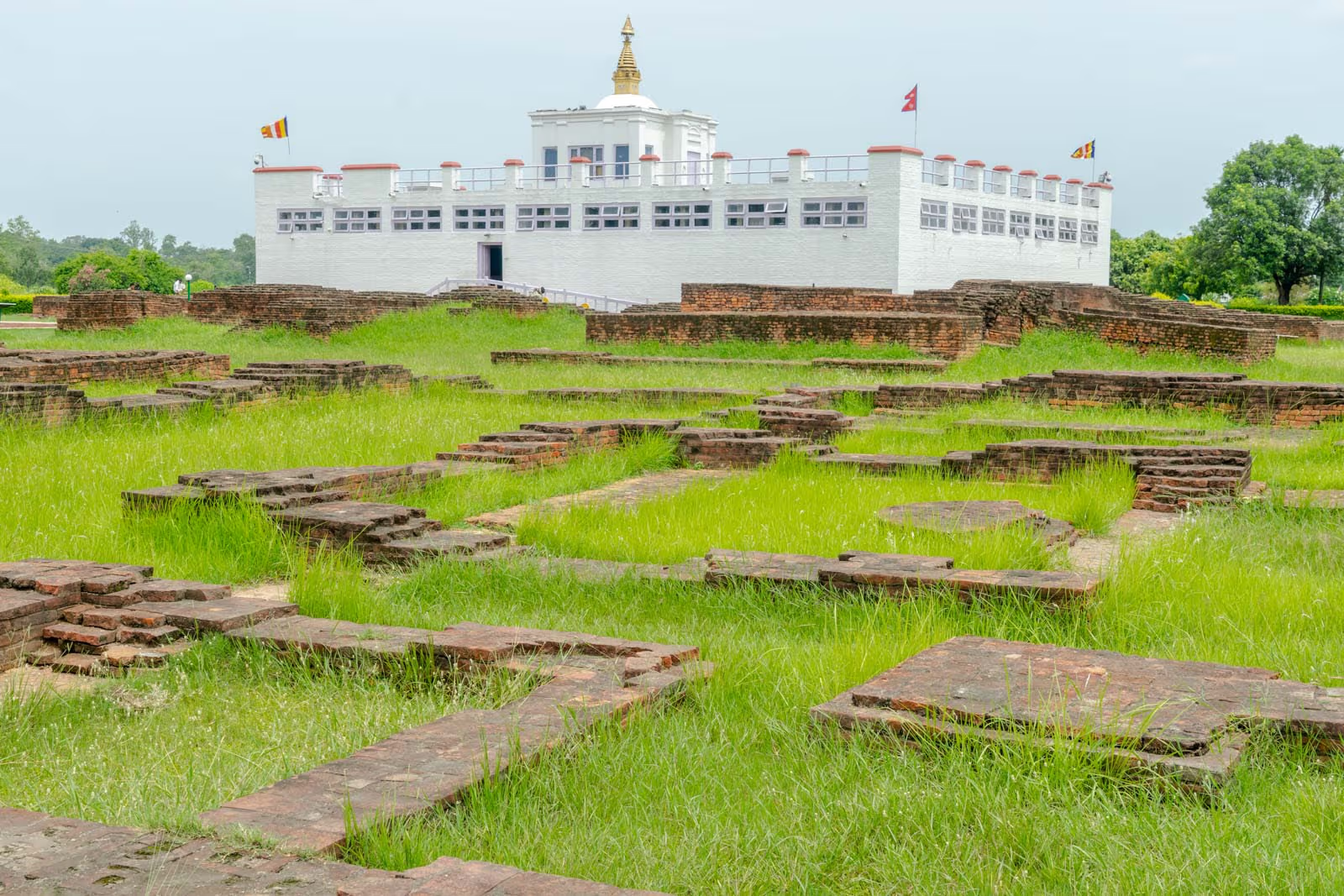
Lumbini is known as the birthplace of the Buddha and is an important religious and historical site.
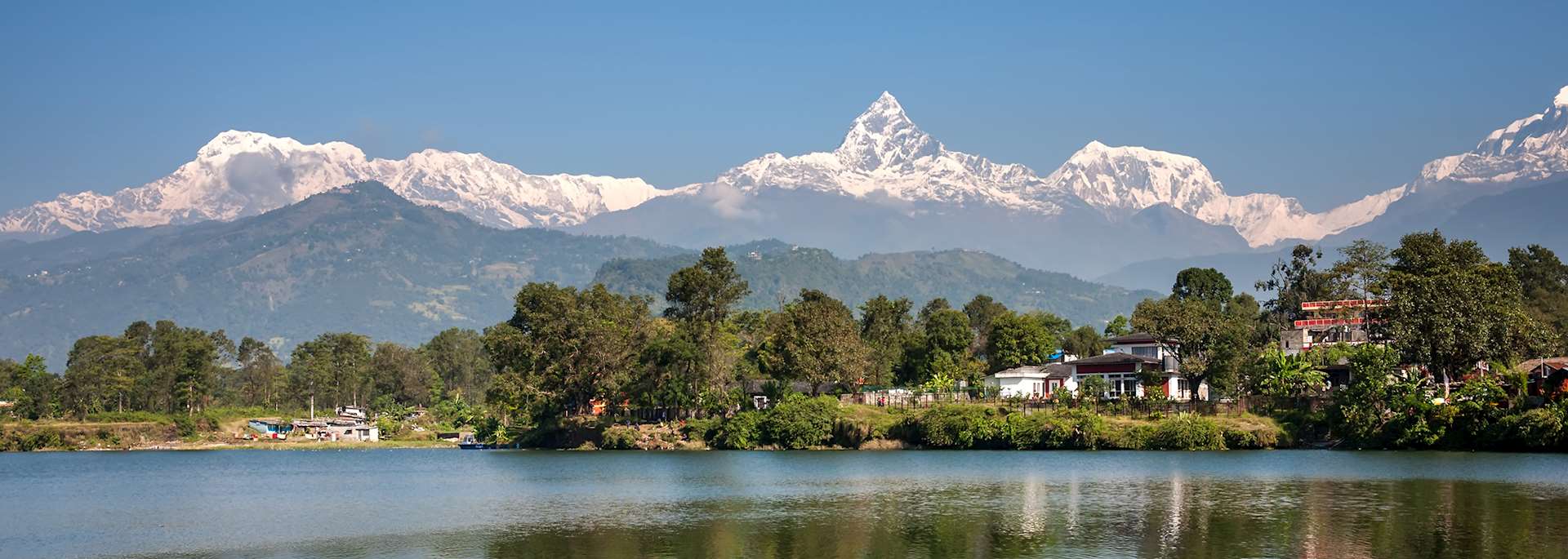
Pokhara is known for its lakes, mountain views, and as a starting point for trekking in the Himalayas.
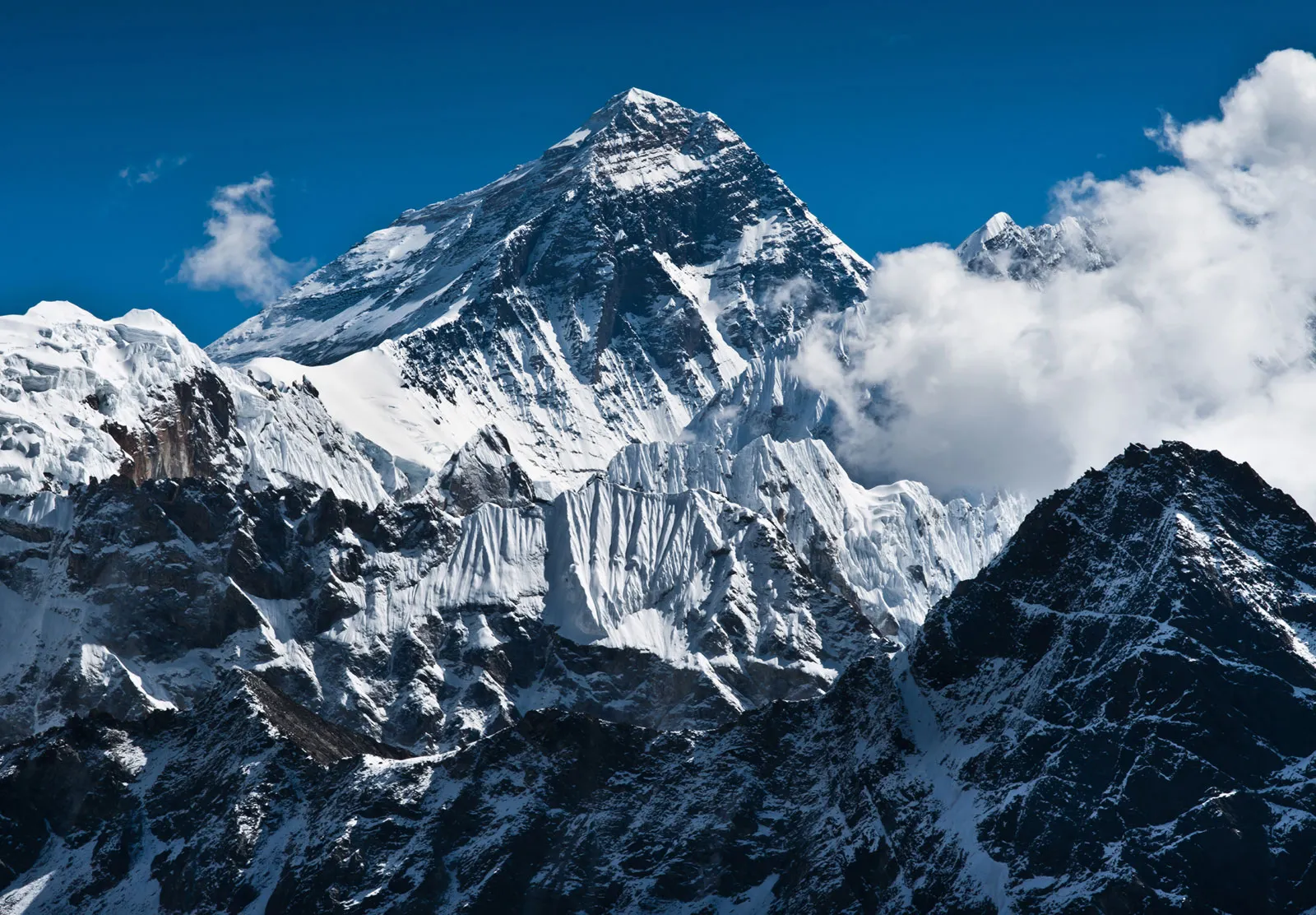
Mount Everest is the highest mountain in the world and is one of Nepal’s most famous natural landmarks.
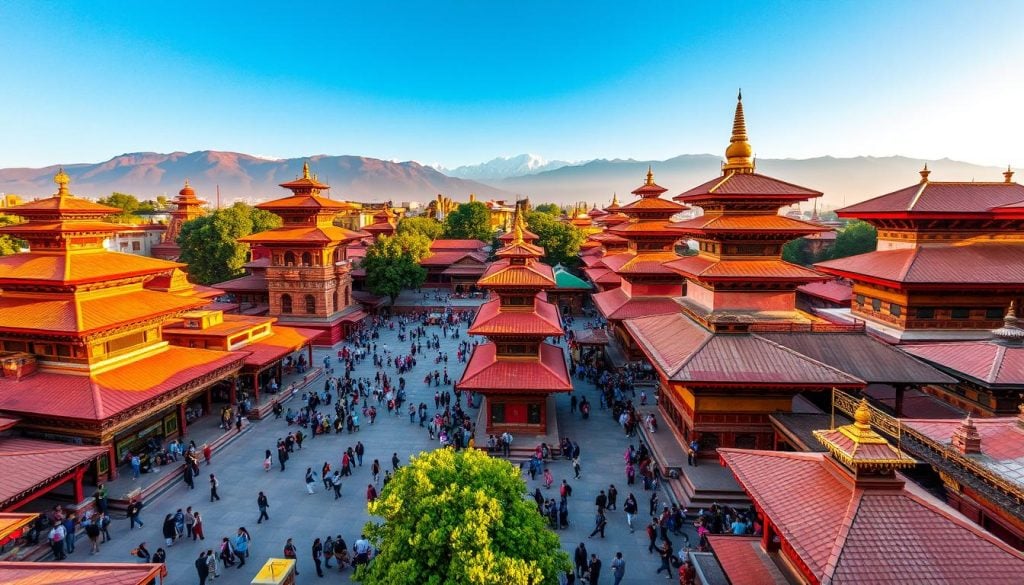
Kathmandu Durbar Square is a historic area filled with temples, palaces, and traditional architecture.
Did You Know?
Mount Everest is located in Nepal.
The country is mostly mountainous.
Tourism and trekking are important.