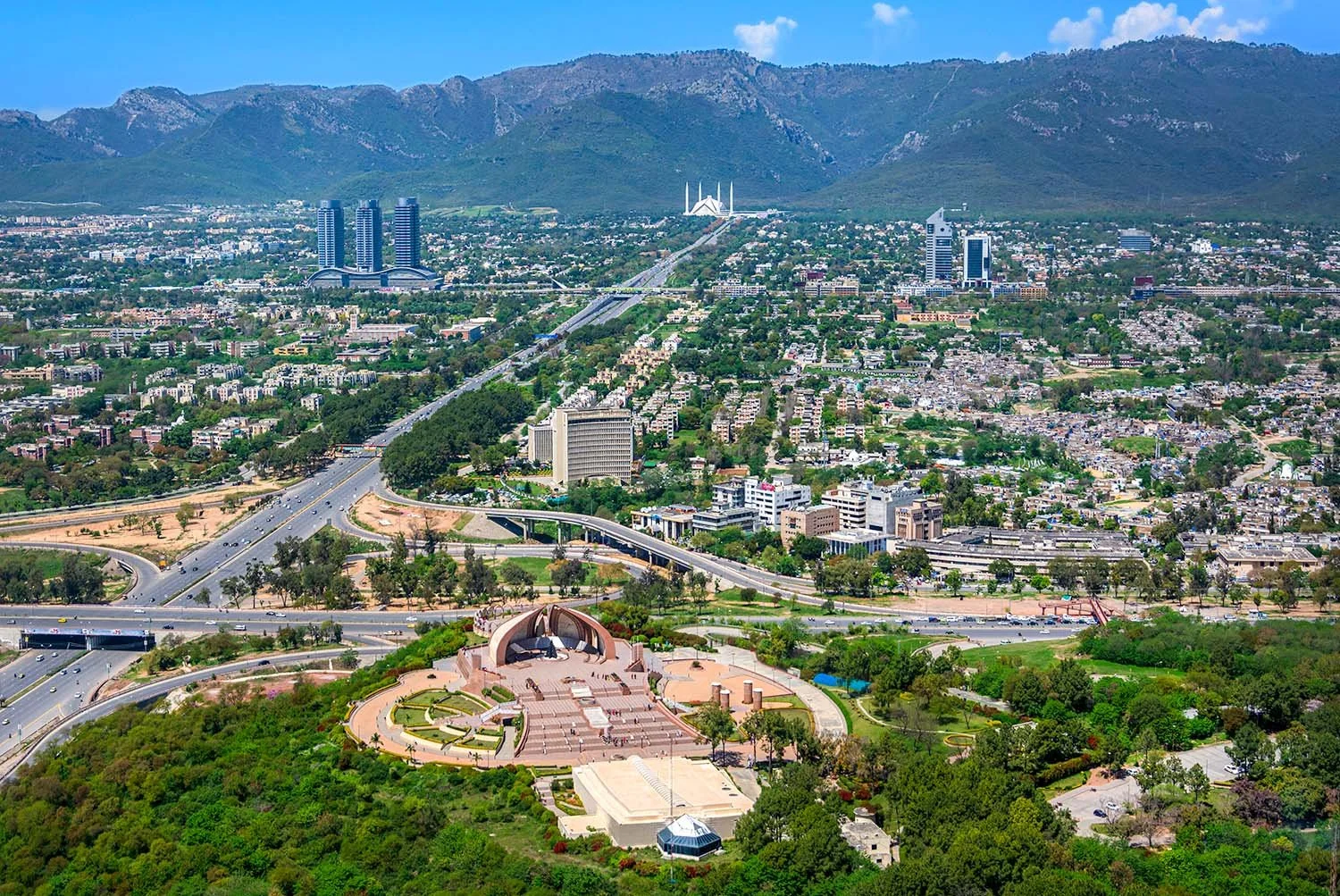
Capital
Islamabad
Islamabad is the capital of Pakistan and is known for its planned layout, green spaces, and views of nearby hills.
Capital

South Asia
پاکستان
Pakistan is a country of mountains, rivers, and rich cultural traditions. It has a long history connected to ancient civilisations and important trade routes.
Population
240+ million
Capital
Islamabad
Languages
Urdu, Punjabi, Sindhi, Pashto, Balochi, English
Currency
Pakistani Rupee
Country Overview
Pakistan is part of the South Asia region and has its own landscapes, traditions, history, and identity. This page is a starting point for exploring important places, key events, cultural life, and interesting facts connected to the country.
Fact File
Explore the capital city, food, wildlife, and culture through images and short fact-file summaries.
Islamabad is the capital of Pakistan and is known for its planned layout, green spaces, and views of nearby hills.
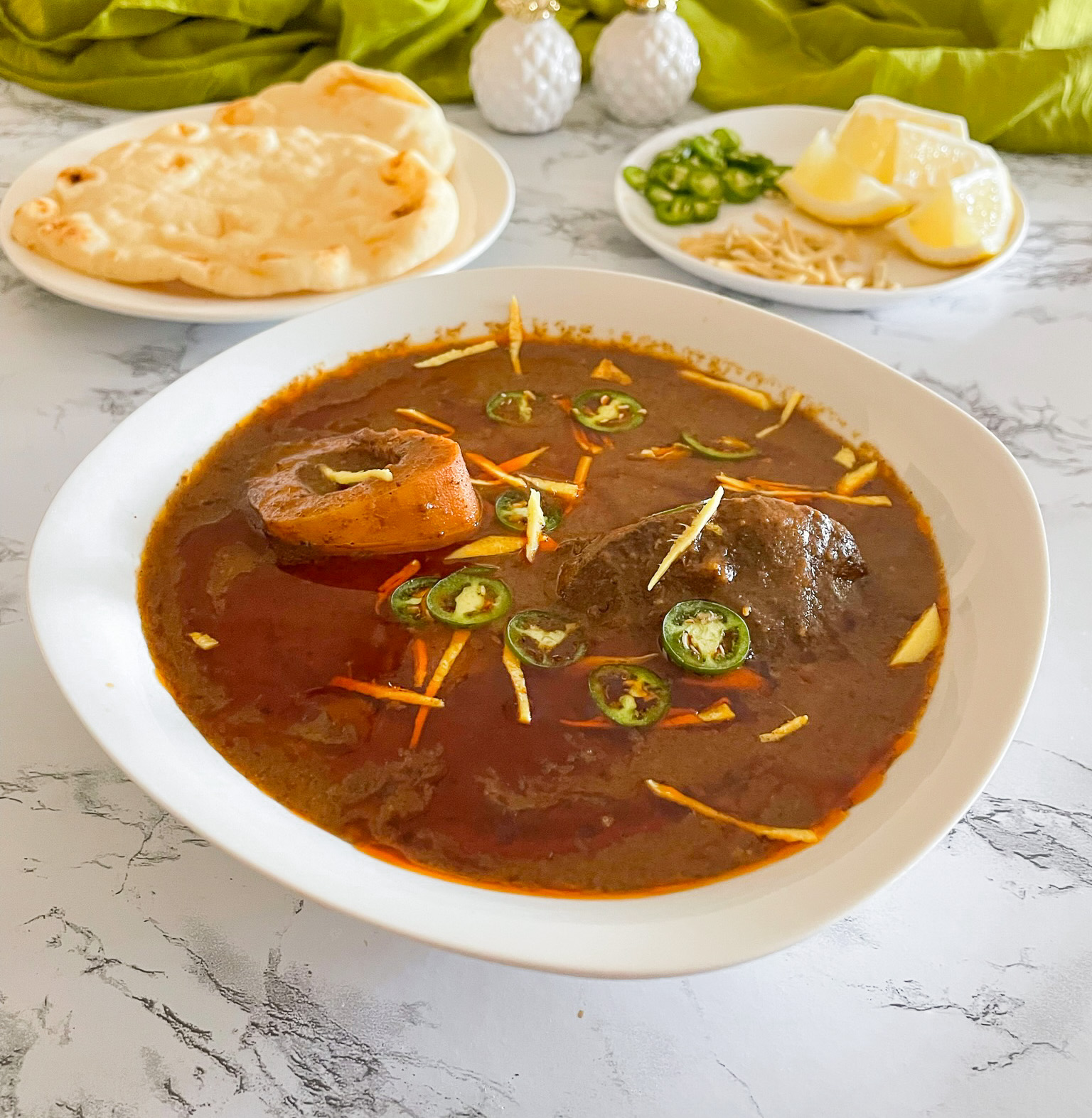
Nihari is a rich, slow-cooked meat dish with spices. It is one of Pakistan’s best-known traditional foods.
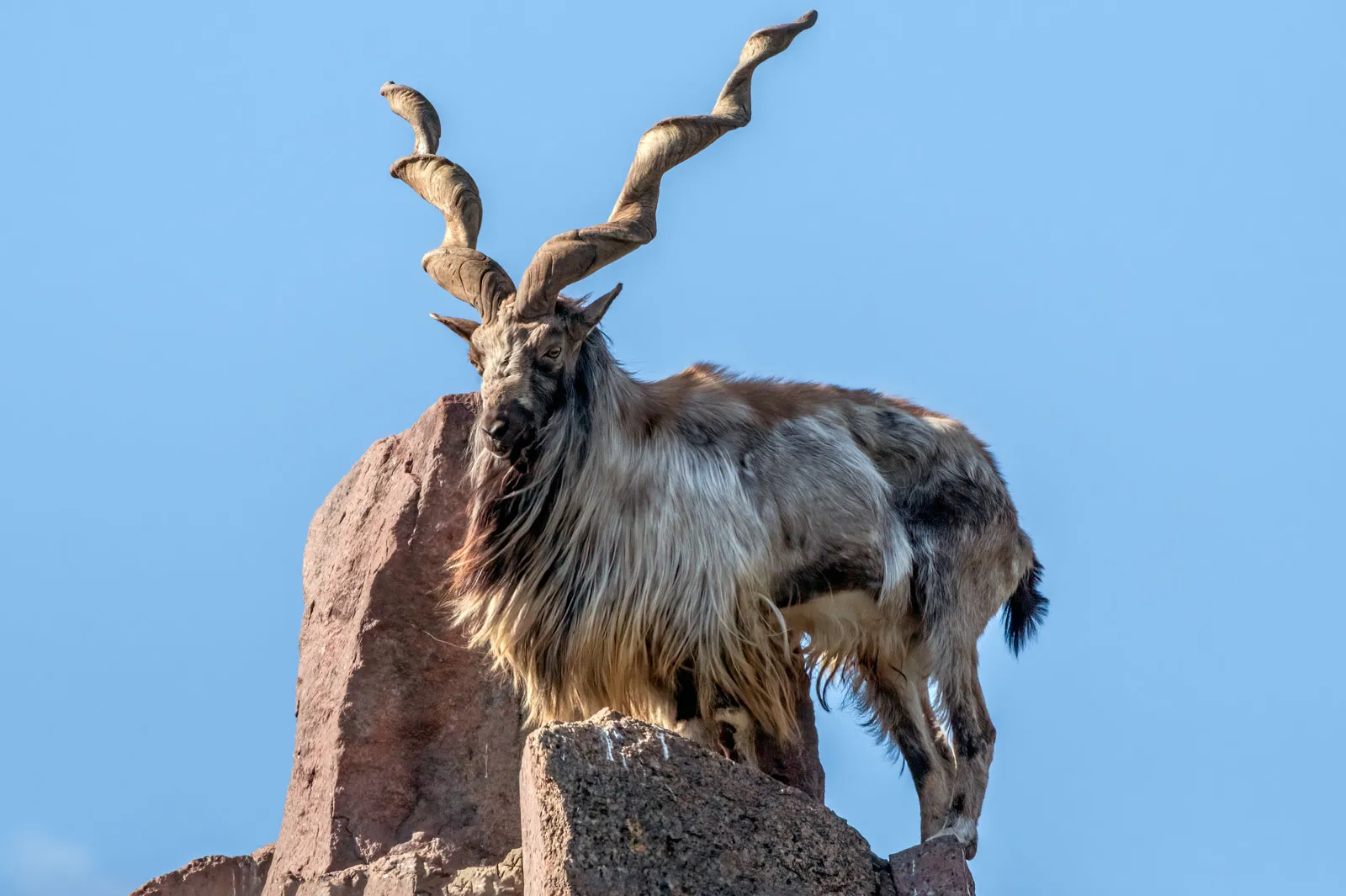
The markhor is a wild mountain goat with long twisted horns. It is a famous animal of Pakistan’s mountainous regions.
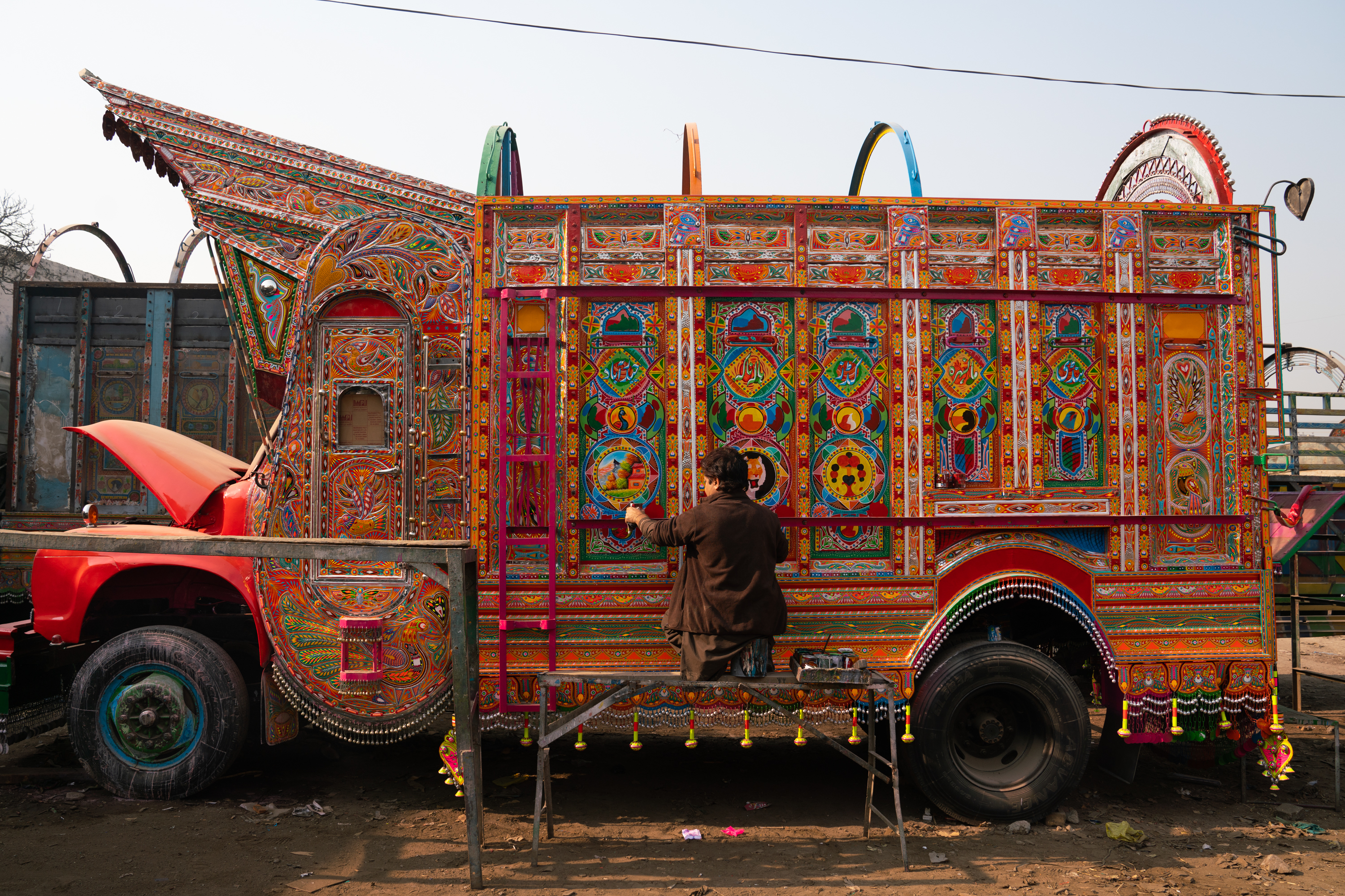
Pakistani truck art is bright, detailed, and colourful. It is a well-known part of modern visual culture in Pakistan.
c. 2500–1500 BCE
Early cities like Mohenjo-daro were built with advanced planning, trade, and drainage systems.
1500–600 BCE
New groups and ideas spread into the region, influencing culture, language, and early belief systems.
c. 500 BCE
Parts of modern Pakistan were controlled by the Persian Empire, linking the region to wider trade networks.
326 BCE
Alexander the Great invaded the region, bringing Greek influence and connecting East and West.
322–185 BCE
The region became part of a large Indian empire, with strong government and cultural development.
700s
Islam spread into the region through trade and conquest, shaping religion and culture.
1200–1500
Muslim rulers controlled large parts of the region, influencing culture, architecture, and society.
1500–1800
The region became part of the Mughal Empire, known for powerful rule and cultural achievements.
1800–1947
The area became part of British India, bringing political and economic changes.
1947
Pakistan was created as a new country for Muslims during the partition of India.
1947–Present
Pakistan continues to develop as a country with growing cities, culture, and global connections.
Research Gap
There are many important events not included here.
🔍 Can you research and add an important event?
Places to Explore
From famous landmarks to landscapes and historic cities, these places help tell the story of Pakistan.
Country and Places
Every country has places that help us understand its story. Some are natural landscapes, some are religious or historic sites, and others are famous landmarks that people recognise around the world.
These images give a glimpse into the geography, culture, and history of Pakistan, helping students connect what they see with what they learn.
Look closely:
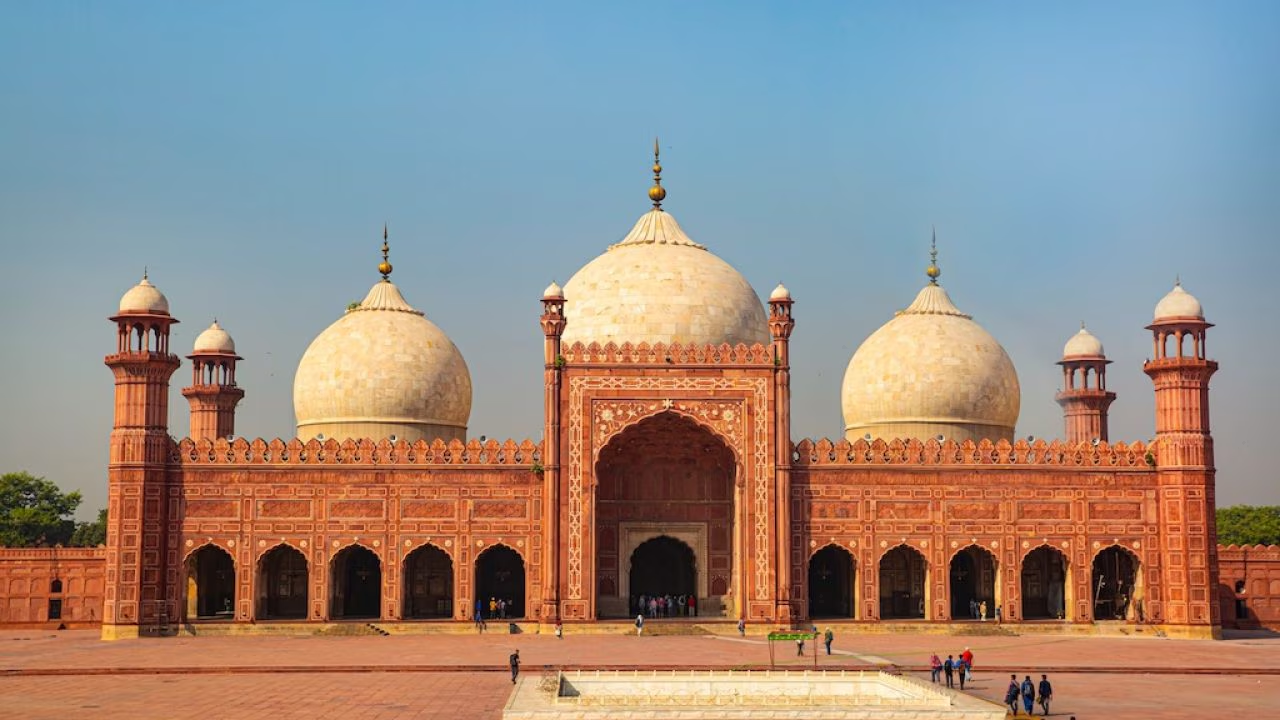
The Badshahi Mosque in Lahore is one of the largest and most famous historic mosques in South Asia.
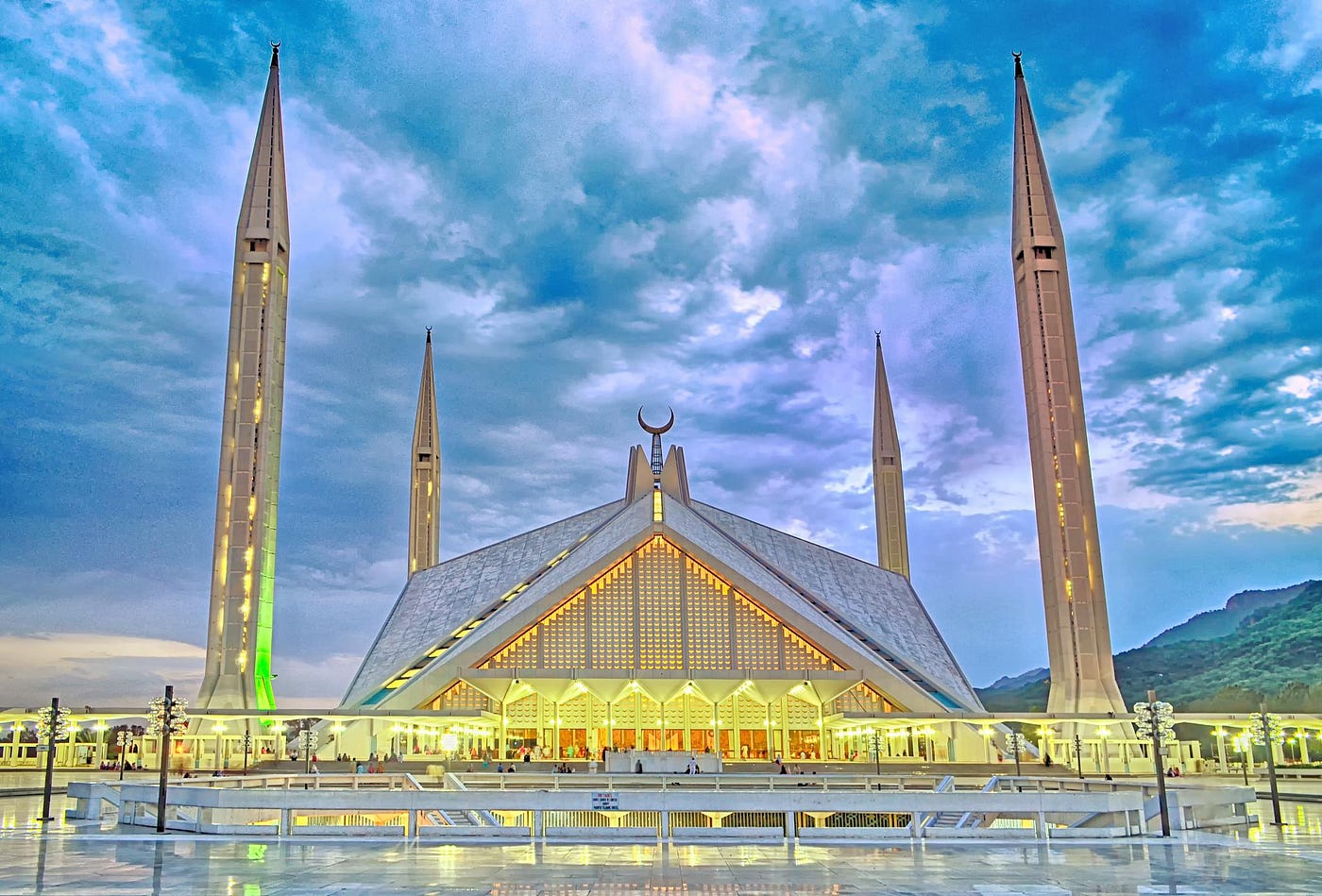
Faisal Mosque is a famous landmark in Islamabad, known for its modern design and mountain backdrop.
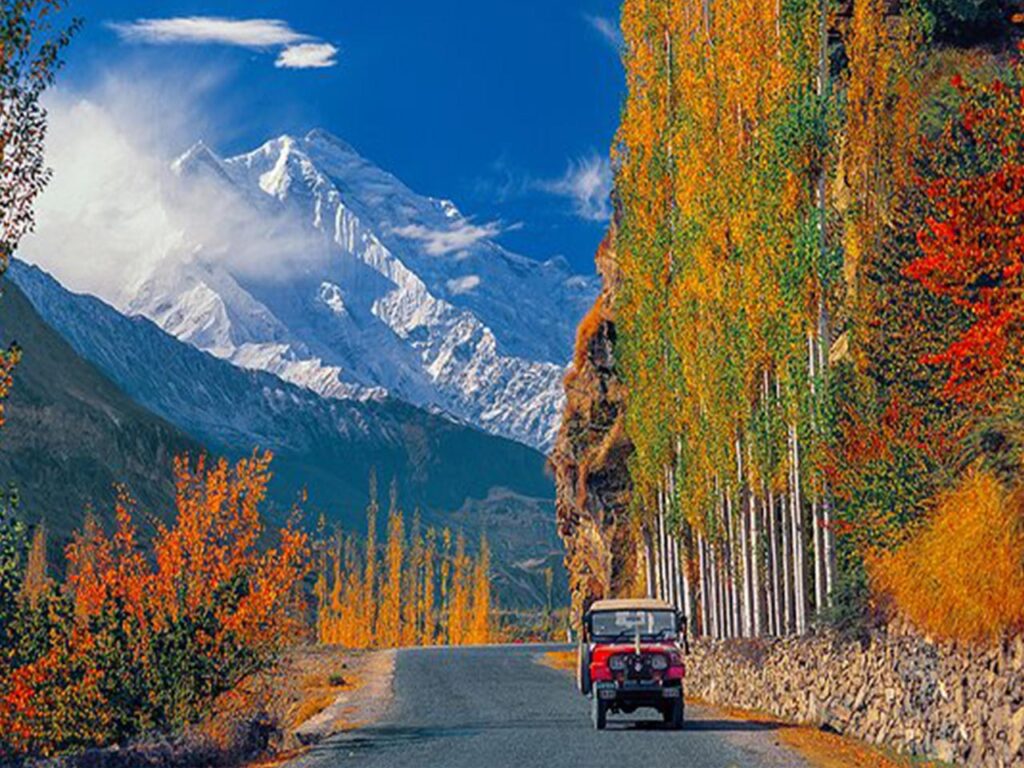
Hunza Valley is known for dramatic mountain scenery, rivers, and villages surrounded by high peaks.
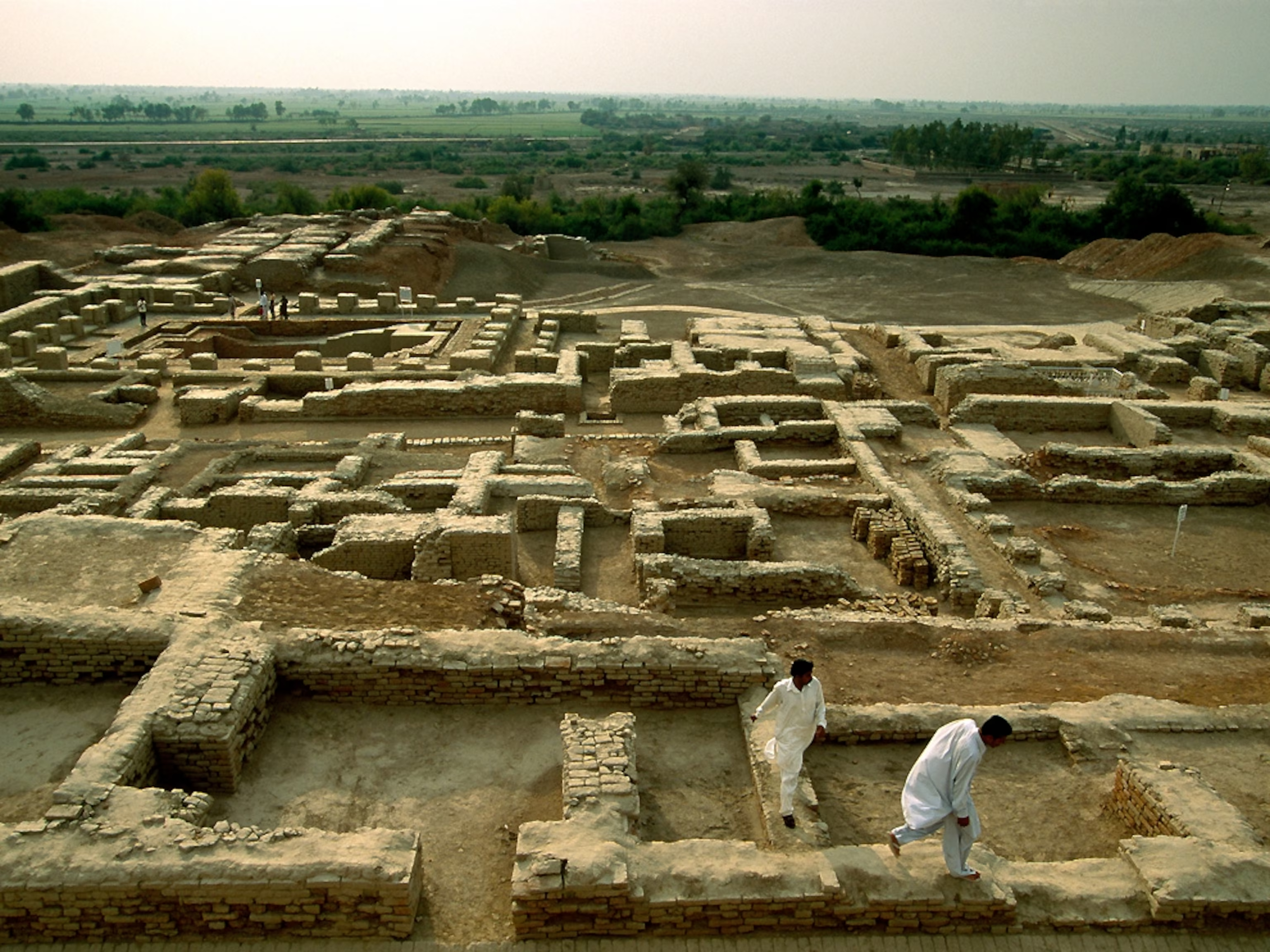
Mohenjo-daro is an ancient city from the Indus Valley Civilisation and shows how early urban people lived.
Did You Know?
Pakistan is home to some of the world's highest mountains.
The Indus River runs through the country.
It has a rich mix of cultures and traditions.