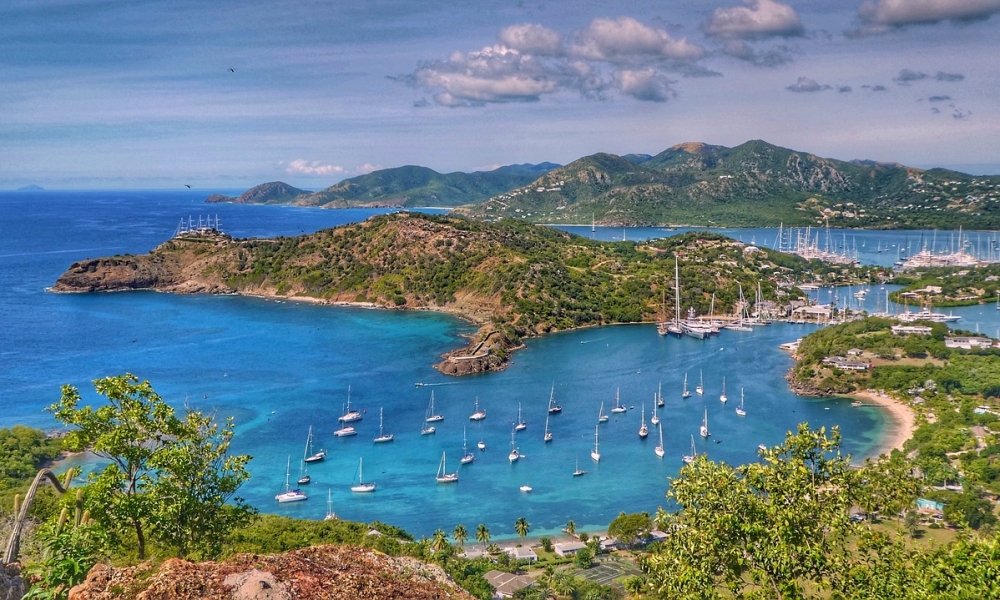
Capital
Saint John's
Saint John's is the capital city of Antigua and Barbuda and an important centre for trade, tourism, and Caribbean culture.
Capital
Caribbean Region
Antigua and Barbuda is a Caribbean island nation known for beaches, sailing, coral reefs, and vibrant island culture.
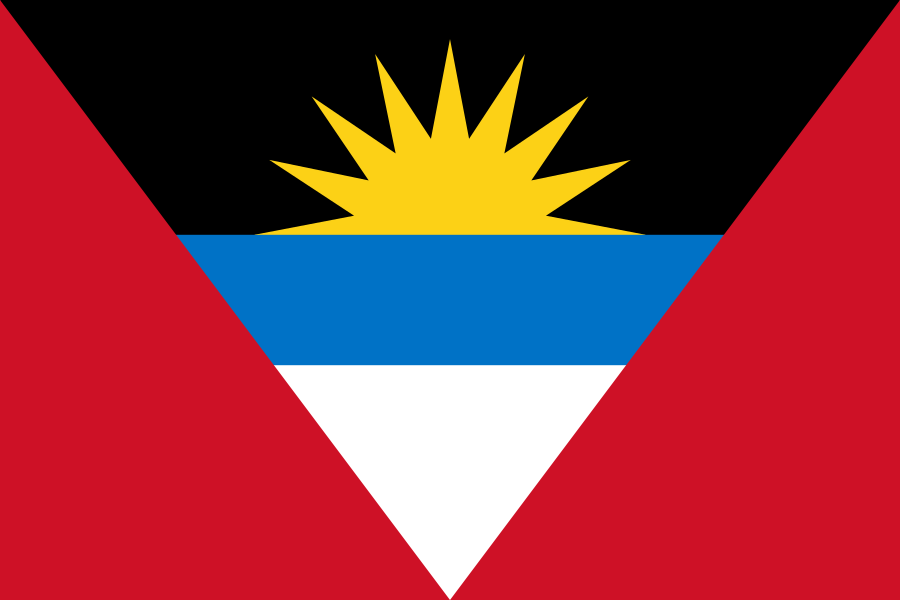
Capital
Saint John's
Population
100,000
Languages
English
Currency
East Caribbean Dollar
Cultural Overview
Made up of two main islands, Antigua and Barbuda has a rich Caribbean identity shaped by African heritage, colonial history, music, festivals, and life connected closely to the sea.
Fact File
Explore the capital city, food, wildlife, and culture through images and short fact-file summaries.
Saint John's is the capital city of Antigua and Barbuda and an important centre for trade, tourism, and Caribbean culture.
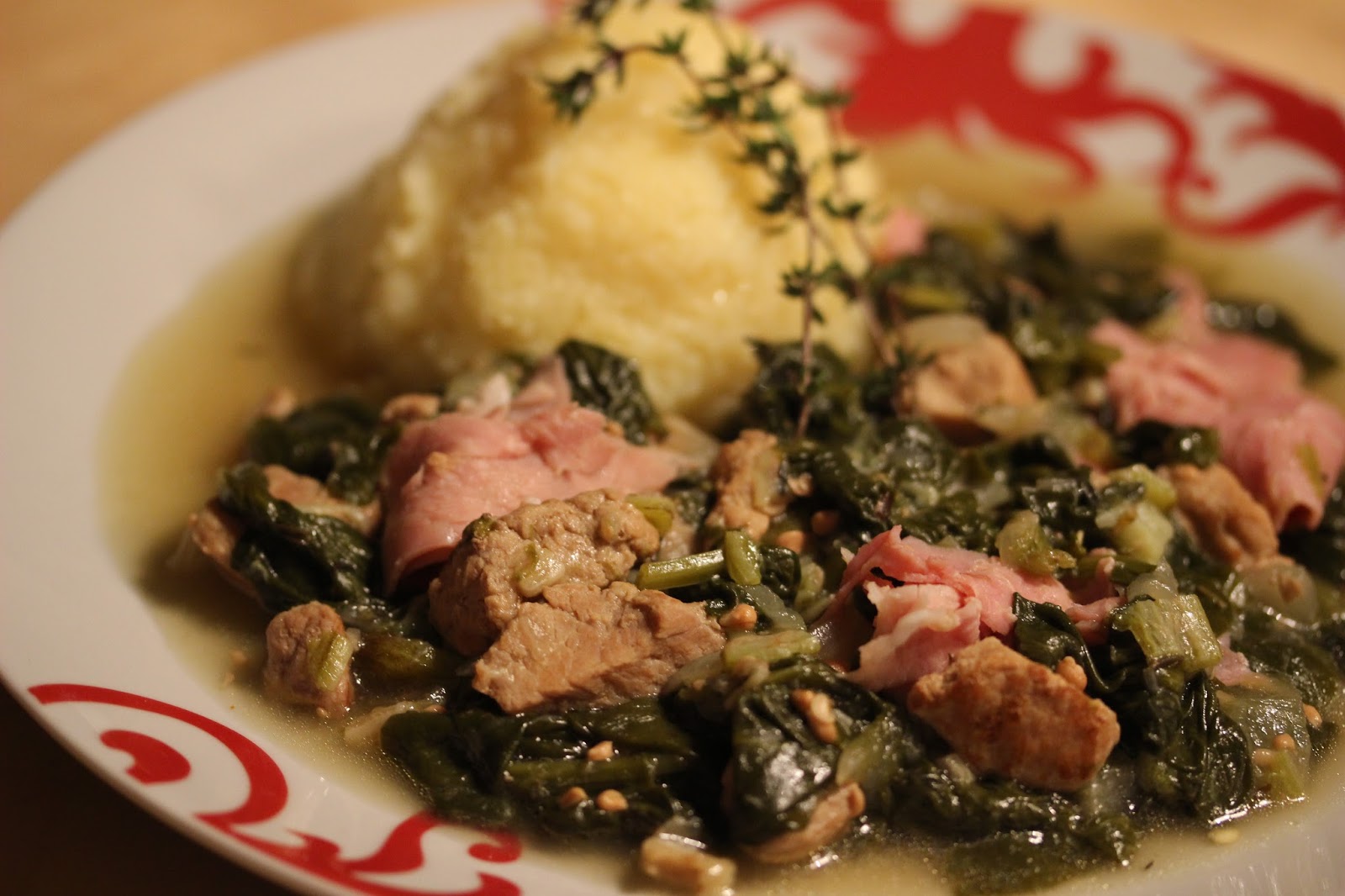
Fungee and pepperpot is a traditional dish made with cornmeal and rich vegetable stew.
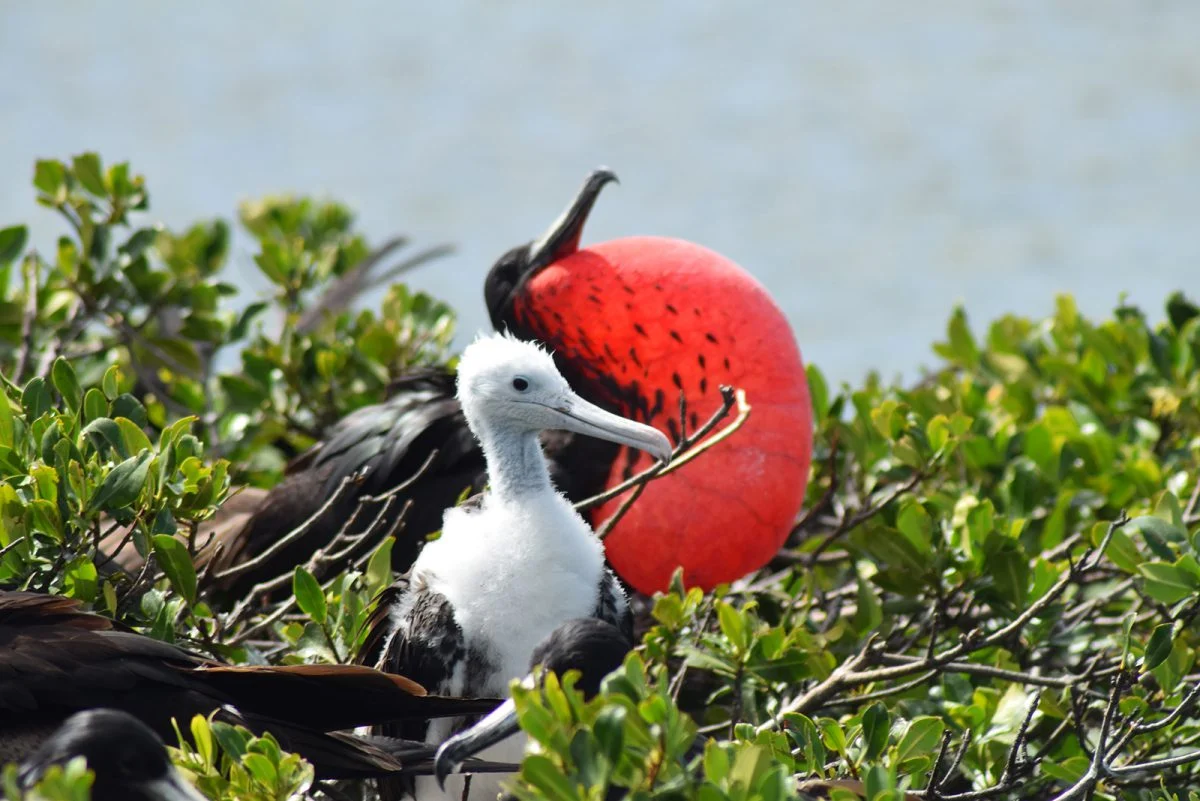
The frigatebird is known for its huge wingspan and can be seen around Antigua and Barbuda’s coastline and lagoons.
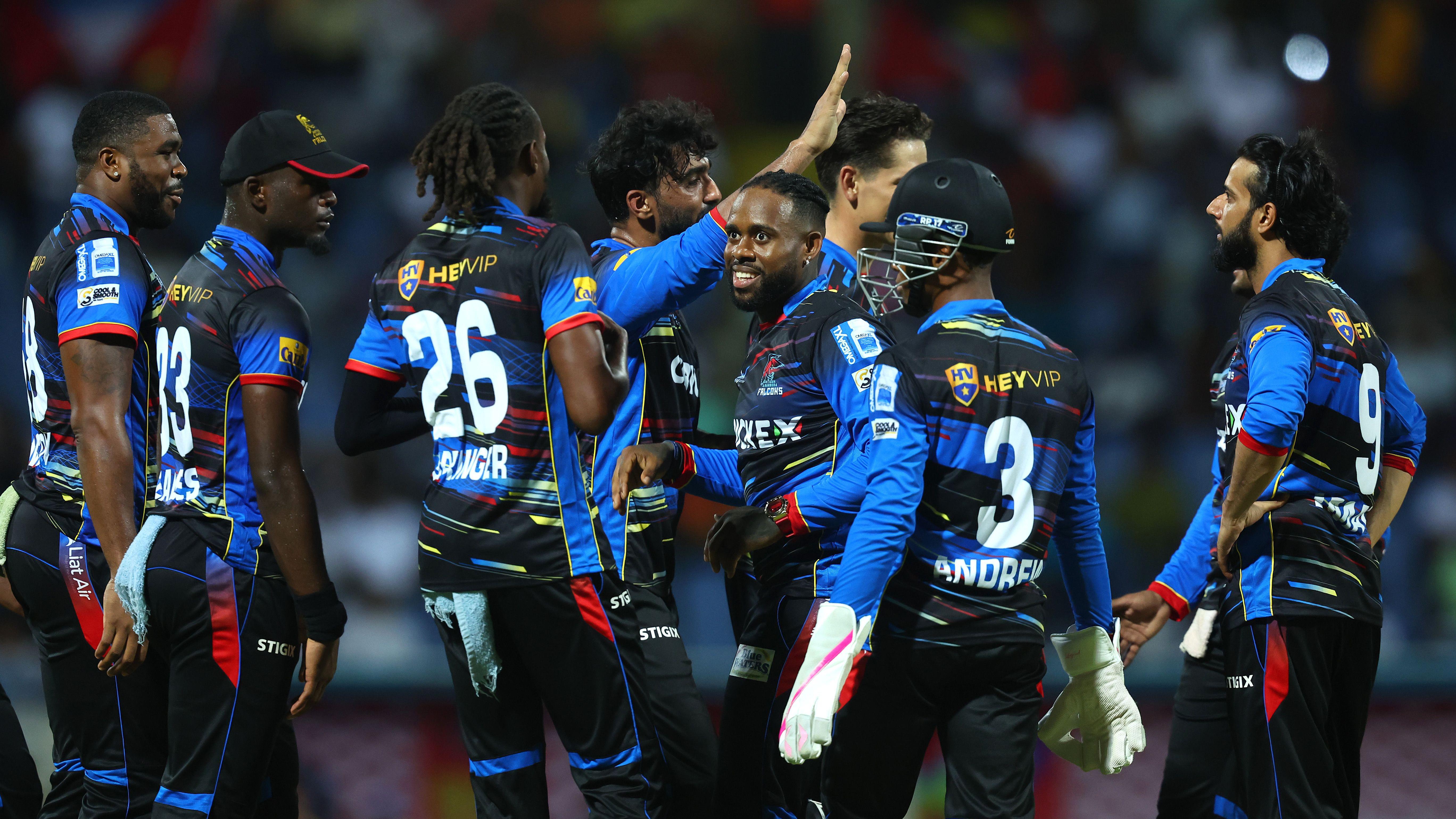
Cricket is an important part of Caribbean culture and identity, with Antigua and Barbuda producing famous players such as Viv Richards.
Historical Timeline
Explore the people, resistance movements, music, identity, and major events that helped shape modern Jamaica.
Before 1493
Before European colonisation, Antigua and Barbuda were connected to Indigenous Caribbean communities and wider island trade and movement.
1493
Christopher Columbus sighted Antigua during his second voyage to the Caribbean, beginning a period of European interest in the islands.
1632
English settlers colonised Antigua and began developing the island as part of Britain’s Caribbean empire.
1678–1685
Barbuda was colonised in the late 1600s and later granted to the Codrington family, becoming connected to plantation slavery and colonial control.
1600s–1800s
Sugar plantations became central to Antigua’s economy, relying on the forced labour of enslaved Africans.
1700s
Britain developed a naval dockyard at English Harbour, using Antigua’s natural harbours as a strategic military base in the Caribbean.
1834
Slavery was abolished across the British Empire. Antigua was unusual because it moved directly to full emancipation rather than using the longer apprenticeship system.
1967
Antigua became an associated state, managing its internal affairs while Britain kept responsibility for defence and foreign relations.
1981
Antigua and Barbuda became a fully independent nation on 1 November 1981.
2016
Antigua Naval Dockyard and its related archaeological sites were recognised by UNESCO for their global historical importance.
Research Gap
Antigua and Barbuda has many more stories connected to culture, cricket, Carnival, Barbuda, community life, and independence.
🔍 Can you research and add another important event from Antigua and Barbuda’s history?
Influential Figures
Explore influential people who helped shape the country through music, leadership, sport, activism, and culture.
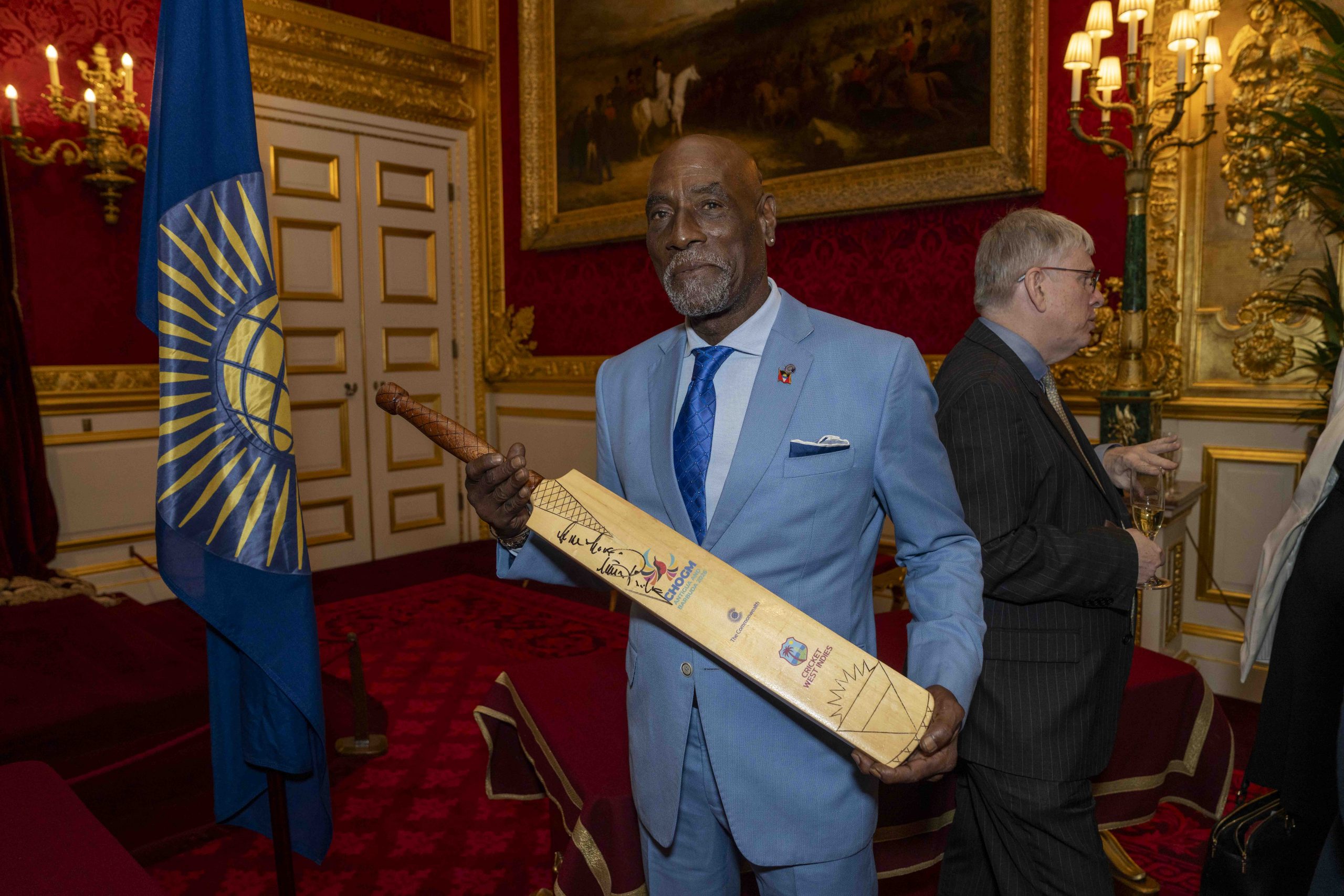
Cricket
Became one of the Caribbean’s most respected cricket players and represented sporting excellence across the world.
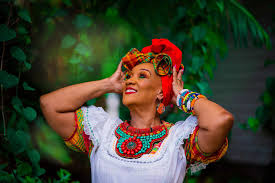
Art
Celebrated Antiguan and Barbudan identity through art, design, costume work, and cultural expression.
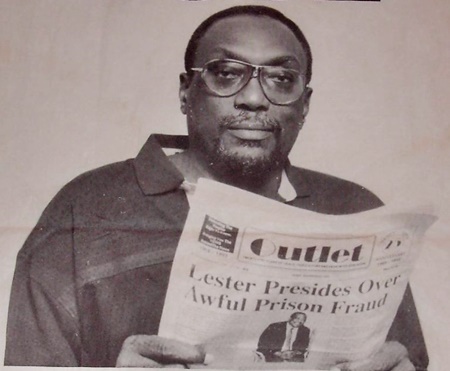
Activism
Spoke about Caribbean politics, identity, freedom, and social change through writing and activism.
Places to Explore
Discover landscapes, cities, landmarks, and locations that help tell the story of Antigua and Barbuda.
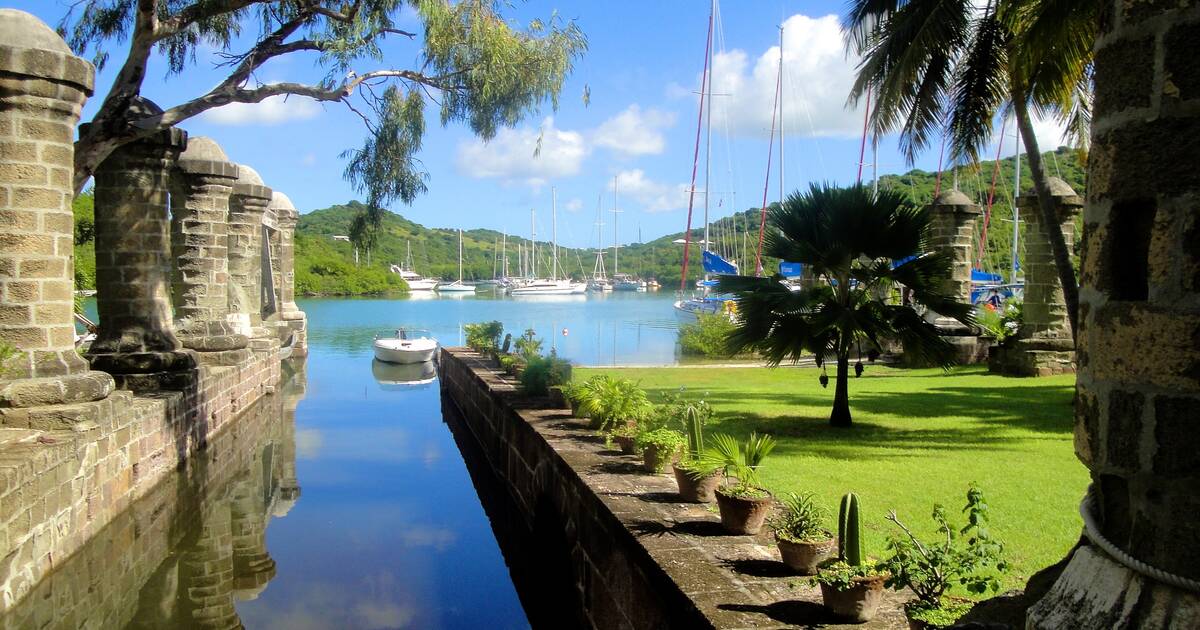
History
Nelson’s Dockyard is a historic naval dockyard connected to British colonial history and Caribbean trade routes.
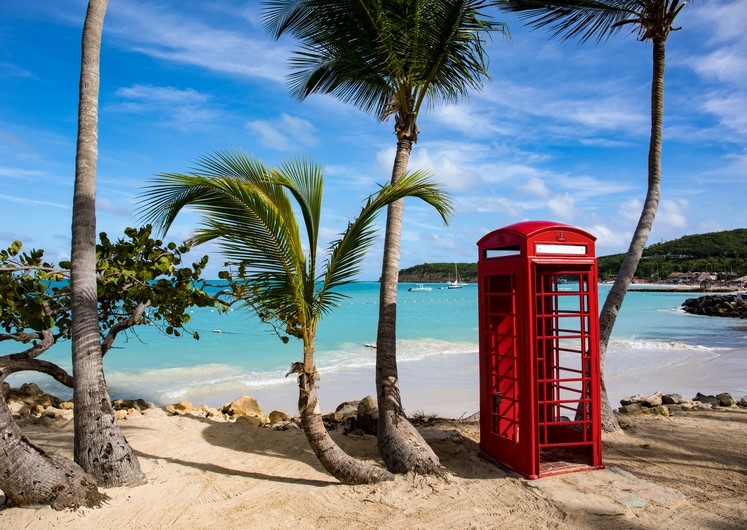
Nature
Barbuda is famous for pink sand beaches, clear waters, and important coastal wildlife habitats.
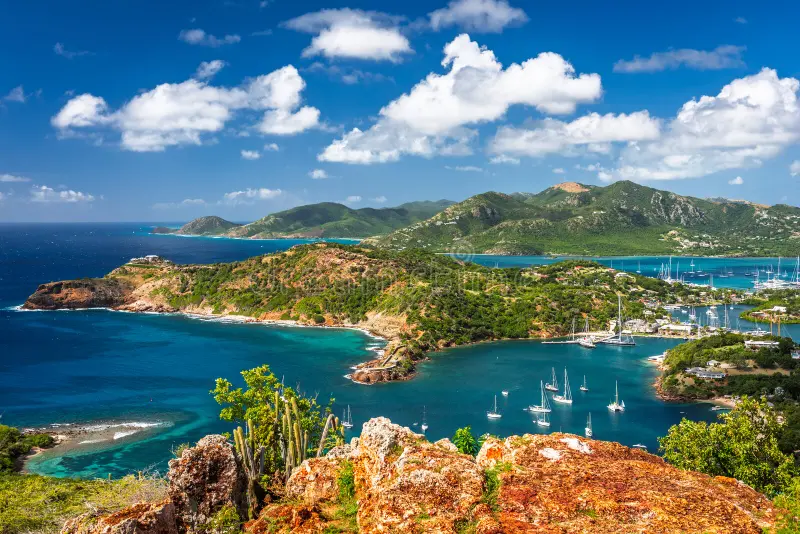
Landmark
Shirley Heights offers views across the island and is known for music, gatherings, and Caribbean celebrations.
Antigua is sometimes called the 'Land of 365 Beaches'.
Cricket is one of the most popular sports in Antigua and Barbuda.
Carnival is one of the country’s biggest celebrations each year.