
Jamaica
18.1096° N, 77.2975° W
Barbados
13.1939° N, 59.5432° W
Haiti
18.9712° N, 72.2852° W
Saint Lucia
13.9094° N, 60.9789° W
Fable Culture
THE
Music
Migration
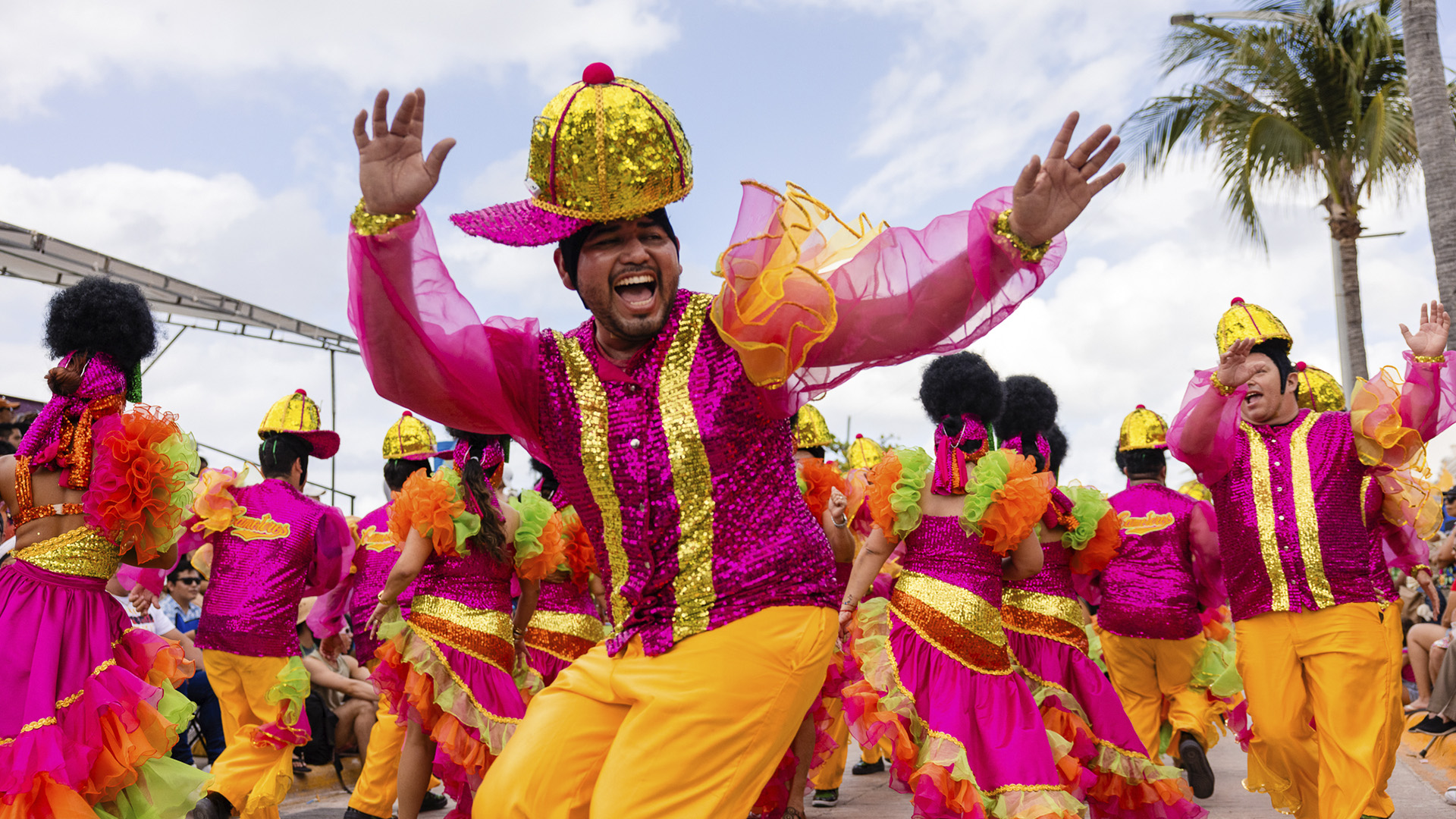
Carnival
Resistance
Identity
More Than Islands.
A region shaped by movement, culture, resistance, and the sea.
Scroll To Explore
The Caribbean Is...
More than beaches and islands. The Caribbean is a region connected by movement, storytelling, music, identity, and survival.
Music & Celebration
Reggae, calypso, soca, steelpan, Carnival, and dance became global cultural influences connected to Caribbean creativity.
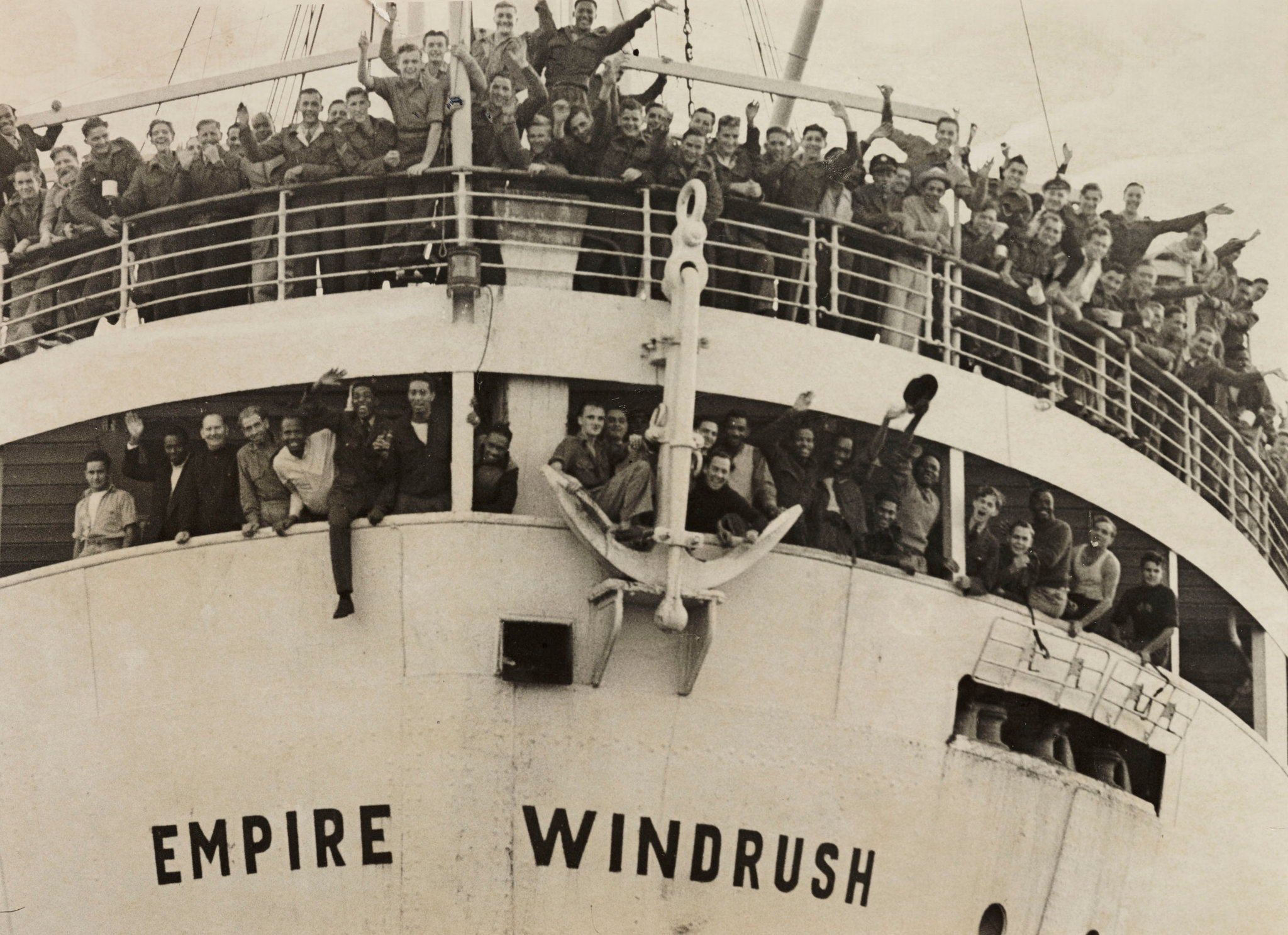
Migration & Movement
Caribbean migration shaped communities across the world, especially in the UK, United States, and Canada.
History & Resistance
The Caribbean played a major role in colonial trade, slavery, revolution, independence, and cultural resistance.
New Activity
DESIGN YOUR MASK
Create a colourful Carnival mask to wear at the Fable House Garden Party. Explore Caribbean Carnival traditions, express your creativity and bring your design to life.
🎭 Start DesigningExplore the Region
Click a country to begin exploring the Caribbean.
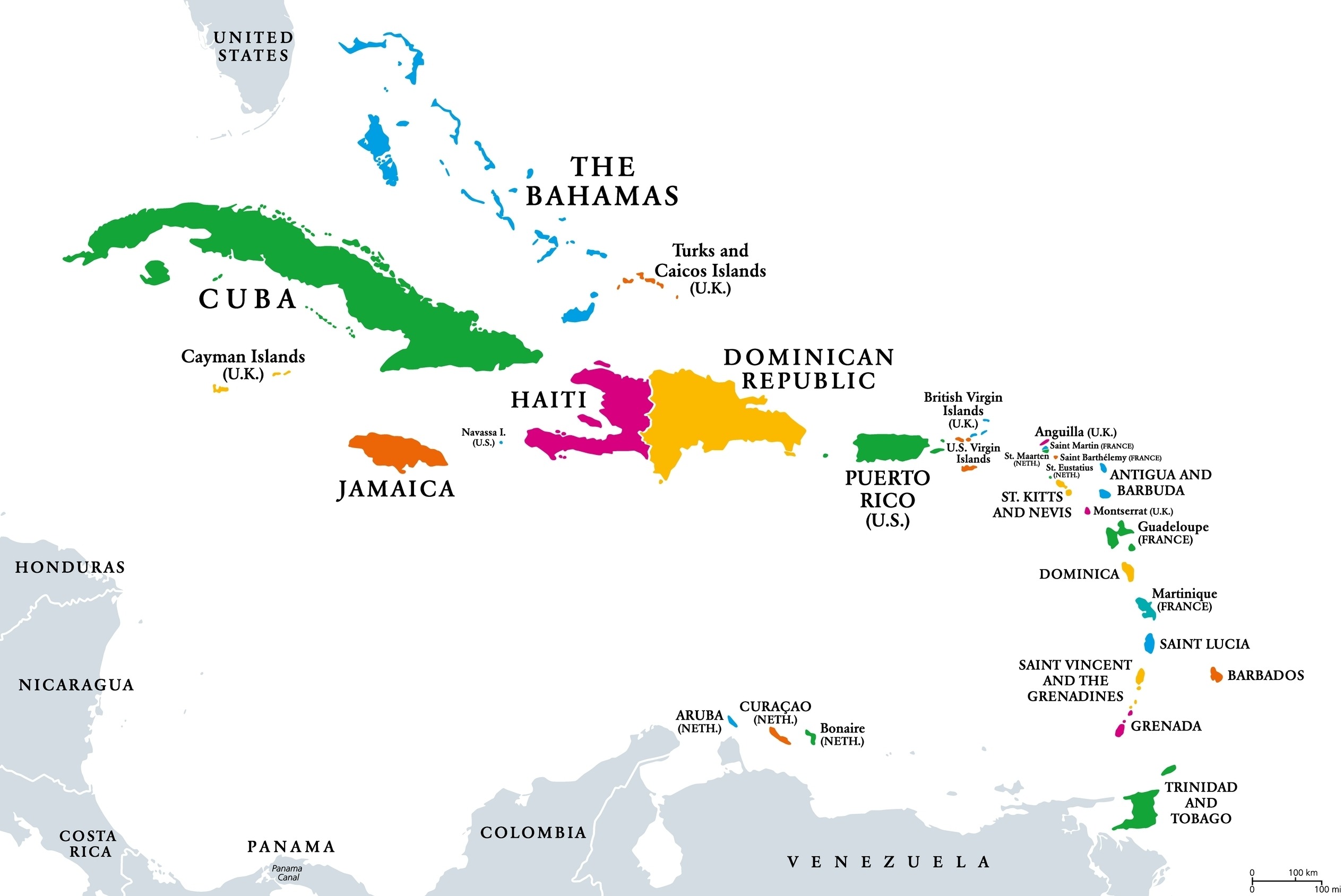
How to use: Hover or tap a country to explore it.
Caribbean Countries
Explore cultures, histories, wildlife, music, and traditions across the Caribbean.
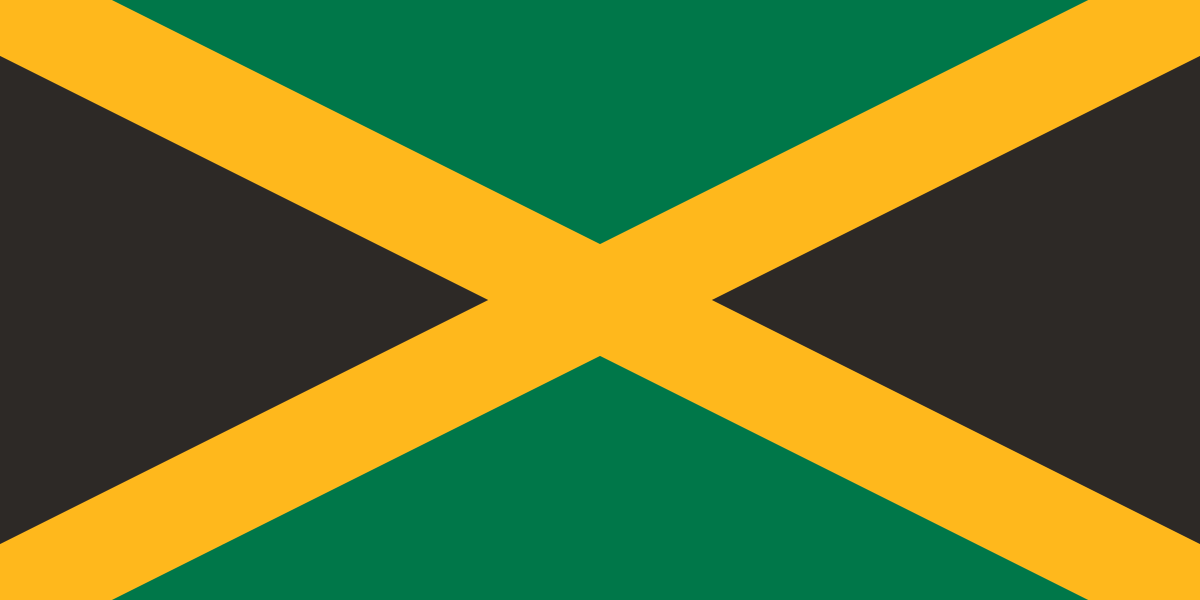
🇯🇲 Jamaica
Music • Identity
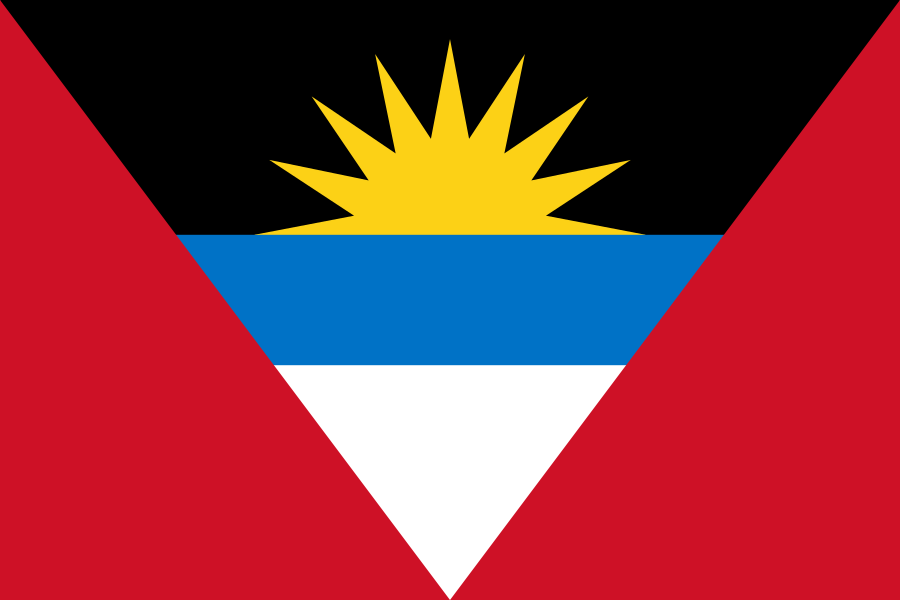
🇦🇬 Antigua and Barbuda
Islands • Carnival
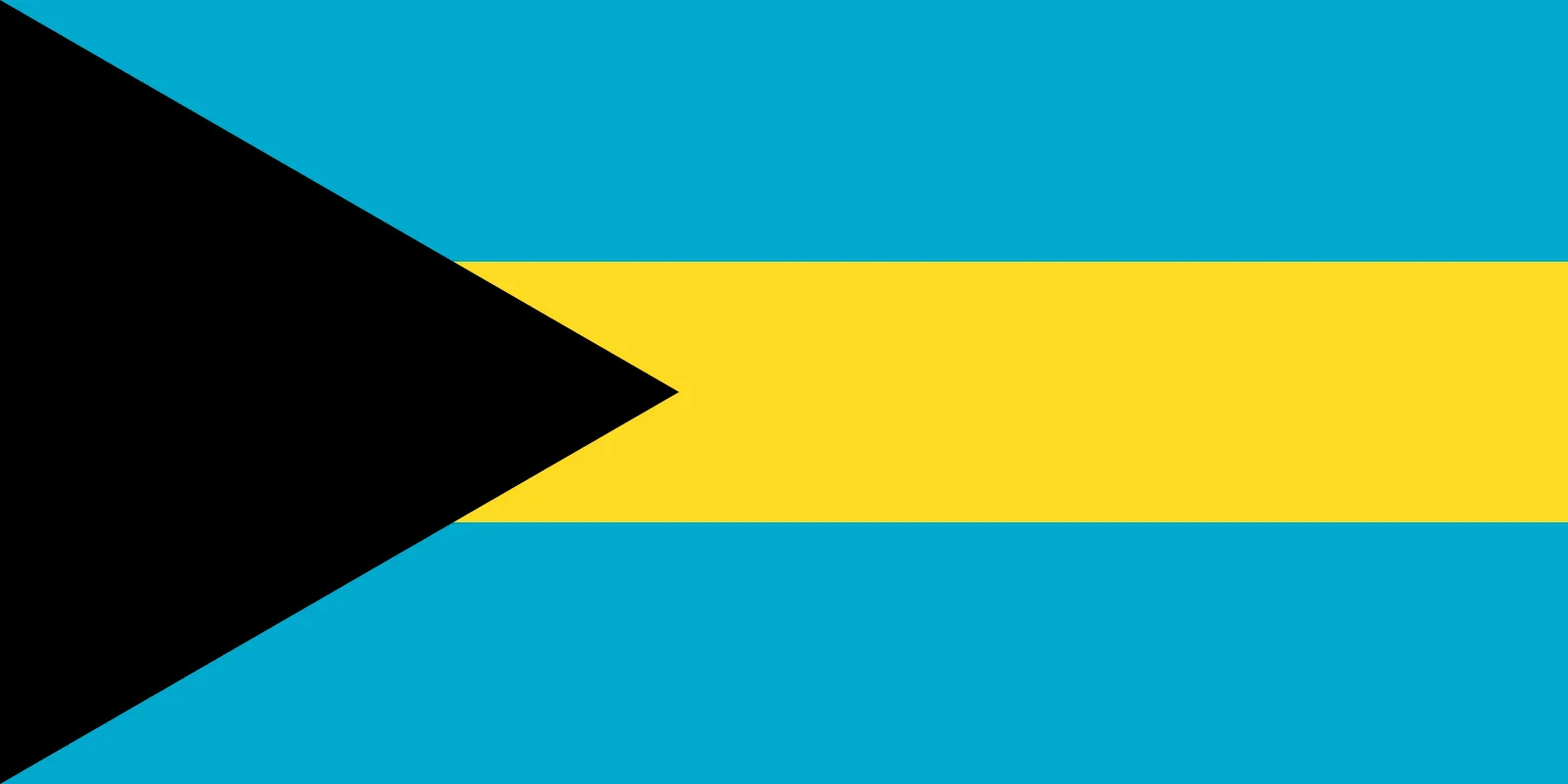
🇧🇸 Bahamas
Junkanoo • Pirates
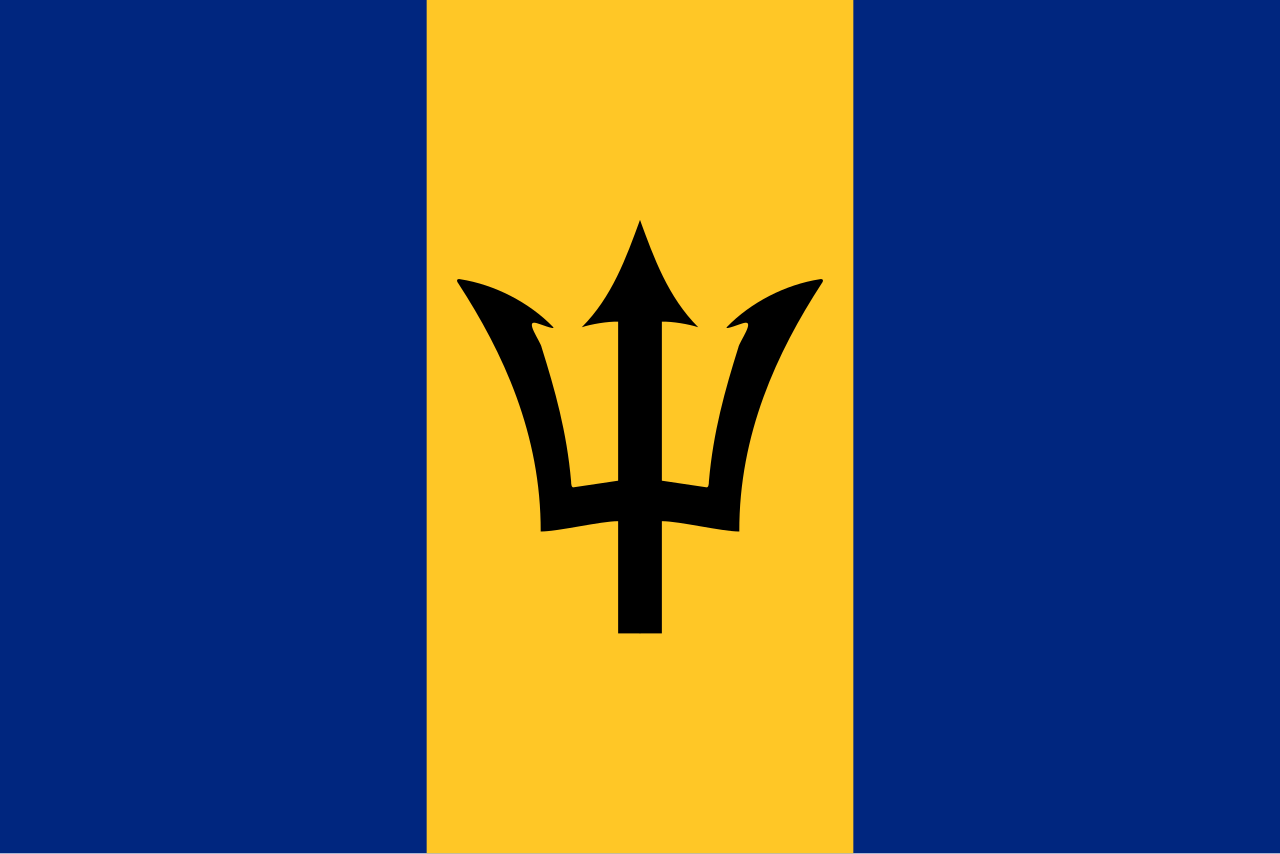
🇧🇧 Barbados
Cricket • Crop Over
🇨🇺 Cuba
Revolution • Music
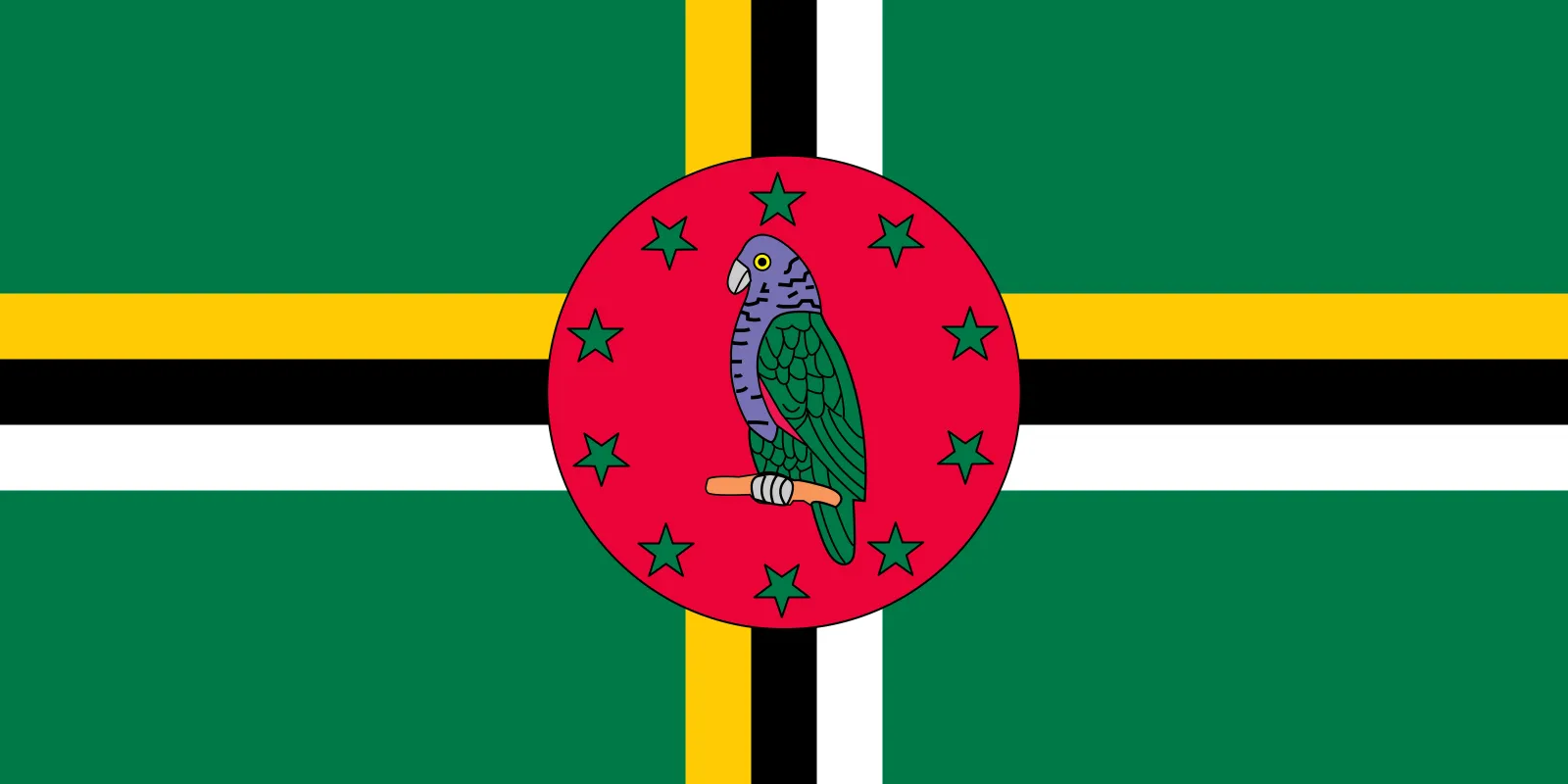
🇩🇲 Dominica
Rainforests • Volcanoes
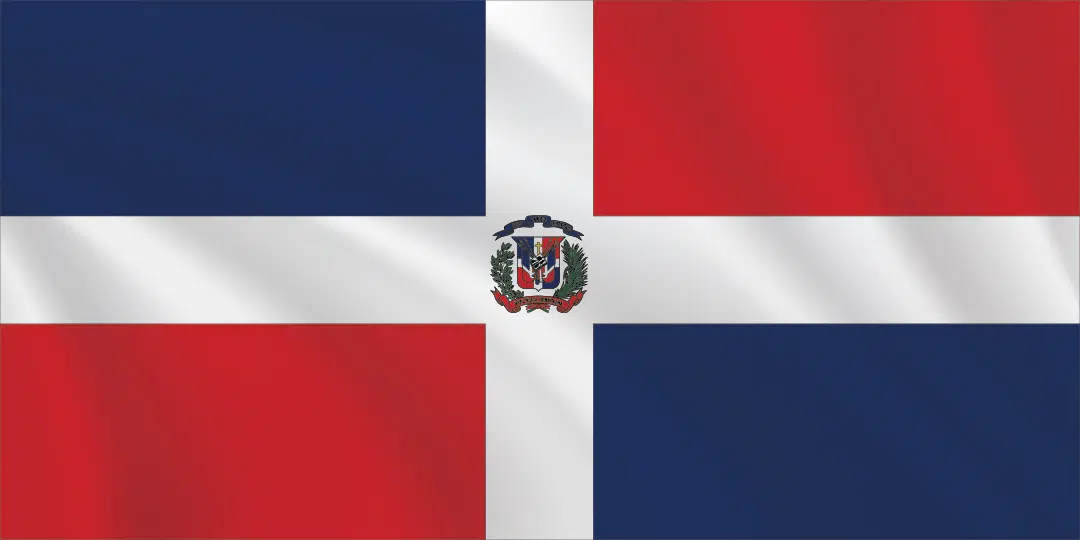
🇩🇴 Dominican Republic
Baseball • Merengue
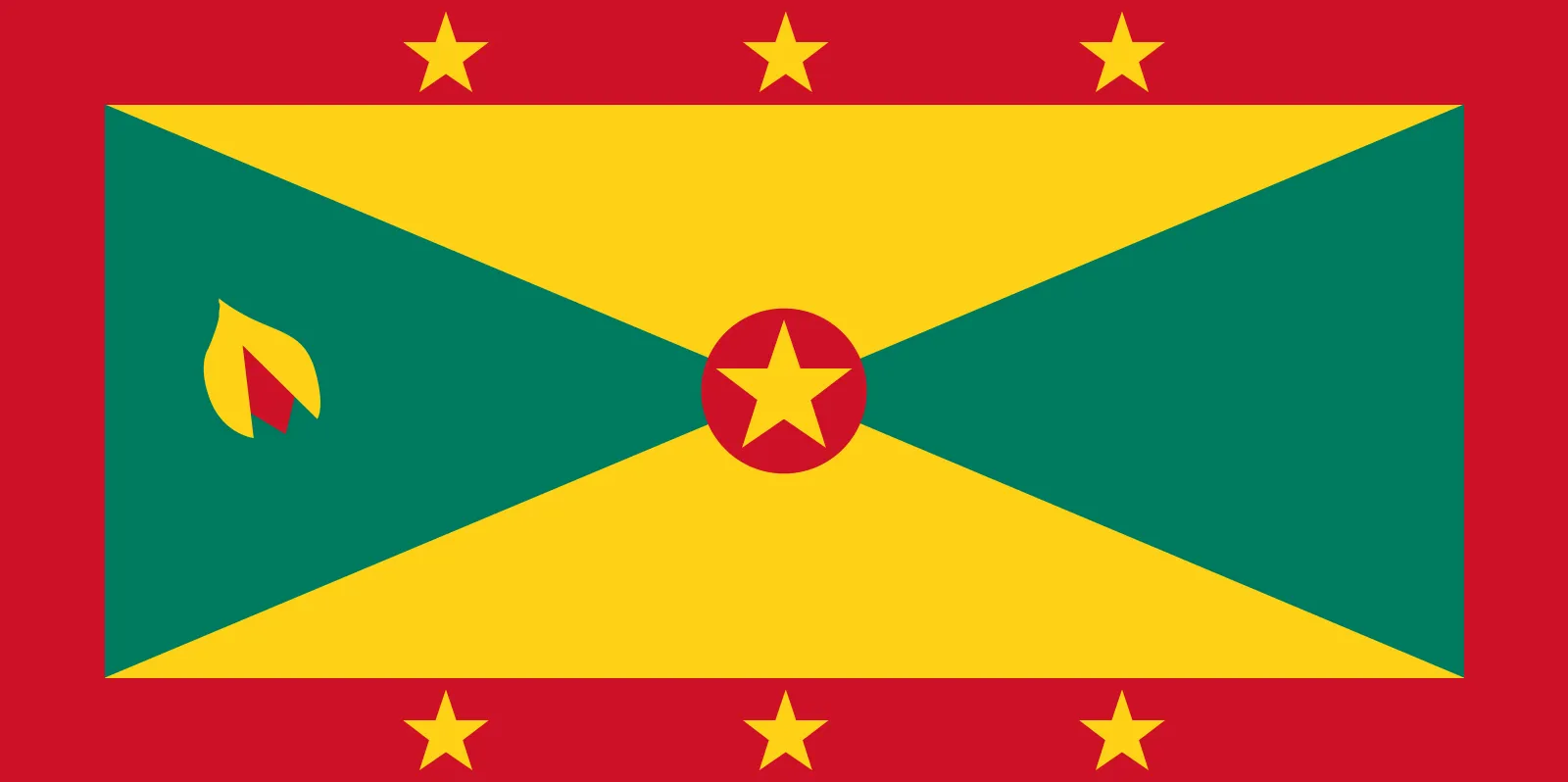
🇬🇩 Grenada
Spices • Rainforests
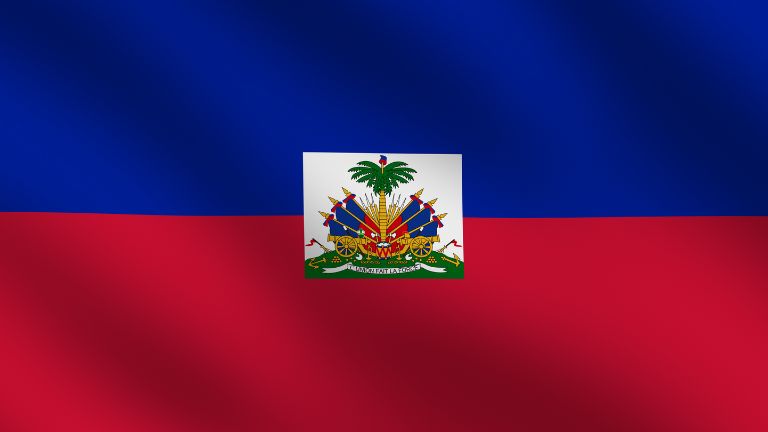
🇭🇹 Haiti
Revolution • Art
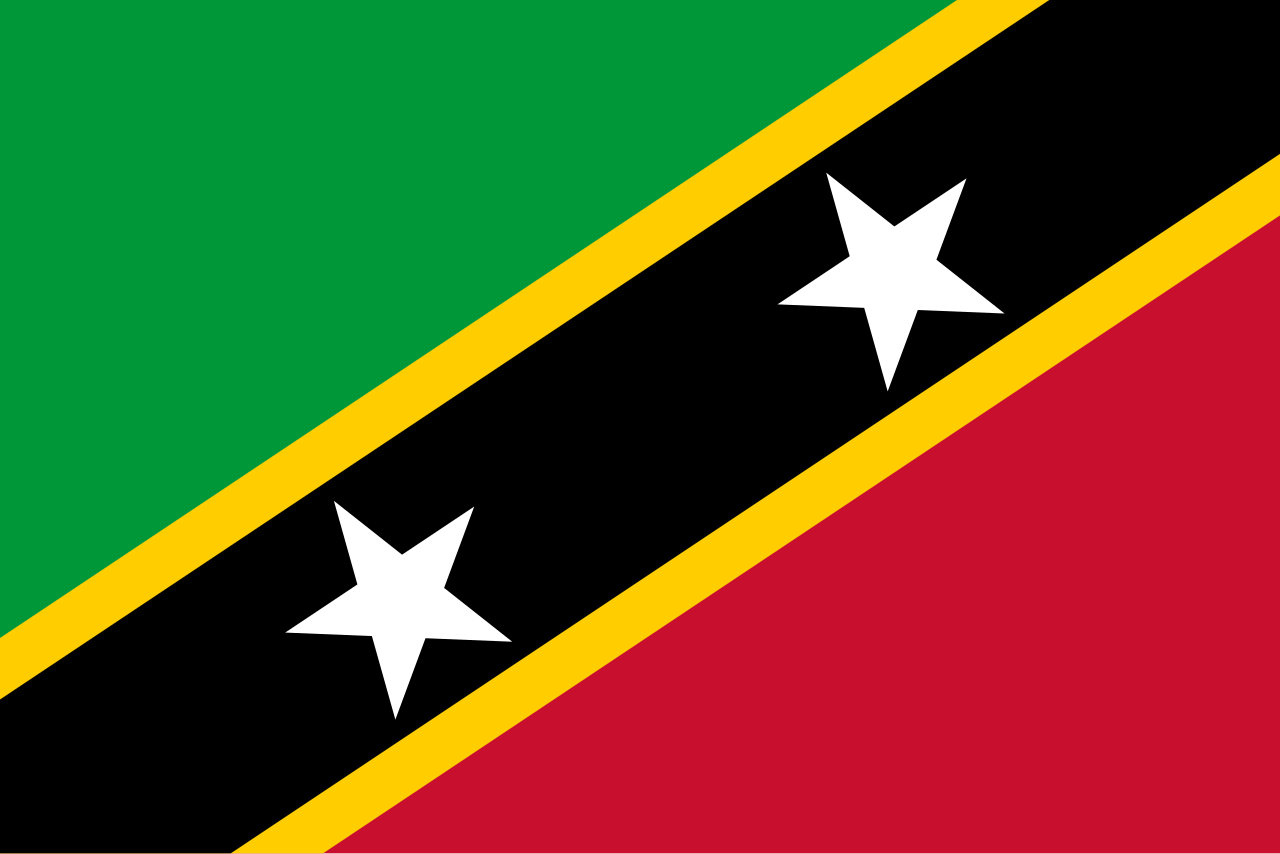
🇰🇳 Saint Kitts and Nevis
Volcanoes • Sugar History
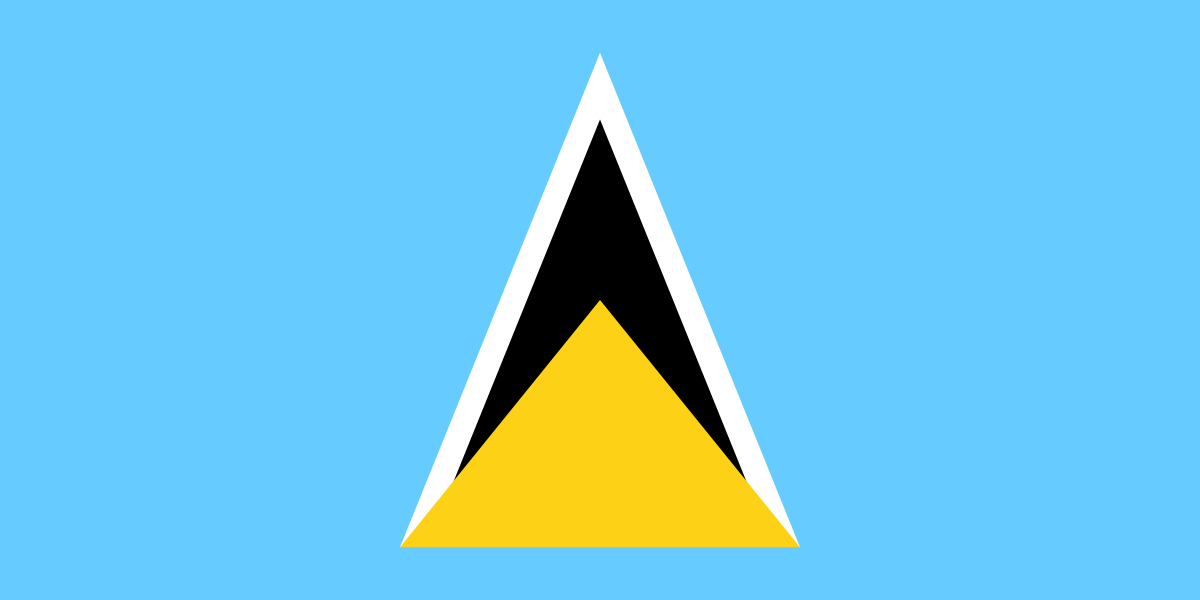
🇱🇨 Saint Lucia
Pitons • Volcanoes
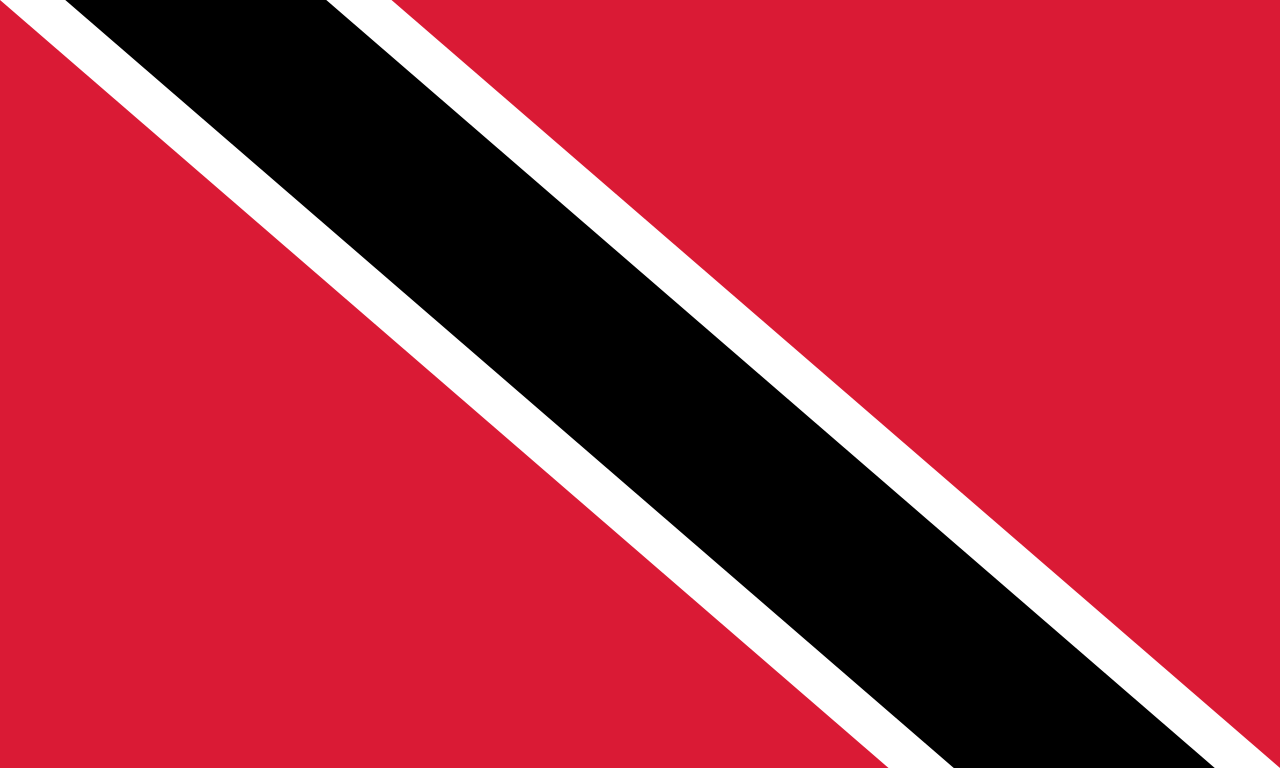
🇹🇹 Trinidad and Tobago
Carnival • Steelpan
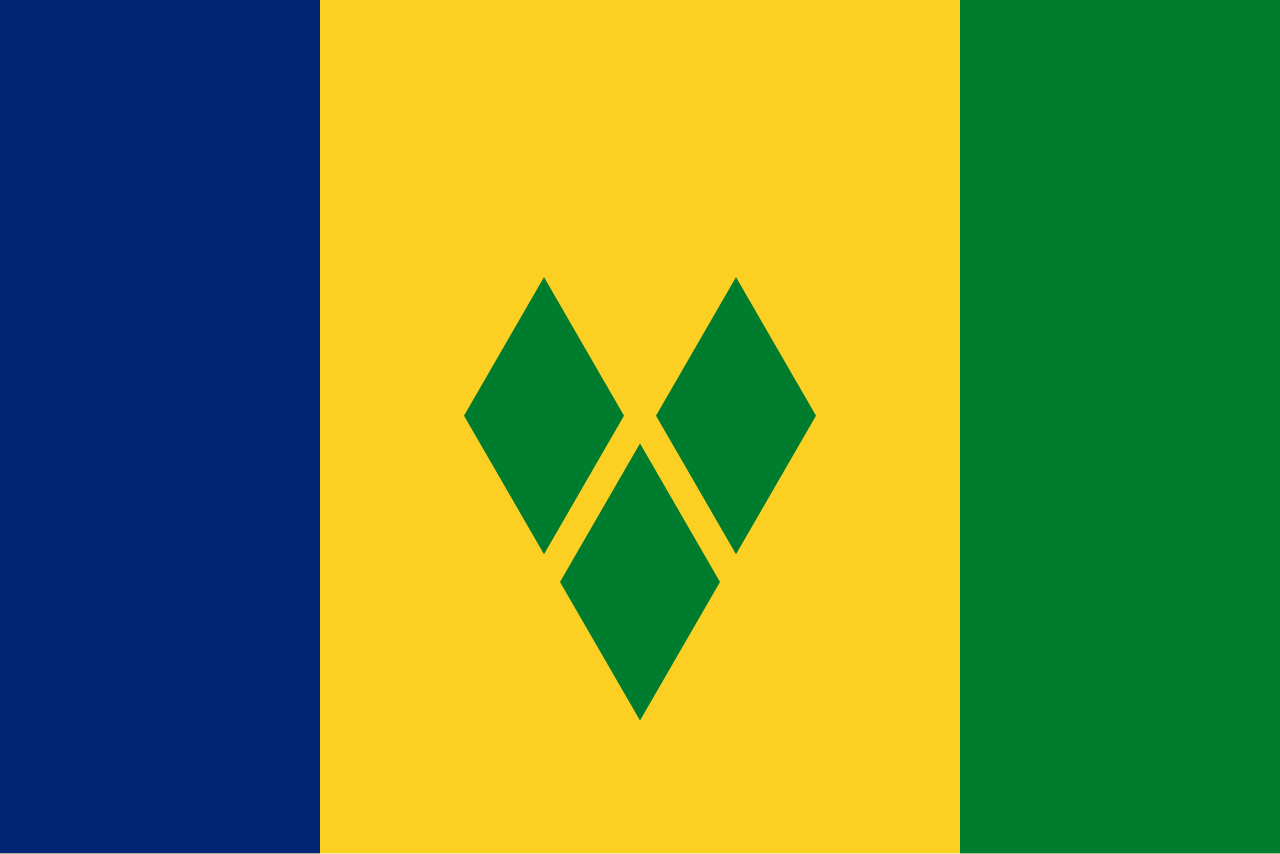
🇻🇨 Saint Vincent and the Grenadines
Volcanoes • Sailing
Deep Dive Topics
Explore larger stories connected to Caribbean identity and history.
Caribbean Timeline
Explore the events, migrations, revolutions, and cultural changes that shaped the Caribbean over time.
Before 1000 CE
🛶Early Indigenous Migration
People migrated into the Caribbean from South America, settling on islands and adapting to island life through fishing, farming, and trade.
1000–1400
🏝️Taíno Civilisations
The Taíno people developed organised societies with villages, leaders (caciques), farming systems, and trade between islands.
Before 1492
🌿Carib and Taíno Cultures
Different Indigenous groups lived across the Caribbean. The Taíno were mainly in the Greater Antilles, while the Carib people lived in parts of the Lesser Antilles.
1492
🚢Spanish Arrival
Spain became the first European power to claim Caribbean islands after Columbus arrived.
1500s
🏴Spanish Control
Spain controlled many major islands including Cuba, Hispaniola, and Puerto Rico.
1600s
⚔️British, French, Dutch Expansion
Other European powers began taking control of smaller islands such as Jamaica (Britain), Martinique (France), and Aruba (Netherlands).
1655
🇬🇧Jamaica Taken by Britain
Britain captured Jamaica from Spain, making it a major plantation colony.
1697
🇫🇷Haiti Becomes French
France gained control of the western part of Hispaniola (Haiti).
1600–1700
🏴☠️Golden Age of Pirates
The Caribbean became famous for pirates who attacked ships carrying gold, sugar, and goods.
1660s
⚓Port Royal
Port Royal in Jamaica became known as a pirate hub full of traders, sailors, and privateers.
1718
🚫End of Pirate Era
Governments began to crack down on piracy, bringing the 'Golden Age of Pirates' to an end.
1804
🔥Haiti Independence
Haiti became the first independent Caribbean nation after a successful slave revolt.
1962
🇯🇲Jamaica Independence
Jamaica gained independence from Britain.
1962
🇹🇹Trinidad and Tobago Independence
Trinidad and Tobago became independent from Britain.
1966
🇧🇧Barbados Independence
Barbados became independent.
1974
🇬🇩Grenada Independence
Grenada gained independence.
1978
🇩🇲Dominica Independence
Dominica became independent.
1979
🇱🇨Saint Lucia Independence
Saint Lucia gained independence.
1979
🇻🇨Saint Vincent Independence
Saint Vincent and the Grenadines became independent.
1981
🇦🇬Antigua and Barbuda Independence
Antigua and Barbuda gained independence.
1983
🇰🇳Saint Kitts and Nevis Independence
Saint Kitts and Nevis became independent.
Student Contribution
🌍 Student Discoveries
Help expand Fable Culture by finding useful websites, videos, museums, music, recipes, and educational resources connected to this region.
Discover Jamaica 🌴
Culture • Jamaica 🇯🇲
Explore this website to learn about Jamaica’s culture, music, and landscapes.
Explore Resource →
pineapple upside down cake recipe
Here is the recipe for pineapple upside down cake
Shared by TN
Explore Resource →
Windrush
This may be of use jimmy have a look.
Shared by Sal
Explore Resource →
End of slavery
Because it was important
Shared by TN
Explore Resource →