Colonial History
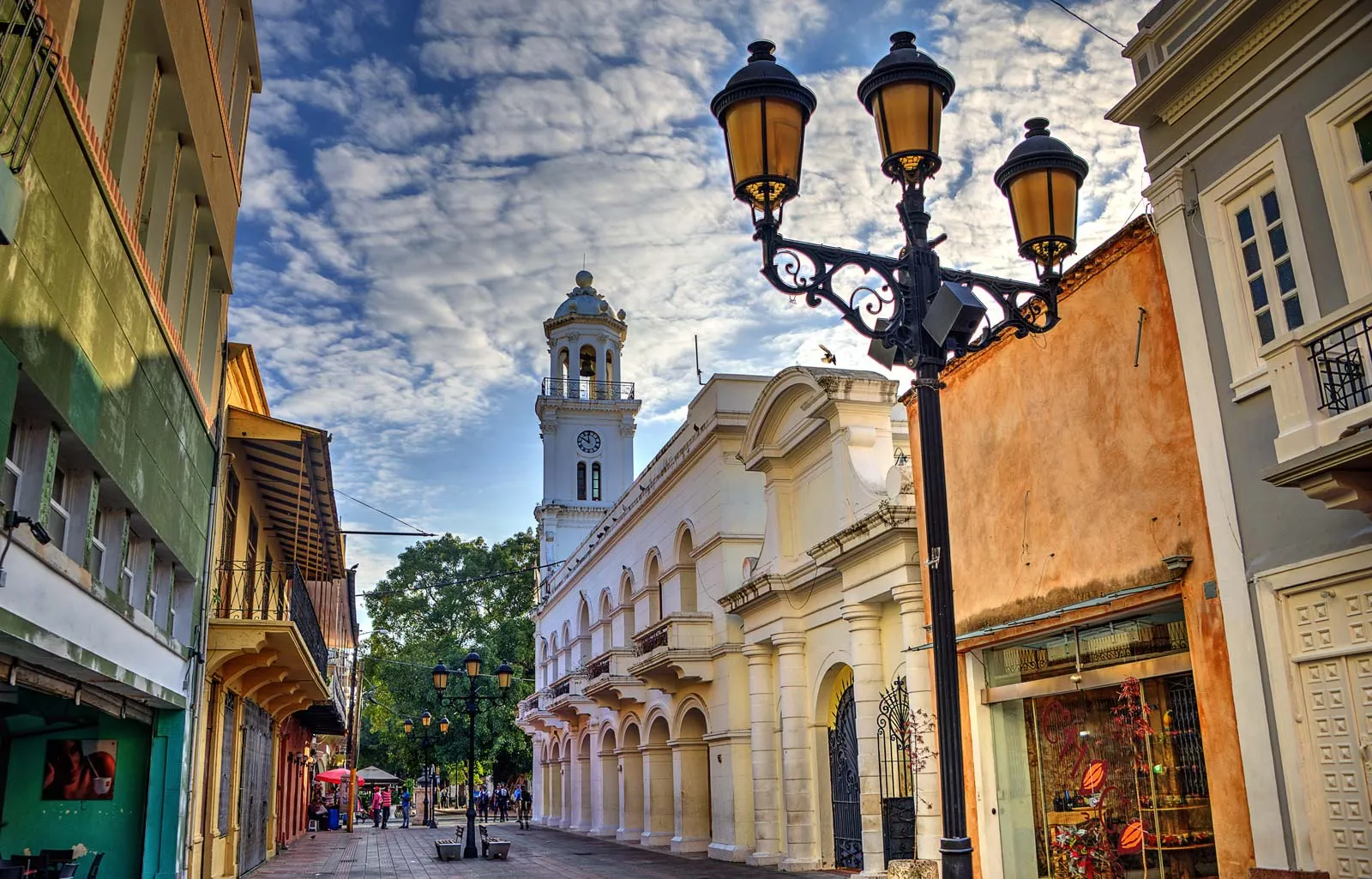
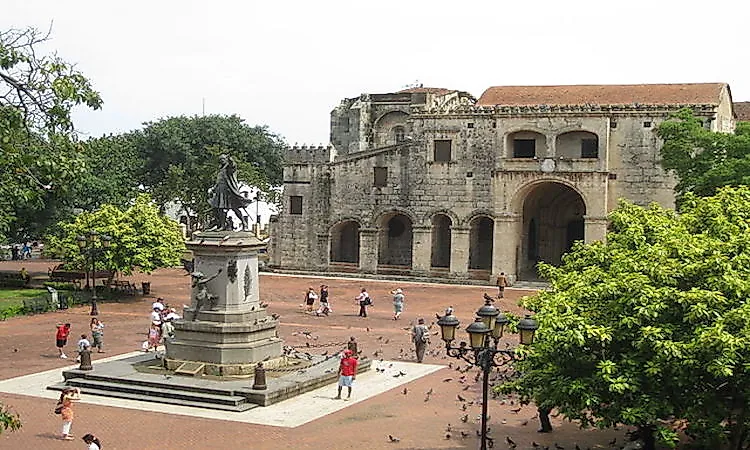
Santo Domingo became one of the first major European settlements in the Americas after Spanish arrival in the Caribbean. Colonial buildings, forts, and churches from this period still remain important parts of Dominican history.
Caribbean Region
The Dominican Republic is known for baseball, merengue music, beaches, mountain landscapes, and one of the oldest European cities in the Americas.

Capital
Santo Domingo
Population
11.3 million
Languages
Spanish
Currency
Dominican Peso
Cultural Overview
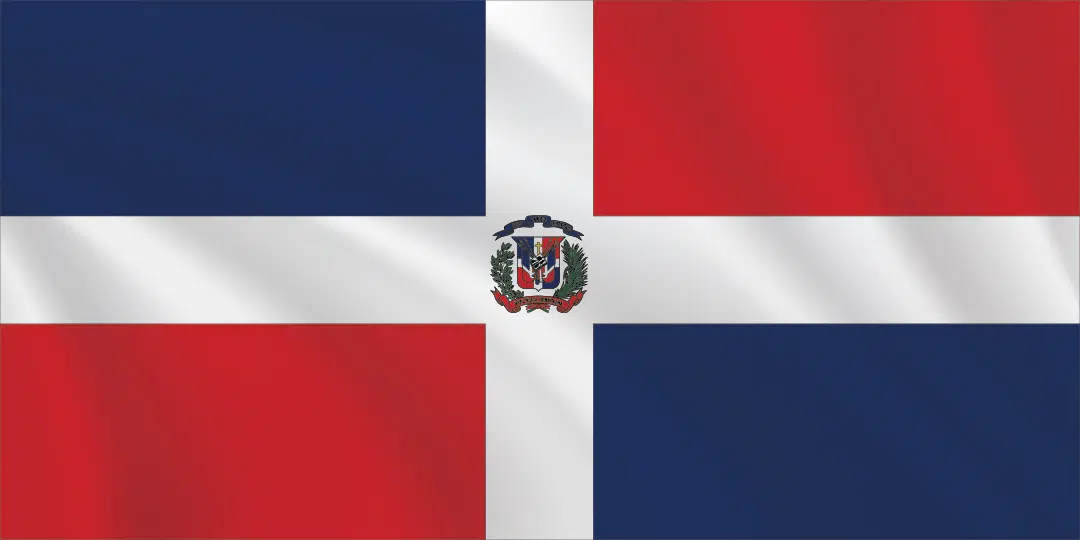
The Dominican Republic shares the island of Hispaniola with Haiti and has a culture shaped by Spanish colonial history, African heritage, Caribbean traditions, music, sport, and tourism. The country became internationally recognised for merengue music, baseball talent, tropical landscapes, and the historic city of Santo Domingo.
Fact File
Explore the capital city, food, wildlife, and culture through images and short fact-file summaries.

Santo Domingo became one of the first major European settlements in the Americas after Spanish arrival in the Caribbean. Colonial buildings, forts, and churches from this period still remain important parts of Dominican history.

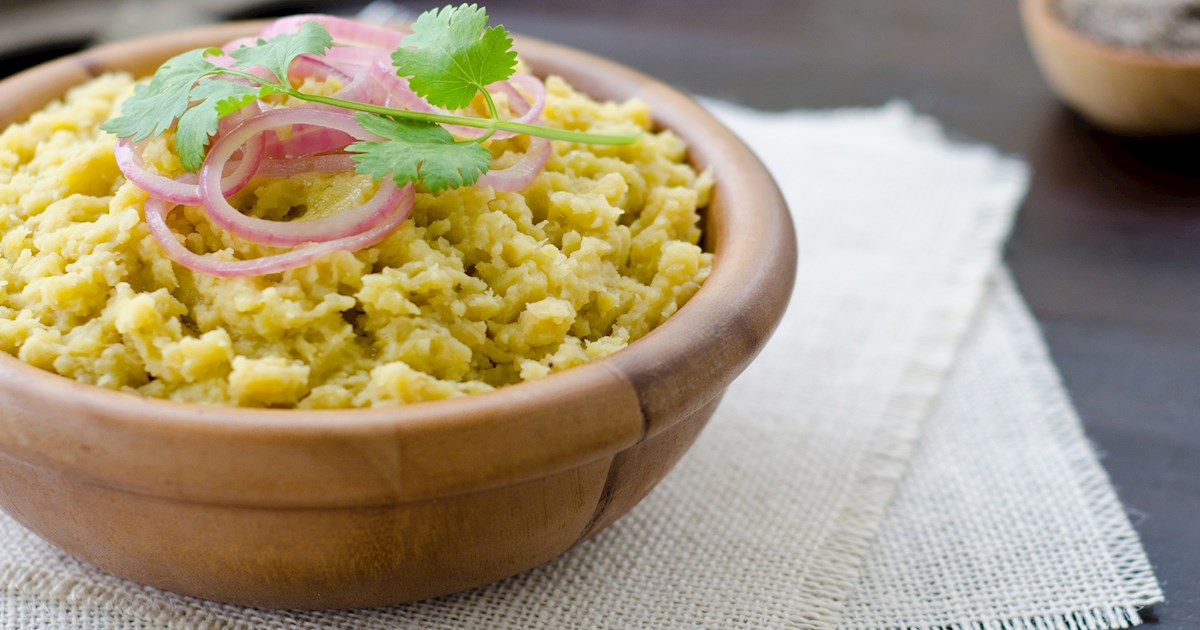
Mangú is a traditional Dominican dish made from mashed plantains and is commonly eaten with onions, eggs, cheese, or salami. Plantains are important ingredients across Caribbean cooking.

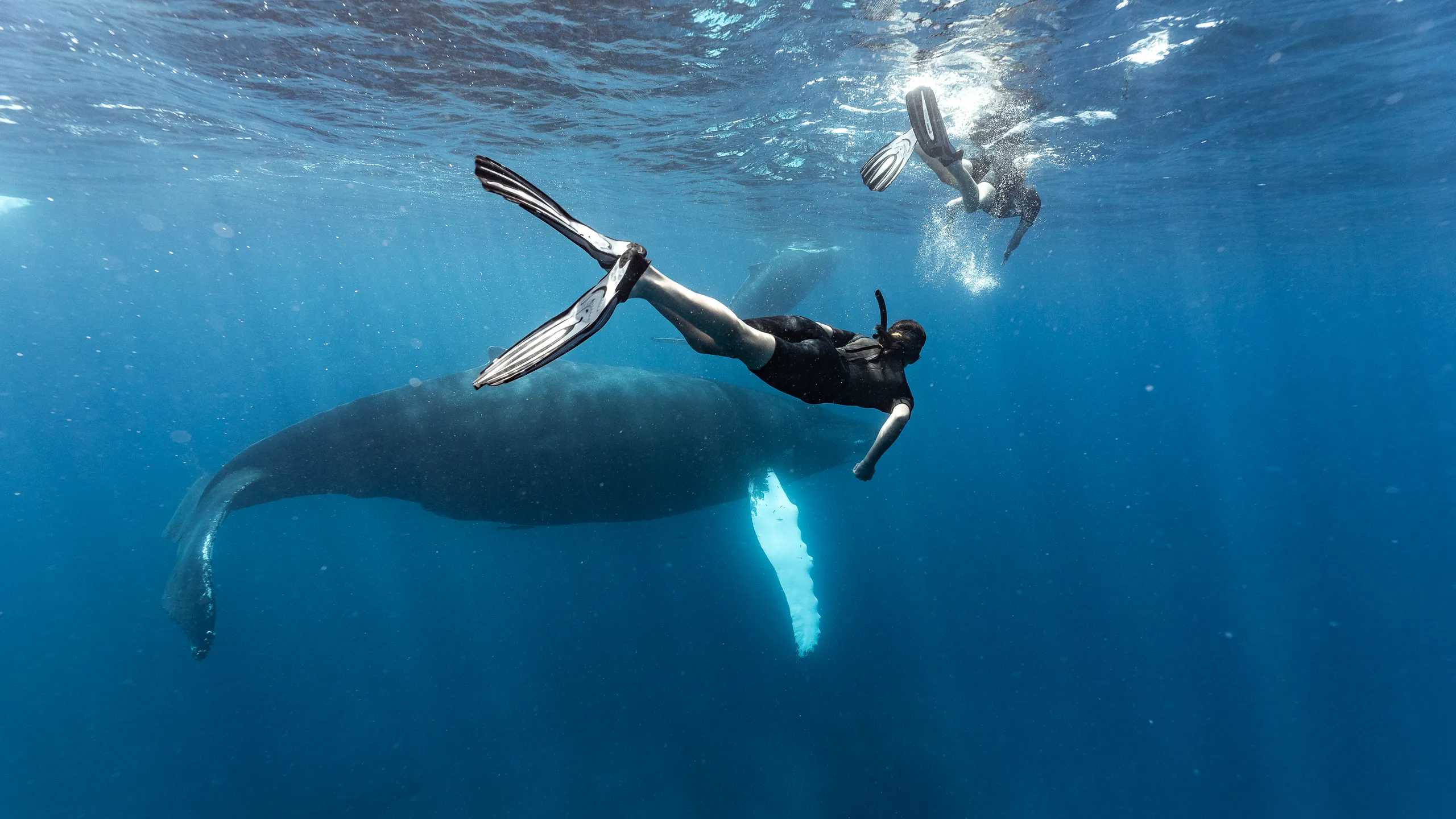
The Dominican Republic is known for tropical forests, coral reefs, and marine wildlife including humpback whales that migrate through Caribbean waters near the island each year.

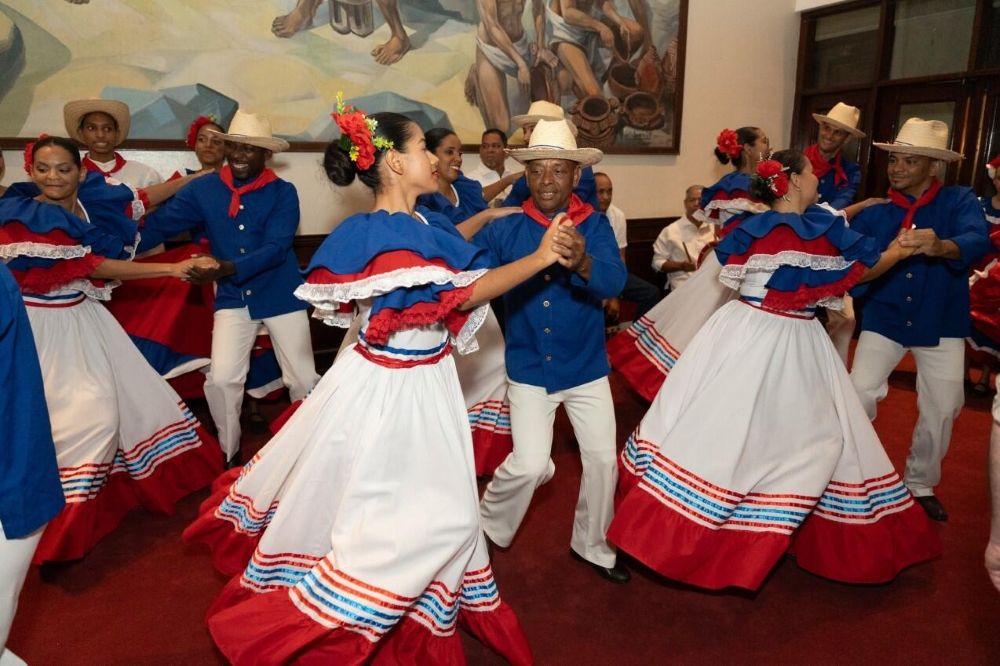
Merengue music and dance became important symbols of Dominican culture and identity. The fast rhythms and dancing styles became popular across the Caribbean and Latin America.
Historical Timeline
Explore the people, resistance movements, music, identity, and major events that helped shape modern Jamaica.
Before 1492
Before European arrival, the island of Hispaniola was home to Taíno communities who farmed, fished, traded, and built communities across the island.
1492
Christopher Columbus arrived on Hispaniola during his first voyage, beginning a major period of Spanish colonisation.
1496
Santo Domingo became one of the earliest permanent European settlements in the Americas and an important centre of Spanish colonial power.
1500s–1600s
The eastern part of Hispaniola remained under Spanish rule and became connected to trade, farming, ranching, and colonial administration.
1697
The Treaty of Ryswick recognised French control of the western part of Hispaniola, while Spain kept control of the eastern side.
1822–1844
The eastern part of Hispaniola came under Haitian control for more than twenty years before Dominican independence.
1844
The Dominican Republic declared independence on 27 February 1844, creating a new nation on the eastern side of Hispaniola.
1863–1865
After Spain briefly regained control, Dominicans fought to restore independence during the Restoration War.
1930–1961
Rafael Trujillo ruled the Dominican Republic as a dictator for decades, shaping politics, society, and memory in the country.
Present Day
Today the Dominican Republic is known for merengue, bachata, baseball, tourism, literature, food, and strong Caribbean identity.
Research Gap
There are many more stories connected to music, baseball, migration, literature, community life, and modern Dominican history.
🔍 Can you research and add another important event from Dominican Republic history?
Influential Figures
Explore influential people who helped shape the country through music, leadership, sport, activism, and culture.

Music
Helped spread merengue and Latin Caribbean music around the world through internationally successful songs and performances.

Baseball
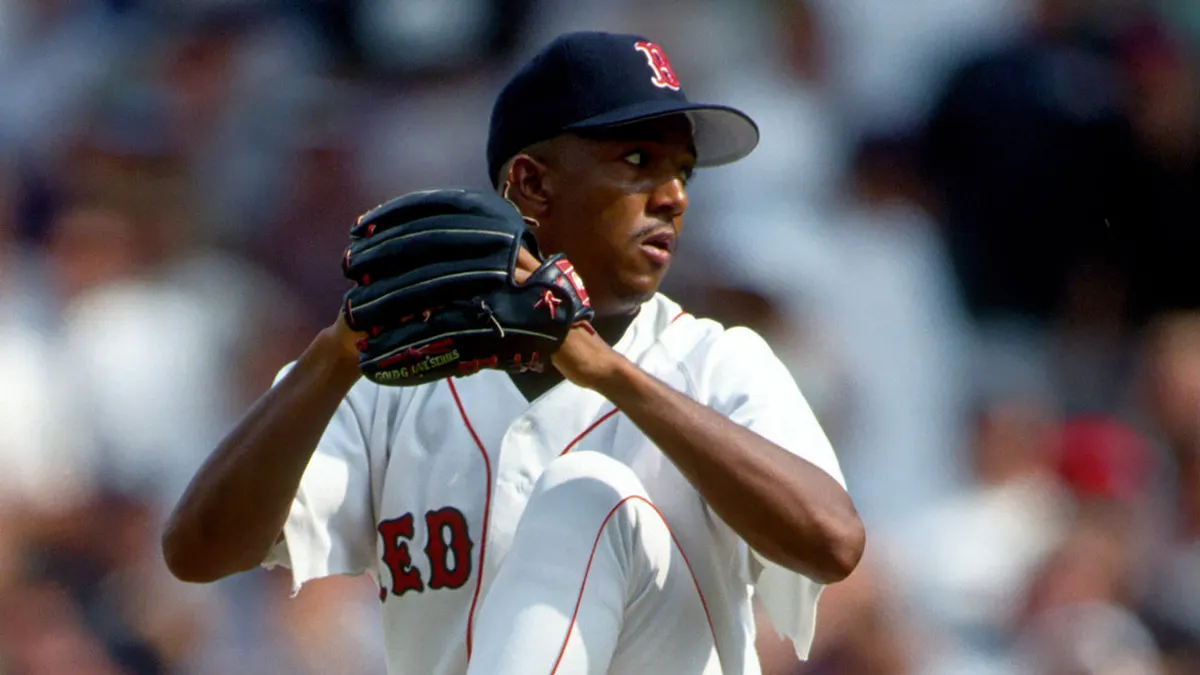
Became one of the Caribbean’s most successful baseball players and inspired generations of athletes.

Design
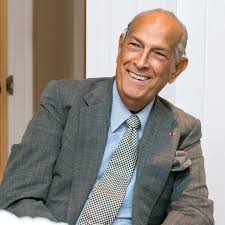
Became one of the world’s most famous fashion designers and helped spotlight Dominican creativity internationally.
Places to Explore
Discover landscapes, cities, landmarks, and locations that help tell the story of Dominican Republic.

History
Santo Domingo is one of the oldest European-founded cities in the Americas and is known for colonial architecture, plazas, cathedrals, and important Caribbean history.

Mountains
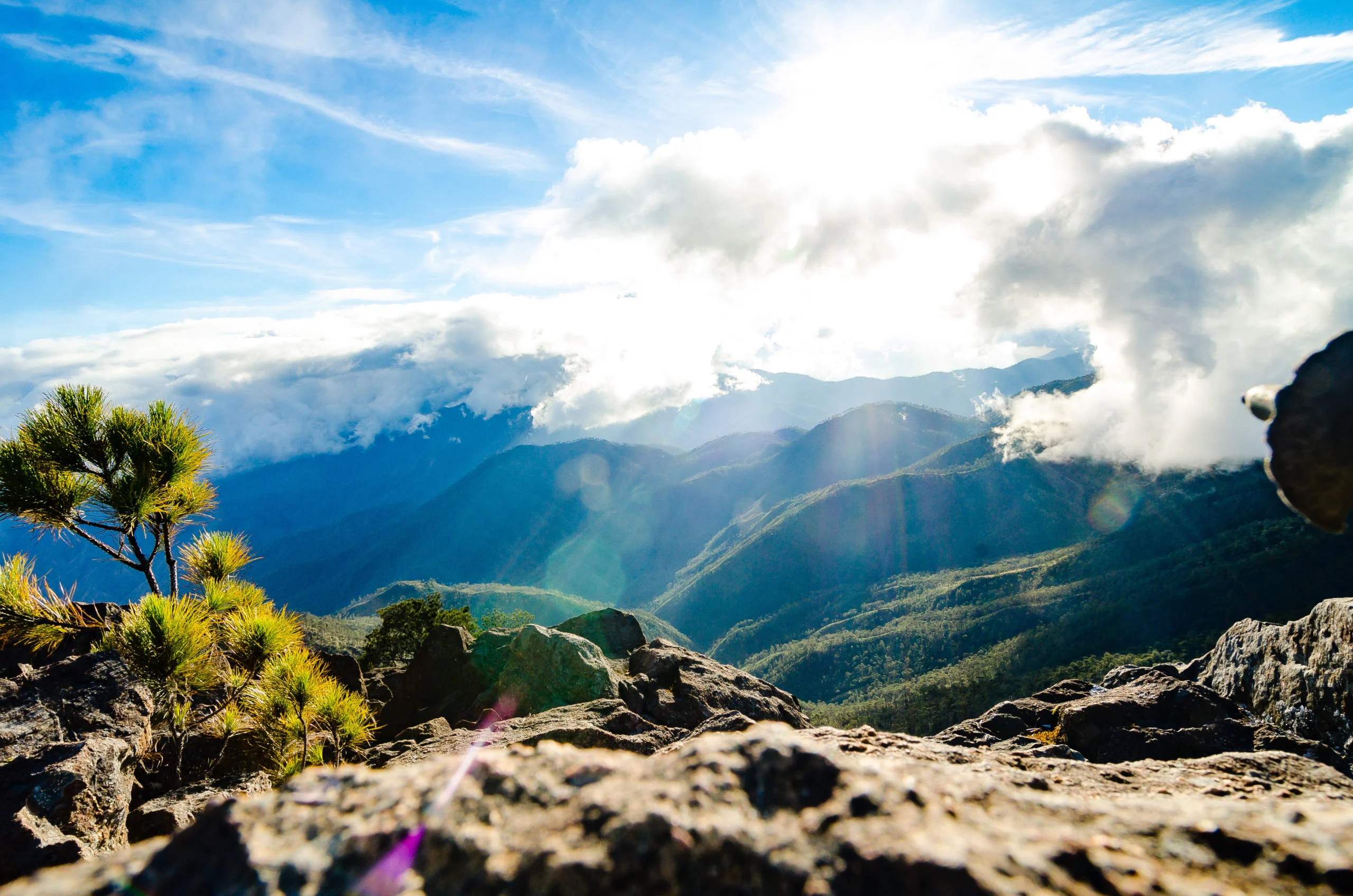
Pico Duarte is the highest mountain in the Caribbean and is surrounded by forests, rivers, and hiking trails across the Dominican Republic’s mountain landscapes.

Tourism
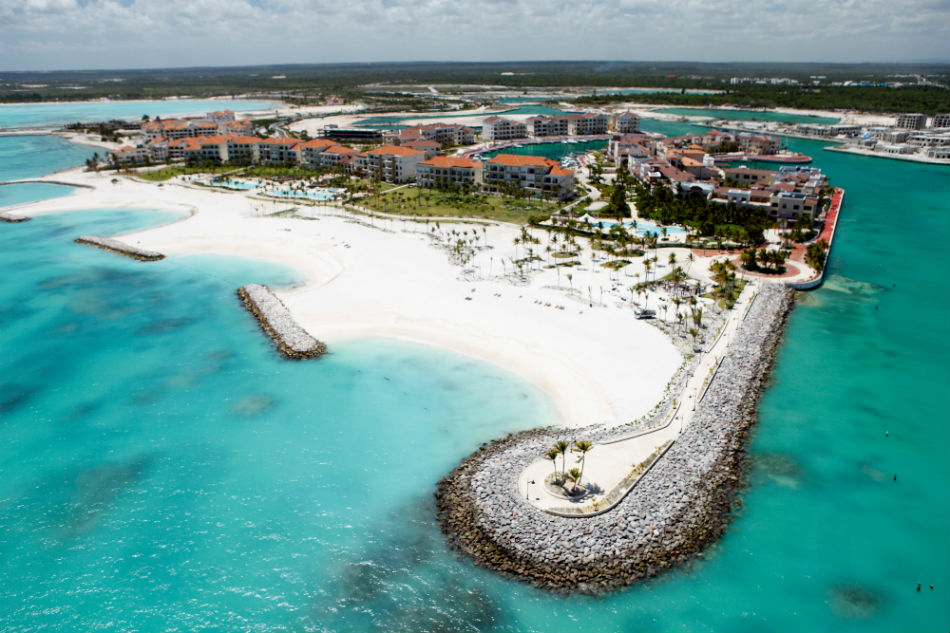
Punta Cana became internationally famous for beaches, resorts, tourism, and tropical Caribbean coastlines.

Nature
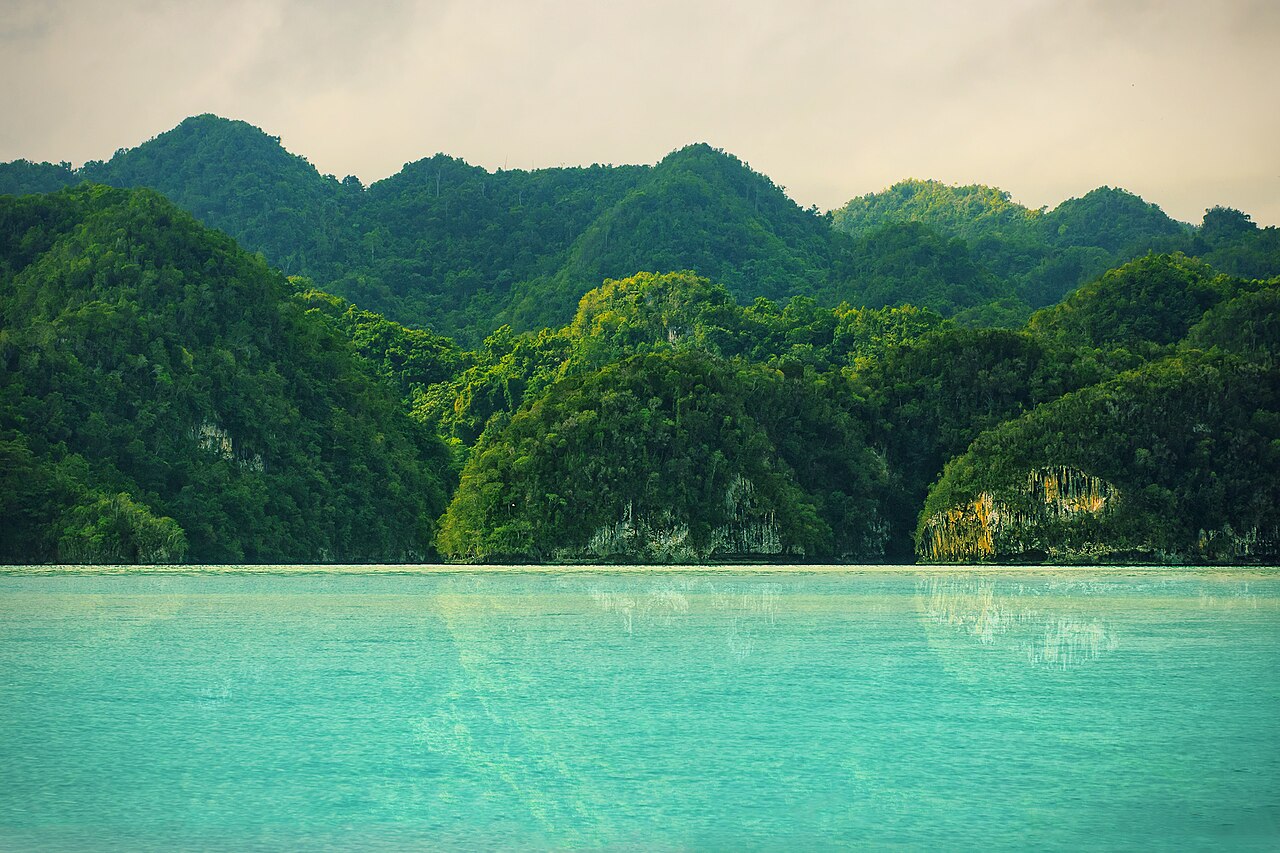
Los Haitises National Park is known for mangrove forests, caves, islands, and rich wildlife ecosystems connected to Caribbean nature and conservation.
The Dominican Republic shares the island of Hispaniola with Haiti.
Baseball is one of the country’s most popular sports.
Merengue music became an important symbol of Dominican culture.
Santo Domingo is one of the oldest European-founded cities in the Americas.
Pico Duarte is the highest mountain in the Caribbean.