History
Black Sand Beaches
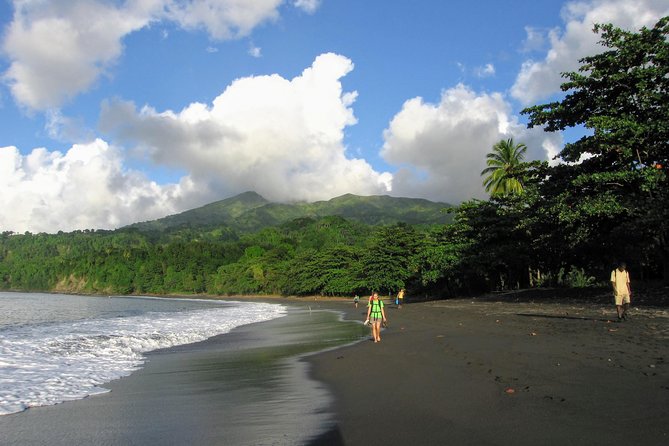
Volcanic activity helped create Saint Vincent’s famous black sand beaches, which became one of the country’s most recognisable natural features along the Caribbean coastline.
History
Caribbean Region
Saint Vincent and the Grenadines is known for volcanic landscapes, sailing islands, coral reefs, black sand beaches, and Caribbean adventure culture.
Capital
Kingstown
Population
110,000
Languages
English, Vincentian Creole
Currency
East Caribbean Dollar
Cultural Overview
Saint Vincent and the Grenadines is made up of a chain of Caribbean islands shaped by volcanic activity, African heritage, British colonial history, fishing traditions, sailing culture, and tropical marine environments. The country became internationally recognised for the Tobago Cays, black sand beaches, rainforest mountains, and filming locations connected to the Pirates of the Caribbean movies.
Fact File
Explore the capital city, food, wildlife, and culture through images and short fact-file summaries.
Volcanic activity helped create Saint Vincent’s famous black sand beaches, which became one of the country’s most recognisable natural features along the Caribbean coastline.
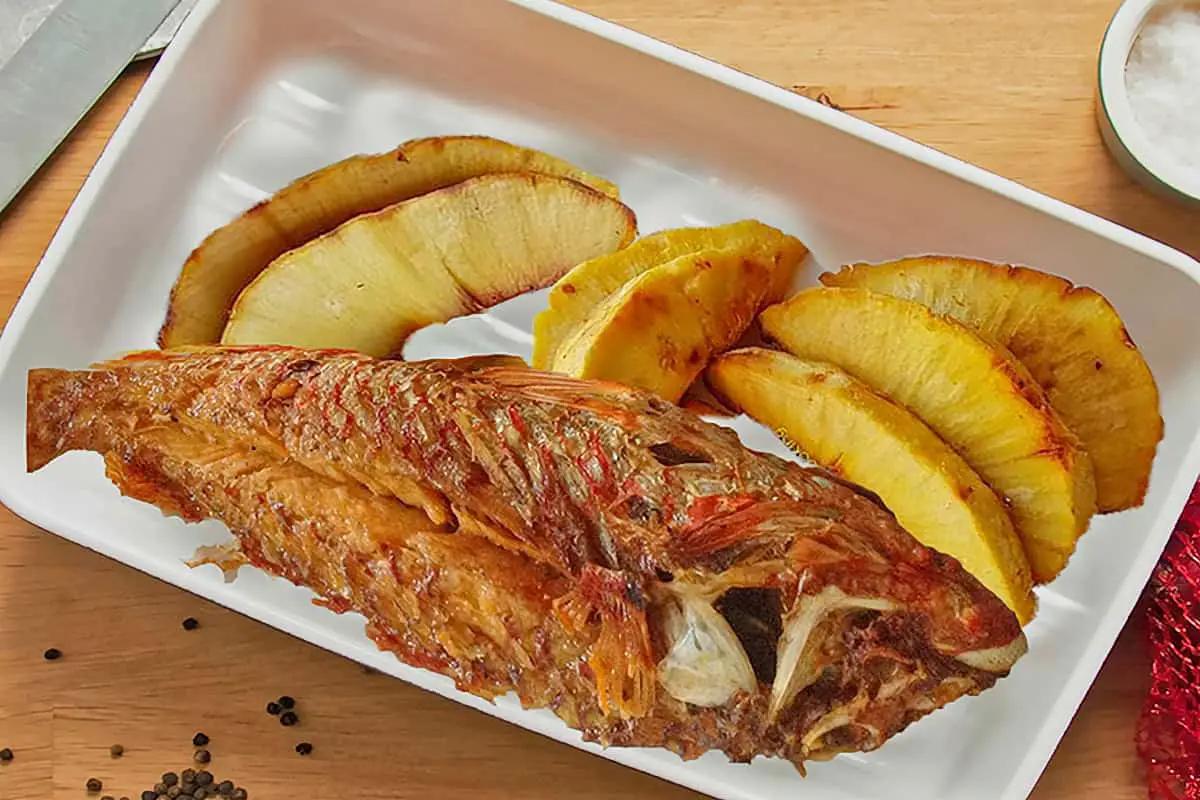
Roasted breadfruit became an important Caribbean food tradition in Saint Vincent and the Grenadines and is often served with fish, spices, and local dishes.
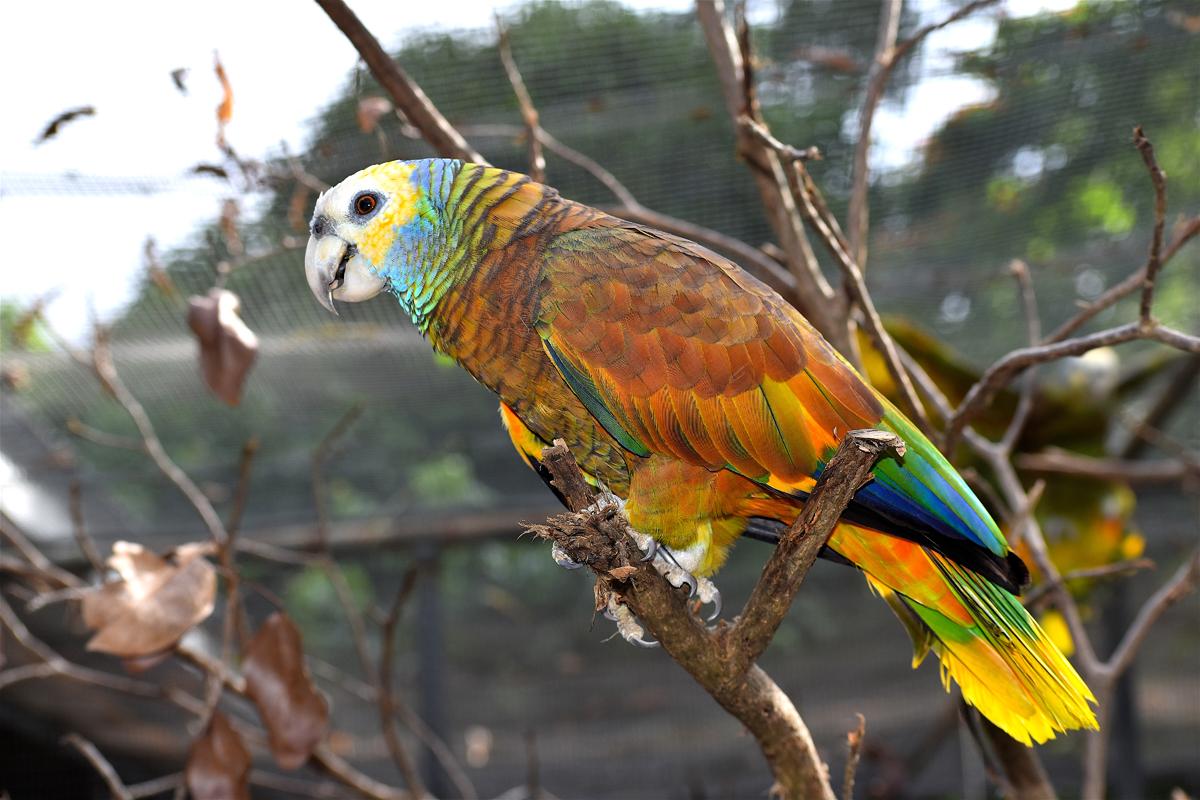
The Saint Vincent Parrot is a colourful bird found only on the island and became an important national symbol connected to rainforest conservation.
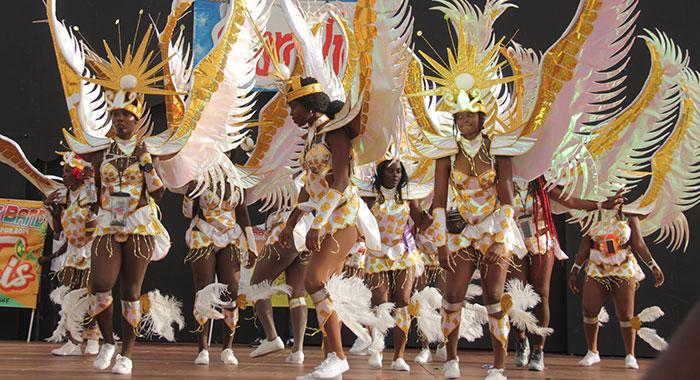
Vincy Mas is the country’s major Carnival celebration and includes colourful costumes, soca music, dancing, steelpan performances, and Caribbean street culture.
Historical Timeline
Explore the people, resistance movements, music, identity, and major events that helped shape modern Jamaica.
Before 1498
Before European colonisation, Saint Vincent was home to Indigenous Caribbean peoples who travelled, traded, and lived throughout the region.
1498
European explorers reached Saint Vincent during the period of Caribbean exploration.
1600s
The Garifuna people developed from the mixing of African and Indigenous Caribbean communities, creating a unique culture and identity.
1700s
The Garifuna resisted European attempts to control Saint Vincent, leading to conflicts with colonial powers.
1763
Britain gained control of Saint Vincent, although resistance continued for many years.
1797
Many Garifuna people were forcibly removed from Saint Vincent and relocated to Central America, where their culture survives today.
1834
Slavery was abolished across the British Empire, bringing major social and economic change.
1969
Saint Vincent gained greater control over its internal affairs while moving toward independence.
1979
Saint Vincent and the Grenadines became an independent nation on 27 October 1979.
2021
The La Soufrière volcano erupted, causing evacuations and reminding the world of the power of the island's natural environment.
Research Gap
There are many more stories connected to the Grenadines, culture, music, sport, and community life.
🔍 Can you research and add another important event from Saint Vincent and the Grenadines history?
Influential Figures
Explore influential people who helped shape the country through music, leadership, sport, activism, and culture.

Resistance
Led resistance movements against colonial rule and became one of Saint Vincent’s most important national heroes.

Music
Helped bring Caribbean soca music to global audiences through internationally successful songs and performances.
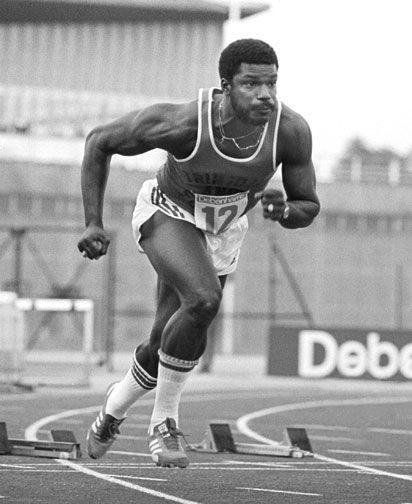
Sport
Inspired Caribbean athletics through international sprinting success and Olympic achievement.
Places to Explore
Discover landscapes, cities, landmarks, and locations that help tell the story of Saint Vincent and the Grenadines.
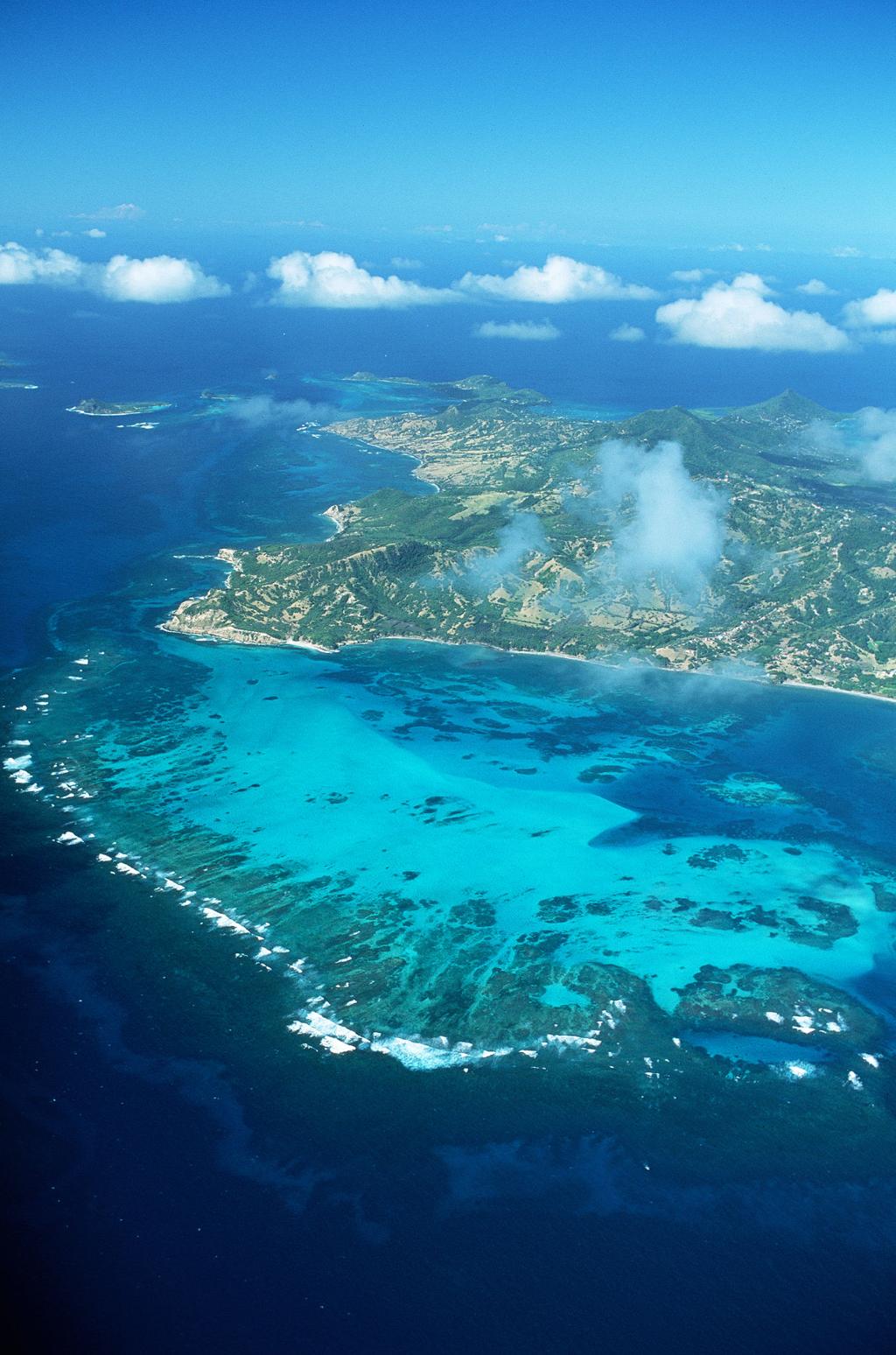
Marine Nature
The Tobago Cays are famous for turquoise waters, coral reefs, sea turtles, sailing boats, and tropical Caribbean marine life.
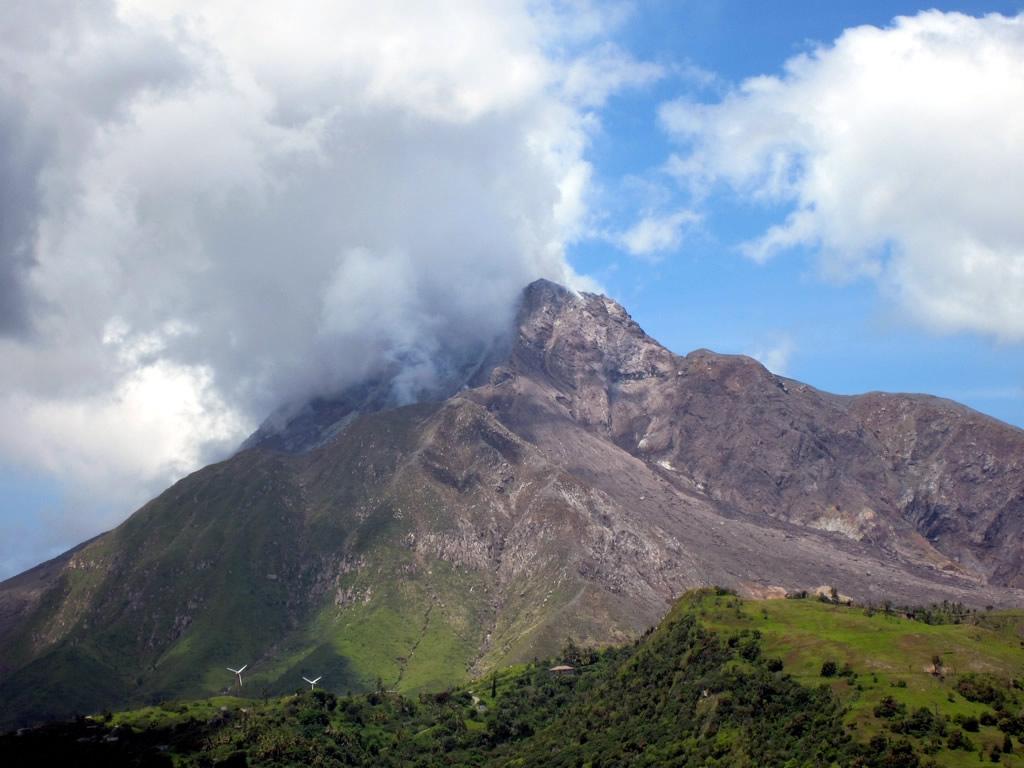
Volcano
La Soufrière volcano became one of the Caribbean’s most dramatic volcanic landmarks and offers mountain views, rainforest trails, and volcanic landscapes.
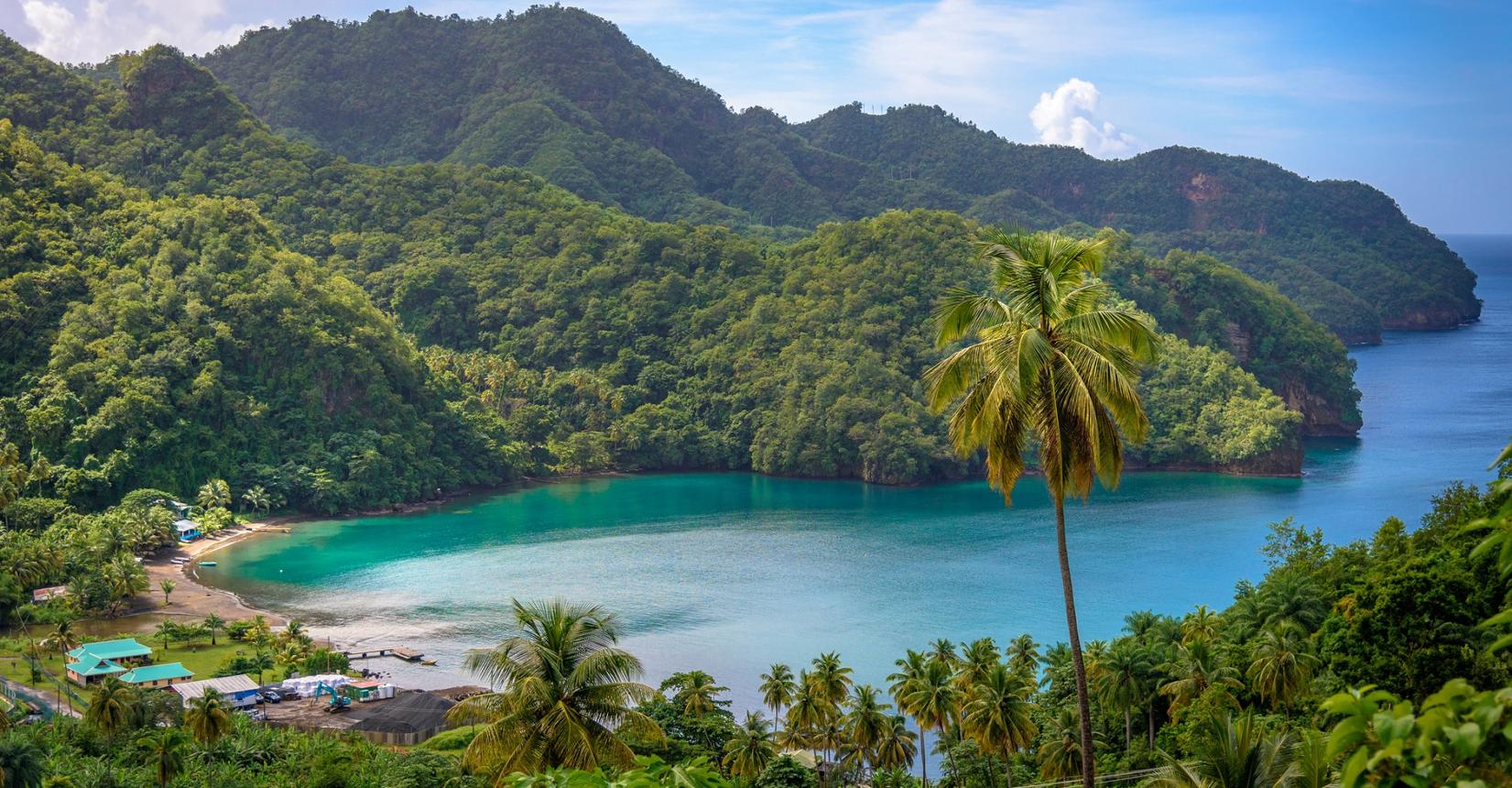
Film Location
Wallilabou Bay became internationally recognised after being used as a filming location for the Pirates of the Caribbean movies.
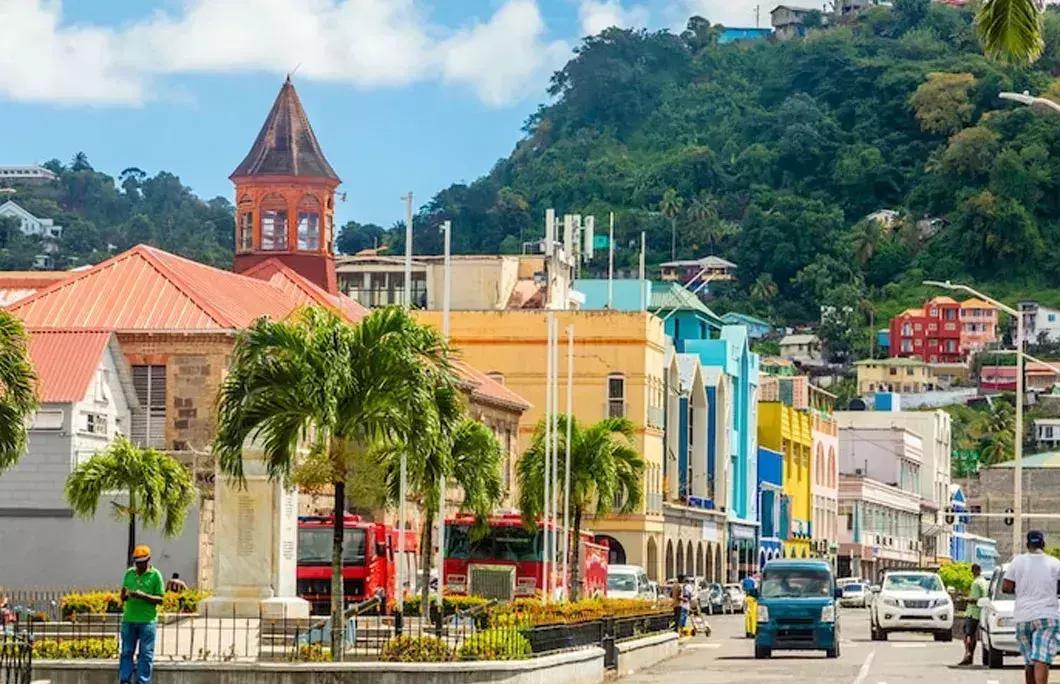
Capital City
Kingstown is the capital city of Saint Vincent and the Grenadines and became known for colonial buildings, markets, harbours, and Caribbean trade routes.
Saint Vincent and the Grenadines is made up of multiple Caribbean islands.
The Tobago Cays became famous for sailing and coral reefs.
La Soufrière is an active volcano on Saint Vincent.
Wallilabou Bay was used in Pirates of the Caribbean filming.
The Saint Vincent Parrot is found only on the island.