Capital
Kingston
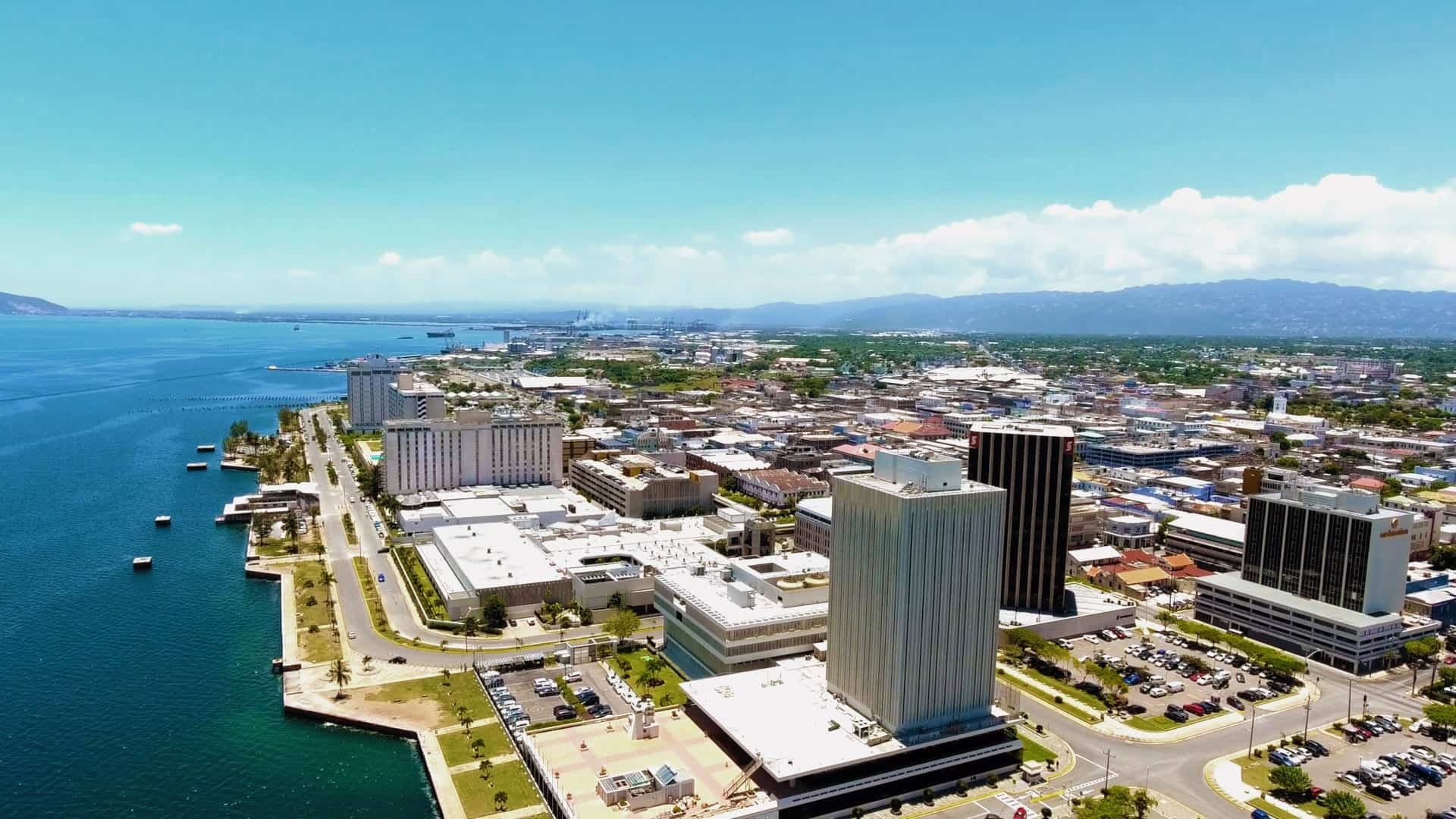
Kingston is the capital city of Jamaica and an important centre for music, culture, and Caribbean history.
Capital
Caribbean Region
Jamaica is known around the world for music, athletics, storytelling, food, and cultural identity.
Capital
Kingston
Population
2.8 million
Languages
English, Jamaican Patois
Currency
Jamaican Dollar
Cultural Overview
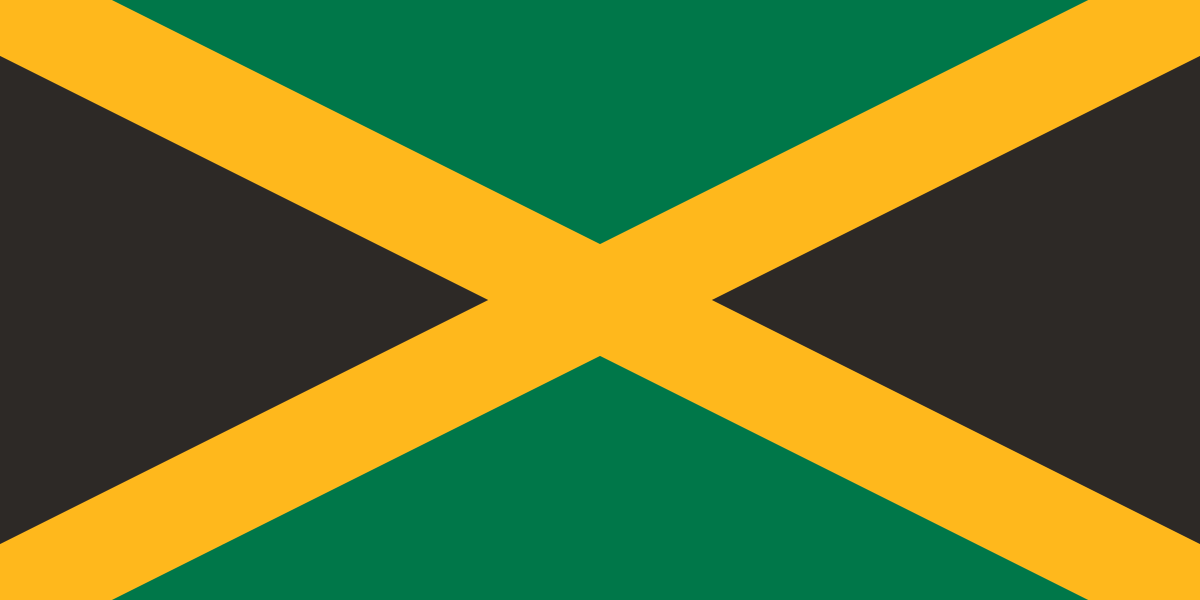
From reggae music and Carnival celebrations to the Blue Mountains and powerful history of resistance, Jamaica has had a huge global cultural impact far beyond its size.
Fact File
Explore the capital city, food, wildlife, and culture through images and short fact-file summaries.
Kingston is the capital city of Jamaica and an important centre for music, culture, and Caribbean history.
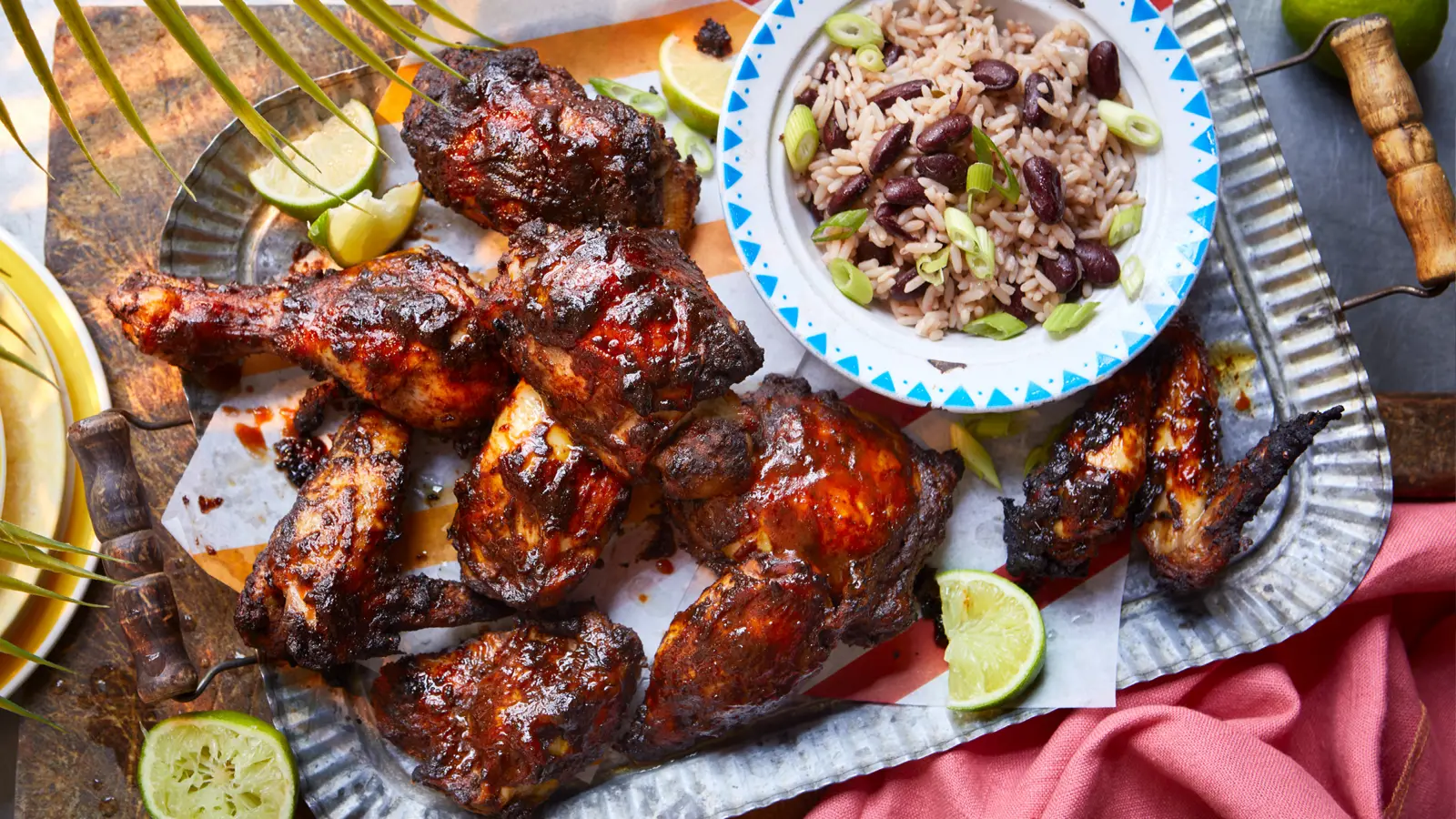
Jerk cooking is one of Jamaica’s most famous food traditions, using spices, smoky flavours, and slow cooking methods.
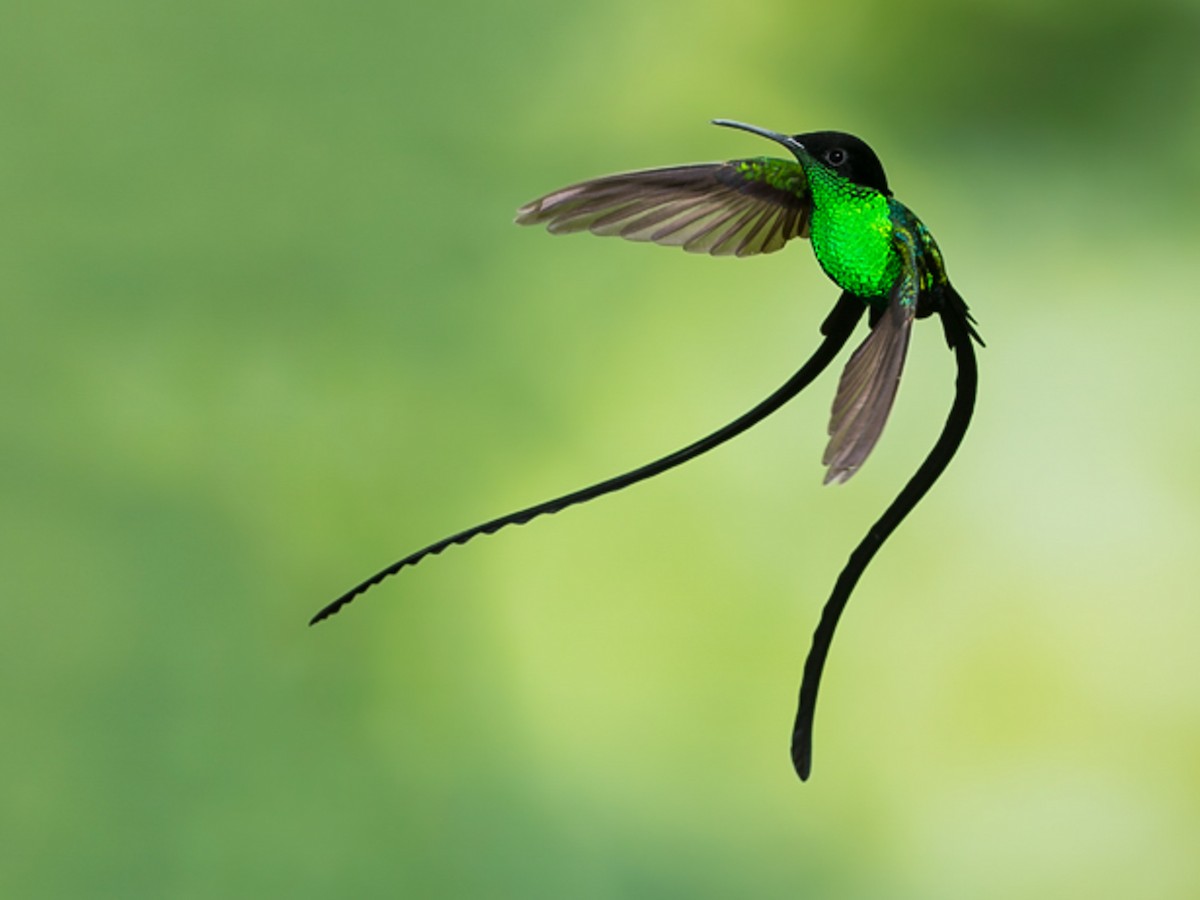
The Doctor Bird is Jamaica’s national bird and is known for its colourful feathers and fast movement.
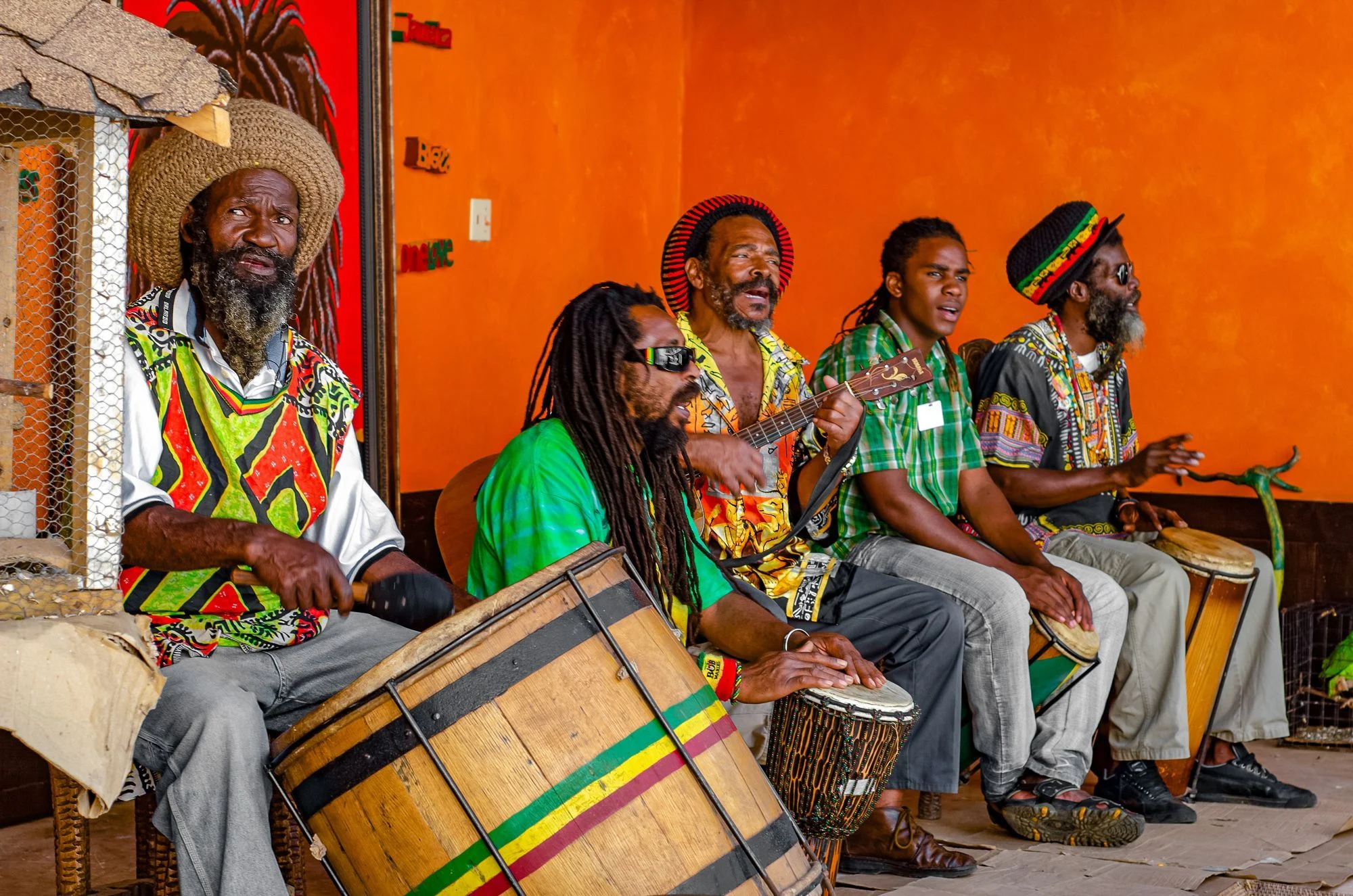
Jamaican culture has influenced music, fashion, sport, language, and storytelling around the world.
Historical Timeline
Explore the people, resistance movements, music, identity, and major events that helped shape modern Jamaica.
Before 1494
Before European arrival, Jamaica was home to the Taíno people who lived through farming, fishing, and trade across the Caribbean.
Before 1494
Caribbean islands were connected through trade routes, movement, and shared cultural traditions long before European arrival.
1494
Christopher Columbus arrived in Jamaica during Spanish exploration of the Caribbean.
1509–1655
Spain controlled Jamaica and established settlements while forcing Indigenous populations into harsh conditions.
1655
Britain captured Jamaica from Spain and expanded plantation systems across the island.
1600s–1700s
Large plantations were built to grow sugar crops, creating wealth for European powers while relying on enslaved labour.
1600s–1800s
Thousands of enslaved Africans were forced to work on plantations. Resistance movements and Maroon communities fought against slavery.
1700s
Escaped enslaved Africans formed Maroon communities in Jamaica’s mountains and resisted British control.
1838
Slavery officially ended in Jamaica after years of resistance, rebellion, and abolition movements.
1962
Jamaica became an independent nation, developing its own government and national identity.
1960s–1970s
Reggae music became globally influential through artists like Bob Marley, spreading Jamaican culture worldwide.
1962–Present
Jamaica continues to influence the world through music, athletics, food, language, and culture.
Research Gap
There are many important stories and people not included in this timeline.
🔍 Can you research and add another important event from Jamaican history?
Influential Figures
Explore influential people who helped shape the country through music, leadership, sport, activism, and culture.
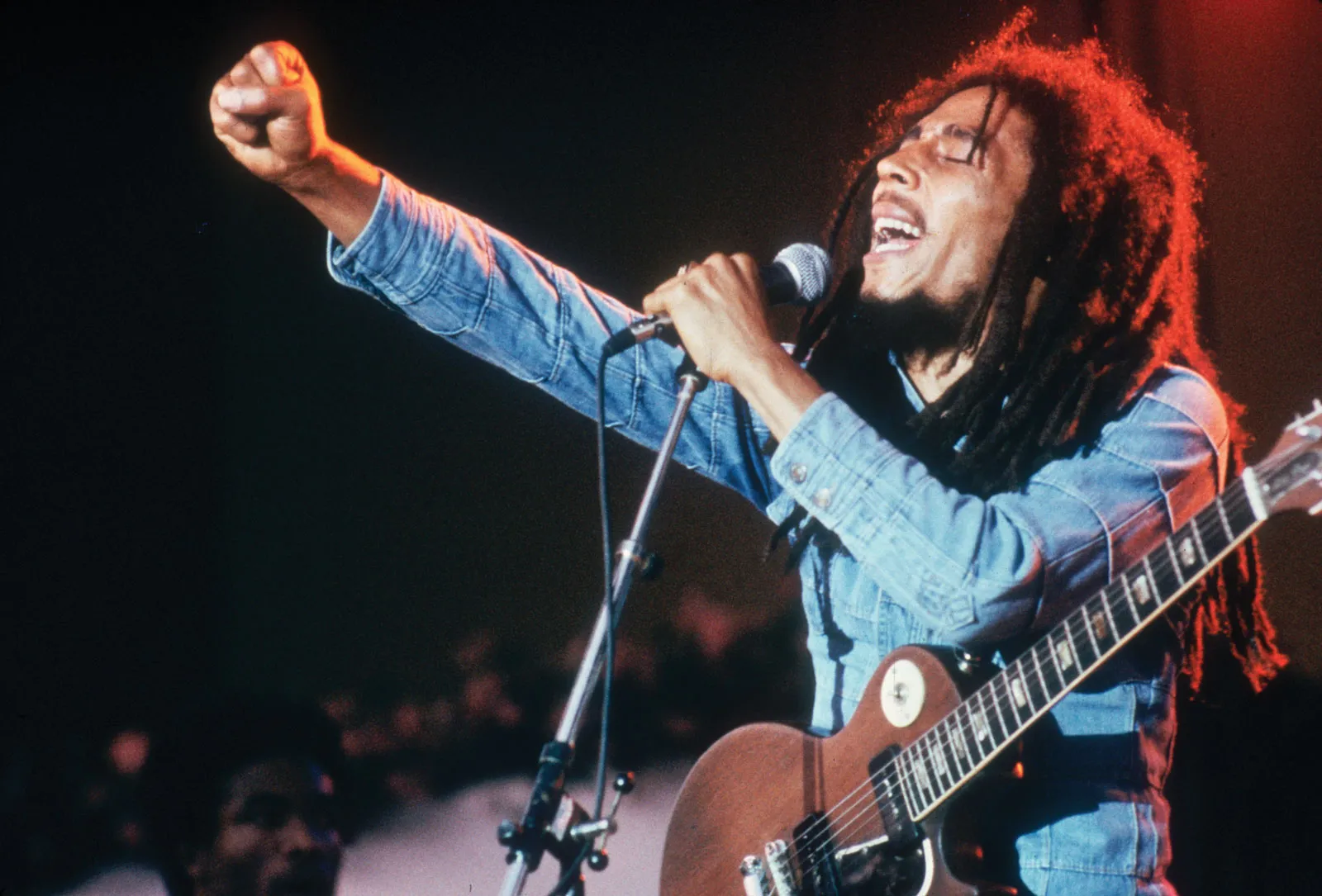
Music
Helped spread reggae music around the world and became a global symbol of Jamaican culture, peace, and identity.
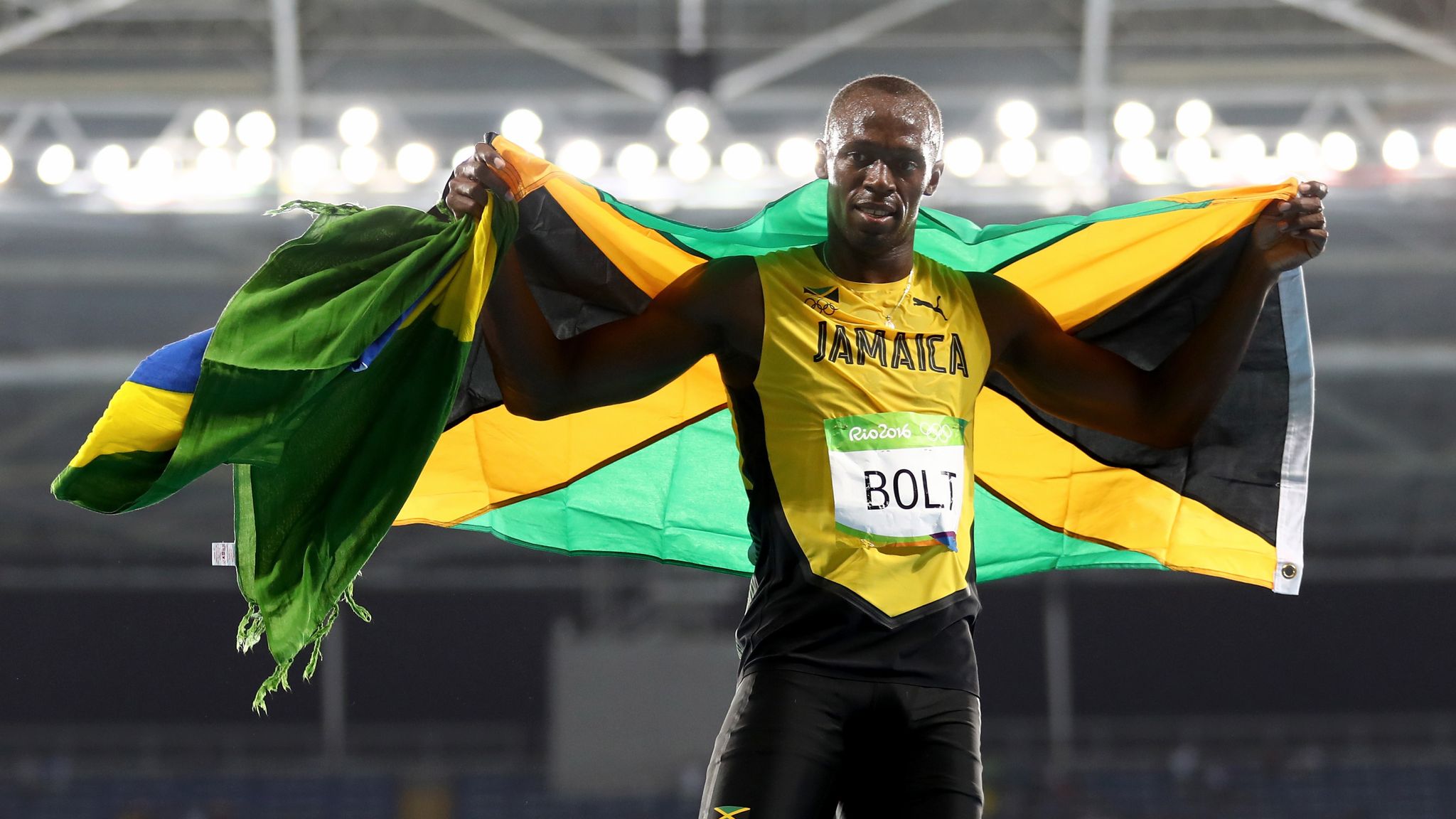
Sport
Became one of the fastest sprinters in history and inspired millions through athletics, confidence, and national pride.
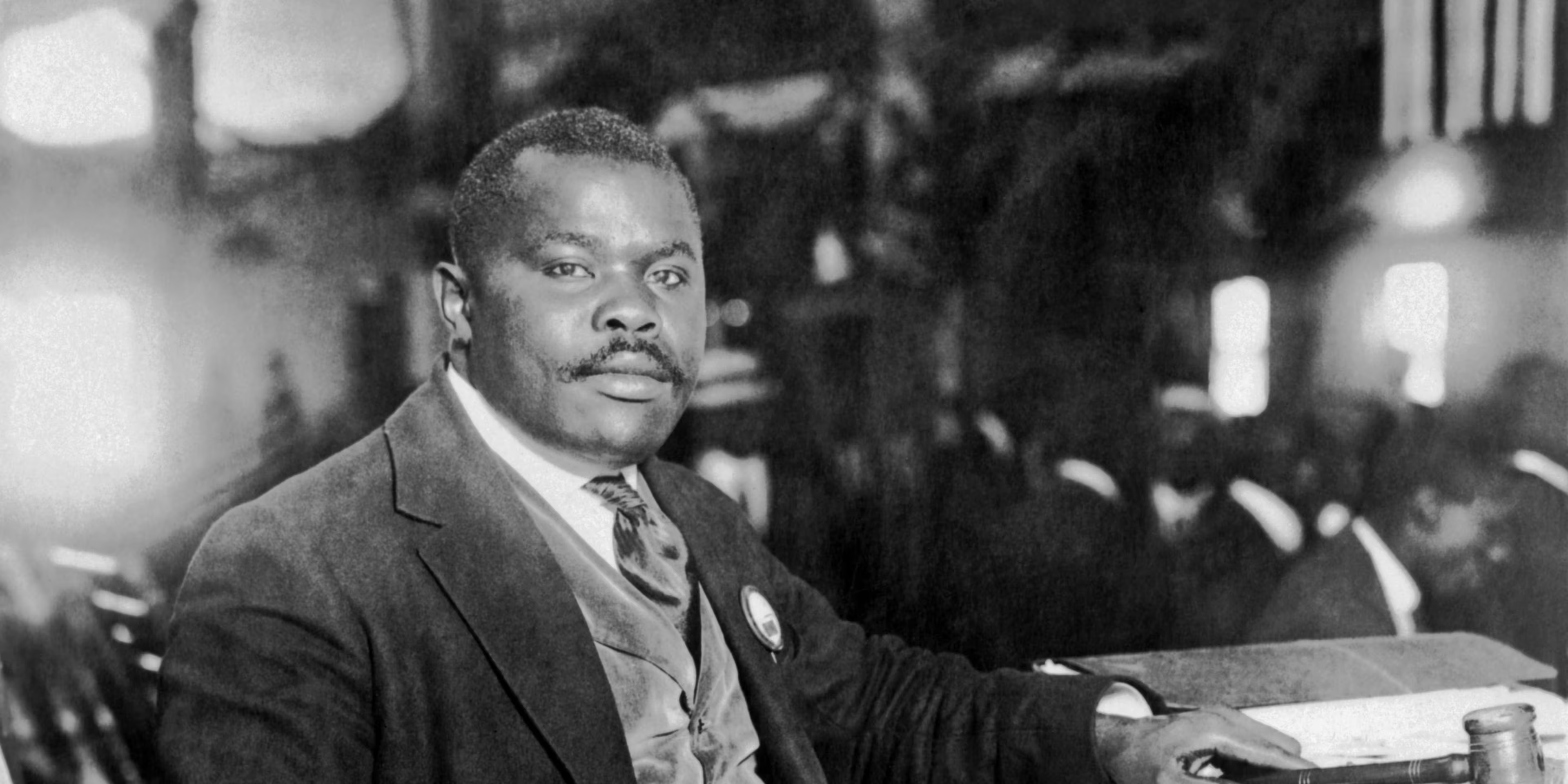
Leadership
Promoted Black pride, unity, and empowerment through activism and political movements that influenced people around the world.
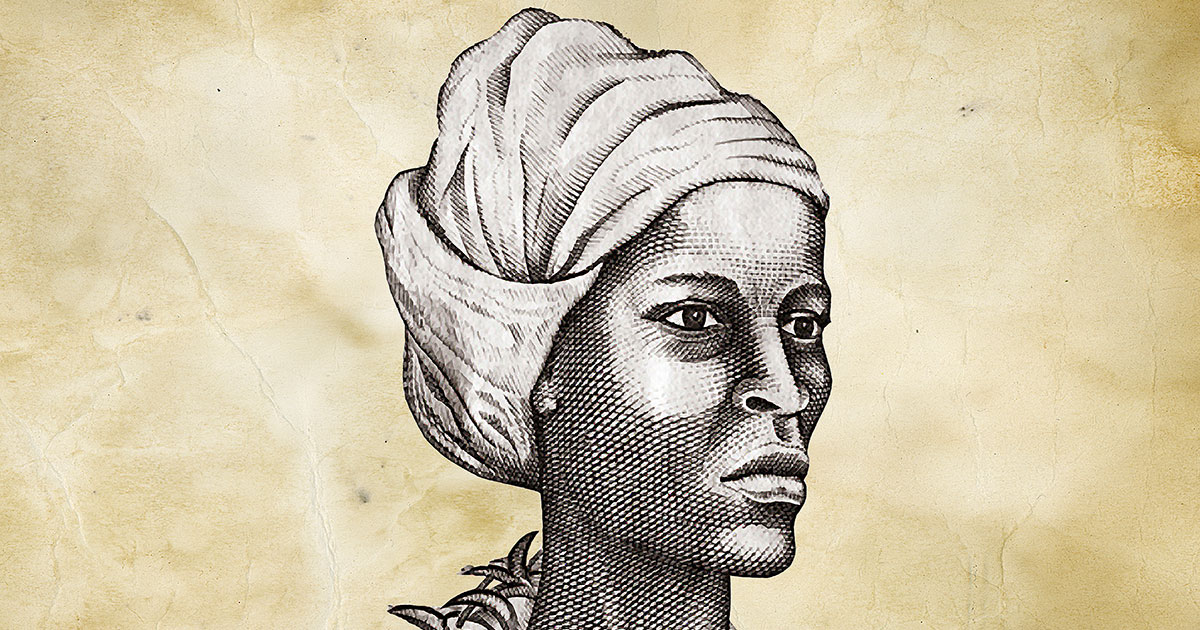
Resistance
Led resistance movements against slavery and became one of Jamaica’s most important national heroes.
Places to Explore
Discover landscapes, cities, landmarks, and locations that help tell the story of Jamaica.
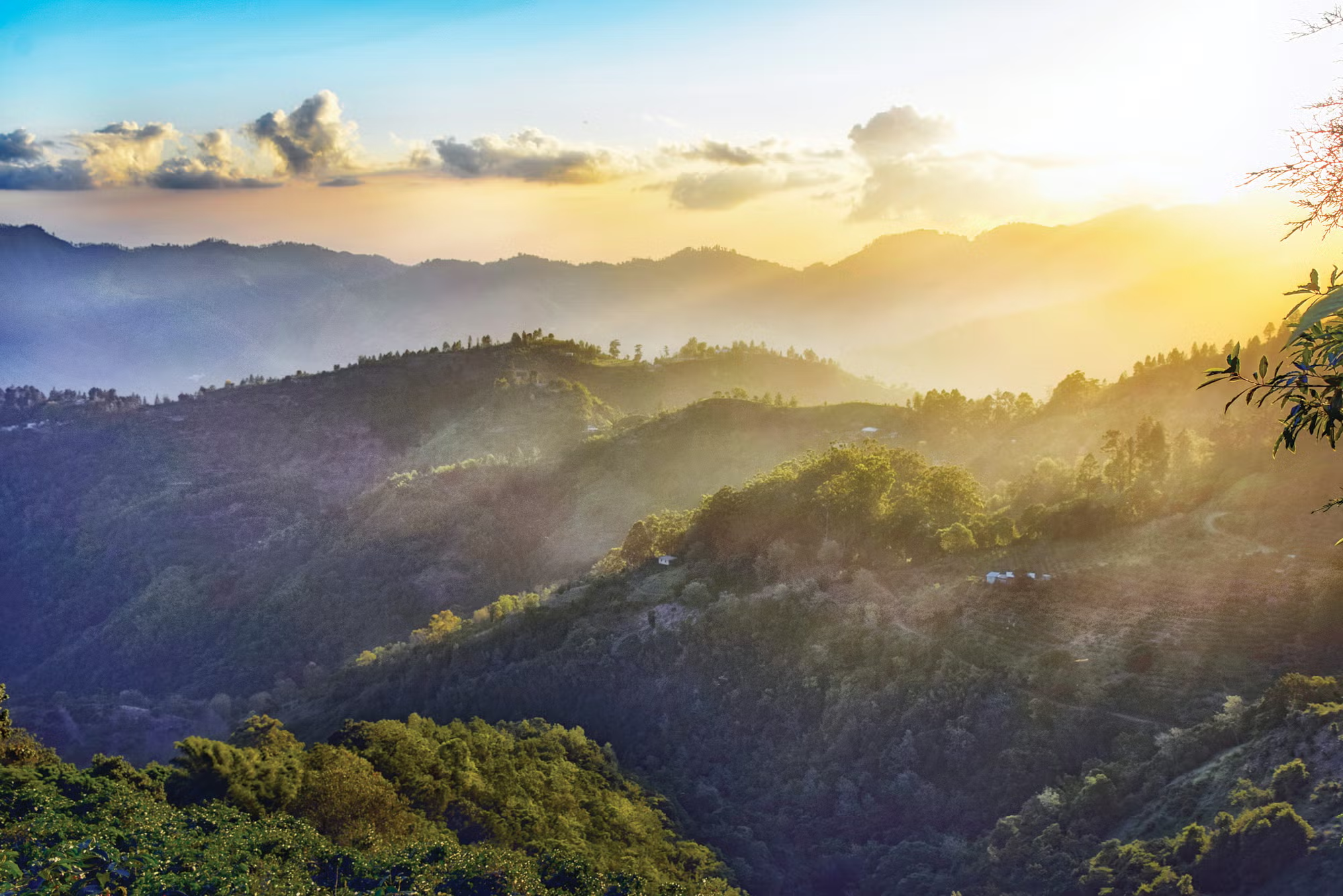
Nature
The Blue Mountains are famous for their forests, hiking trails, coffee farming, and beautiful views across Jamaica.
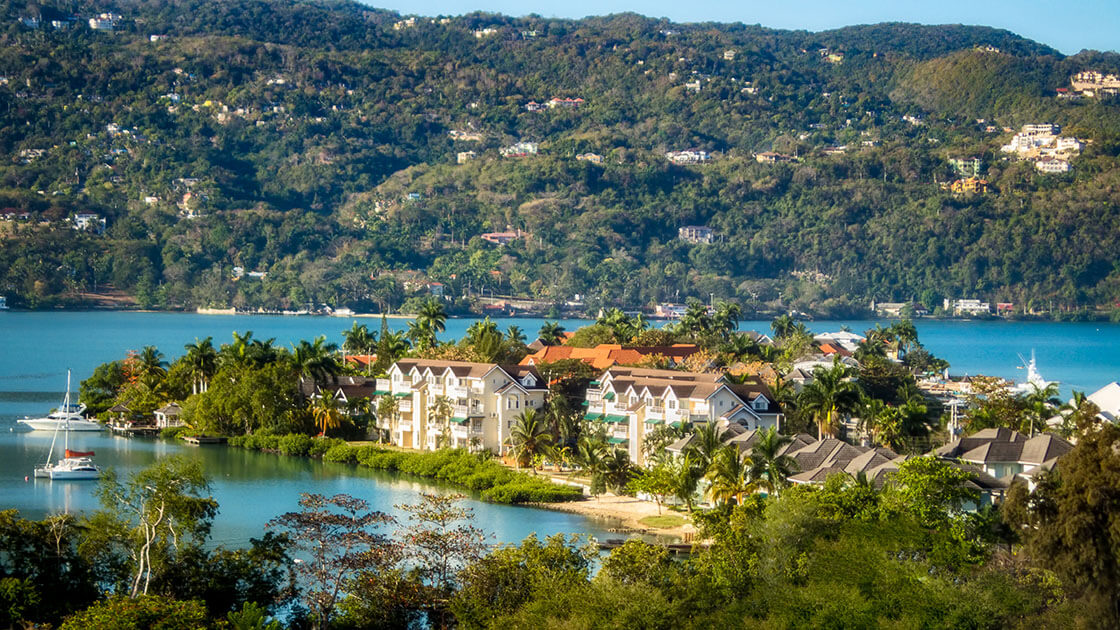
Capital City
Kingston is Jamaica’s capital city and an important centre for music, history, art, and Caribbean culture.
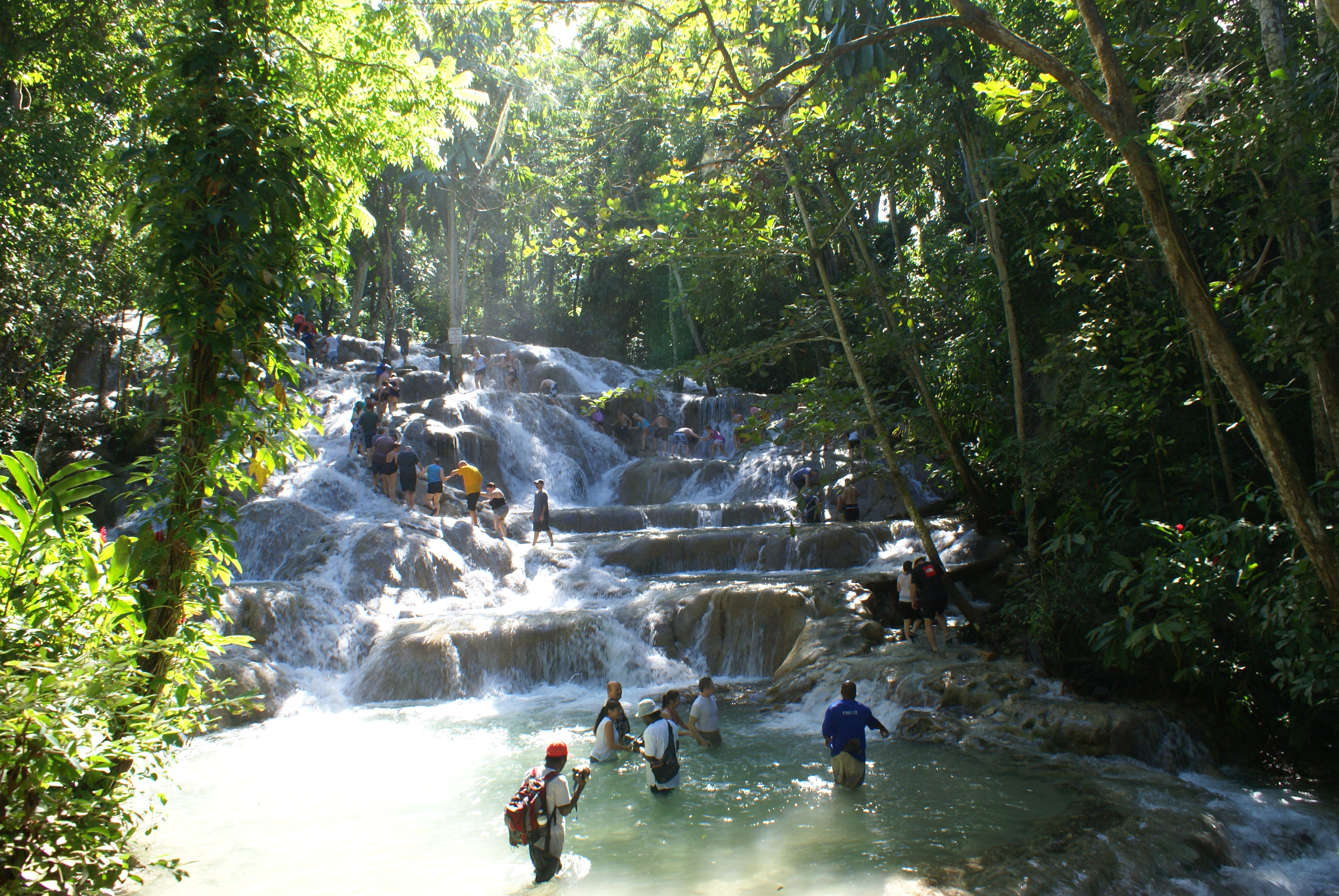
Landmark
Dunn’s River Falls is one of Jamaica’s most famous natural landmarks with waterfalls flowing into the Caribbean Sea.
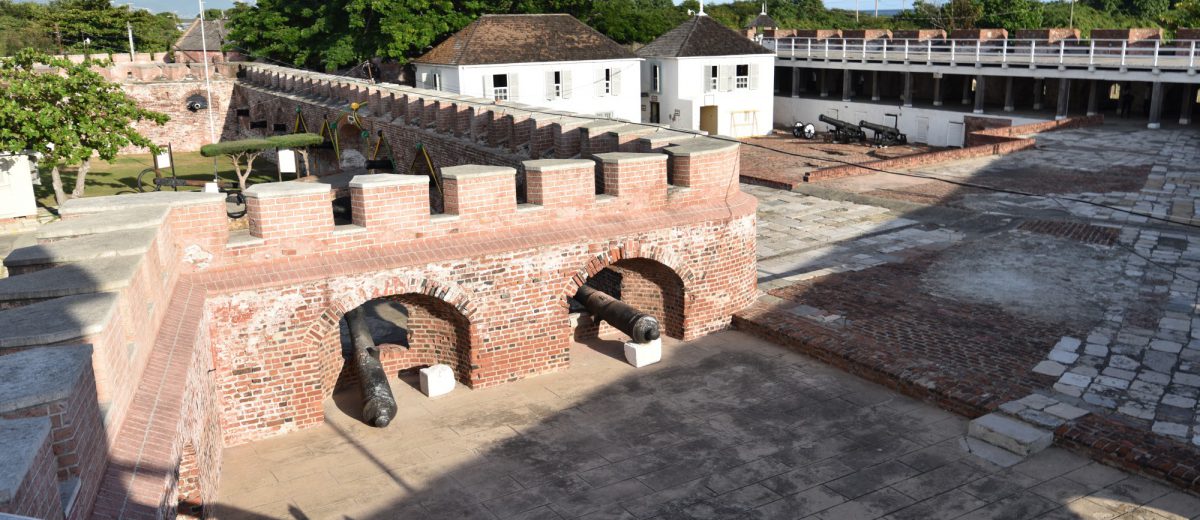
History
Port Royal was once an important trading port known for piracy, trade, and colonial history in the Caribbean.