Caribbean Region

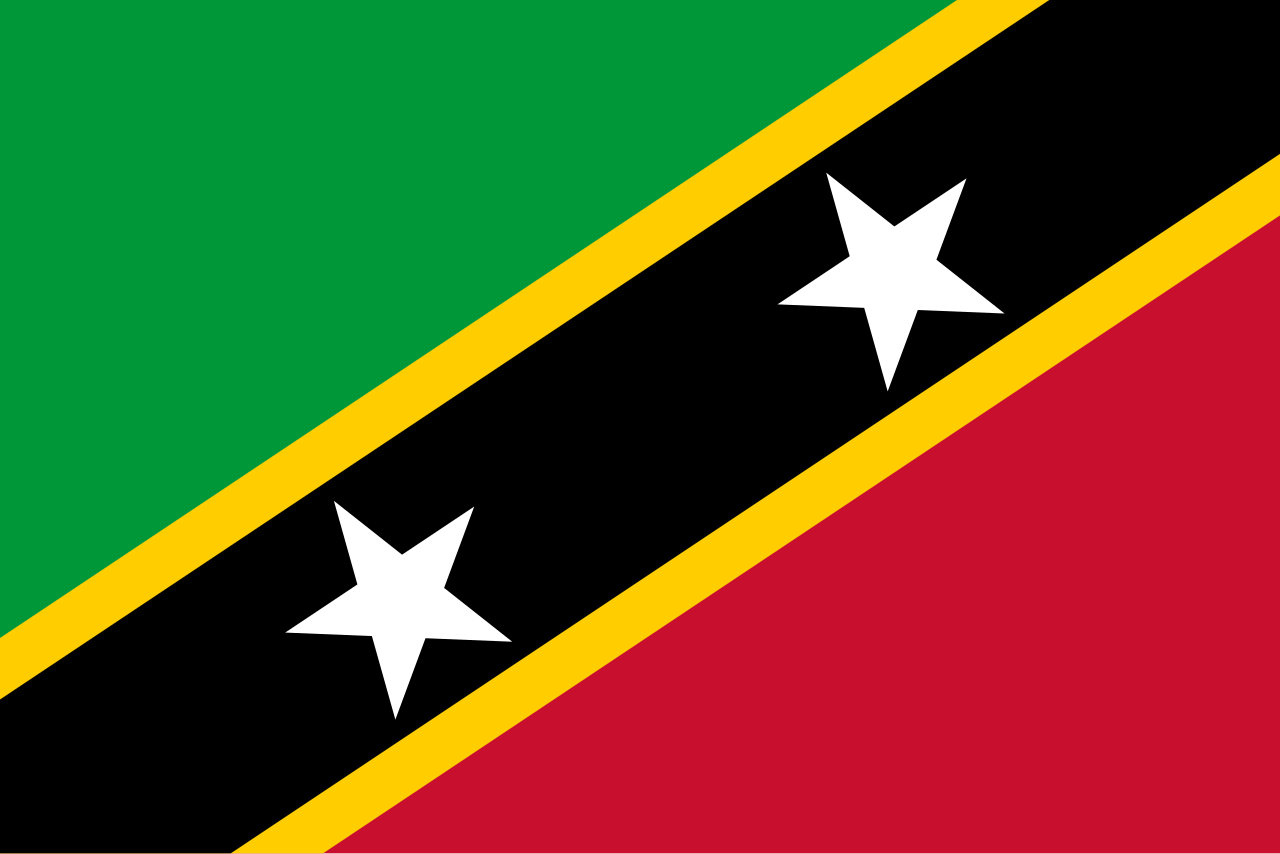
🇰🇳 Saint Kitts and Nevis

Saint Kitts and Nevis is known for volcanic mountains, railway history, Caribbean beaches, cricket culture, and one of the oldest colonial settlements in the Caribbean.

VolcanoesSugar HistoryCricketCarnivalCaribbean Culture
Saint Kitts and Nevis

Capital

Basseterre

Population

48,000

Languages

English

Currency

East Caribbean Dollar

Cultural Overview

The story of Saint Kitts and Nevis

Saint Kitts and Nevis is made up of two volcanic Caribbean islands shaped by African heritage, British colonial history, sugar plantations, music, festivals, and coastal traditions. The country became important during the colonial sugar trade and later developed a strong cultural identity connected to Carnival, cricket, tourism, and island life.

VolcanoesSugar HistoryCricketCarnivalCaribbean Culture

Fact File

Learn about Saint Kitts and Nevis

Explore the capital city, food, wildlife, and culture through images and short fact-file summaries.

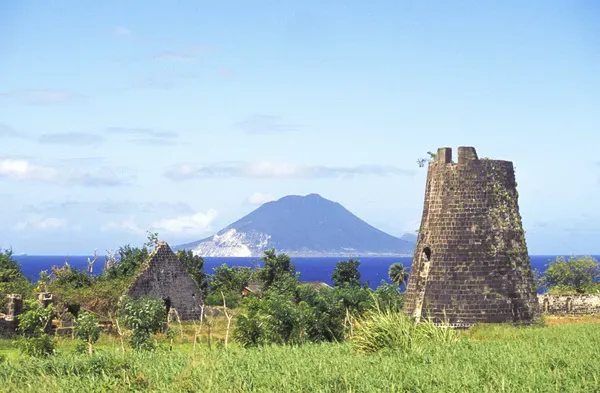
Sugar Plantation History in Saint Kitts and Nevis
History

Sugar Plantation History

Saint Kitts became one of the Caribbean’s earliest British colonies and developed large sugar plantations worked by enslaved Africans. Sugar production shaped the country’s economy, culture, and colonial history for centuries.

History
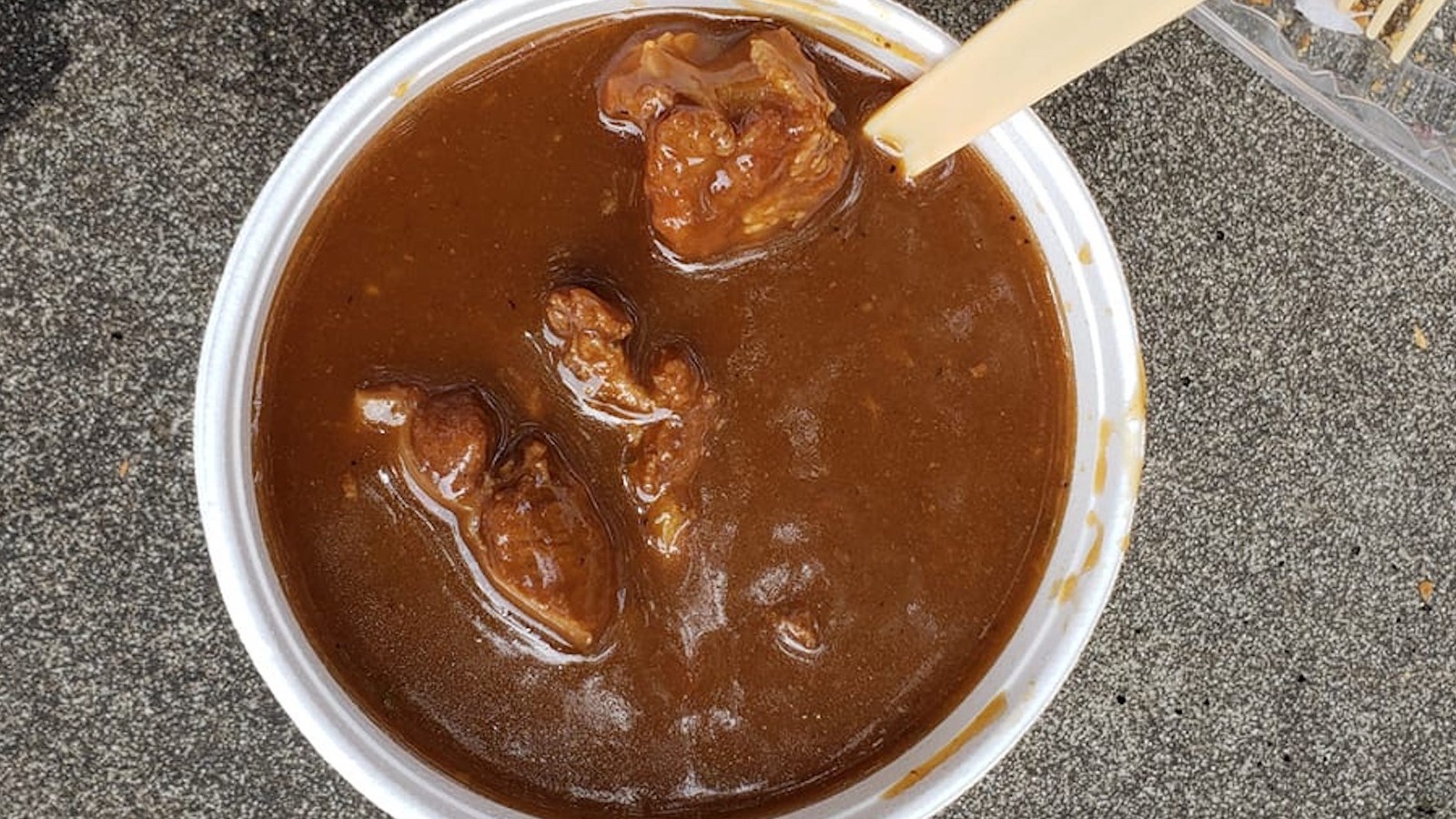
Goat Water in Saint Kitts and Nevis
Food

Goat Water

Goat water is a traditional stew made using meat, spices, vegetables, and bread. The dish became an important part of local food traditions across Saint Kitts and Nevis.

Food
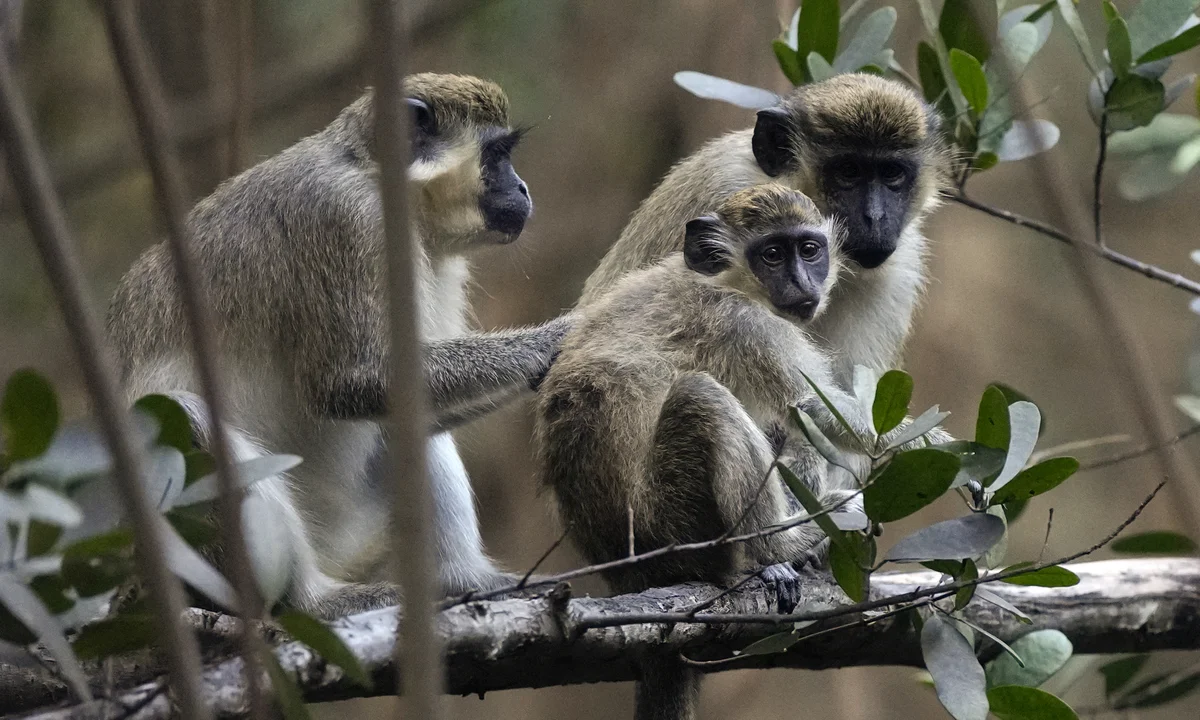
Vervet Monkeys in Saint Kitts and Nevis
Wildlife

Vervet Monkeys

Green vervet monkeys live across Saint Kitts and Nevis after originally being brought to the Caribbean centuries ago. They later became one of the islands’ most recognisable animals.

Wildlife
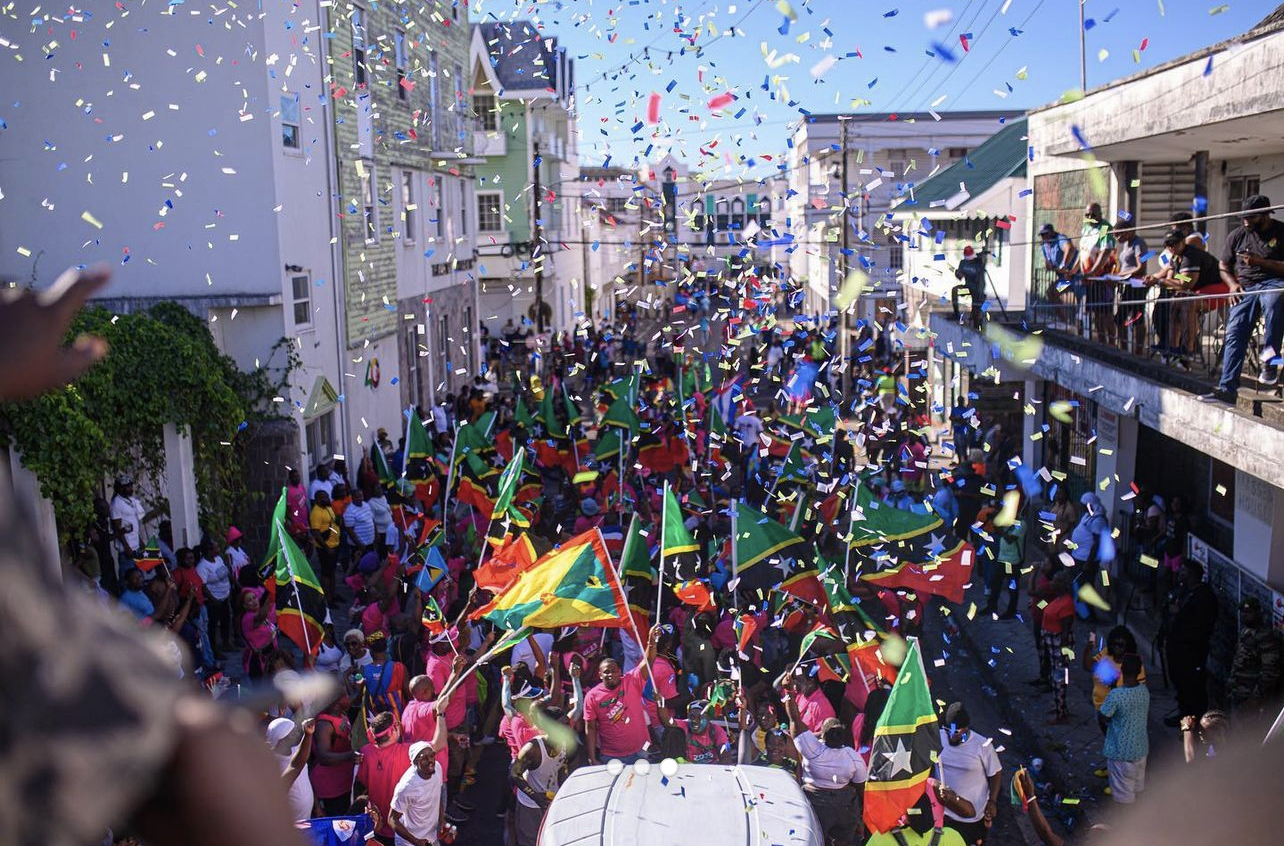
Sugar Mas Festival in Saint Kitts and Nevis
Culture

Sugar Mas Festival

Sugar Mas is the country’s major Carnival celebration and includes music, dancing, steelpan performances, colourful costumes, and Caribbean cultural traditions.

Culture

Historical Timeline

The Story of Saint Kitts and Nevis

Explore the people, resistance movements, music, identity, and major events that helped shape modern Jamaica.

  • Before 1493

    🛶

    Indigenous Peoples

    Before European arrival, Saint Kitts and Nevis were home to Indigenous Caribbean communities who lived through farming, fishing, and trade.

    • How were Caribbean islands connected?
    • Why is Indigenous history important?
  • 1493

    🚢

    European Contact

    Christopher Columbus sighted Saint Kitts during his second voyage to the Caribbean.

    • Why were Europeans exploring the Caribbean?
    • How did exploration affect island communities?
  • 1623

    🏴

    Britain Establishes a Colony

    Saint Kitts became one of the earliest British colonies in the Caribbean and played an important role in later British expansion.

    • Why was Saint Kitts important to Britain?
    • How can colonies influence wider history?
  • 1625

    🇫🇷

    French Settlement

    French settlers also established communities on Saint Kitts, leading to periods of cooperation and conflict with Britain.

    • Why did different countries compete for Caribbean islands?
    • How can rivalry shape history?
  • 1600s–1800s

    🌾

    Sugar Plantations

    Sugar plantations became the foundation of the economy and relied heavily on enslaved African labour.

    • Why was sugar valuable?
    • Who benefited and who suffered?
  • 1713

    ⚔️

    British Control Confirmed

    Following European conflicts, Britain secured control of Saint Kitts, strengthening its position in the Caribbean.

    • Why were treaties important?
    • How can wars affect distant territories?
  • 1834

    🕊️

    Emancipation

    Slavery was abolished across the British Empire, changing life for thousands of people on Saint Kitts and Nevis.

    • What changed after emancipation?
    • What challenges remained?
  • 1958

    🤝

    West Indies Federation

    Saint Kitts and Nevis joined the West Indies Federation, an attempt to unite several Caribbean territories.

    • Why might countries work together in a federation?
    • What are the advantages and disadvantages of cooperation?
  • 1967

    📜

    Associated Statehood

    The islands gained greater control over their own affairs while continuing to move toward full independence.

    • Why might independence happen gradually?
    • What responsibilities come with self-government?
  • 1983

    🇰🇳

    Independence

    Saint Kitts and Nevis became an independent nation on 19 September 1983.

    • Why is independence important?
    • How do countries build national identity?
  • Research Gap

    What did we miss?

    There are many more stories connected to culture, sport, community life, and the unique relationship between Saint Kitts and Nevis.

    🔍 Can you research and add another important event from Saint Kitts and Nevis history?

Influential Figures

Influential People of Saint Kitts and Nevis

Explore influential people who helped shape the country through music, leadership, sport, activism, and culture.

Kim Collins
Sport

???

Sport

Became one of the Caribbean’s most successful sprinters and represented Saint Kitts and Nevis in international athletics competitions.

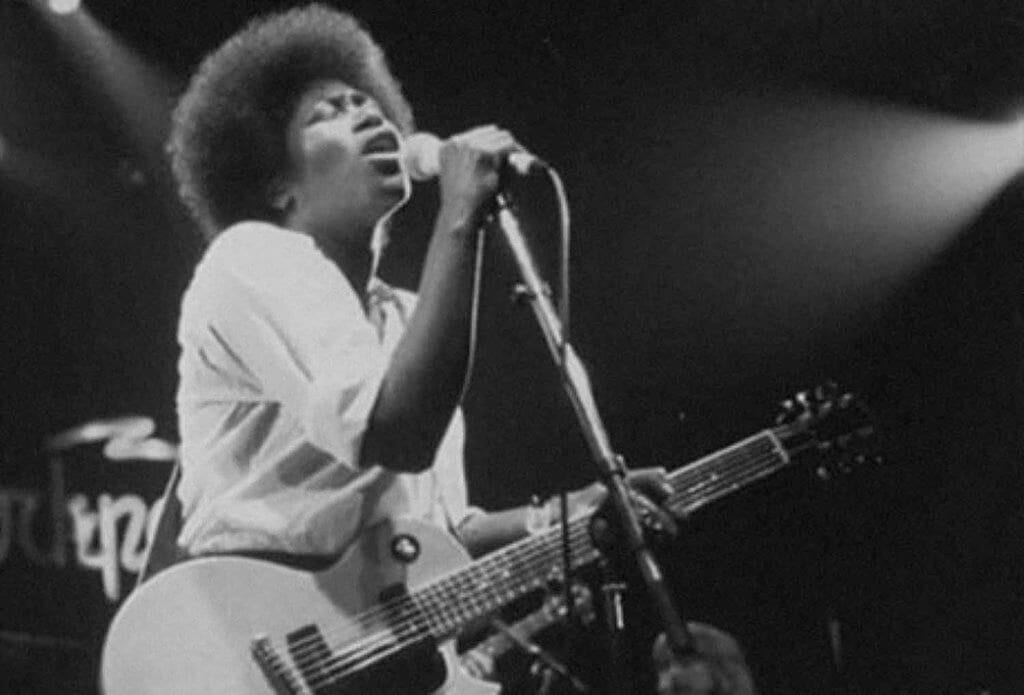
Joan Armatrading
Music

???

Music

Became internationally recognised for songwriting and music blending Caribbean roots with global musical influences.

Places to Explore

Explore Saint Kitts and Nevis

Discover landscapes, cities, landmarks, and locations that help tell the story of Saint Kitts and Nevis.

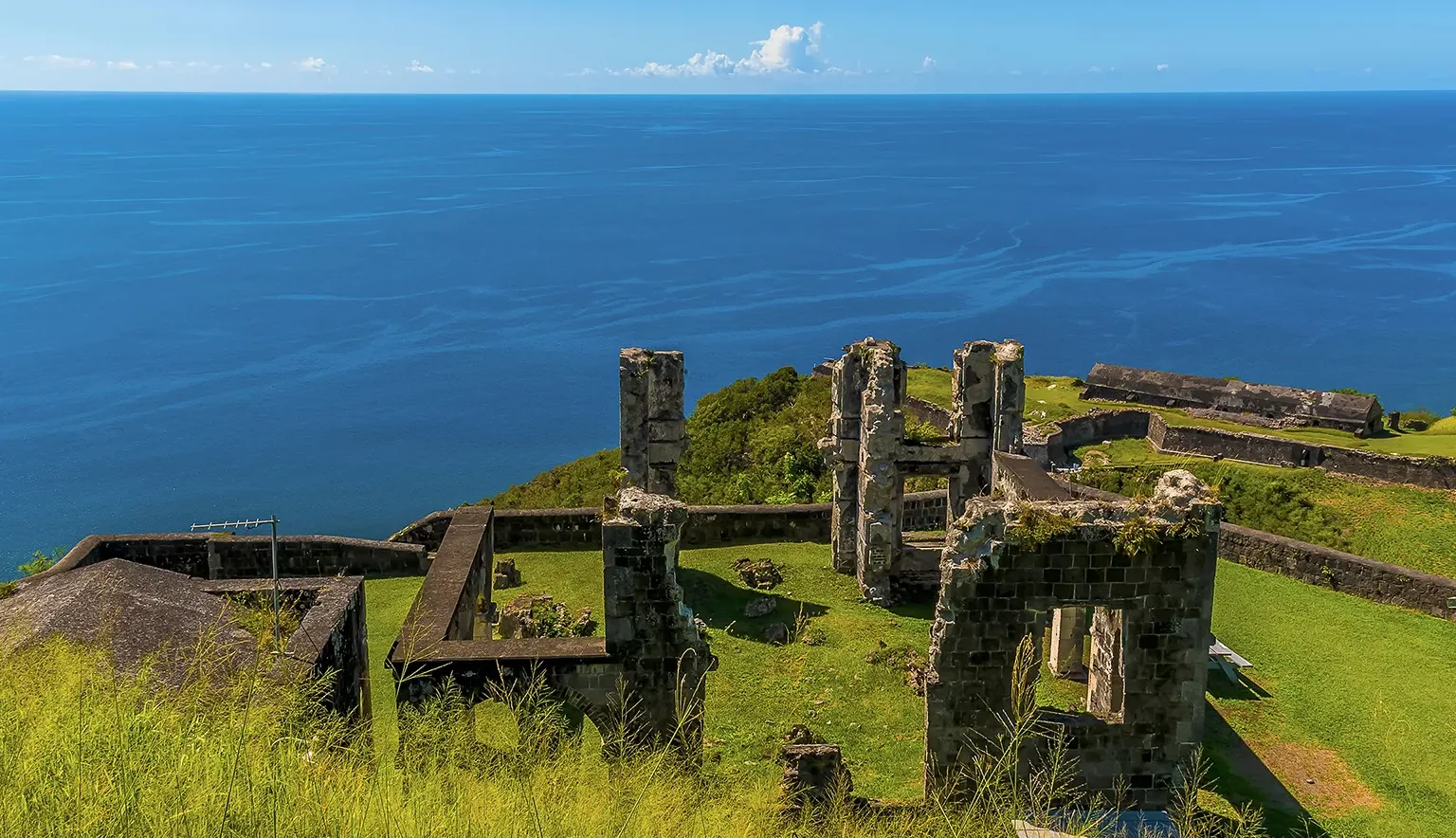
Brimstone Hill Fortress
History

History

Brimstone Hill Fortress

Brimstone Hill Fortress became one of the Caribbean’s most important military forts during the colonial period and is now recognised as a UNESCO World Heritage Site.

Mount Liamuiga
Volcano

Volcano

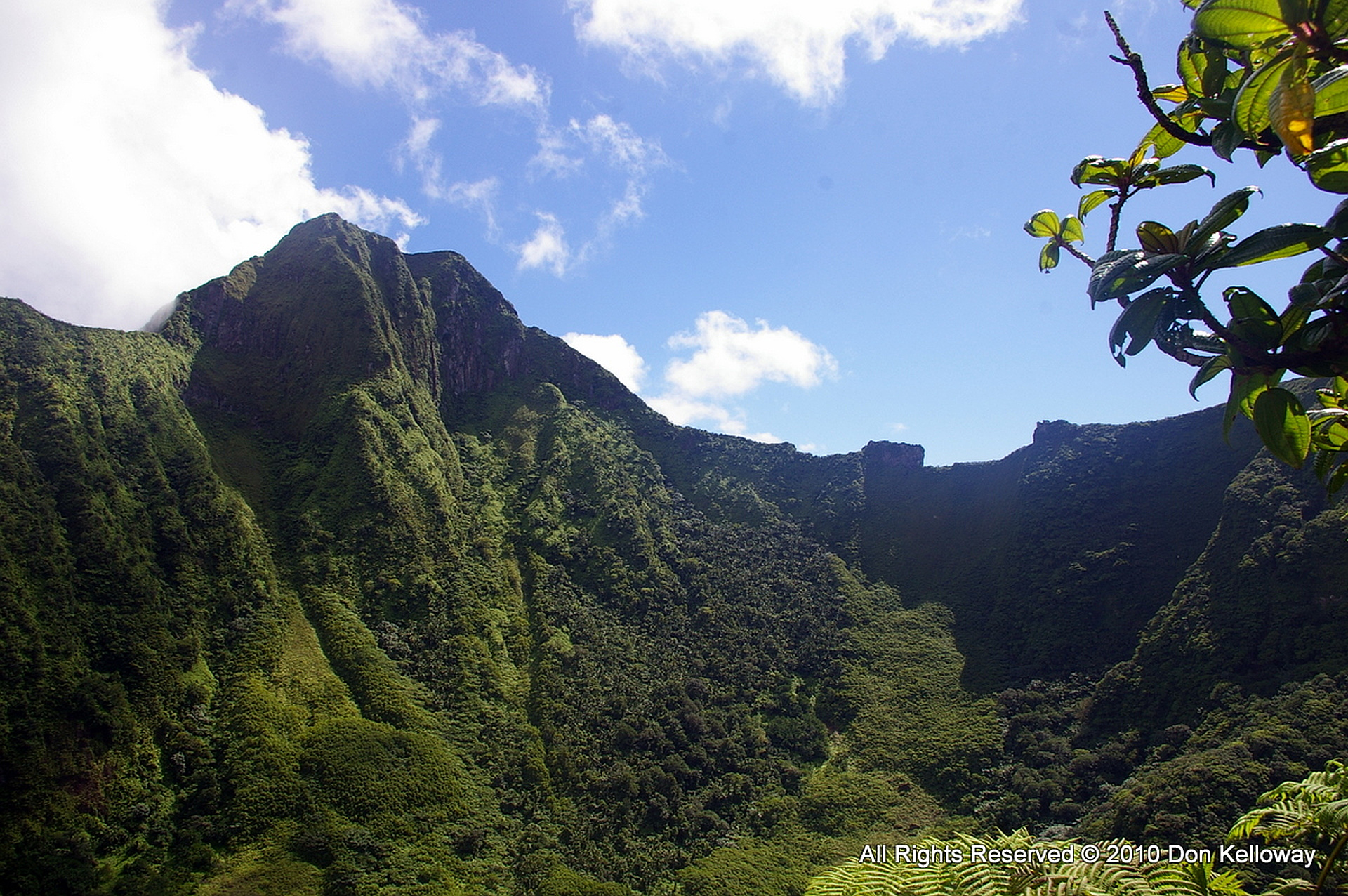
Mount Liamuiga

Mount Liamuiga is a dormant volcano surrounded by rainforest, hiking trails, and tropical wildlife on Saint Kitts.

Basseterre
Capital City

Capital City

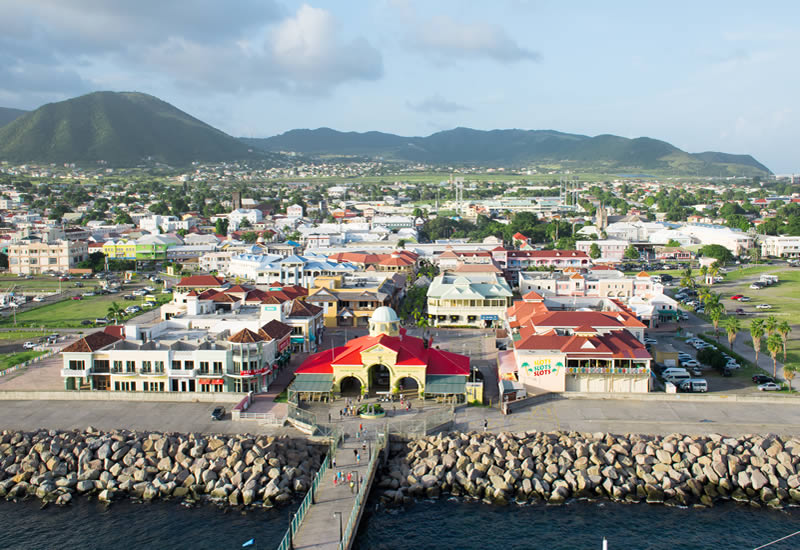
Basseterre

Basseterre is the capital city of Saint Kitts and Nevis and became an important colonial trading port connected to Caribbean shipping and sugar exports.

Saint Kitts Scenic Railway
Railway History

Railway History

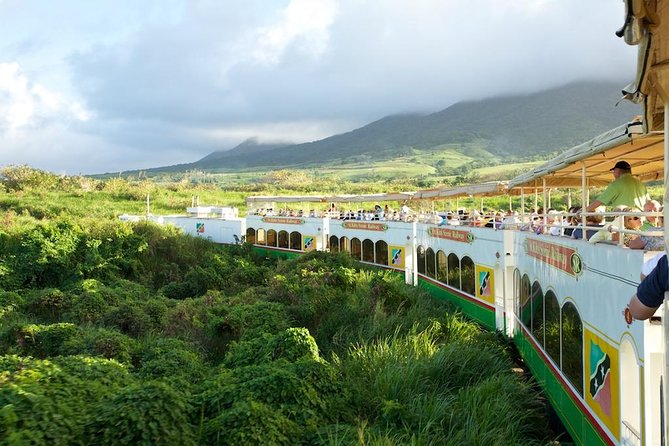
Saint Kitts Scenic Railway

The Saint Kitts Scenic Railway was originally built to transport sugar cane around the island before later becoming one of the Caribbean’s best-known railway tourist attractions.

Things We’ve Learned About Saint Kitts and Nevis

Saint Kitts and Nevis is the smallest sovereign state in the Americas by population.

The islands were shaped by volcanic activity and mountainous landscapes.

Sugar production played a major role in the country’s colonial history.

Vervet monkeys are commonly seen across Saint Kitts.

Brimstone Hill Fortress became one of the Caribbean’s most important colonial forts.