Caribbean Region

🇱🇨 Saint Lucia

Saint Lucia is known for volcanic mountains, Creole culture, rainforests, music, and the famous Pitons rising above the Caribbean Sea.

PitonsVolcanoesCreole CultureRainforestsCaribbean Sea
Saint Lucia

Capital

Castries

Population

180,000

Languages

English, Saint Lucian Creole French

Currency

East Caribbean Dollar

Cultural Overview

The story of Saint Lucia

Saint Lucia has a strong Caribbean identity shaped by African heritage, French and British colonial history, Creole traditions, music, fishing communities, and volcanic landscapes. The island became internationally recognised for the Pitons, tropical rainforests, artistic culture, and important literary figures such as Derek Walcott.

PitonsVolcanoesCreole CultureRainforestsCaribbean Sea

Fact File

Learn about Saint Lucia

Explore the capital city, food, wildlife, and culture through images and short fact-file summaries.

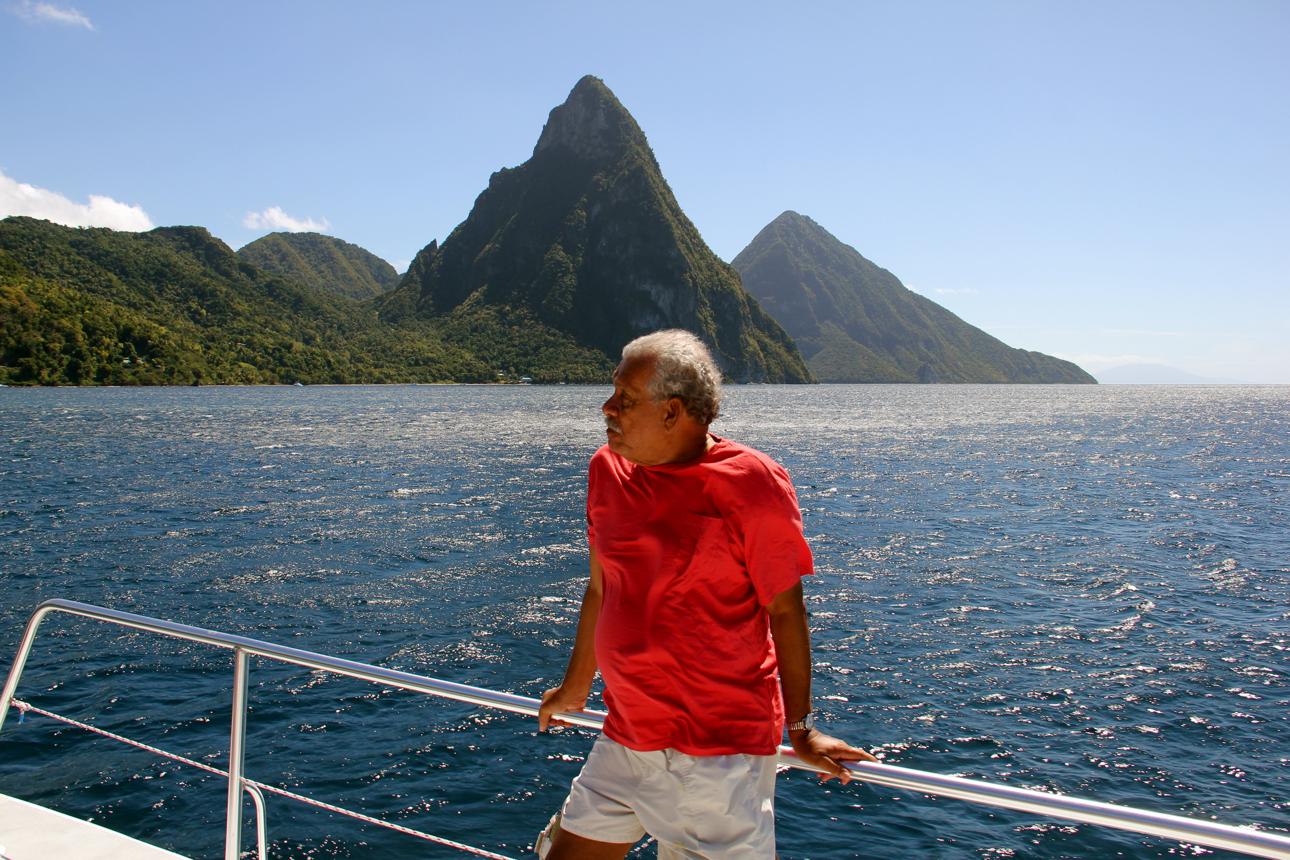
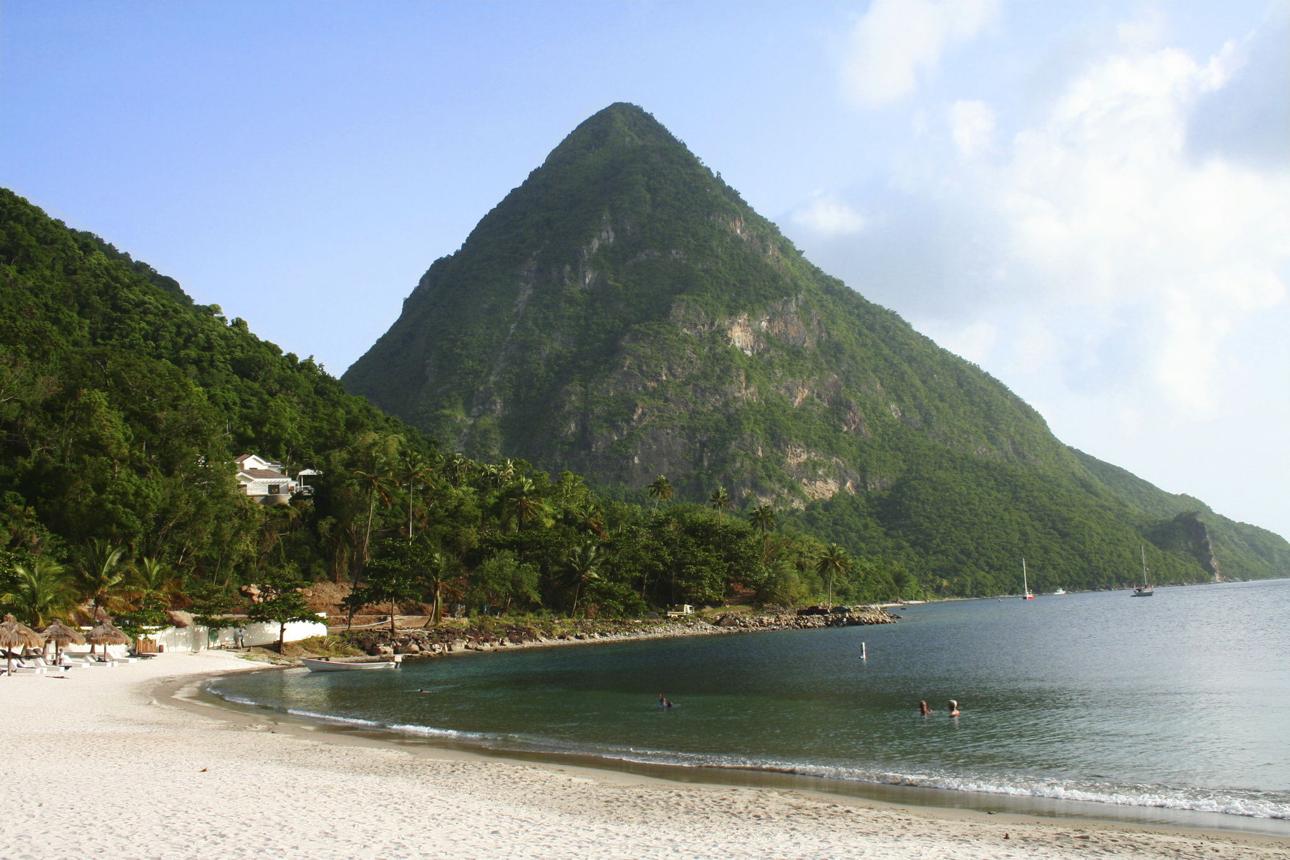
The Pitons in Saint Lucia
History

The Pitons

The Pitons are two volcanic mountains that became the most famous natural landmarks in Saint Lucia. The dramatic peaks rising beside the Caribbean Sea helped make the island internationally recognised for its volcanic landscapes and rainforest scenery.

History
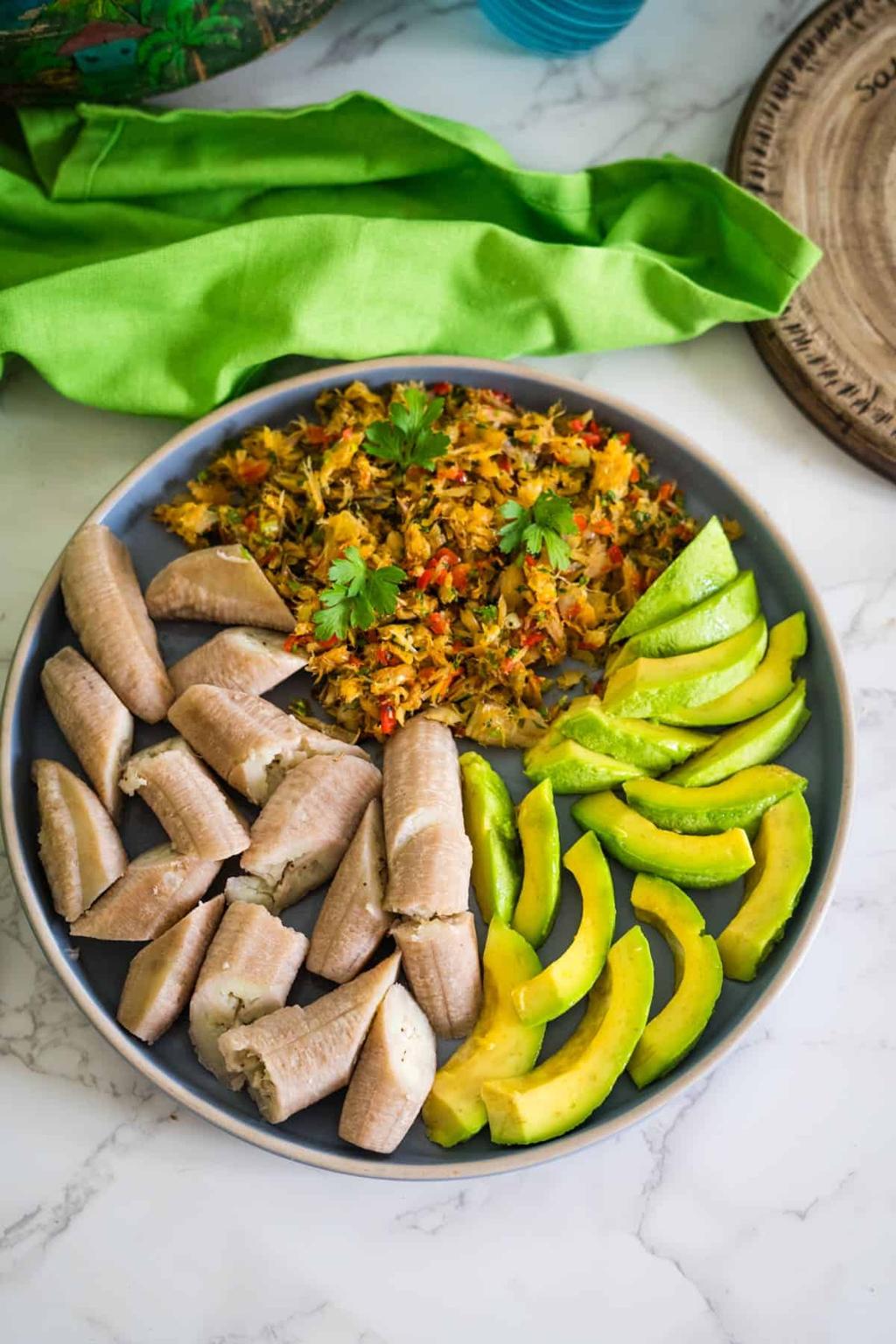
Green Fig and Saltfish in Saint Lucia
Food

Green Fig and Saltfish

Green fig and saltfish became one of Saint Lucia’s best-known traditional dishes using green bananas, salted fish, spices, and vegetables connected to Caribbean food traditions.

Food
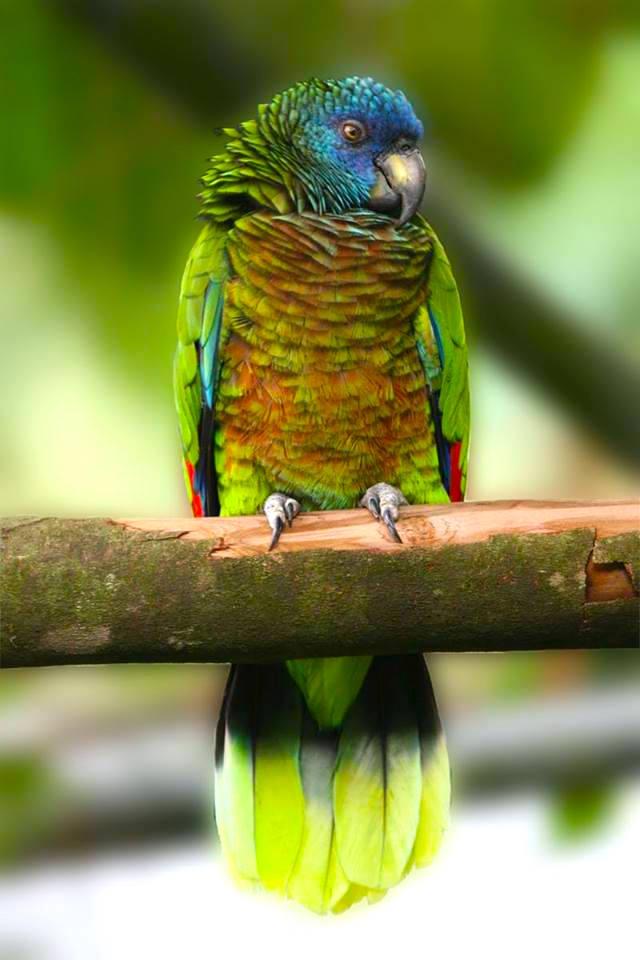
Saint Lucia Parrot in Saint Lucia
Wildlife

Saint Lucia Parrot

The Saint Lucia Parrot is a rare colourful bird found only on the island and became an important national symbol connected to rainforest conservation.

Wildlife
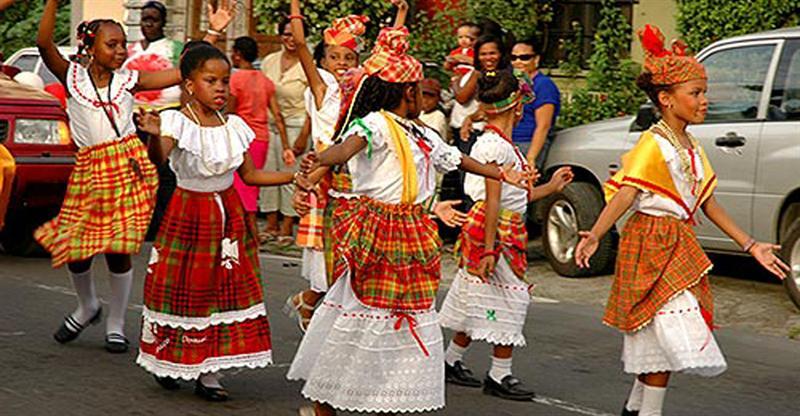
Jounen Kwéyòl in Saint Lucia
Culture

Jounen Kwéyòl

Jounen Kwéyòl celebrates Saint Lucian Creole culture through music, dancing, storytelling, traditional clothing, and Caribbean food traditions.

Culture

Historical Timeline

The Story of Saint Lucia

Explore the people, resistance movements, music, identity, and major events that helped shape modern Jamaica.

  • Before 1500

    🛶

    Indigenous Peoples

    Before European arrival, Saint Lucia was home to Indigenous Caribbean communities who fished, farmed, and travelled between islands.

    • How were Caribbean islands connected?
    • Why is Indigenous history important?
  • 1500s

    🚢

    European Contact

    European explorers began visiting Saint Lucia, bringing major changes to the Caribbean.

    • Why were Europeans exploring the Caribbean?
    • How did European arrival affect Indigenous communities?
  • 1600s–1700s

    ⚔️

    The Island of Many Battles

    Saint Lucia changed hands between France and Britain many times because of its strategic location and valuable harbours.

    • Why did countries compete for Caribbean islands?
    • Why was Saint Lucia strategically important?
  • 1700s–1800s

    🌾

    Sugar Plantations

    Plantation agriculture expanded, relying heavily on enslaved African labour.

    • Why was sugar valuable?
    • Who benefited from plantation systems?
  • 1814

    🏴

    British Control Confirmed

    Following years of conflict, Britain gained permanent control of Saint Lucia.

    • Why did control of Caribbean islands change so often?
    • How might people be affected by changes in government?
  • 1834

    🕊️

    Emancipation

    Slavery was abolished across the British Empire, bringing major social change to Saint Lucia.

    • What changed after emancipation?
    • What challenges still remained?
  • 1967

    📜

    Associated Statehood

    Saint Lucia gained greater control over its internal affairs while moving toward full independence.

    • Why do some countries gain independence gradually?
    • What responsibilities come with self-government?
  • 1979

    🇱🇨

    Independence

    Saint Lucia became an independent nation on 22 February 1979.

    • Why is independence important?
    • How do nations build identity?
  • 1992

    📚

    A Nobel Prize for Literature

    Poet Derek Walcott became one of Saint Lucia's most celebrated figures when he won the Nobel Prize in Literature.

    • How can literature influence the world?
    • Why are national role models important?
  • Present Day

    🌋

    Modern Saint Lucia

    Saint Lucia is known for its culture, tourism, music, sport, education, and the famous Pitons.

    • What makes Saint Lucia unique today?
    • How do geography and culture shape identity?
  • Research Gap

    What did we miss?

    There are many more stories connected to music, culture, Nobel Prize winners, and community life.

    🔍 Can you research and add another important event from Saint Lucia's history?

Influential Figures

Influential People of Saint Lucia

Explore influential people who helped shape the country through music, leadership, sport, activism, and culture.

Derek Walcott
Literature

???

Literature

Won the Nobel Prize in Literature and became one of the Caribbean’s most important poets and writers.

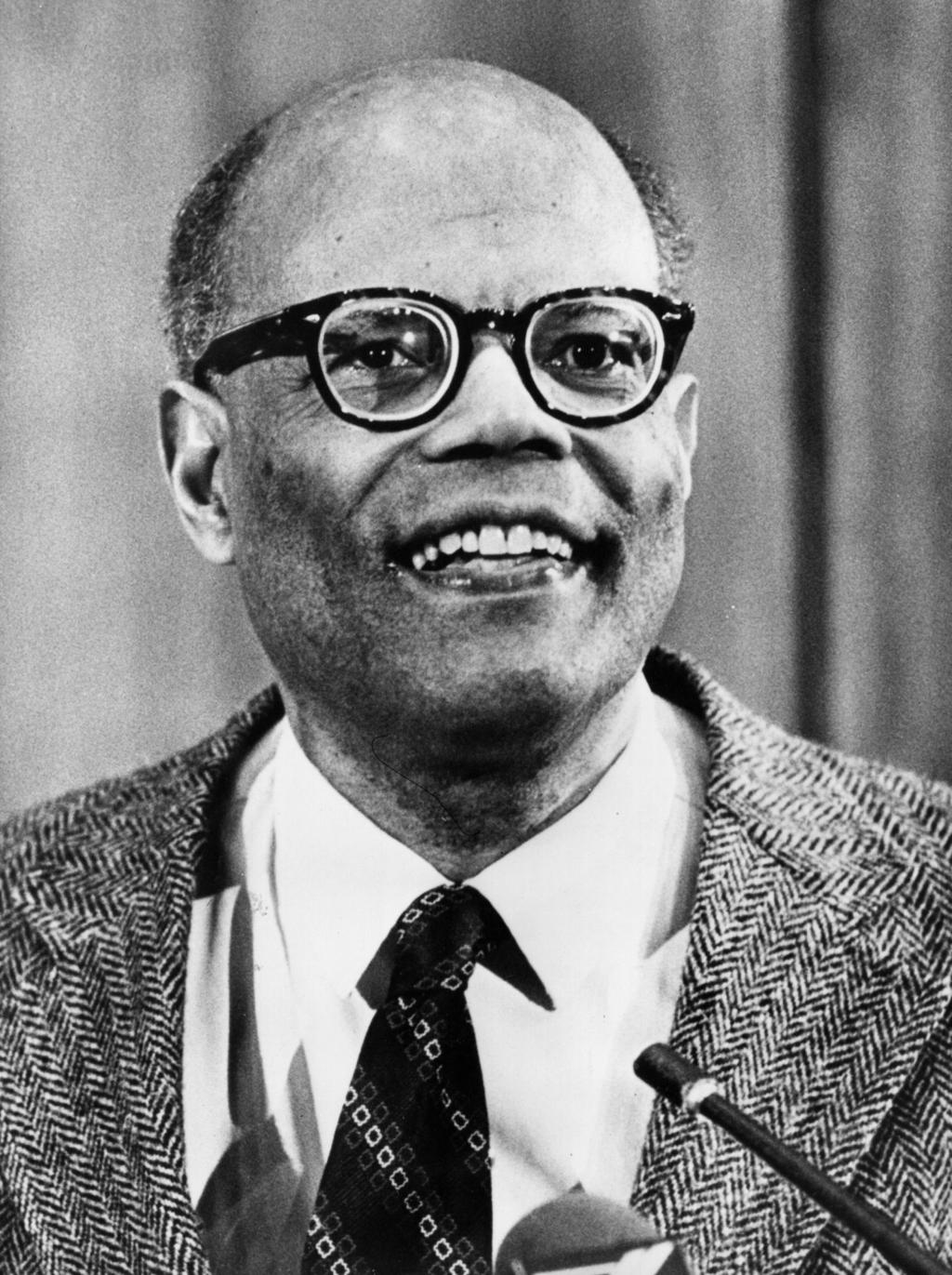
Arthur Lewis
Economics

???

Economics

Became the first Black person to win the Nobel Prize in Economics and helped shape global economic thinking.

Julien Alfred
Sport

???

Sport

Inspired Caribbean athletes through international sprinting success and global athletics competitions.

Teddyson John
Music

???

Music

Blended Creole culture and Caribbean rhythms through music celebrating Saint Lucian identity and traditions.

Places to Explore

Explore Saint Lucia

Discover landscapes, cities, landmarks, and locations that help tell the story of Saint Lucia.

Gros Piton
Volcanoes

Volcanoes

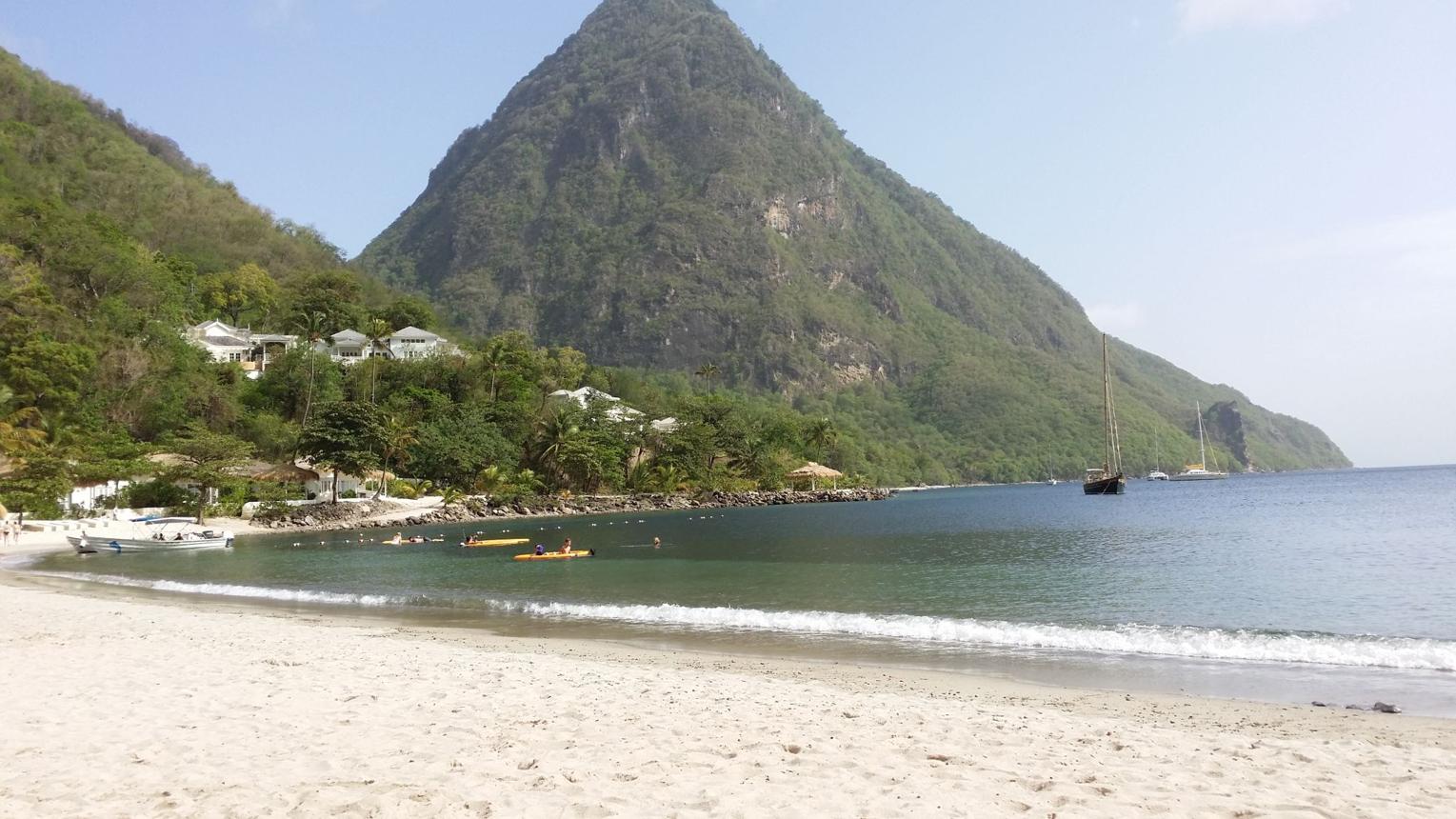
Gros Piton

Gros Piton is one of Saint Lucia’s famous volcanic mountains and is surrounded by rainforest trails, tropical wildlife, and Caribbean coastal views.

Soufrière
Volcanic Landscape

Volcanic Landscape

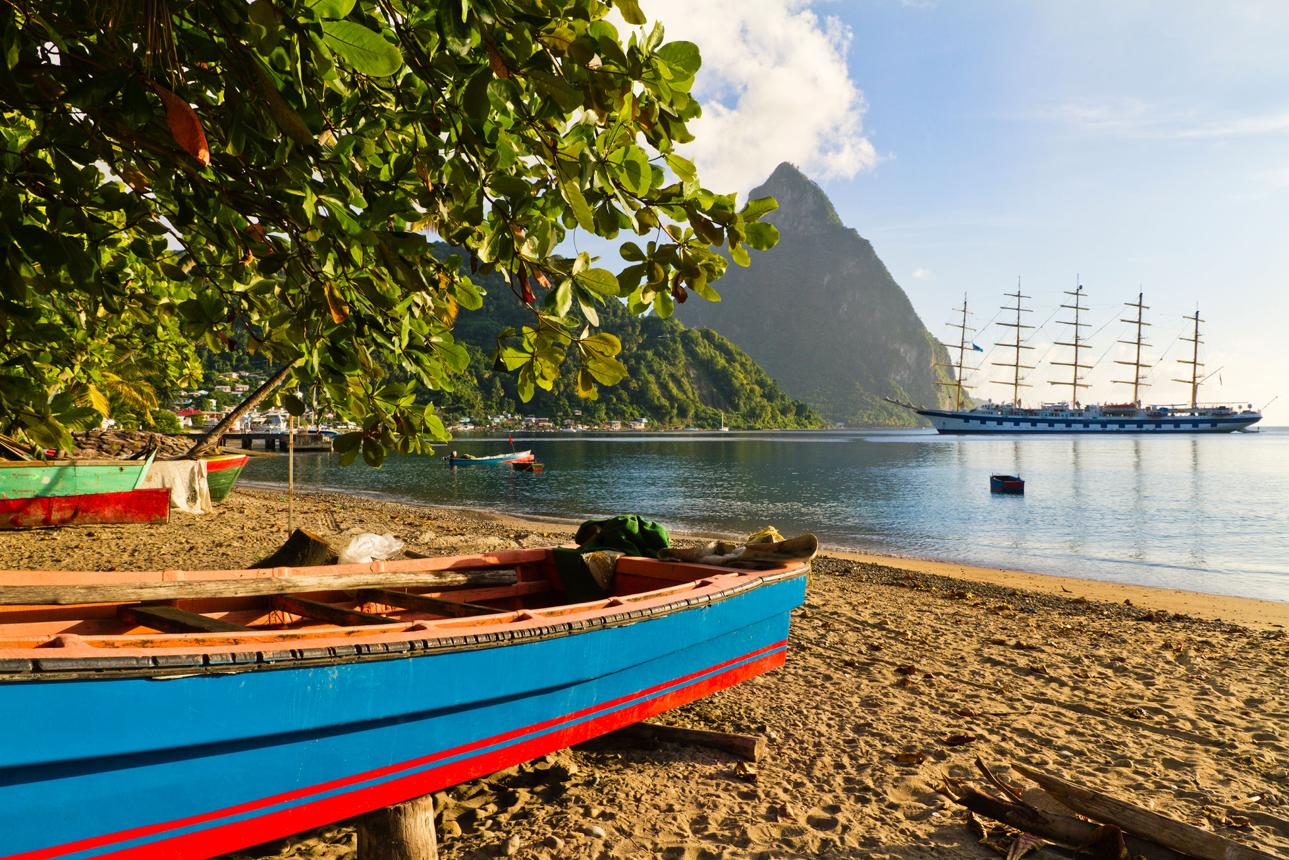
Soufrière

Soufrière is known for volcanic springs, rainforest scenery, fishing traditions, and views of the Pitons beside the Caribbean Sea.

Sulphur Springs
Nature

Nature

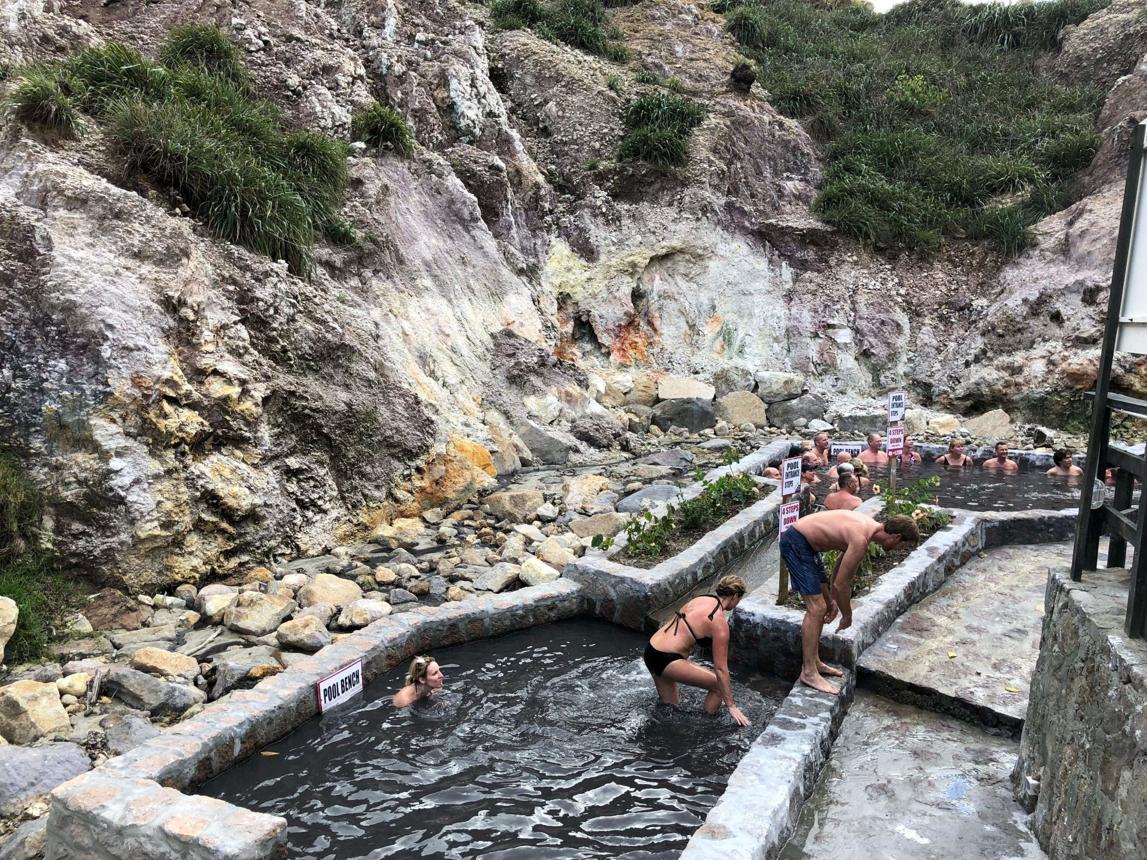
Sulphur Springs

Sulphur Springs became famous for geothermal activity, bubbling volcanic pools, and one of the Caribbean’s only drive-in volcano experiences.

Marigot Bay
Coastline

Coastline

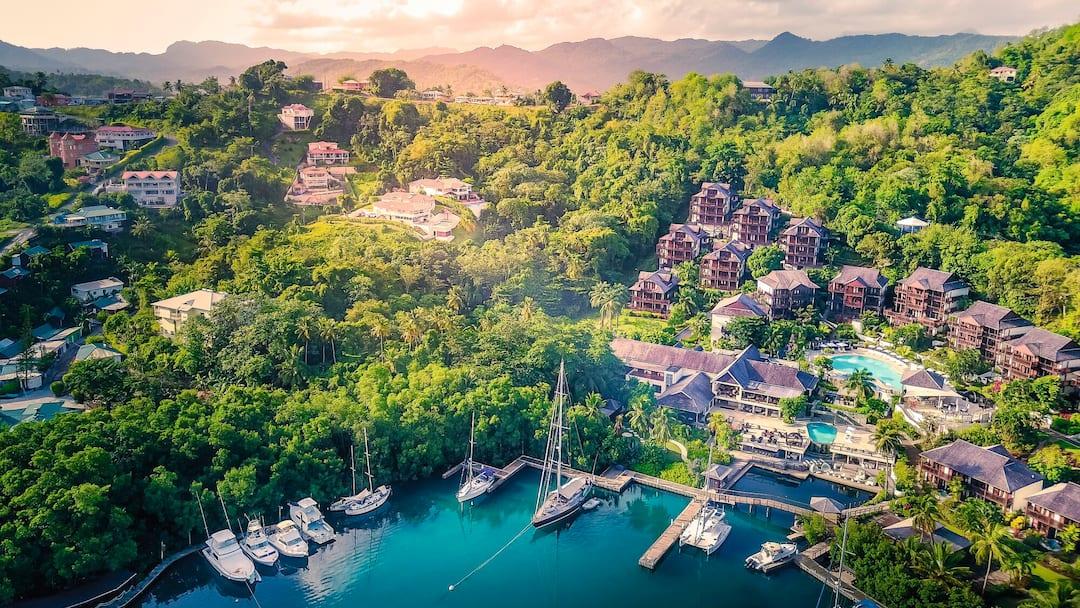
Marigot Bay

Marigot Bay became internationally recognised for tropical scenery, sailing boats, palm-lined coastlines, and Caribbean tourism.

Things We’ve Learned About Saint Lucia

The Pitons are UNESCO World Heritage landmarks.

Saint Lucia has a strong Creole cultural identity.

The island was shaped by volcanic activity and rainforest landscapes.

Derek Walcott won the Nobel Prize in Literature.

Saint Lucia is known for sailing, fishing, and Caribbean tourism.