History
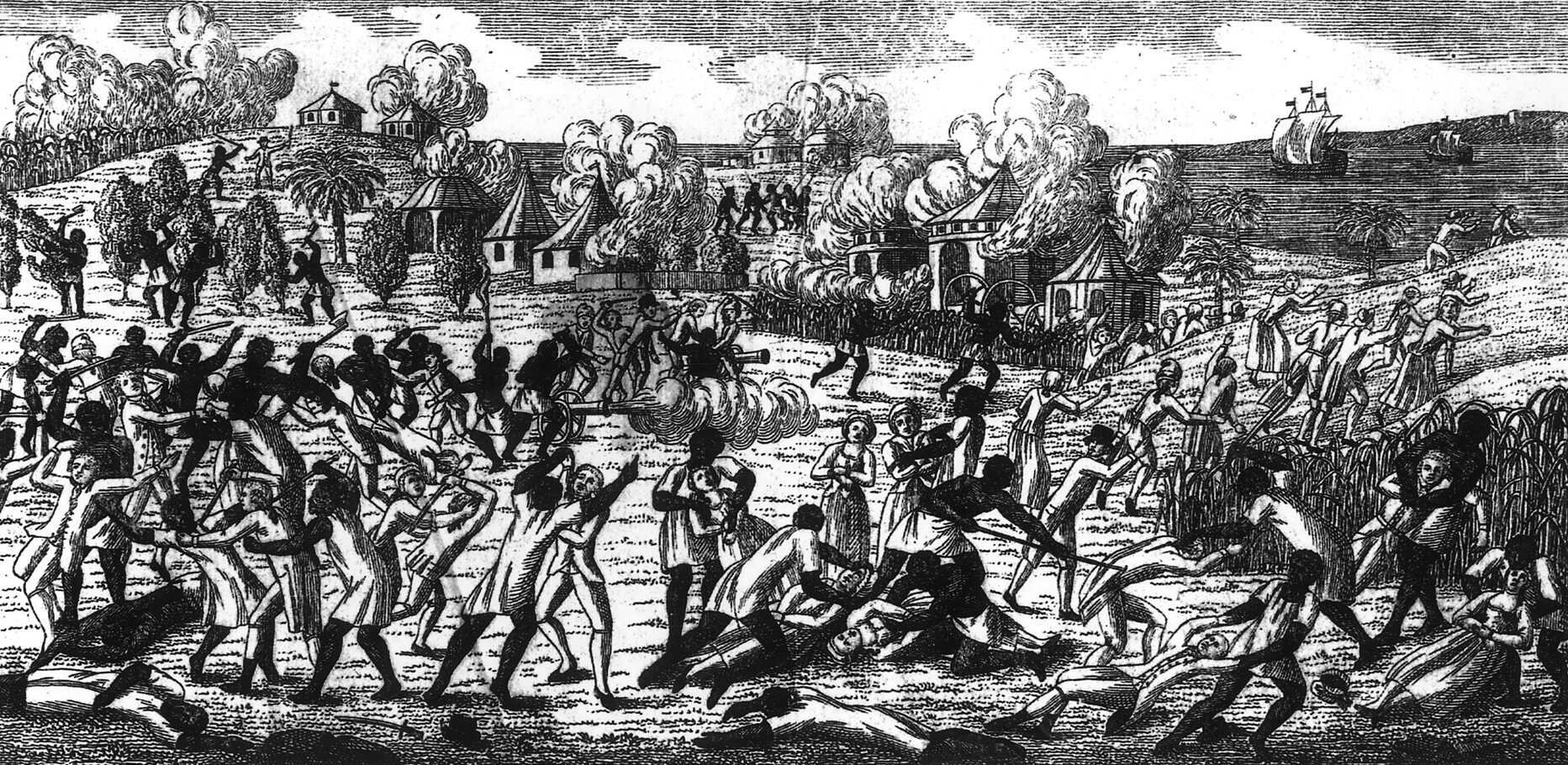
The Haitian Revolution
The Haitian Revolution led to Haiti becoming the first independent Black republic in the world in 1804 after enslaved people successfully fought against French colonial rule.
History
Caribbean Region
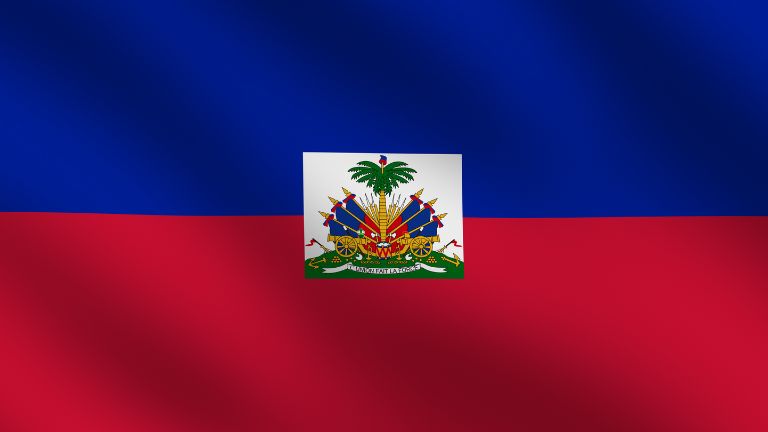
Haiti is known for revolutionary history, art, music, mountain landscapes, and becoming the first independent Black republic in the world.
Capital
Port-au-Prince
Population
11.5 million
Languages
French, Haitian Creole
Currency
Haitian Gourde
Cultural Overview
Haiti has a powerful history shaped by African heritage, French colonialism, revolution, resilience, religion, and artistic expression. The Haitian Revolution became one of the most important events in world history after enslaved people successfully fought for freedom and independence from France.
Fact File
Explore the capital city, food, wildlife, and culture through images and short fact-file summaries.
The Haitian Revolution led to Haiti becoming the first independent Black republic in the world in 1804 after enslaved people successfully fought against French colonial rule.
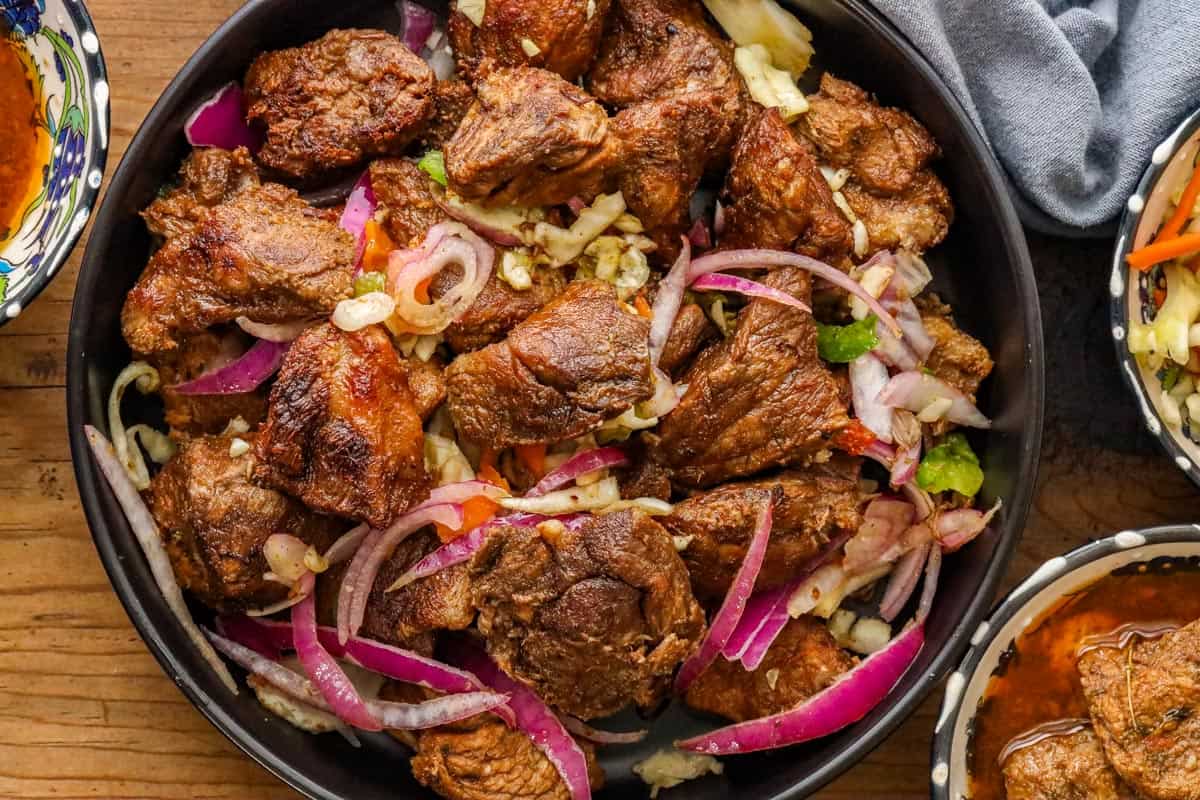
Griot is a traditional Haitian dish made using seasoned fried pork often served with rice, plantains, and spicy sauces connected to Haitian food traditions.
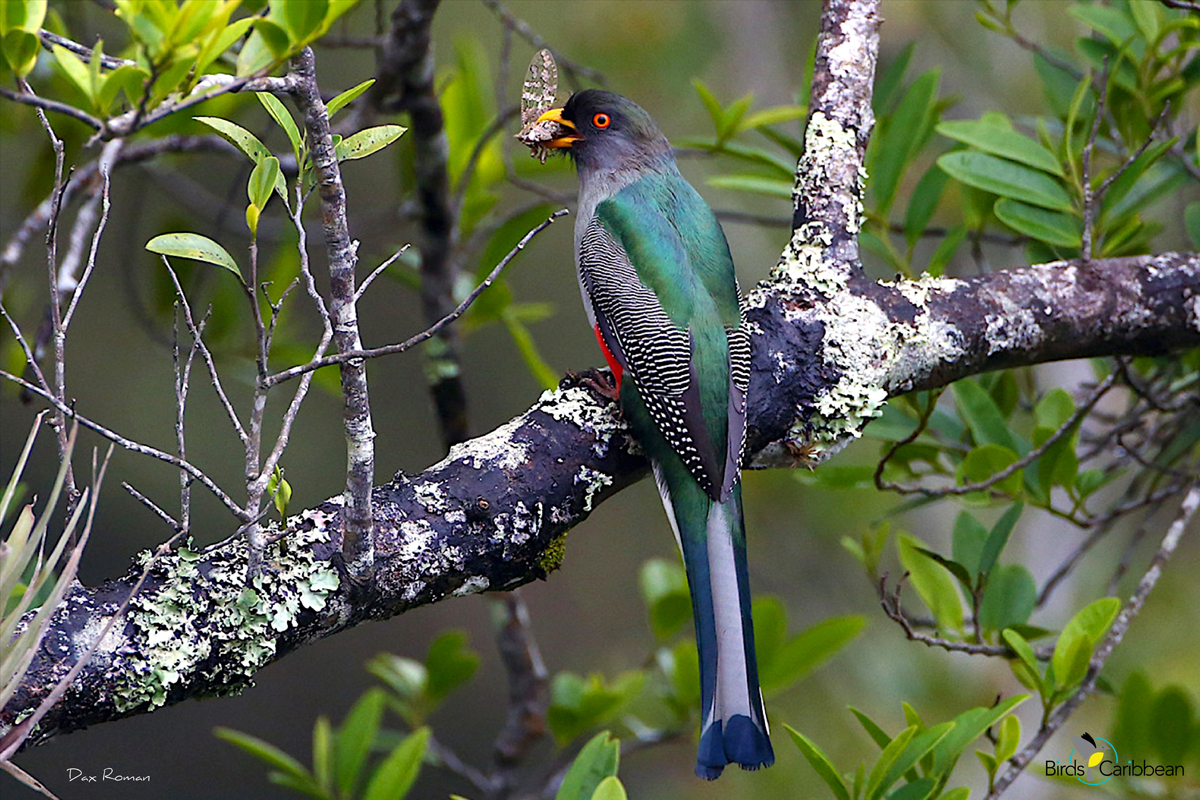
The Hispaniolan Trogon is a colourful bird found only on the island of Hispaniola, which Haiti shares with the Dominican Republic. It became an important symbol of Caribbean biodiversity and tropical forest wildlife.
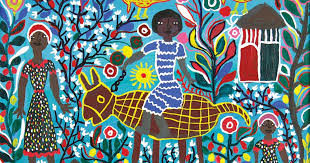
Haiti became internationally known for colourful paintings, murals, metalwork, storytelling, music, and artistic traditions inspired by African and Caribbean culture.
Historical Timeline
Explore the people, resistance movements, music, identity, and major events that helped shape modern Jamaica.
Before 1492
Before European arrival, Haiti was part of the island of Hispaniola, home to Taíno communities who farmed, fished, traded, and built societies across the island.
1492
Christopher Columbus arrived on Hispaniola during his first voyage, beginning European colonisation of the island.
1697
The Treaty of Ryswick recognised French control of the western part of Hispaniola, which became the colony of Saint-Domingue.
1700s
Saint-Domingue became one of the world's most profitable colonies through sugar and coffee plantations worked by enslaved Africans.
1791
Enslaved people rose up against French colonial rule, beginning one of the most important revolutions in world history.
1793–1794
During the revolution, slavery was abolished in Saint-Domingue and then across French colonies, although conflict continued.
1801
Toussaint Louverture introduced a constitution for Saint-Domingue, showing growing self-rule during the revolution.
1804
Haiti became independent on 1 January 1804, becoming the first independent Black republic in the world.
1825
France recognised Haiti's independence only after forcing Haiti to agree to pay a large indemnity, creating a long-lasting economic burden.
Present Day
Today Haiti is known for its revolutionary history, art, music, language, religion, resilience, and powerful cultural identity.
Research Gap
There are many more stories connected to Haitian art, music, language, religion, politics, migration, and community life.
🔍 Can you research and add another important event from Haitian history?
Influential Figures
Explore influential people who helped shape the country through music, leadership, sport, activism, and culture.
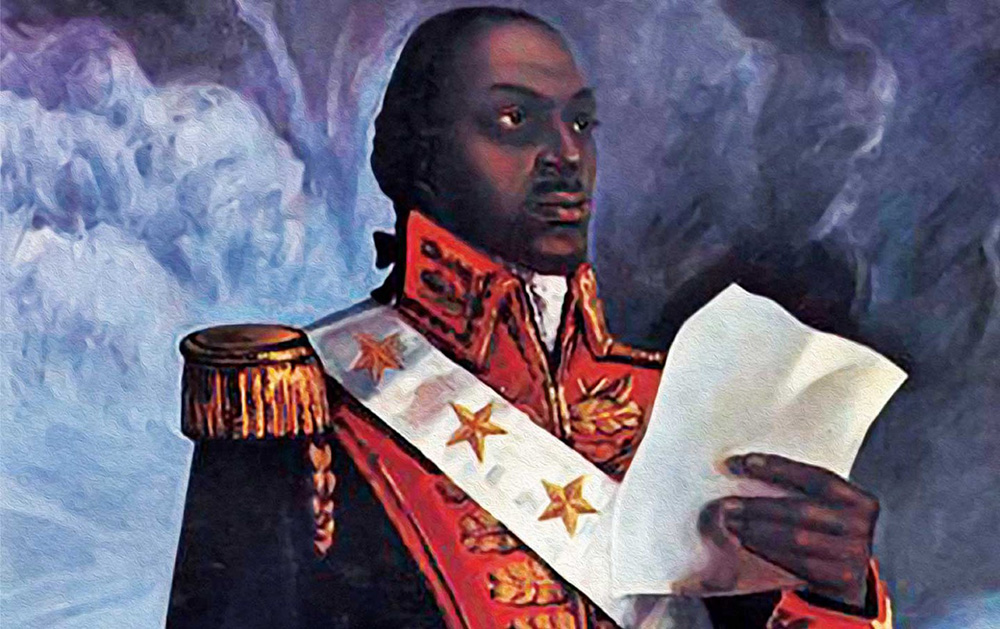
Revolution
Played a major role in the fight against slavery and colonial rule during one of the most important revolutions in history.
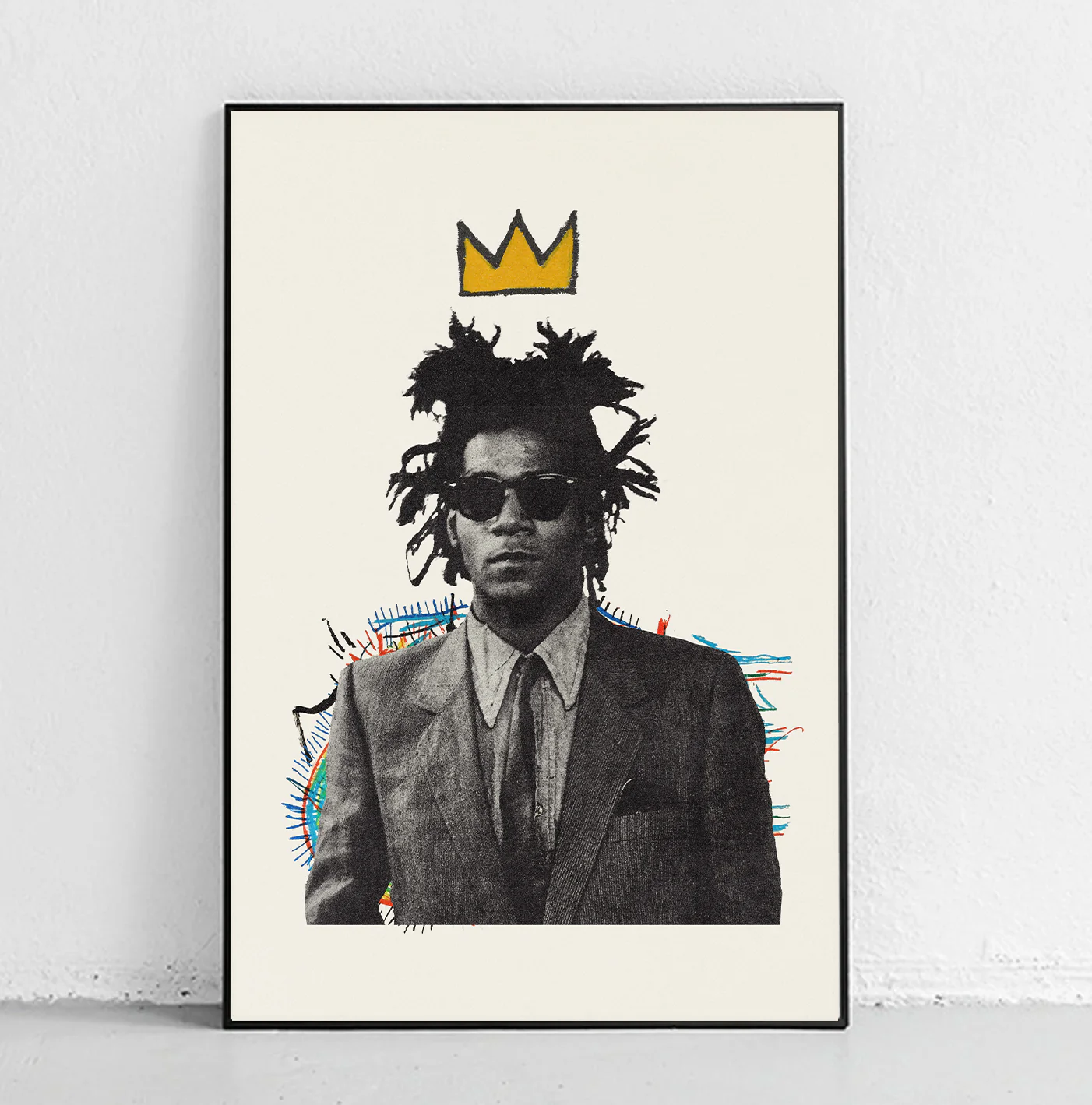
Art
Helped shape modern art and street art culture through bold, expressive artwork influenced by Caribbean heritage.
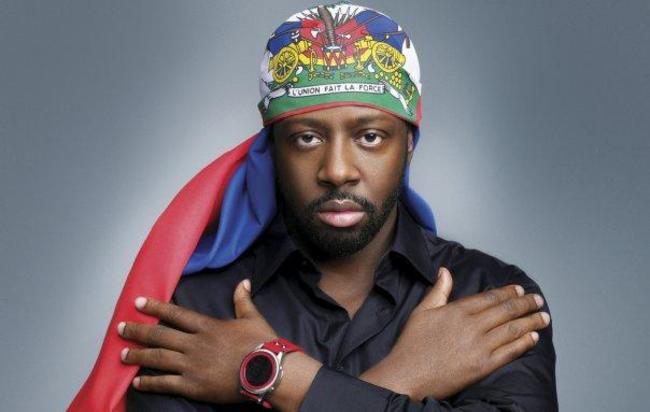
Music
Helped bring Haitian and Caribbean musical influences to global audiences through hip-hop, reggae, and world music.
Places to Explore
Discover landscapes, cities, landmarks, and locations that help tell the story of Haiti.
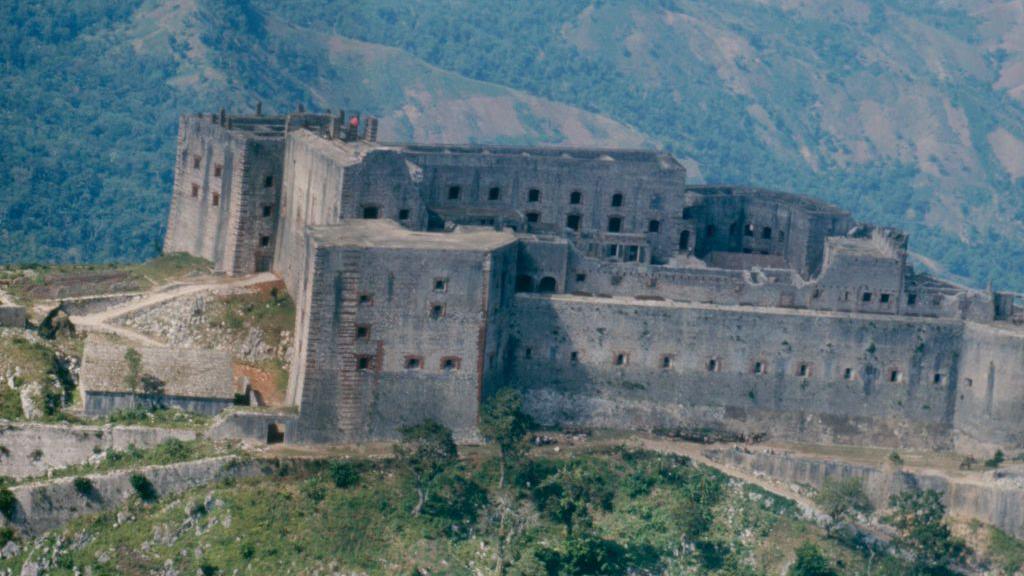
History
Citadelle Laferrière is one of the largest fortresses in the Americas and became a symbol of Haitian independence and resistance after the revolution.
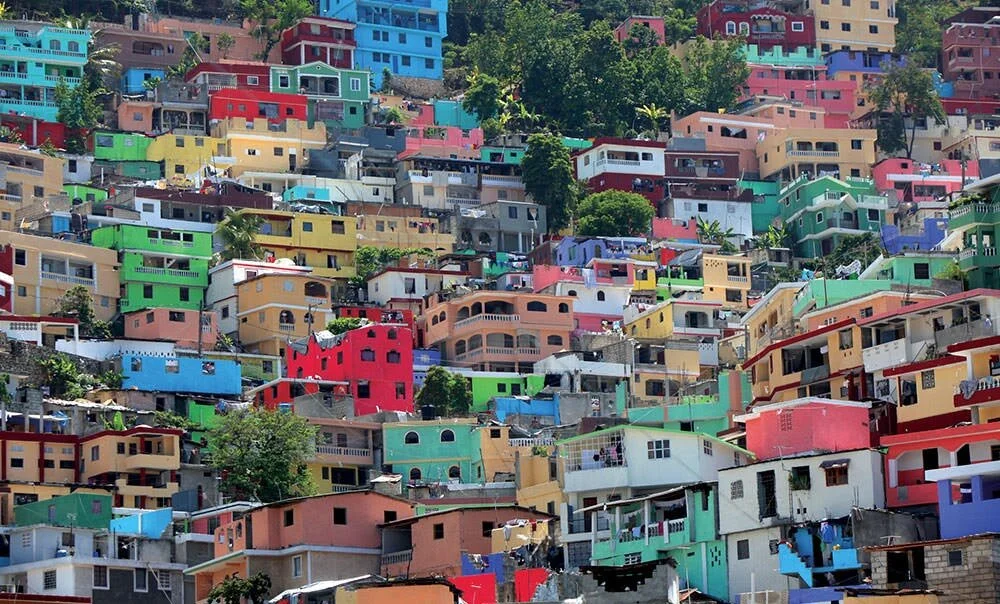
Capital City
Port-au-Prince is Haiti’s capital city and is known for markets, street art, music, history, and cultural life connected to Haitian identity.
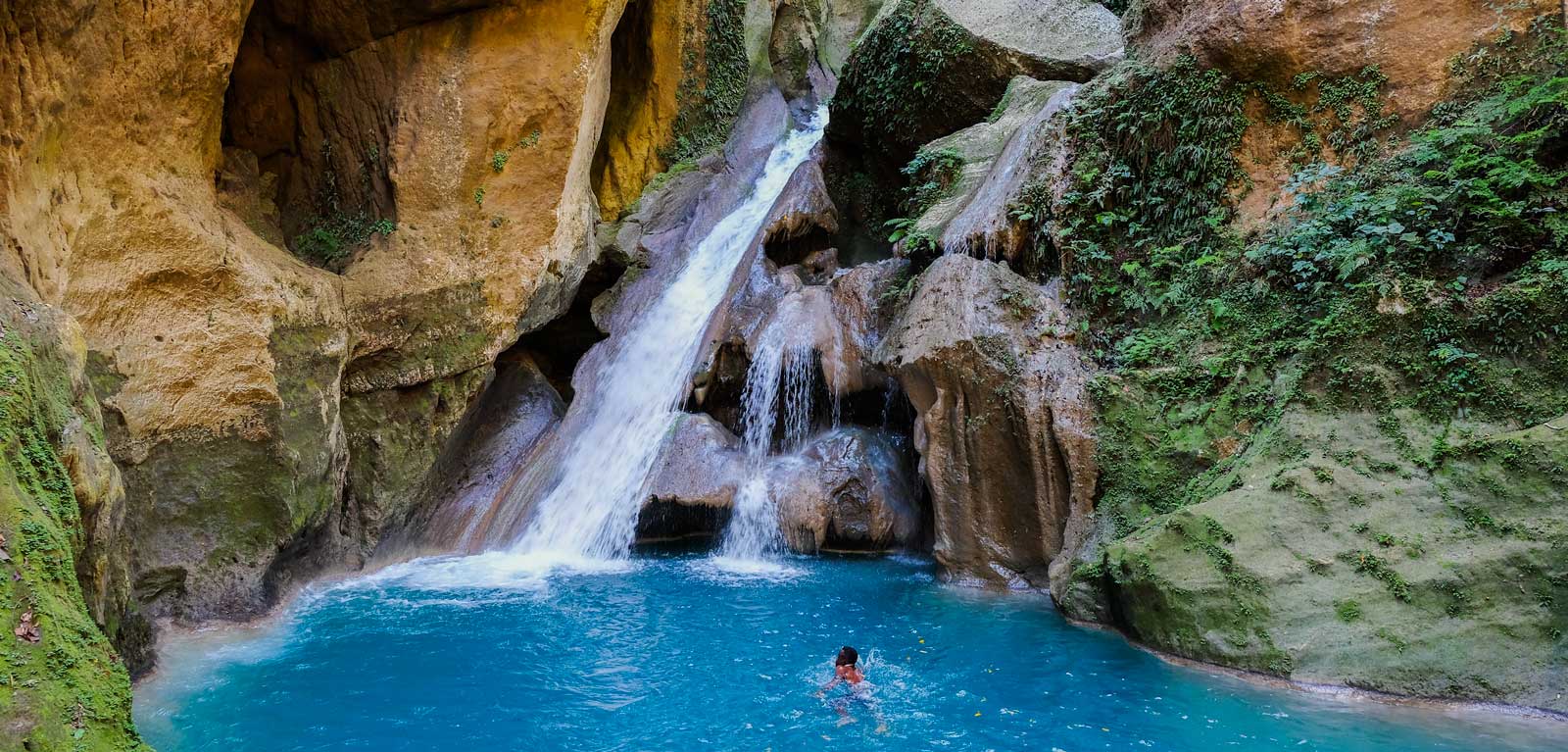
Nature
Bassin Bleu is famous for waterfalls, jungle scenery, blue pools, and tropical landscapes surrounded by mountains and forests.
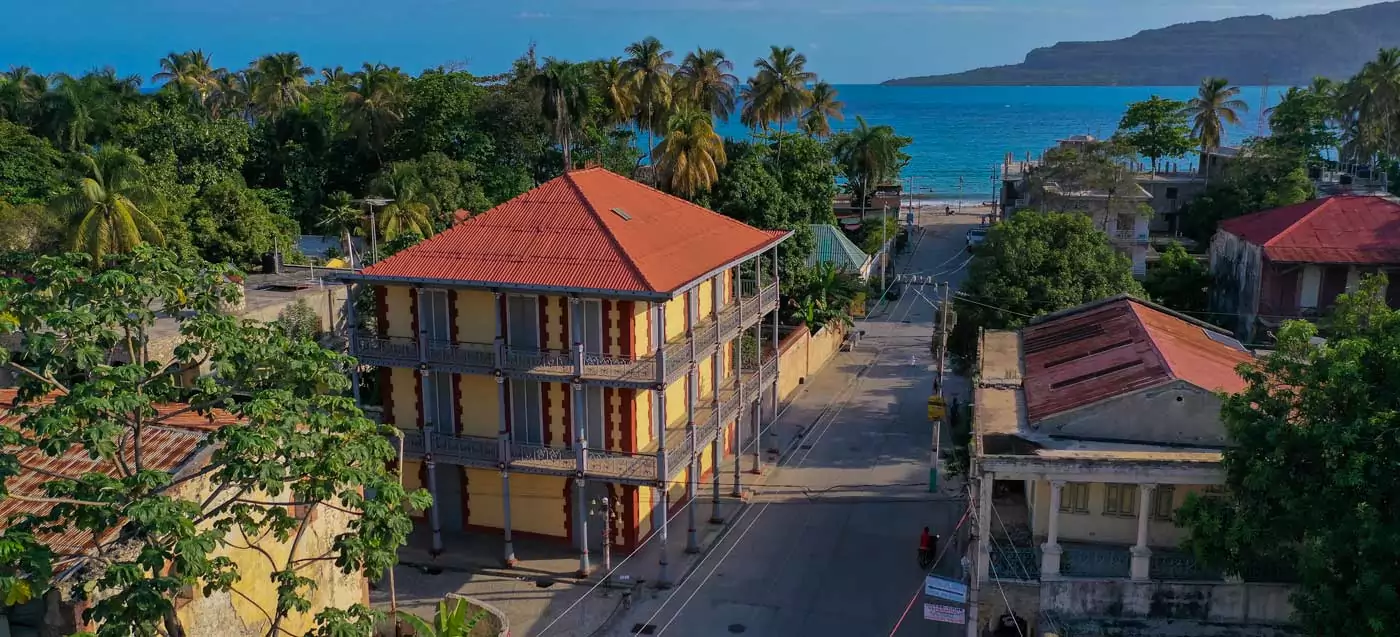
Art and Culture
Jacmel became known for colourful architecture, Haitian art, Carnival masks, music, and creative cultural traditions.
Haiti became the first independent Black republic in the world in 1804.
The Haitian Revolution became one of the most important anti-slavery revolutions in history.
Haitian Creole is widely spoken across the country.
Haiti shares the island of Hispaniola with the Dominican Republic.
Haitian art and music became internationally recognised for colour and creativity.