Steelpan Music
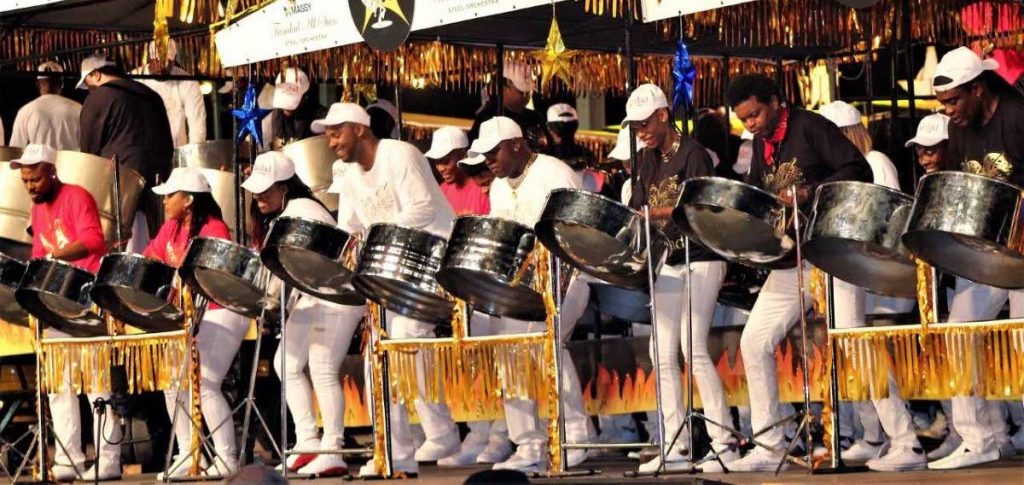
Steelpan music was developed in Trinidad and became one of the Caribbean’s most important musical inventions. Steel bands later became internationally recognised symbols of Trinidadian culture and Carnival celebrations.
Caribbean Region
Trinidad and Tobago is known for Carnival, steelpan music, calypso, doubles street food, oil production, and one of the Caribbean’s richest musical cultures.

Capital
Port of Spain
Population
1.5 million
Languages
English, Trinidadian Creole
Currency
Trinidad and Tobago Dollar
Cultural Overview
Trinidad and Tobago has a vibrant cultural identity shaped by African, Indian, European, Chinese, and Middle Eastern influences alongside Caribbean traditions. The country became internationally famous for Carnival celebrations, steelpan music, soca, calypso, cricket, and energetic street culture. Trinidad also developed one of the Caribbean’s largest oil and natural gas industries while Tobago became known for beaches, coral reefs, and rainforest landscapes.
Fact File
Explore the capital city, food, wildlife, and culture through images and short fact-file summaries.

Steelpan music was developed in Trinidad and became one of the Caribbean’s most important musical inventions. Steel bands later became internationally recognised symbols of Trinidadian culture and Carnival celebrations.

Doubles became one of Trinidad and Tobago’s most famous street foods using curried chickpeas served inside fried flatbread. The dish reflects strong Indian-Caribbean cultural influences.

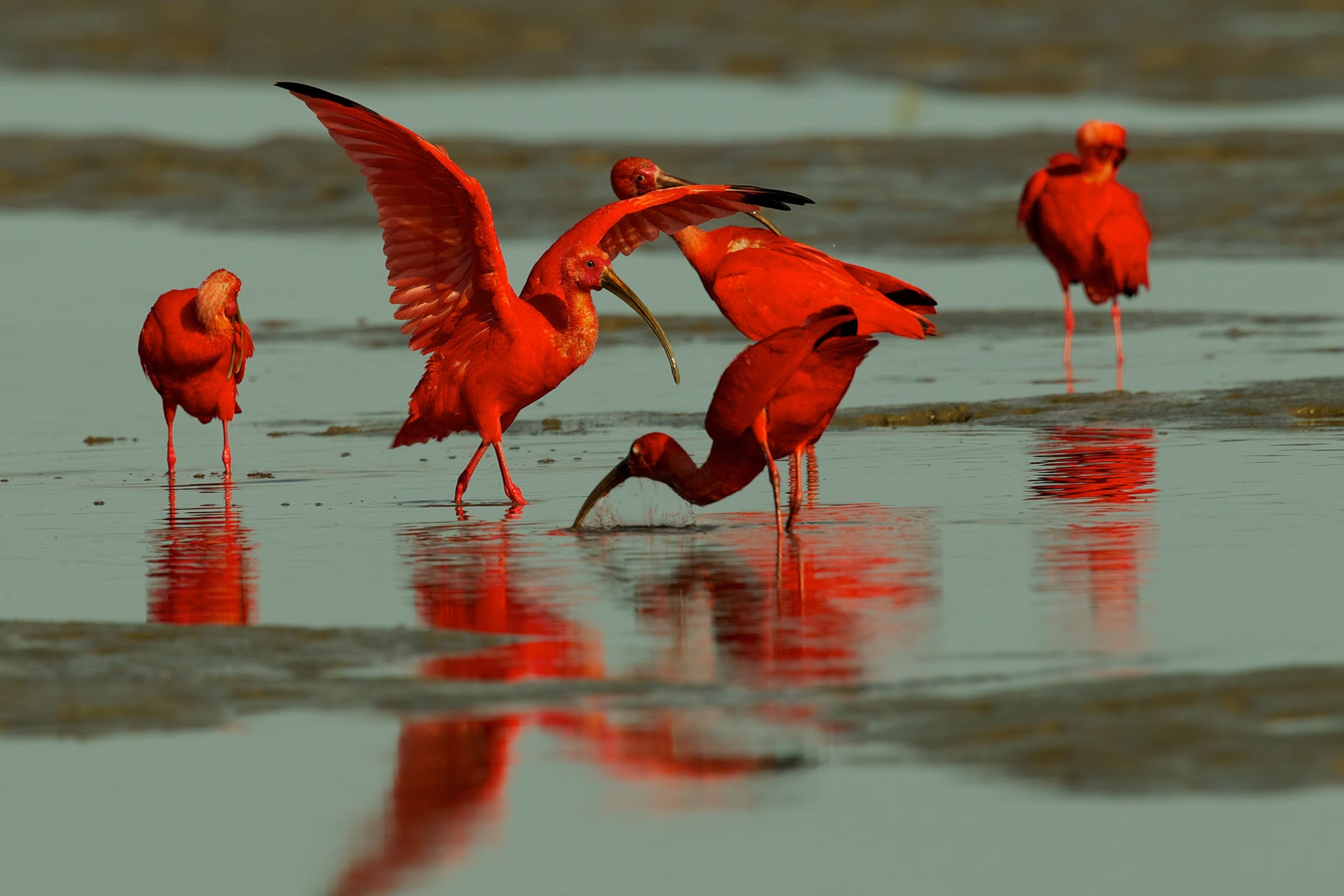
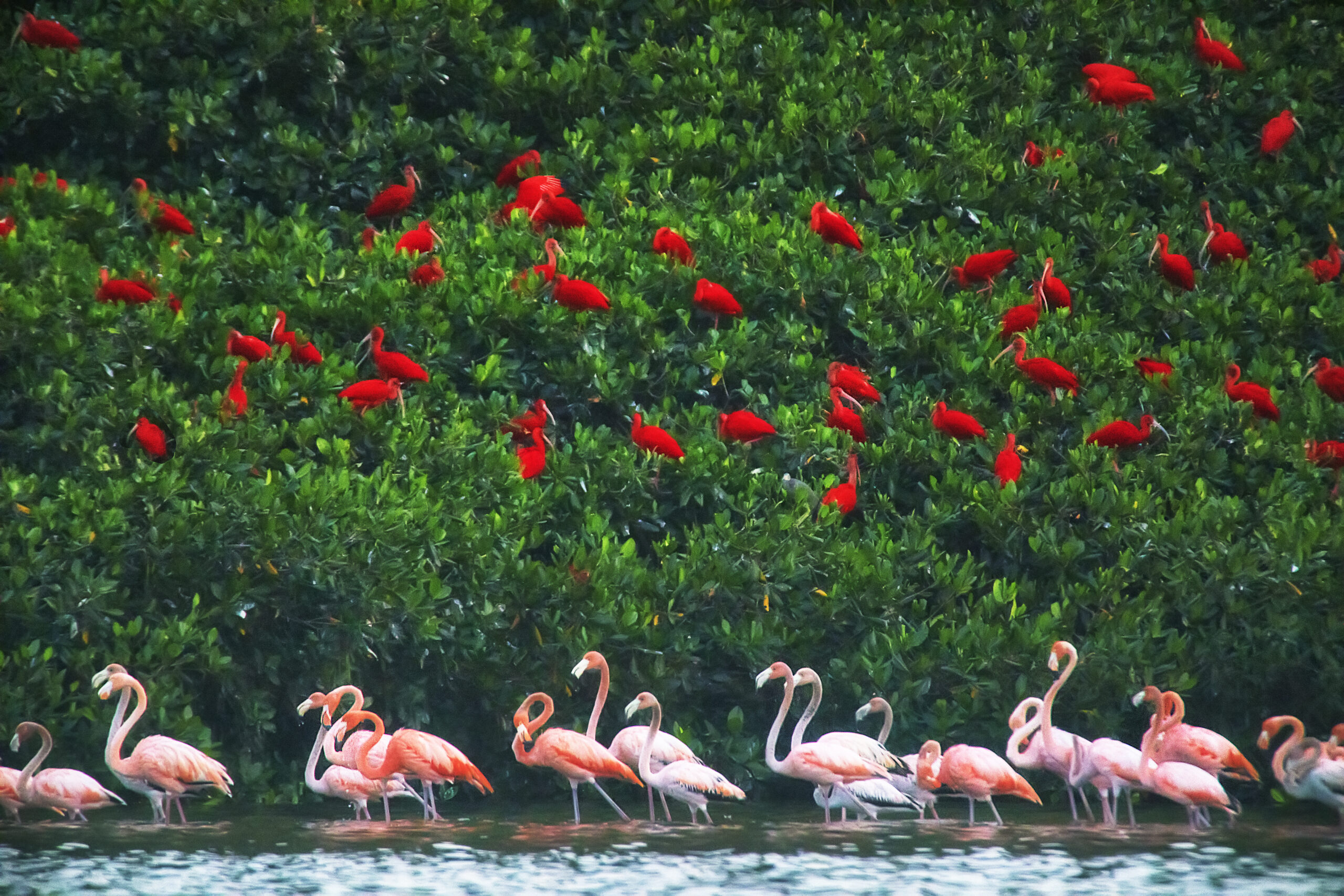
The Scarlet Ibis is Trinidad and Tobago’s national bird and is known for its bright red feathers. Large groups can often be seen in the Caroni wetlands.

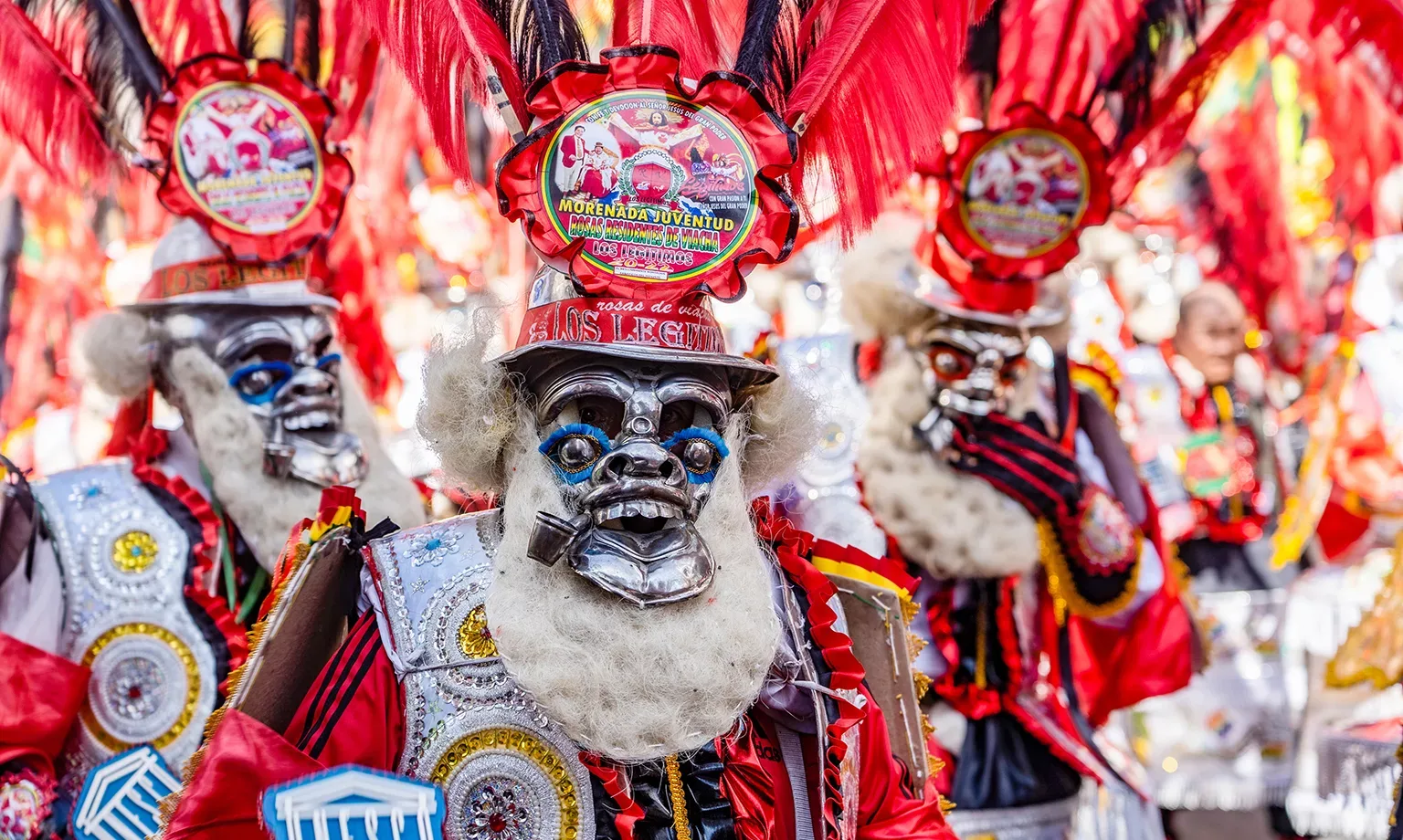
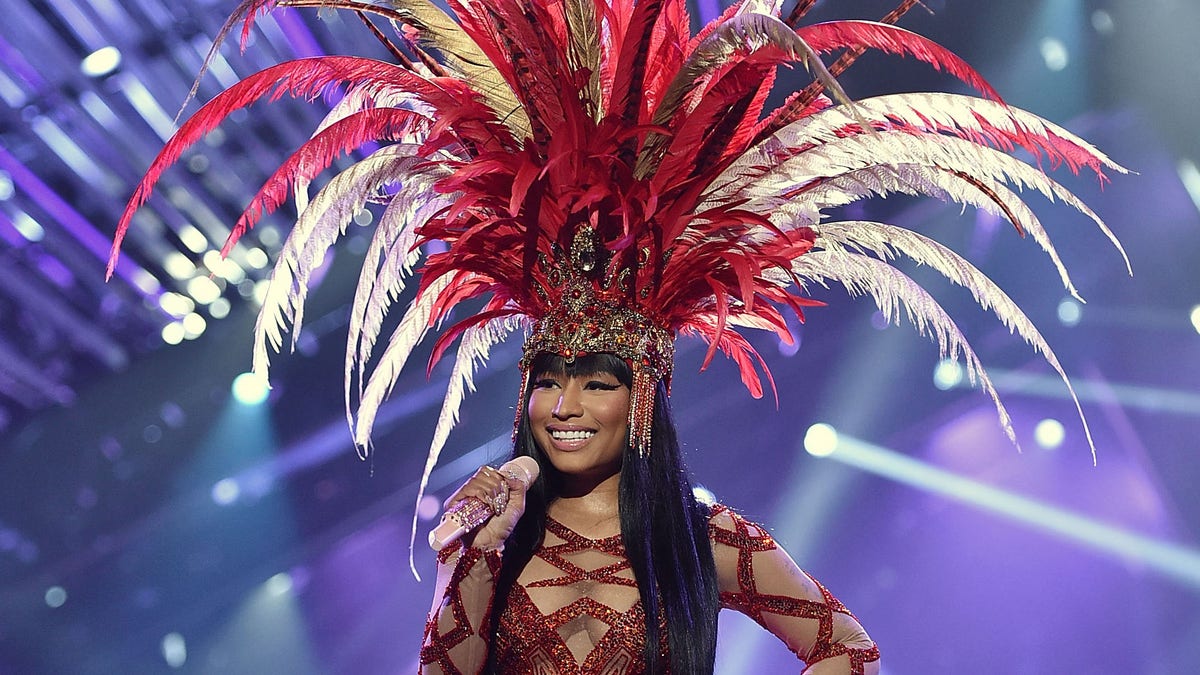
Trinidad Carnival became one of the world’s most famous Carnival celebrations with elaborate costumes, soca music, dancing, steelpan performances, and street parades across Port of Spain.
Historical Timeline
Explore the people, resistance movements, music, identity, and major events that helped shape modern Jamaica.
Before 1498
Before European arrival, Trinidad and Tobago were home to Indigenous peoples including the Arawak and Carib communities.
1498
Christopher Columbus reached Trinidad during his third voyage to the Americas.
1500s–1797
Trinidad remained under Spanish control for centuries, although settlement grew slowly compared with other Caribbean colonies.
1797
Britain captured Trinidad from Spain and later formally gained control through international agreements.
1700s–1800s
Plantation agriculture expanded and relied heavily on enslaved African labour.
1834
Slavery was abolished across the British Empire, bringing major social changes to Trinidad and Tobago.
1845
Workers from India arrived to help meet labour demands after emancipation, shaping Trinidad and Tobago's diverse culture.
1800s–1900s
Carnival grew into one of the country's most famous cultural celebrations, blending African, European, and Caribbean traditions.
1908
The discovery and development of oil helped transform Trinidad and Tobago's economy.
1962
Trinidad and Tobago became an independent nation on 31 August 1962.
1976
Trinidad and Tobago became a republic and established a new constitutional system.
Research Gap
There are many more stories connected to steelpan music, cricket, Carnival characters, and national heroes.
🔍 Can you research and add another important event from Trinidad and Tobago's history?
Influential Figures
Explore influential people who helped shape the country through music, leadership, sport, activism, and culture.

Music
Helped bring soca music and Carnival culture to international audiences through energetic performances and Caribbean musical influence.

Cricket
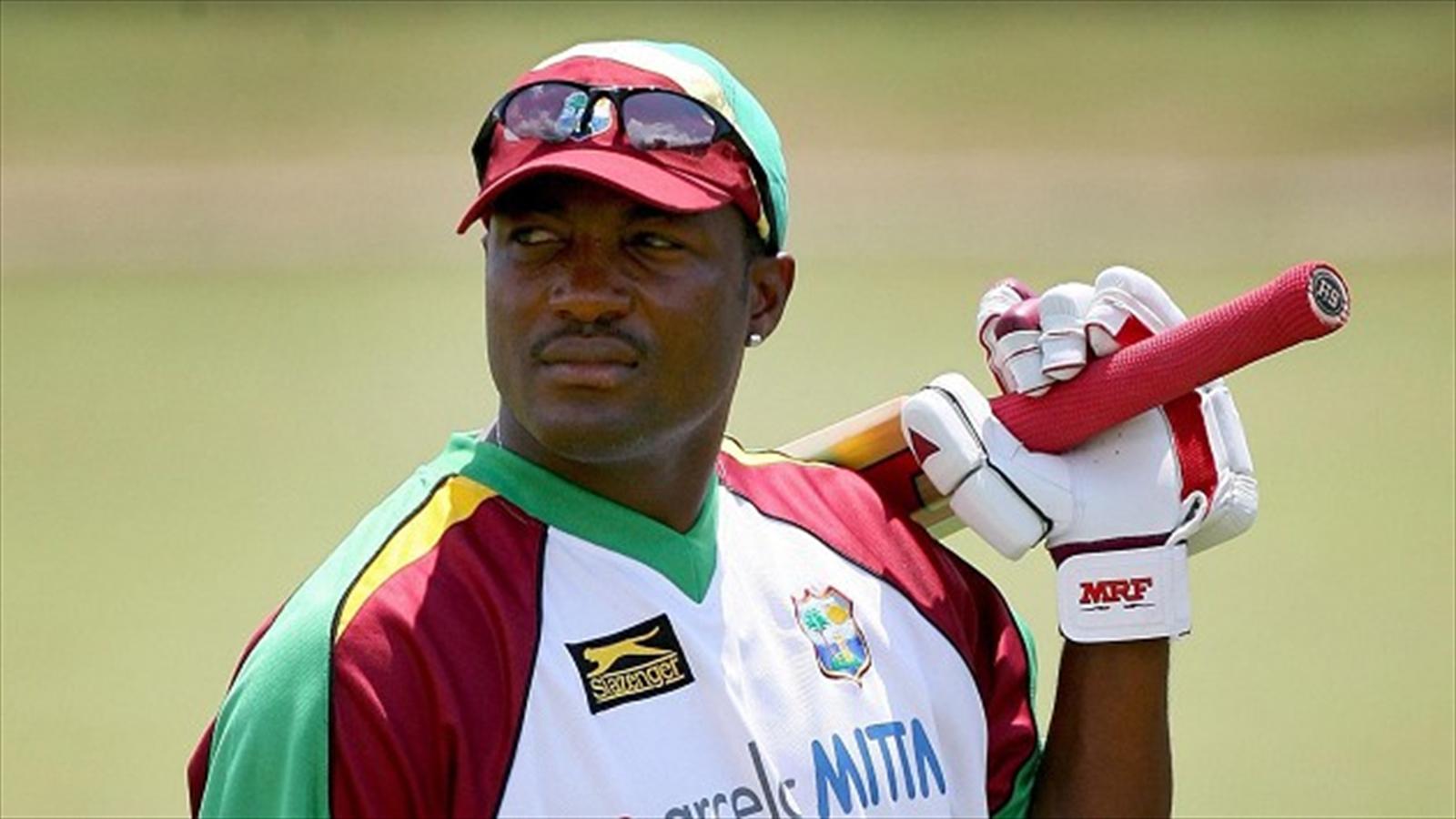
Became one of the greatest cricketers in history and an important figure in Caribbean sport.

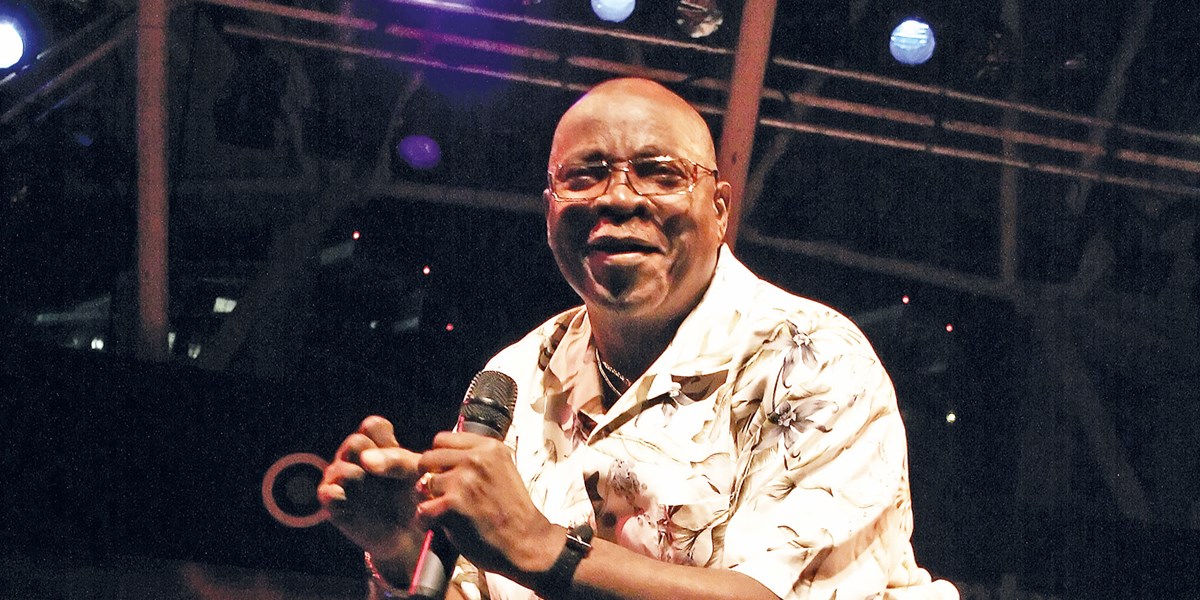
Music
Helped shape calypso music and became one of the Caribbean’s most influential musical performers.

Performance
Became one of the world’s most famous rap artists and performers while bringing Caribbean influences into global music culture.
Places to Explore
Discover landscapes, cities, landmarks, and locations that help tell the story of Trinidad and Tobago.

Capital City
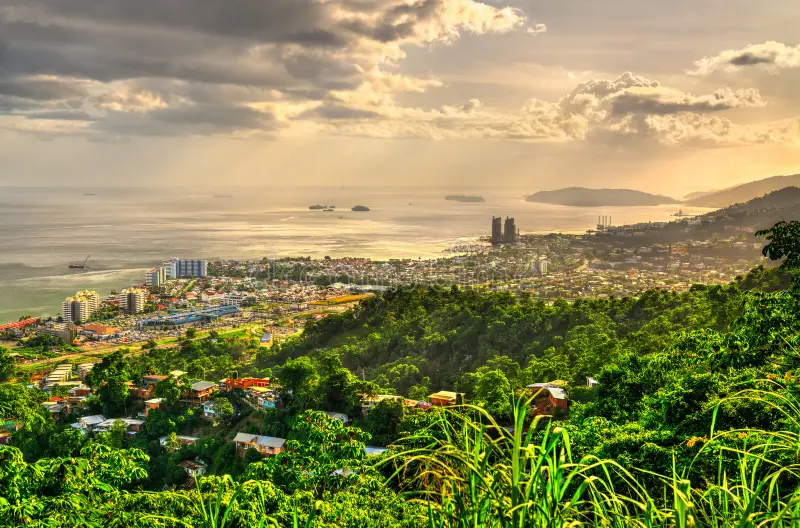
Port of Spain is the capital city of Trinidad and Tobago and became internationally recognised for Carnival celebrations, music culture, cricket, and Caribbean street life.

Natural Wonder
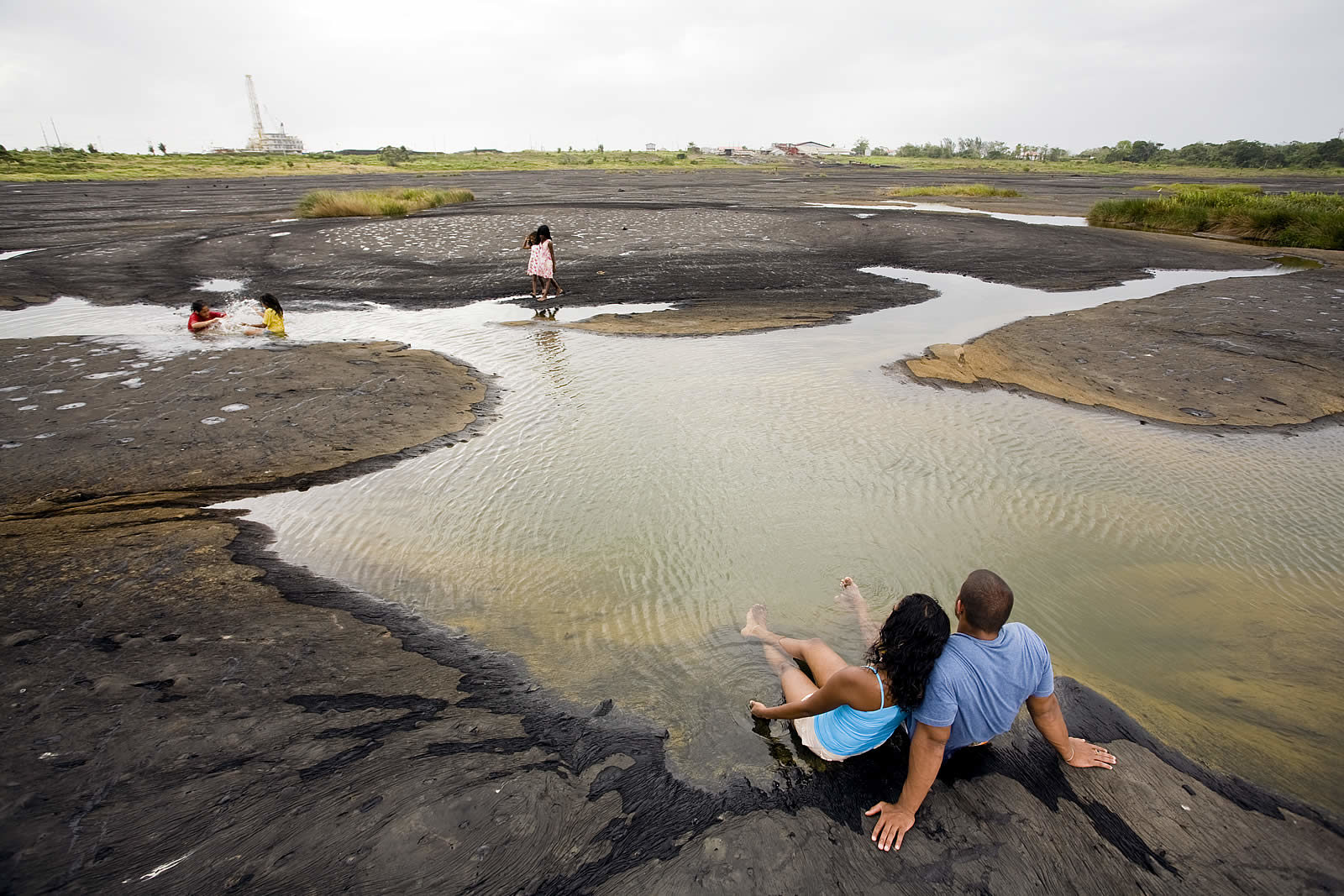
Pitch Lake is one of the world’s largest natural asphalt lakes and became an important industrial and geological landmark in Trinidad.

Wildlife
The Caroni wetlands are famous for mangroves, tropical wildlife, and large flocks of Scarlet Ibises returning to the trees at sunset.

Beaches
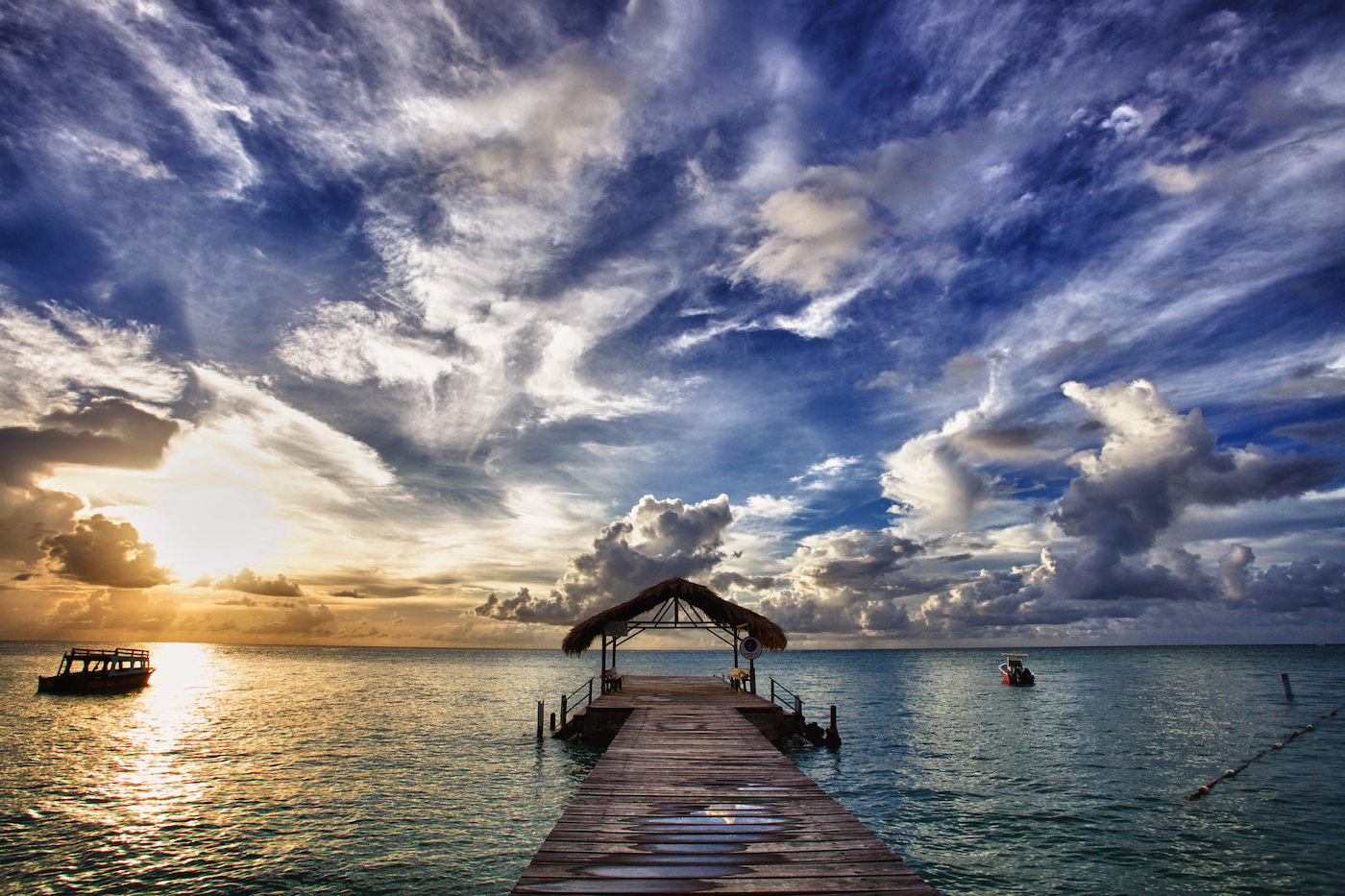
Pigeon Point in Tobago became famous for white sand beaches, coral reefs, turquoise waters, and Caribbean tourism.
Steelpan music was invented in Trinidad and Tobago.
Trinidad Carnival became one of the world’s most famous Carnival celebrations.
Pitch Lake is one of the world’s largest natural asphalt lakes.
The Scarlet Ibis is the national bird of Trinidad and Tobago.
Trinidad and Tobago has one of the Caribbean’s largest oil and gas industries.