History
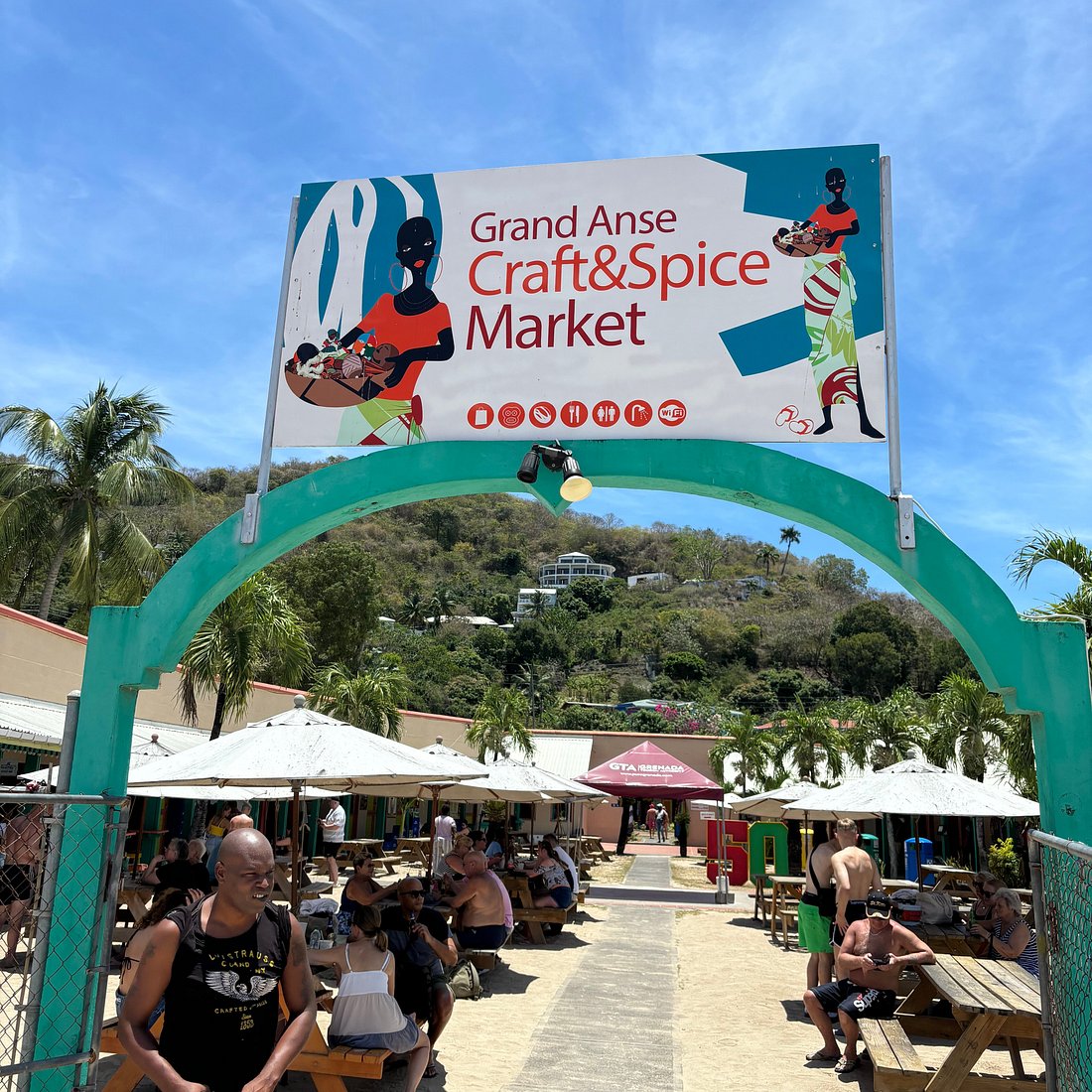
Spice Markets
Grenada became known as the ‘Spice Isle’ because of its production of nutmeg, cinnamon, cloves, and cocoa. Spice markets and farming remain important parts of Grenadian trade, culture, and identity.
History
Caribbean Region
Grenada is known for spices, rainforests, waterfalls, Caribbean beaches, and a strong cultural identity shaped by African heritage and island traditions.
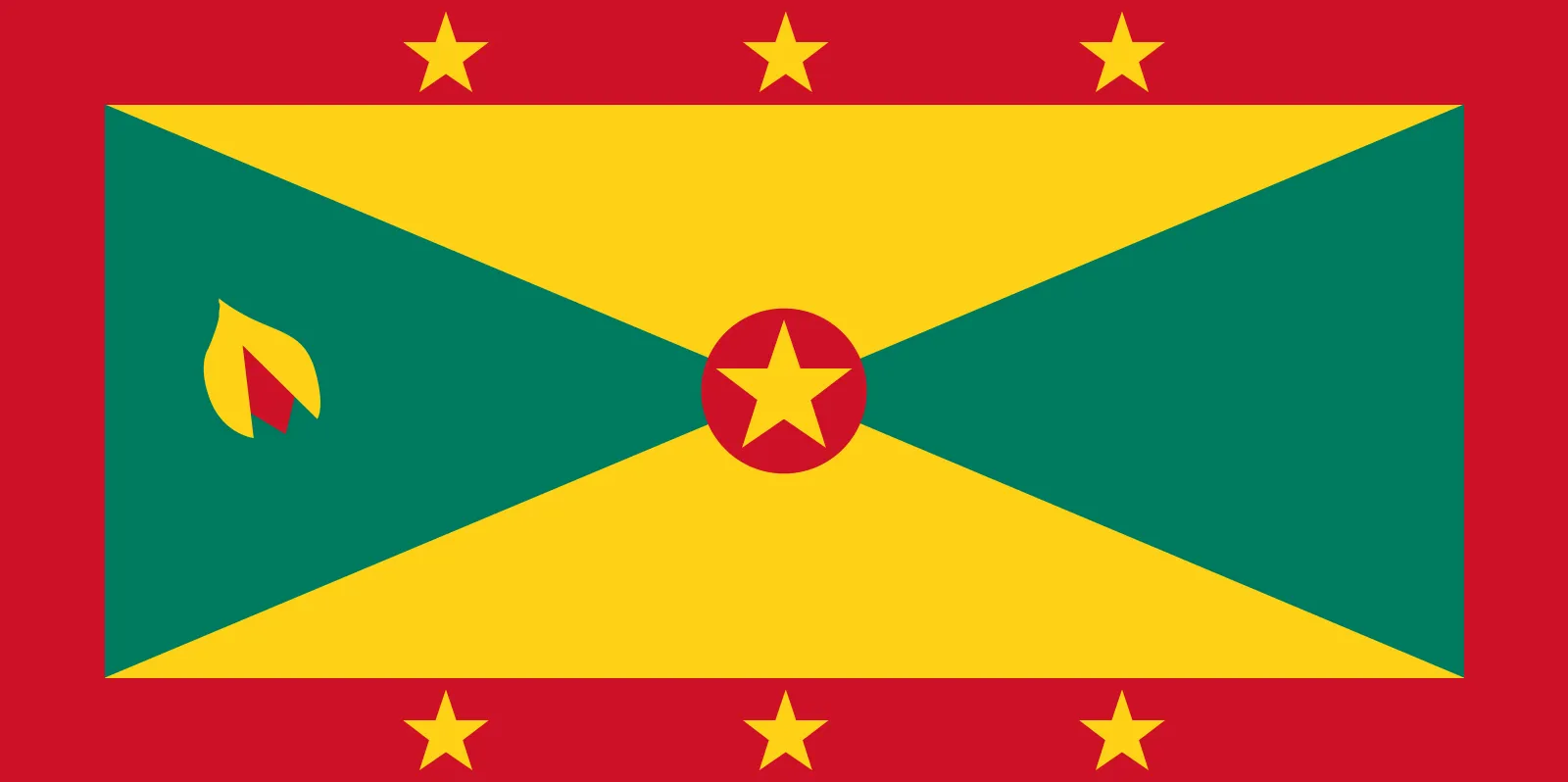
Capital
Saint George's
Population
125,000
Languages
English, Grenadian Creole
Currency
East Caribbean Dollar
Cultural Overview
Grenada is often called the ‘Spice Isle’ because of its production of nutmeg, cinnamon, cloves, and other spices exported around the world. The island’s culture is shaped by African, French, British, and Caribbean influences alongside traditions connected to farming, fishing, music, and Carnival celebrations.
Fact File
Explore the capital city, food, wildlife, and culture through images and short fact-file summaries.
Grenada became known as the ‘Spice Isle’ because of its production of nutmeg, cinnamon, cloves, and cocoa. Spice markets and farming remain important parts of Grenadian trade, culture, and identity.
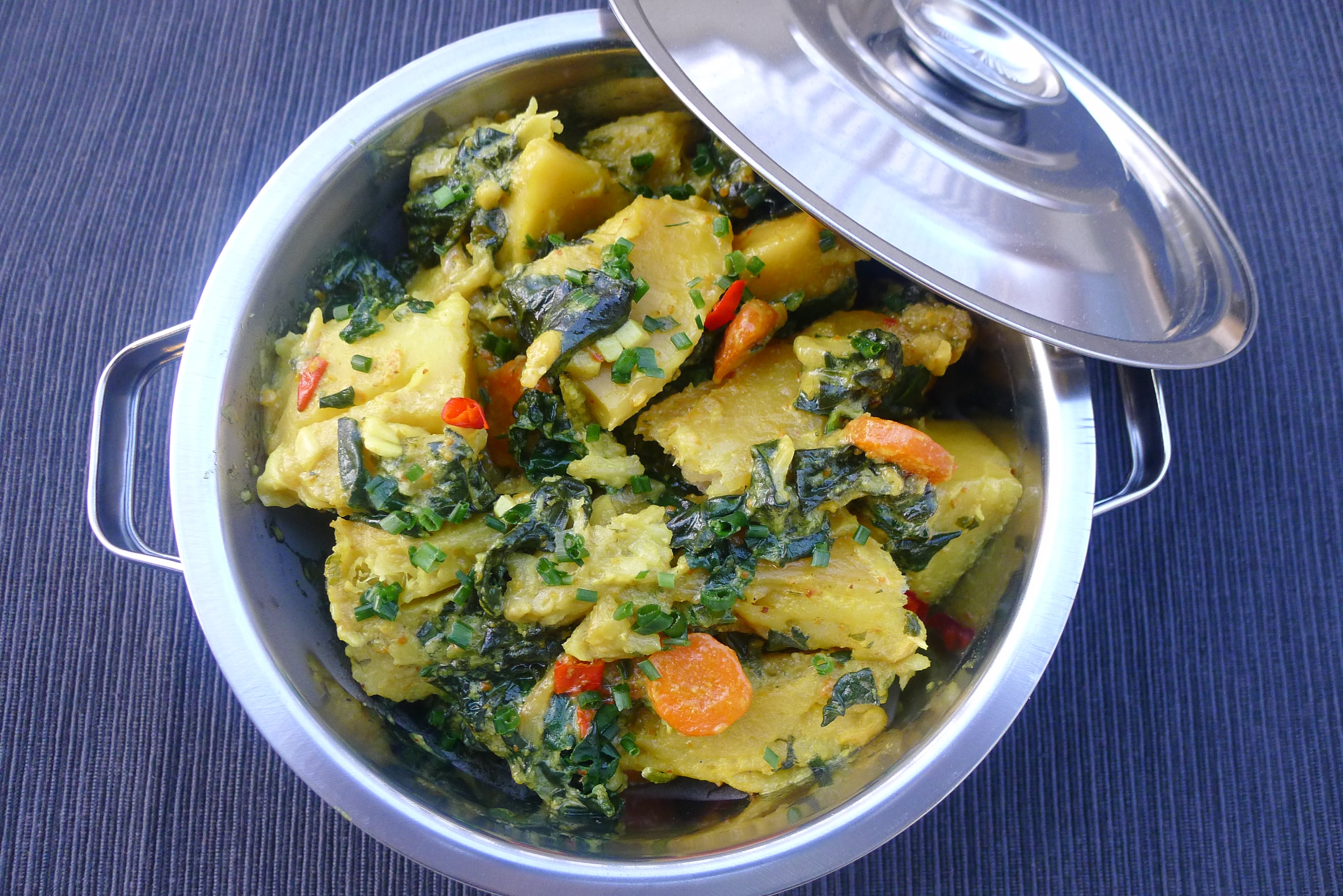
Oil down is Grenada’s national dish and is made using breadfruit, coconut milk, vegetables, dumplings, and meat or fish cooked together in one pot.
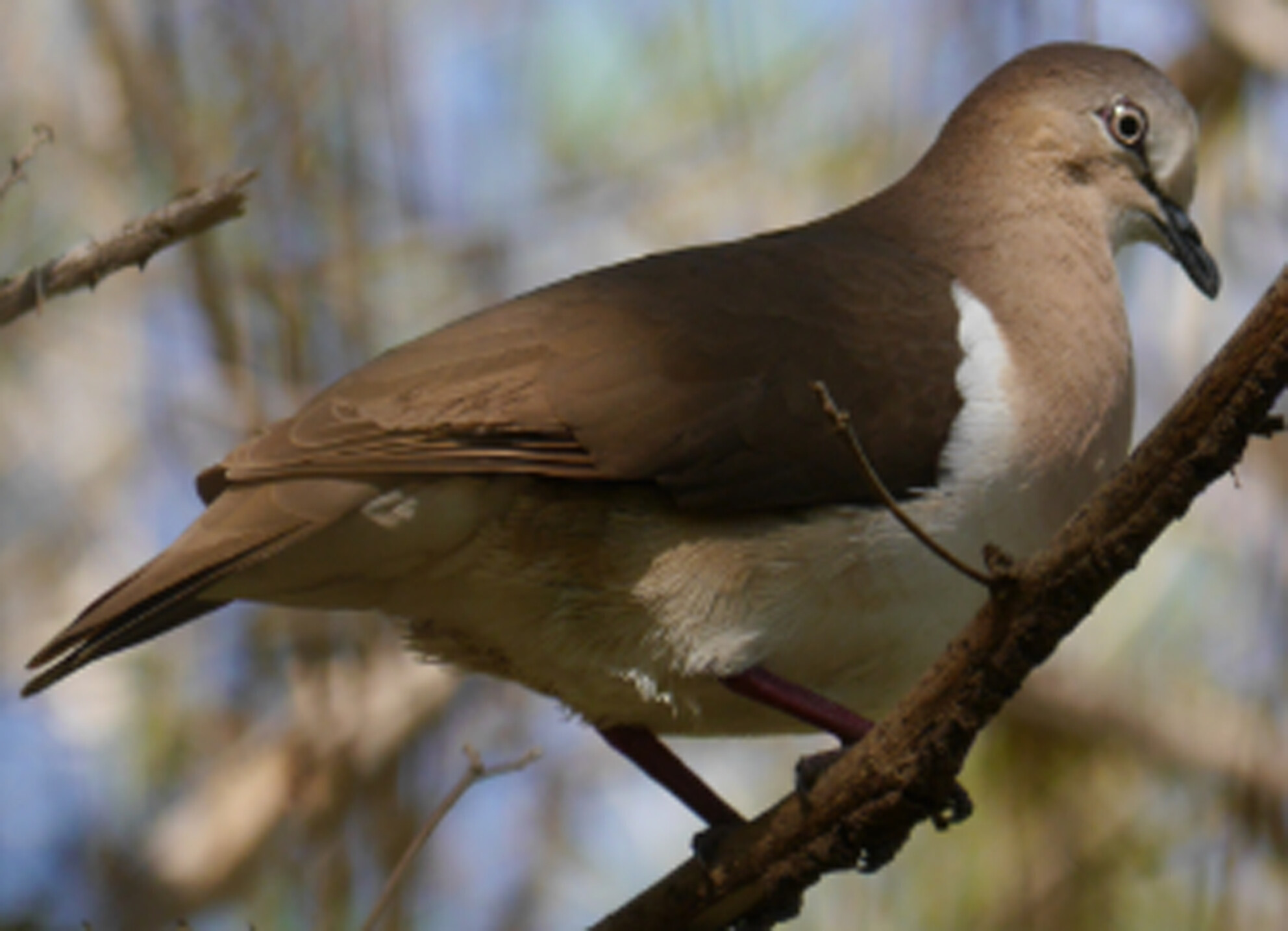
The Grenada Dove is a rare bird found only on the island and is considered Grenada’s national bird. Protecting its forest habitat became an important part of wildlife conservation in Grenada.
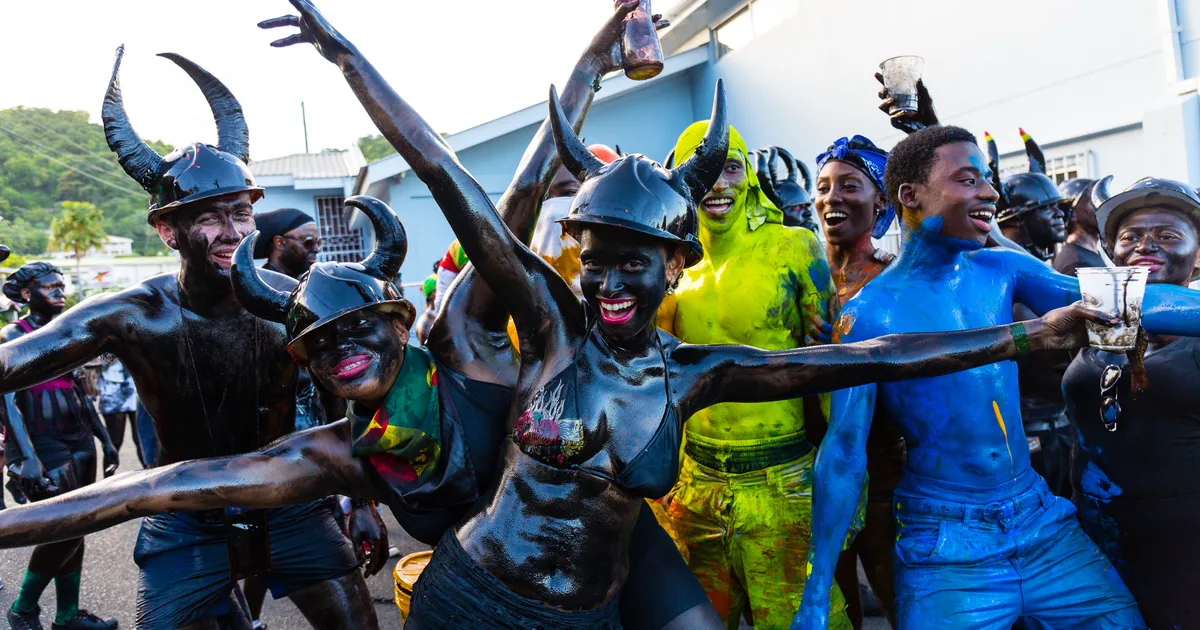
Spicemas Carnival is Grenada’s biggest cultural celebration and includes music, dancing, steelpan performances, colourful costumes, and Caribbean traditions.
Historical Timeline
Explore the people, resistance movements, music, identity, and major events that helped shape modern Jamaica.
Before 1498
Before European colonisation, Grenada was home to Indigenous Caribbean communities who lived through fishing, farming, canoe travel, and trade.
1498
European explorers reached Grenada during the early period of Caribbean exploration.
1649
French settlers colonised Grenada and began developing plantations and colonial settlements.
1763
Britain gained control of Grenada after the Seven Years' War, although French influence remained part of the island's culture.
1700s–1800s
Plantation agriculture expanded in Grenada, relying on the forced labour of enslaved Africans.
1795–1796
Julien Fédon led a major rebellion against British rule, influenced by revolutionary ideas in the Caribbean and Atlantic world.
1834
Slavery was abolished across the British Empire, bringing major change to Grenadian society.
1974
Grenada became an independent nation on 7 February 1974.
1979–1983
The New Jewel Movement took power in 1979. Political crisis followed, and in 1983 the United States led an invasion of Grenada.
Present Day
Today Grenada is known for nutmeg, cocoa, Carnival, beaches, rainforest landscapes, education, and Caribbean culture.
Research Gap
There are many more stories connected to spices, Carnival, music, sport, education, and community life.
🔍 Can you research and add another important event from Grenada's history?
Influential Figures
Explore influential people who helped shape the country through music, leadership, sport, activism, and culture.

Sport
Won Grenada’s first Olympic gold medal and inspired Caribbean athletes through international sporting success.
Music
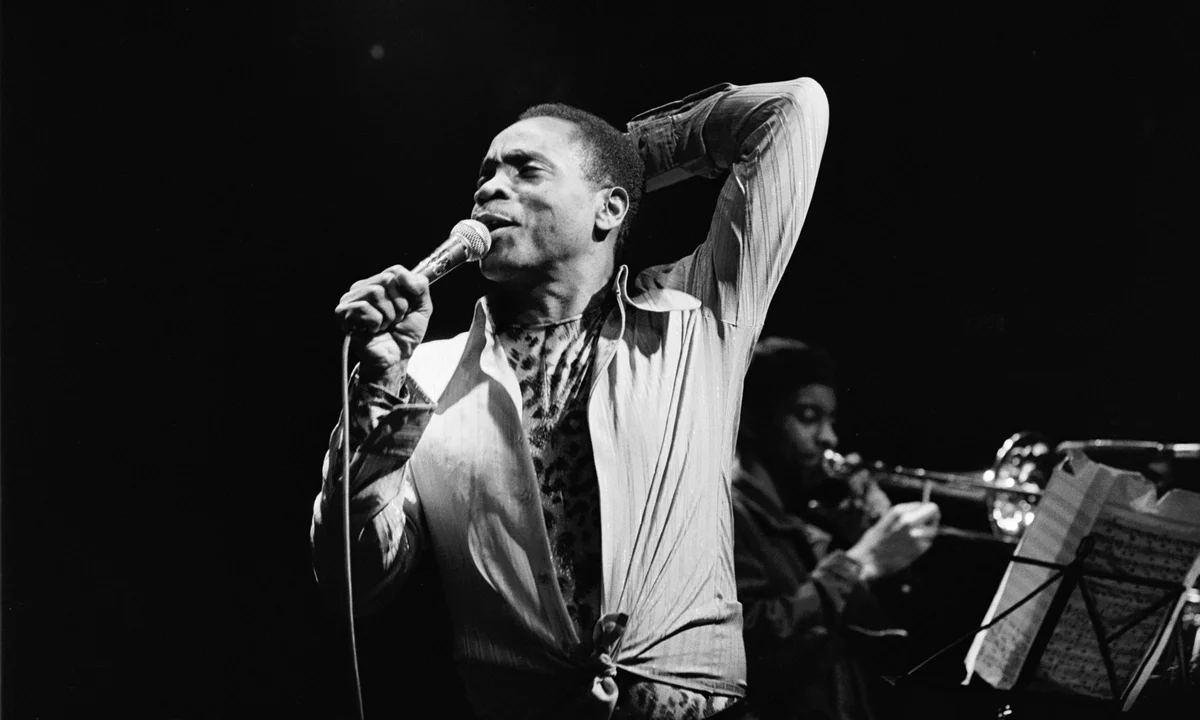
Became one of the Caribbean’s most influential calypso performers and helped shape regional music culture.
Art
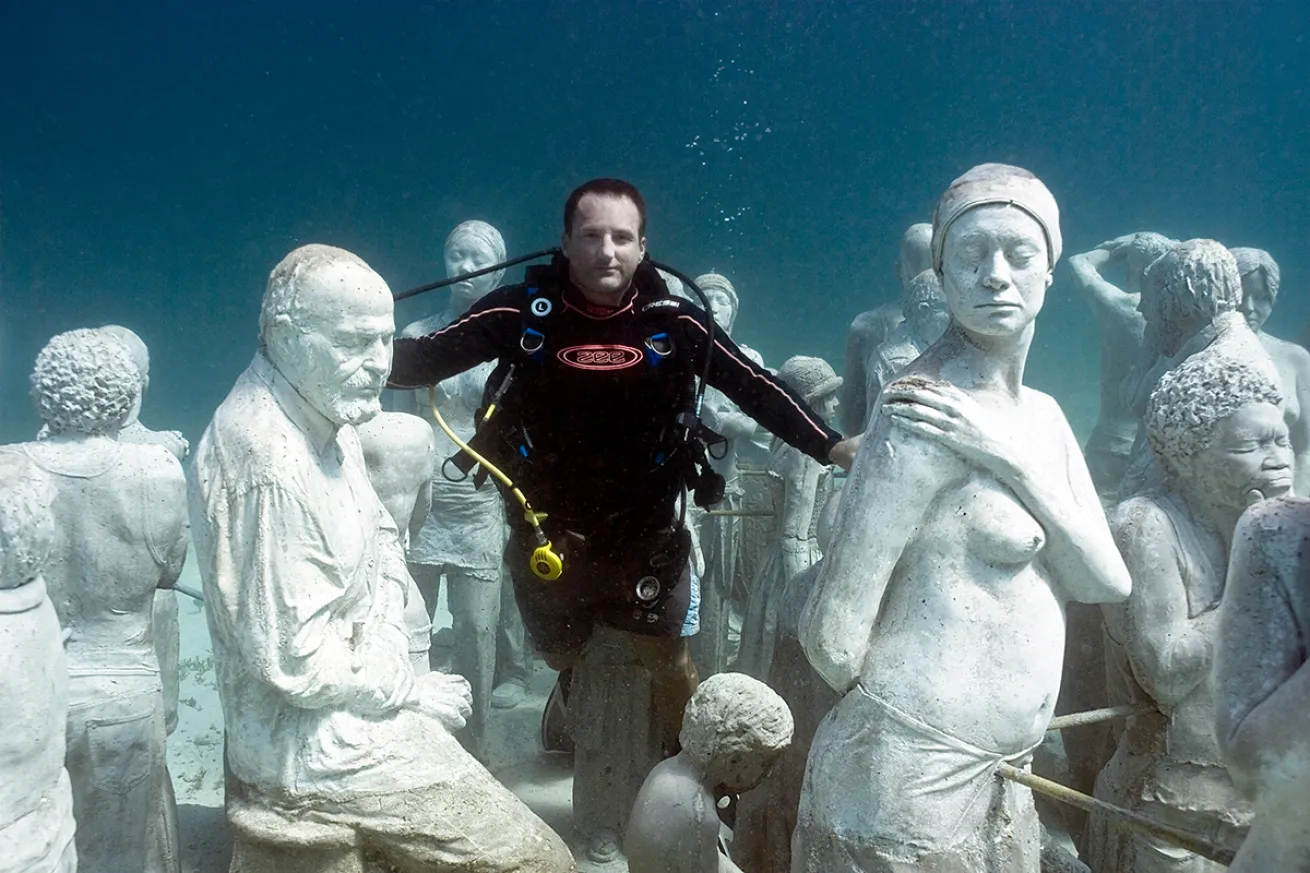
Became internationally recognised for underwater sculptures connected to marine environments and conservation.
Places to Explore
Discover landscapes, cities, landmarks, and locations that help tell the story of Grenada.
Capital City
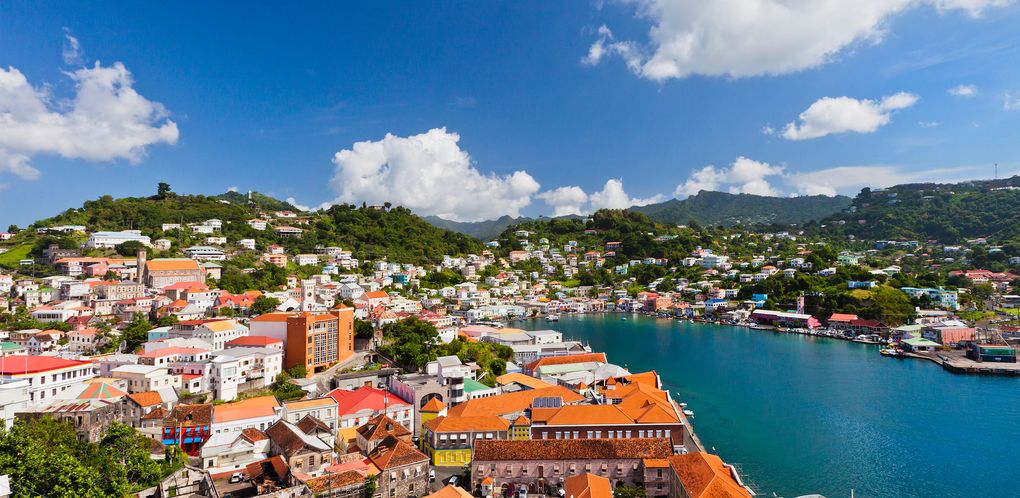
Saint George’s is Grenada’s capital city and is known for its harbour, colourful hillside buildings, markets, and colonial forts overlooking the Caribbean Sea.
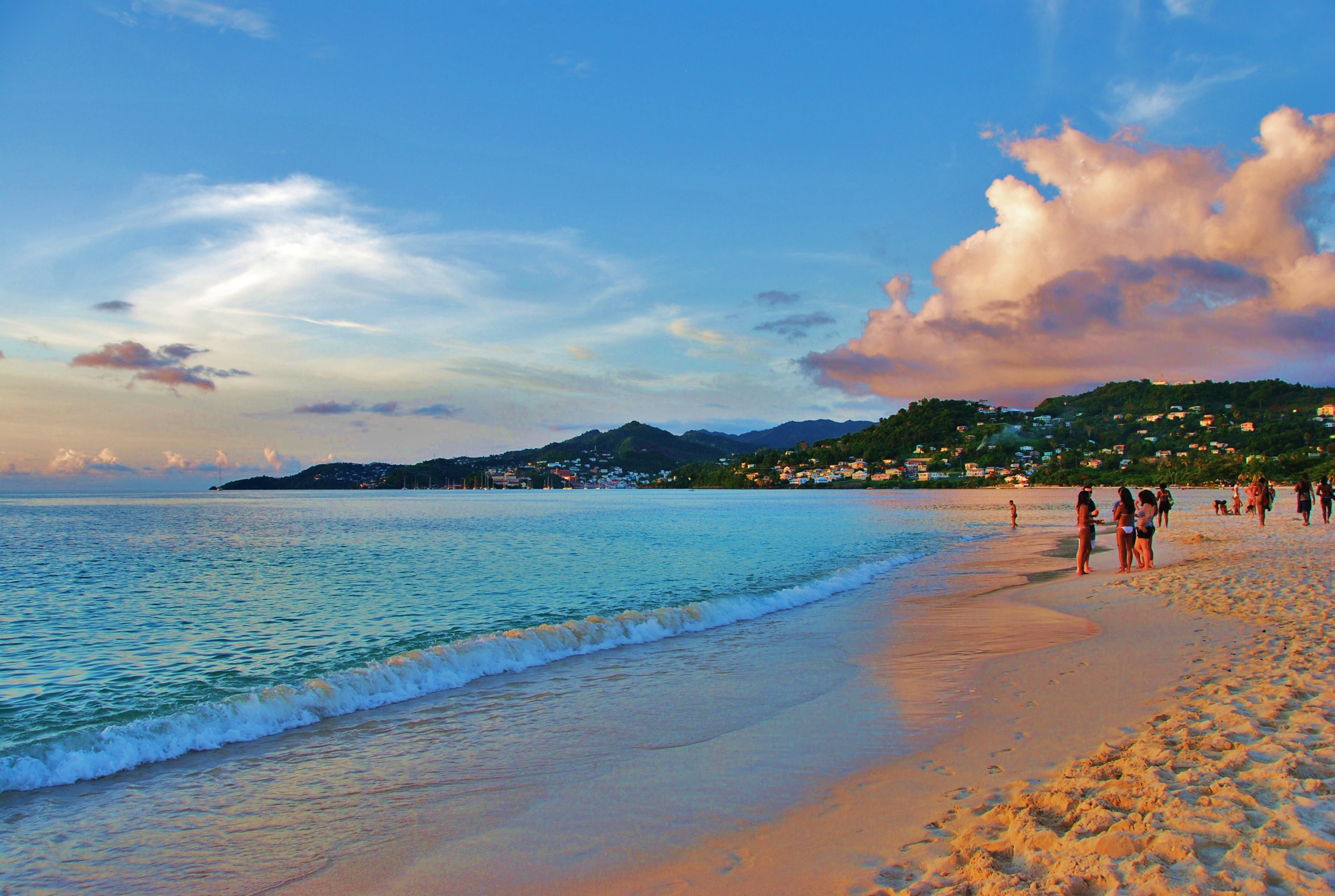
Tourism
Grand Anse Beach became famous for white sand beaches, calm waters, tourism, and Caribbean coastal scenery.
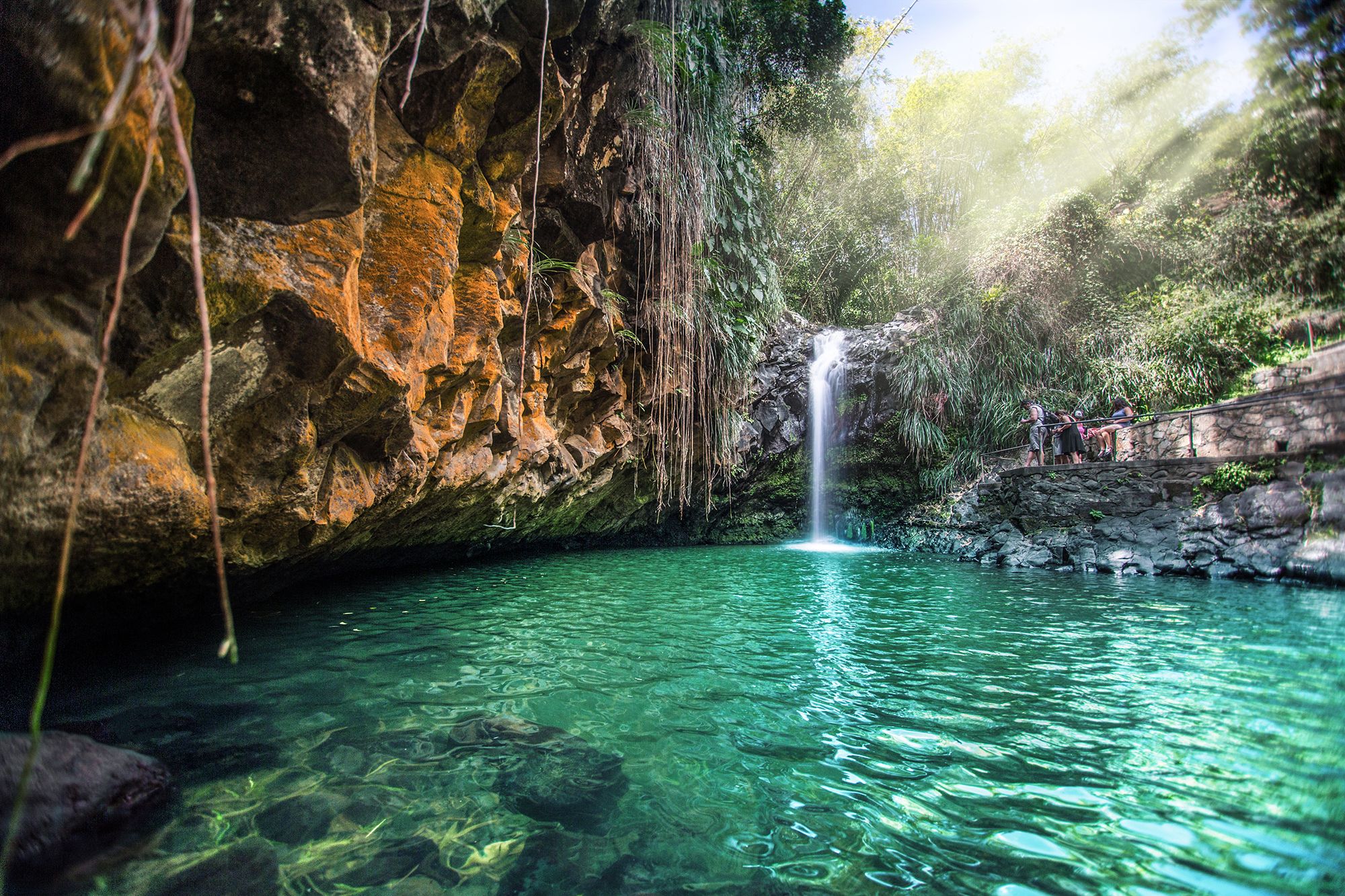
Nature
Annandale Falls is surrounded by rainforest vegetation and is one of Grenada’s best-known natural landmarks.
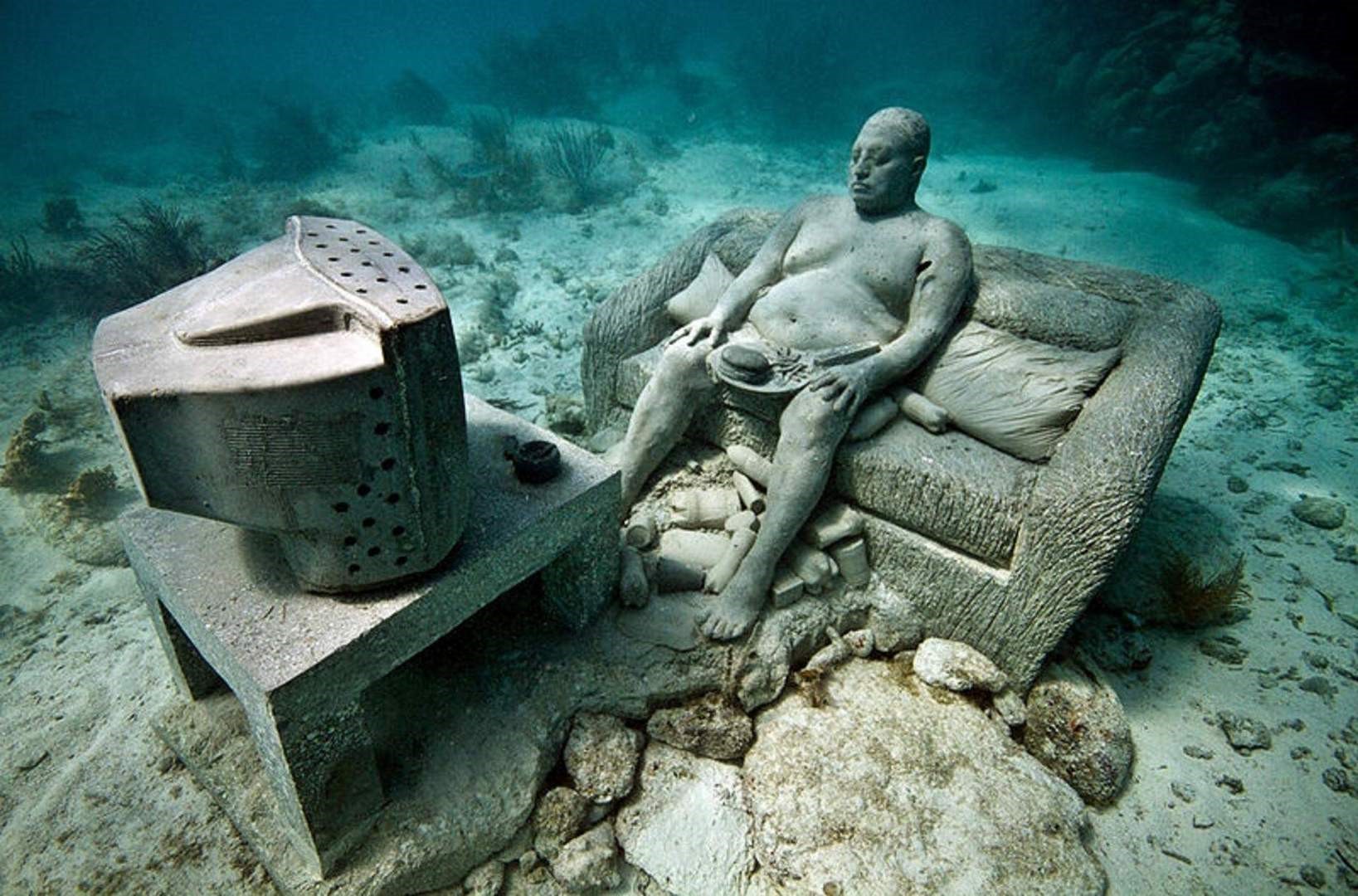
Art
Grenada’s underwater sculpture park combines art and marine conservation through underwater sculptures placed beneath the Caribbean Sea.
Grenada is often called the ‘Spice Isle’.
Nutmeg is one of Grenada’s most important exports.
Oil down is considered Grenada’s national dish.
Grenada has an underwater sculpture park beneath the Caribbean Sea.
Spicemas is Grenada’s biggest Carnival celebration.