Caribbean Region

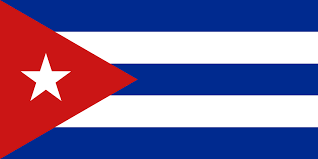
🇨🇺 Cuba

Cuba is known for revolutionary history, music, dance, classic cars, baseball, and vibrant Caribbean culture shaped by African and Spanish influences.

RevolutionMusicClassic CarsBaseballCaribbean Culture
Cuba

Capital

Havana

Population

11 million

Languages

Spanish

Currency

Cuban Peso

Cultural Overview

The story of Cuba

Cuba is the largest island in the Caribbean and has a rich identity shaped by colonial history, revolution, music, migration, and artistic expression. African, Spanish, and Caribbean traditions all helped shape Cuban culture, which became internationally famous through salsa music, Havana’s historic streets, baseball, literature, and political history connected to the Cold War and the Cuban Revolution.

RevolutionMusicClassic CarsBaseballCaribbean Culture

Fact File

Learn about Cuba

Explore the capital city, food, wildlife, and culture through images and short fact-file summaries.

Revolution and Independence in Cuba
History

Revolution and Independence

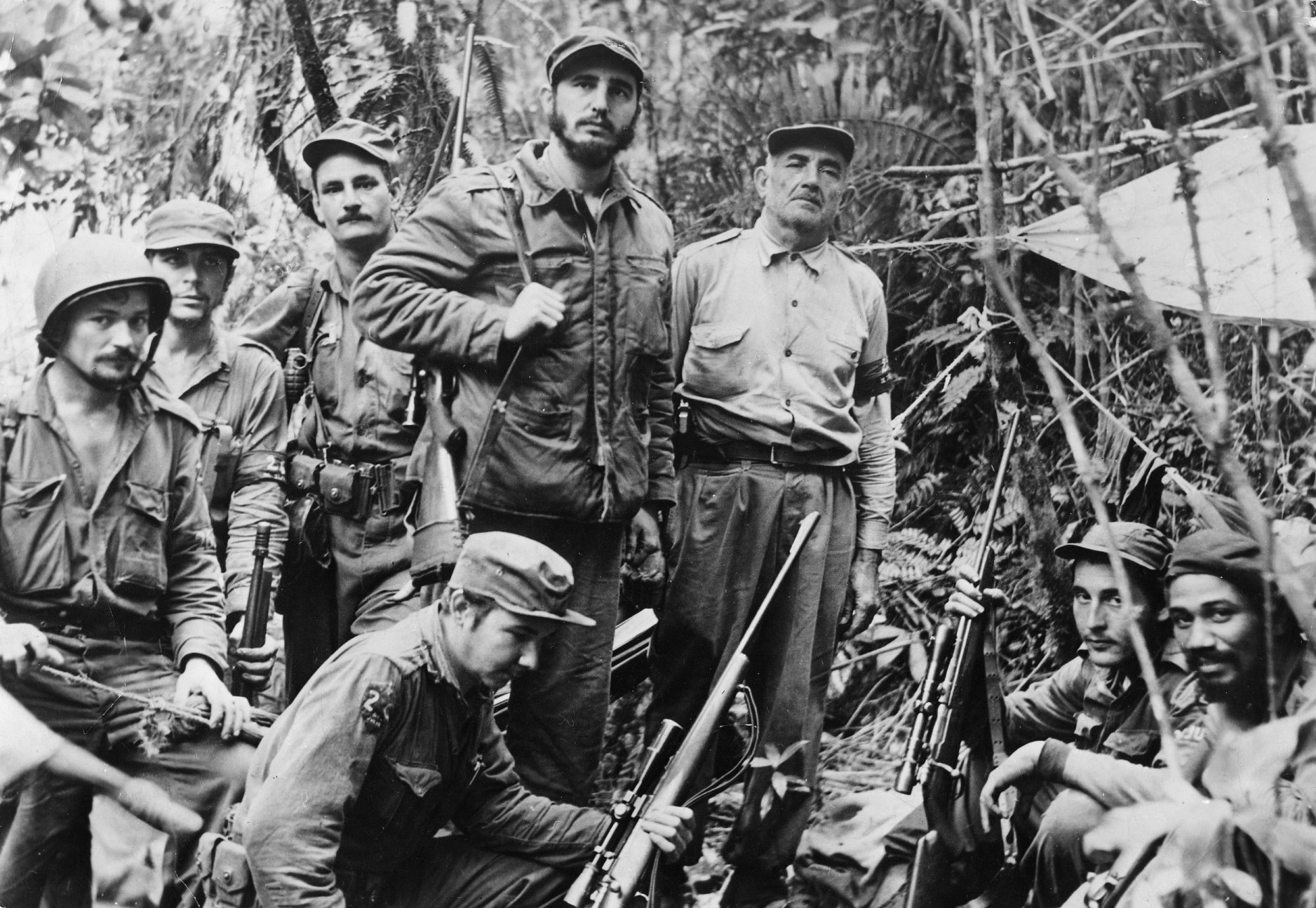
Cuba was controlled by Spain before gaining independence in 1902. In 1959, Fidel Castro and revolutionary groups overthrew the government during the Cuban Revolution, an event that later connected Cuba closely to Cold War politics and shaped modern Cuban identity.

History
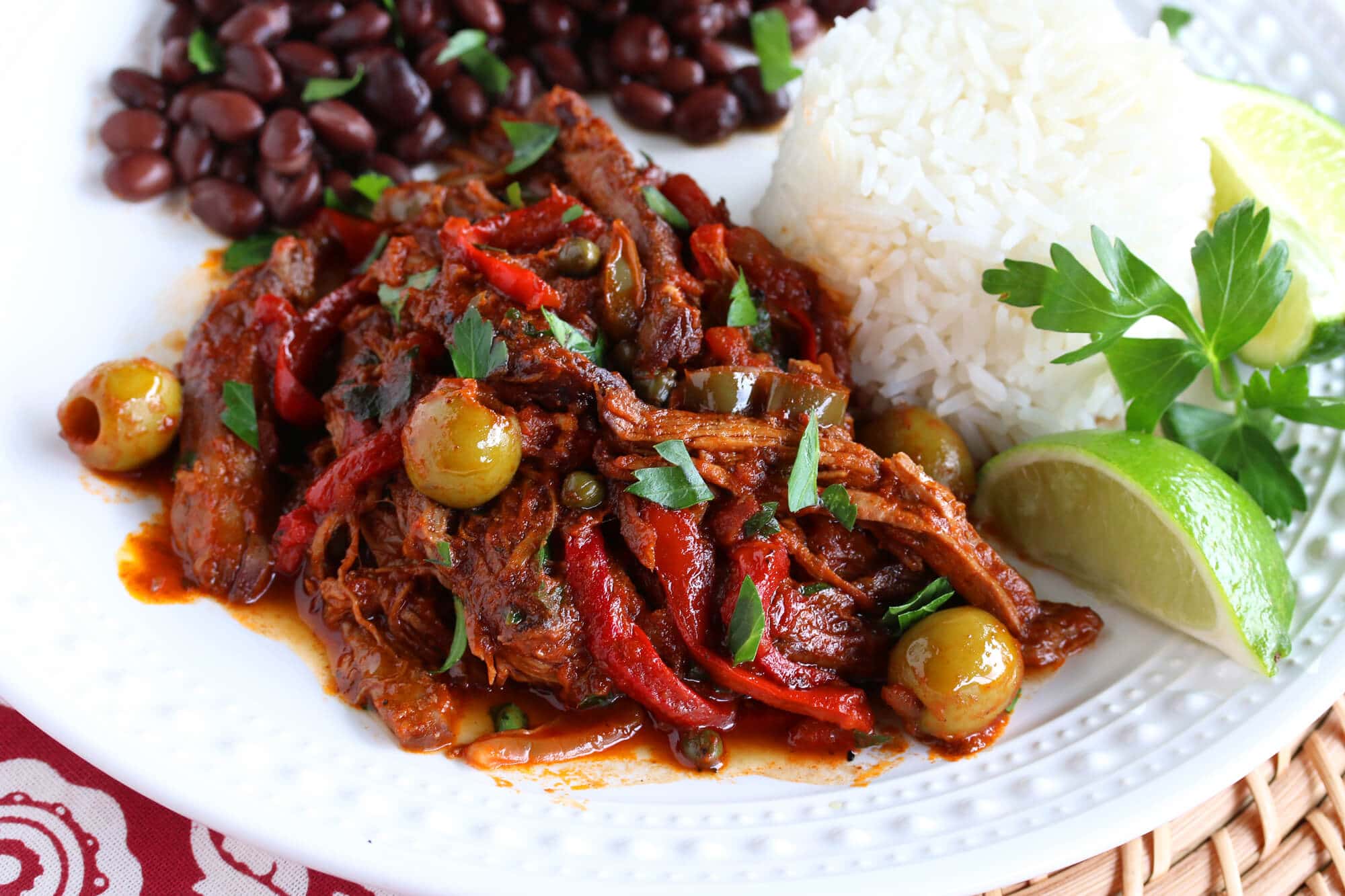
Ropa Vieja in Cuba
Food

Ropa Vieja

Ropa vieja is one of Cuba’s most famous traditional dishes and is commonly made using shredded beef, tomatoes, peppers, onions, and spices. Cuban food reflects Spanish, African, and Caribbean influences.

Food
Cuban Wildlife in Cuba
Wildlife

Cuban Wildlife

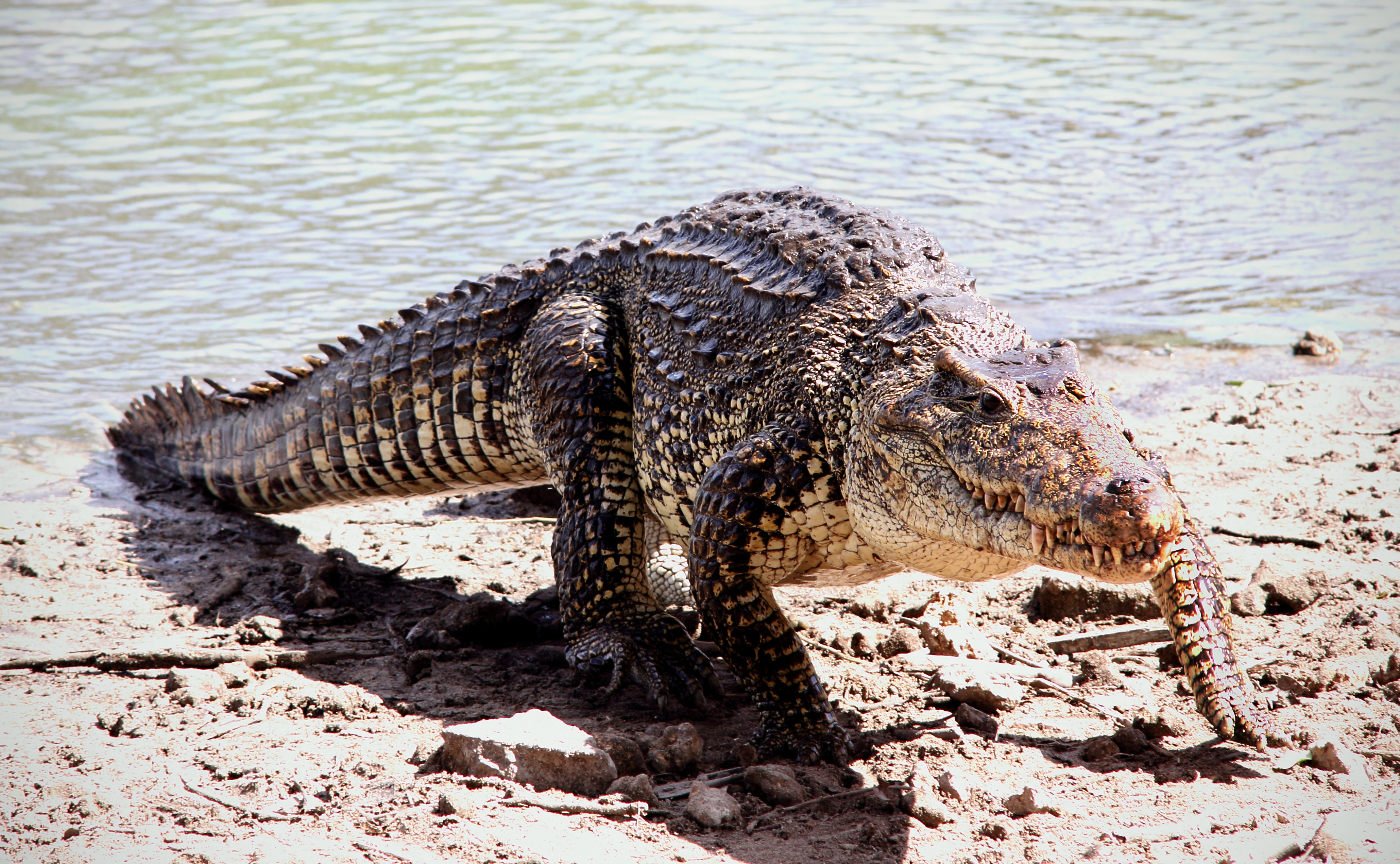
Cuba is home to coral reefs, tropical birds, sea turtles, and the endangered Cuban crocodile, which is found mainly in wetland regions such as the Zapata Swamp.

Wildlife
Music and Dance in Cuba
Culture

Music and Dance

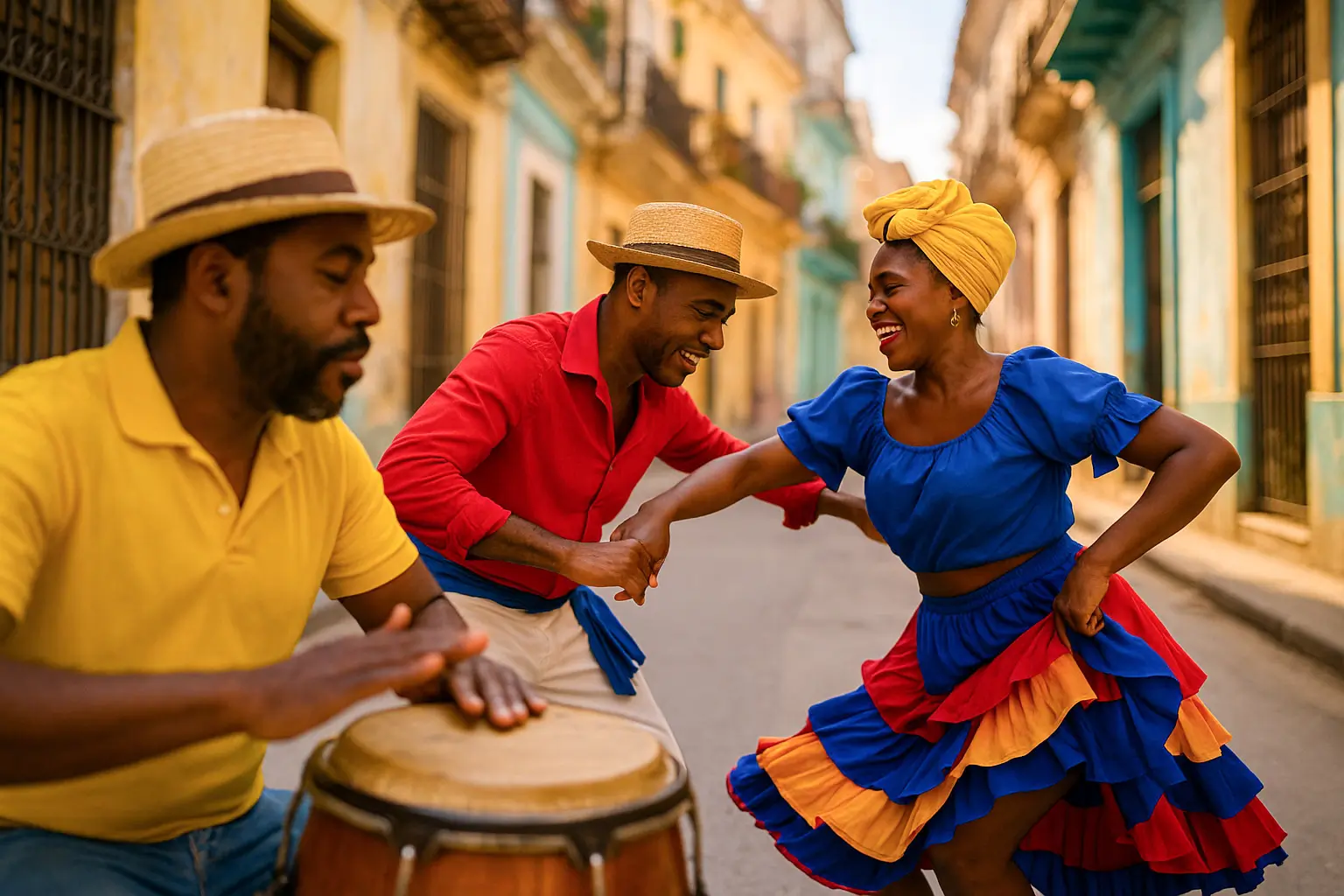
Cuba became internationally famous for salsa music, Afro-Cuban rhythms, jazz, and dance traditions. Music and dance remain important parts of Cuban celebrations, identity, and everyday life.

Culture

Historical Timeline

The Story of Cuba

Explore the people, resistance movements, music, identity, and major events that helped shape modern Jamaica.

  • Before 1492

    🌴

    The Taíno People

    Before European arrival, Cuba was home to Taíno communities who farmed, fished, traded, and lived across the island.

    • How did the Taíno live?
    • Why is Indigenous history important?
  • 1492

    🚢

    Columbus Arrives

    Christopher Columbus arrived in Cuba during his first voyage to the Caribbean, beginning a new period of European involvement.

    • Why were Europeans exploring?
    • How did European arrival affect Indigenous peoples?
  • 1500s–1800s

    ⚔️

    Spanish Colonial Rule

    Spain controlled Cuba for centuries, developing settlements, trade networks, and plantation agriculture.

    • Why was Cuba important to Spain?
    • How did colonial rule affect life on the island?
  • 1700s–1800s

    🌾

    Sugar and Plantations

    Sugar production became a major part of Cuba's economy, relying heavily on enslaved African labour.

    • Why was sugar valuable?
    • Who benefited and who suffered from plantation systems?
  • 1868

    ⚔️

    The Ten Years' War

    Cuban revolutionaries began a major struggle for independence from Spain, starting a long period of conflict.

    • Why do people fight for independence?
    • What challenges do independence movements face?
  • 1895

    📜

    José Martí and Independence

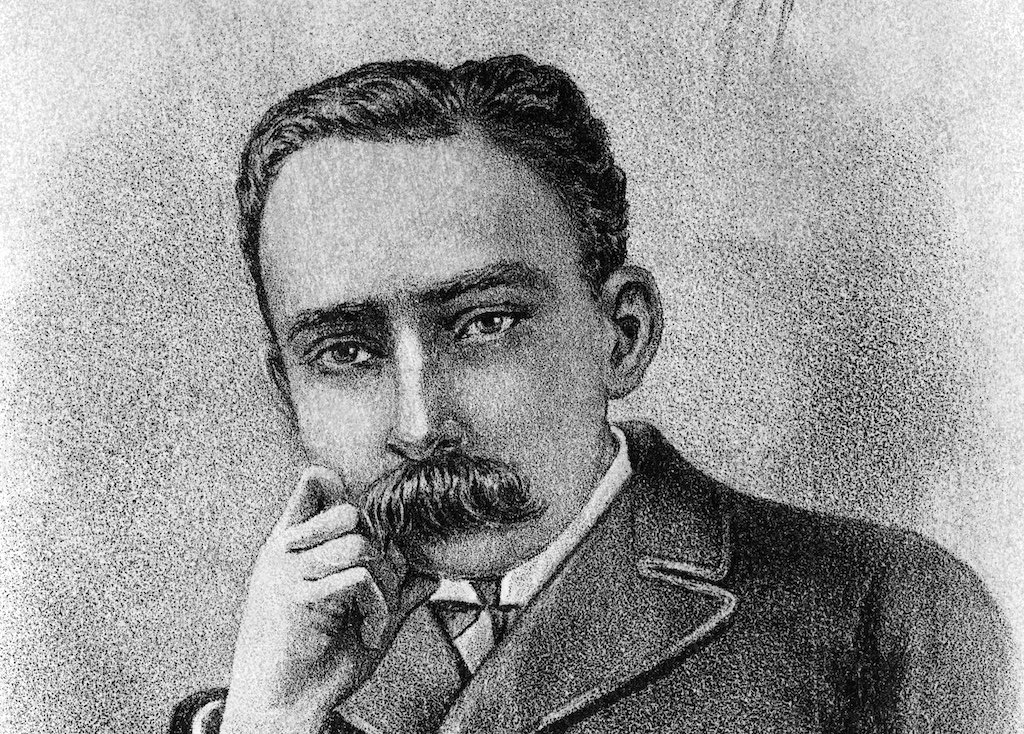
    Writer and revolutionary José Martí became one of the most important figures in Cuba's independence movement.

    • How can writers influence history?
    • Why is José Martí remembered today?
  • 1898

    🚢

    Spanish-American War

    The Spanish-American War ended Spanish control of Cuba and marked a major turning point in the island's history.

    • How can wars change countries?
    • Why was 1898 significant for Cuba?
  • 1902

    🇨🇺

    The Republic of Cuba

    Cuba became an independent republic, beginning a new chapter in its national history.

    • What does independence mean for a country?
    • What challenges might a new nation face?
  • 1959

    The Cuban Revolution

    The Cuban Revolution brought major political and social changes to the country and shaped modern Cuba.

    • Why do revolutions happen?
    • How can political change affect everyday life?
  • Present Day

    🎶

    Modern Cuba

    Today Cuba is known for its music, sport, education, culture, history, and strong national identity.

    • What makes Cuba unique today?
    • How does history shape national identity?
  • Research Gap

    What did we miss?

    There are many more stories connected to Cuban music, culture, science, sport, and daily life.

    🔍 Can you research and add another important event from Cuban history?

Influential Figures

Influential People of Cuba

Explore influential people who helped shape the country through music, leadership, sport, activism, and culture.

José Martí
Revolution

???

Revolution

Became one of Cuba’s most important national heroes through writing, activism, and campaigns for independence and freedom.

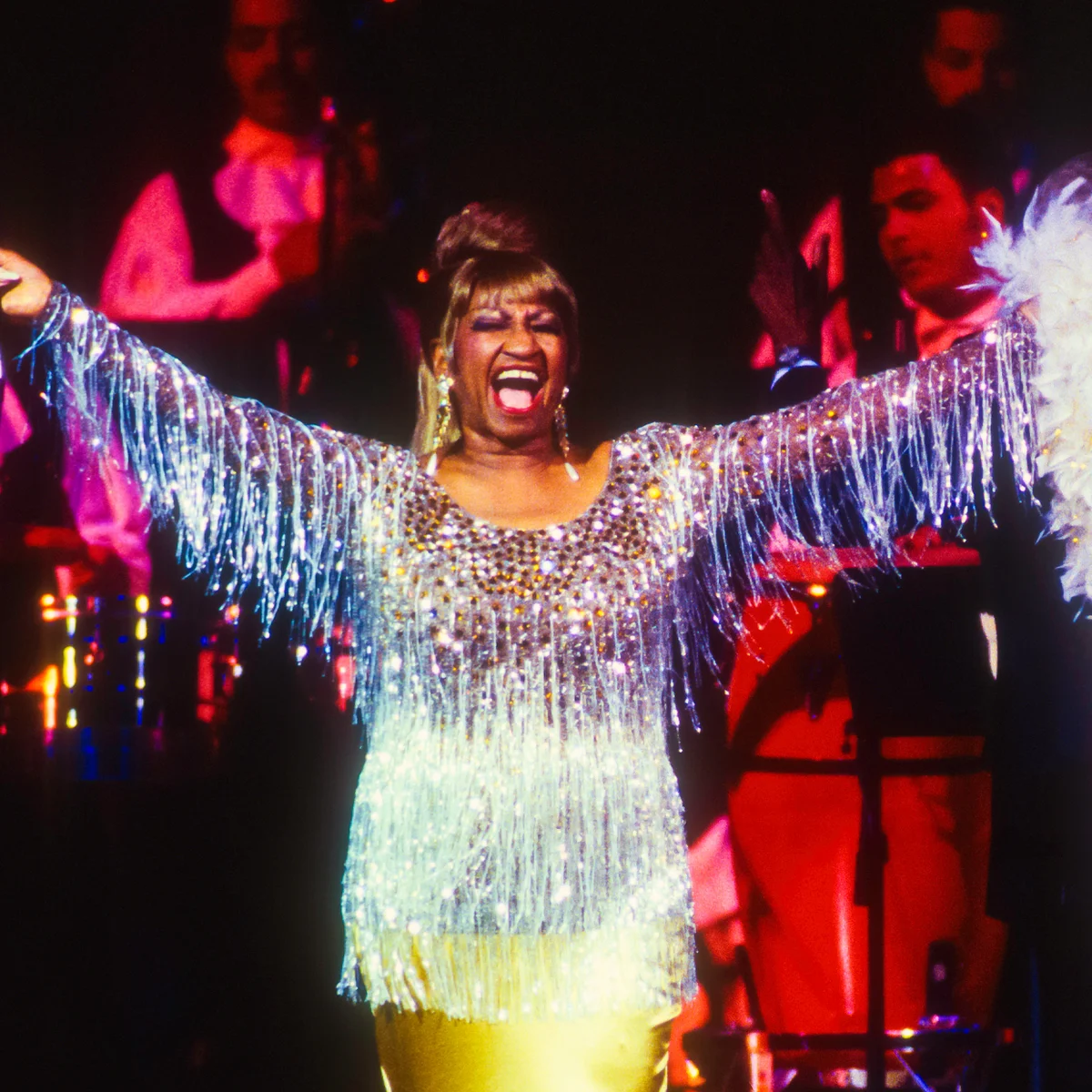
Celia Cruz
Music

???

Music

Helped spread salsa and Afro-Caribbean music across the world through powerful performances and cultural influence.

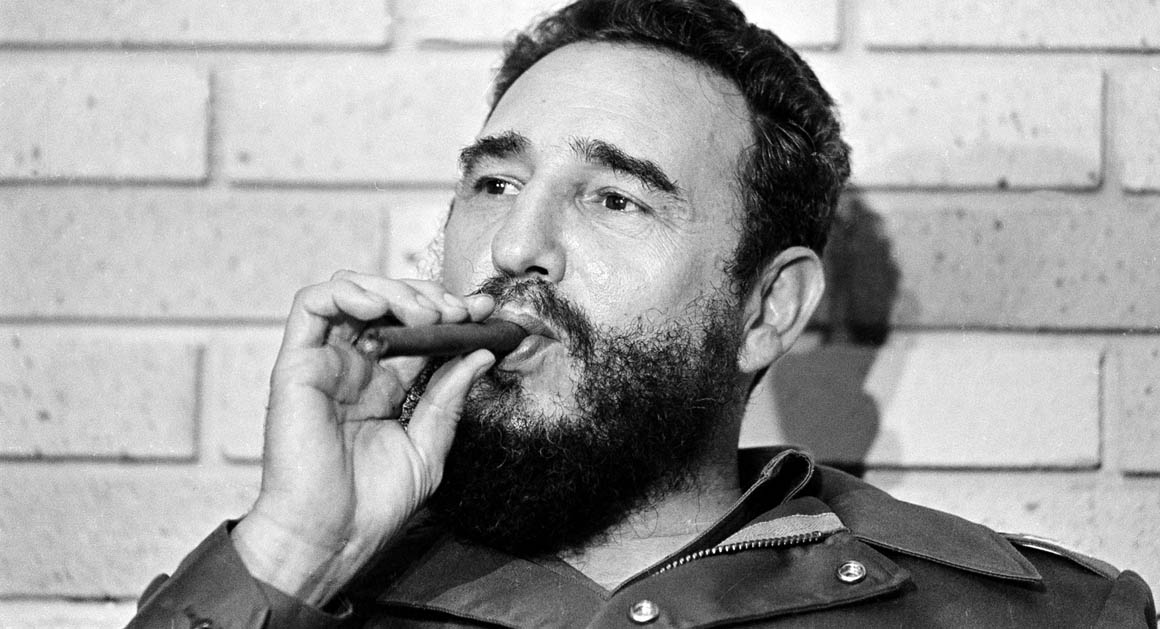
Fidel Castro
Politics

???

Politics

Led the Cuban Revolution and became one of the most influential and controversial political leaders of the Cold War era.

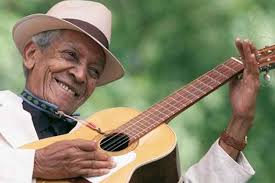
Compay Segundo
Music

???

Music

Helped introduce traditional Cuban music to global audiences through internationally celebrated performances and recordings.

Places to Explore

Explore Cuba

Discover landscapes, cities, landmarks, and locations that help tell the story of Cuba.

Havana
Capital City

Capital City

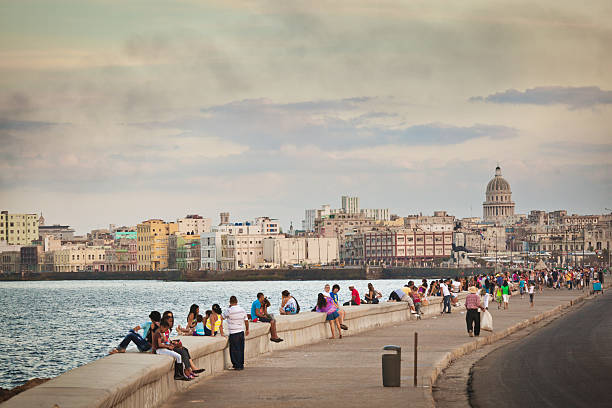
Havana

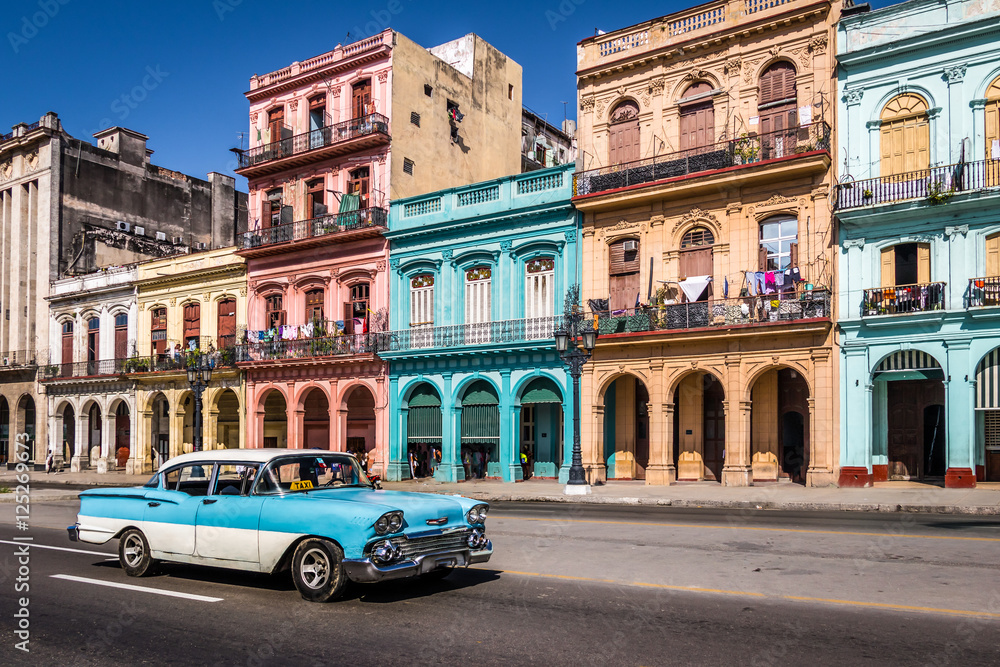
Havana is Cuba’s capital city and is famous for colourful colonial buildings, vintage American cars, music-filled streets, and important historical landmarks connected to the Cuban Revolution.

Viñales Valley
Landscape

Landscape

Viñales Valley

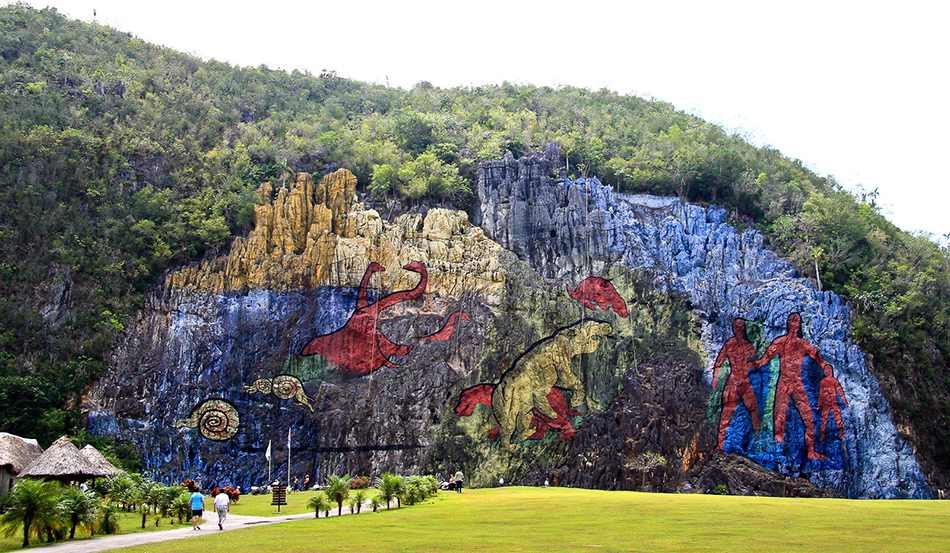
Viñales Valley is known for dramatic limestone hills, tobacco farms, caves, and rural landscapes. The region is important for traditional Cuban agriculture and cigar production.

Malecón
Culture

Culture

Malecón

The Malecón is a famous seaside walkway in Havana where people gather to socialise, fish, play music, and enjoy views across the Caribbean Sea.

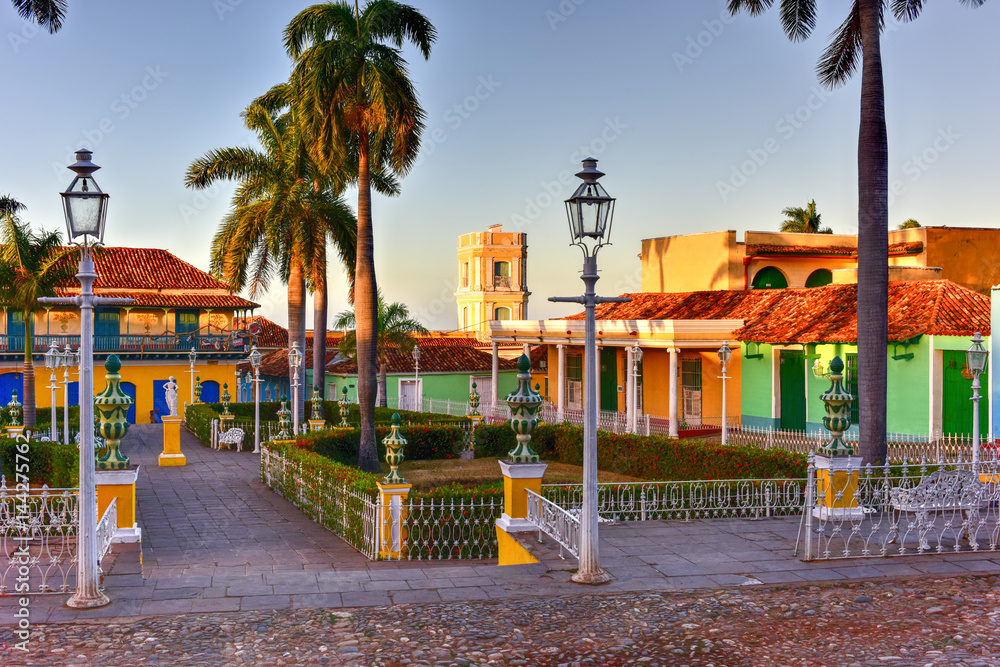
Trinidad
Colonial History

Colonial History

Trinidad

Trinidad is one of Cuba’s best-preserved colonial towns and is known for cobbled streets, colourful buildings, sugar plantation history, and Spanish colonial architecture.

Things We’ve Learned About Cuba

Cuba is the largest island in the Caribbean.

Vintage American cars became closely associated with Cuban streets after trade restrictions during the Cold War.

Baseball is one of the most popular sports in Cuba.

Cuban music helped influence salsa, jazz, and Latin music around the world.

Havana’s old town is recognised as a UNESCO World Heritage Site.