History
Kalinago Heritage
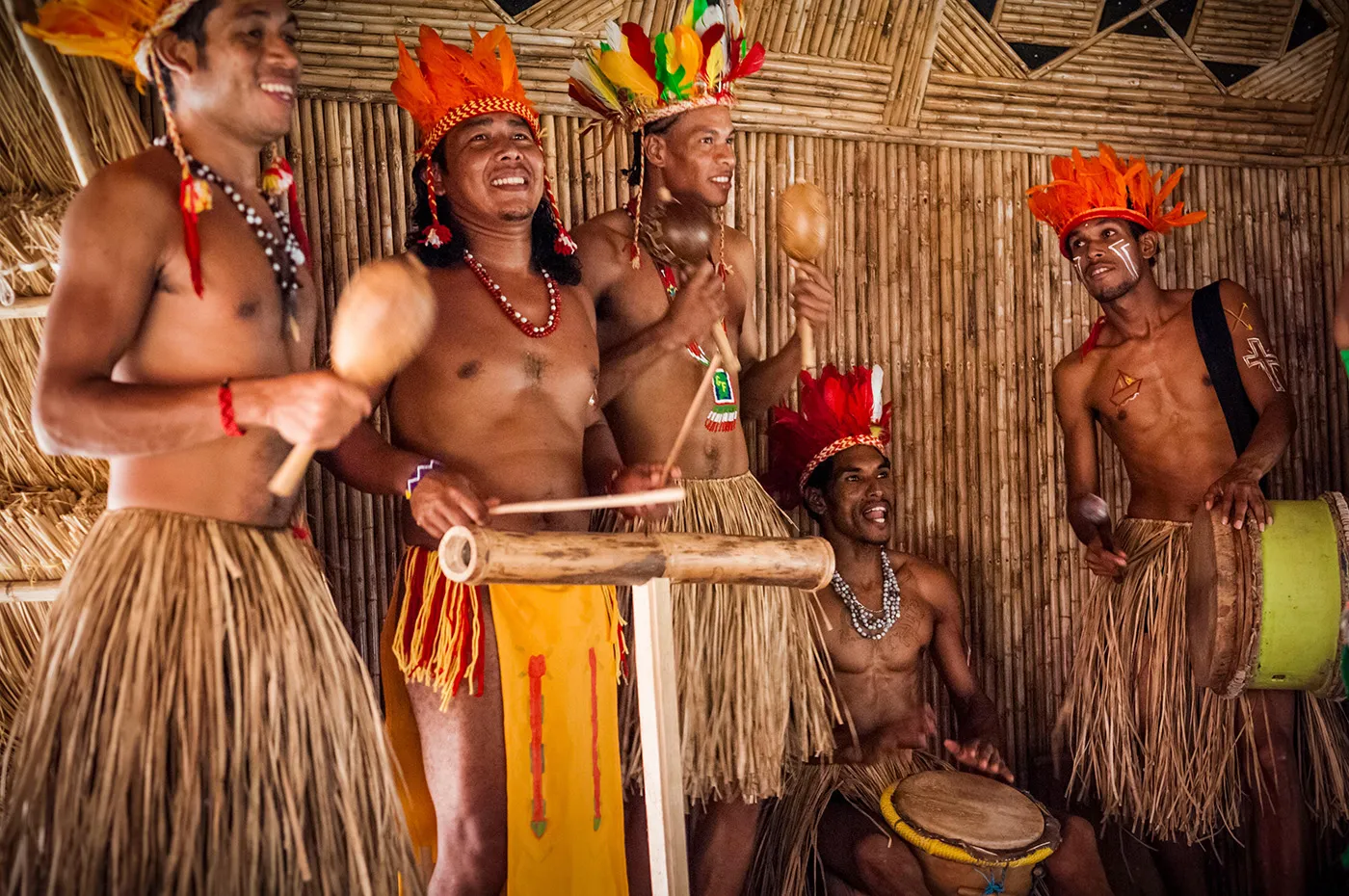
Dominica is home to the Kalinago Territory, one of the last remaining Indigenous Caribbean communities in the region. Kalinago culture, traditions, crafts, and history remain important parts of Dominican identity.
History
Caribbean Region
Dominica is known for rainforests, waterfalls, volcanoes, and strong connections to Indigenous Kalinago heritage and Caribbean nature.
Capital
Roseau
Population
72,000
Languages
English, Dominican Creole
Currency
East Caribbean Dollar
Cultural Overview
Dominica is often called the ‘Nature Island of the Caribbean’ because of its mountains, rainforests, volcanic landscapes, rivers, and hot springs. The island has a strong cultural identity shaped by African, French, British, and Kalinago influences alongside traditions connected closely to nature and community life.
Fact File
Explore the capital city, food, wildlife, and culture through images and short fact-file summaries.
Dominica is home to the Kalinago Territory, one of the last remaining Indigenous Caribbean communities in the region. Kalinago culture, traditions, crafts, and history remain important parts of Dominican identity.
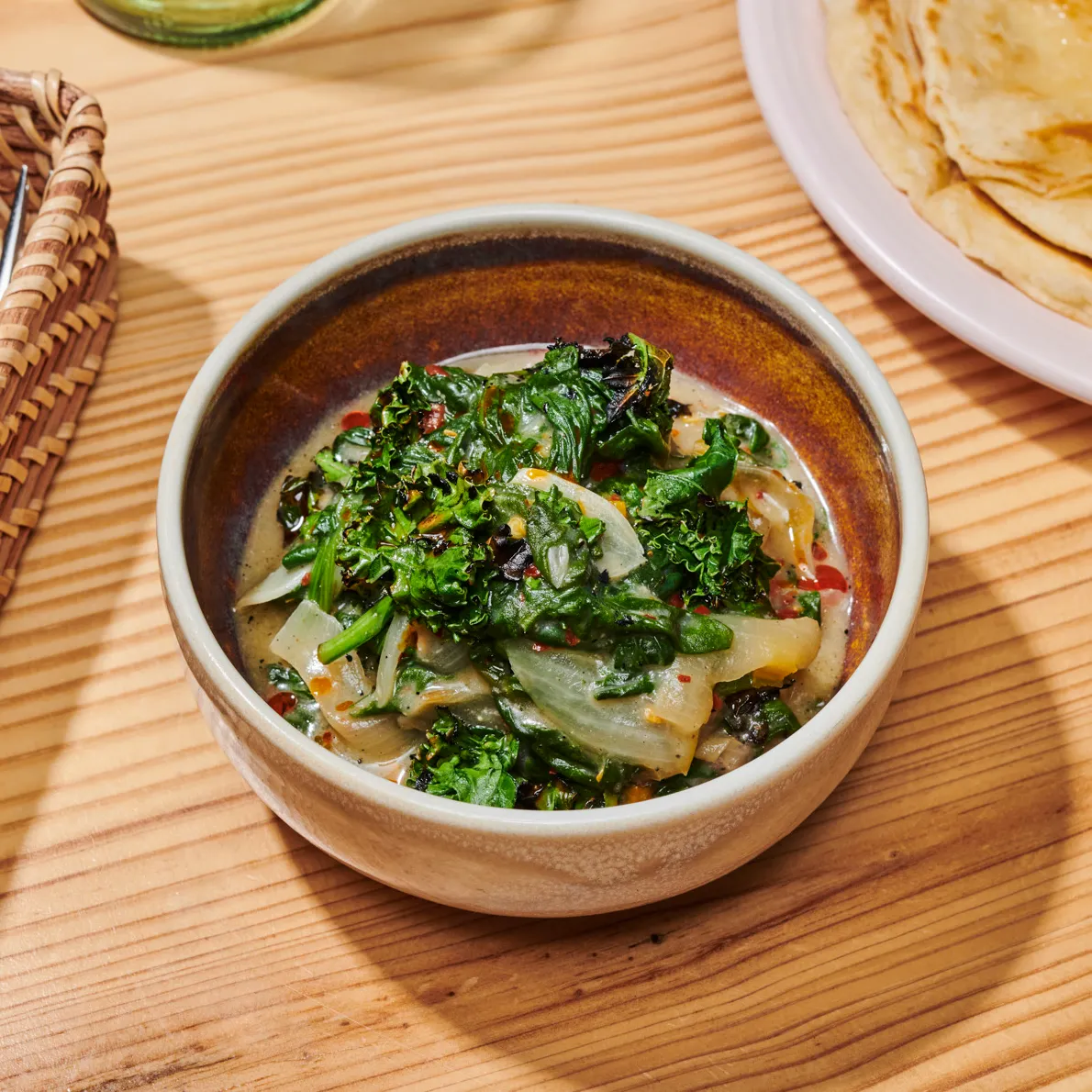
Callaloo soup is a traditional Caribbean dish made using leafy greens, vegetables, herbs, and local seasonings. Dominican food is shaped by African, Creole, and island cooking traditions.
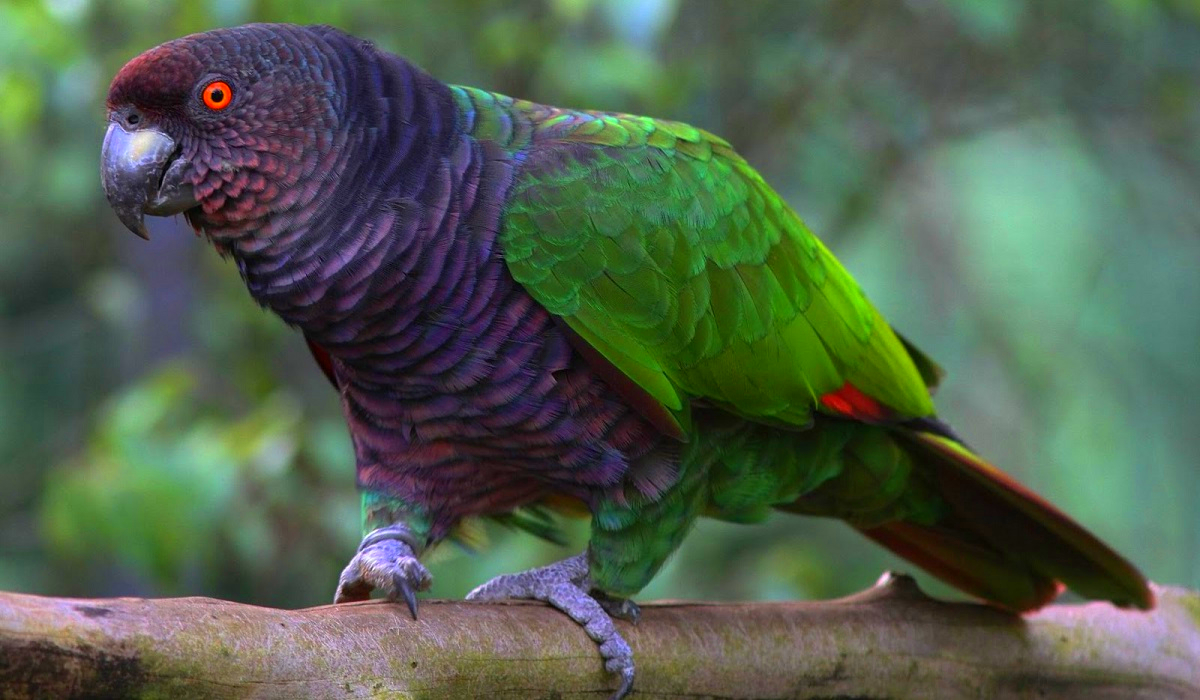
The endangered Sisserou Parrot is Dominica’s national bird and lives mainly in the island’s mountain rainforests. It has become an important national symbol.
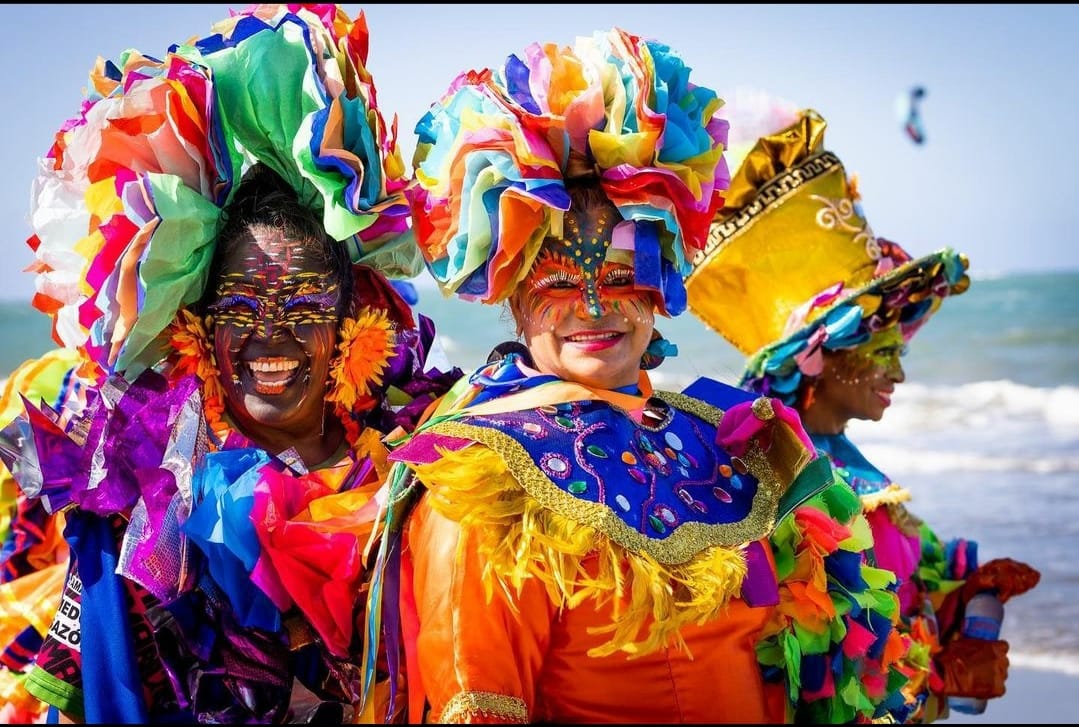
Dominican culture includes Creole music, dancing, storytelling, Carnival celebrations, and traditions shaped by African, French, and Caribbean influences.
Historical Timeline
Explore the people, resistance movements, music, identity, and major events that helped shape modern Jamaica.
Before 1493
Before European arrival, Dominica was home to Indigenous Caribbean communities, including Kalinago people who lived through farming, fishing, canoe travel, and trade.
1493
Christopher Columbus sighted Dominica during his second voyage to the Caribbean.
1600s–1700s
Kalinago communities resisted European settlement for many years, helping Dominica remain less heavily colonised than some neighbouring islands for a time.
1700s
French settlers established communities and plantations on Dominica before Britain later gained control of the island.
1763
After the Seven Years' War, Dominica came under British control, although French cultural influence remained important.
1700s–1800s
Plantation agriculture developed in Dominica and relied on the forced labour of enslaved Africans.
1834
Slavery was abolished across the British Empire, bringing major social change to Dominica.
1958–1962
Dominica joined the West Indies Federation, an attempt to unite several British Caribbean territories.
1978
Dominica became an independent nation on 3 November 1978.
Present Day
Today Dominica is known for rainforests, volcanoes, rivers, Creole culture, and Kalinago heritage.
Research Gap
There are many more stories connected to Kalinago heritage, Creole culture, music, nature, and community life.
🔍 Can you research and add another important event from Dominica's history?
Influential Figures
Explore influential people who helped shape the country through music, leadership, sport, activism, and culture.
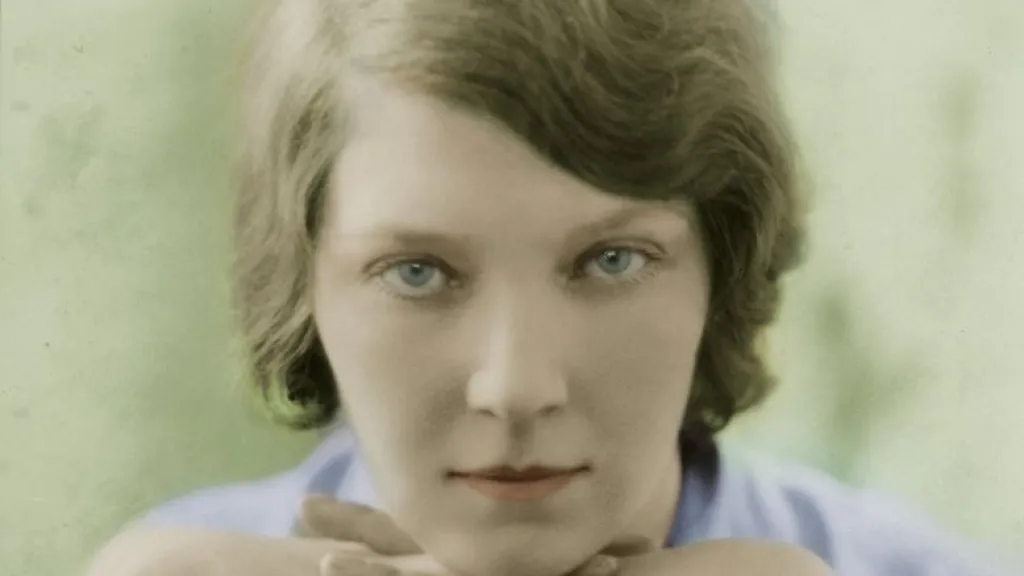
Literature
Became internationally known for writing about identity, colonial history, and Caribbean life through influential novels.
Music
Helped promote Dominican Creole culture and Caribbean music traditions through internationally recognised performances.
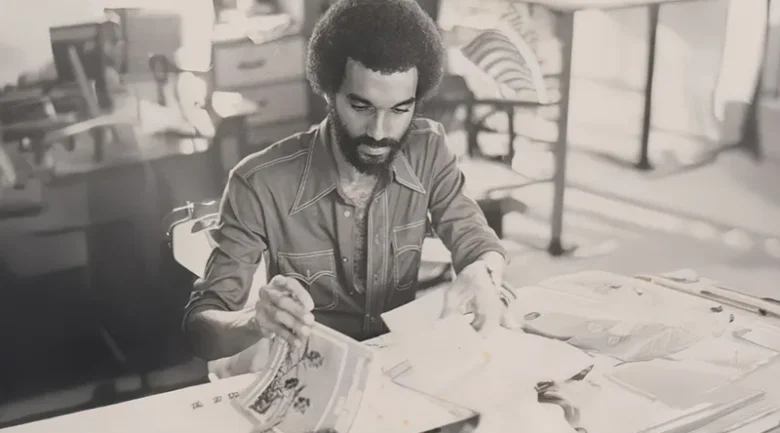
Art
Became known for theatre, visual art, and helping shape Dominica’s cultural and national identity.
Places to Explore
Discover landscapes, cities, landmarks, and locations that help tell the story of Dominica.
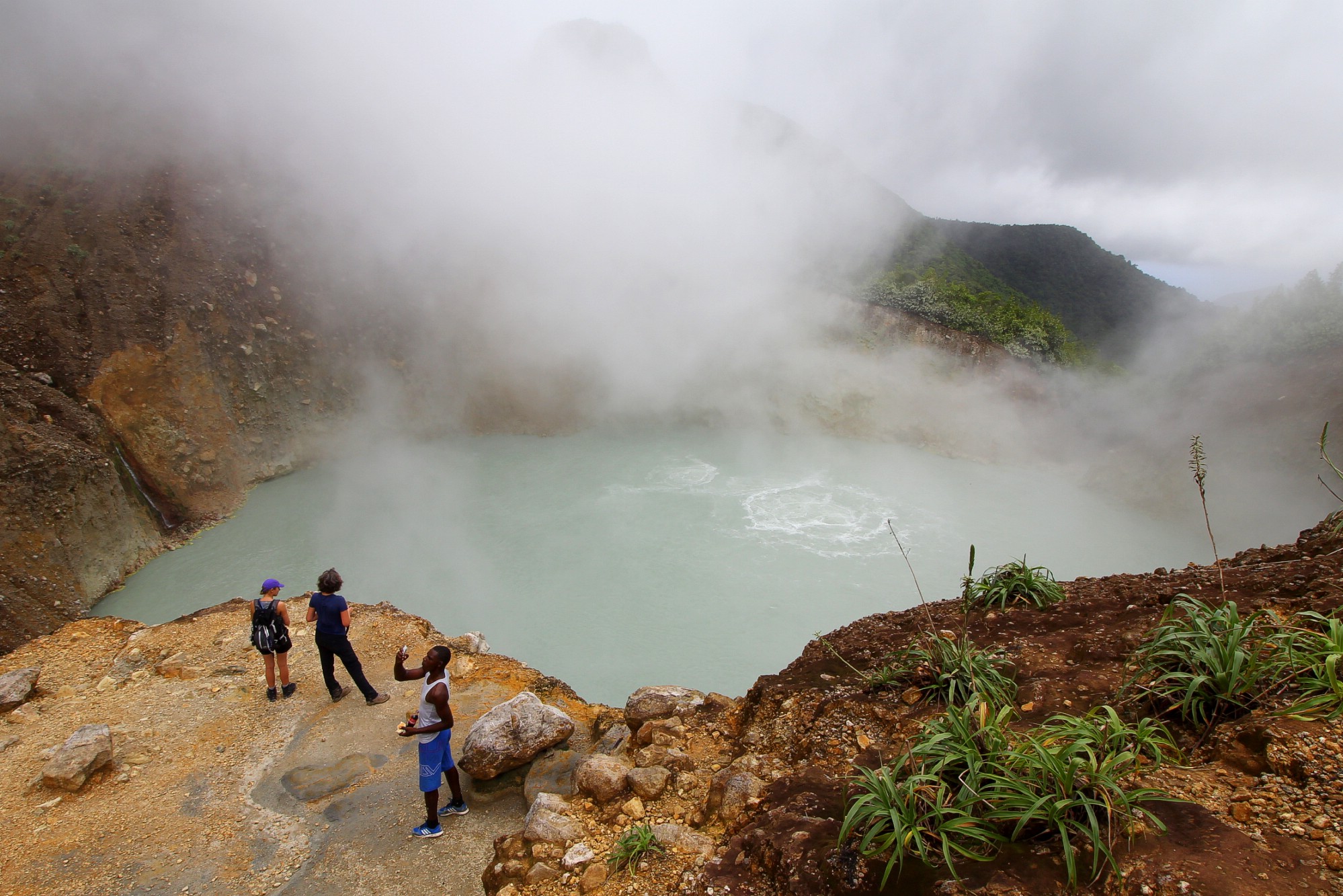
Volcanoes
Boiling Lake is one of the largest hot lakes in the world and was formed by volcanic activity beneath Dominica’s mountains and rainforest landscapes.
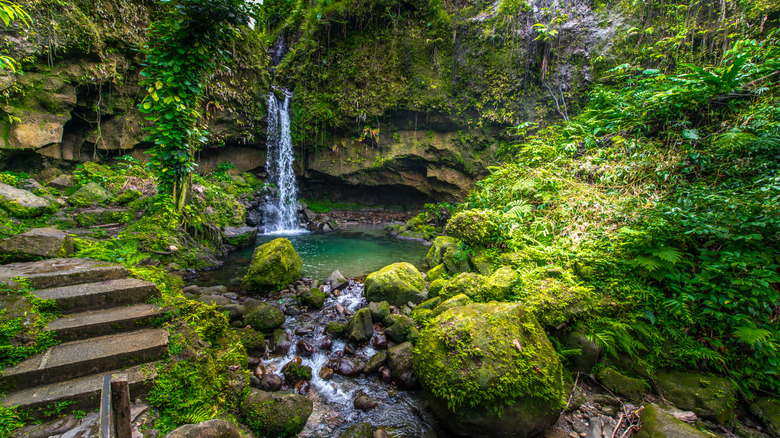
Nature
Morne Trois Pitons National Park is a UNESCO World Heritage Site known for volcanoes, waterfalls, hot springs, tropical forests, and hiking trails.
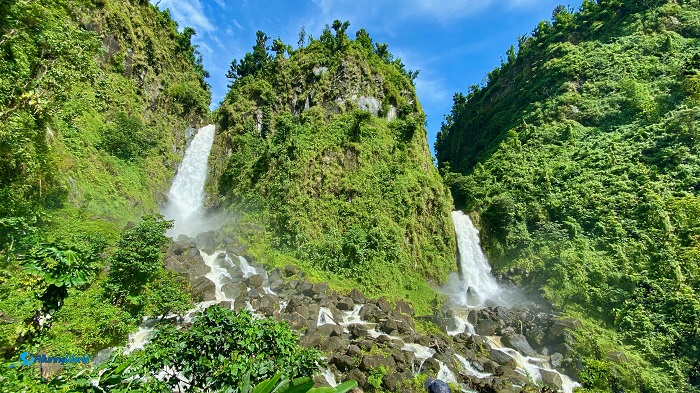
Landmark
Trafalgar Falls is one of Dominica’s most famous natural landmarks and is surrounded by rainforest, rivers, and volcanic hot springs.
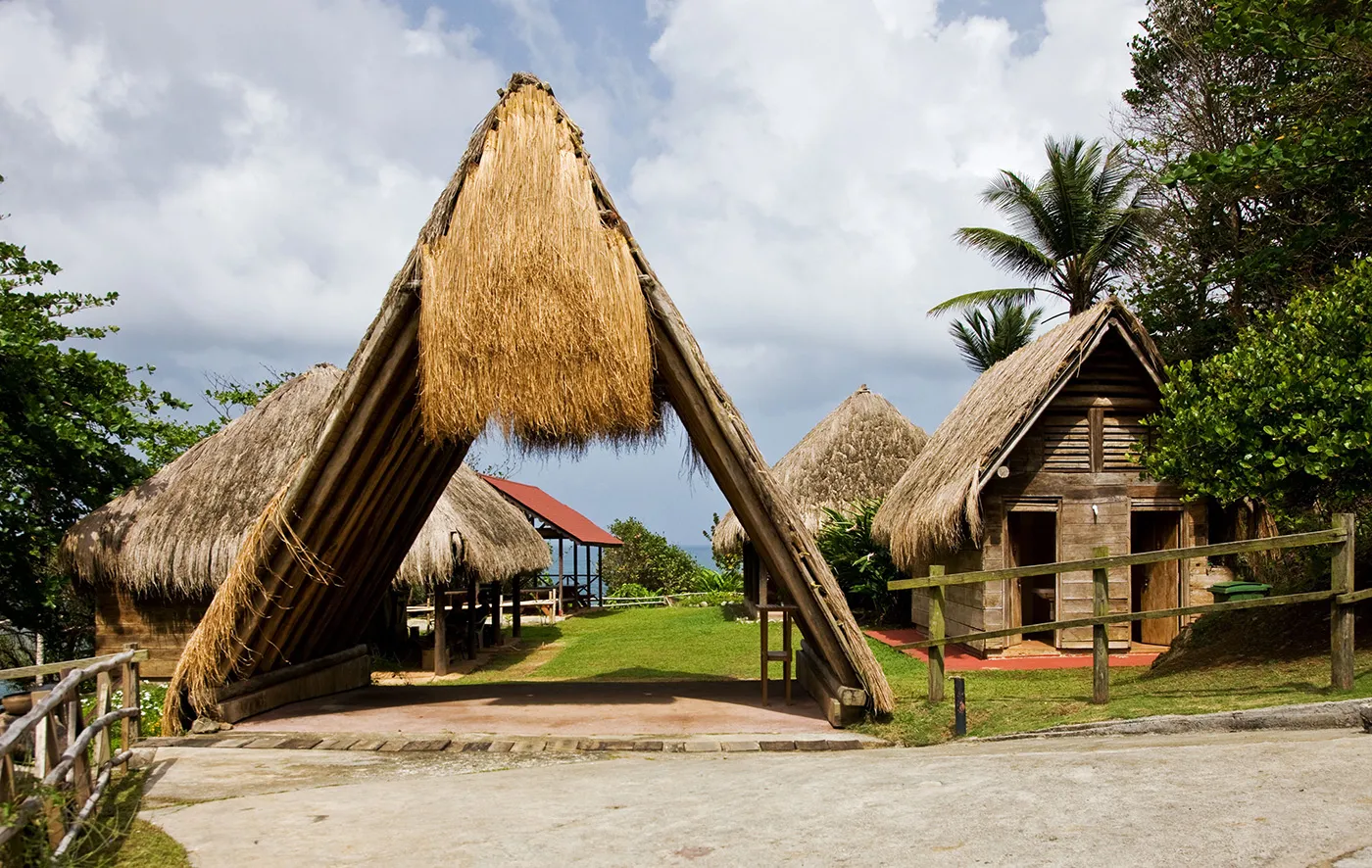
Culture
The Kalinago Territory helps preserve Indigenous Caribbean traditions, crafts, language, and cultural history on the island.
Dominica is known as the ‘Nature Island of the Caribbean’.
The island has volcanoes, rainforests, waterfalls, and hot springs.
Dominica is home to one of the Caribbean’s last remaining Kalinago communities.
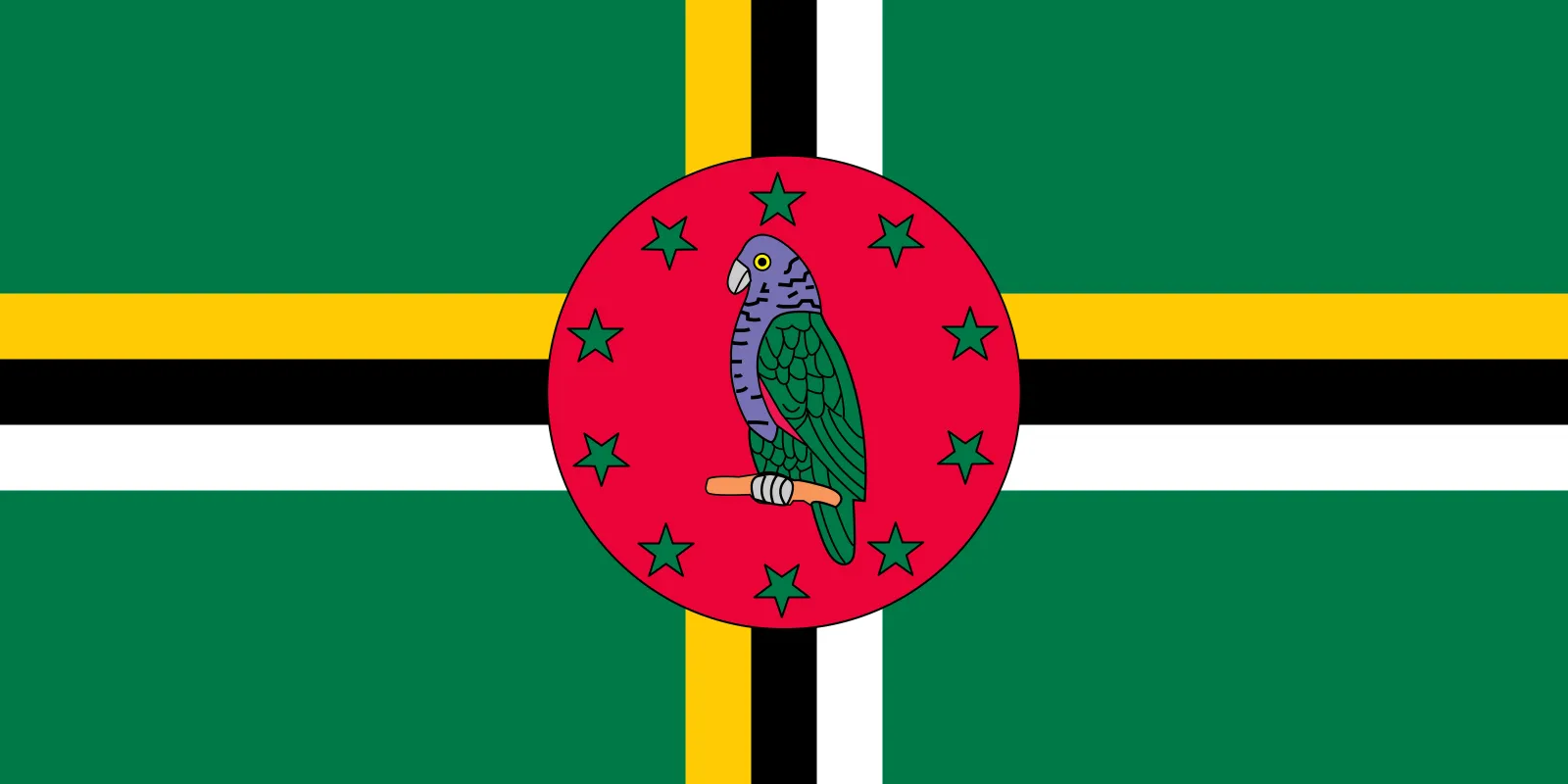
The Sisserou Parrot is featured on Dominica’s national flag.